

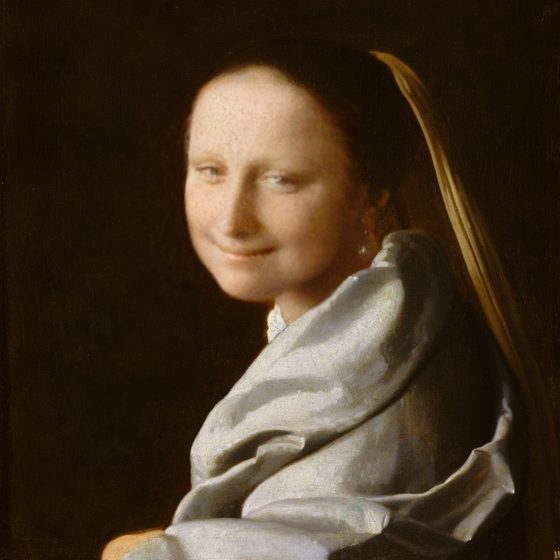
Making your meme…
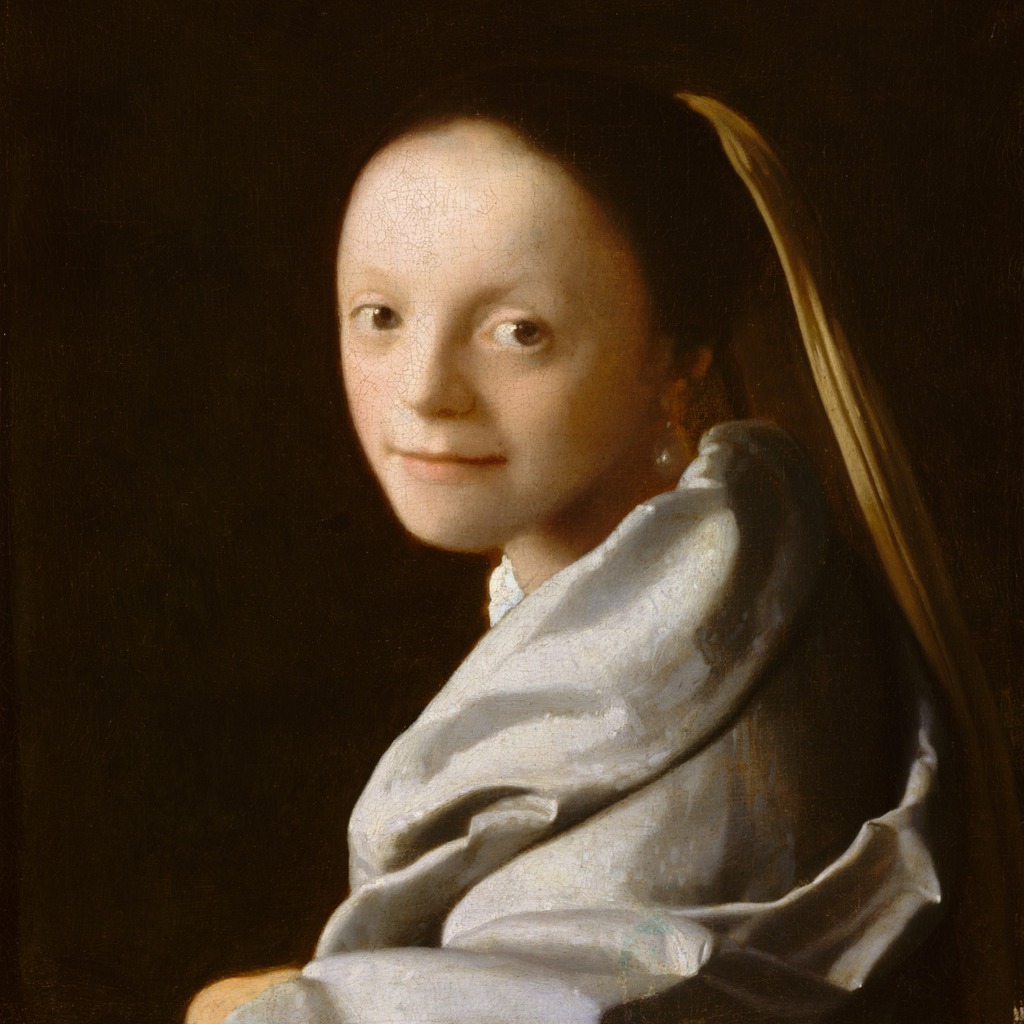
Johannes Vermeer · c. 1665
Portrait of a Young Woman face swap
The quieter sister of the girl with the pearl earring, and almost nobody knows it exists.
or
Under 15 seconds · no sign-up · your selfie is never stored
Or become a patron and stop counting. Already a patron? Sign in.
How it works
-
Take a photo
Front camera, decent light, look straight ahead. Or pick one you already have.
-
We paint you in
Your face goes into the painting, keeping its light and its brushwork. About fifteen seconds.
-
Share the link
You get a page anyone can open. No account, nothing to install.
Where this one comes from
Vermeer painted this around 1665, in the same years and at close to the same size as the far more famous head in The Hague, and with the same device: a plain dark ground, a single turned head, no story and no room. What it is, strictly, is a tronie: a study of a type or an expression, painted for the open market instead of ordered by the person in it. It is in the Metropolitan Museum in New York.
What is in the picture
A pale oval face over a white collar, a pearl at the ear, hair pulled back and mostly in shadow, and a background of flat dark nothing. The paint is thinner and the handling looser than in the Mauritshuis head, and the features are less resolved — the nose in particular barely exists as an edge. What it shares with its famous relative is the arrangement: a person turning towards you out of the dark, caught at the moment before they speak.
When people use it
For a look held a half-second too long. It suits the quiet reply, the one-word answer, and anything where the point is that you have not decided yet what you think.
How your face lands in it
A three-quarter head on a black ground with soft light from the left and no hair crossing the face. There is almost nothing in this picture except the head, so the swap is unusually direct and the result depends mostly on the photograph you bring. Since the original edges are deliberately soft, a very sharp photograph can sit slightly forward of the painting around it.
Portrait of a Young Woman — Johannes Vermeer, c. 1665. Johannes Vermeer died in 1675, which put the painting in the public domain centuries ago; a faithful photograph of it gains no new copyright. Source

Also in: Paintings · Baroque · Dutch Golden Age
More paintings
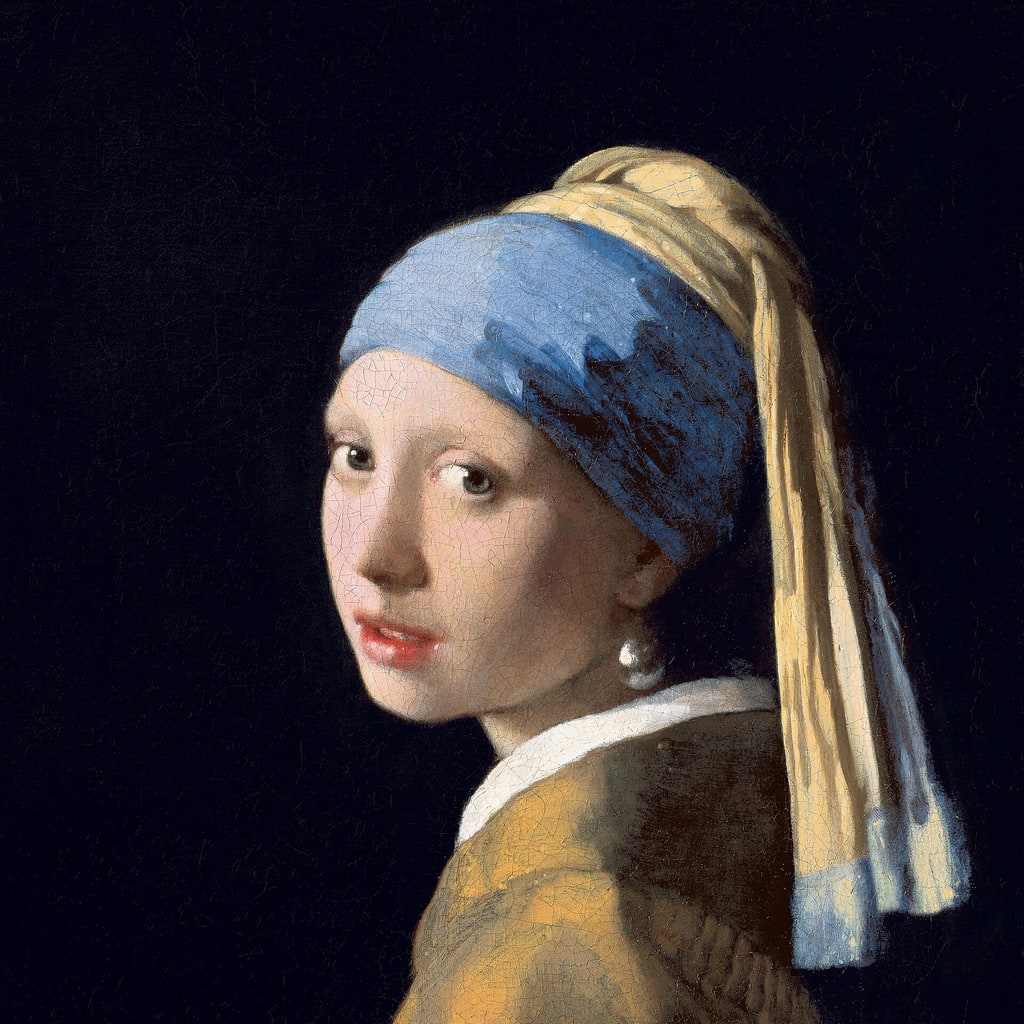 Girl with a Pearl Earring
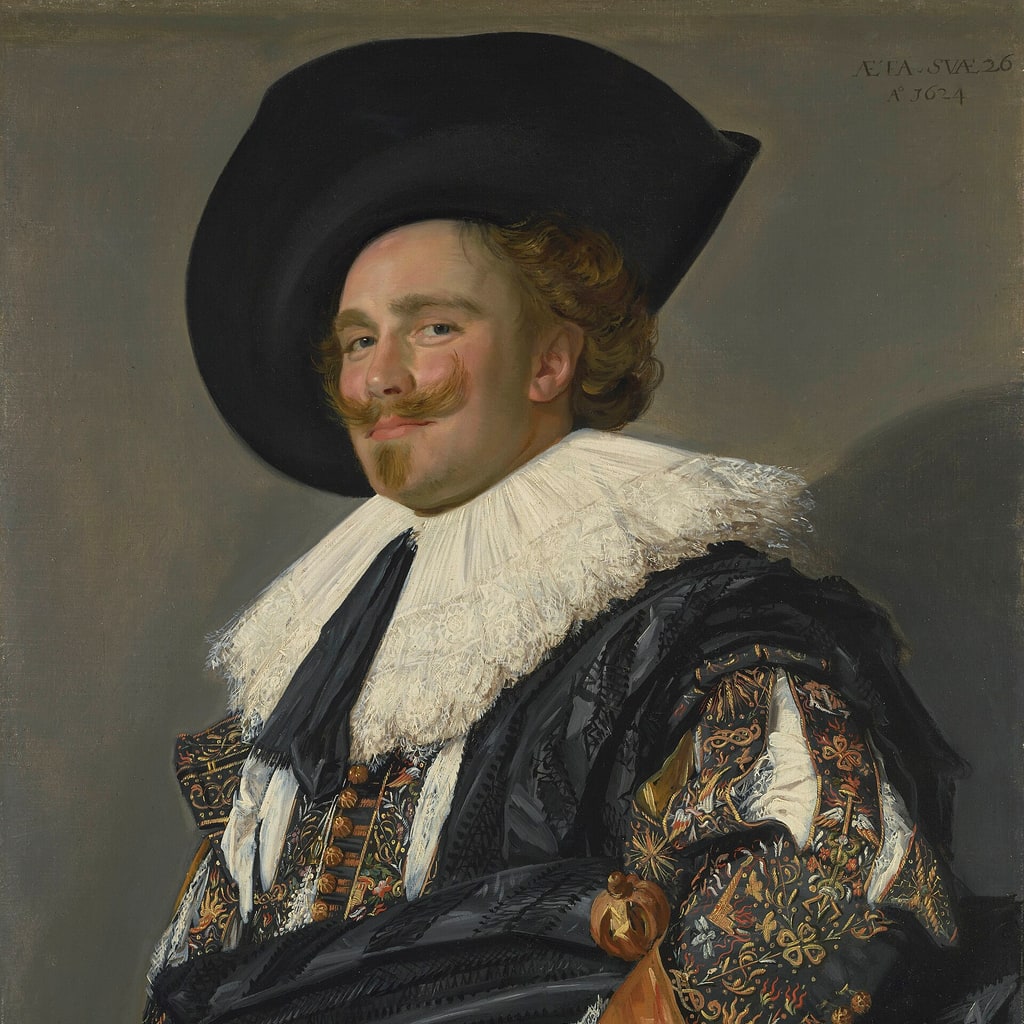 The Laughing Cavalier
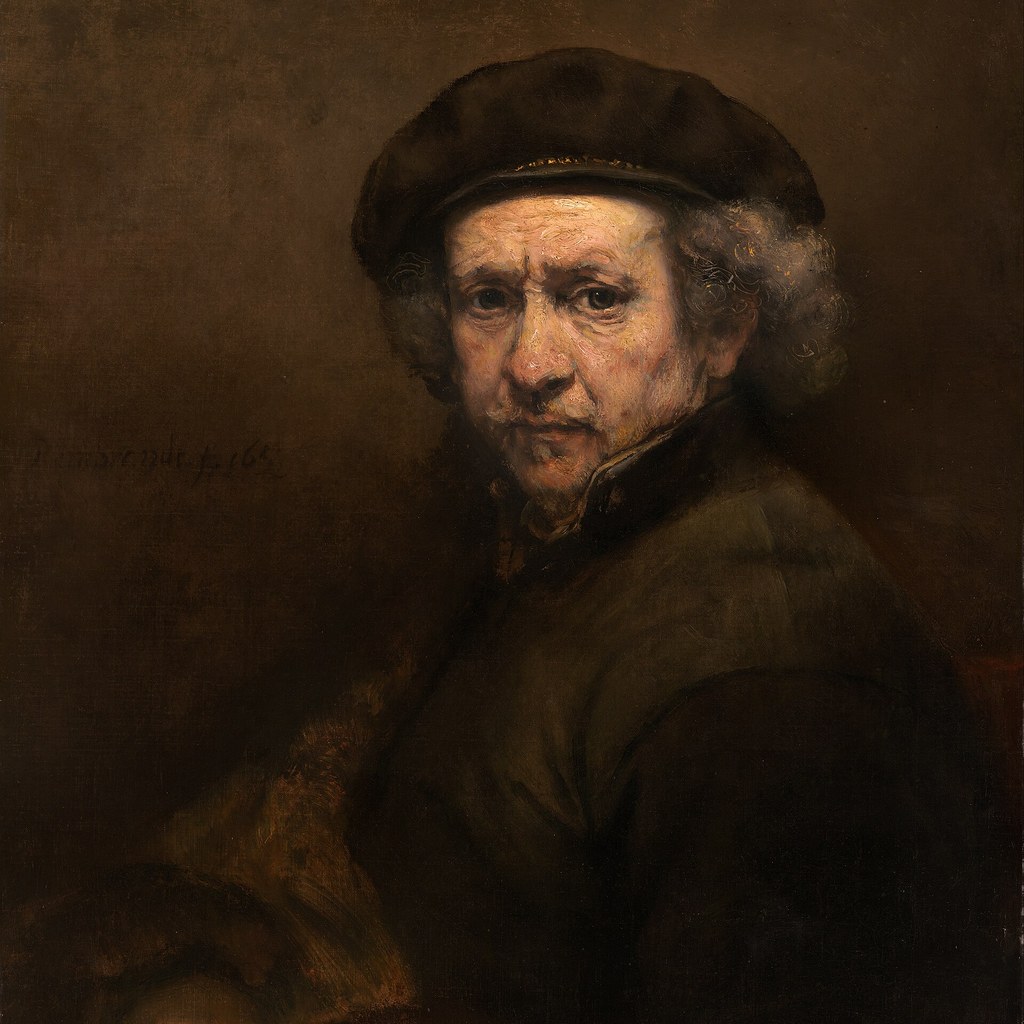 Rembrandt's Self-Portrait
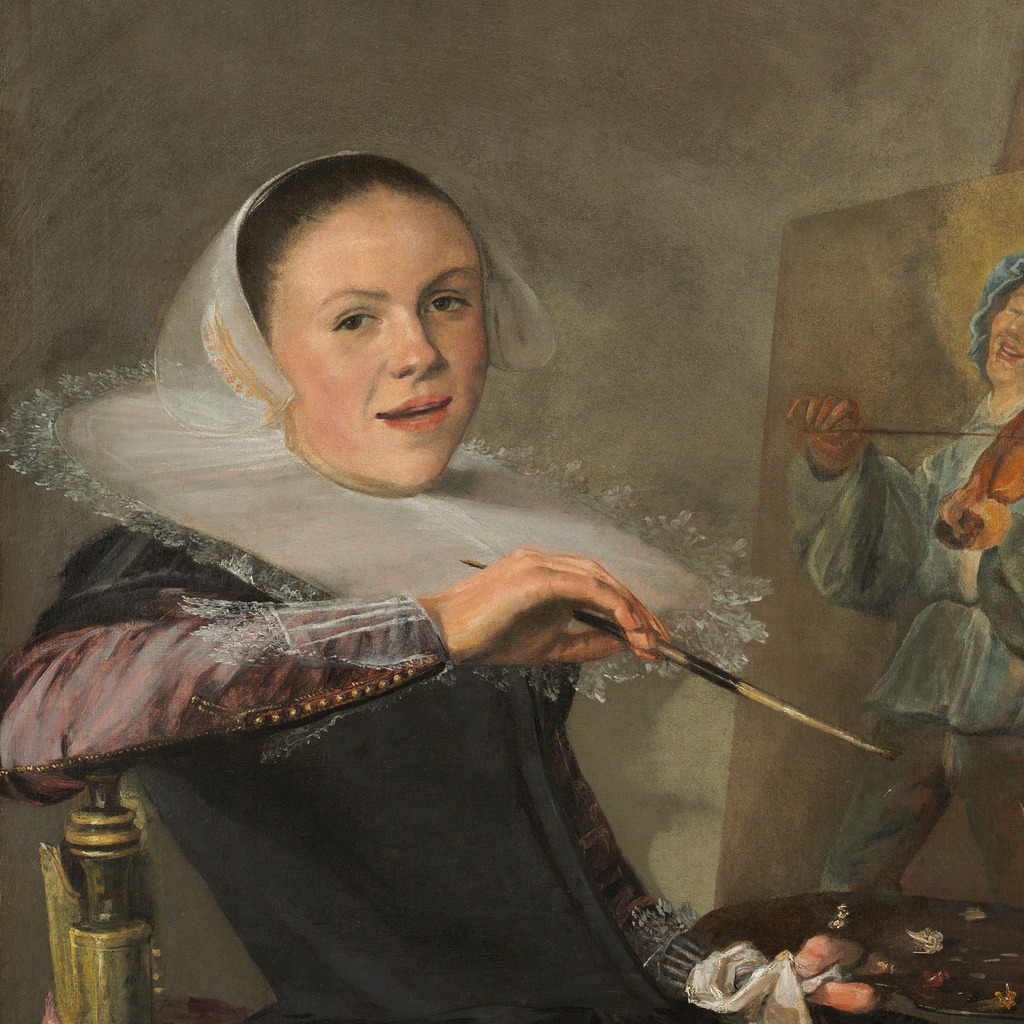 Judith Leyster
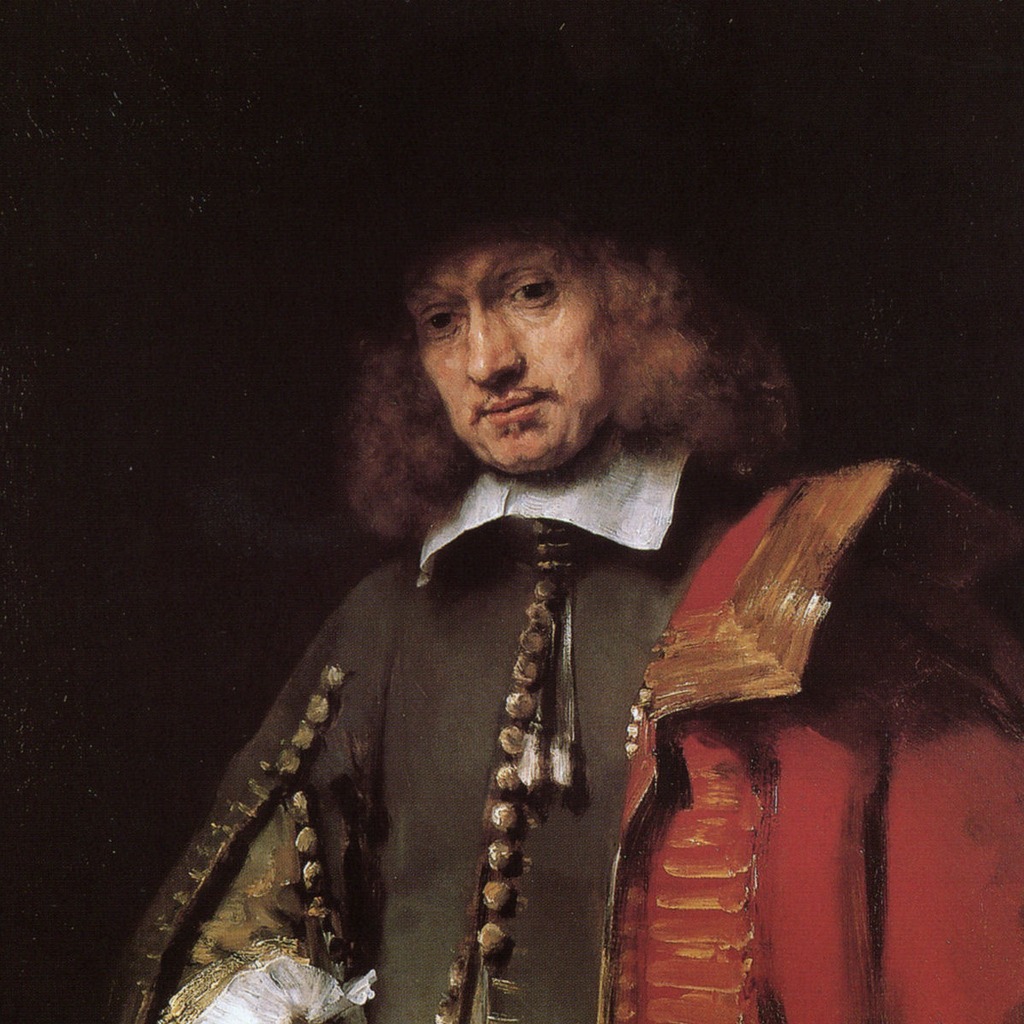 Jan Six
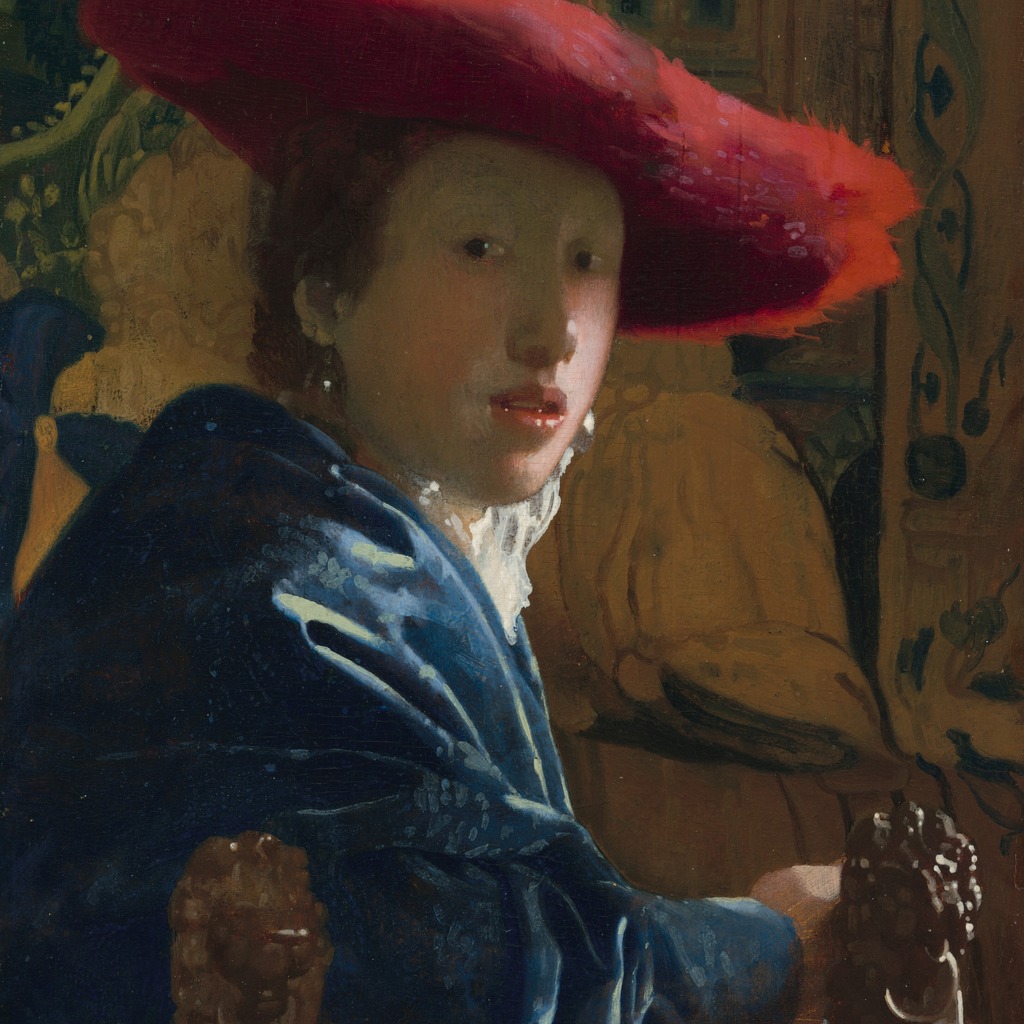 Girl with a Red Hat
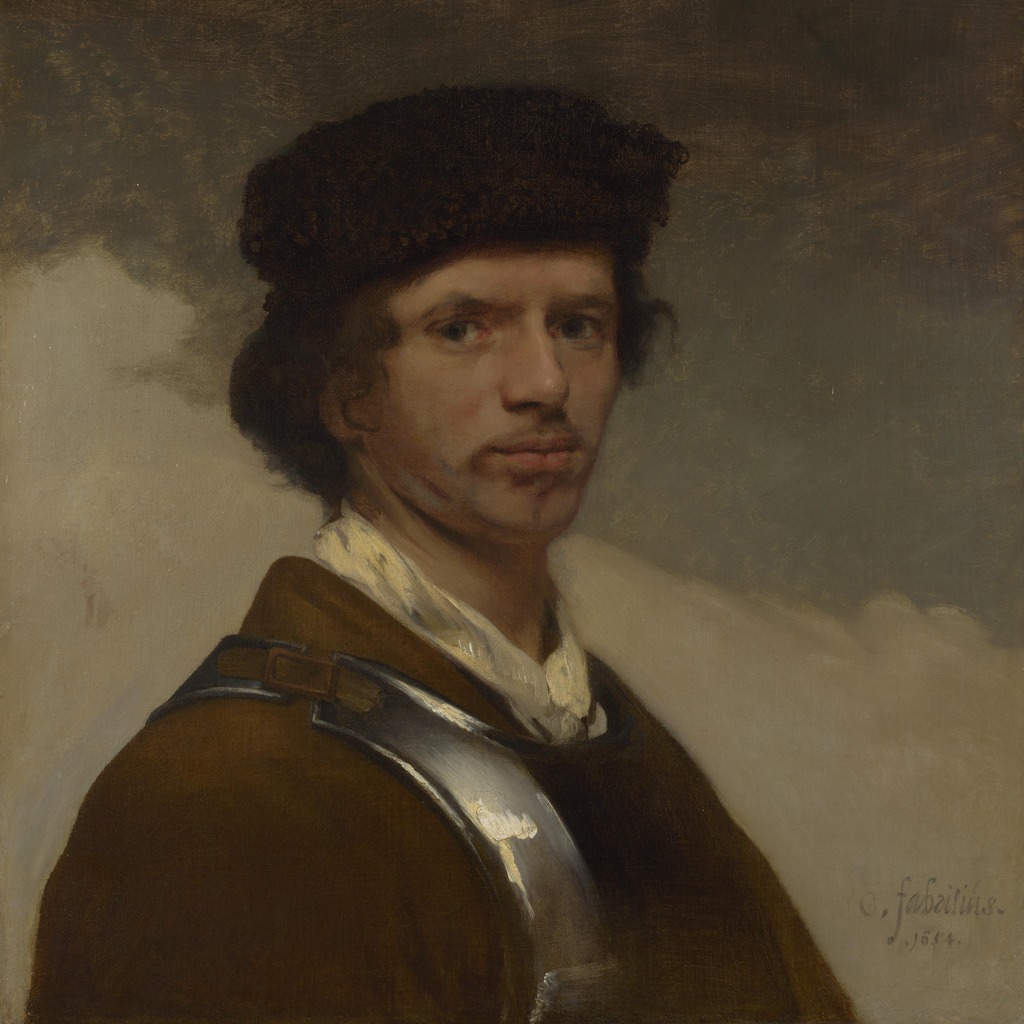 Carel Fabritius
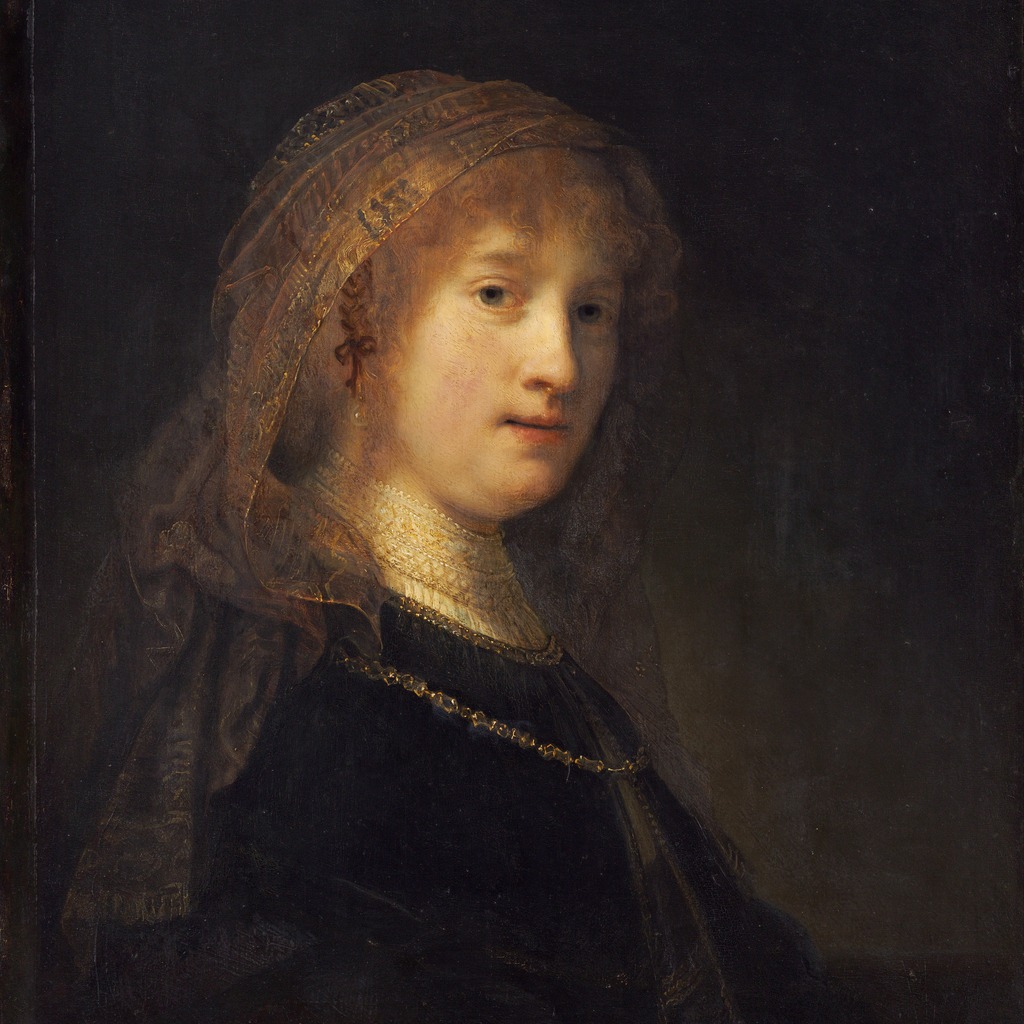 Saskia
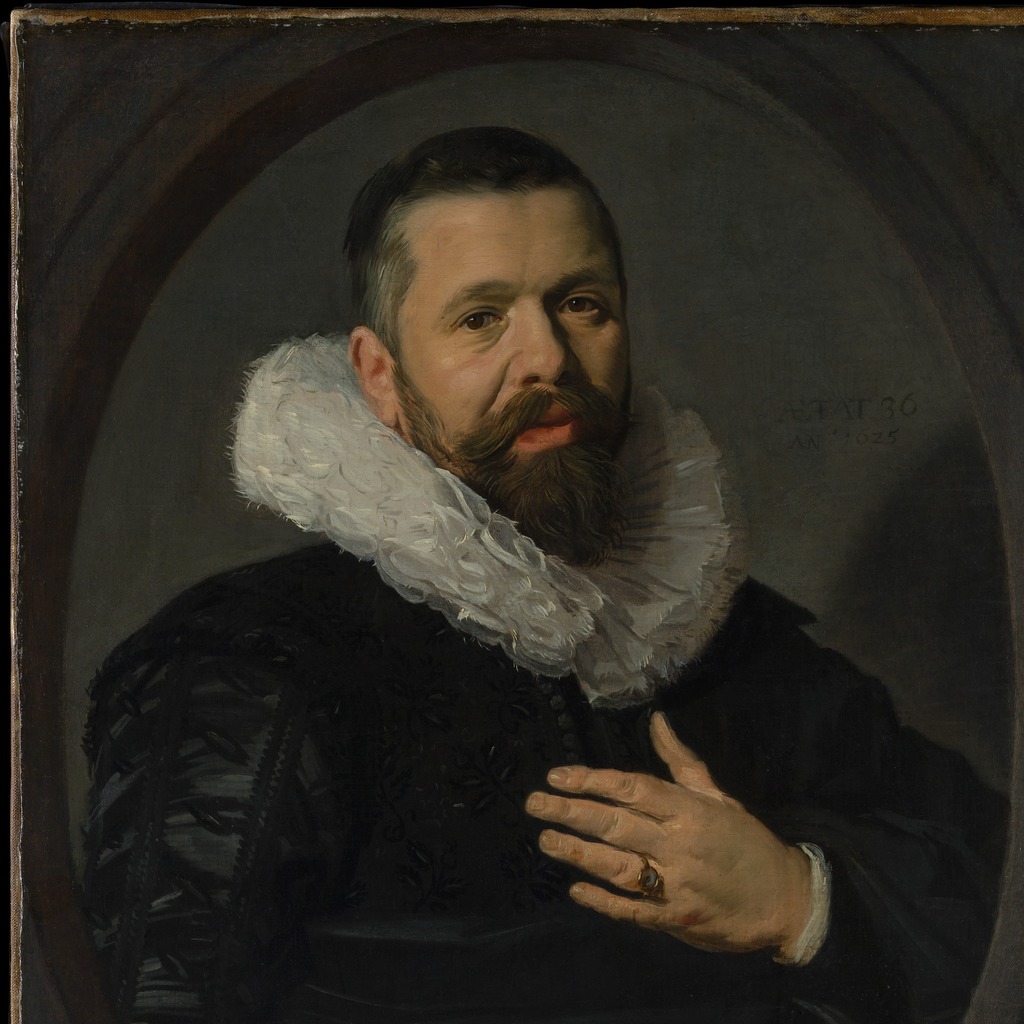 Bearded Man with a Ruff
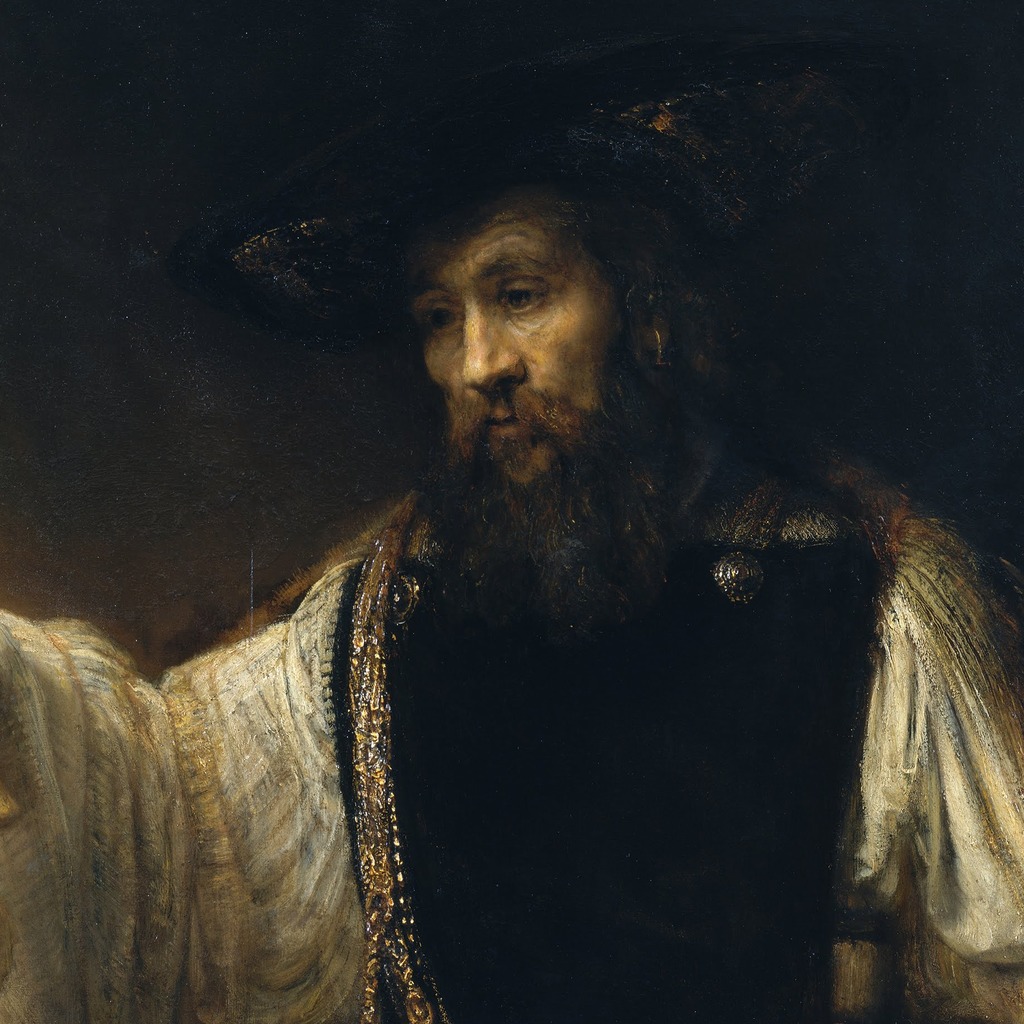 Aristotle with a Bust of Homer
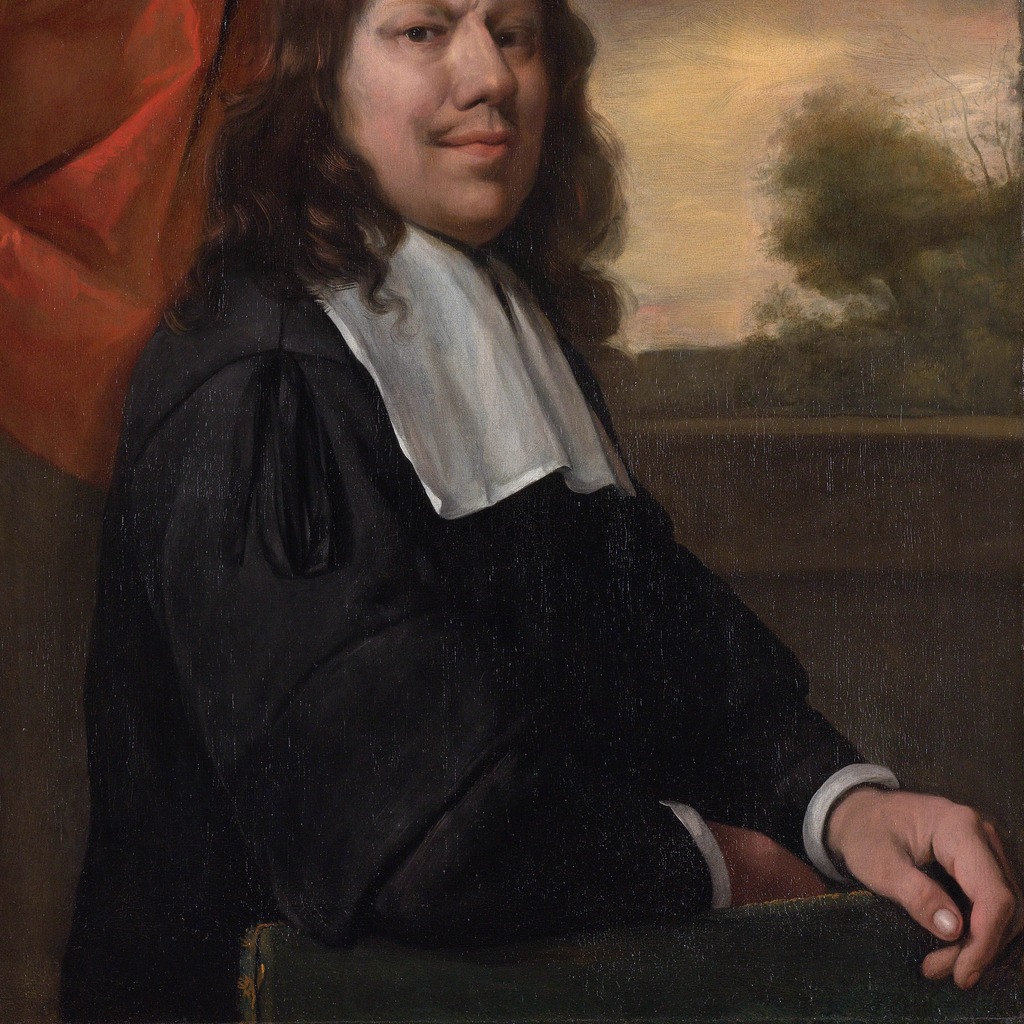 Jan Steen
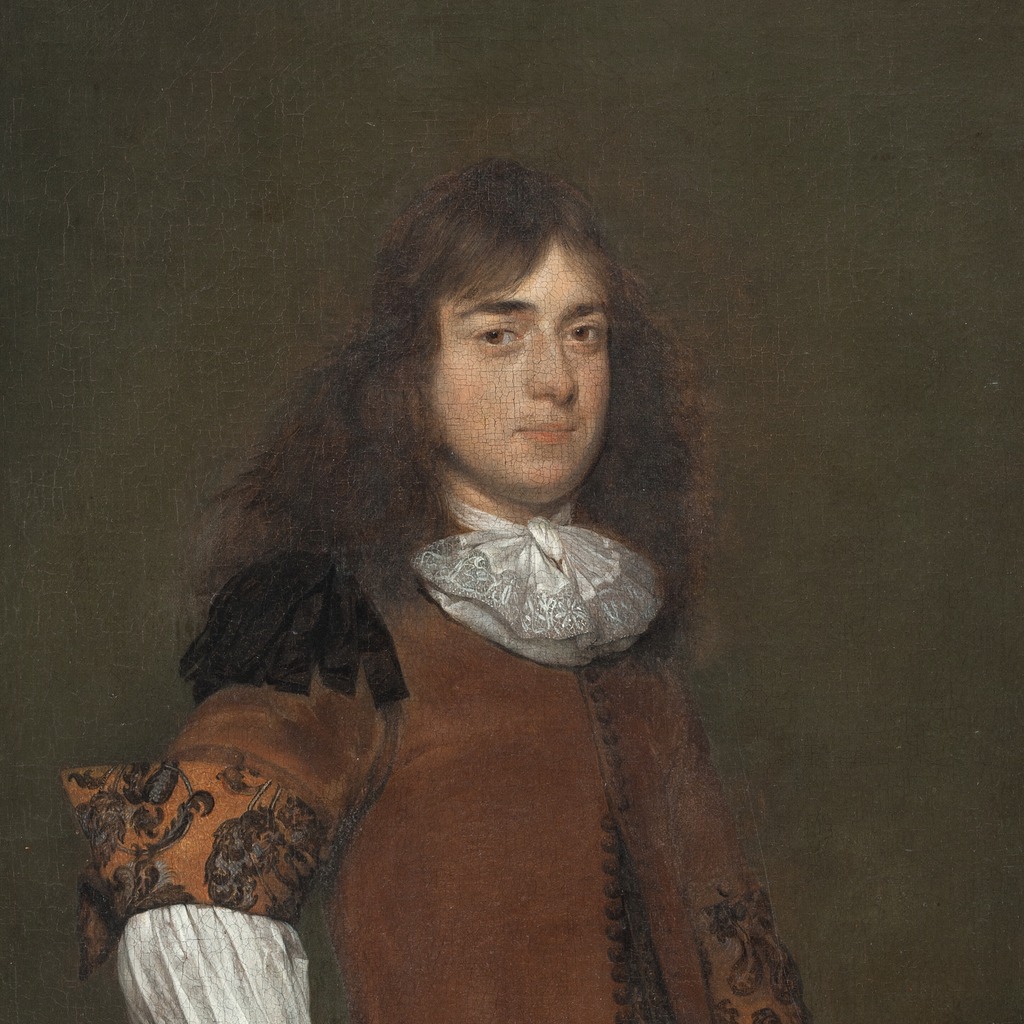 Ter Borch: Portrait of a Man
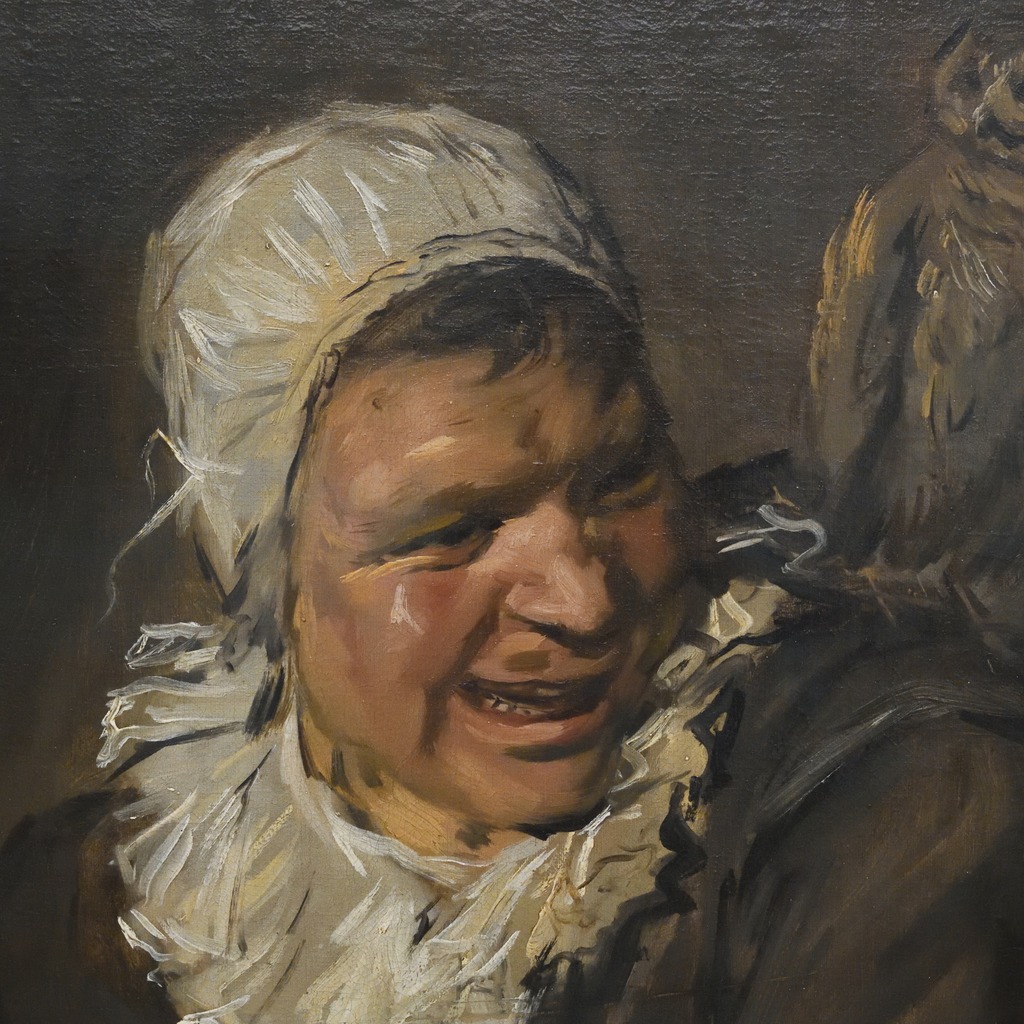 Malle Babbe
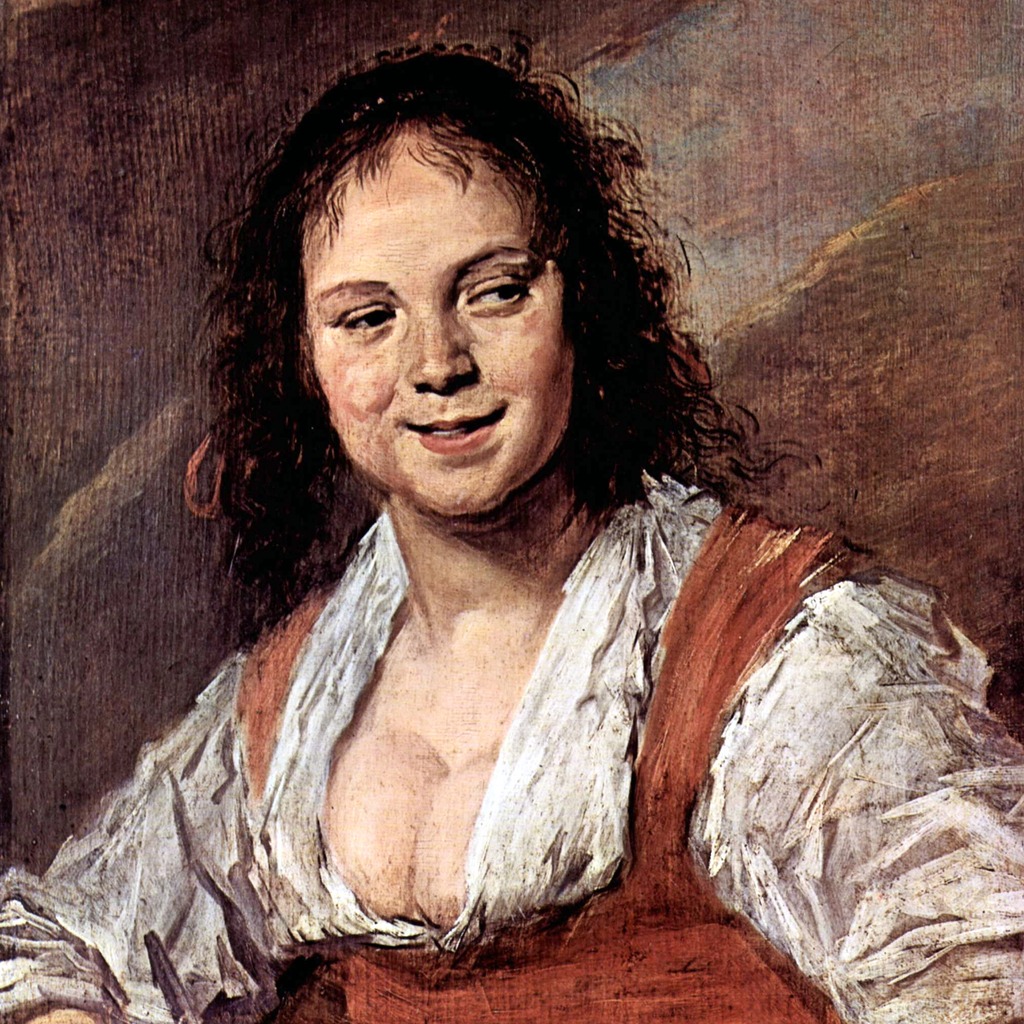 La Bohémienne
 Louis XIV
 Pope Innocent X
 Mona Lisa
 Van Gogh Self-Portrait
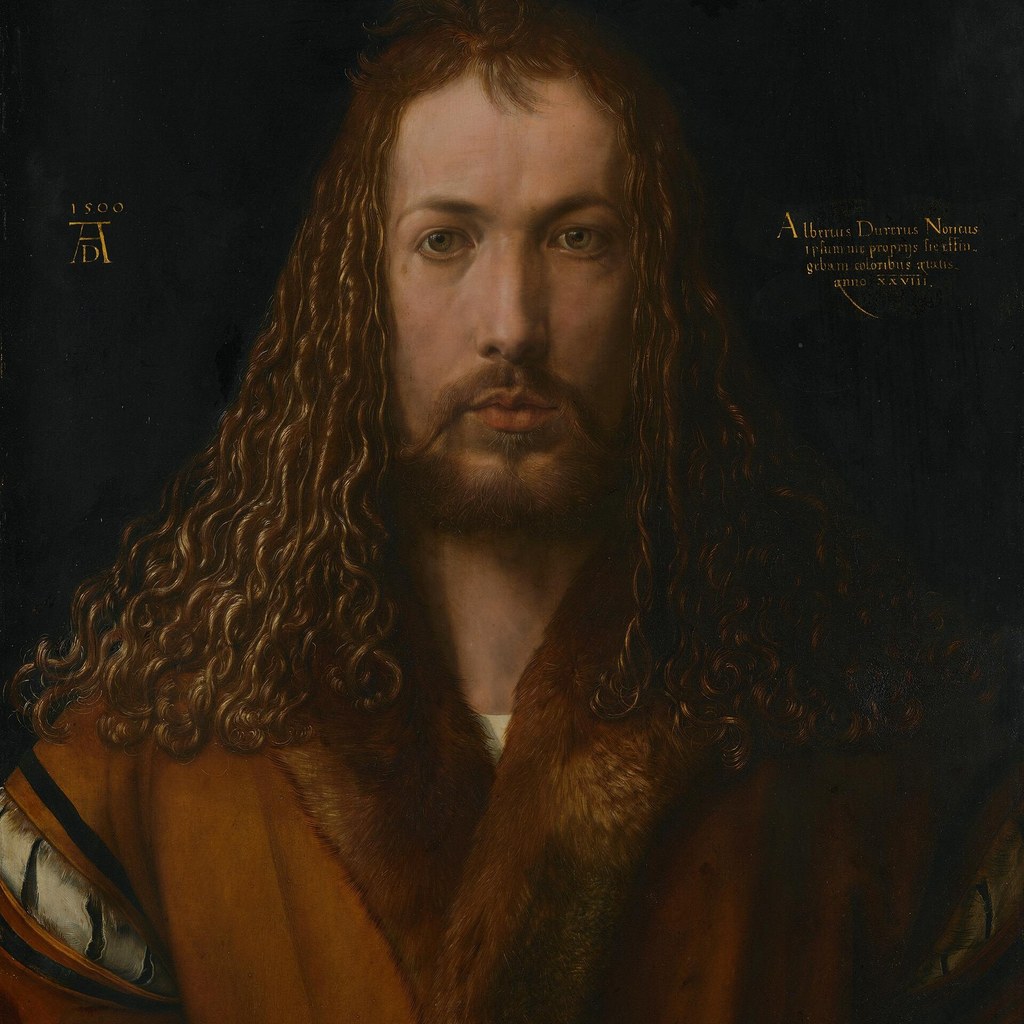 Dürer's Self-Portrait
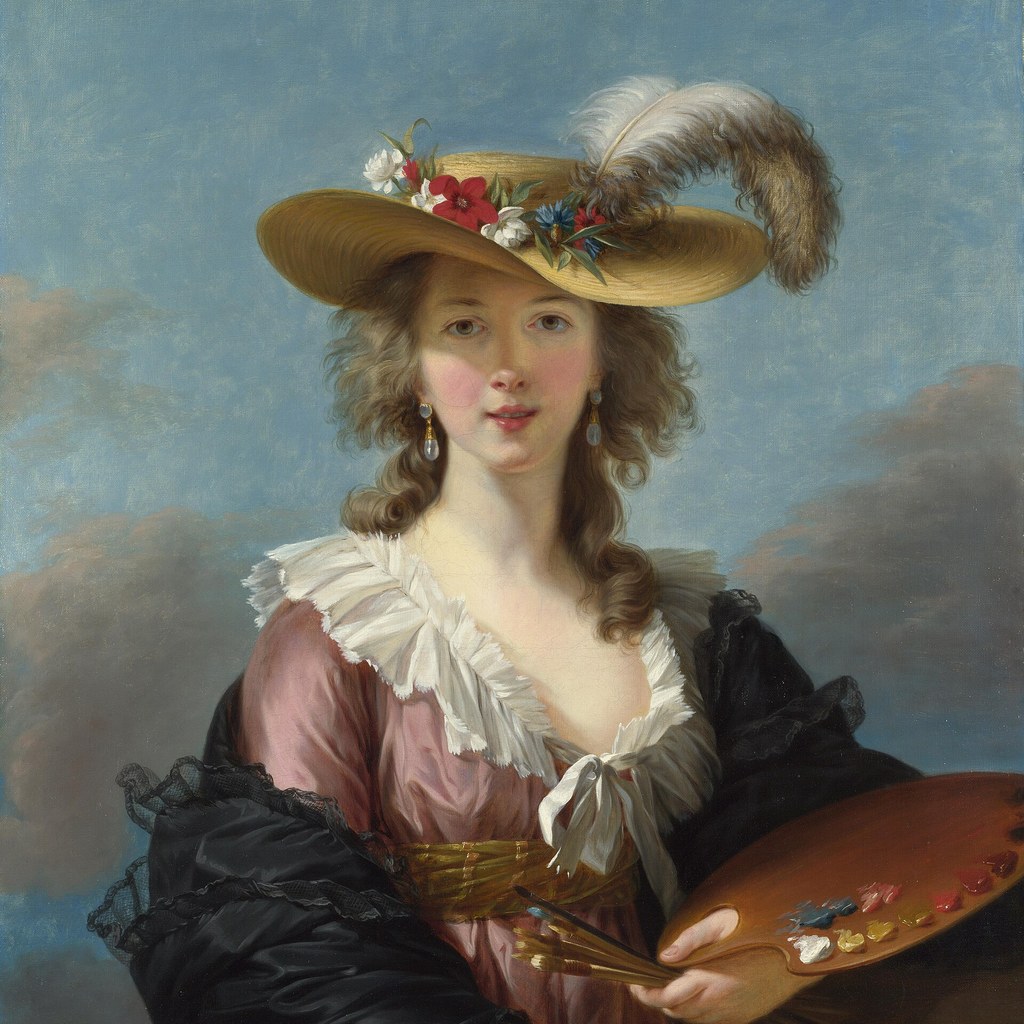 Self-Portrait in a Straw Hat
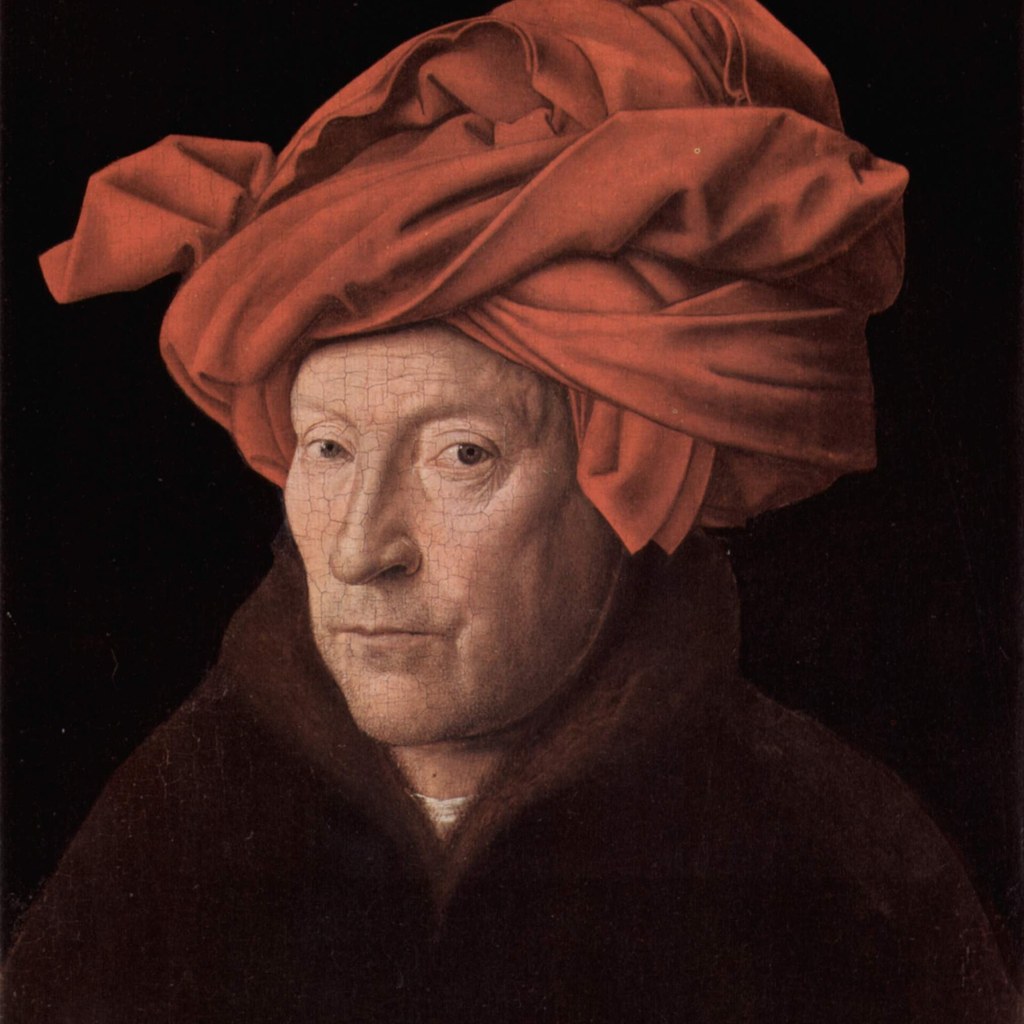 Man in a Red Turban
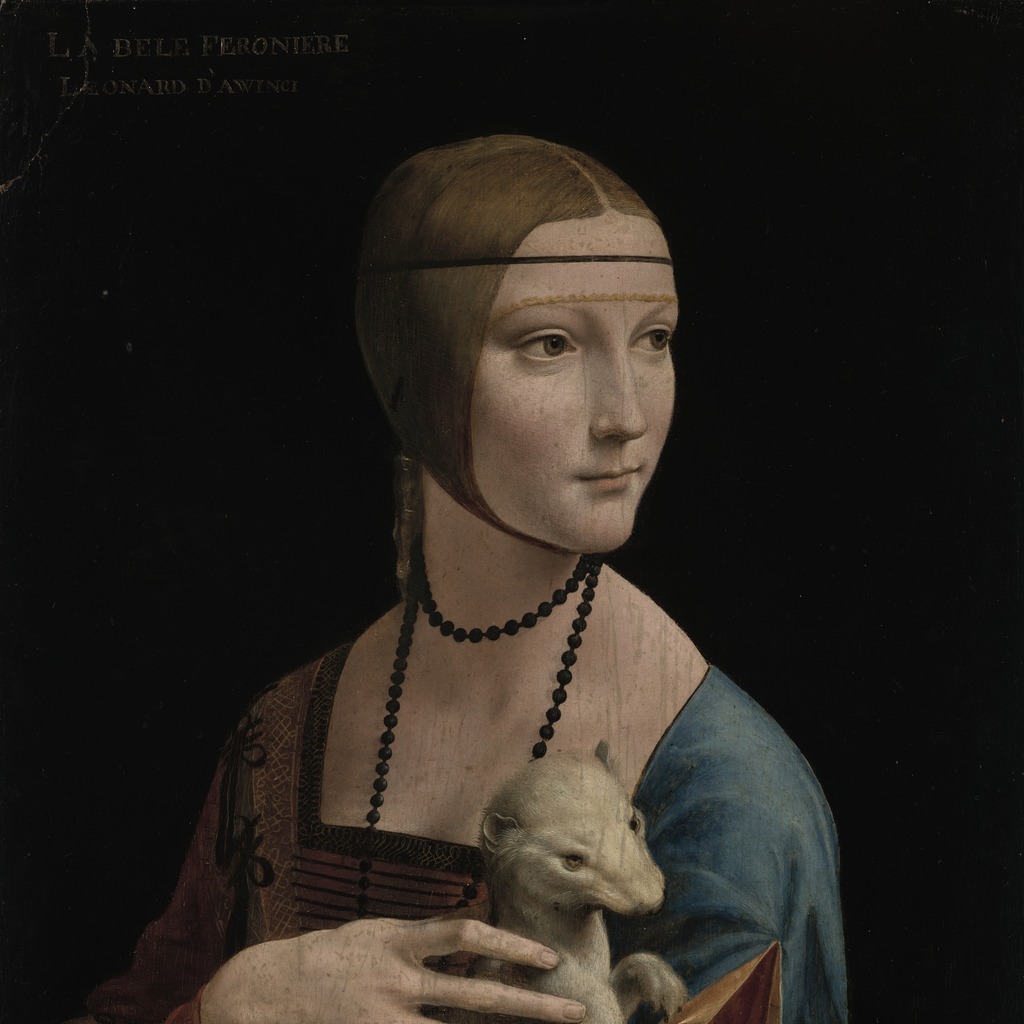 Lady with an Ermine
 Henry VIII
 The Blue Boy
Questions
Is this the Girl with a Pearl Earring?
No, although the confusion is understandable. That one is in the Mauritshuis in The Hague; this is a separate and looser painting in New York, made around the same time with the same formula.
What is a tronie?
A Dutch studio head — a character, a costume or a facial type — made speculatively and sold off the wall, not ordered by the person shown. A good half of what people take for Dutch portraits are these, posed by models, apprentices and relatives.
How many Vermeers are there?
Around thirty-five accepted paintings in total, which is why every one of them is argued over. He worked slowly, ran an art dealing business on the side, and died in debt at forty-three.
Is it free?
Yes. There is a limit on how many you can make in a day, and sharing one earns the allowance back.
Do you keep my photo?
No. Your selfie is used to make the image and then dropped — it is never written to disk. The finished meme is stored, because it has a link people can open, and it is deleted after 90 days.
Can I use someone else’s face?
Please do not. Use your own. Putting a real person into a picture they did not agree to is exactly the thing this is not for.
Can I post the result?
Yes, anywhere you like. The paintings are public domain; what you make with your own face is yours.