

Baroque portrait face swap
Twenty-two paintings from the century that invented the single light source. If you want the swap to look painted rather than pasted, start here.
What makes a portrait baroque
One light, coming from off to one side, and a great deal of dark. The seventeenth century worked out that a face is most convincing when most of it is in shadow, and built a century of pictures on the discovery — a lit cheek, a jaw falling away into brown, and nothing behind the sitter at all.
The other half of it is that the sitters stopped being types. A baroque portrait will give you a specific tired man on a specific afternoon, which is why a pope who looks suspicious and a painter who looks broke both survived into a century that has no idea who either of them was.
Geographically it is two countries doing it for opposite reasons. Spain made the court version — Velázquez painting a pope, a king and the man he himself held enslaved with the same unhurried attention, which is its own uncomfortable fact — and the Dutch republic made the commercial one, where a brewer could buy the same quality of picture for a fee. Both are here, and the difference shows in the clothing rather than in the light.
Why these are the best ones to use
Directional light is the one thing a phone camera can reproduce without trying. Stand with a window on one side of you and you have already matched the lighting of every painting on this page — which is not true of a Renaissance panel lit evenly from nowhere, or of an outdoor eighteenth-century portrait with sky bouncing up under a hat brim.
These also carry the least costume. A dark coat, a white collar, a cap: there is no wig or ruff doing the recognition for you, so what comes out looks like a portrait of you rather than a portrait of an outfit with your face attached.
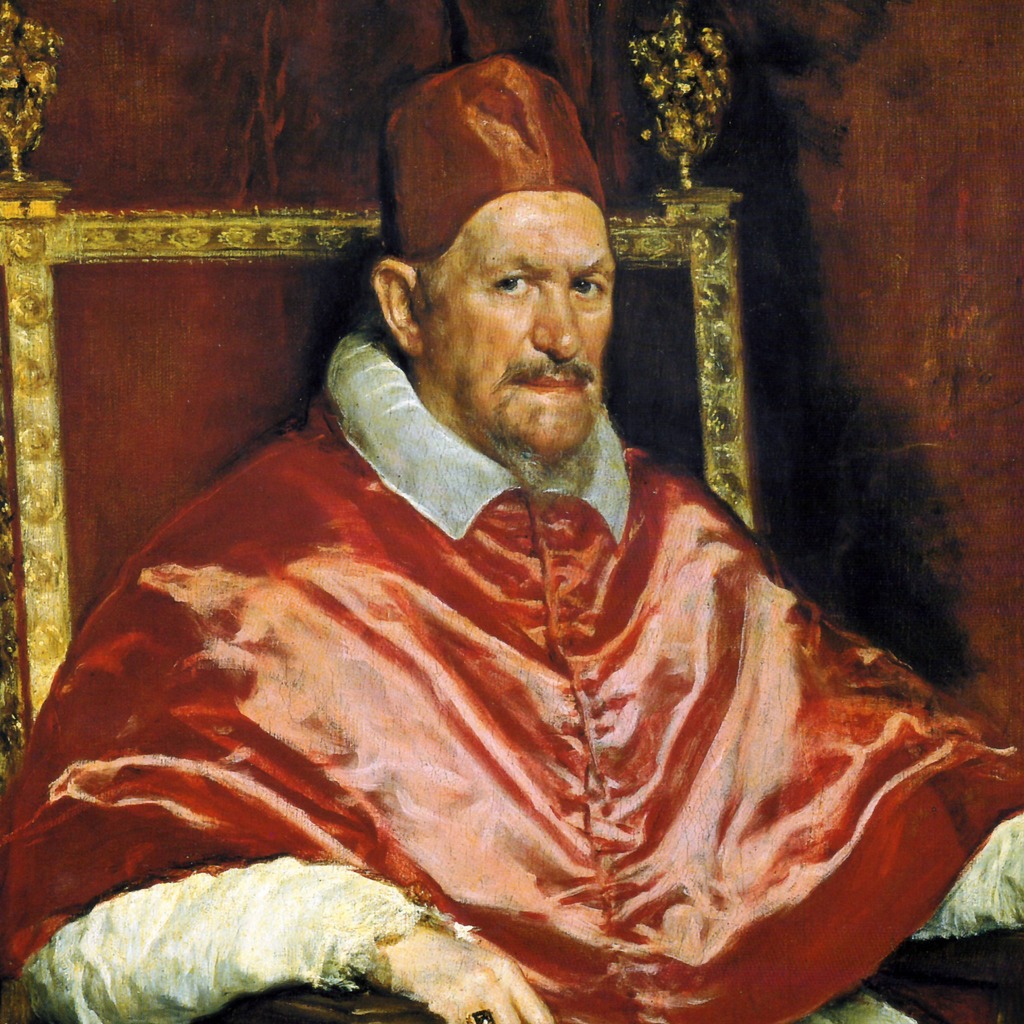 Pope Innocent X
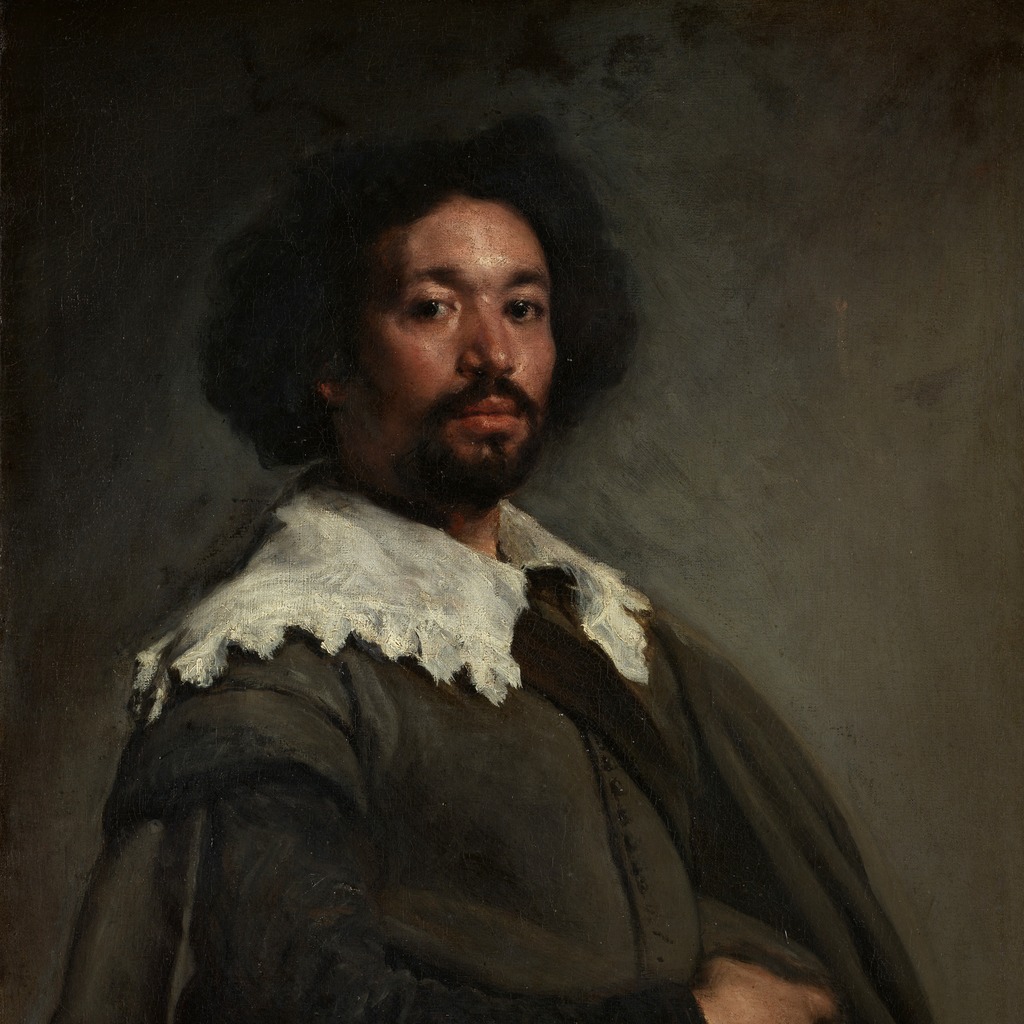 Juan de Pareja
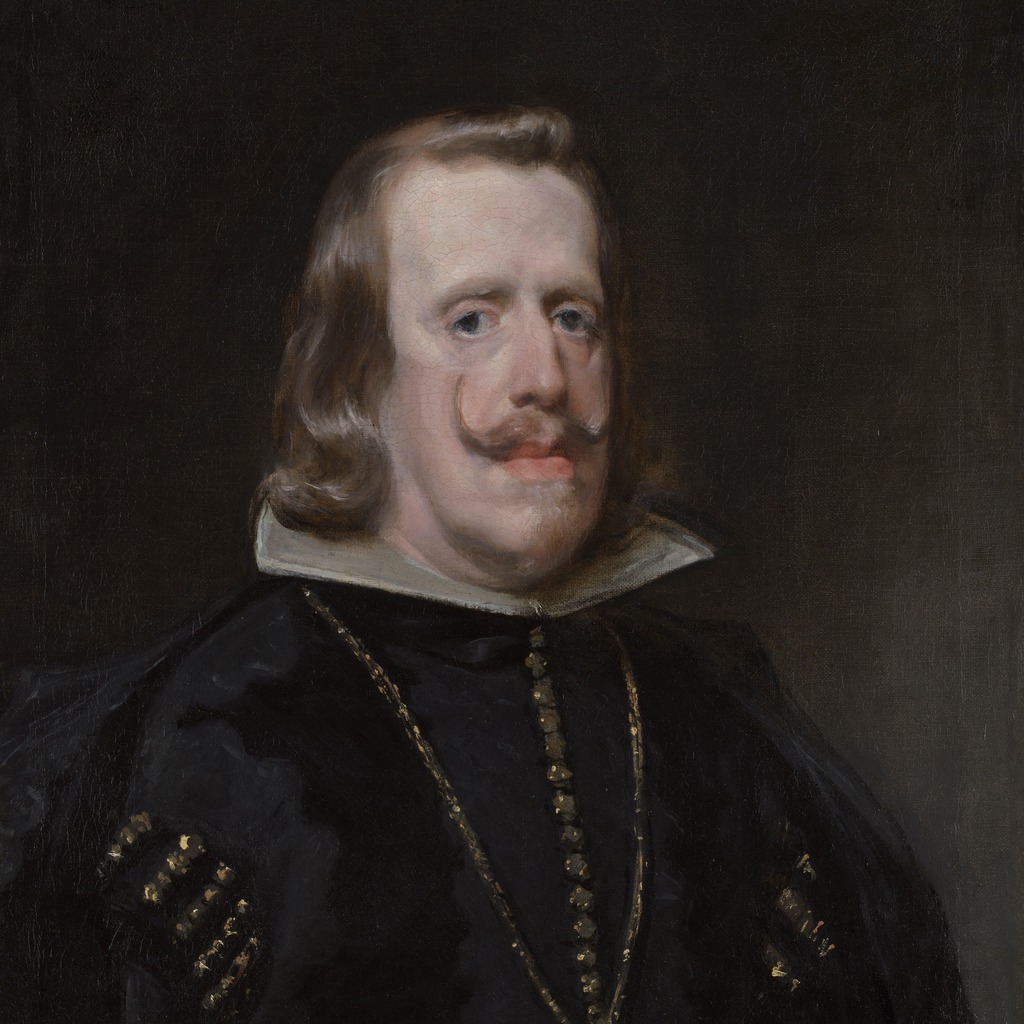 Philip IV
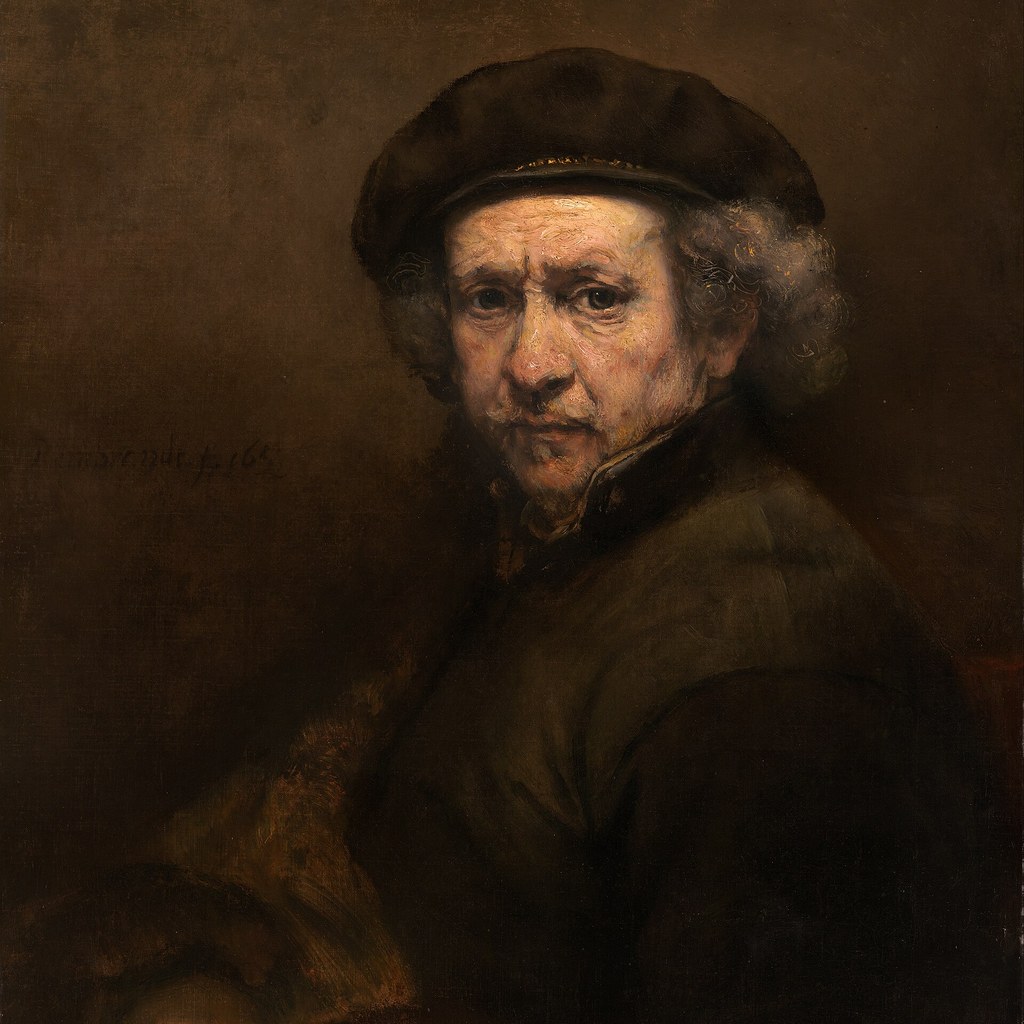 Rembrandt's Self-Portrait
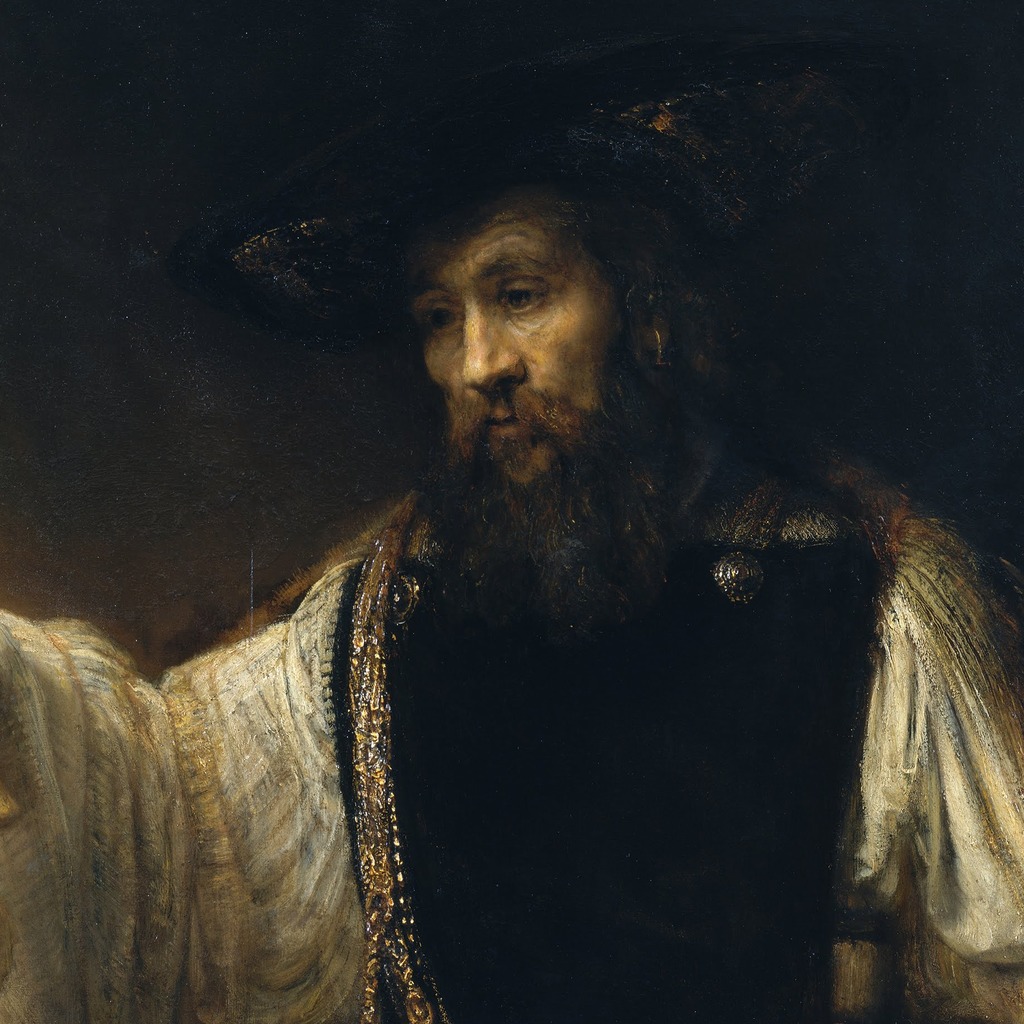 Aristotle with a Bust of Homer
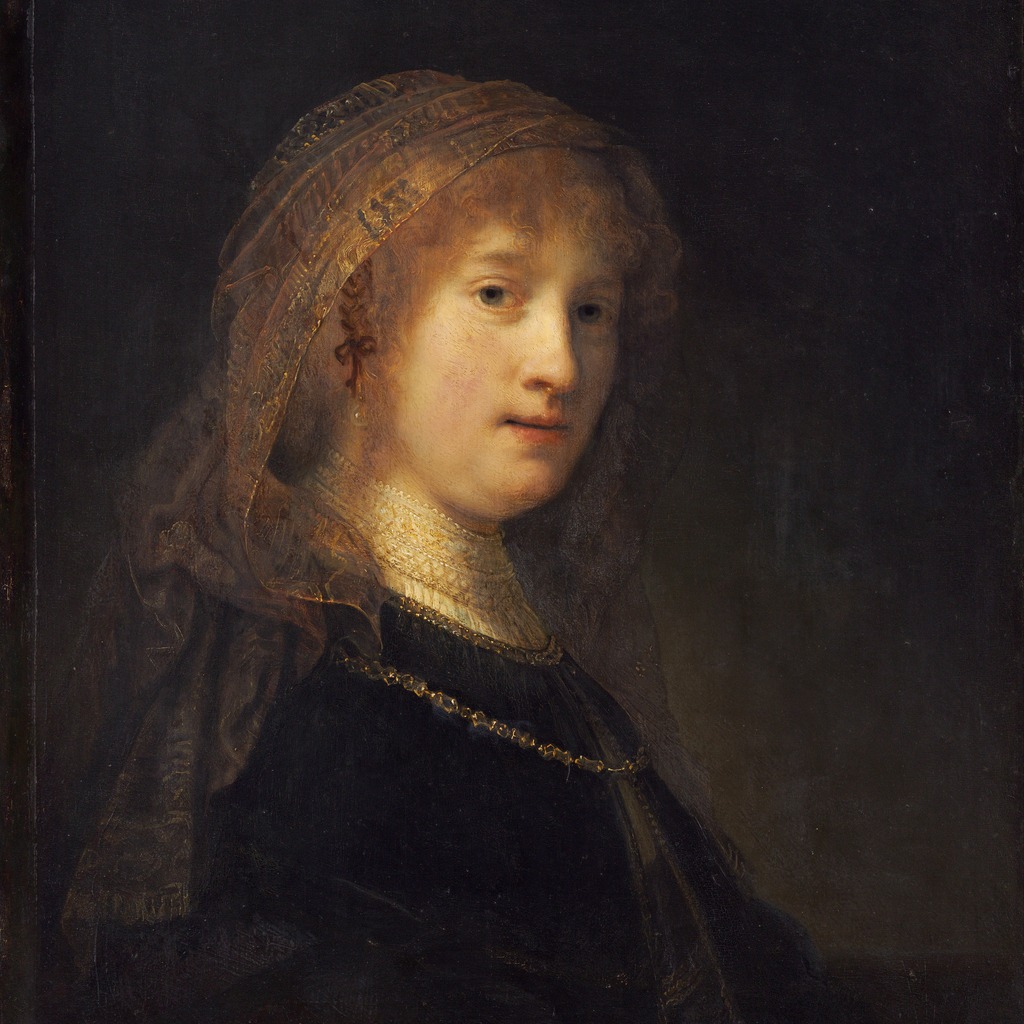 Saskia
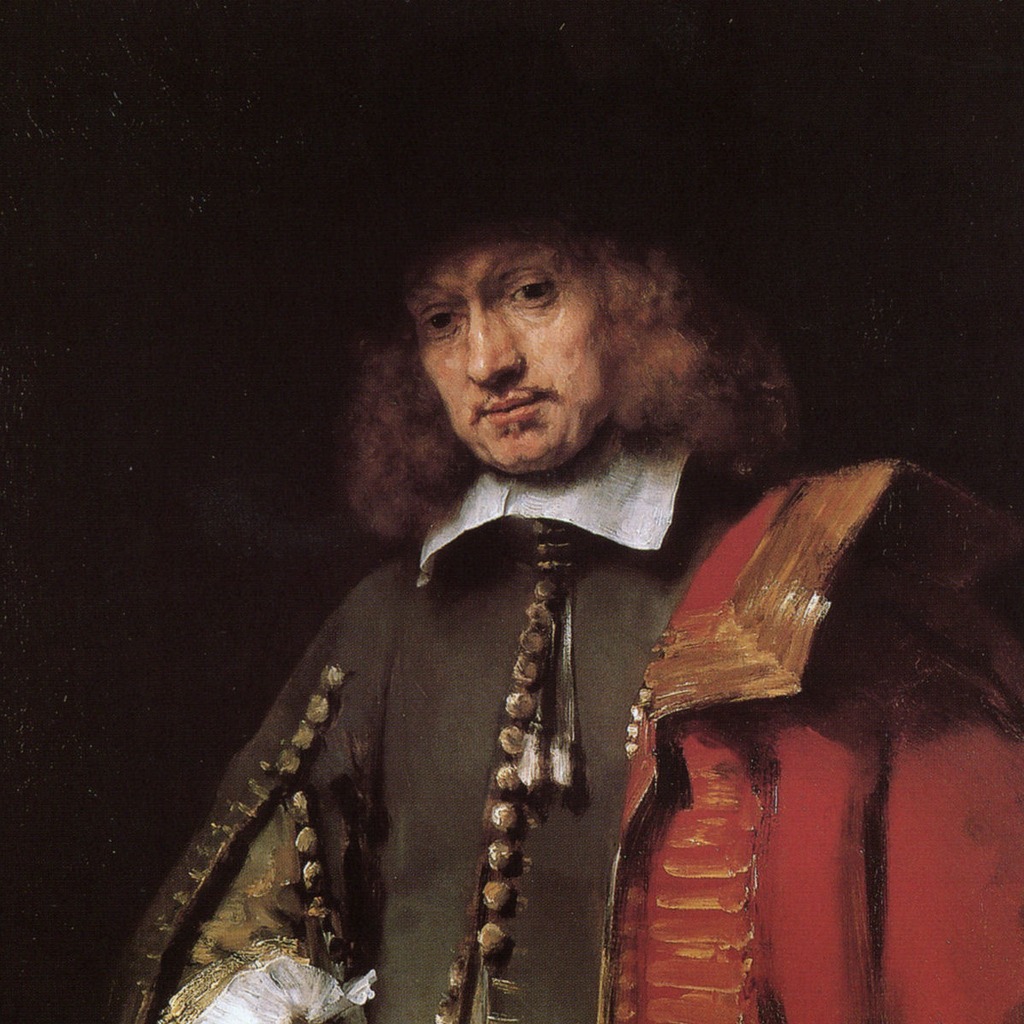 Jan Six
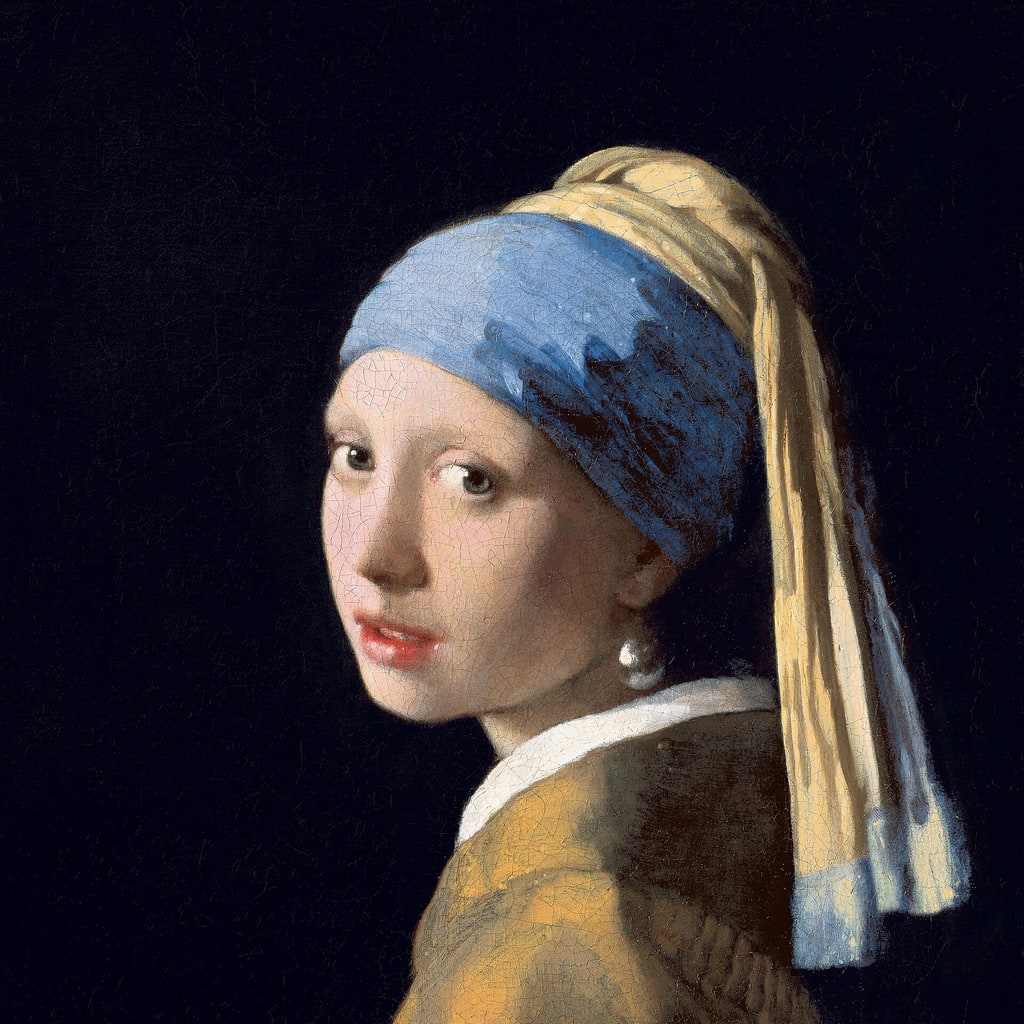 Girl with a Pearl Earring
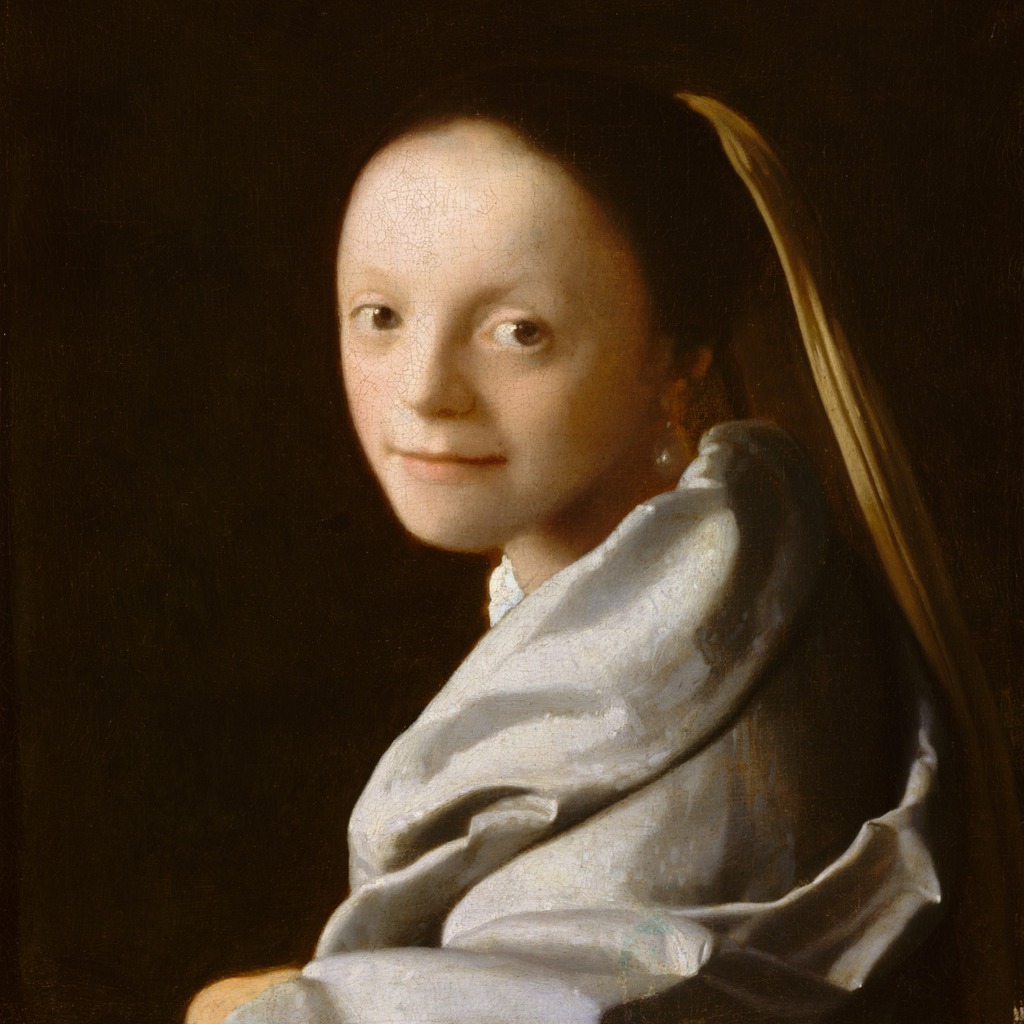 Portrait of a Young Woman
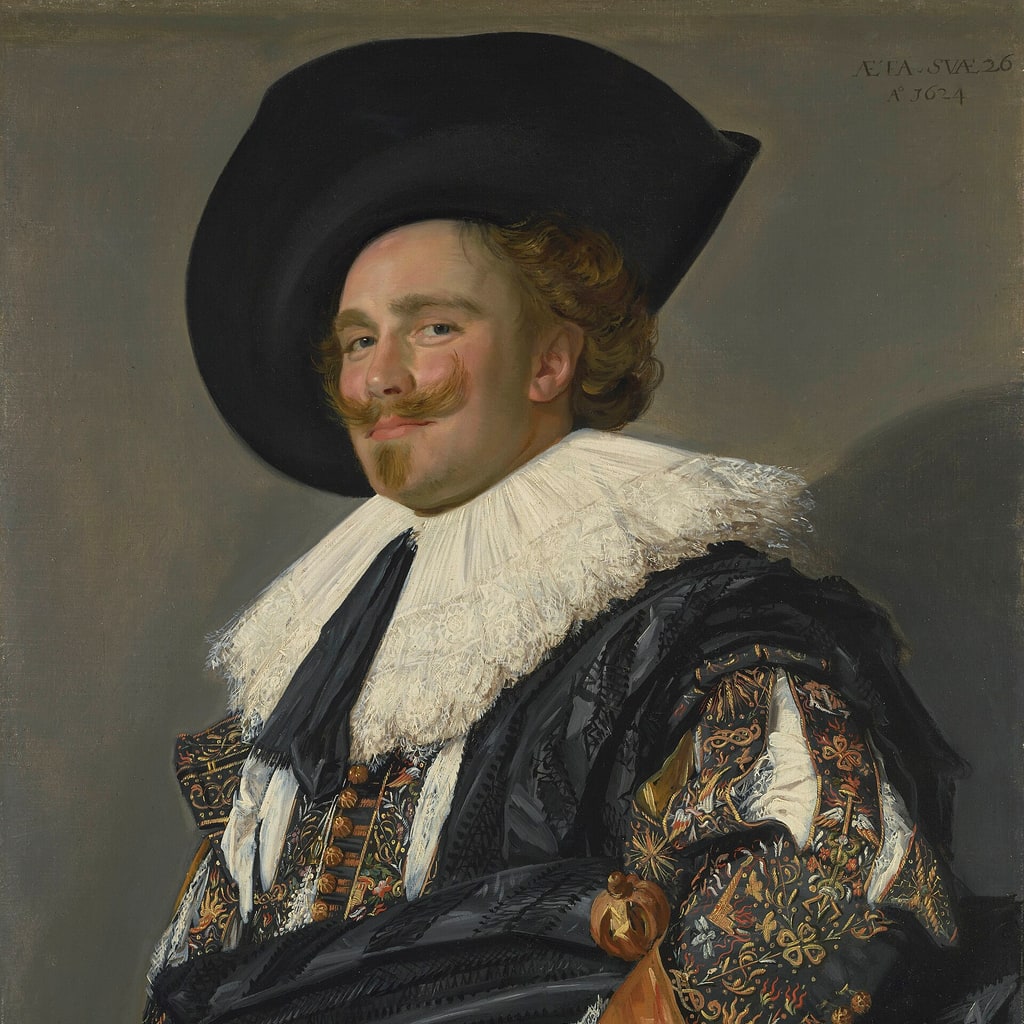 The Laughing Cavalier
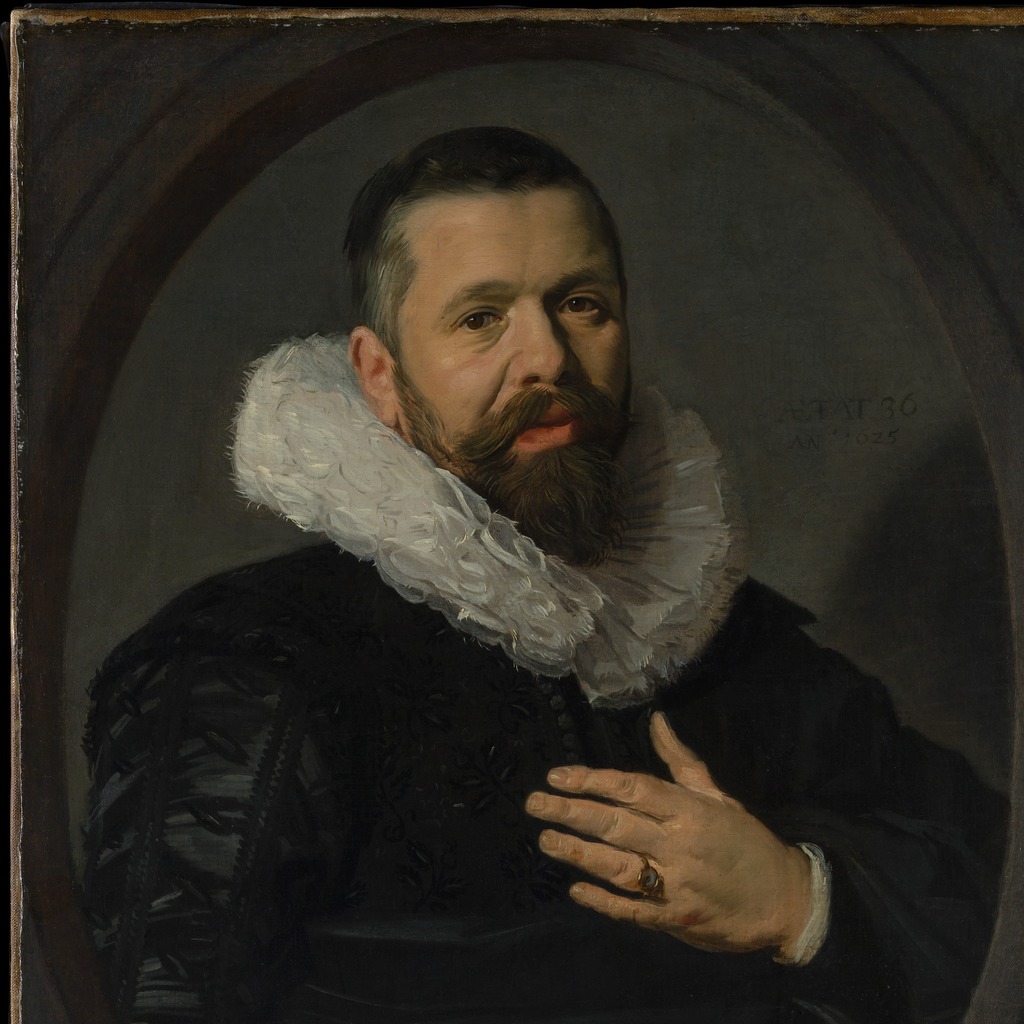 Bearded Man with a Ruff
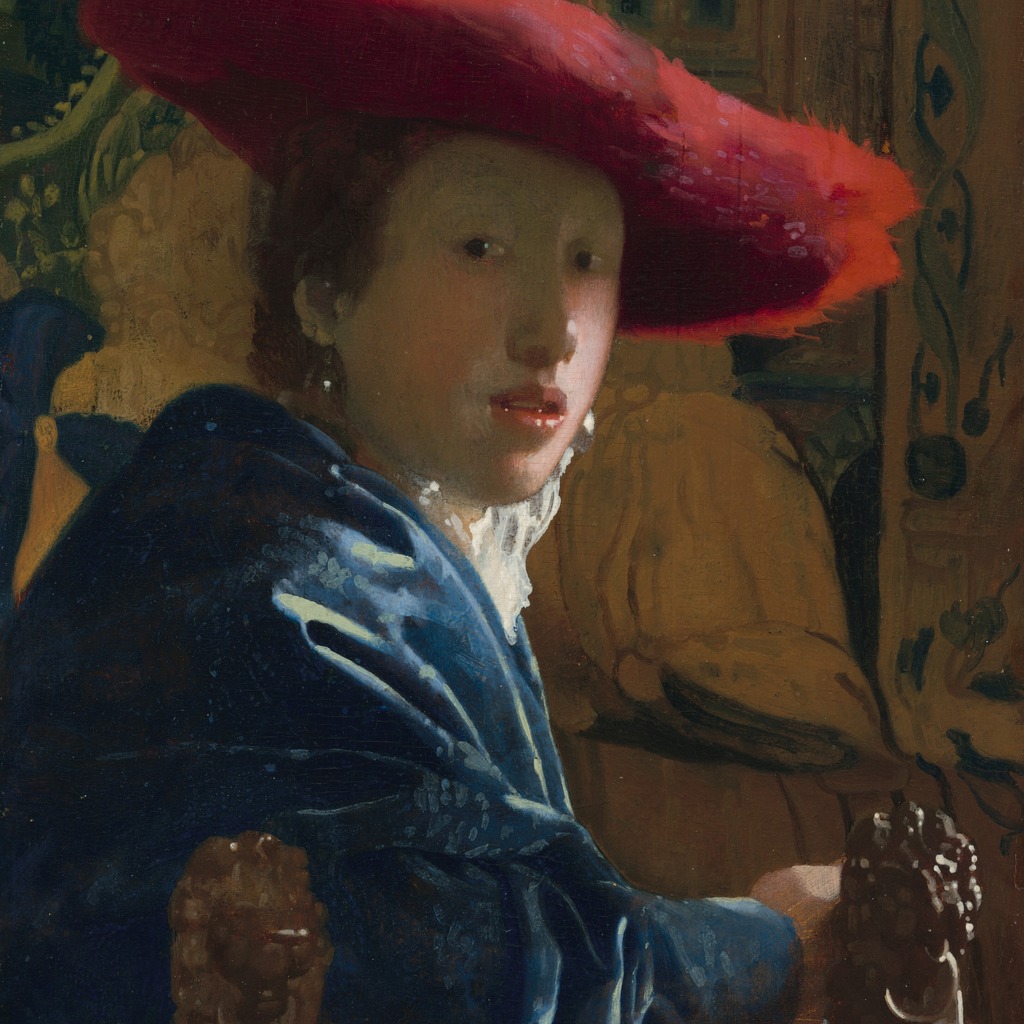 Girl with a Red Hat
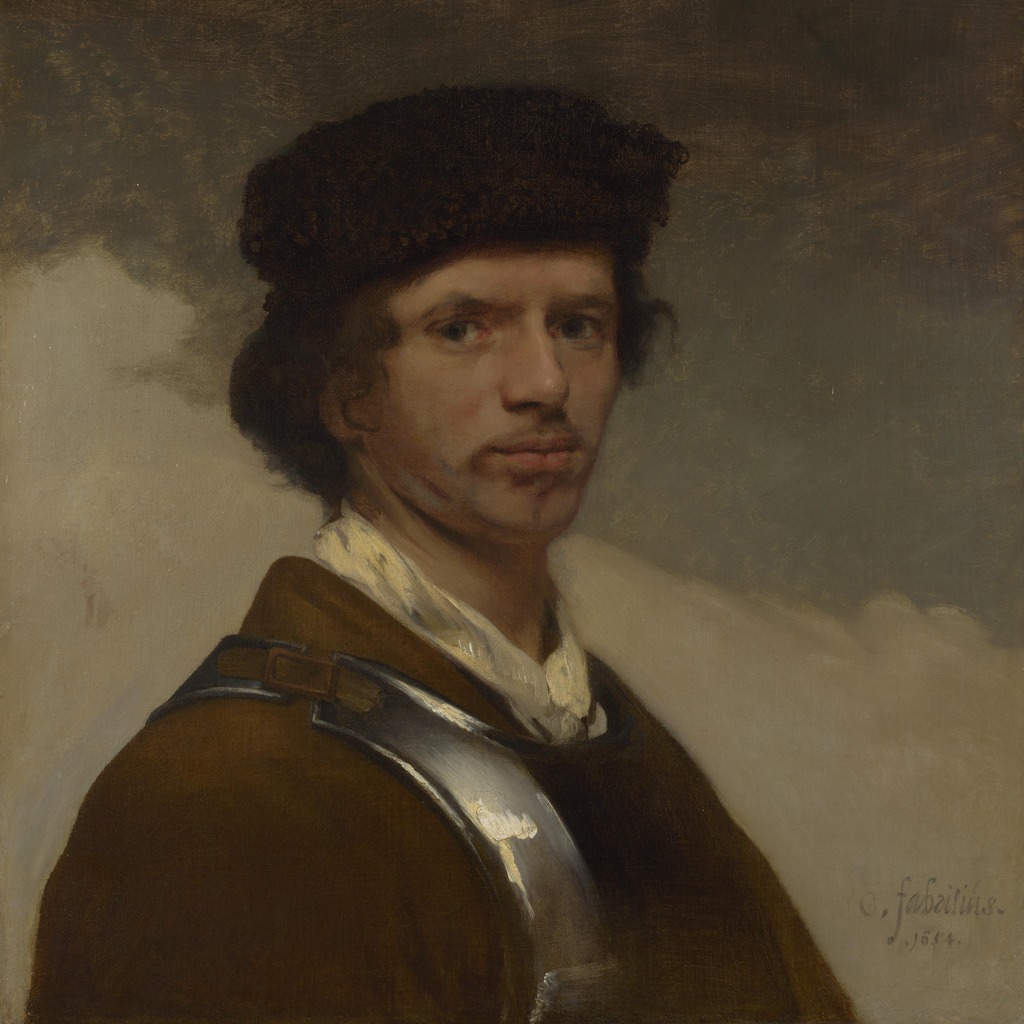 Carel Fabritius
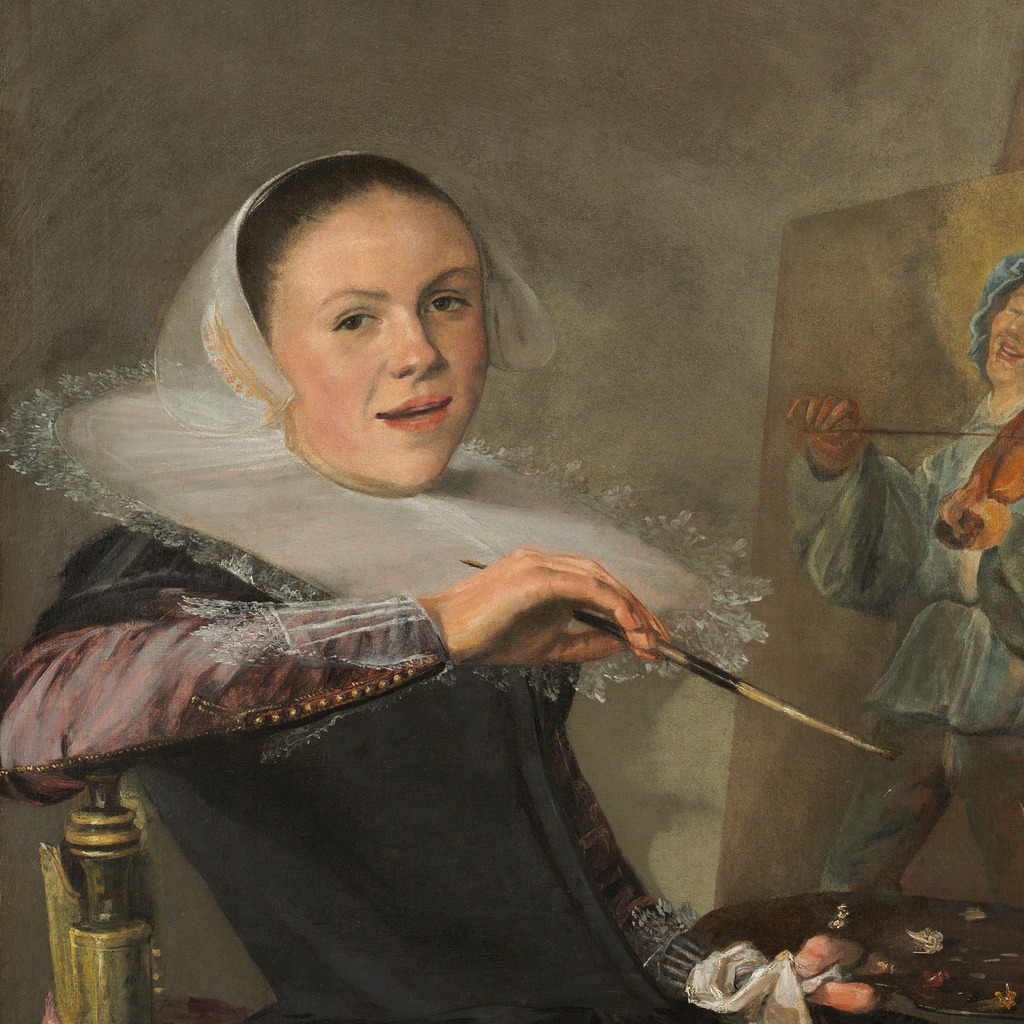 Judith Leyster
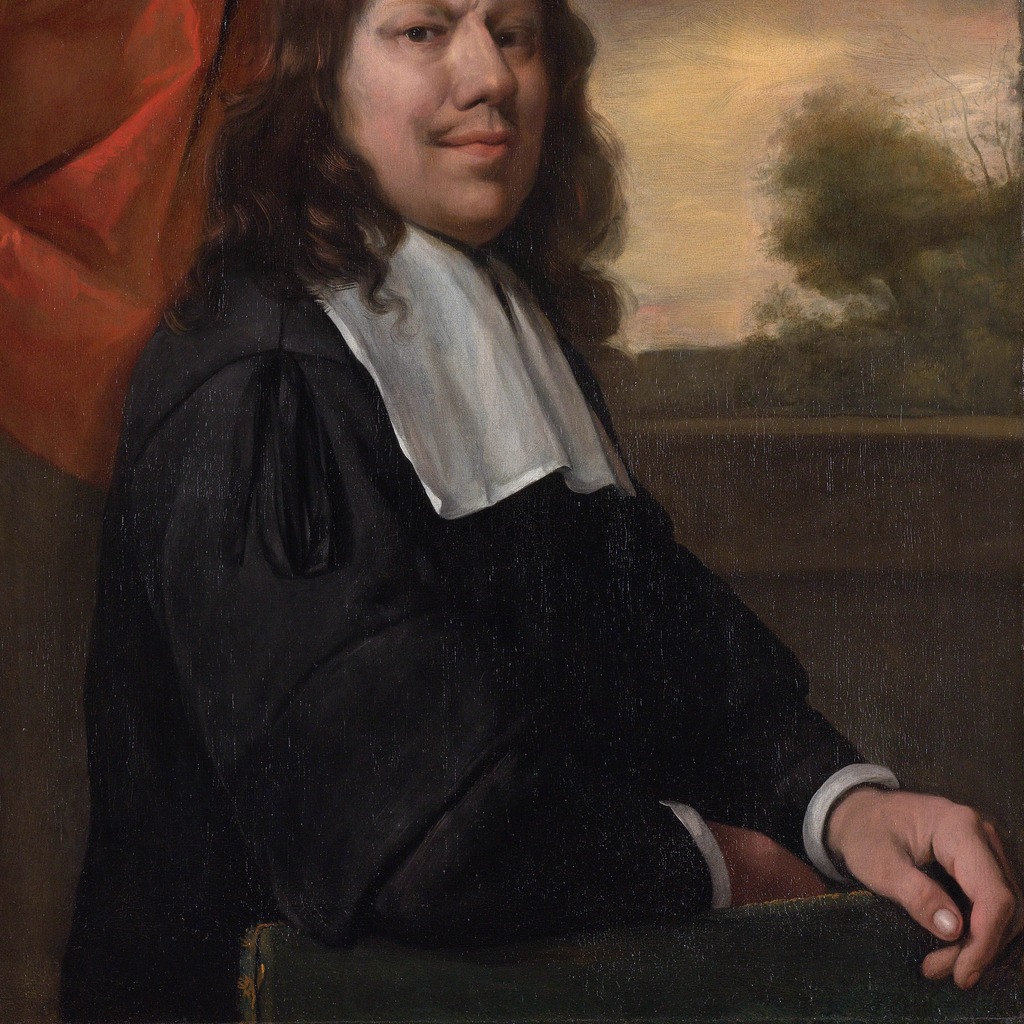 Jan Steen
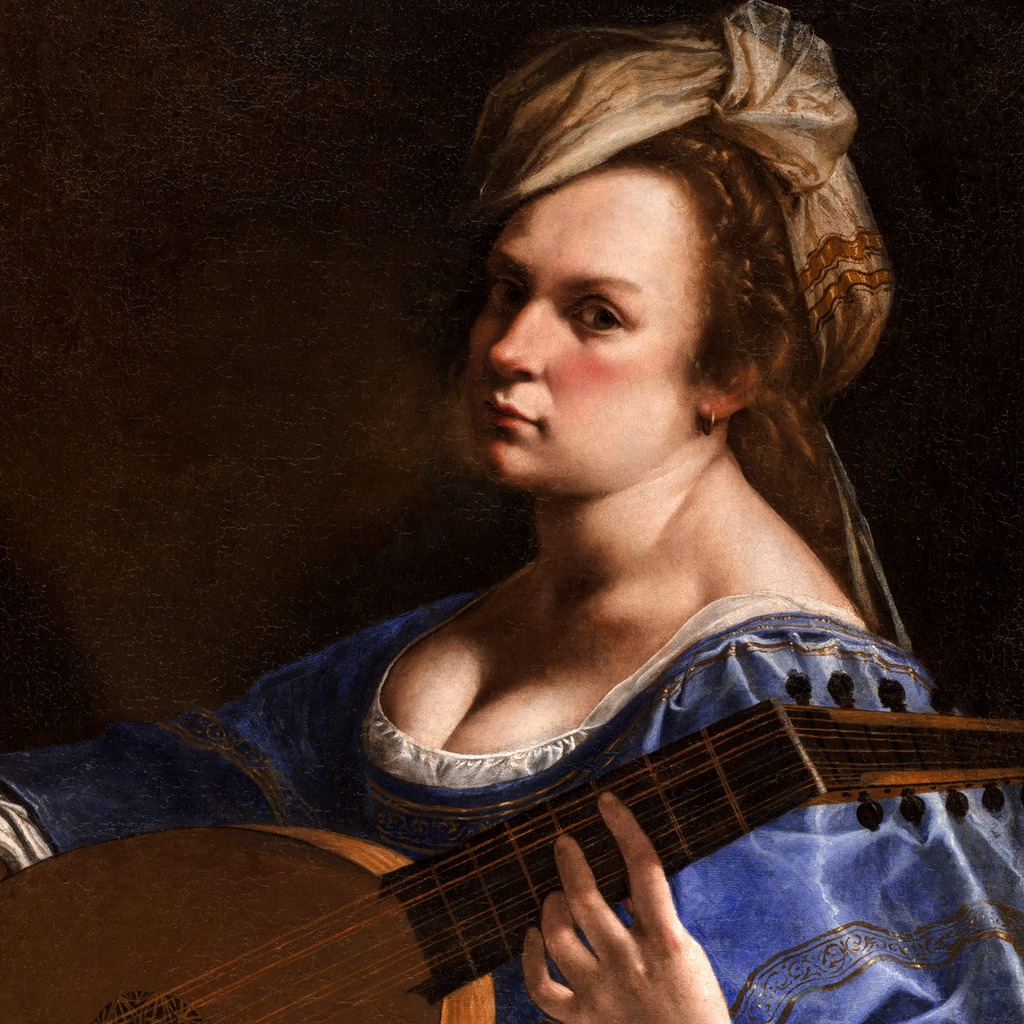 Artemisia's Self-Portrait
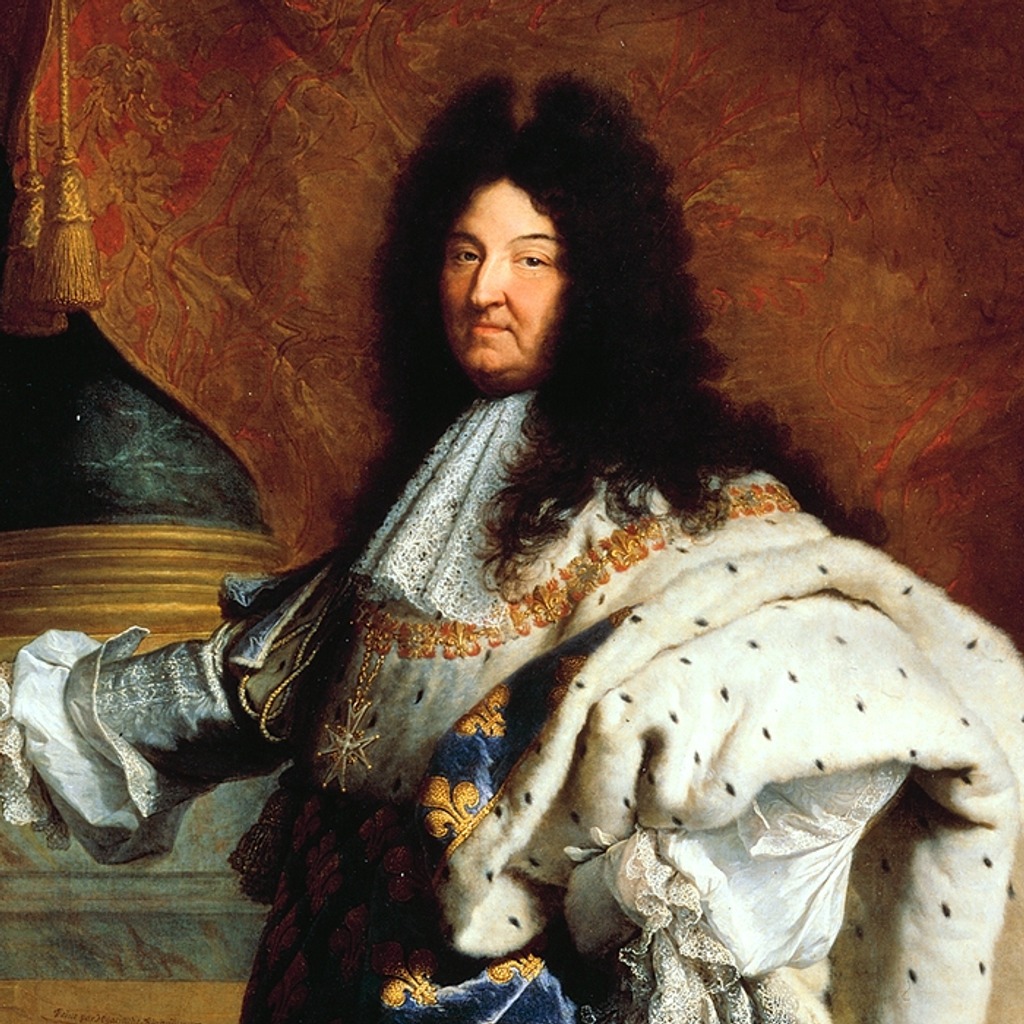 Louis XIV
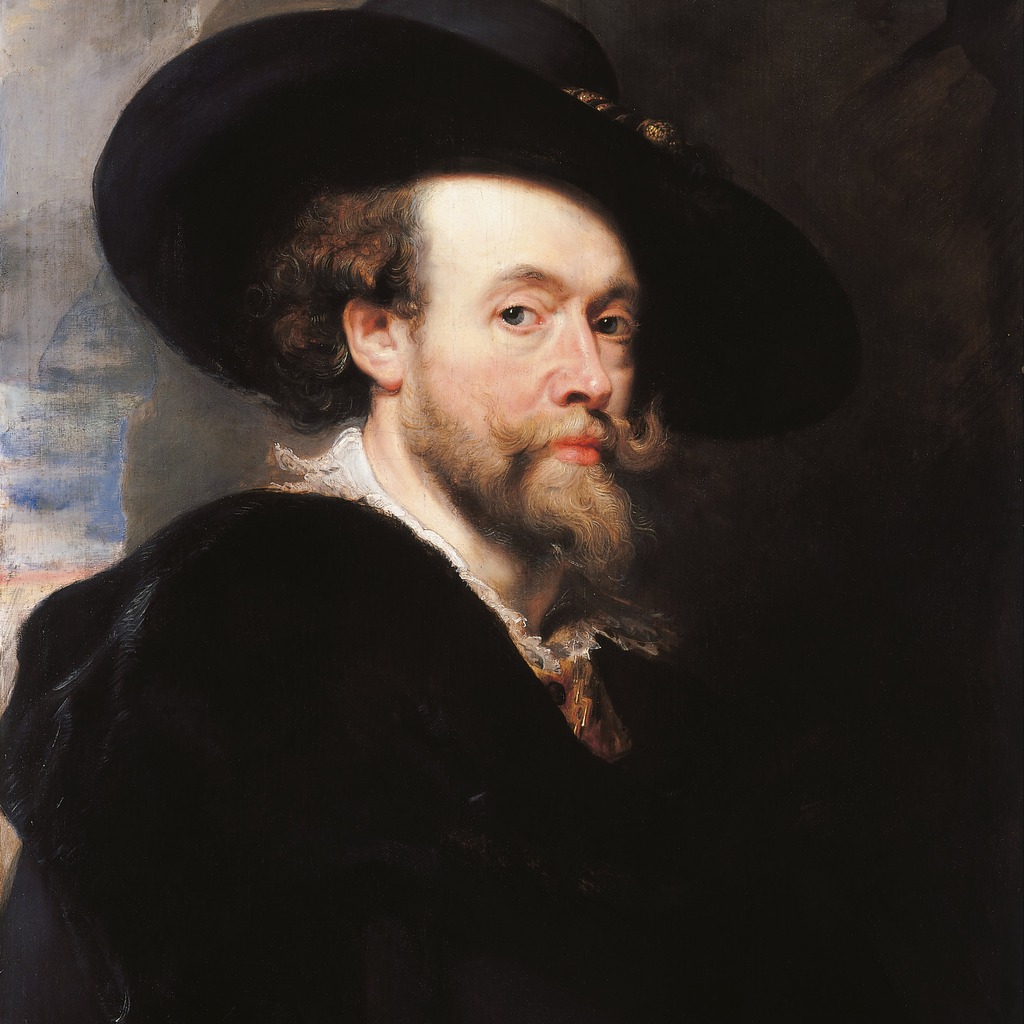 Rubens
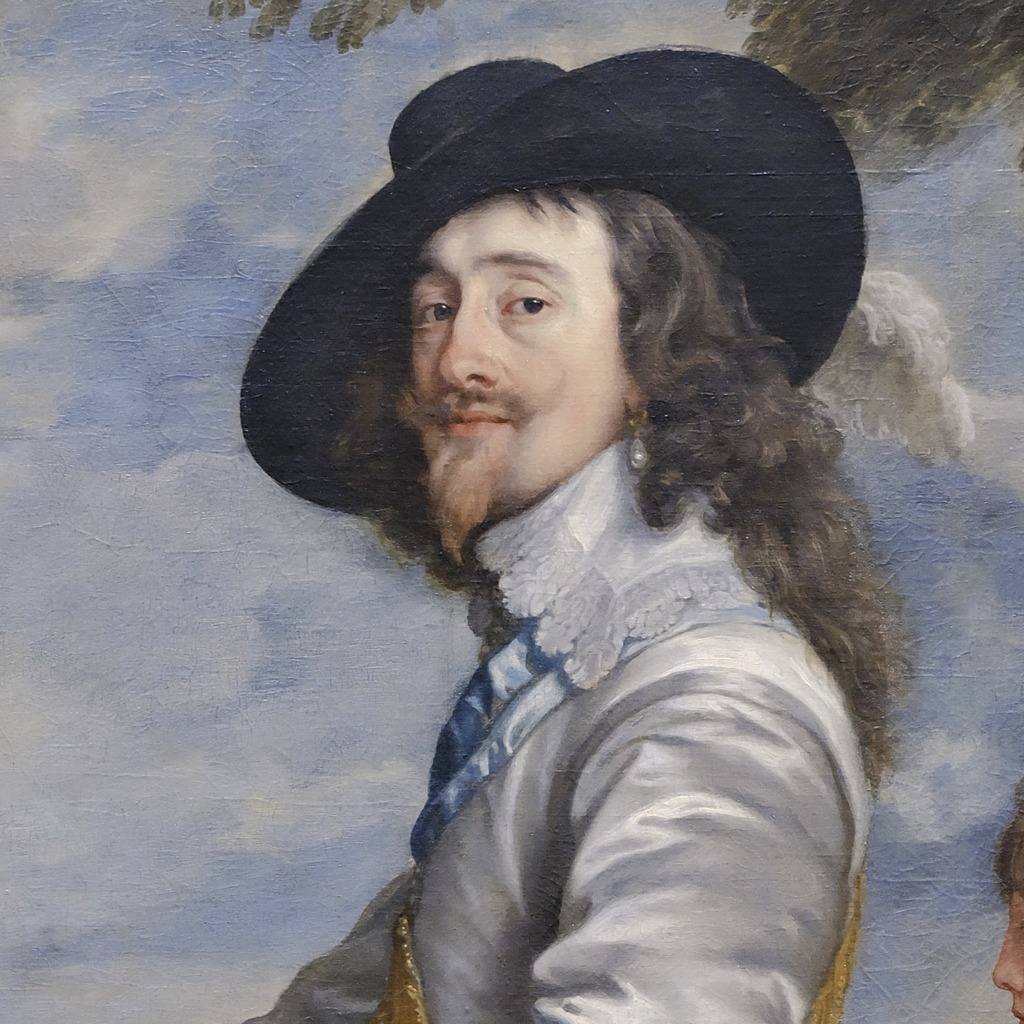 Charles I at the Hunt
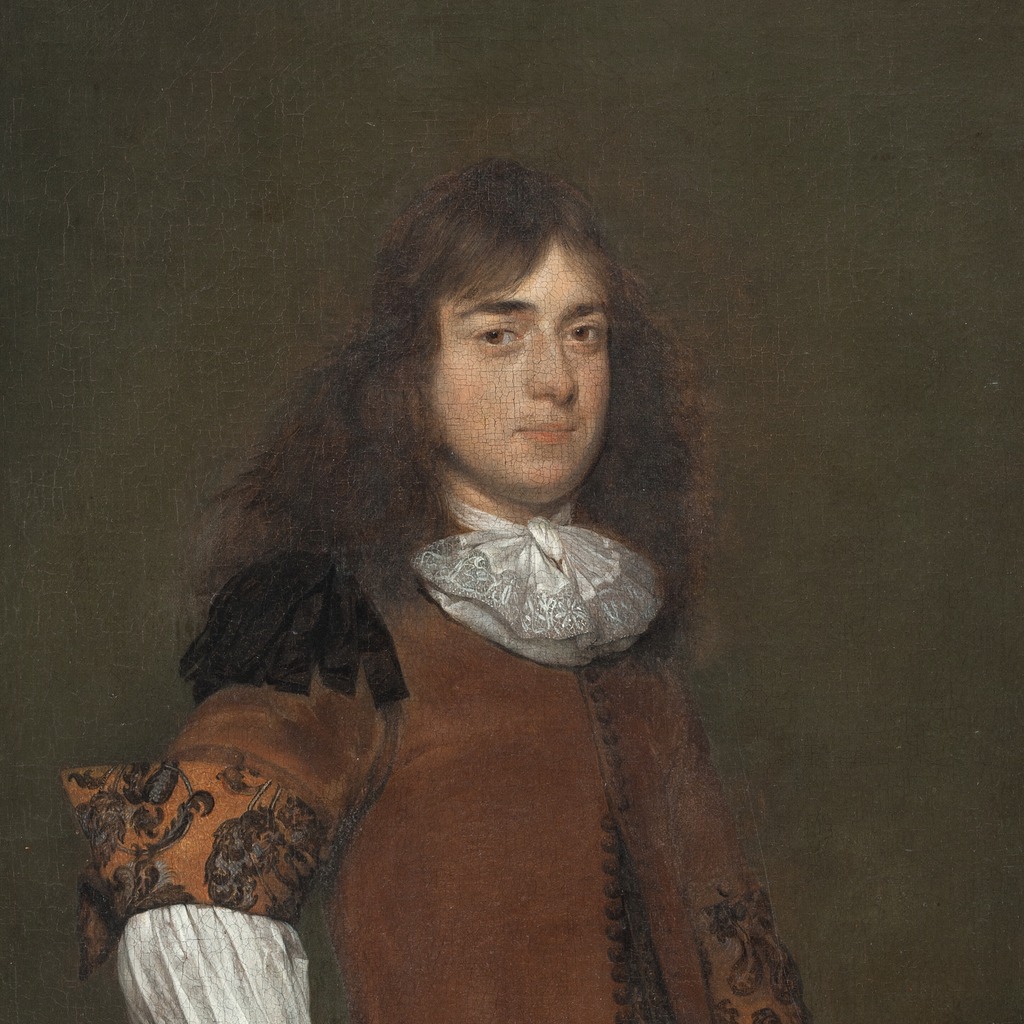 Ter Borch: Portrait of a Man
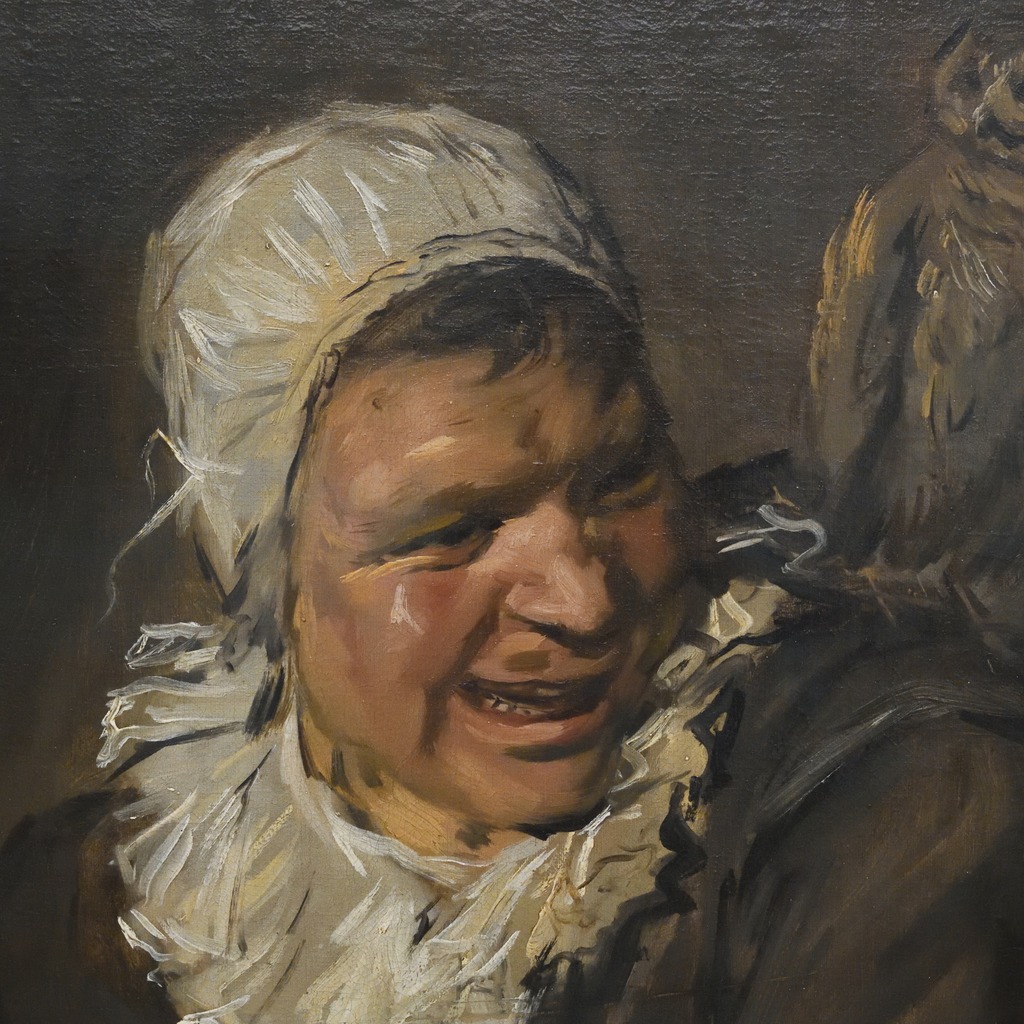 Malle Babbe
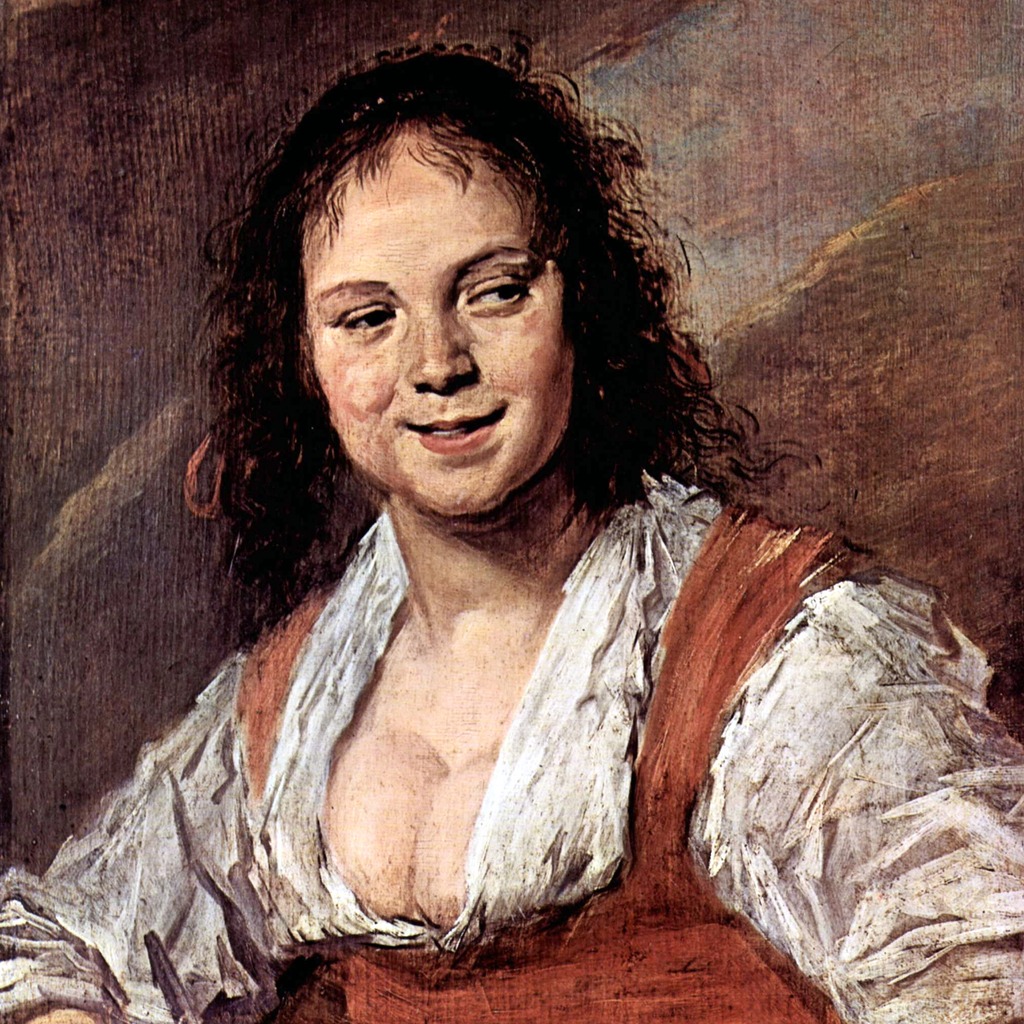 La Bohémienne
How it works
-
Take a photo
Front camera, decent light, look straight ahead. Or pick one you already have.
-
We paint you in
Your face goes into the painting, keeping its light and its brushwork. About fifteen seconds.
-
Share the link
You get a page anyone can open. No account, nothing to install.