

Making your meme…
Vincent van Gogh · 1887
Van Gogh Self-Portrait face swap
A stippled storm of blue and orange, a very direct stare, and absolutely no small talk. Swap yourself in.
or
Under 15 seconds · no sign-up · your selfie is never stored
Or become a patron and stop counting. Already a patron? Sign in.
How it works
-
Take a photo
Front camera, decent light, look straight ahead. Or pick one you already have.
-
We paint you in
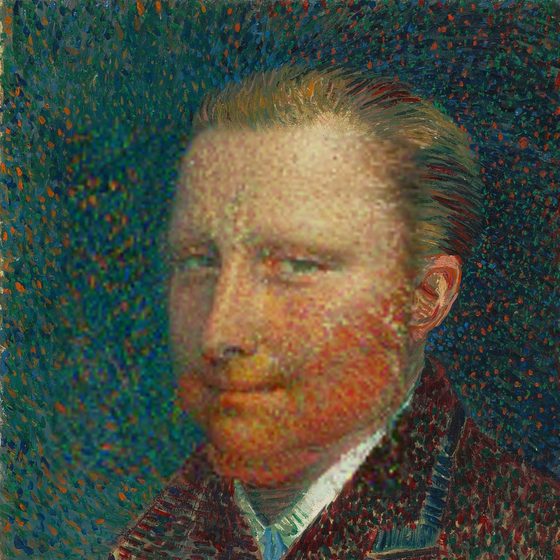
Your face goes into the painting, keeping its light and its brushwork. About fifteen seconds.
-
Share the link
You get a page anyone can open. No account, nothing to install.
Where this one comes from
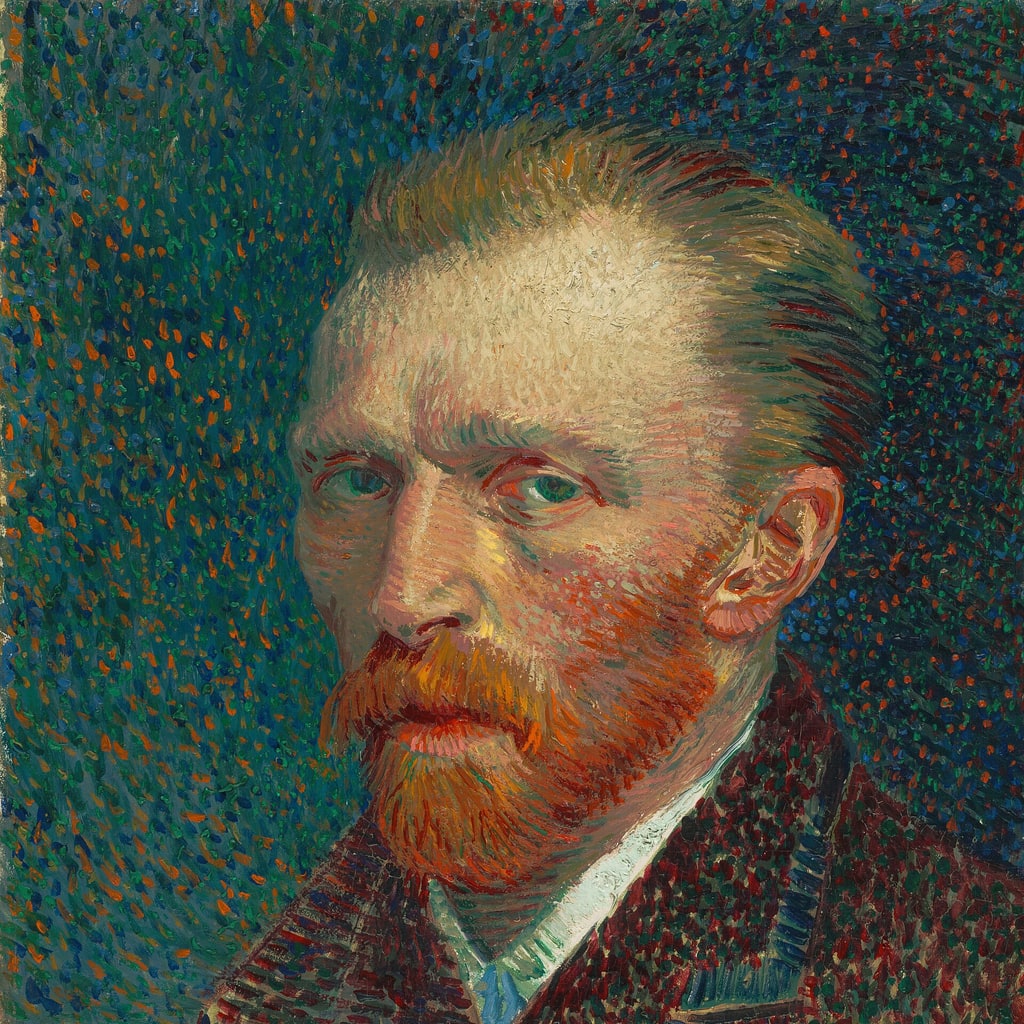
Vincent van Gogh painted this in Paris in 1887, during the two years he spent there with his brother Theo. The background of short separated strokes is him working through what the Neo-Impressionists around him were doing with dots of pure colour. He made more than thirty self-portraits in his life, largely because he could not afford to pay models.
What is in the picture
The background is not a wall. It is a field of separate short strokes in blue, green and orange, laid on bare and radiating out from the head like weather — van Gogh in Paris working through what the pointillists around him were doing with pure colour. The face is built from the same strokes running the same directions, so the man and the air around him are made of one material. The eyes are green and aimed straight at the mirror.
When people use it
It is the face of someone running on very little sleep and a lot of conviction. It turns up for the third coffee of the morning, for the person who has been staring at the same bug since Tuesday, and for anyone about to explain their idea at length.
How your face lands in it
Your face arrives smooth into a picture made entirely of ridges, and that contrast is the effect rather than a fault. The red beard is the thing to know about: the swap keeps your own jaw and your own facial hair, so a clean-shaven photo comes out clean-shaven under van Gogh's swept-back hair and coat. A fair number of people choose it for exactly that reason.
Self-Portrait — Vincent van Gogh, 1887. The artist died in 1890, so the work is in the public domain worldwide, and a faithful photograph of a flat public-domain painting carries no new copyright. Source

Also in: Paintings · Self-portraits
More paintings
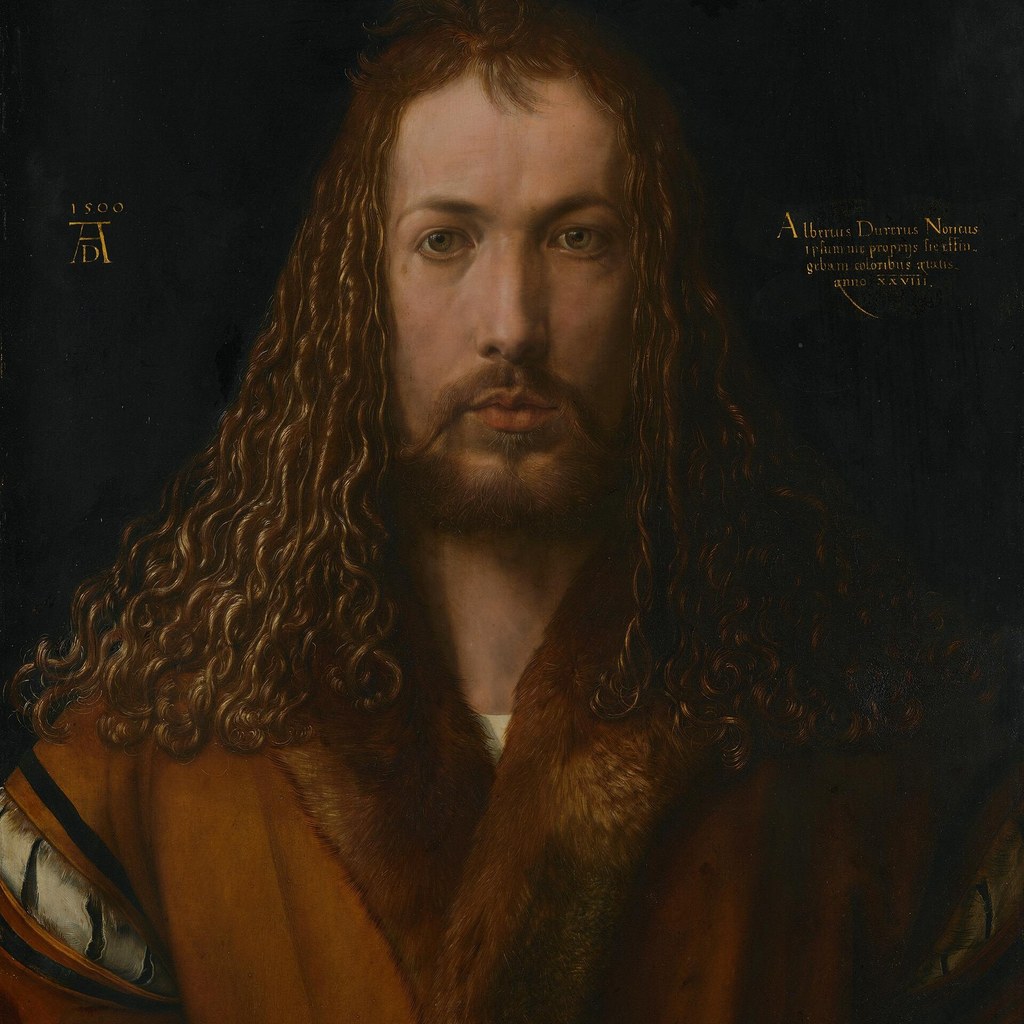 Dürer's Self-Portrait
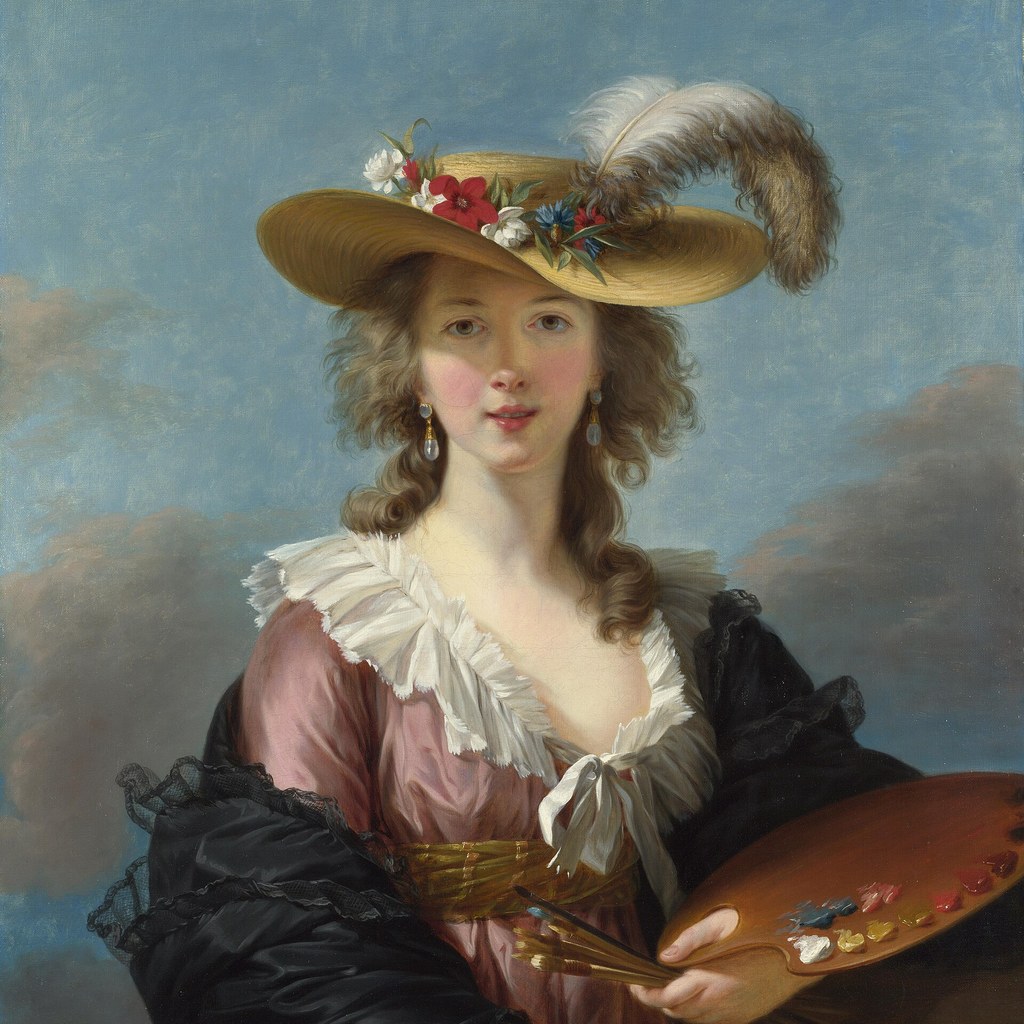 Self-Portrait in a Straw Hat
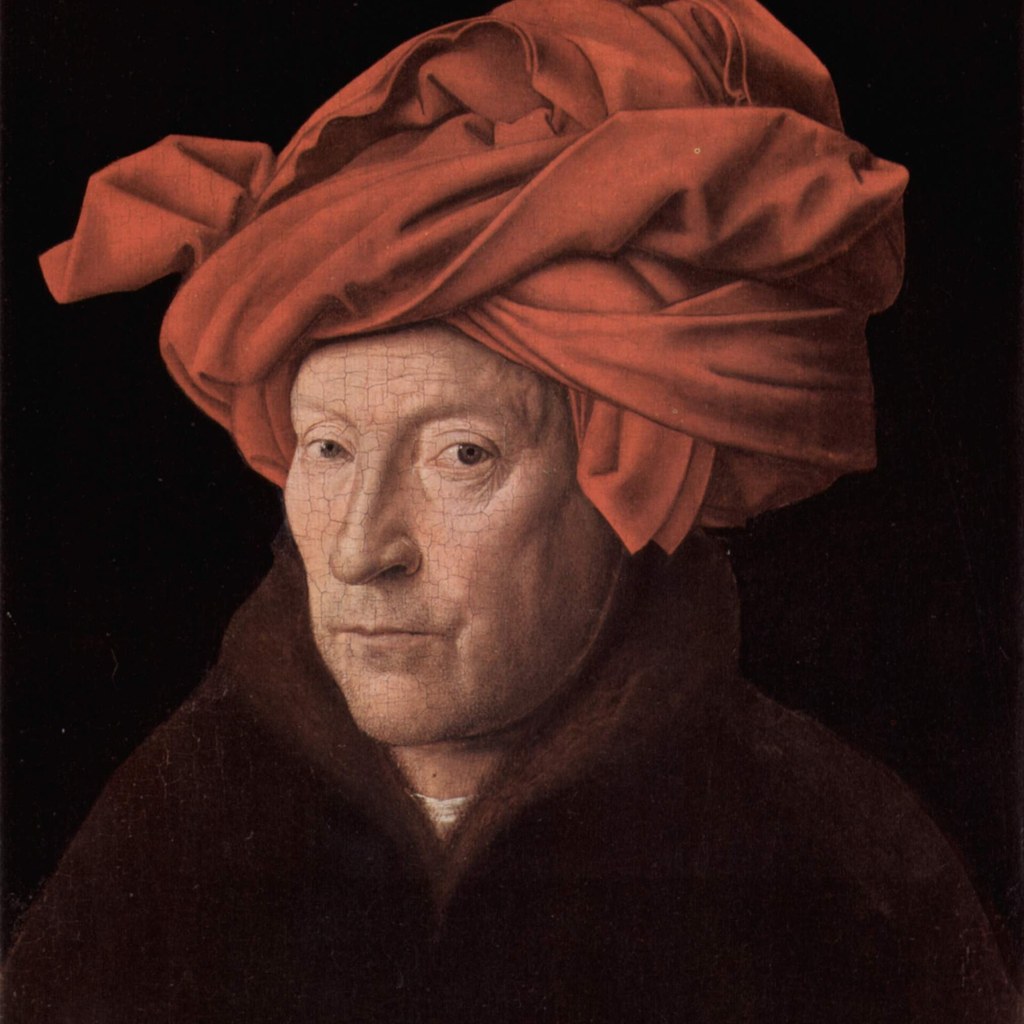 Man in a Red Turban
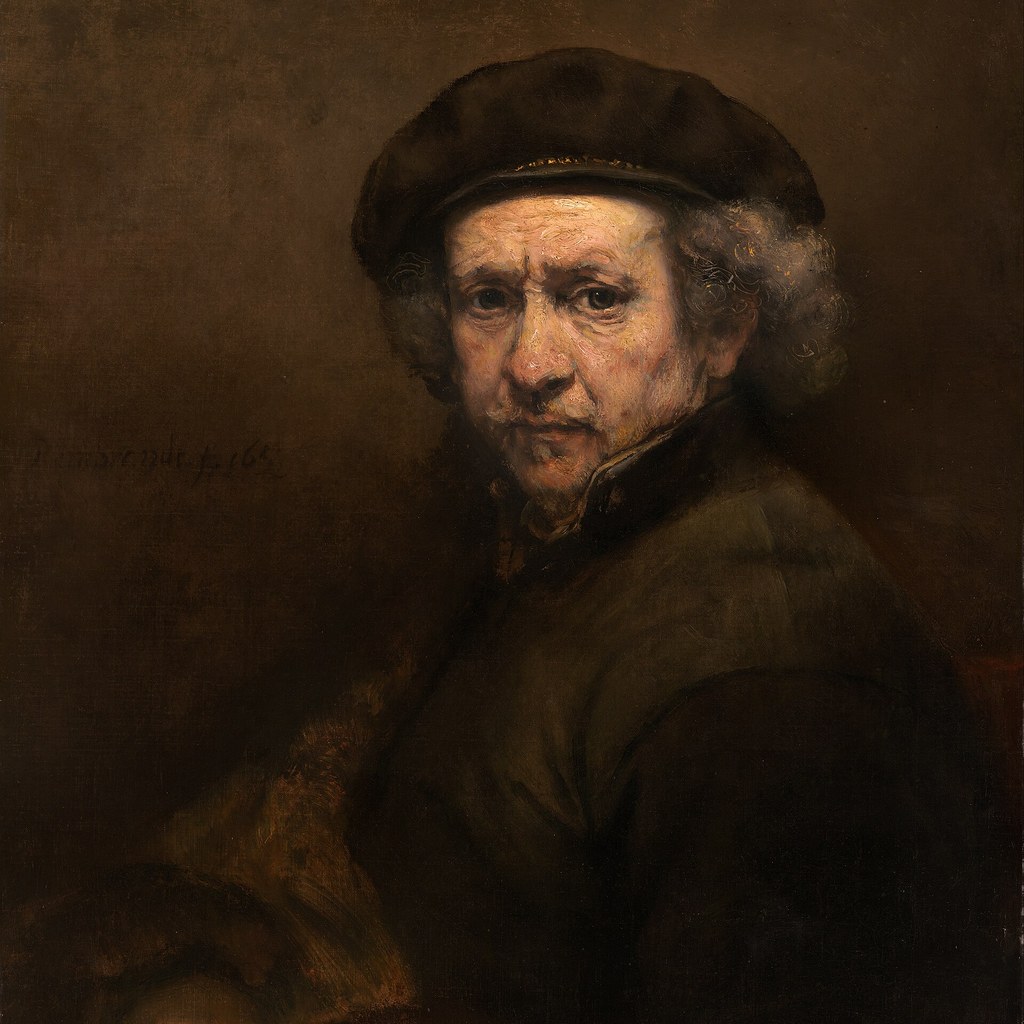 Rembrandt's Self-Portrait
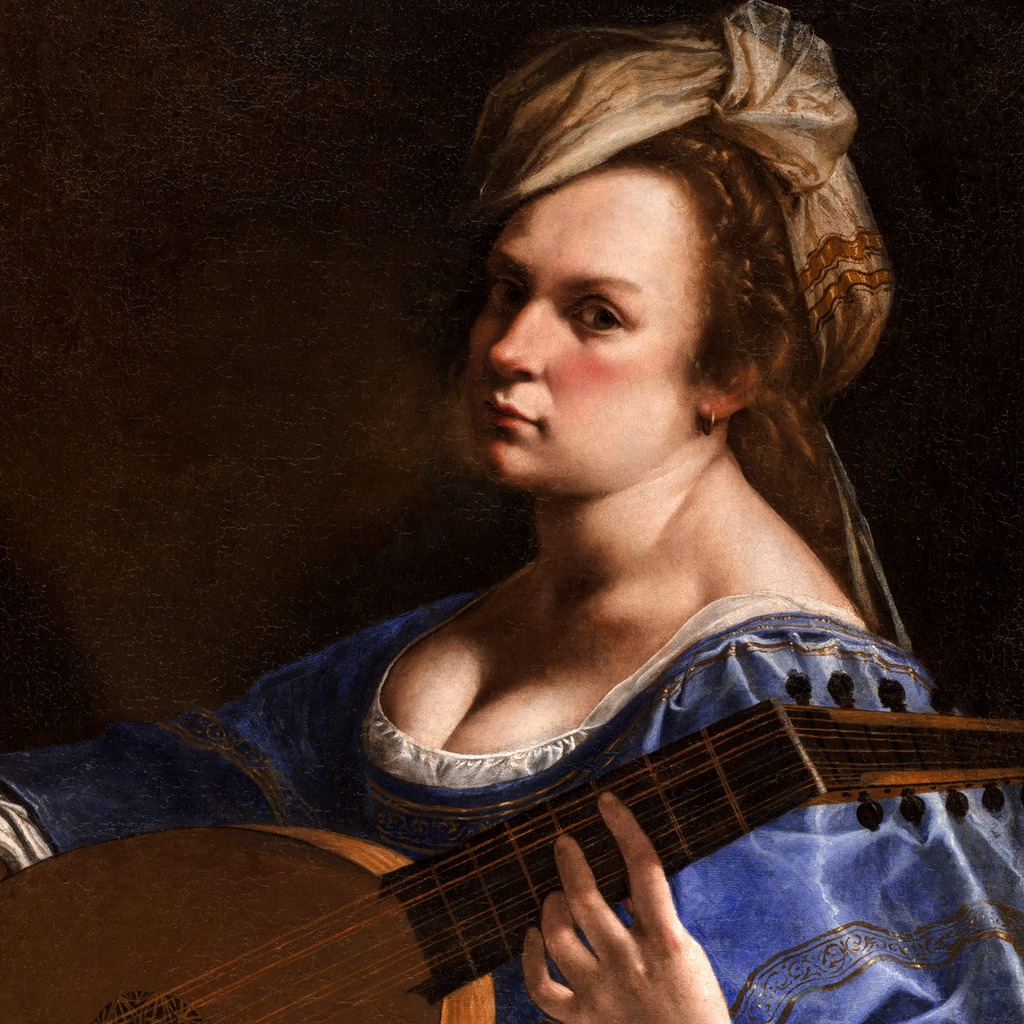 Artemisia's Self-Portrait
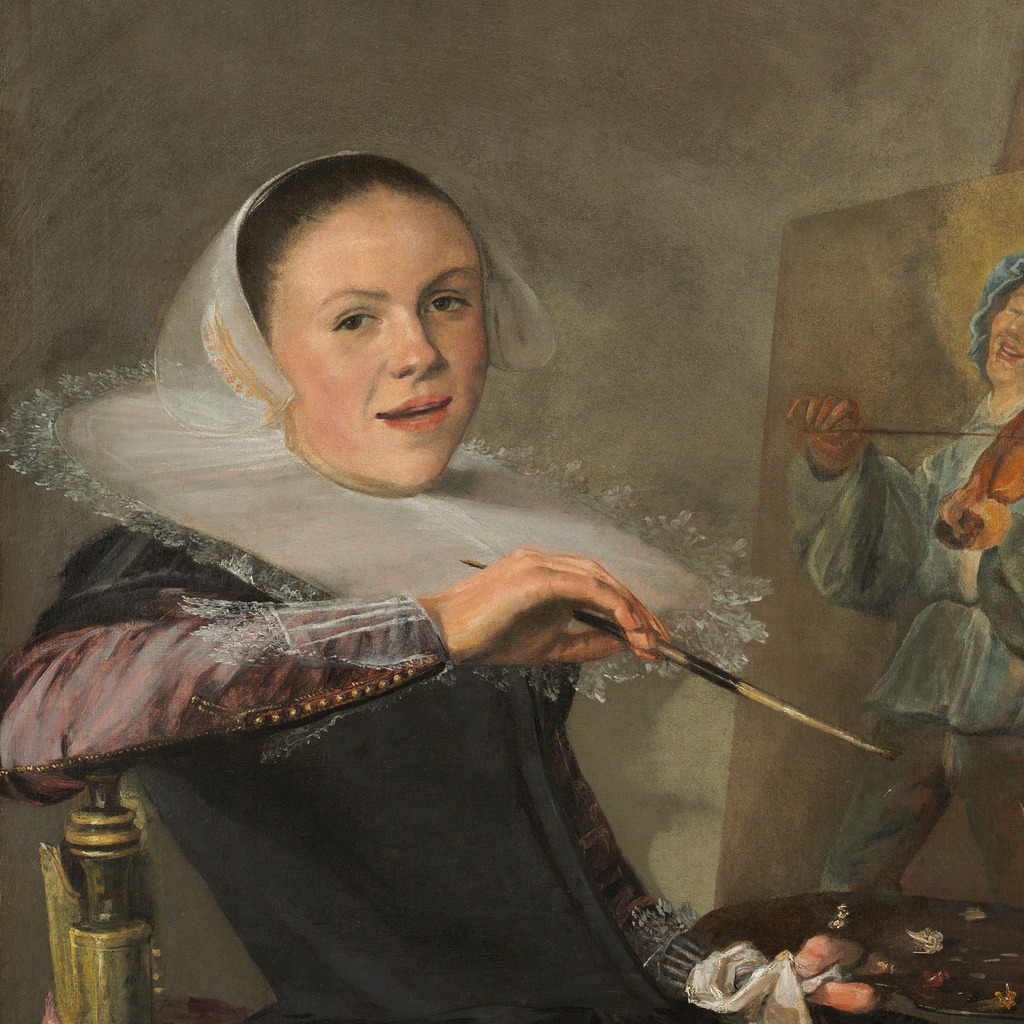 Judith Leyster
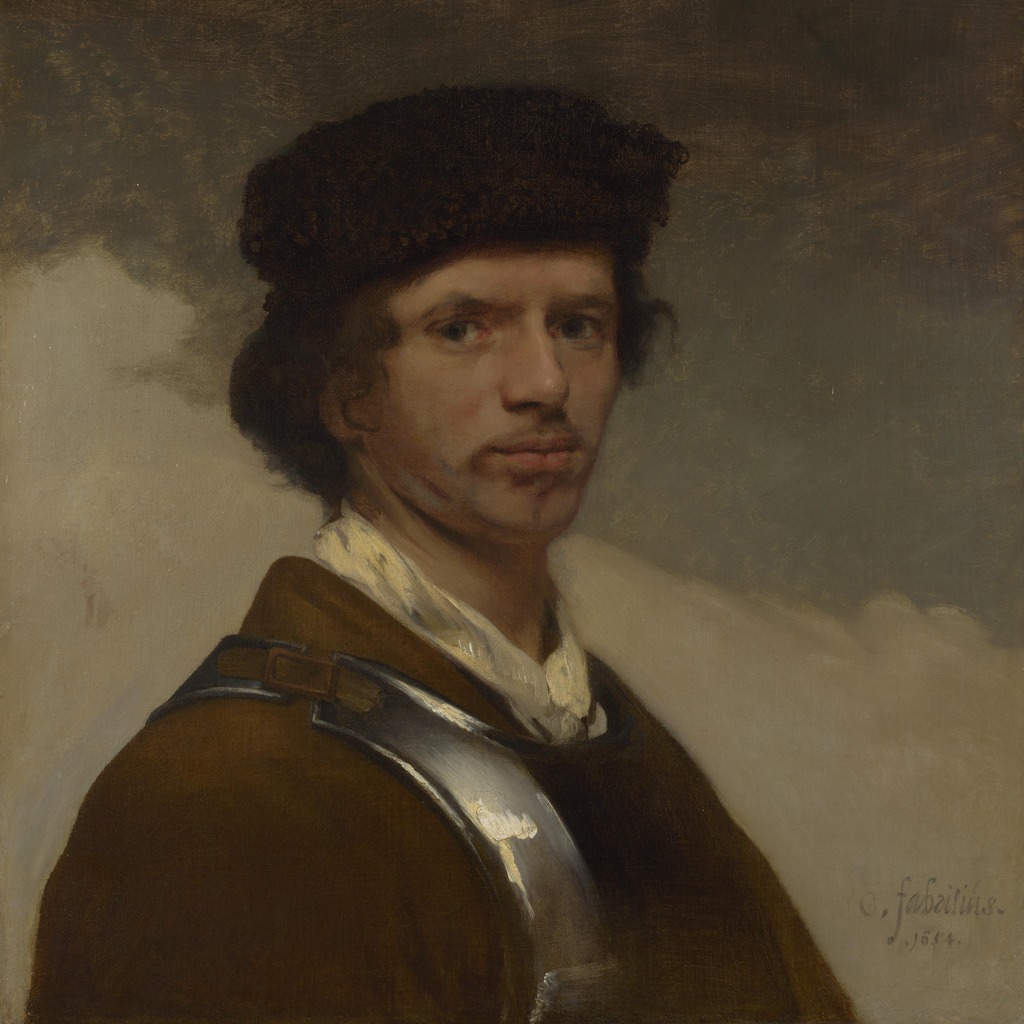 Carel Fabritius
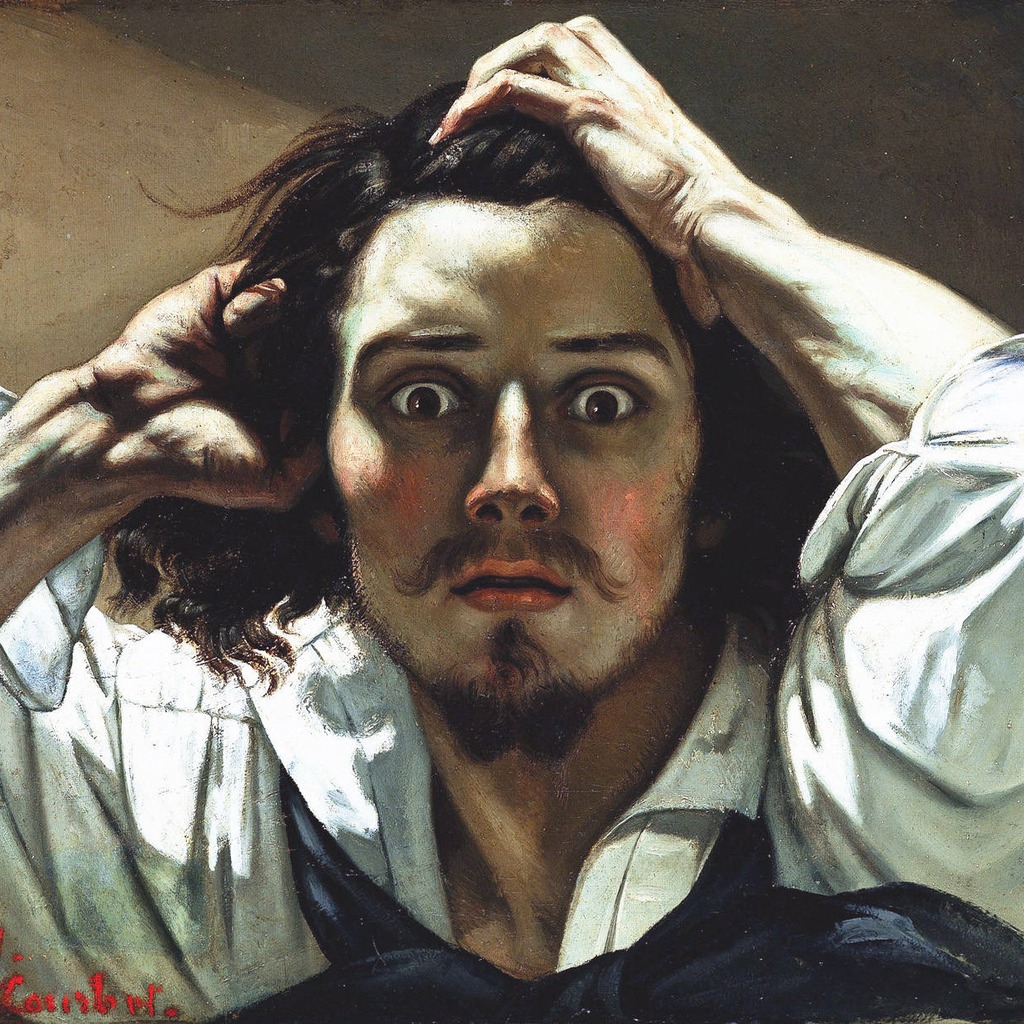 The Desperate Man
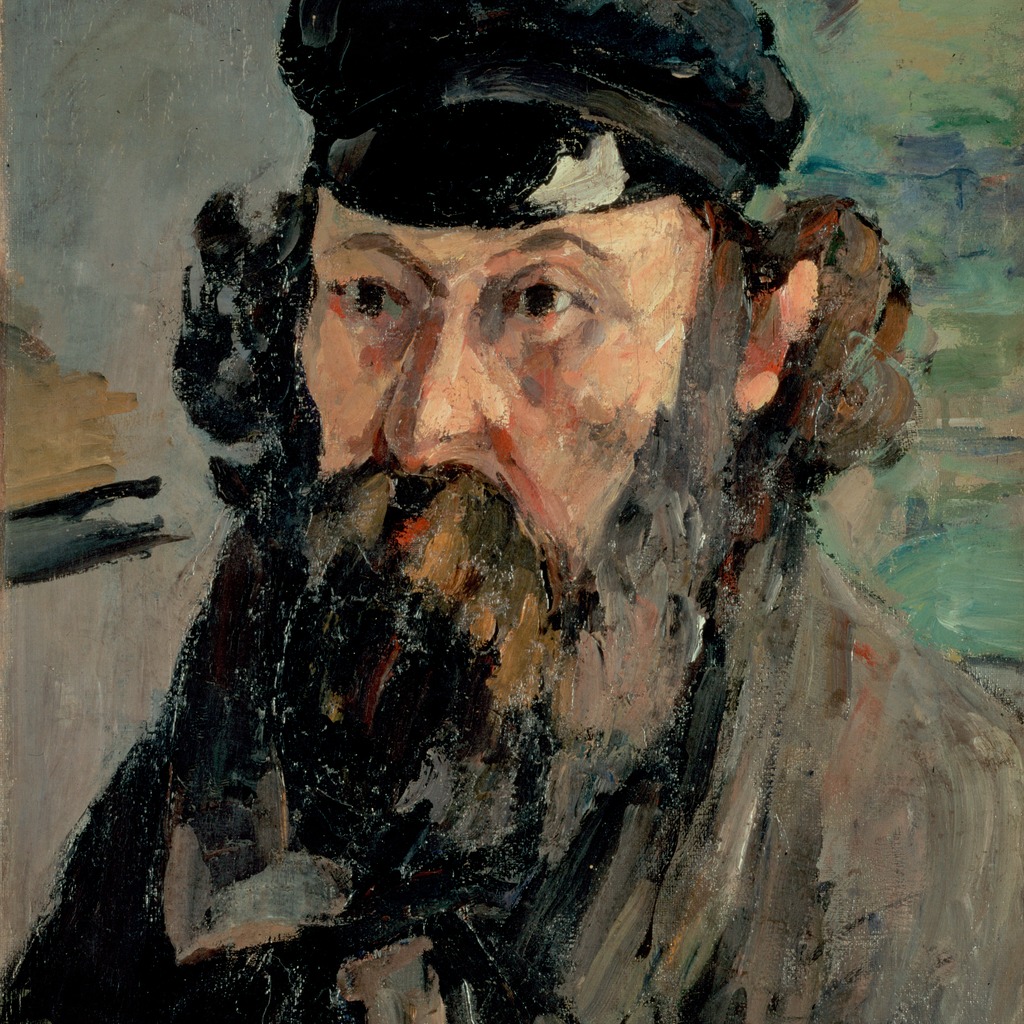 Cezanne
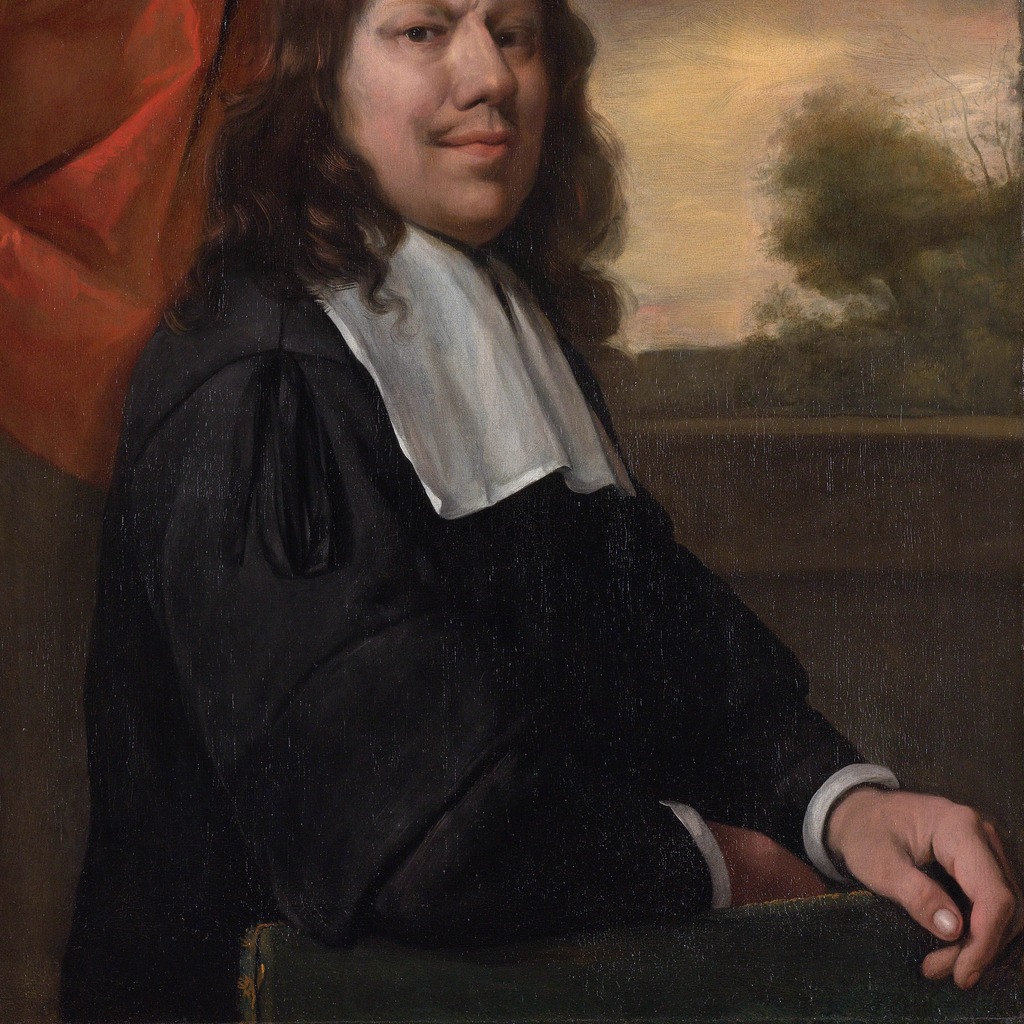 Jan Steen
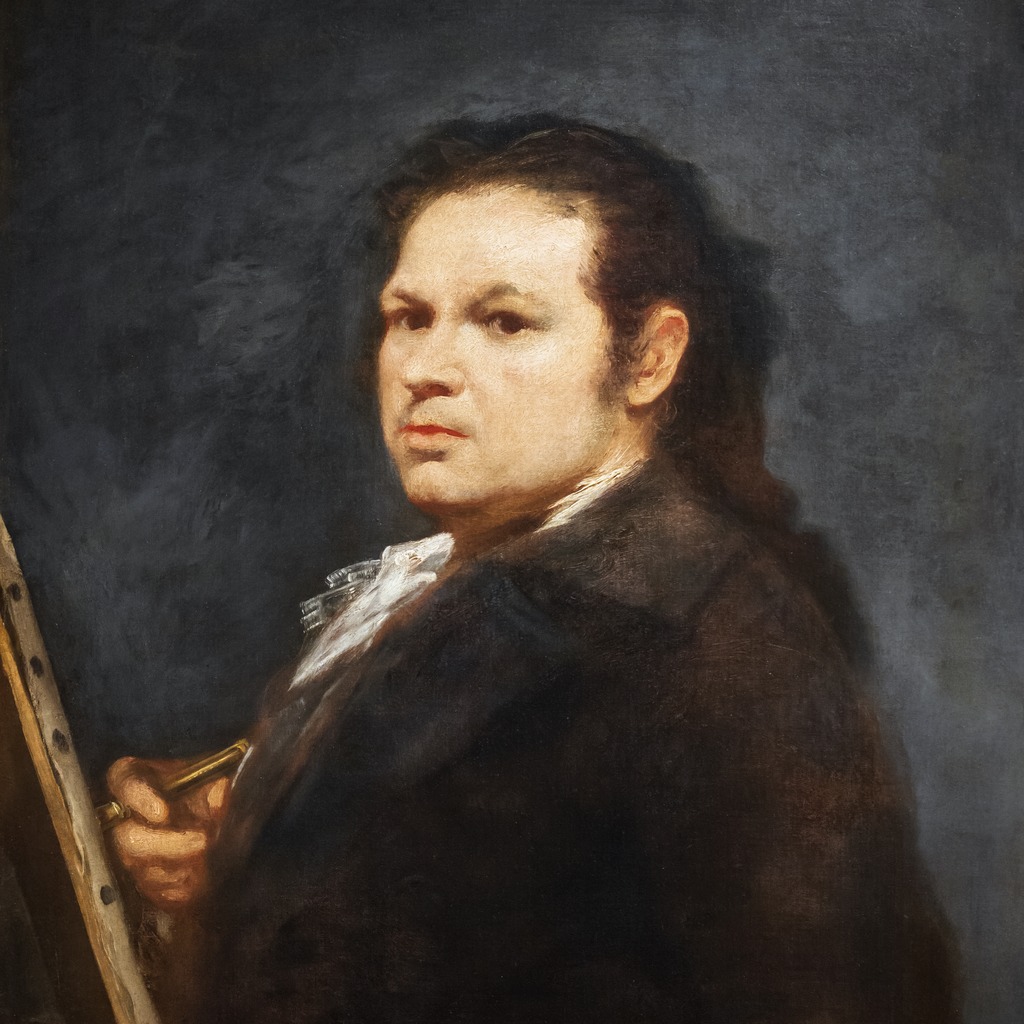 Goya
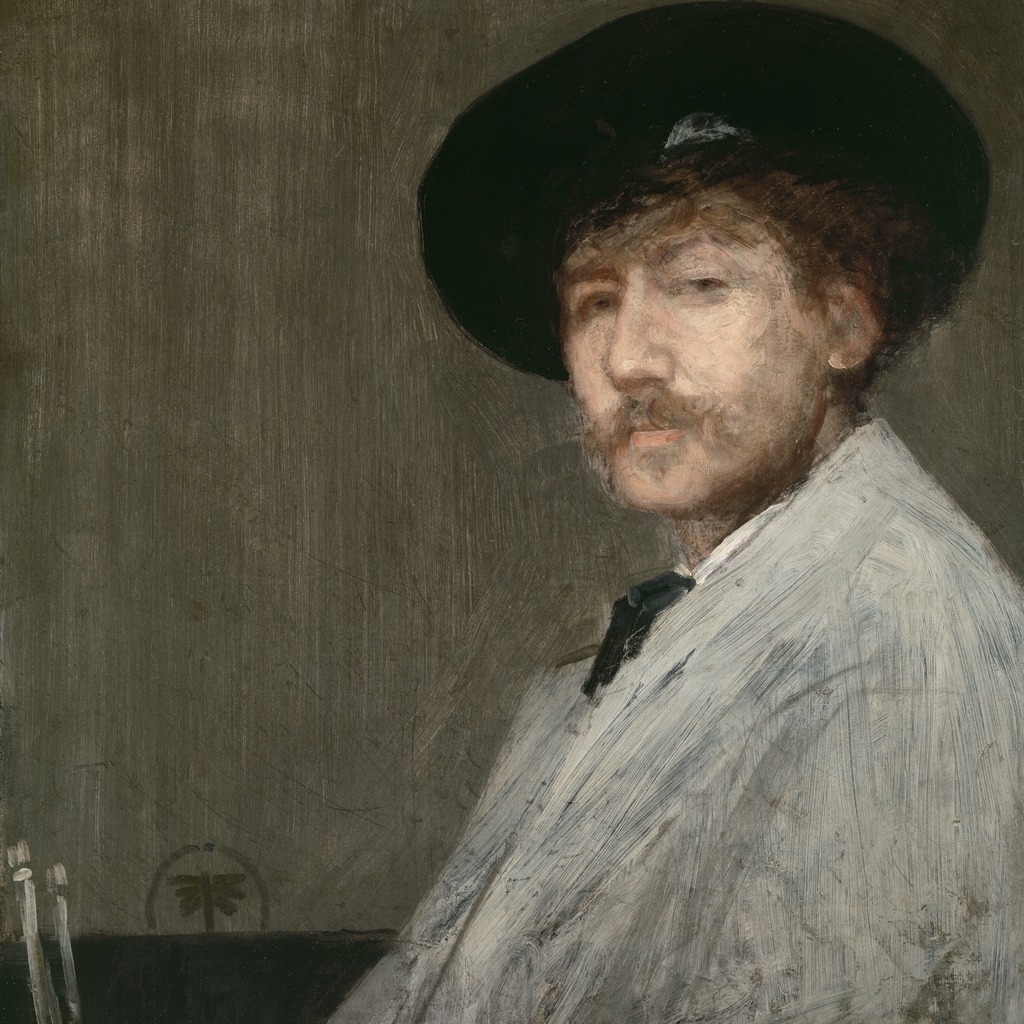 Whistler
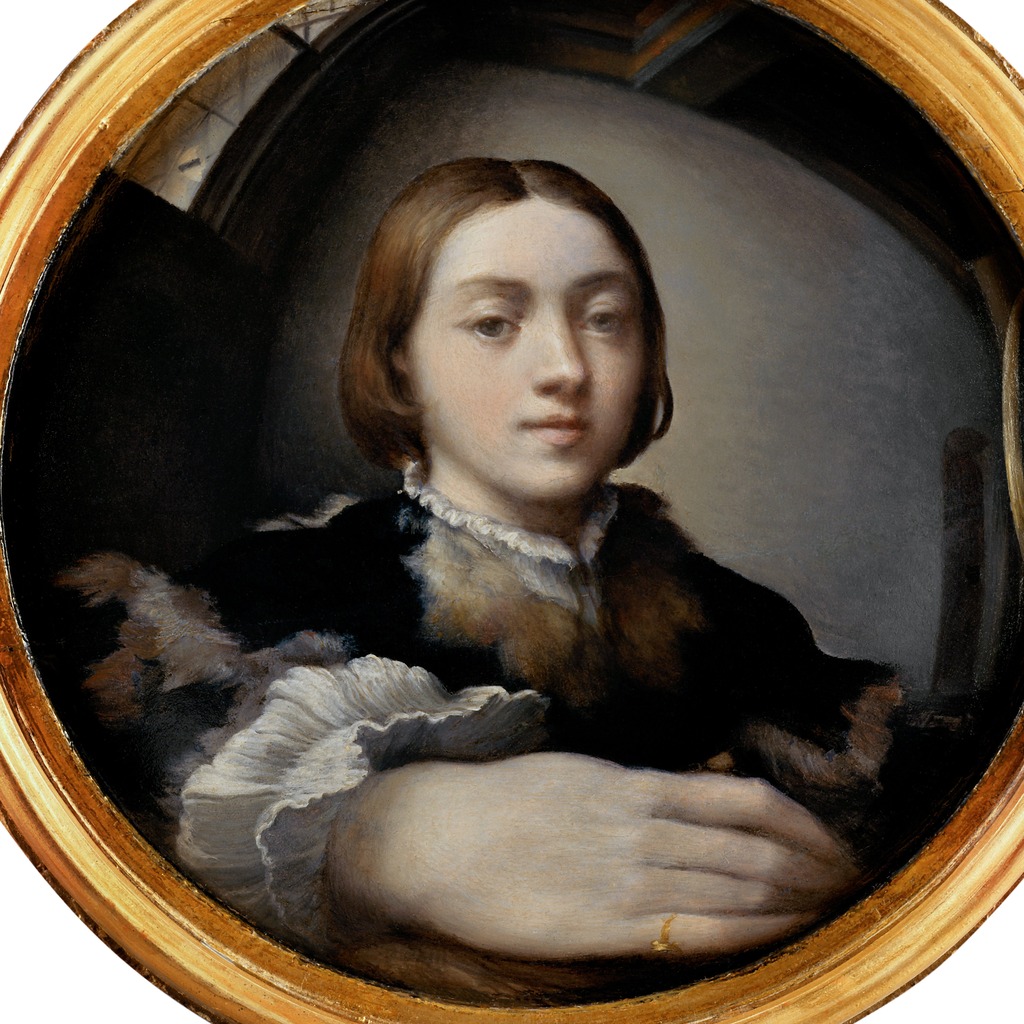 Self-Portrait in a Convex Mirror
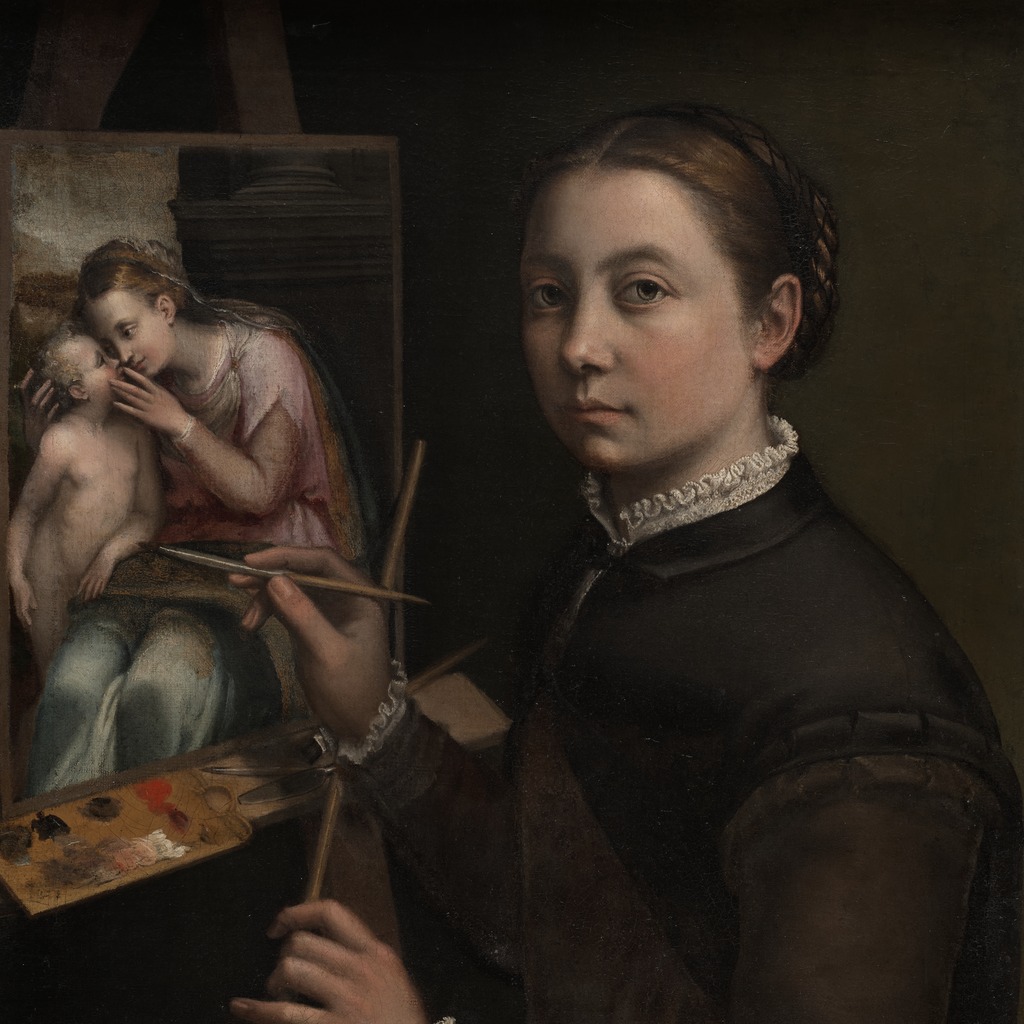 Sofonisba at the Easel
 Titian
 Rubens
 Mona Lisa
 Girl with a Pearl Earring
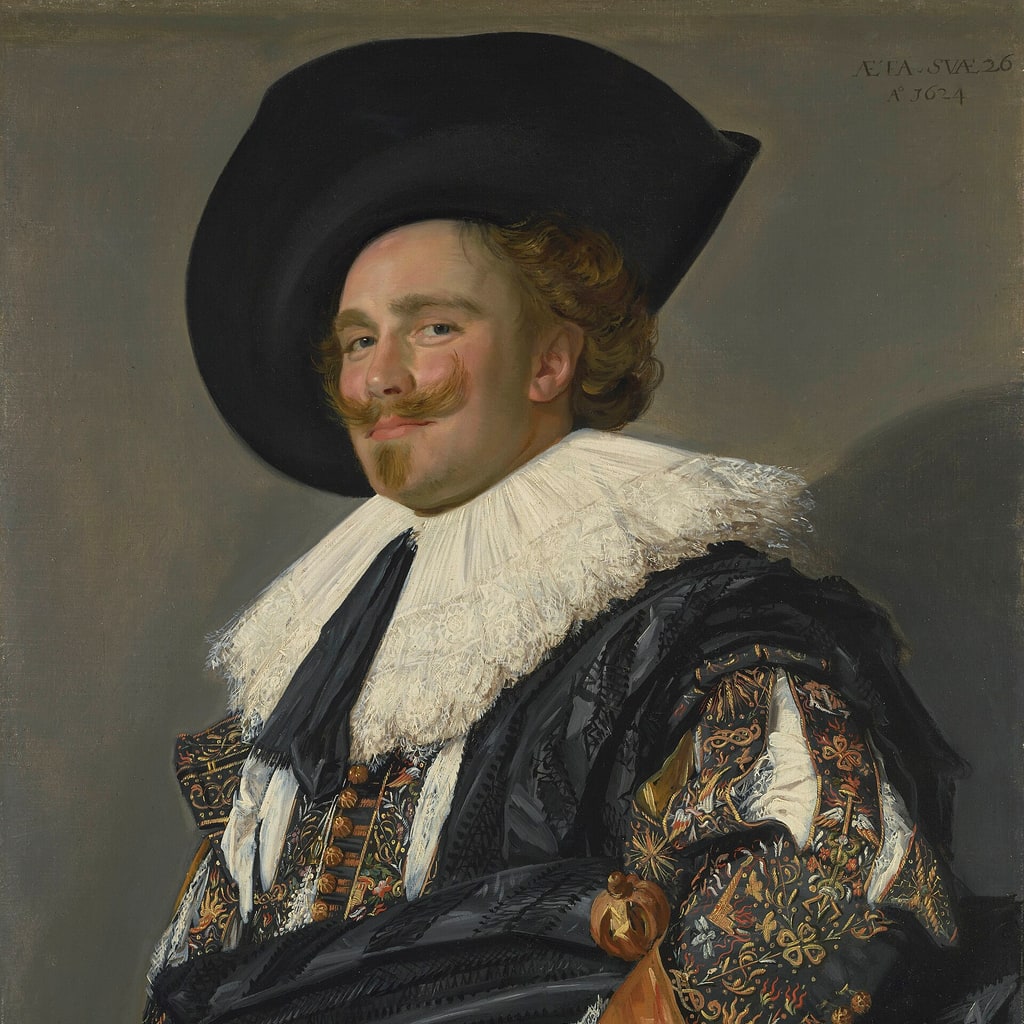 The Laughing Cavalier
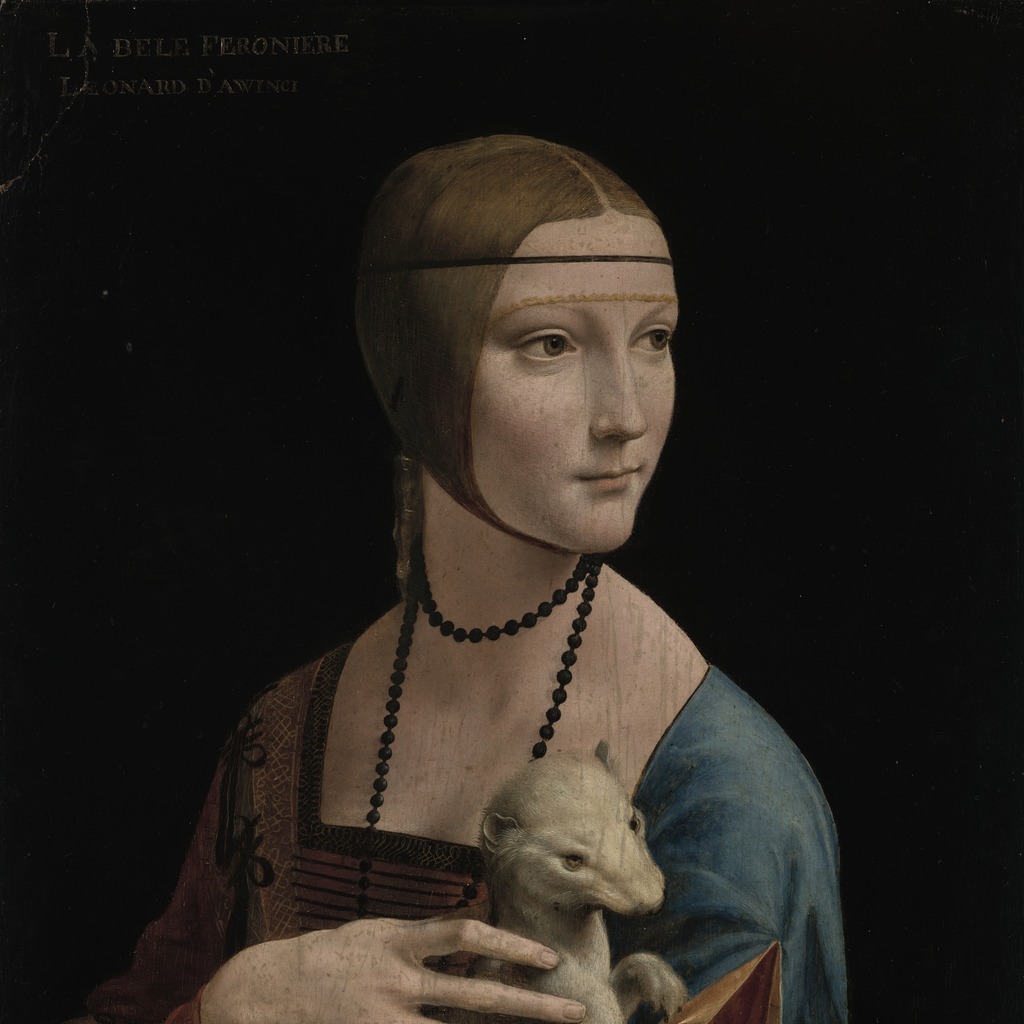 Lady with an Ermine
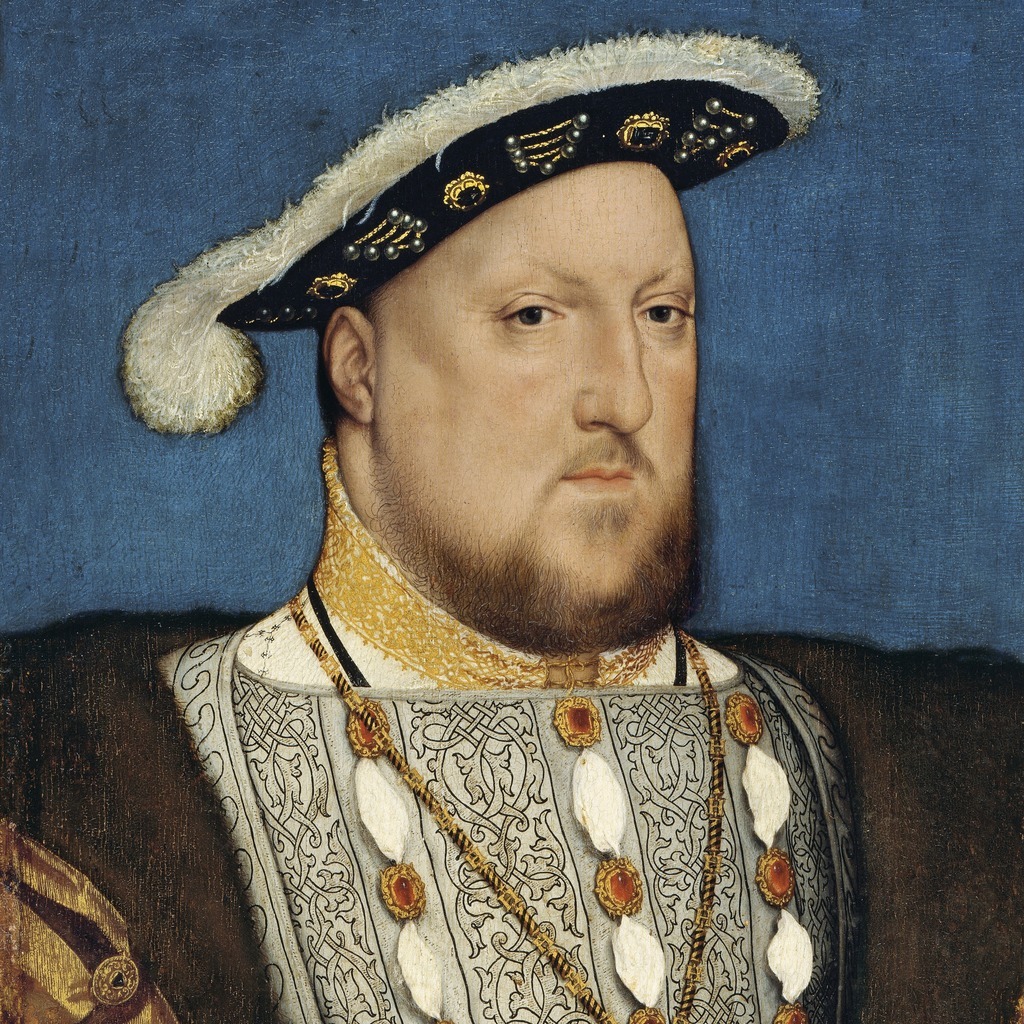 Henry VIII
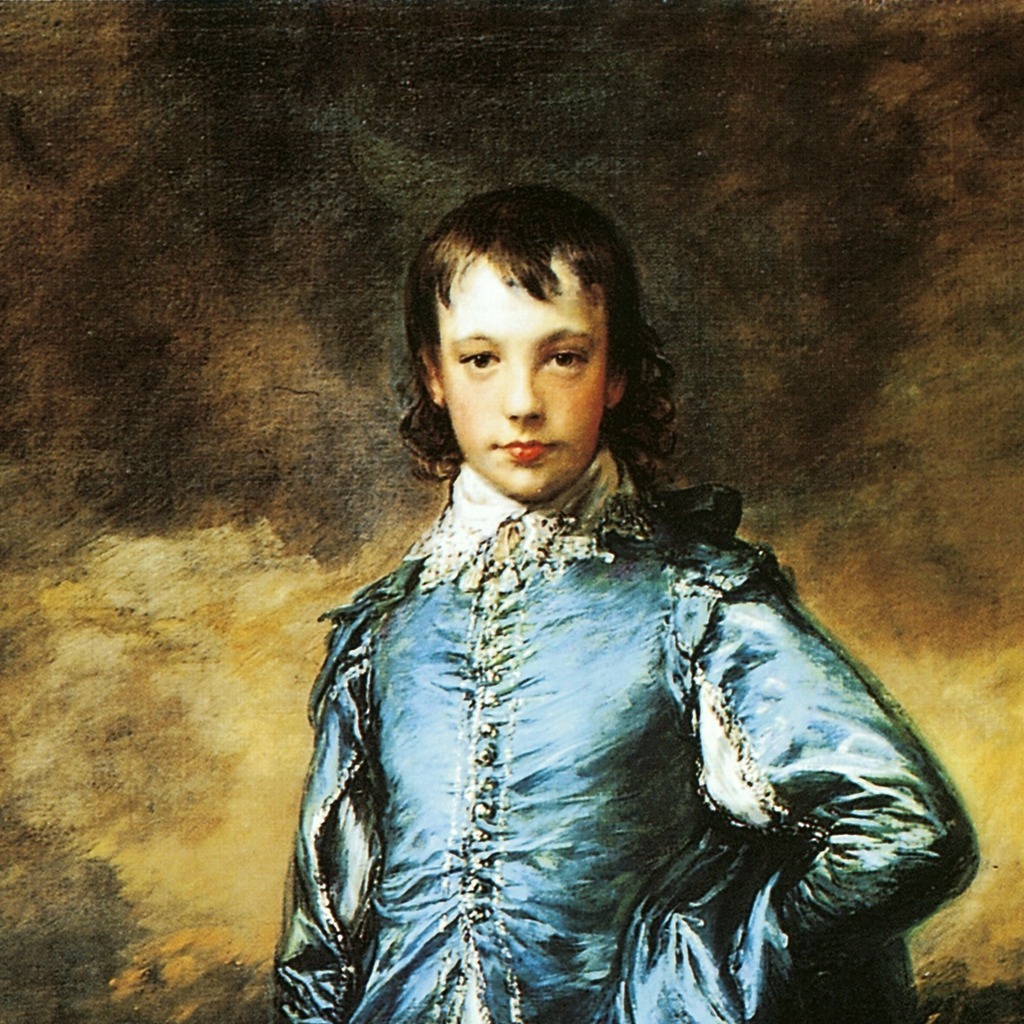 The Blue Boy
 American Gothic
 Elizabeth I
Questions
Will it give me the red beard?
No. Your jaw comes through as it is, so a shaved face stays shaved. What you borrow is the swept-back hair, the coat, and the storm of colour behind you.
Which Van Gogh self-portrait is this?
One of the run he made during two years in Paris, painted in the spring of 1887. It is easy to tell from the others: no hat, no bandaged ear, and a background of loose separated dots he was only trying out in that period.
Is Van Gogh's work free to use?
Yes. He died in 1890 and everything he painted has been out of copyright for decades; the photograph used here is marked public domain at its source.
Is it free?
Yes. There is a limit on how many you can make in a day, and sharing one earns the allowance back.
Do you keep my photo?
No. Your selfie is used to make the image and then dropped — it is never written to disk. The finished meme is stored, because it has a link people can open, and it is deleted after 90 days.
Can I use someone else’s face?
Please do not. Use your own. Putting a real person into a picture they did not agree to is exactly the thing this is not for.
Can I post the result?
Yes, anywhere you like. The paintings are public domain; what you make with your own face is yours.