

Making your meme…
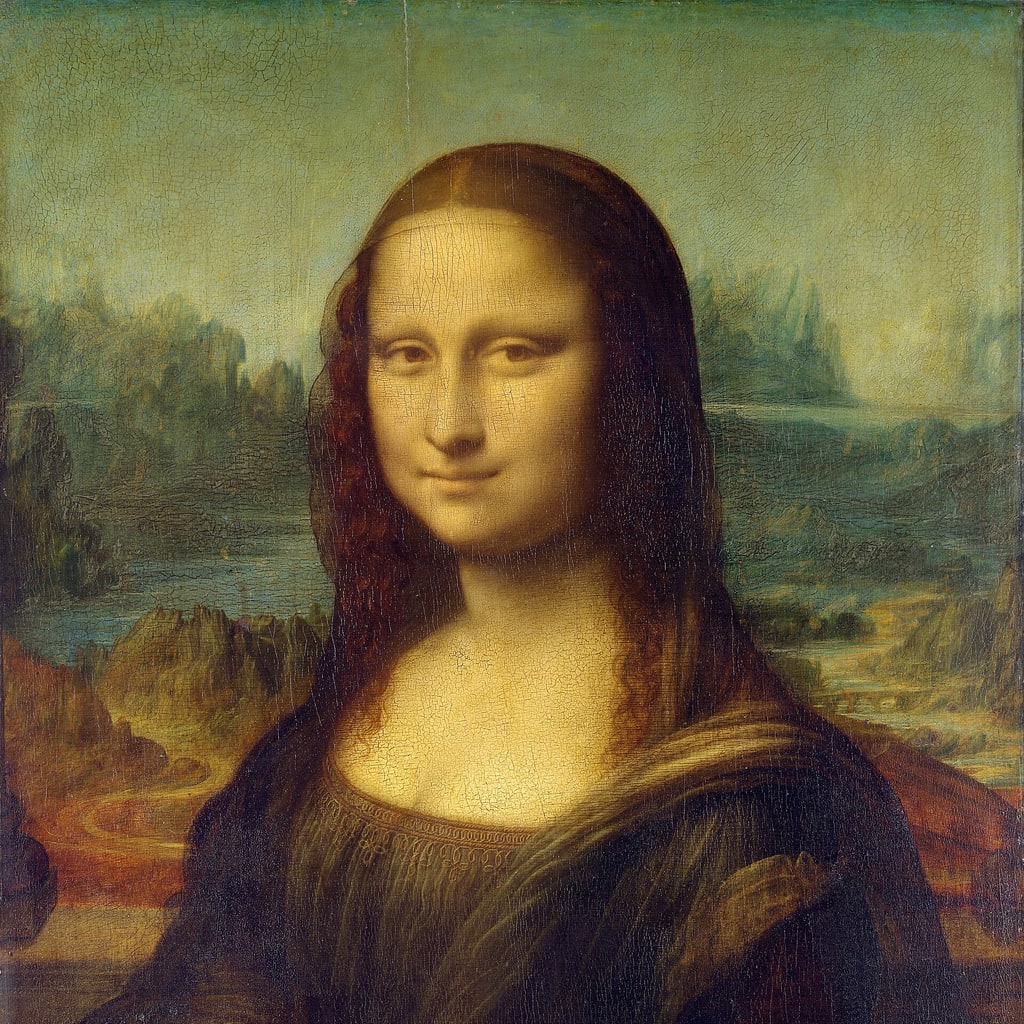
Leonardo da Vinci · c. 1503-1519
Mona Lisa face swap
The most recognised face in the world, with a hint of a smile nobody can agree on. Put yours there instead.
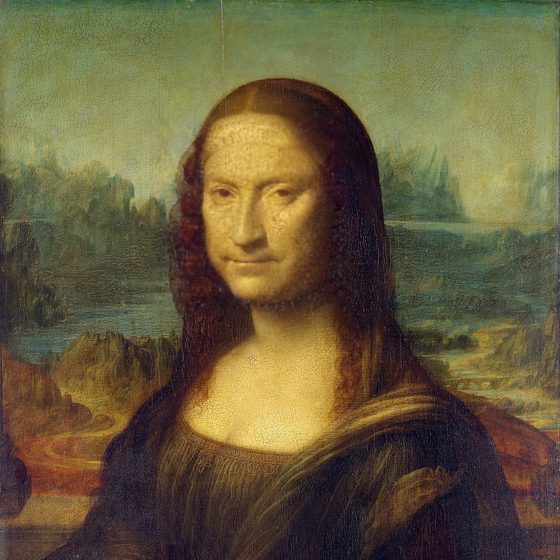
or
Under 15 seconds · no sign-up · your selfie is never stored
Or become a patron and stop counting. Already a patron? Sign in.
How it works
-
Take a photo
Front camera, decent light, look straight ahead. Or pick one you already have.
-
We paint you in
Your face goes into the painting, keeping its light and its brushwork. About fifteen seconds.
-
Share the link
You get a page anyone can open. No account, nothing to install.
Where this one comes from
Leonardo da Vinci began this portrait of Lisa del Giocondo in Florence around 1503 and was still adjusting it years later. It hung in French royal collections for centuries and became a global celebrity only after it was stolen from the Louvre in 1911 and the empty wall made front pages everywhere.
What is in the picture
The crop is head and shoulders, so what sits either side of her is the landscape: a road winding down on the left, water and a hazed blue ridge on the right, and a horizon that does not line up across her shoulders. Her eyebrows are gone — whether Leonardo left them out or a later cleaning took them is still argued. The panel is poplar, and five centuries have cracked its surface into a fine net you can see from across a room.
When people use it
It is the shorthand for a face that is hiding what it thinks. People reach for it when someone answers a direct question with a small polite smile, when a reply says nothing at all, or when a photo is technically pleasant and completely unreadable.
How your face lands in it
The half-smile lives in the blurred shadow at the corners of the mouth rather than in the expression, so a neutral face comes out of this one looking like it has decided something about you. Her hair falls either side of the face with no hat or headdress in the way, which lets long hair sit naturally and makes short hair read as a choice. Everything below the collarbone stays hers.
Mona Lisa — Leonardo da Vinci, c. 1503-1519. The artist died in 1519, so the work is in the public domain worldwide, and a faithful photograph of a flat public-domain painting carries no new copyright. Source

Also in: Paintings · Renaissance
More paintings
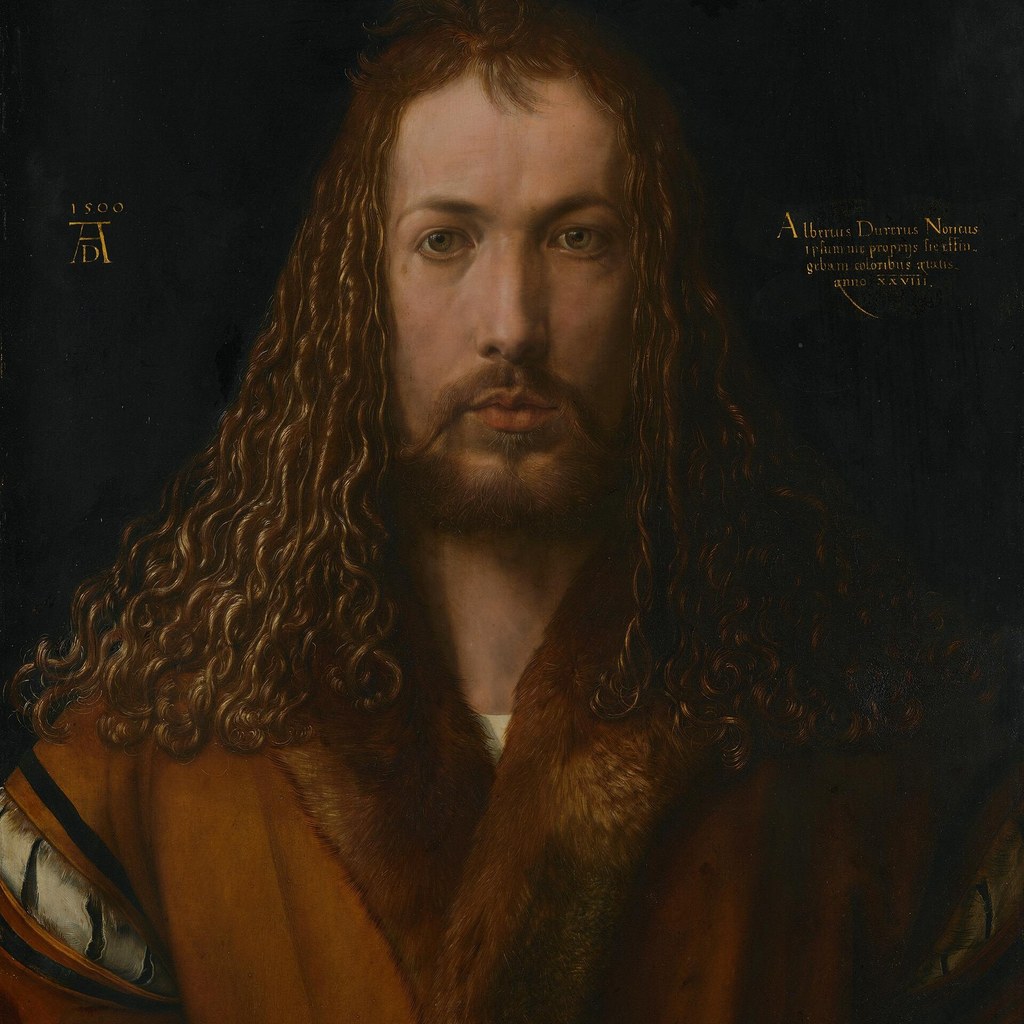 Dürer's Self-Portrait
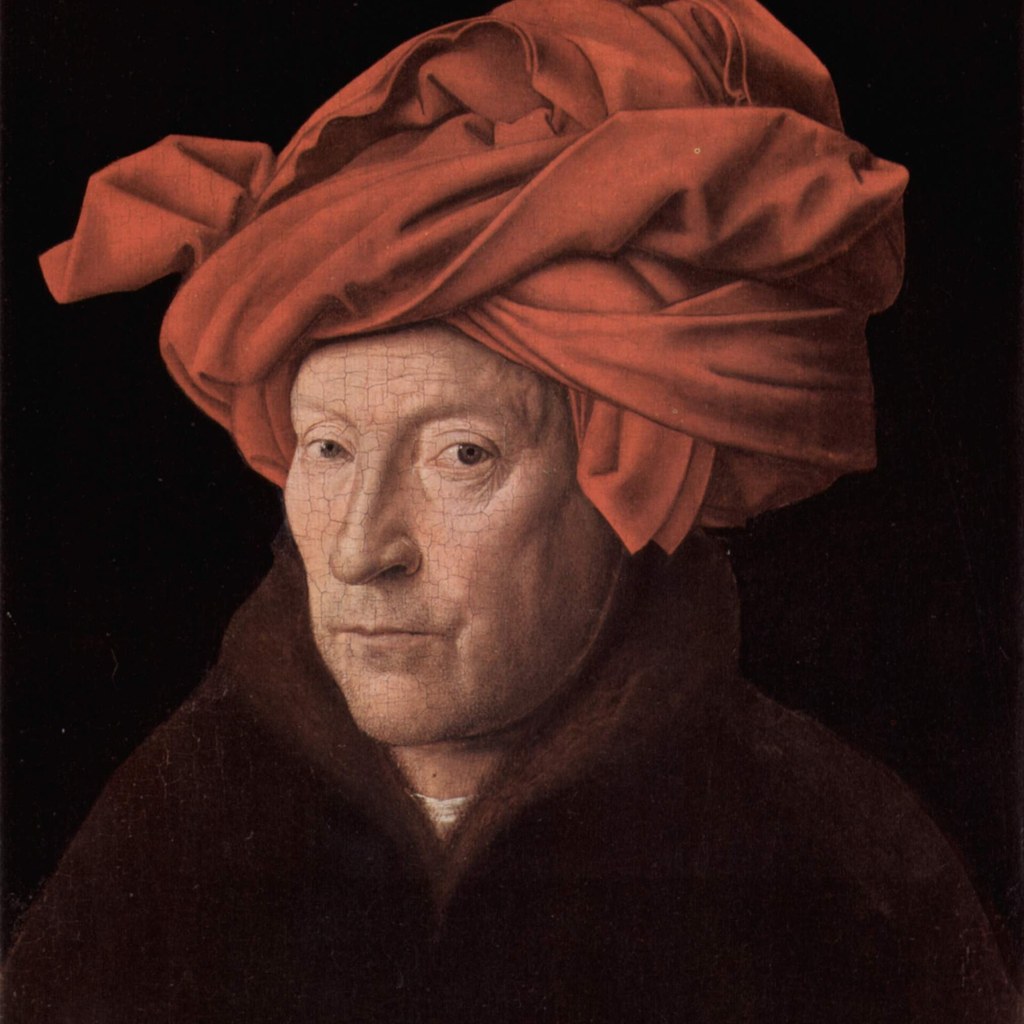 Man in a Red Turban
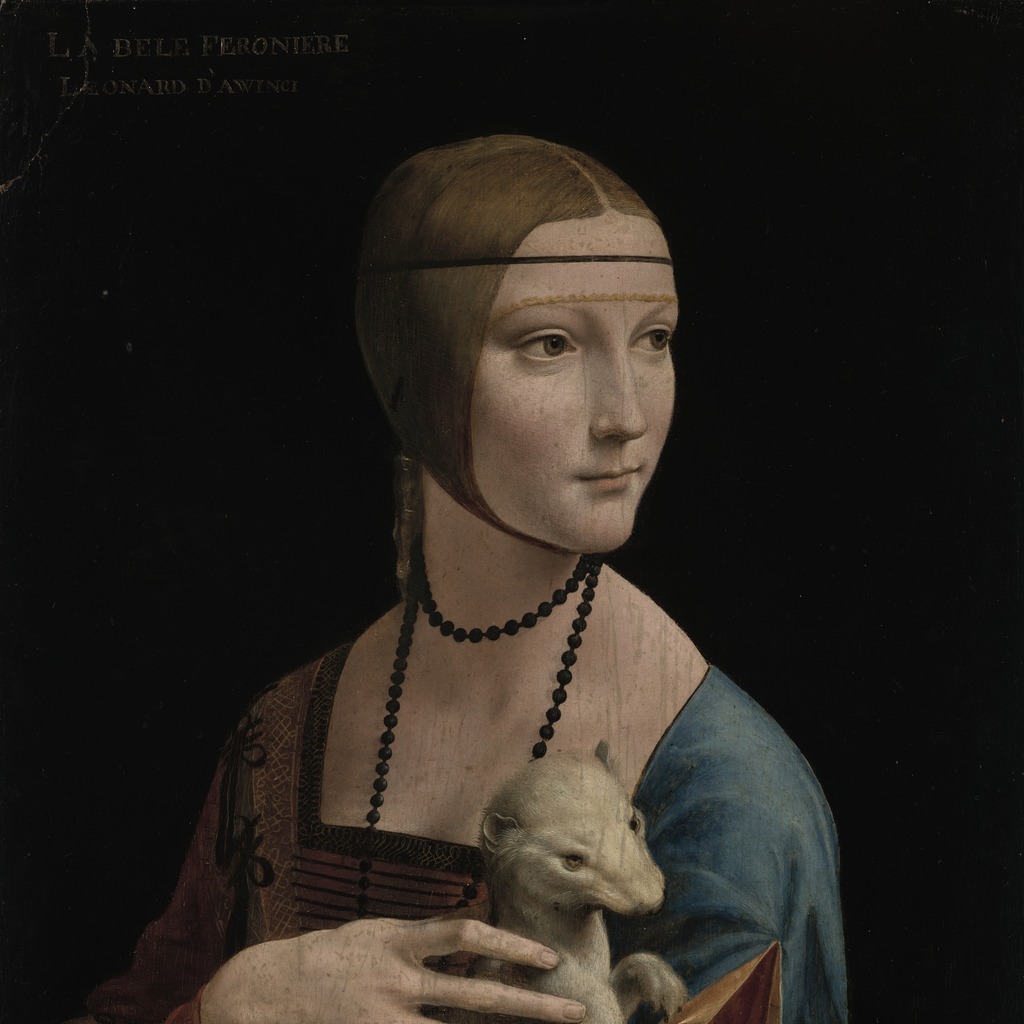 Lady with an Ermine
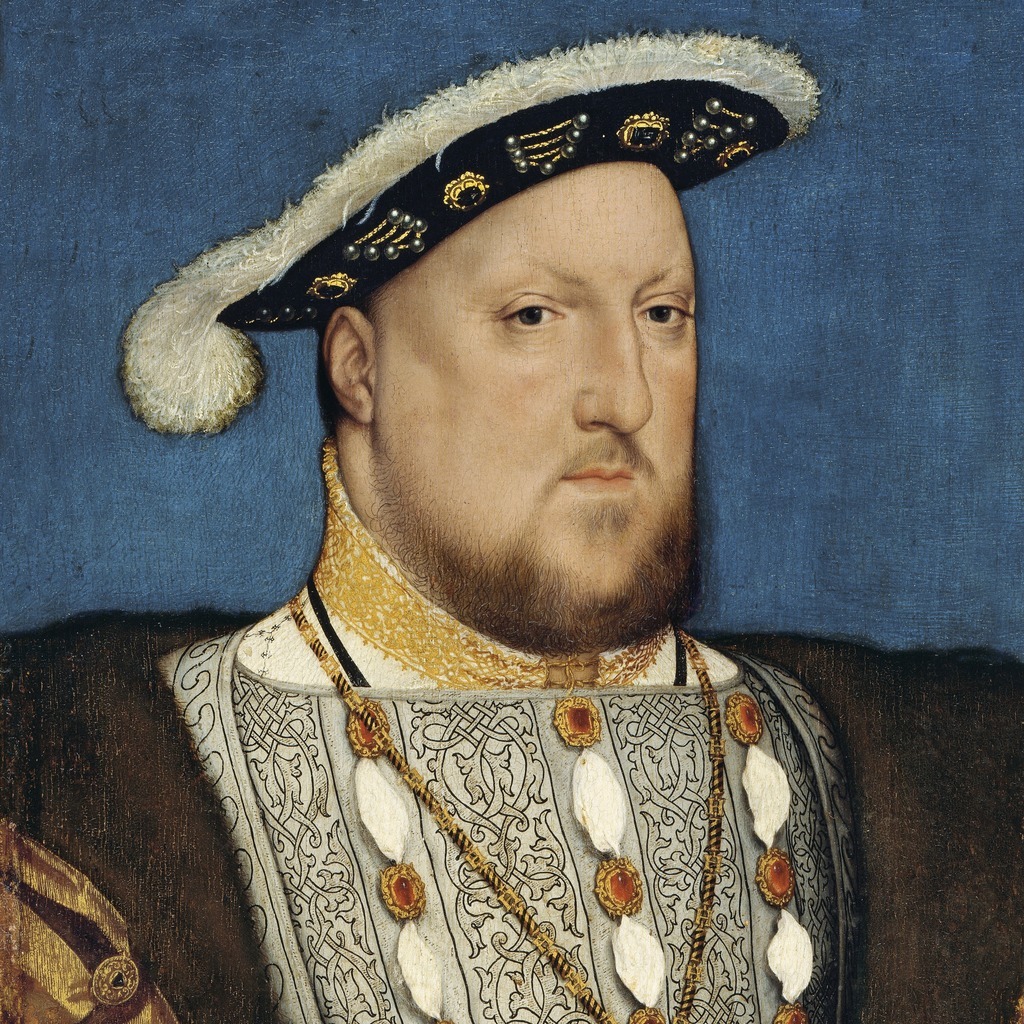 Henry VIII
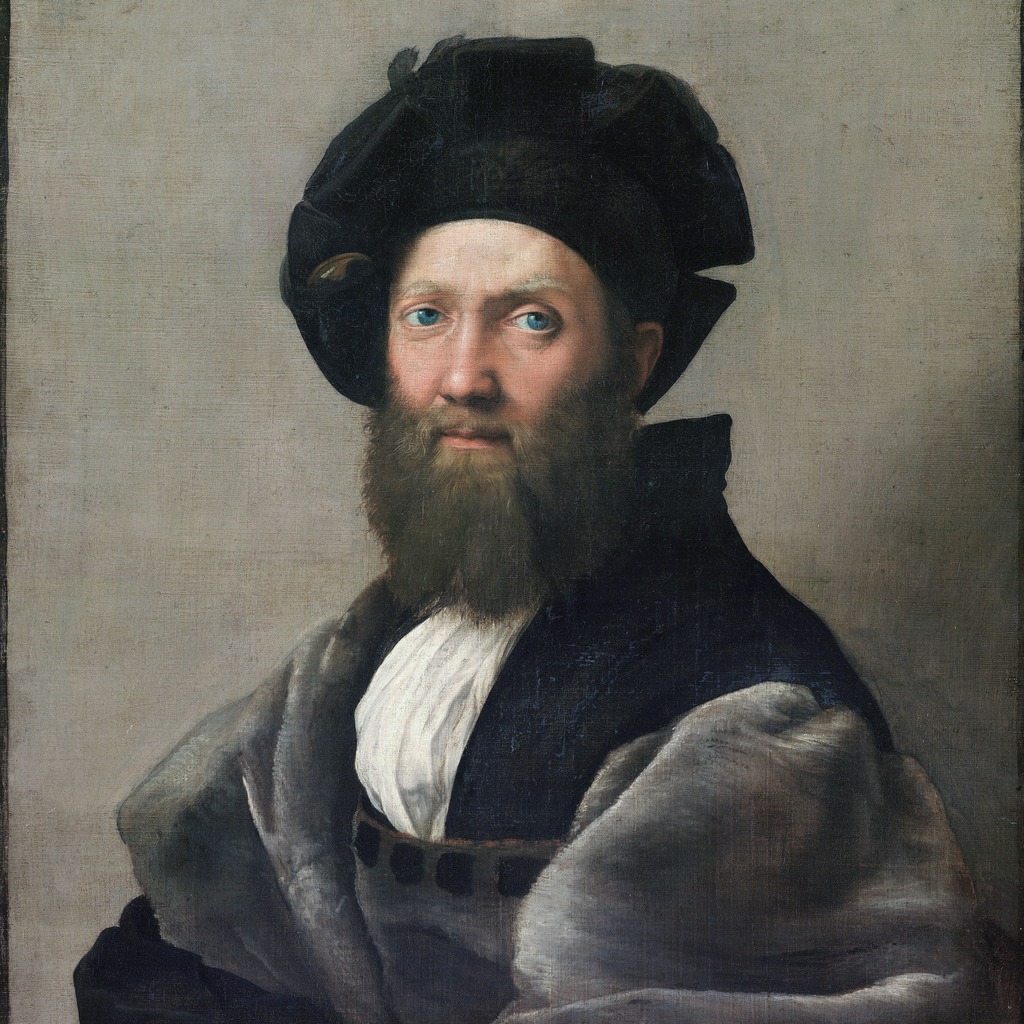 Baldassare Castiglione
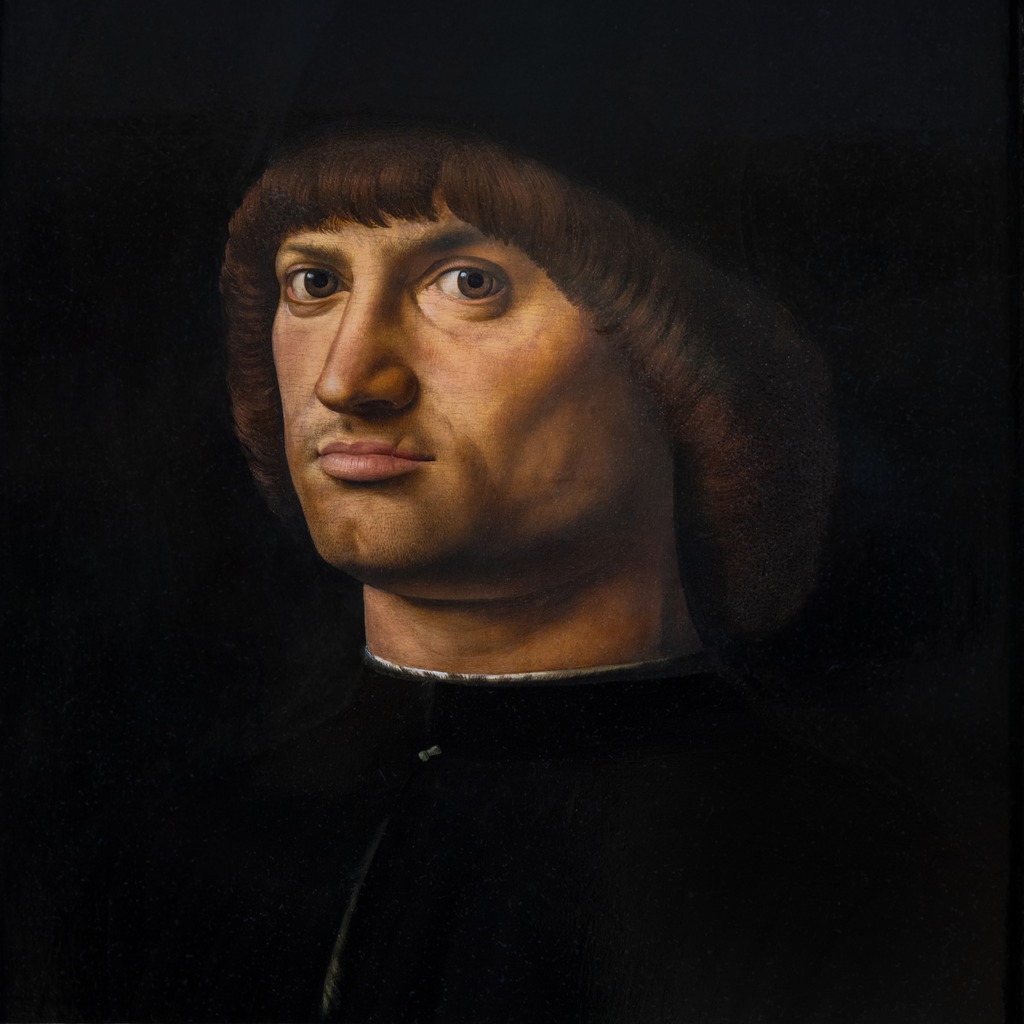 Il Condottiere
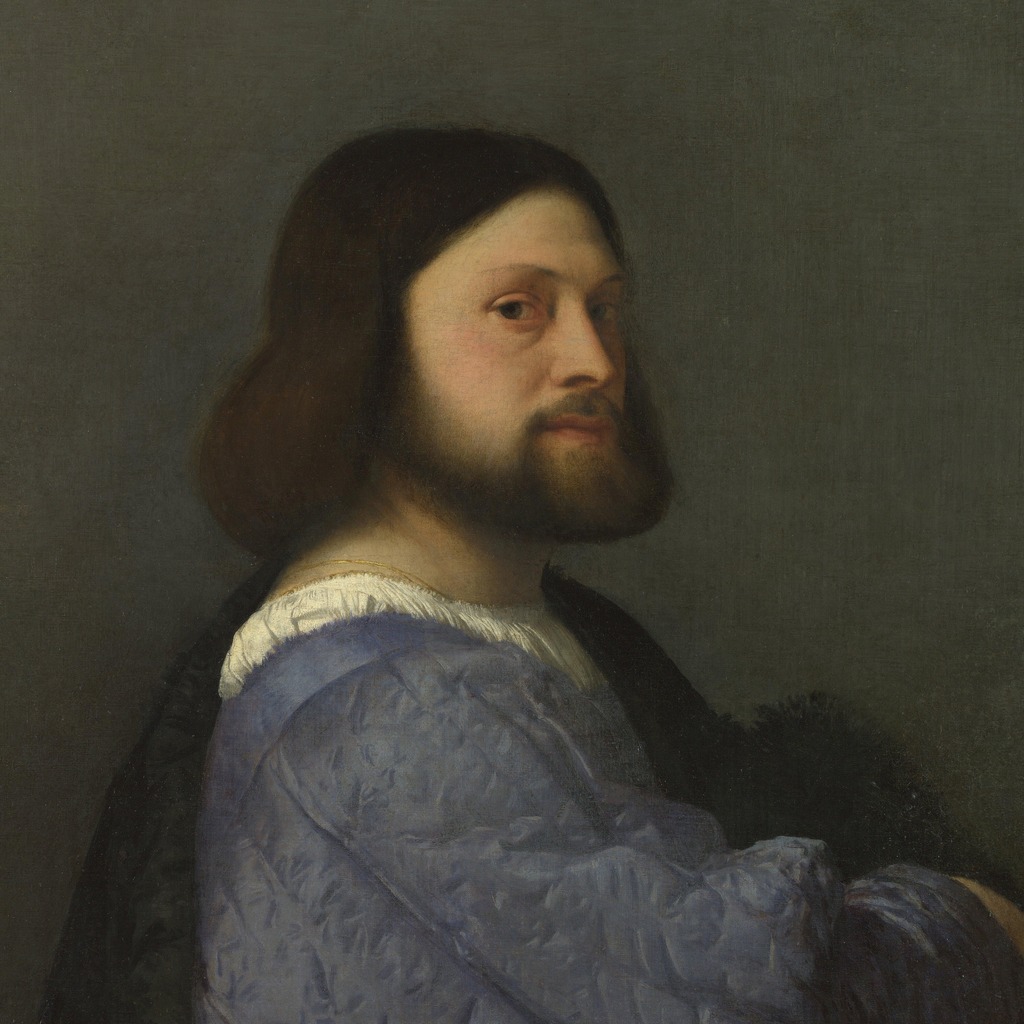 Man with a Quilted Sleeve
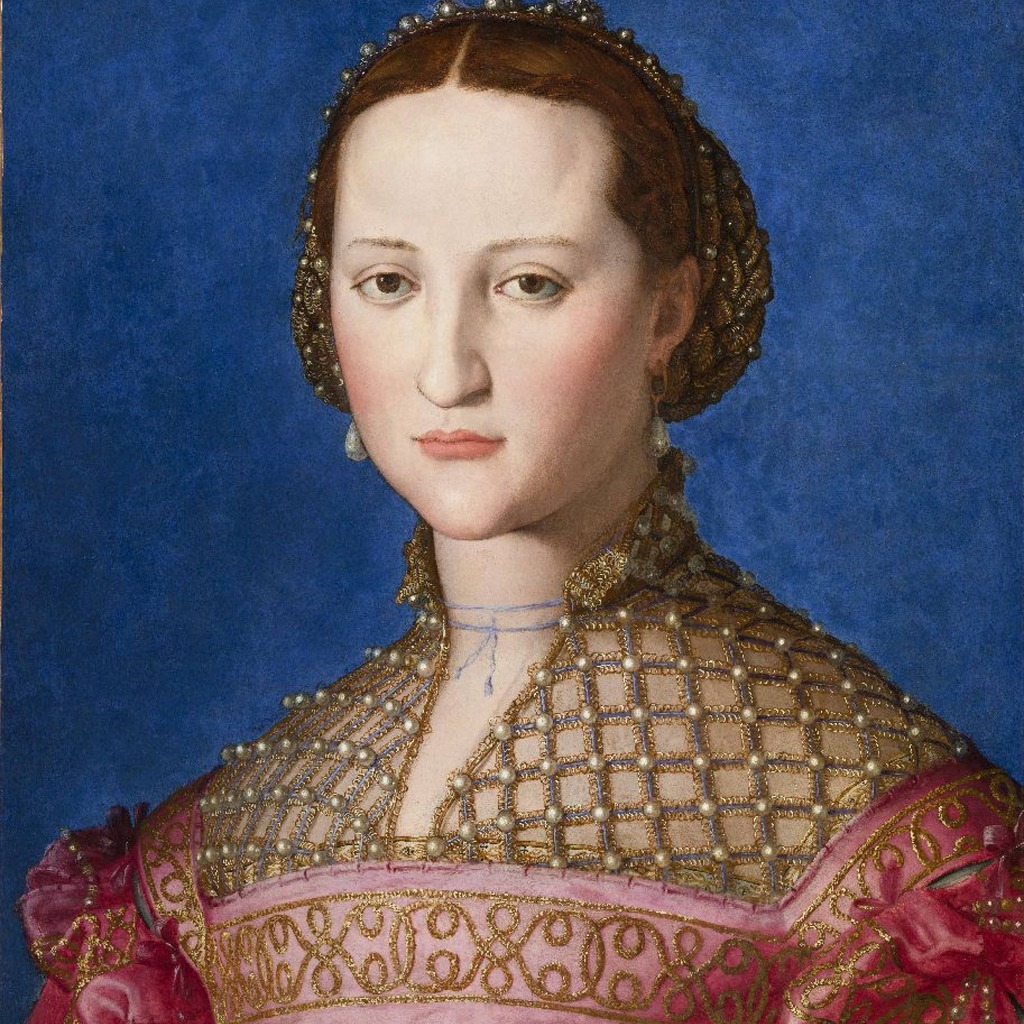 Eleonora di Toledo
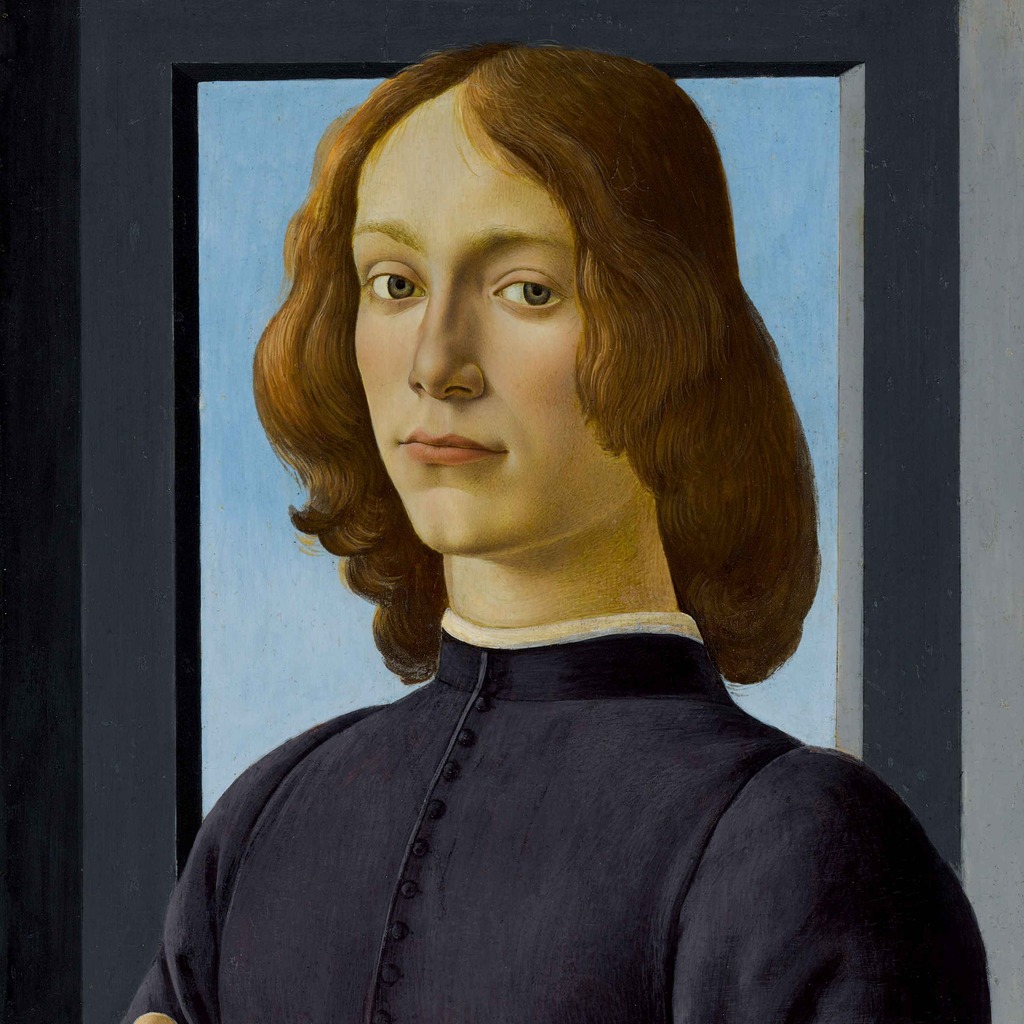 Young Man Holding a Roundel
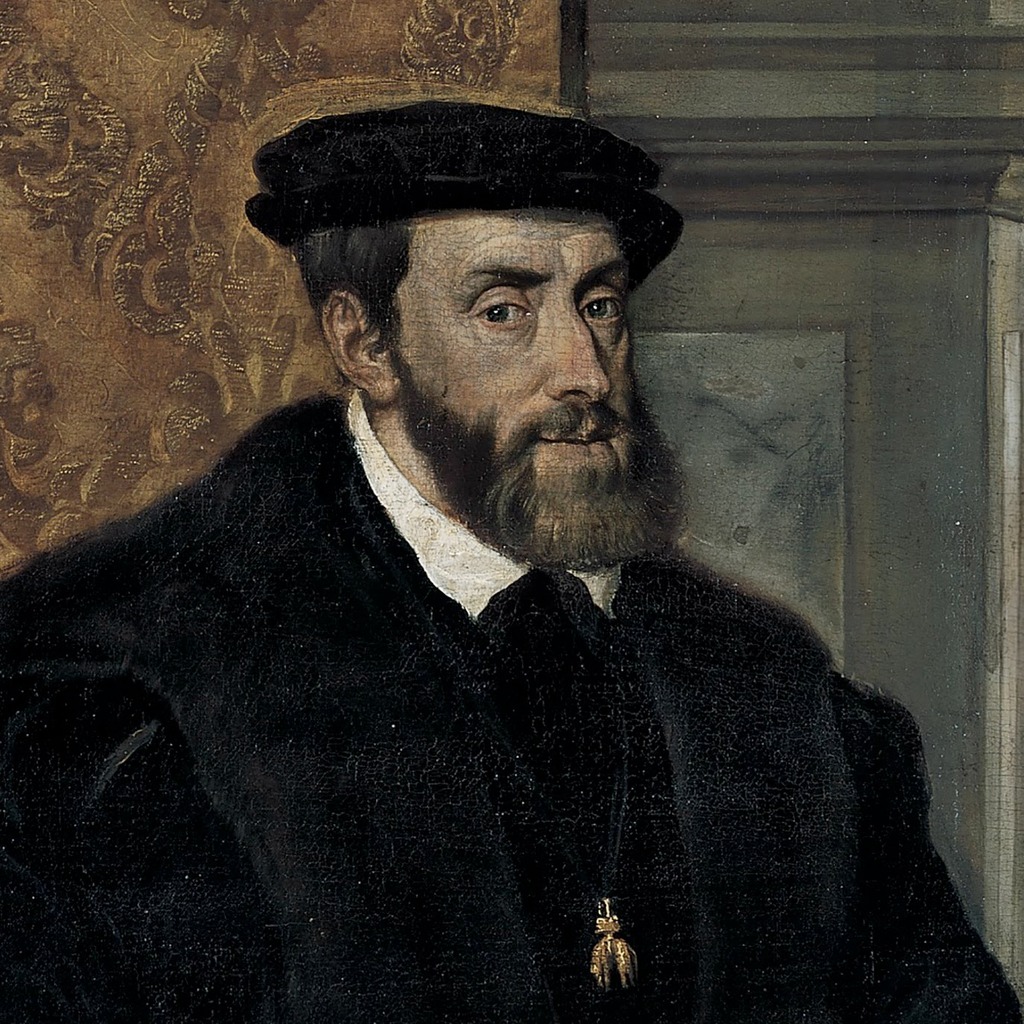 Charles V
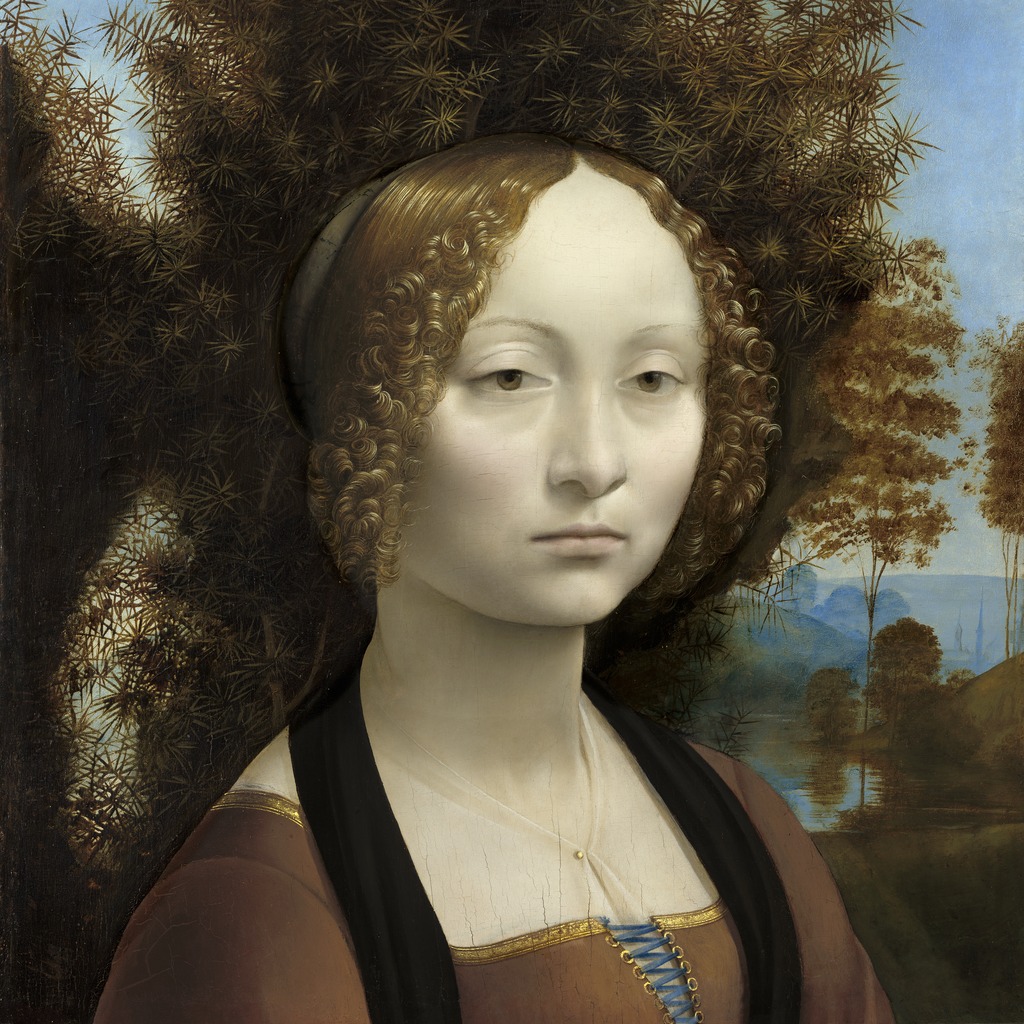 Ginevra de’ Benci
 La Belle Ferronnière
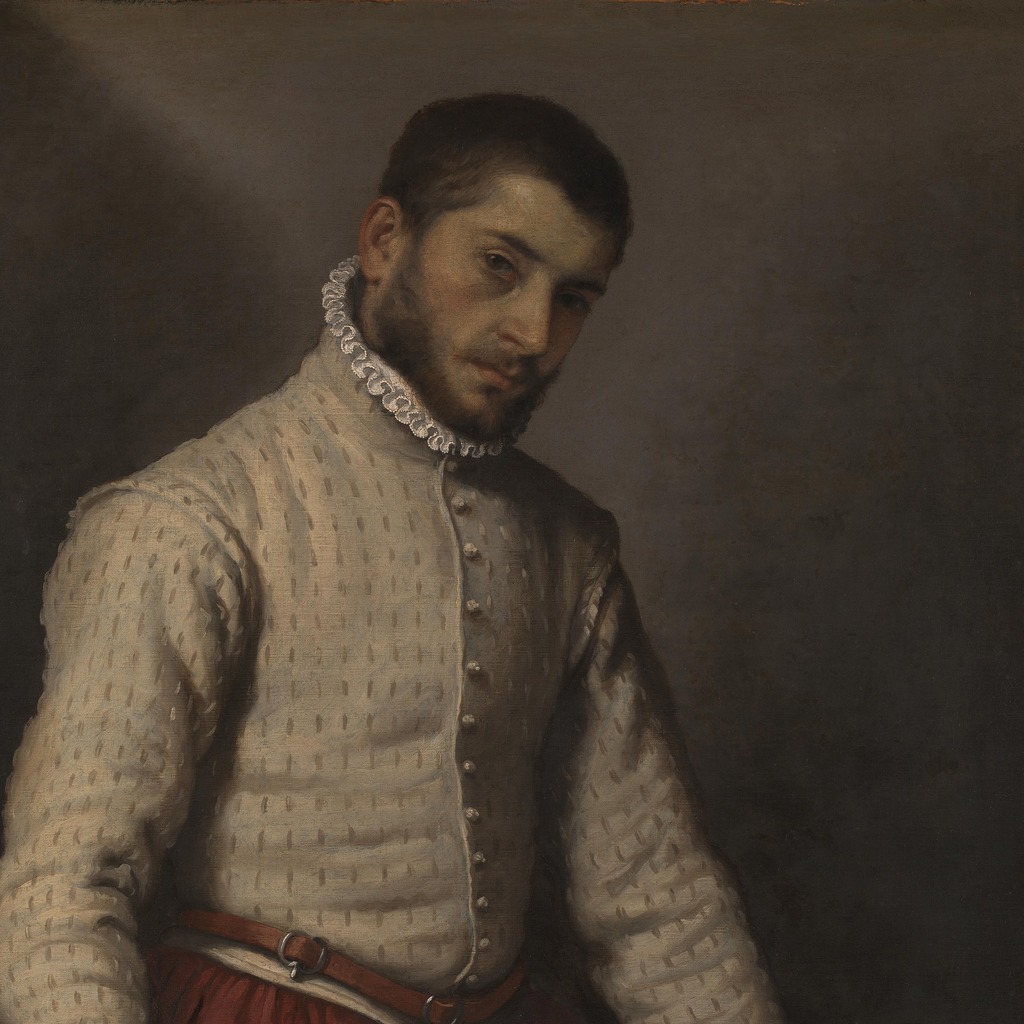 The Tailor
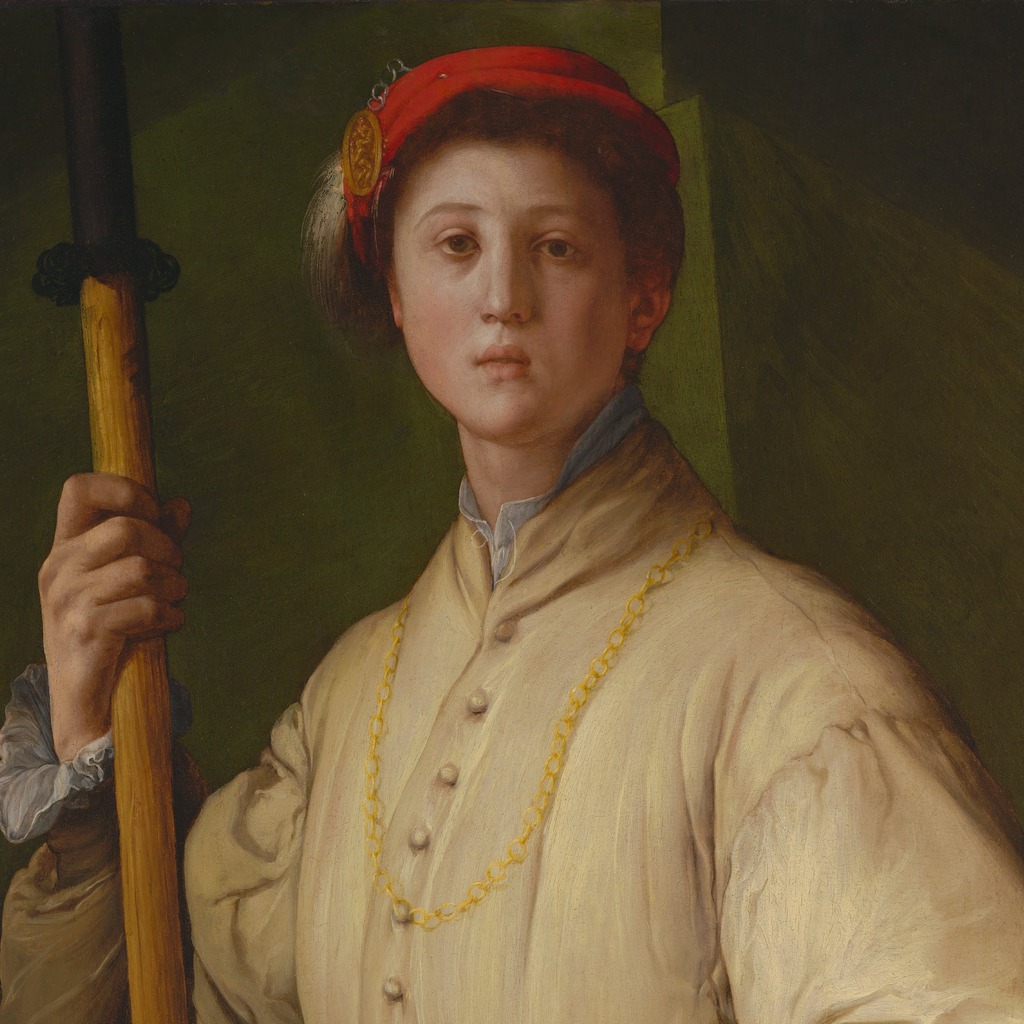 The Halberdier
 Self-Portrait in a Convex Mirror
 Sofonisba at the Easel
 Girl with a Pearl Earring
 Van Gogh Self-Portrait
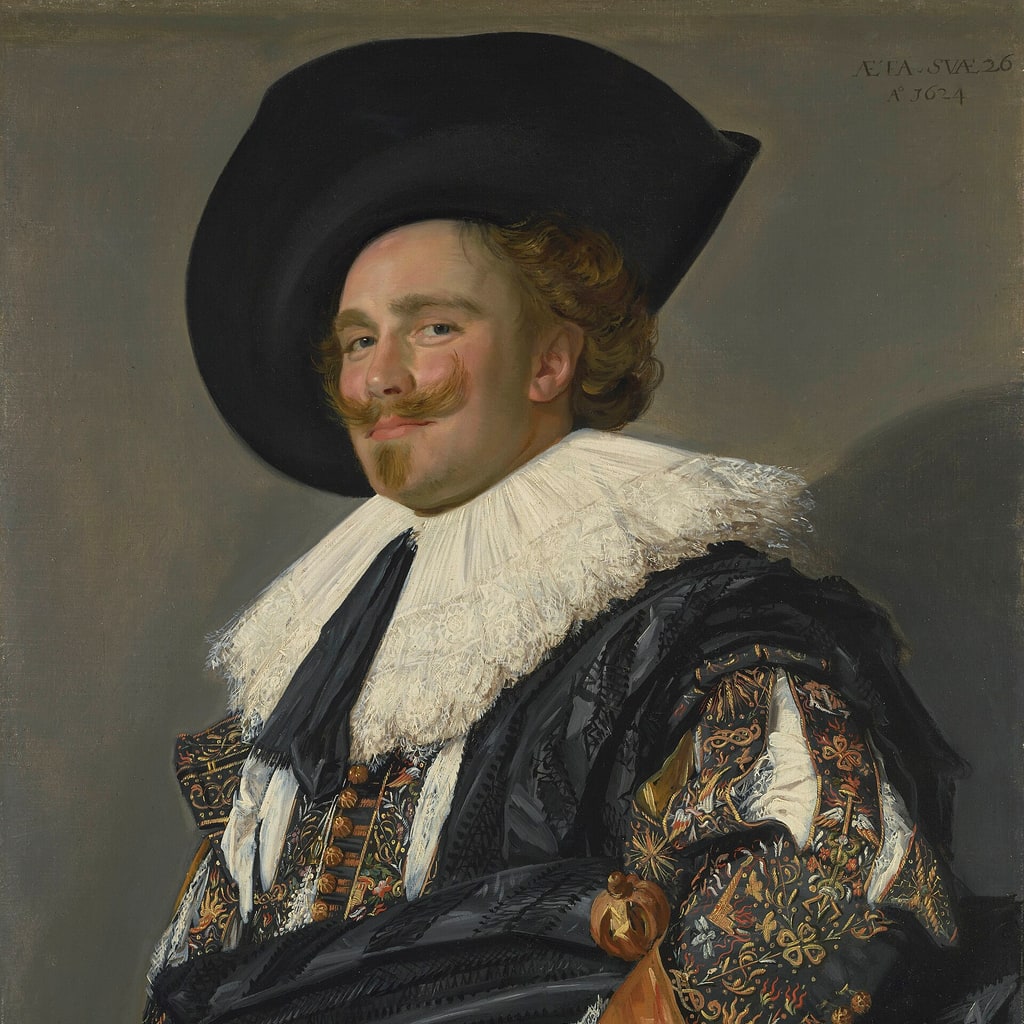 The Laughing Cavalier
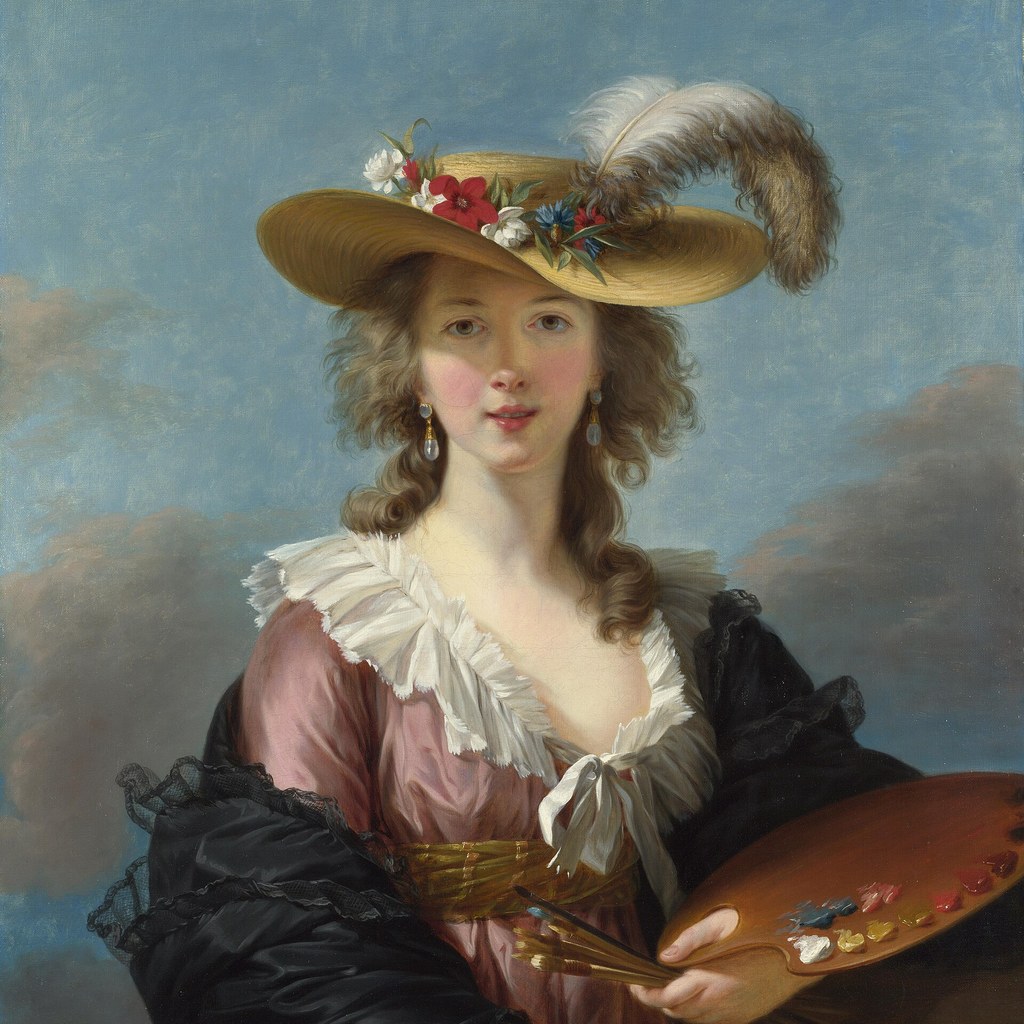 Self-Portrait in a Straw Hat
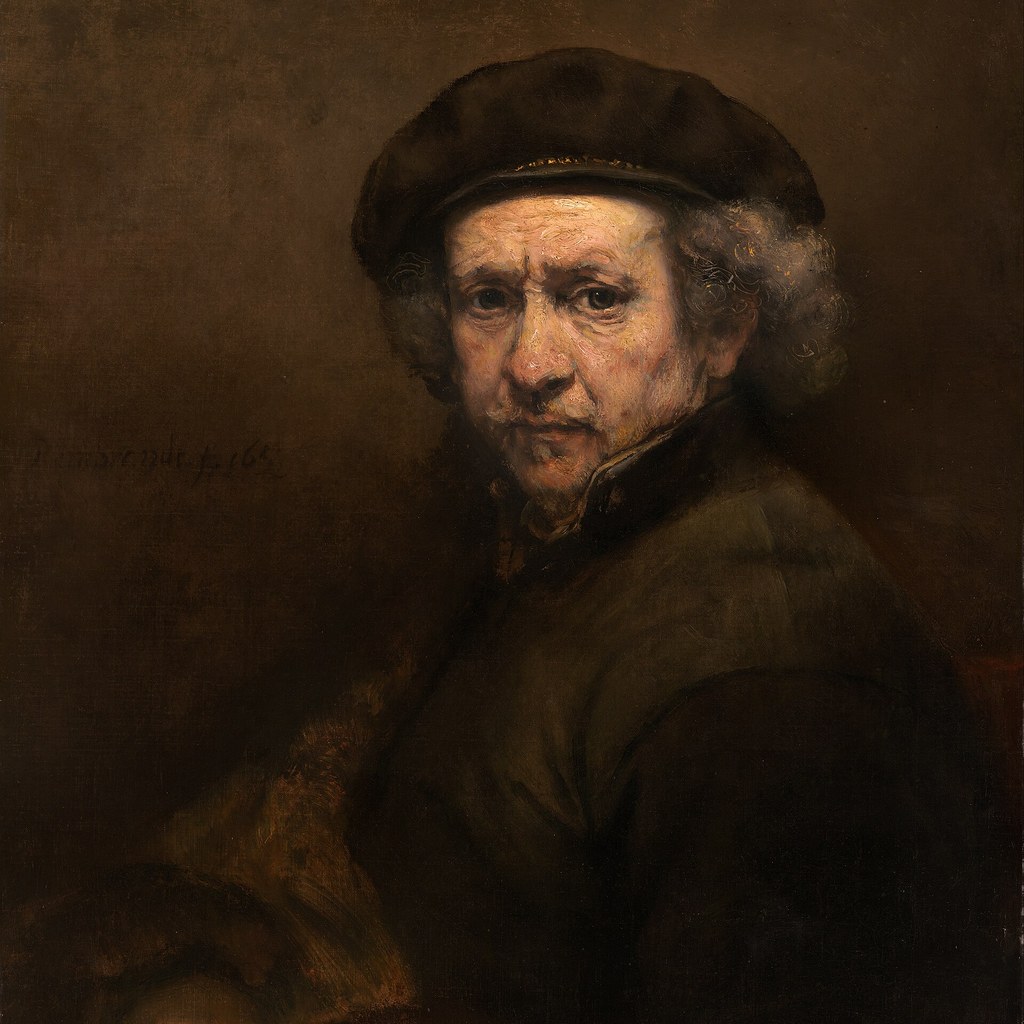 Rembrandt's Self-Portrait
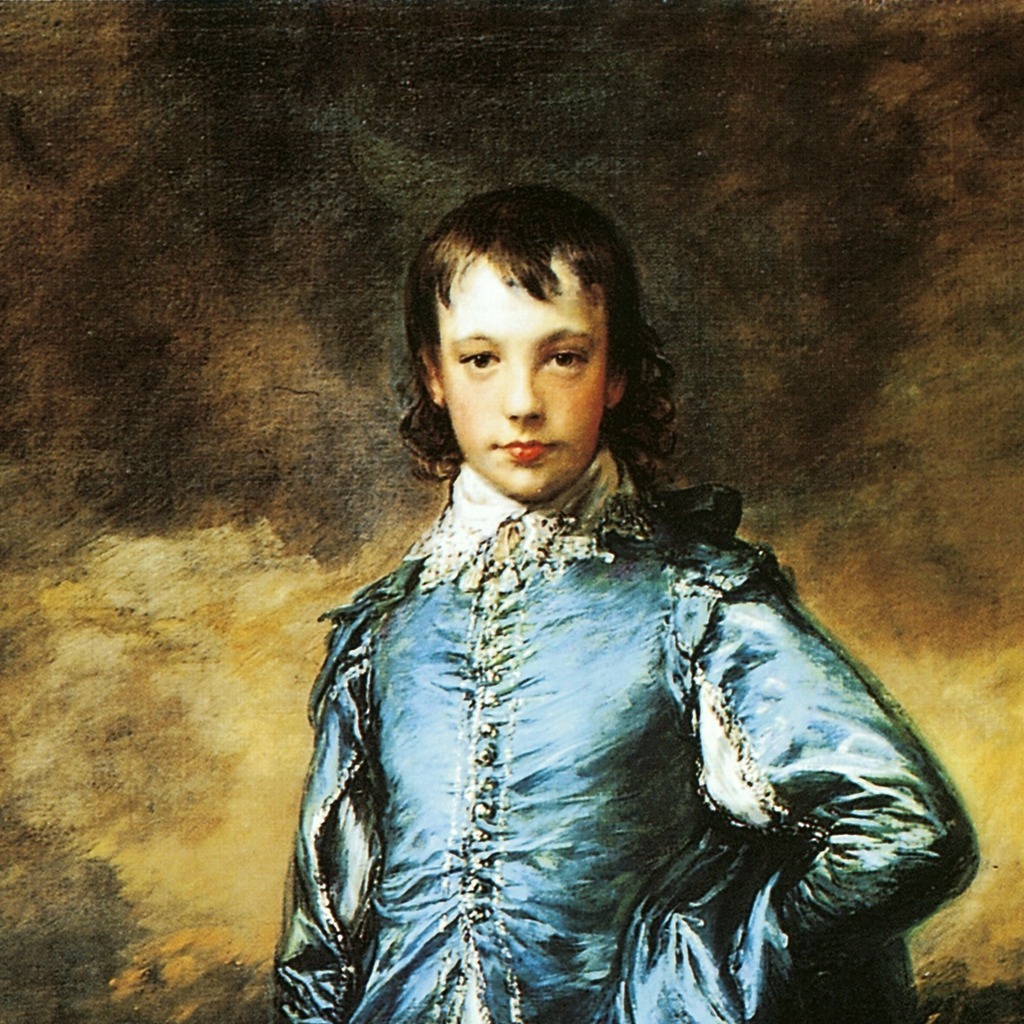 The Blue Boy
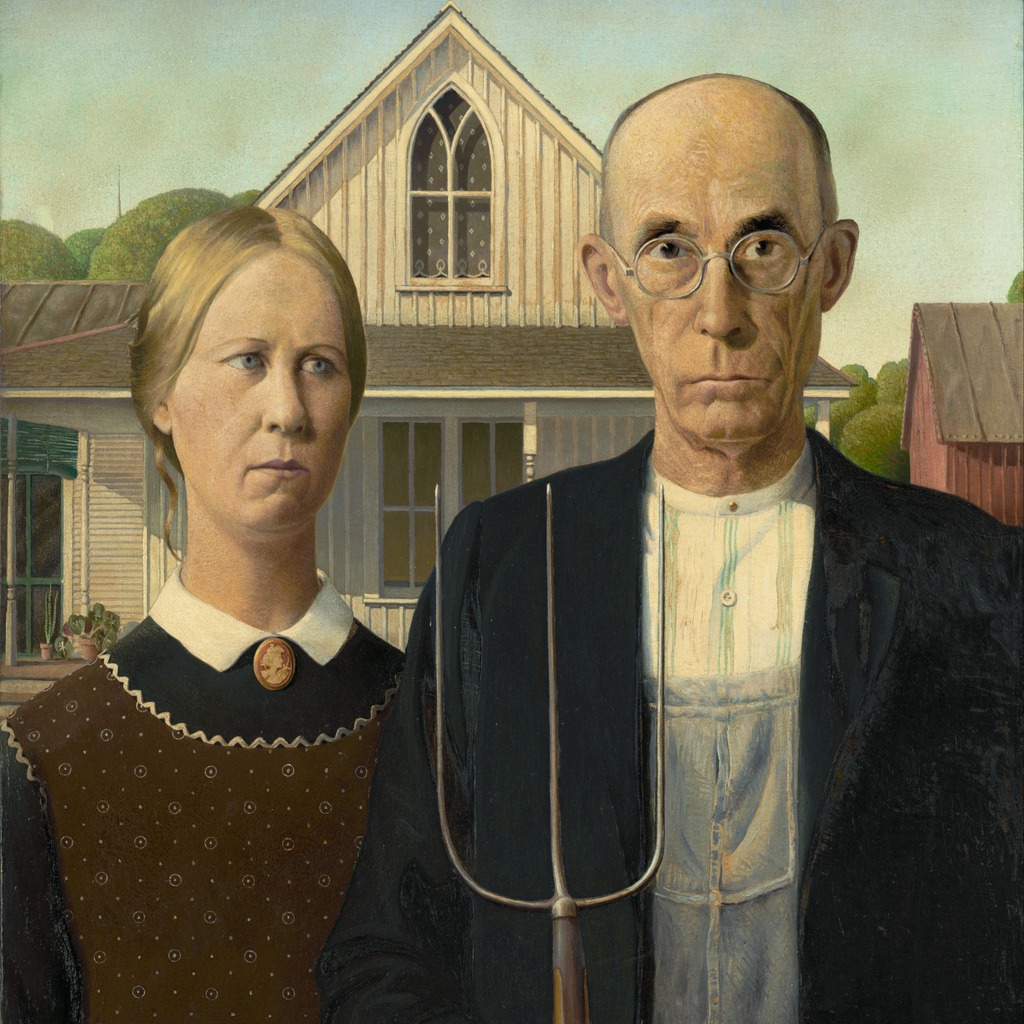 American Gothic
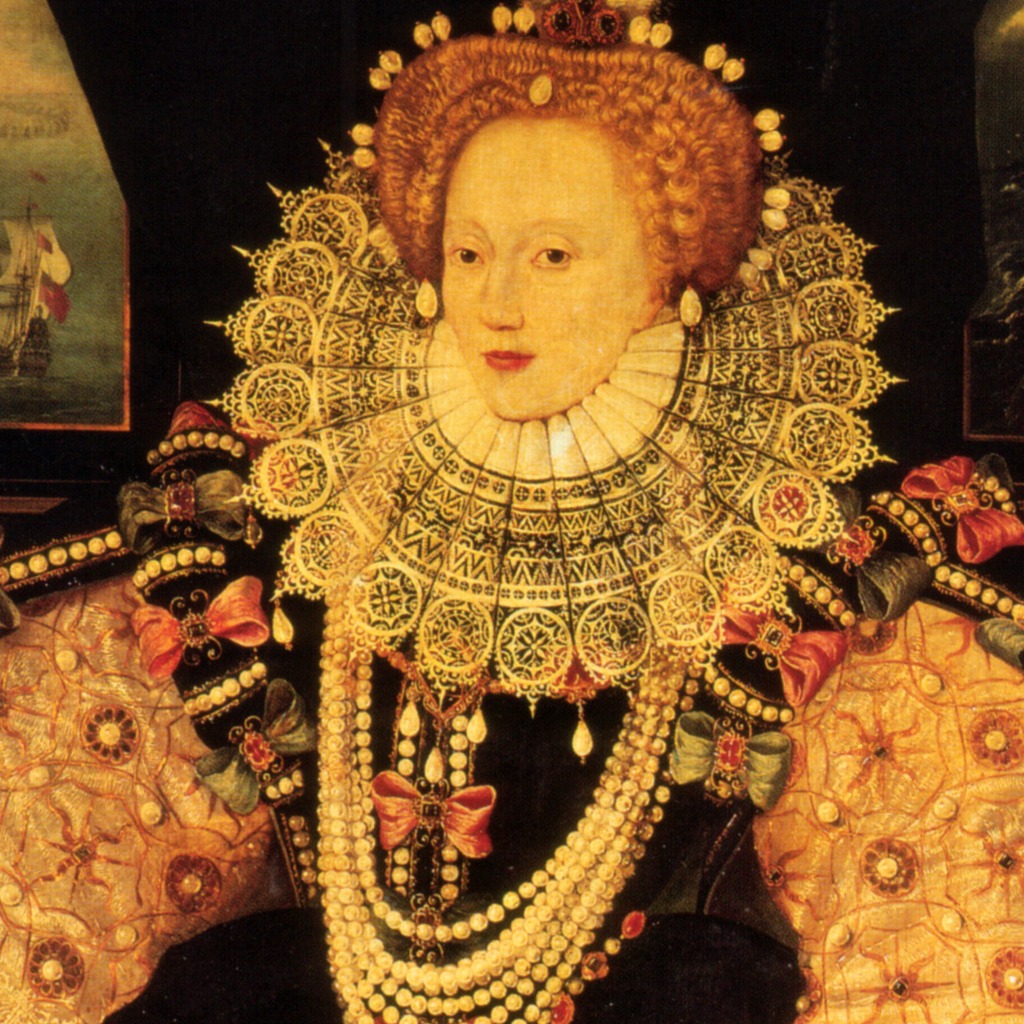 Elizabeth I
Questions
Do I need to smile?
No. The famous ambiguity is painted into the soft shadow around the mouth, not into the face that goes in, so a flat expression comes out about as unreadable as the original.
Does it work with a beard?
Yes, and it is why a lot of people pick this one. Nothing in the painting covers the jaw, so your beard arrives intact and the picture reads as a deliberate joke rather than a glitch.
Is the Mona Lisa free to use?
Leonardo died in 1519, so the painting left copyright a very long time ago, and the reproduction on this page is marked public domain on Wikimedia Commons. What you make with your own face in it is yours.
Is it free?
Yes. There is a limit on how many you can make in a day, and sharing one earns the allowance back.
Do you keep my photo?
No. Your selfie is used to make the image and then dropped — it is never written to disk. The finished meme is stored, because it has a link people can open, and it is deleted after 90 days.
Can I use someone else’s face?
Please do not. Use your own. Putting a real person into a picture they did not agree to is exactly the thing this is not for.
Can I post the result?
Yes, anywhere you like. The paintings are public domain; what you make with your own face is yours.