

Making your meme…
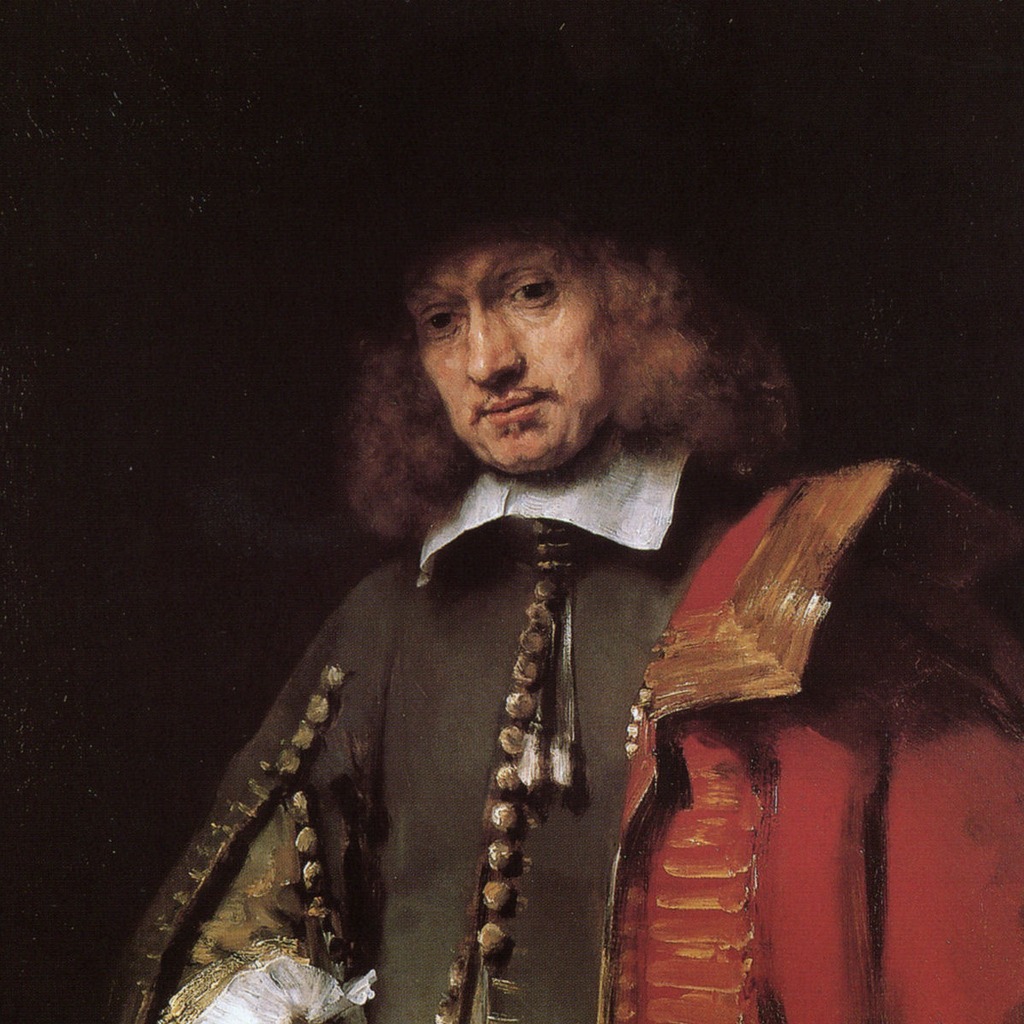
Rembrandt van Rijn · 1654
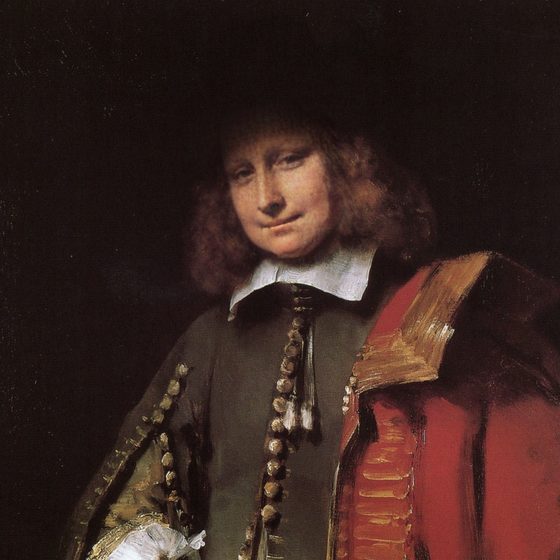
Jan Six face swap
A rich man pulling on a glove, painted by a friend who was going bankrupt.
or
Under 15 seconds · no sign-up · your selfie is never stored
Or become a patron and stop counting. Already a patron? Sign in.
How it works
-
Take a photo
Front camera, decent light, look straight ahead. Or pick one you already have.
-
We paint you in
Your face goes into the painting, keeping its light and its brushwork. About fifteen seconds.
-
Share the link
You get a page anyone can open. No account, nothing to install.
Where this one comes from
Rembrandt painted Jan Six in 1654. Six was a wealthy Amsterdam merchant, a poet, later a mayor of the city, and for a while Rembrandt’s friend and creditor — the painter’s finances were coming apart and Six had lent him money. The picture has never been sold. It is still owned by Six’s descendants in Amsterdam, in the same family for more than three hundred and seventy years.
What is in the picture
He is pulling on a glove. That is the entire action, and Rembrandt painted the hands and the glove so loosely that at close range they dissolve into slabs of grey and buff, while the gold braid on the red cloak is laid on in single flicks that do not resolve into braid at all. The face, by contrast, is finished. The picture works because a man is doing something ordinary and thinking about something else, and because the paint gets freer the further it travels from his eyes.
When people use it
For being halfway out of the door. It fits the person who is already leaving and has stopped to answer one more thing, and it works for any caption about not having time for this.
How your face lands in it
The head is angled slightly down and towards you, lit from the left, and it occupies a smaller share of the canvas than most portraits here because the body and the cloak take so much room. Bring a sharp photograph. The looseness everywhere else means your face becomes the most resolved thing in the picture, which is how Rembrandt arranged it in the first place.
Portrait of Jan Six — Rembrandt van Rijn, 1654. Rembrandt van Rijn died in 1669, so the painting has been in the public domain for centuries and a flat reproduction of it carries no separate copyright. Source

Also in: Paintings · Baroque · Dutch Golden Age
More paintings
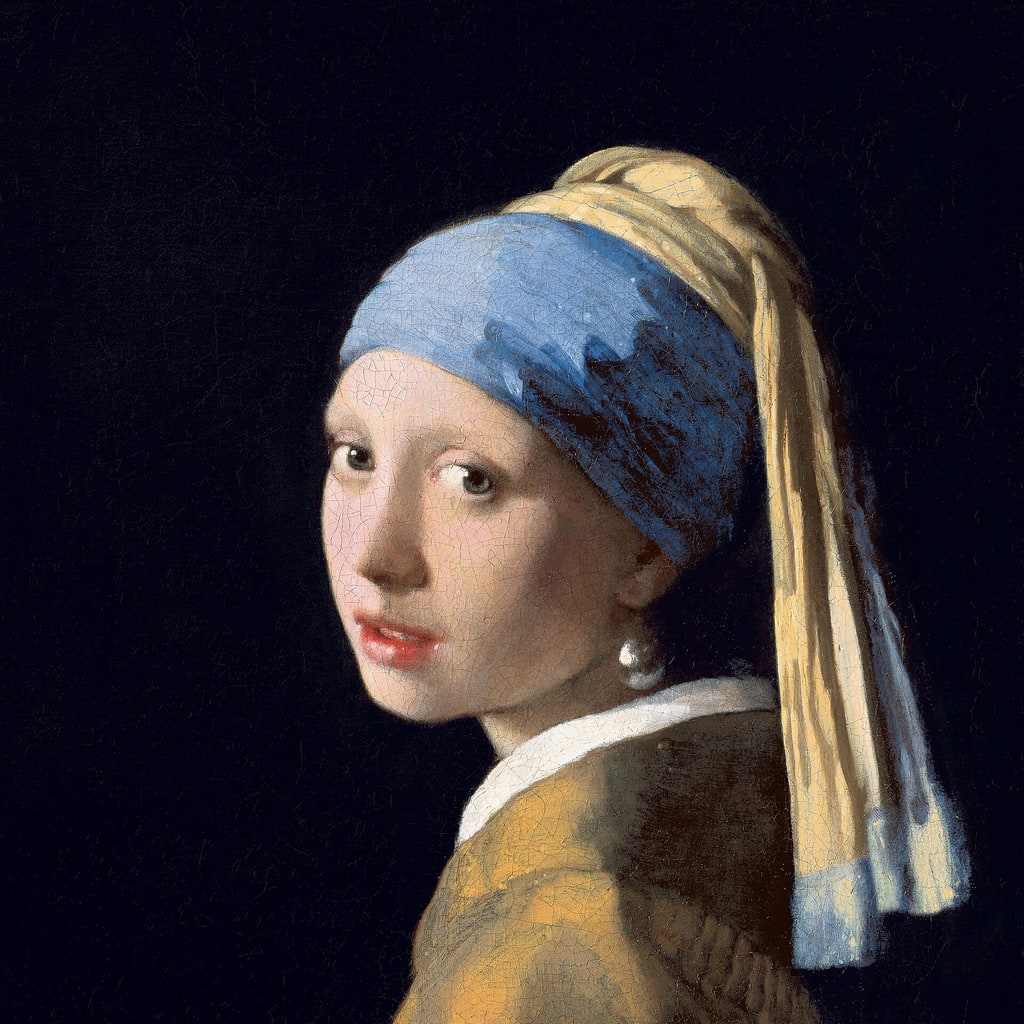 Girl with a Pearl Earring
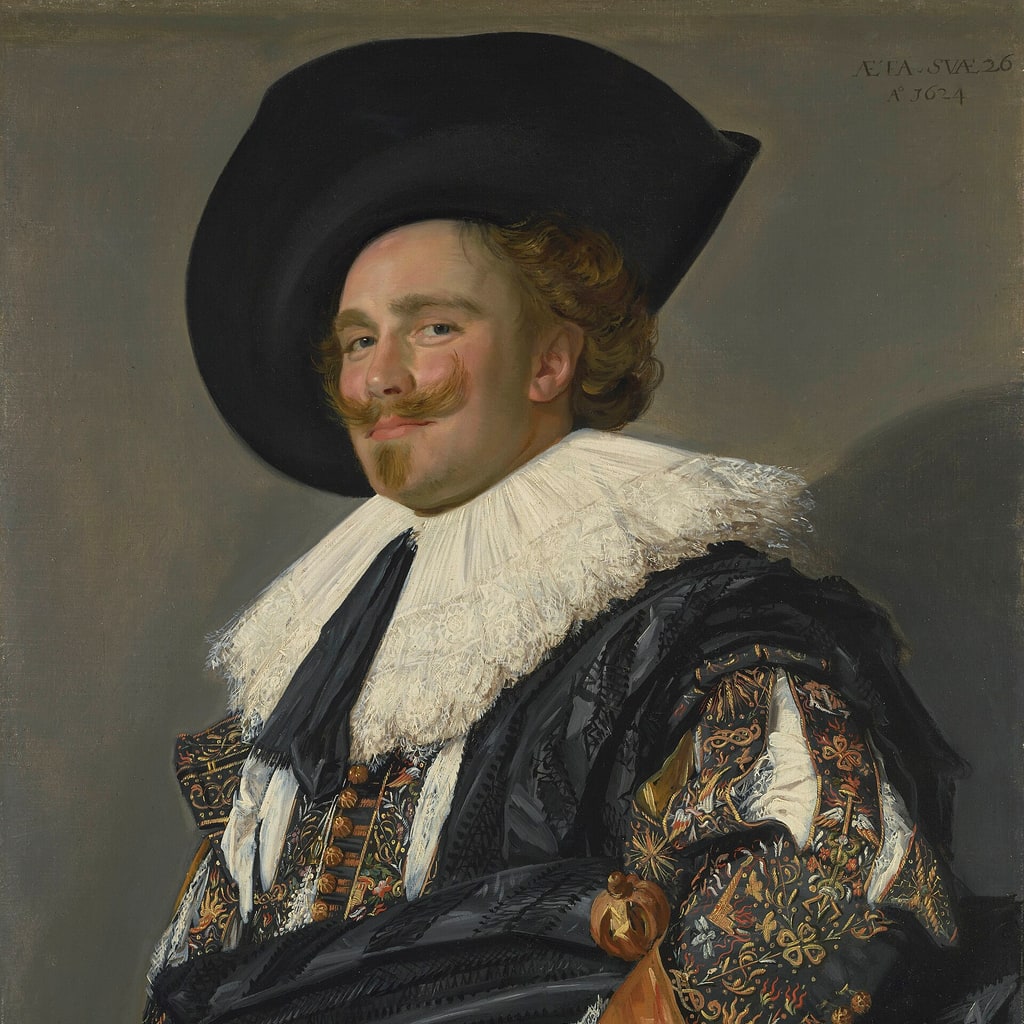 The Laughing Cavalier
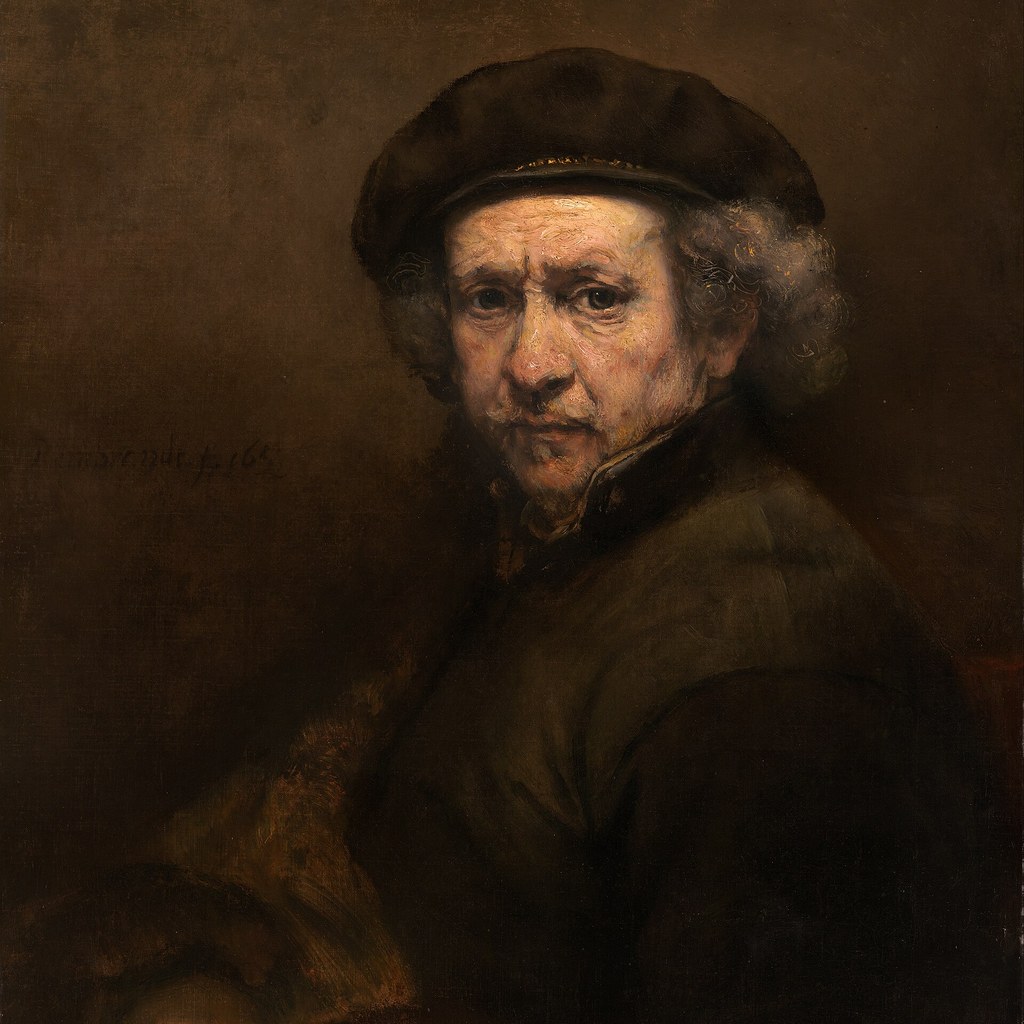 Rembrandt's Self-Portrait
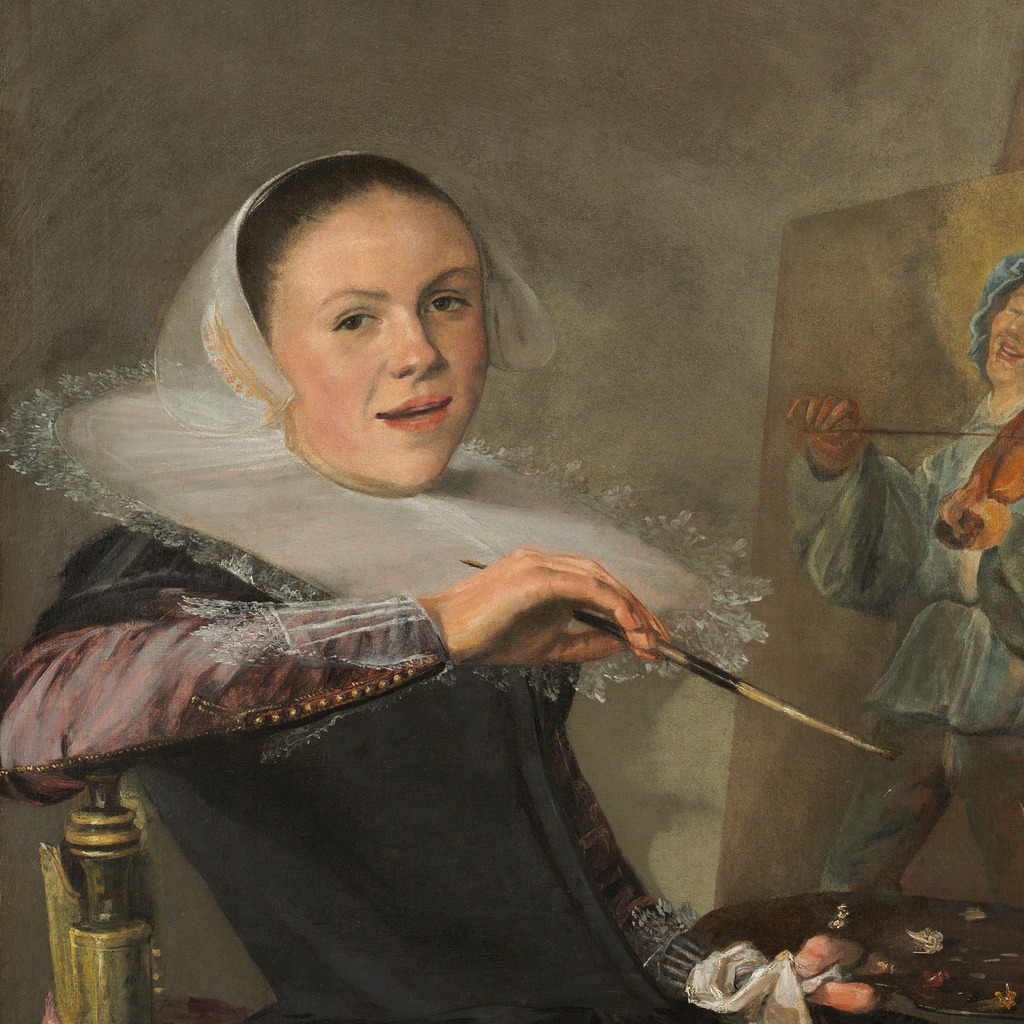 Judith Leyster
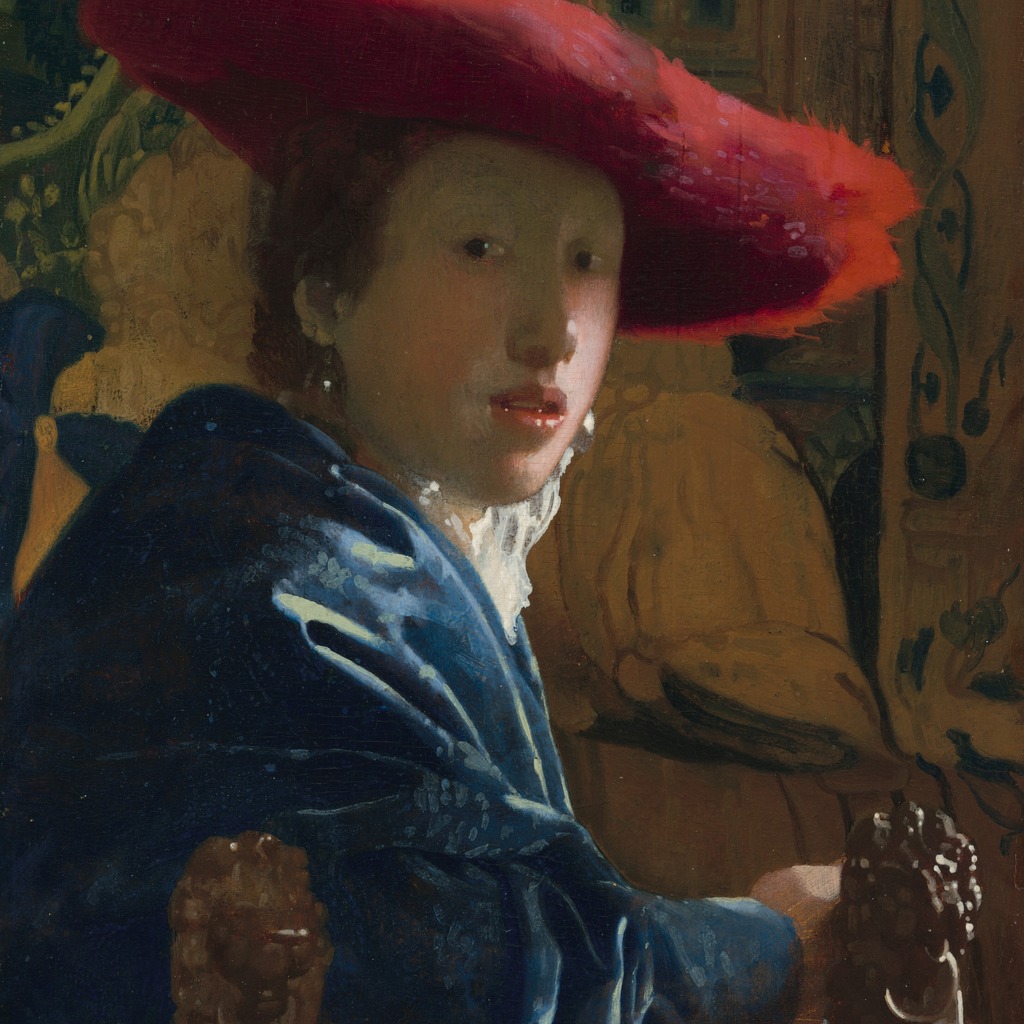 Girl with a Red Hat
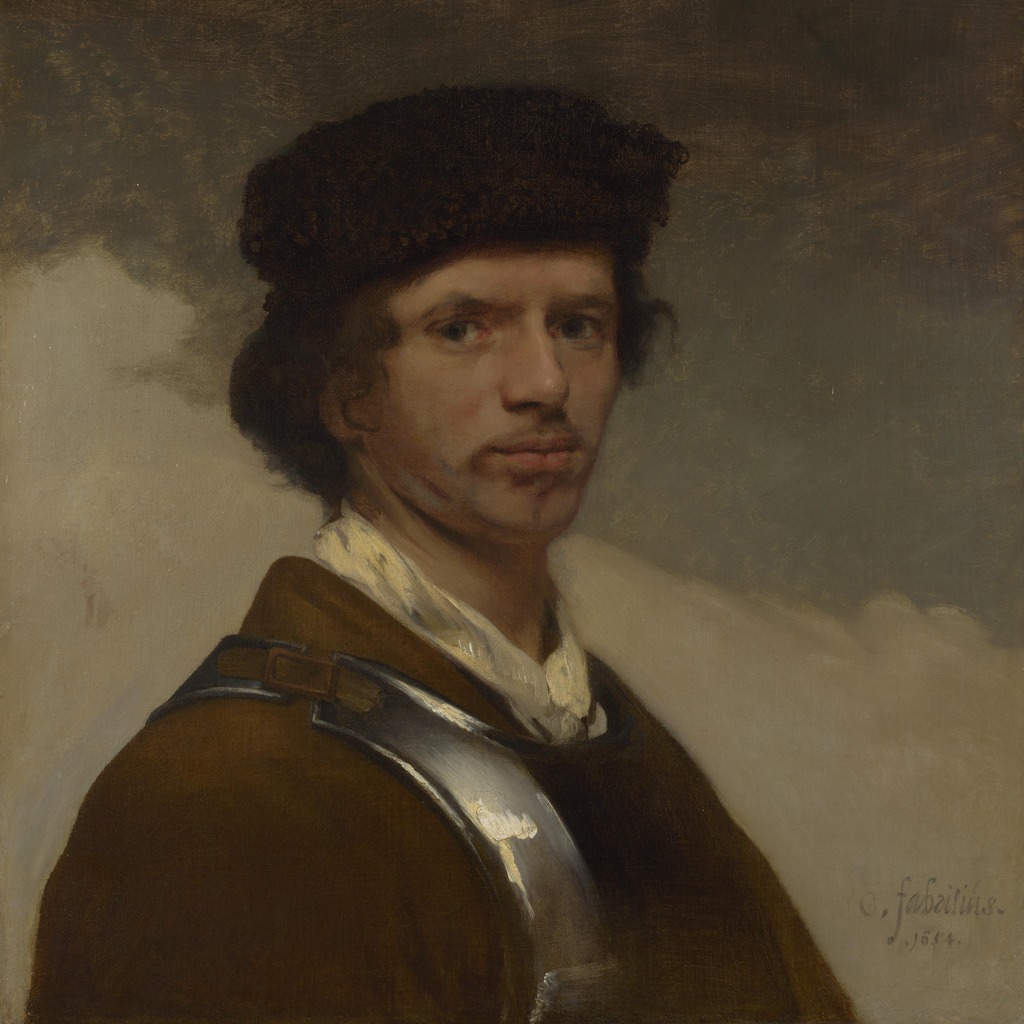 Carel Fabritius
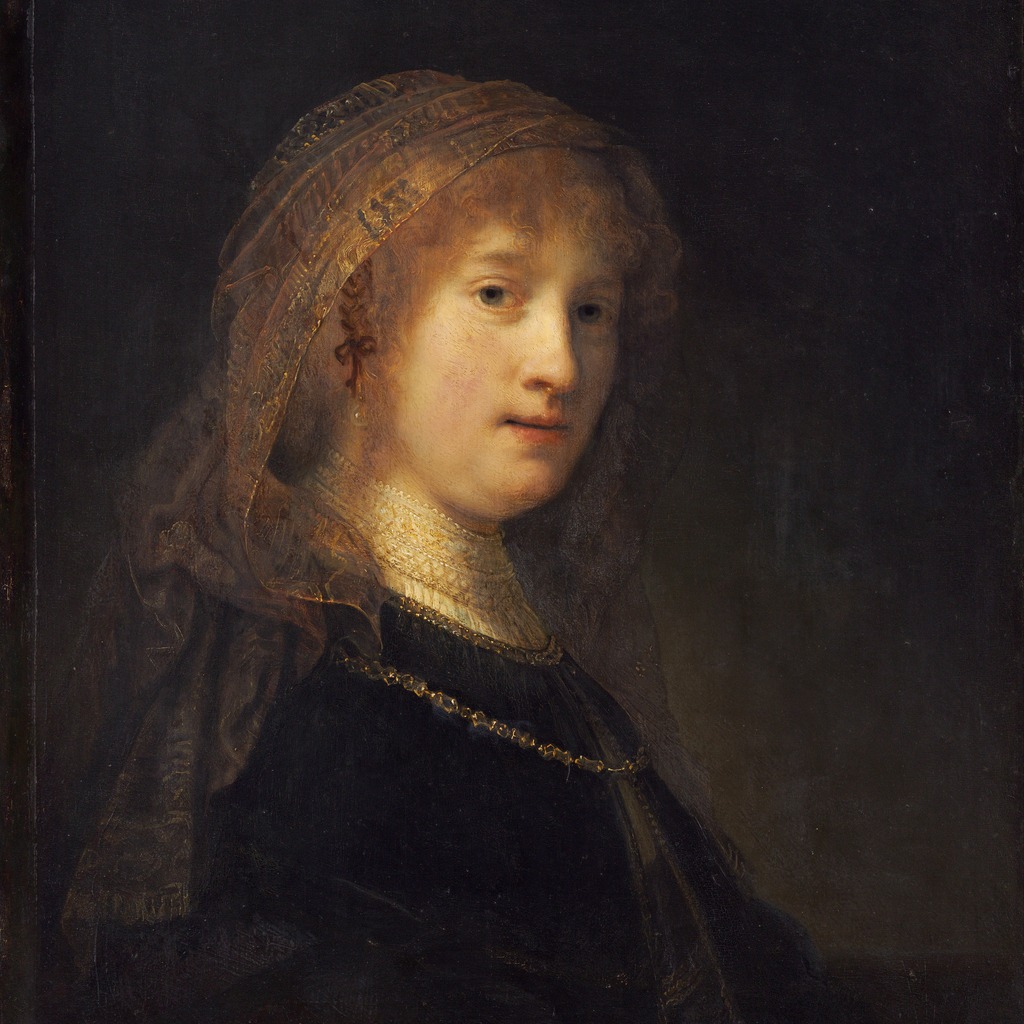 Saskia
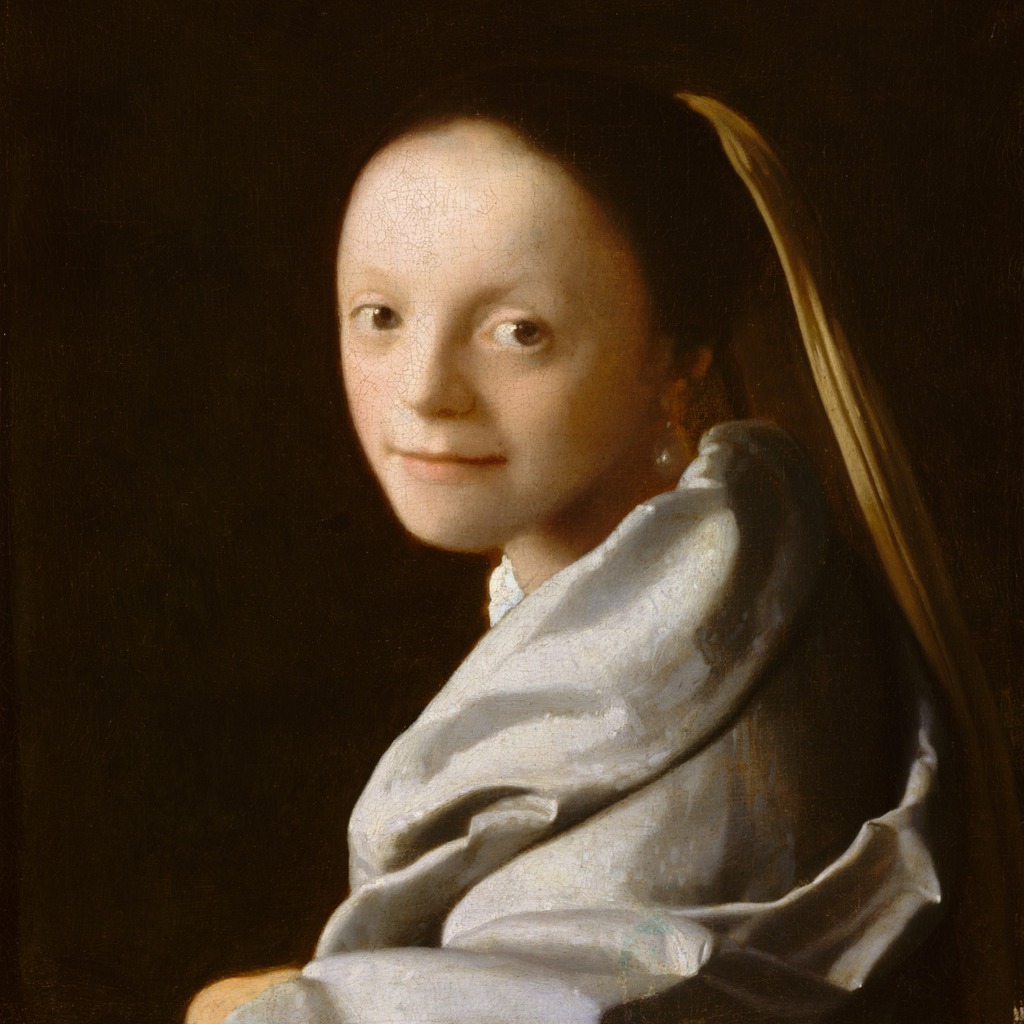 Portrait of a Young Woman
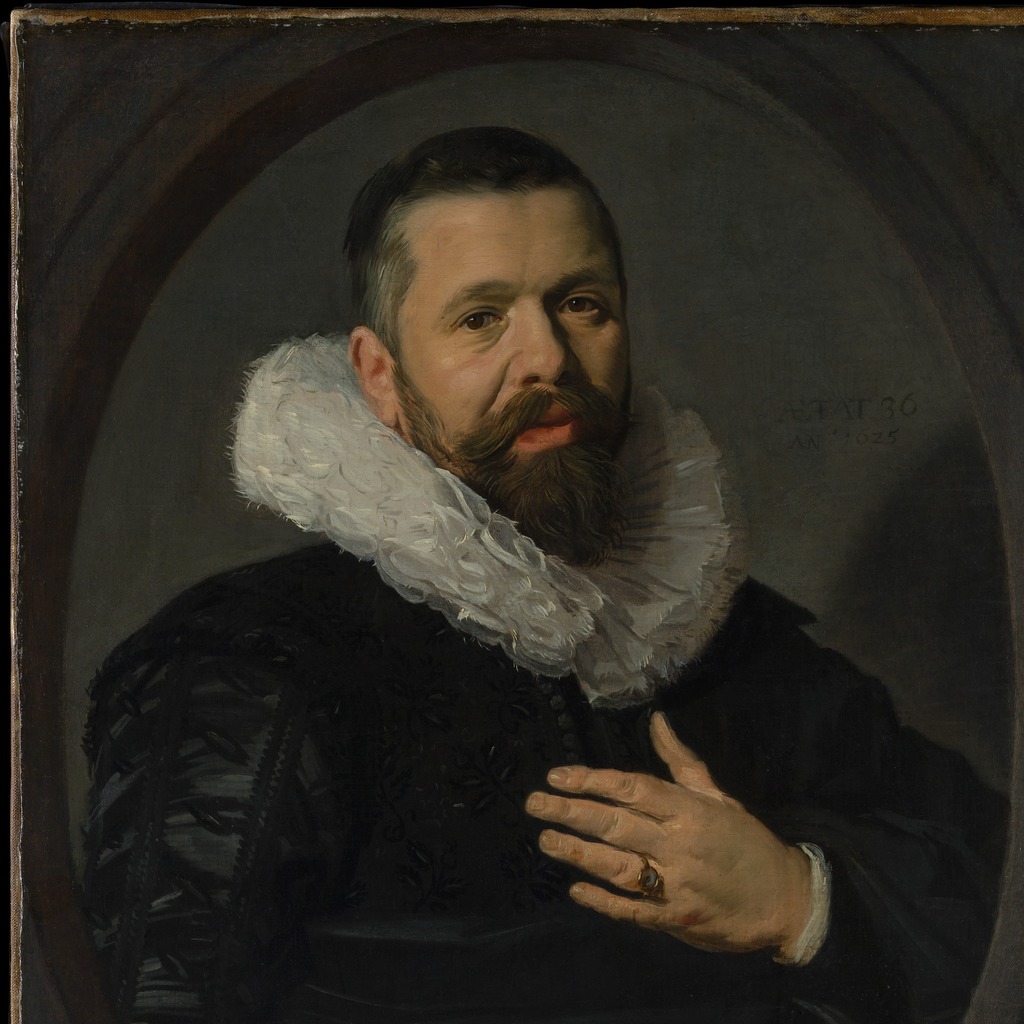 Bearded Man with a Ruff
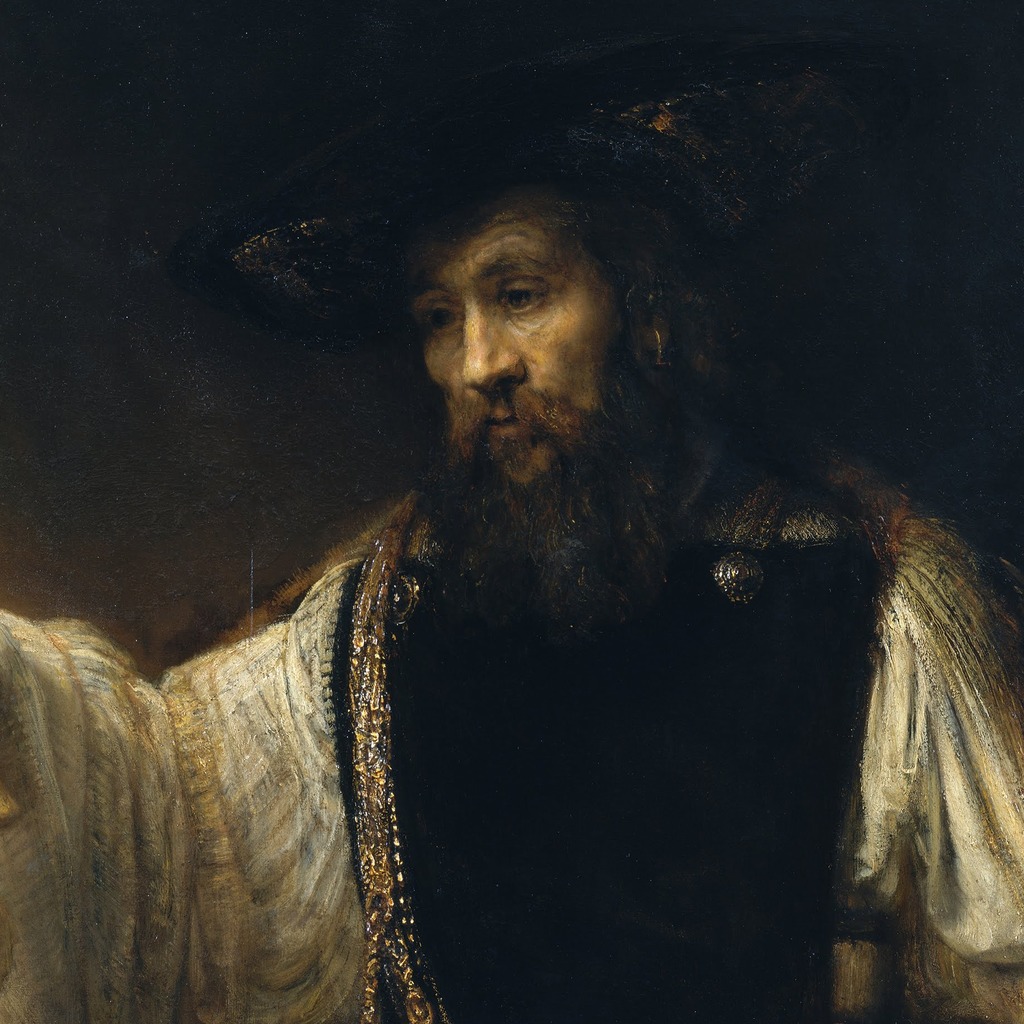 Aristotle with a Bust of Homer
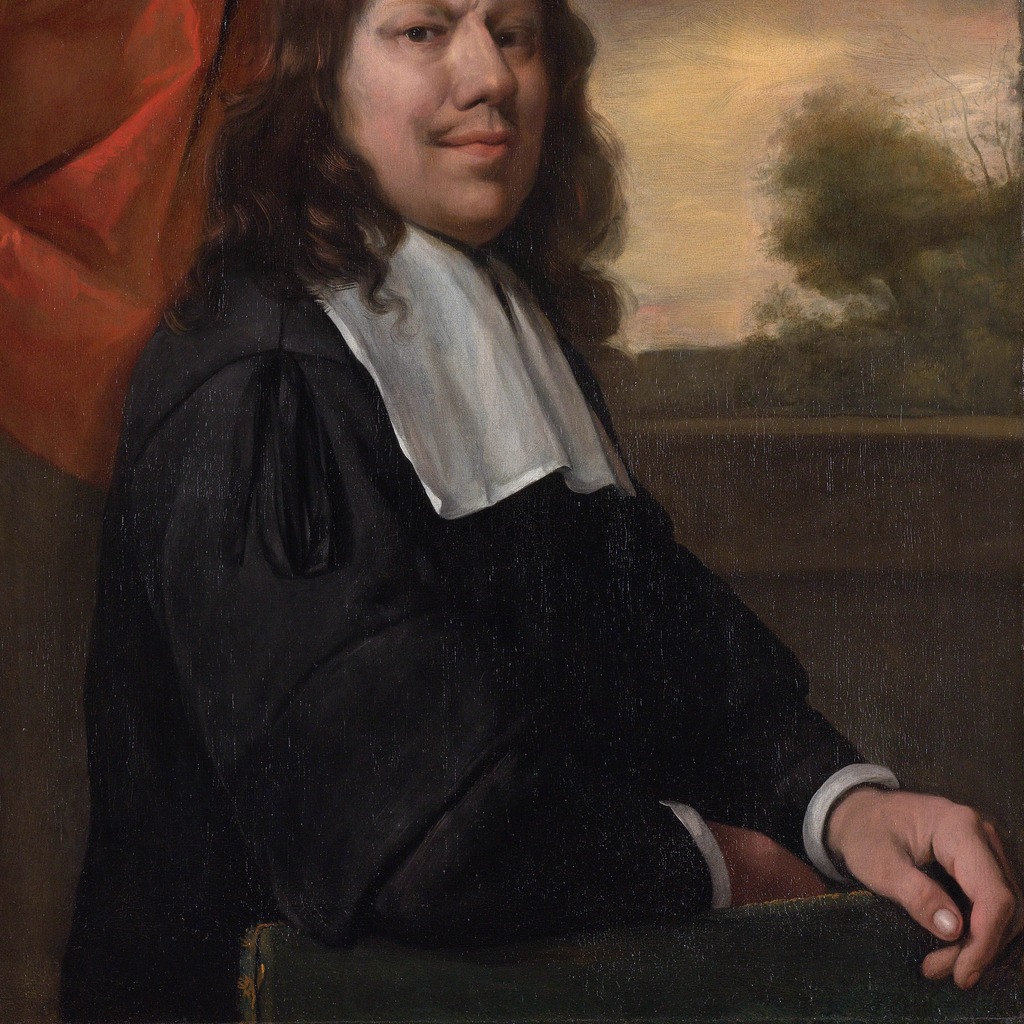 Jan Steen
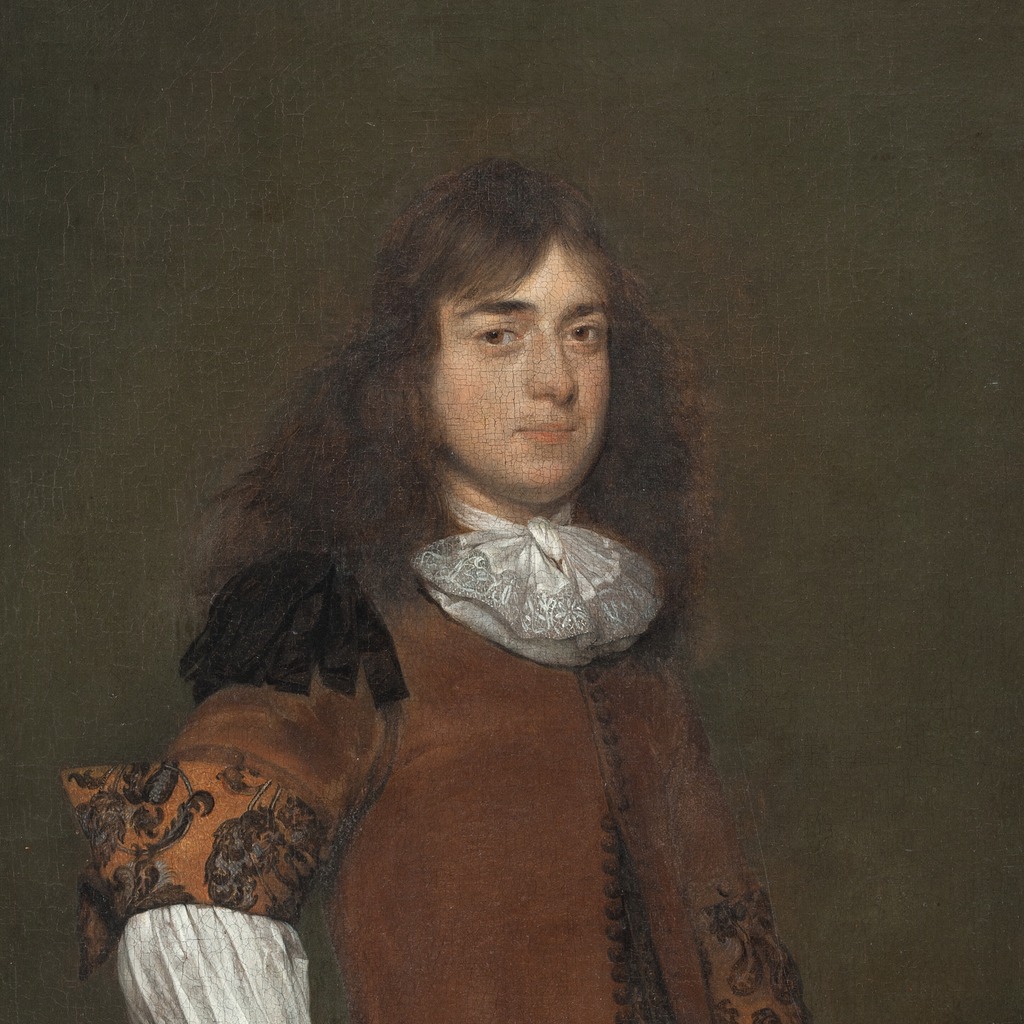 Ter Borch: Portrait of a Man
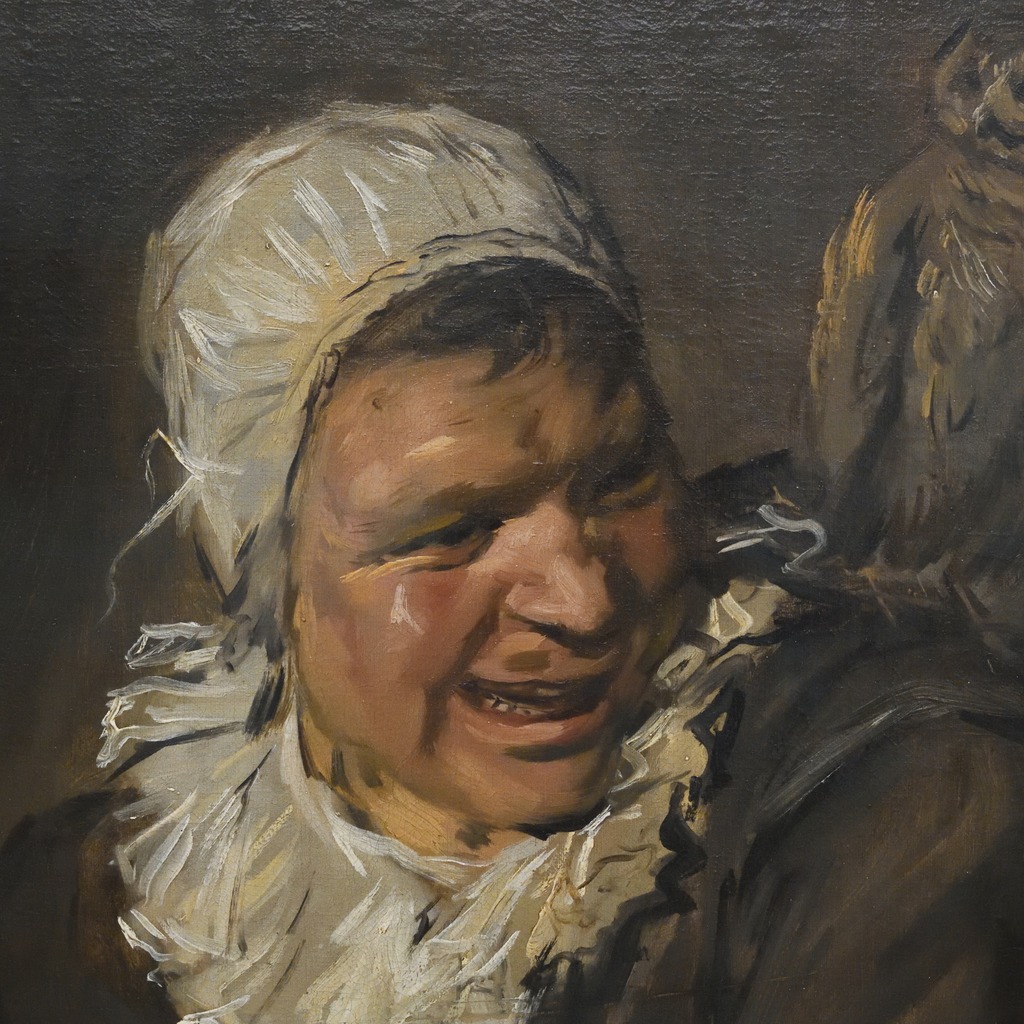 Malle Babbe
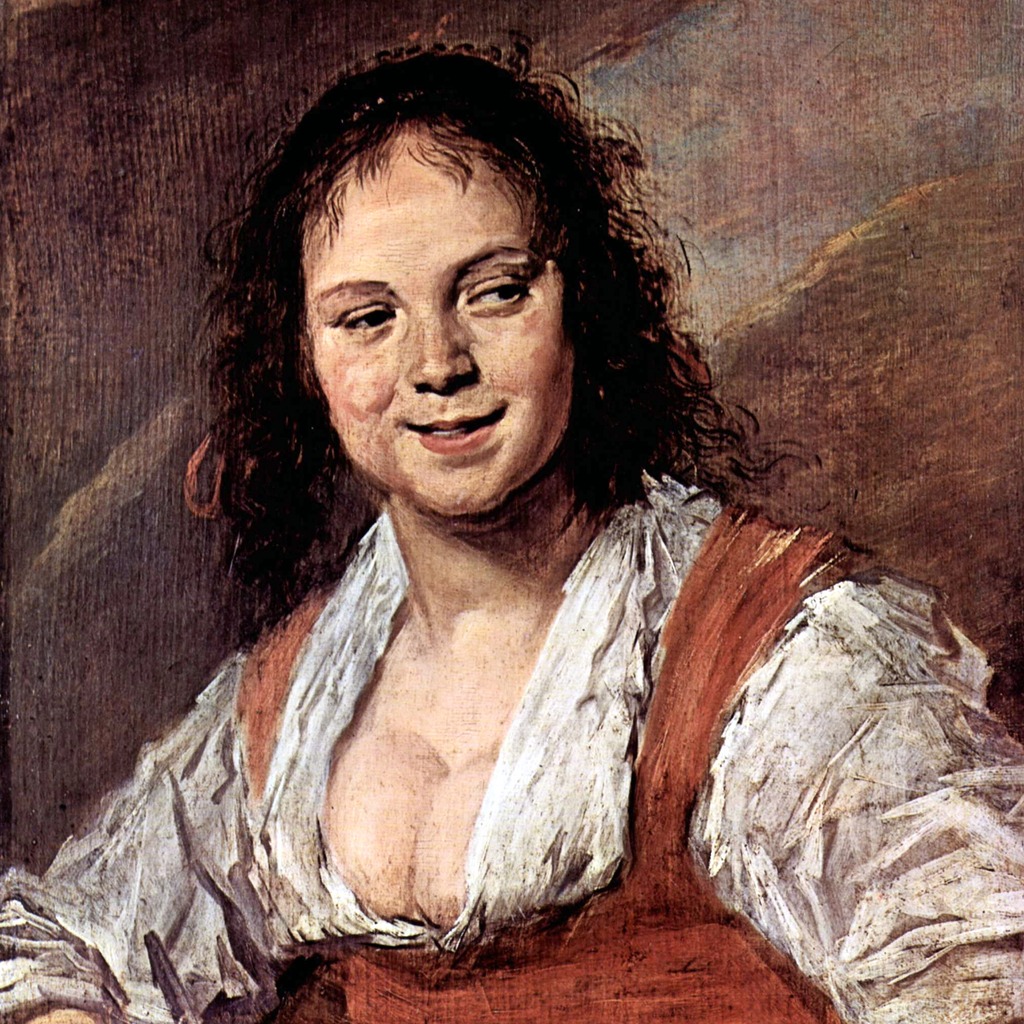 La Bohémienne
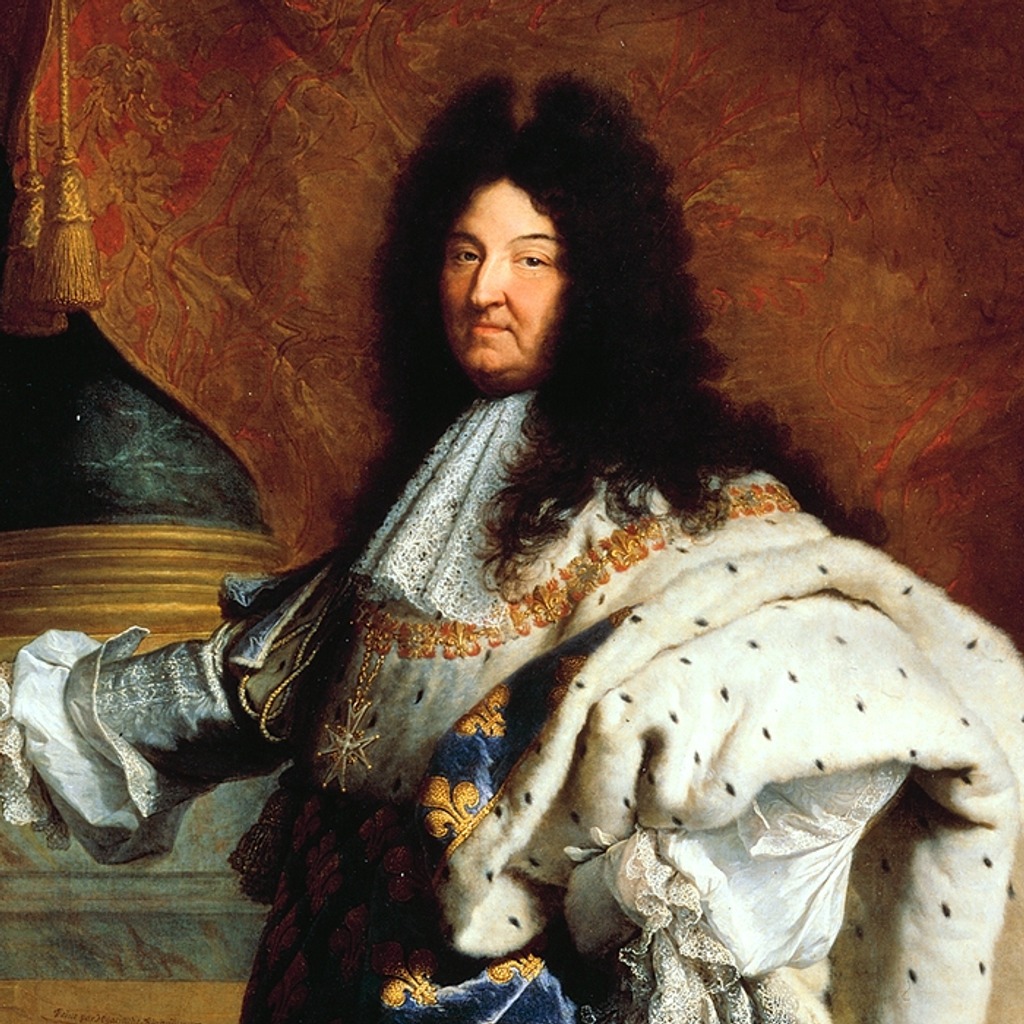 Louis XIV
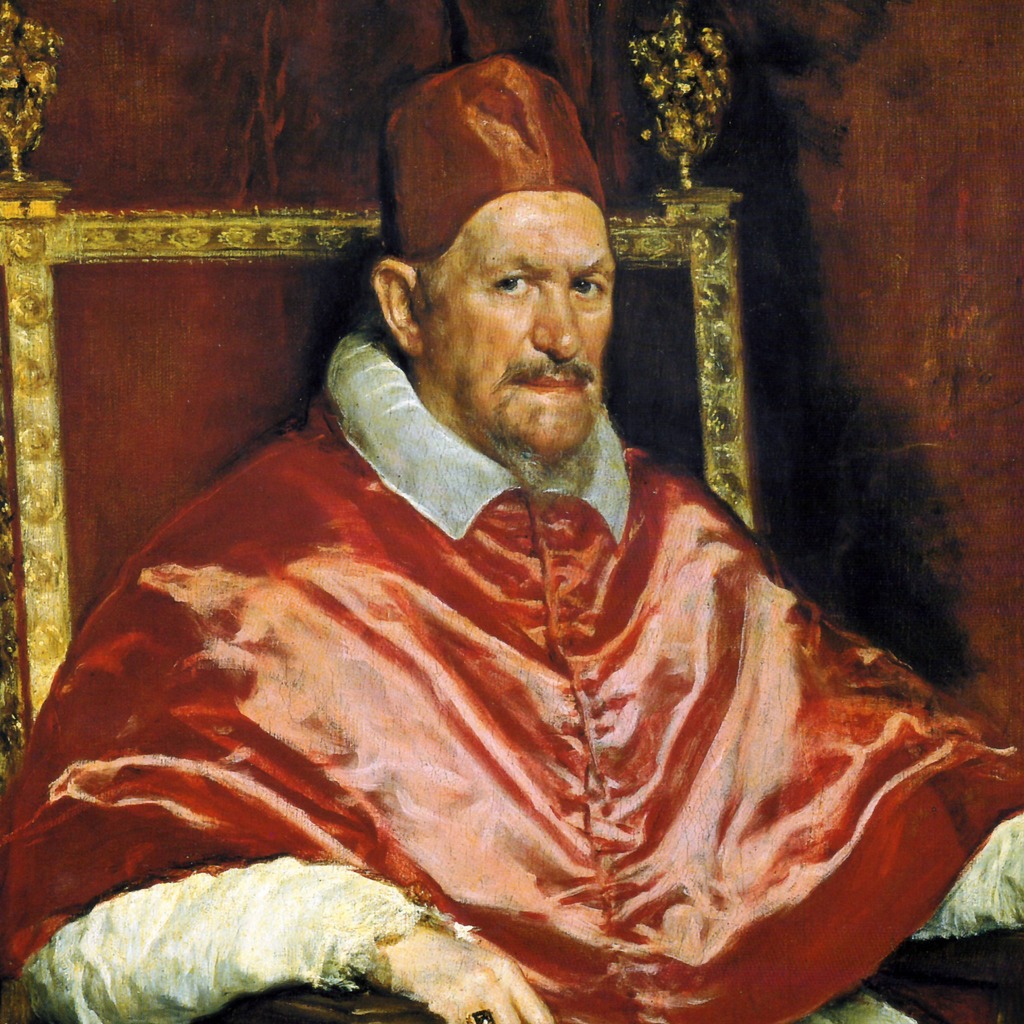 Pope Innocent X
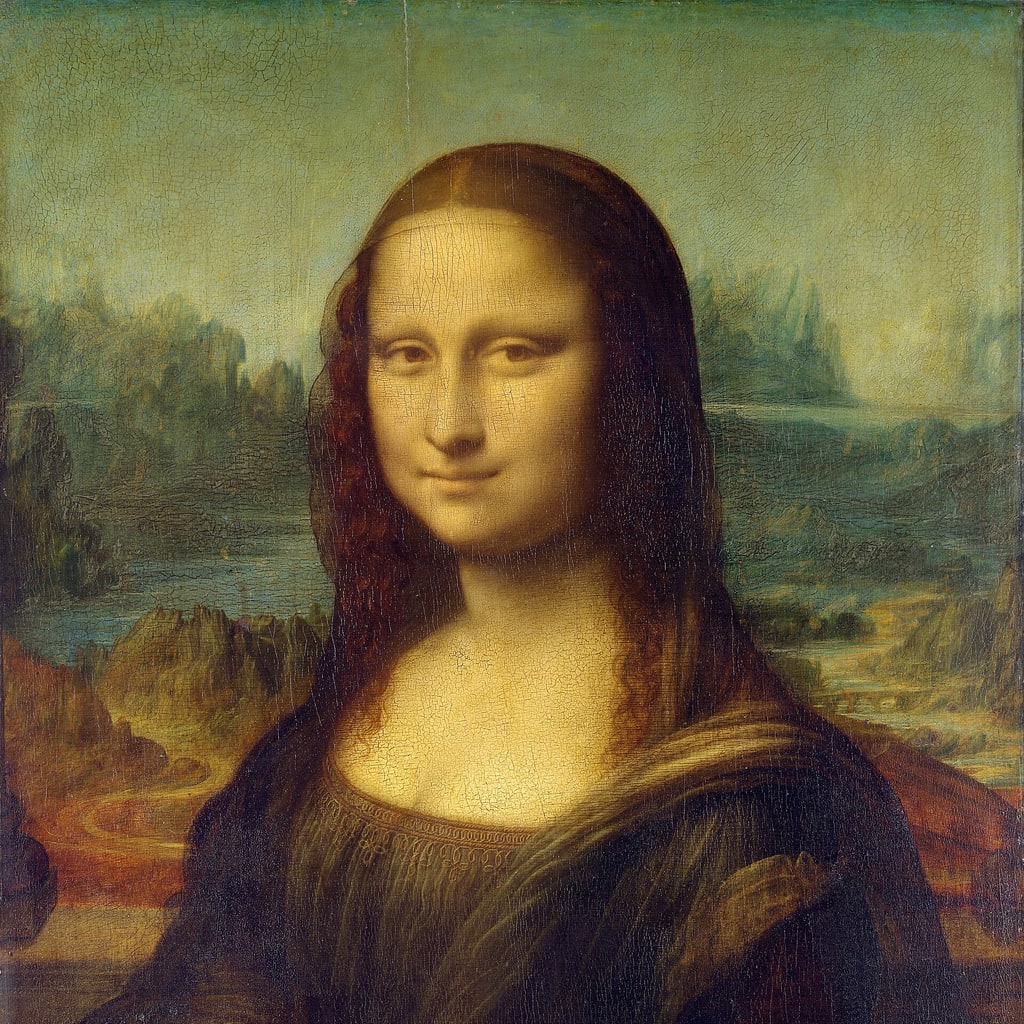 Mona Lisa
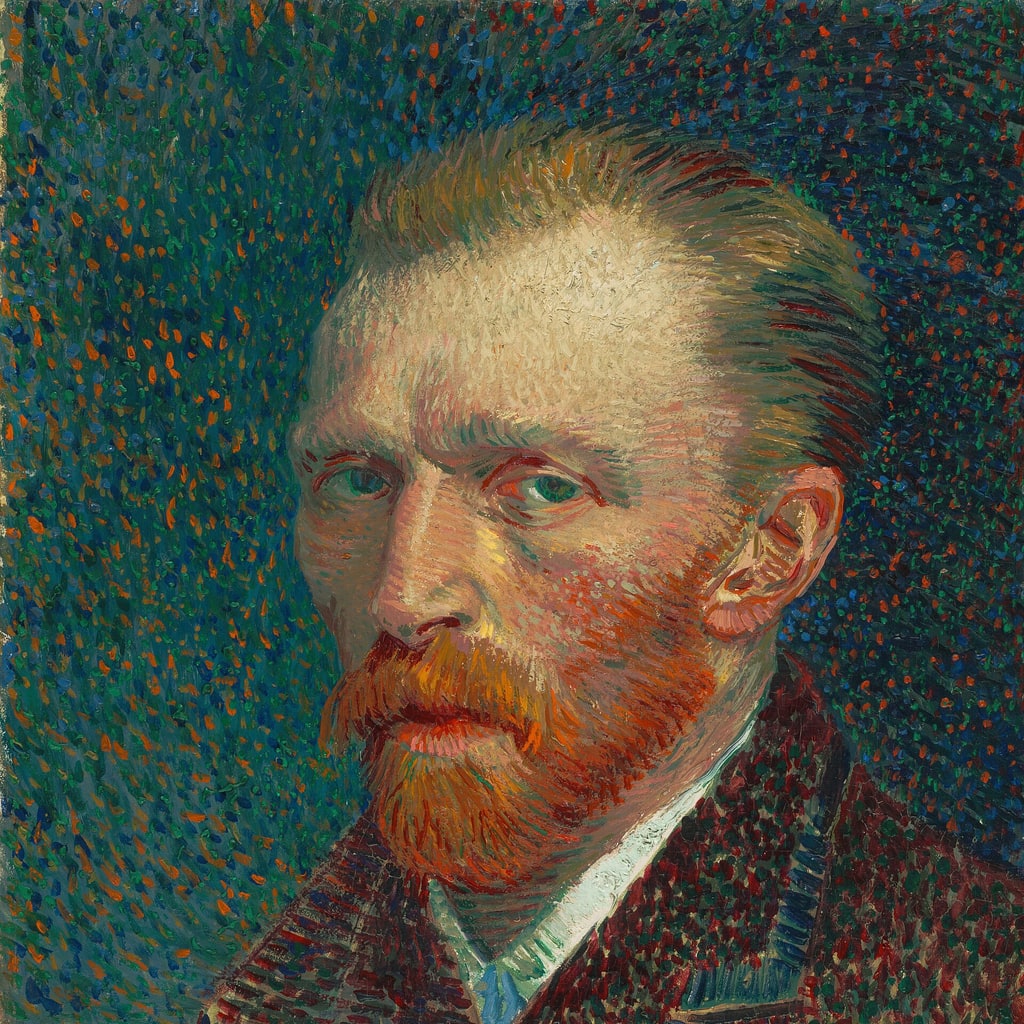 Van Gogh Self-Portrait
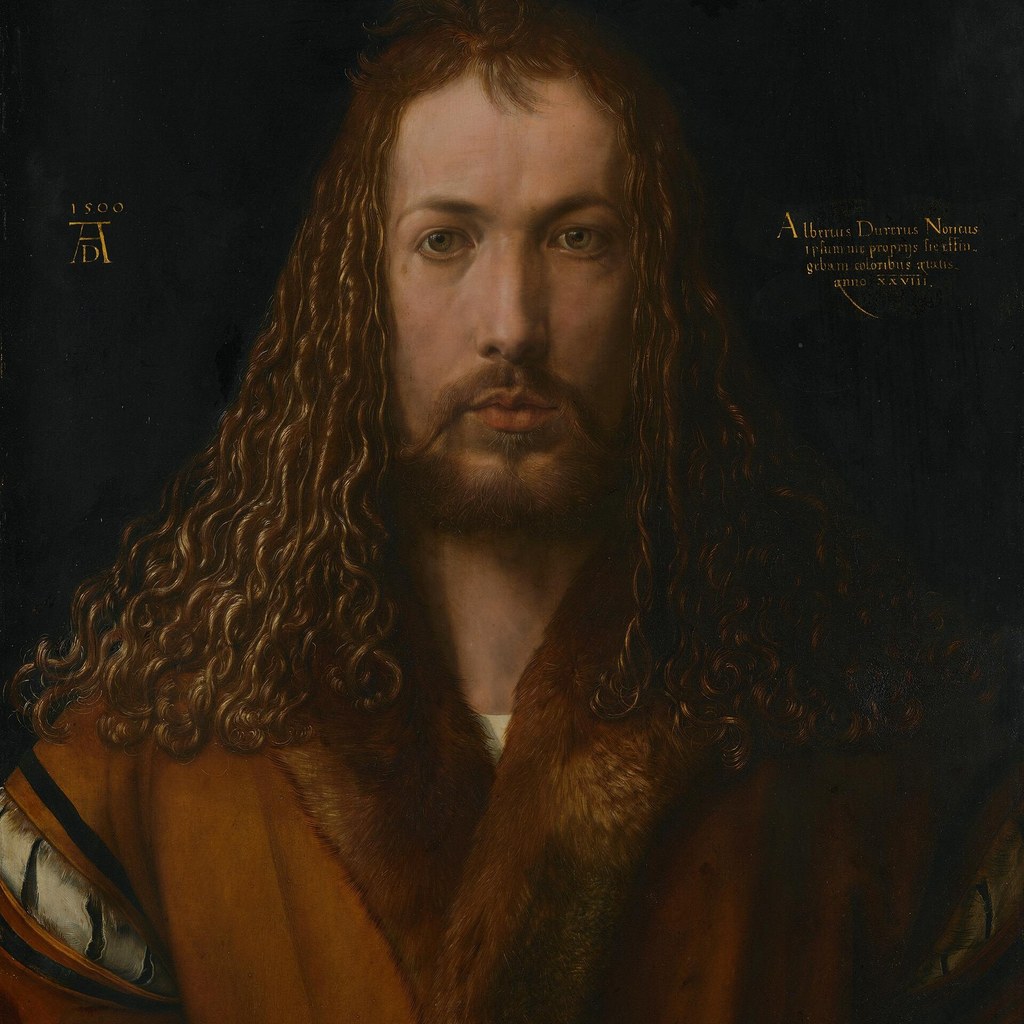 Dürer's Self-Portrait
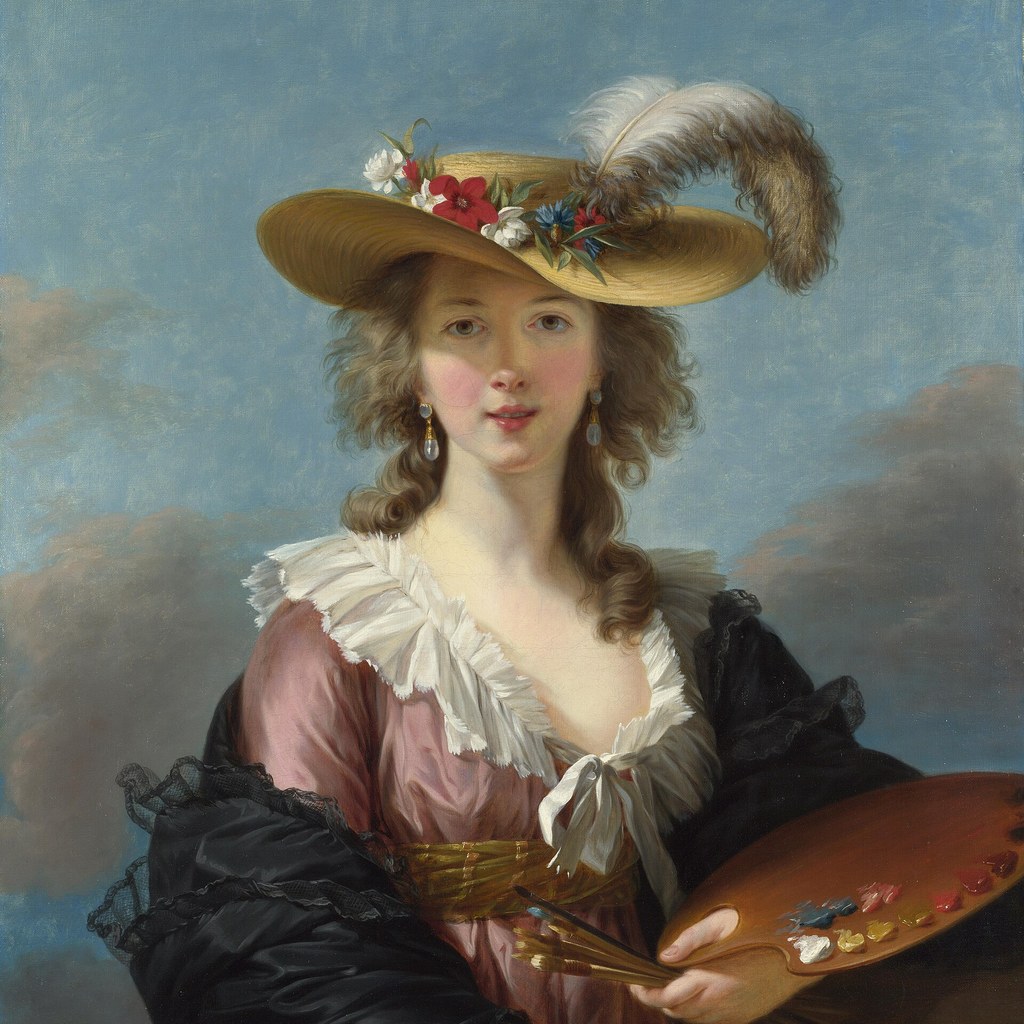 Self-Portrait in a Straw Hat
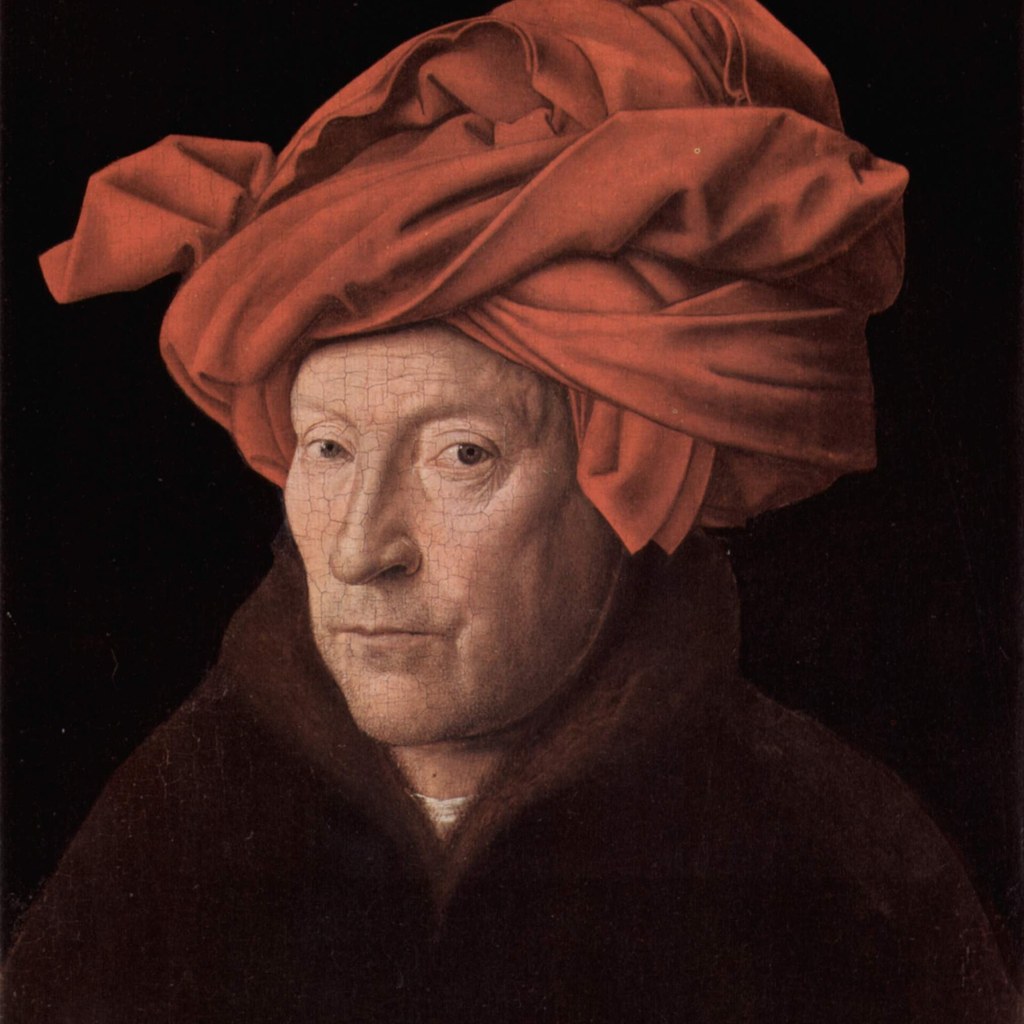 Man in a Red Turban
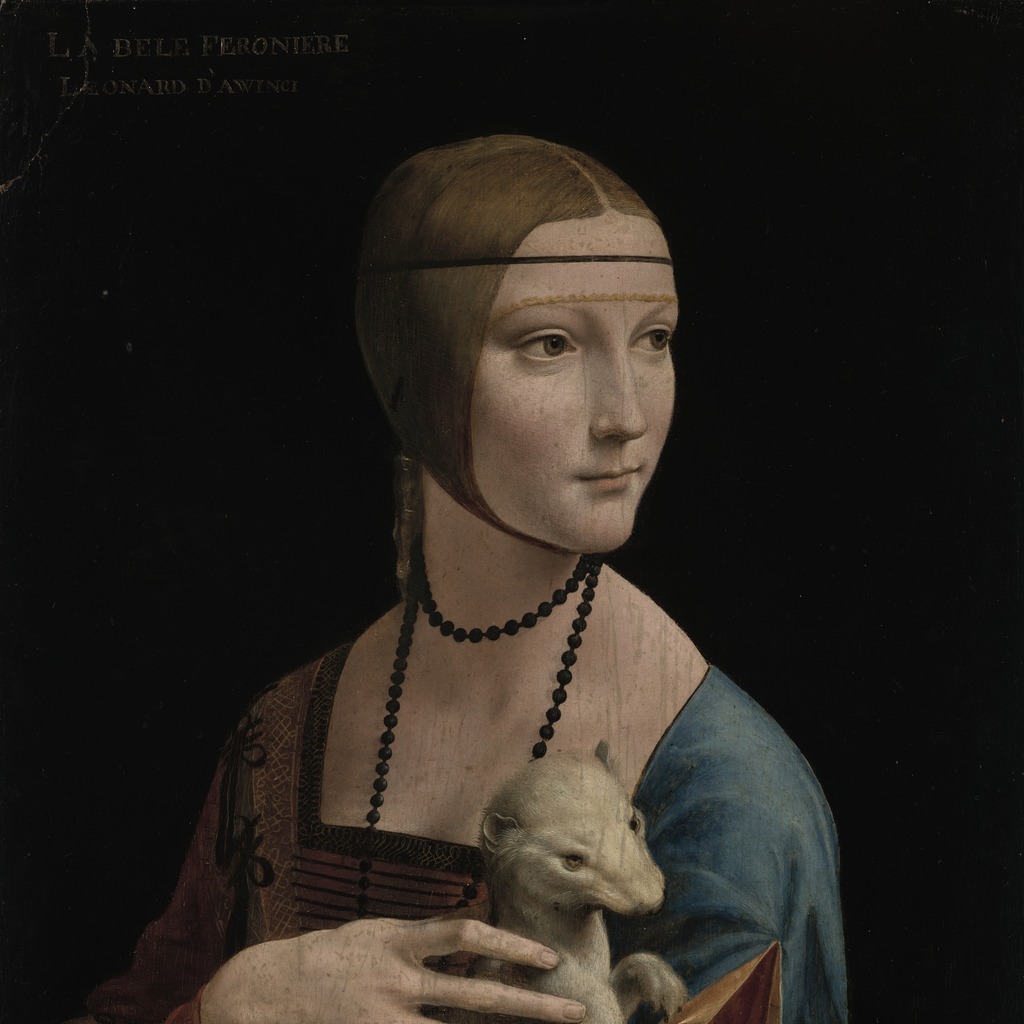 Lady with an Ermine
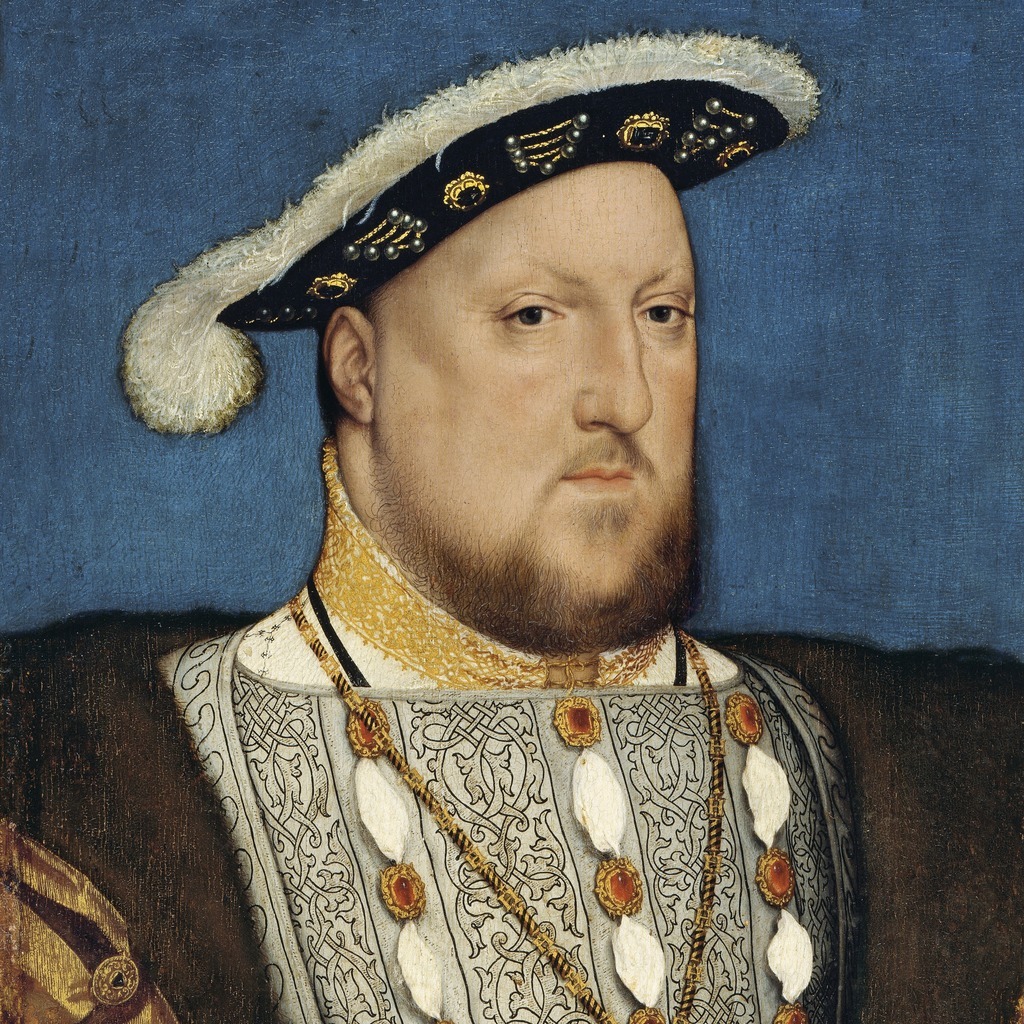 Henry VIII
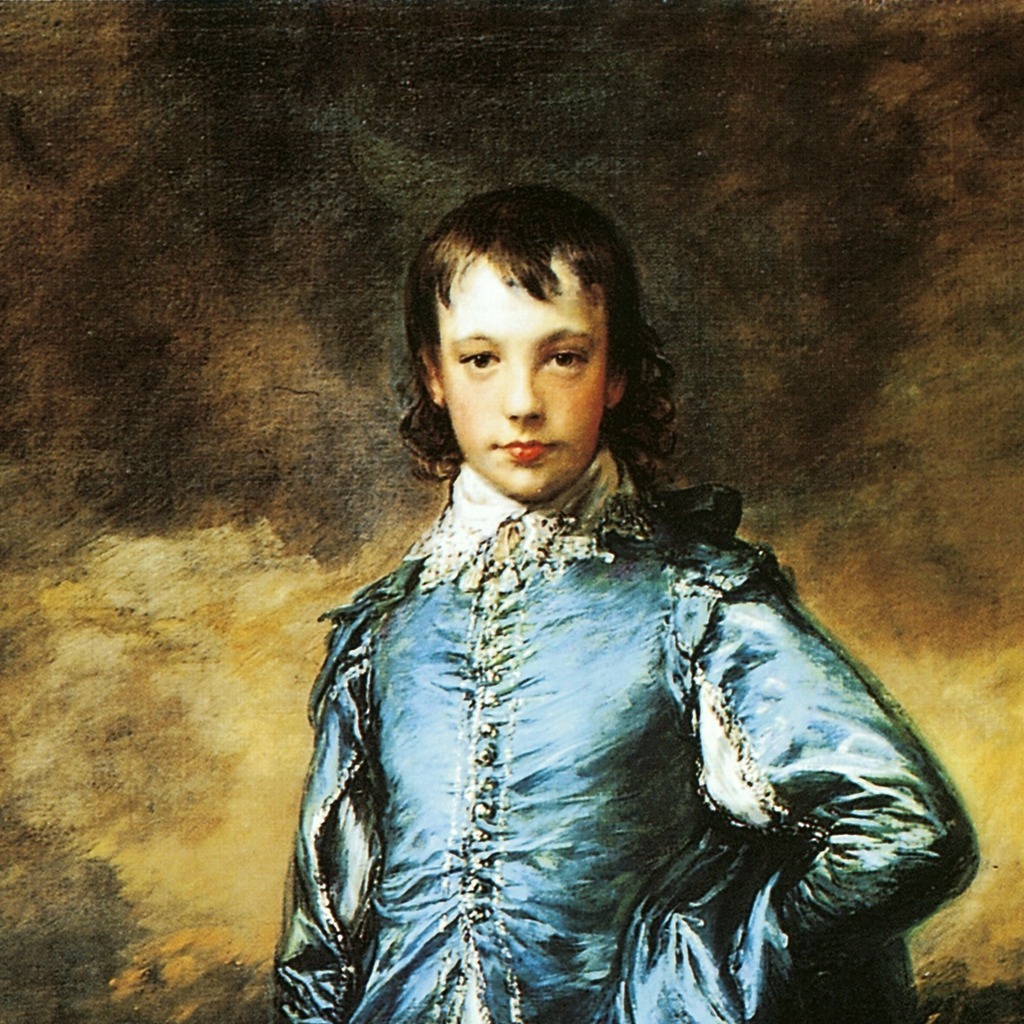 The Blue Boy
Questions
Who was Jan Six?
An Amsterdam patrician: textile money, a poet and collector, eventually burgomaster of the city. He was close to Rembrandt in the early 1650s and had lent him money, though the friendship appears to have cooled as the painter’s debts grew.
Where can you see it?
In Amsterdam, in the Six family collection, which is where it has always been. It has never gone through a saleroom, which makes it one of the very few major Rembrandts with no auction history at all.
Why is the painting so loose?
Because Rembrandt had stopped caring about smooth finish by the 1650s and was betting on the eye assembling the picture at a distance. The glove and the braid are effectively abstract up close, and from across a room they are entirely convincing.
Is it free?
Yes. There is a limit on how many you can make in a day, and sharing one earns the allowance back.
Do you keep my photo?
No. Your selfie is used to make the image and then dropped — it is never written to disk. The finished meme is stored, because it has a link people can open, and it is deleted after 90 days.
Can I use someone else’s face?
Please do not. Use your own. Putting a real person into a picture they did not agree to is exactly the thing this is not for.
Can I post the result?
Yes, anywhere you like. The paintings are public domain; what you make with your own face is yours.