

Dutch Golden Age face swap
Fifteen paintings from one small republic in one lucky century, when for the first time ordinary people with money could have their faces painted properly.
A country that bought pictures by the hundred
The seventeenth-century Dutch republic had no court worth the name and a church that refused to hang images, and it still produced more paintings per head of population than anywhere in Europe before or since. The customers were merchants, brewers, surgeons and their wives, buying at fairs and out of shops, and a competent portraitist in Haarlem or Amsterdam took orders the way a tailor did.
That is why these faces meet you the way they do. Nobody in this group is claiming a throne or a sainthood. They have paid for a likeness and they are getting one, and a few of them plainly regard the whole business as a transaction that has gone on long enough.
How each of them solved it
Hals worked fast and left the strokes standing, so a ruff is a dozen visible slashes of white that resolve into linen at the correct distance. Rembrandt built the paint up until it had physical depth, then buried most of the head in shadow and lit one edge of it. Vermeer removed everything — the room, the story, the detail in the dark — until a head against a black ground was the whole picture.
Fabritius, who trained with Rembrandt and died at thirty-two when the Delft powder magazine exploded, turned the logic around and set a dark figure against a pale wall. Leyster ran her own studio in Haarlem and was in the painters' guild in her twenties, then disappeared from the record for two centuries because dealers sold her work as Hals. Steen painted households coming apart, and put himself in the middle of them laughing.
What you are actually joining
Half the sitters on this page have no name at all. A bearded man in a ruff, a young woman in a dark room, a girl in a red hat: the panels outlived the paperwork, and the people in them are identified now by their clothes. Putting your own face into one of those is less an impersonation than the filling-in of a blank that has been blank for three hundred years.
Two of them are not sitters at all. Malle Babbe and the so-called gypsy girl are tronies — heads painted for the open market, one of them a woman recorded in the Haarlem workhouse, the other nobody in particular with a nineteenth-century title stuck to her.
The other half are very specific people, and worth knowing before you pick one. Jan Six was a poet and later the mayor of Amsterdam, painted by a friend who owed him a great deal of money. Saskia was Rembrandt's wife, painted the year they married and dead eight years after it. The Aristotle was ordered by a Sicilian collector and is not a Dutchman at all.
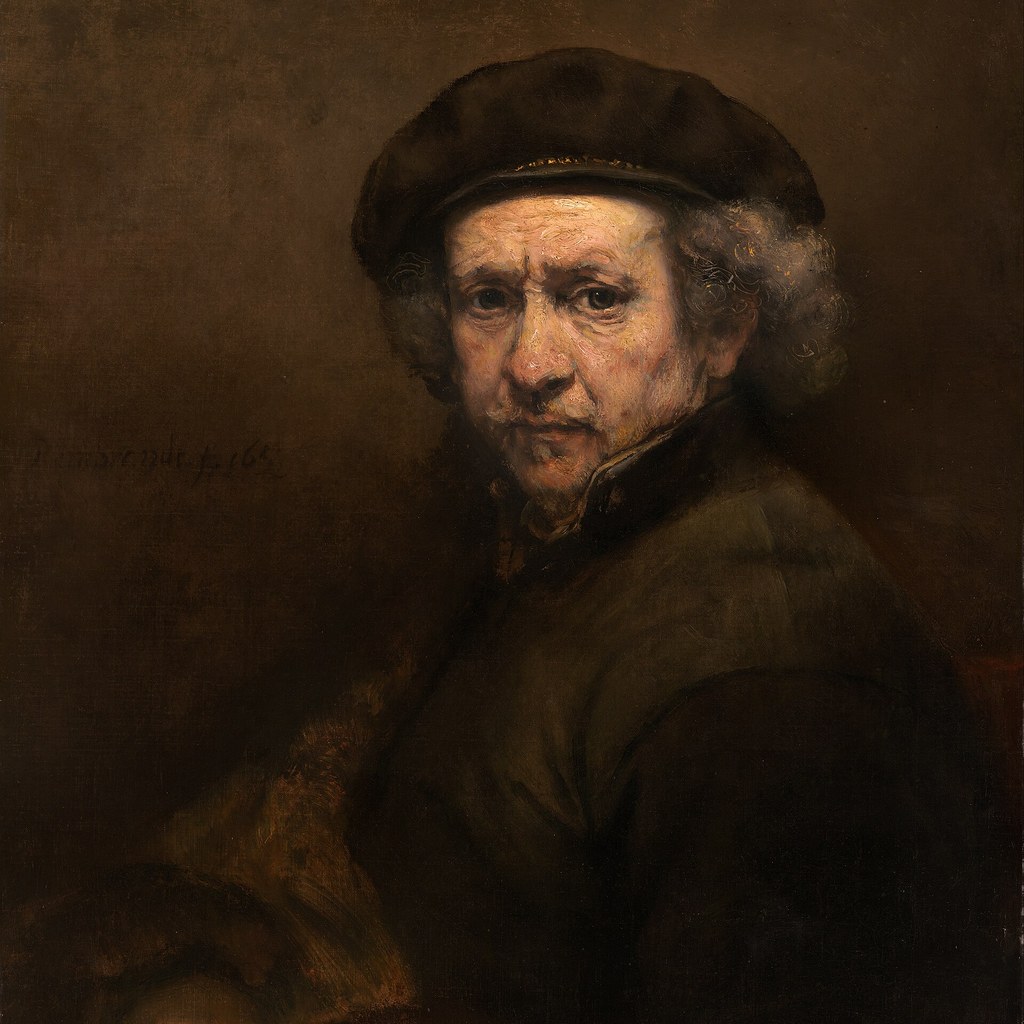 Rembrandt's Self-Portrait
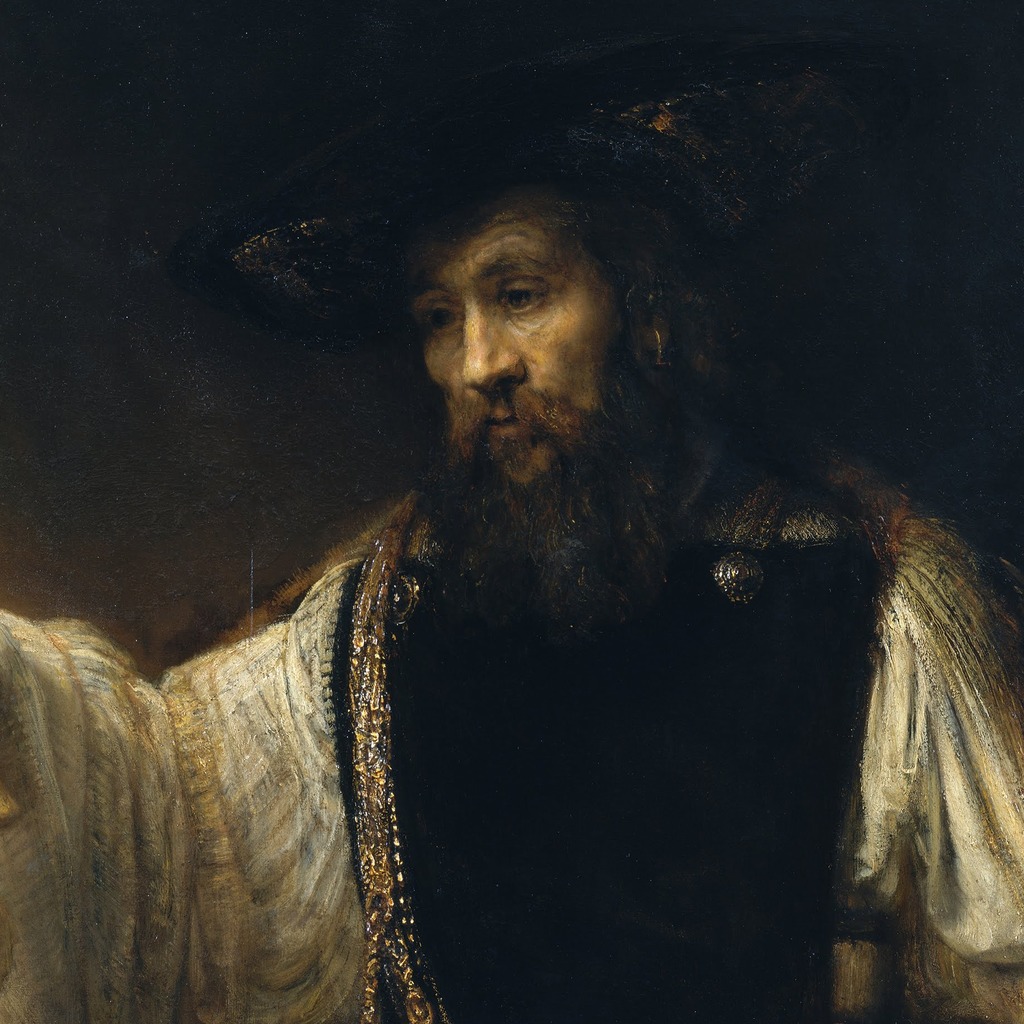 Aristotle with a Bust of Homer
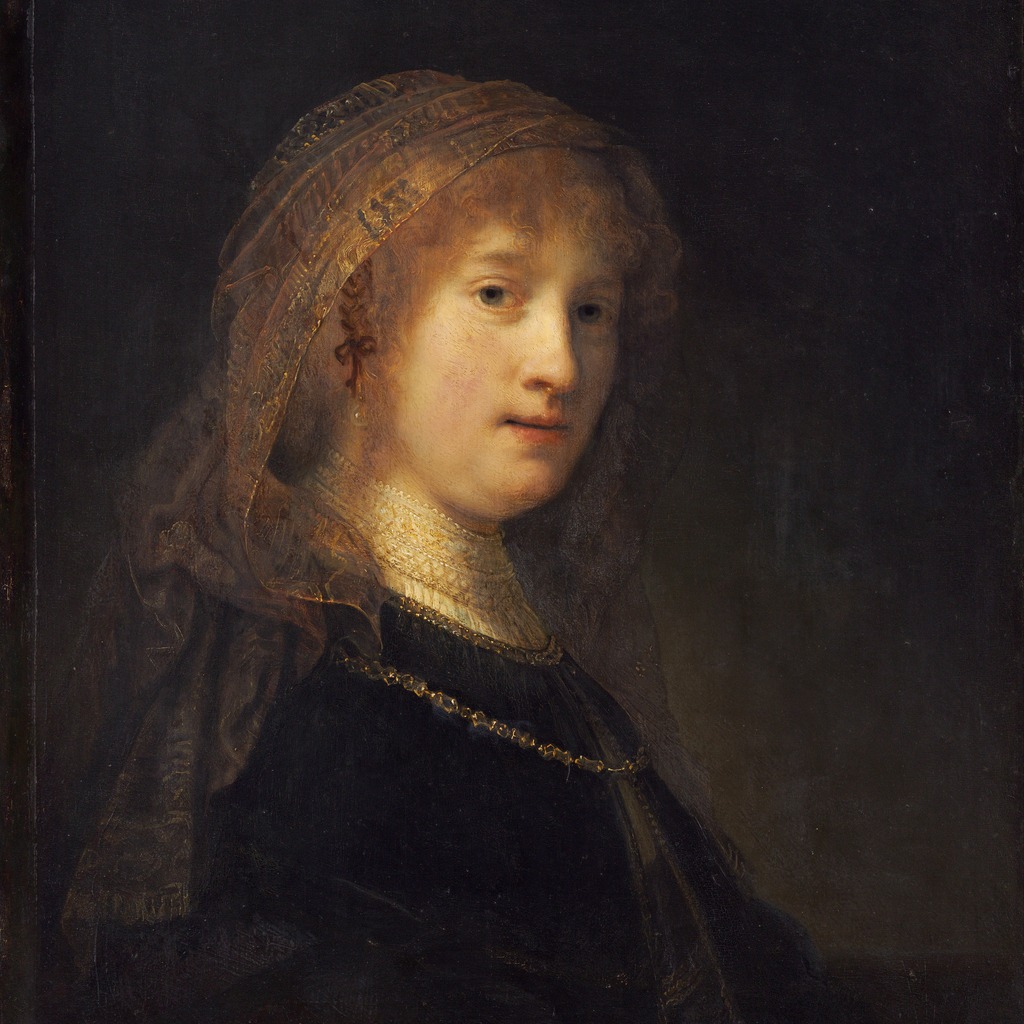 Saskia
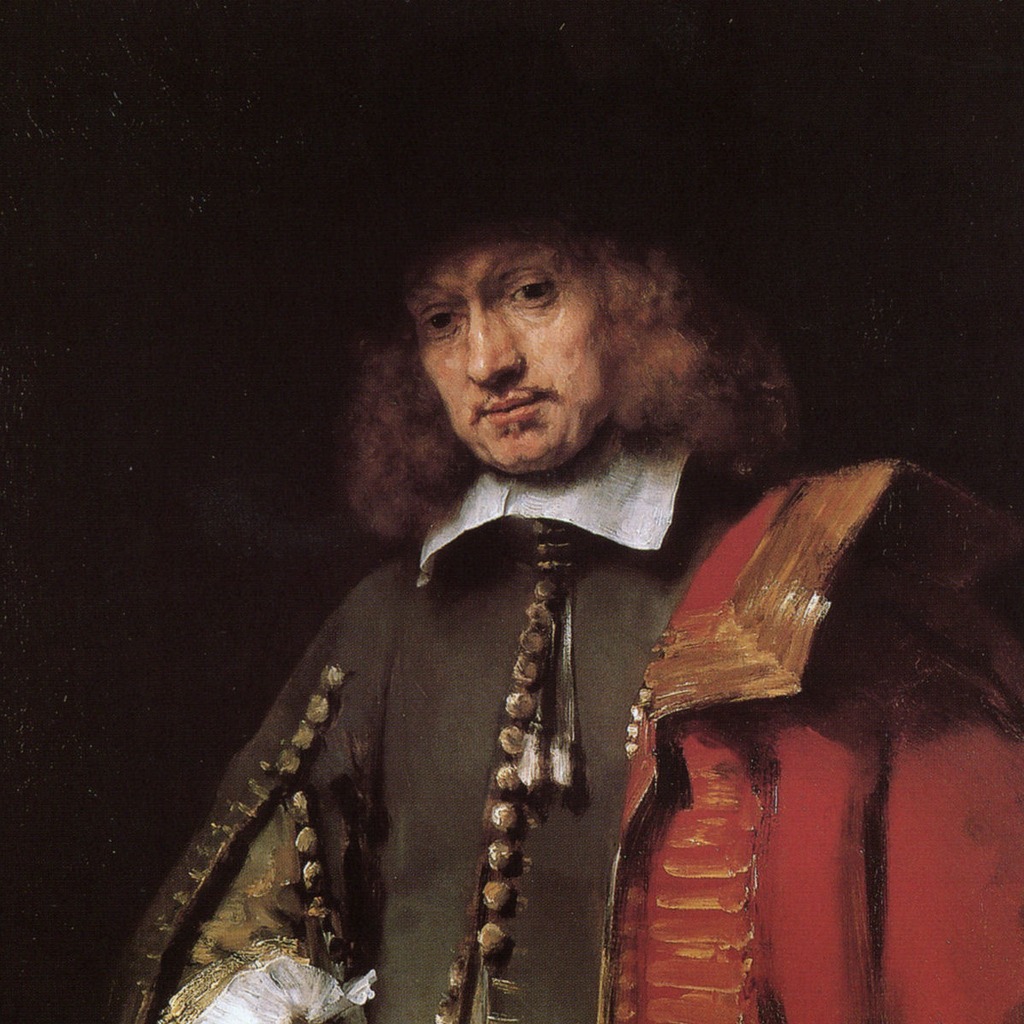 Jan Six
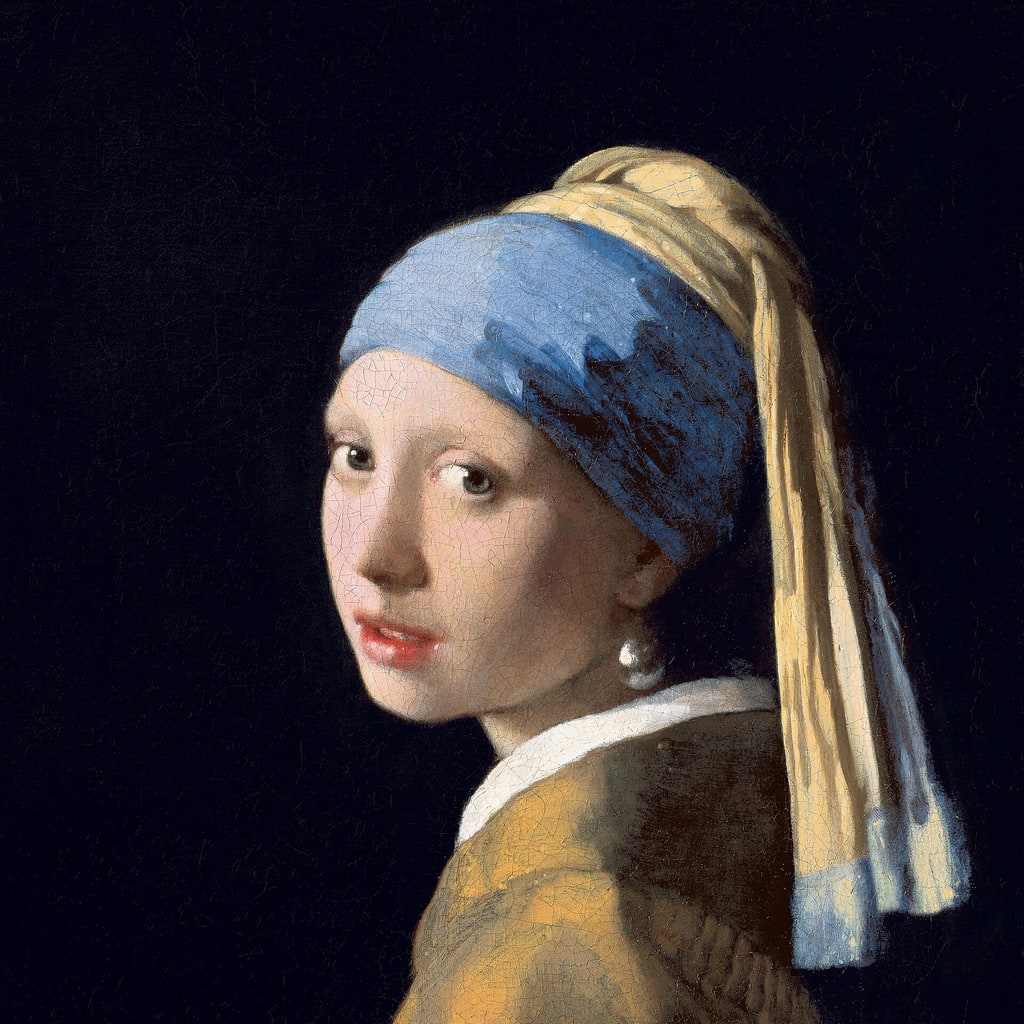 Girl with a Pearl Earring
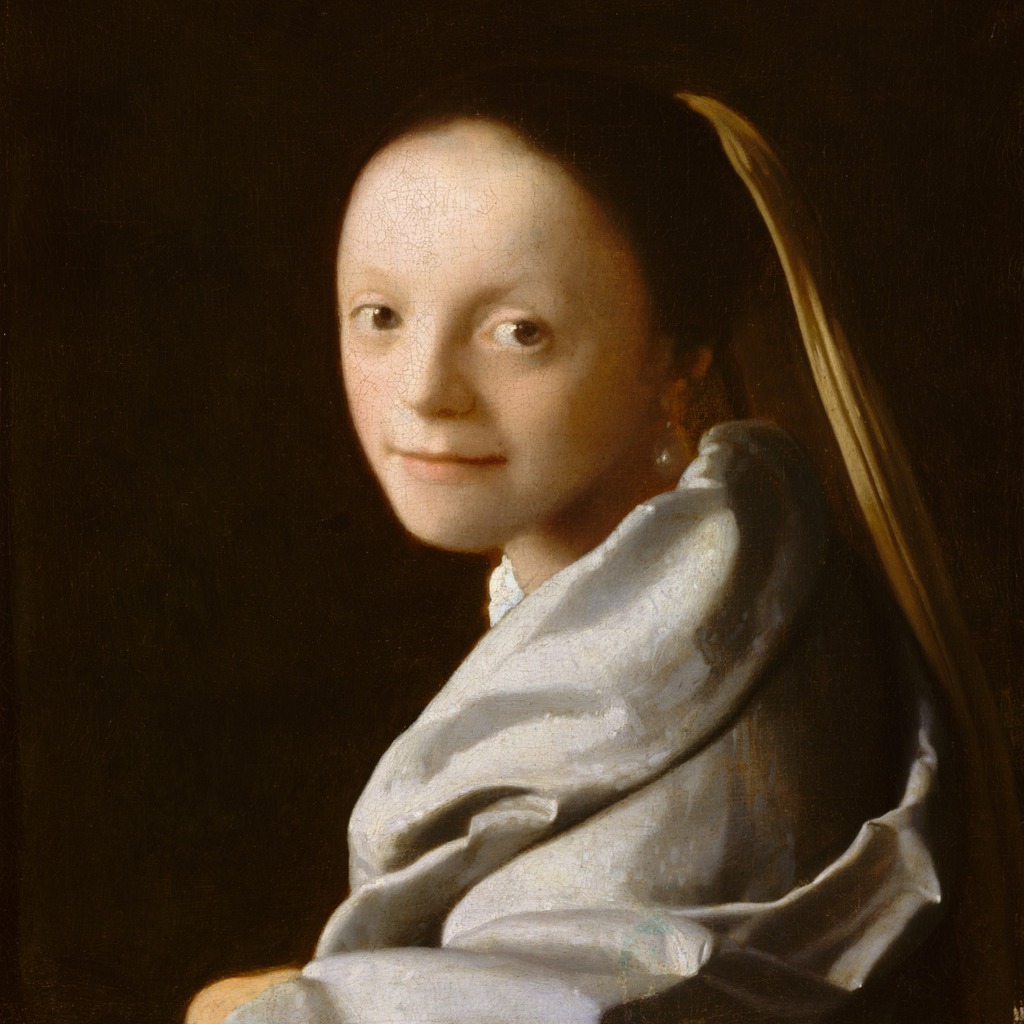 Portrait of a Young Woman
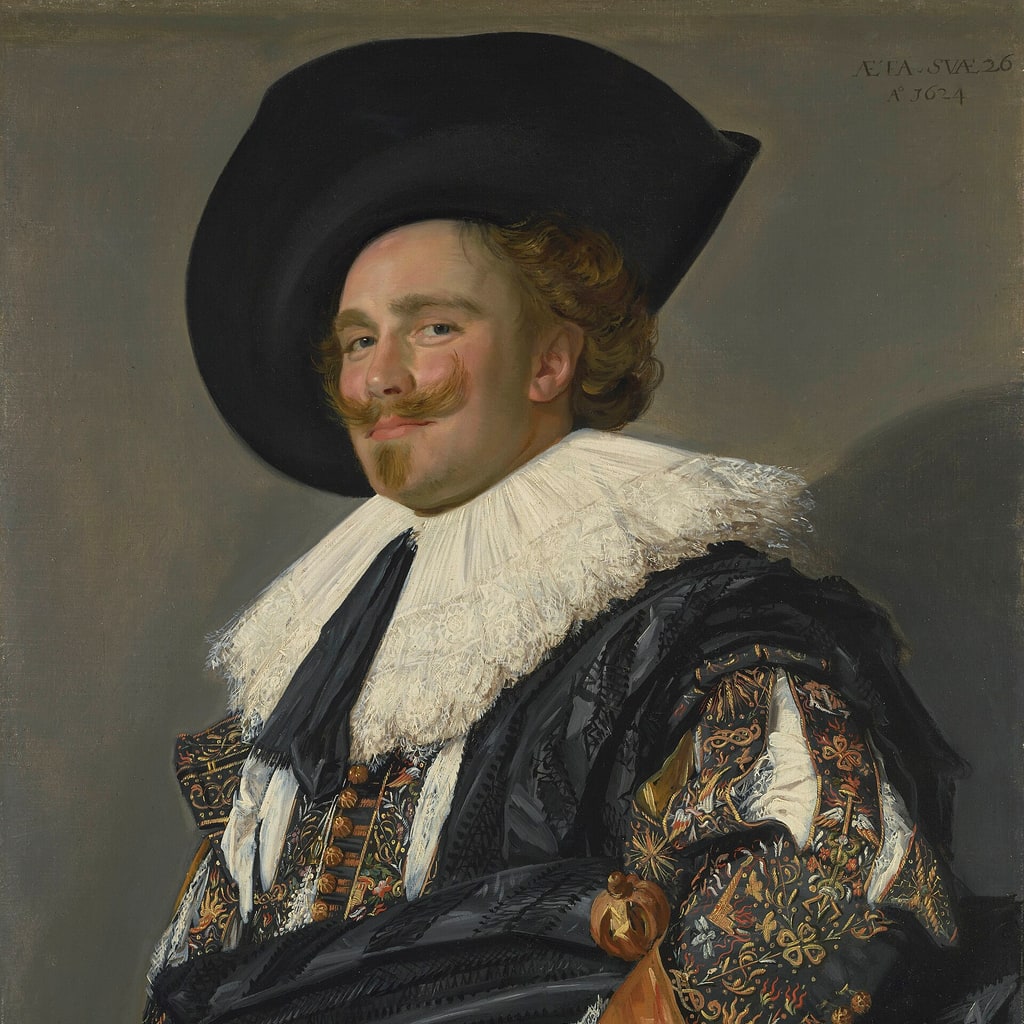 The Laughing Cavalier
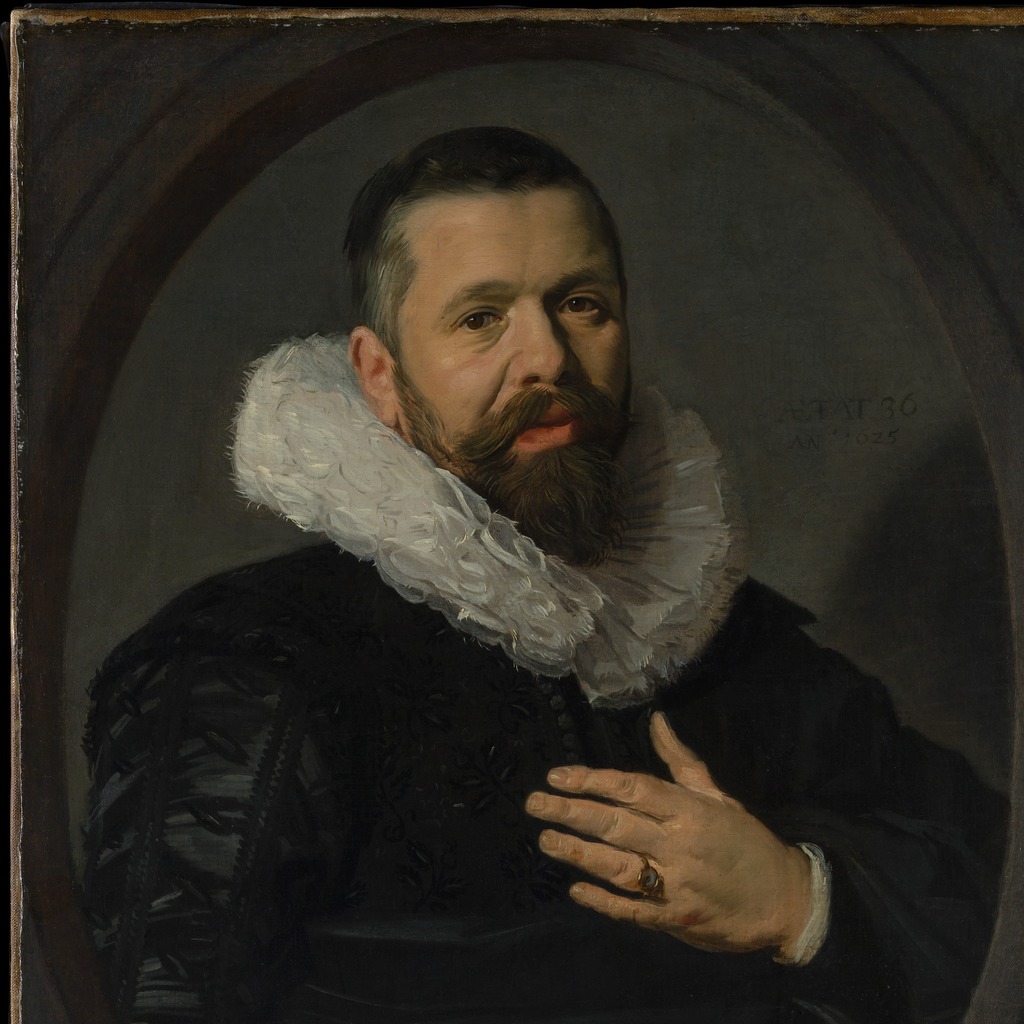 Bearded Man with a Ruff
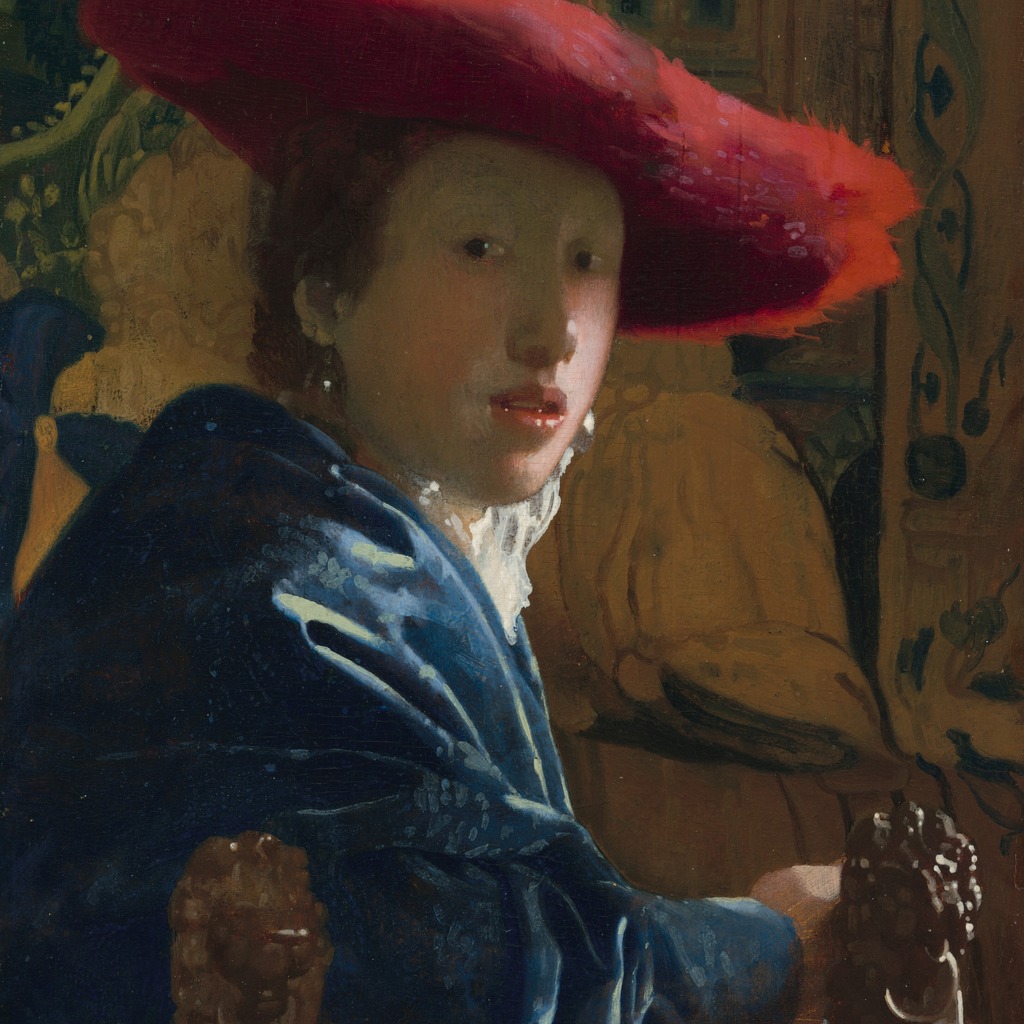 Girl with a Red Hat
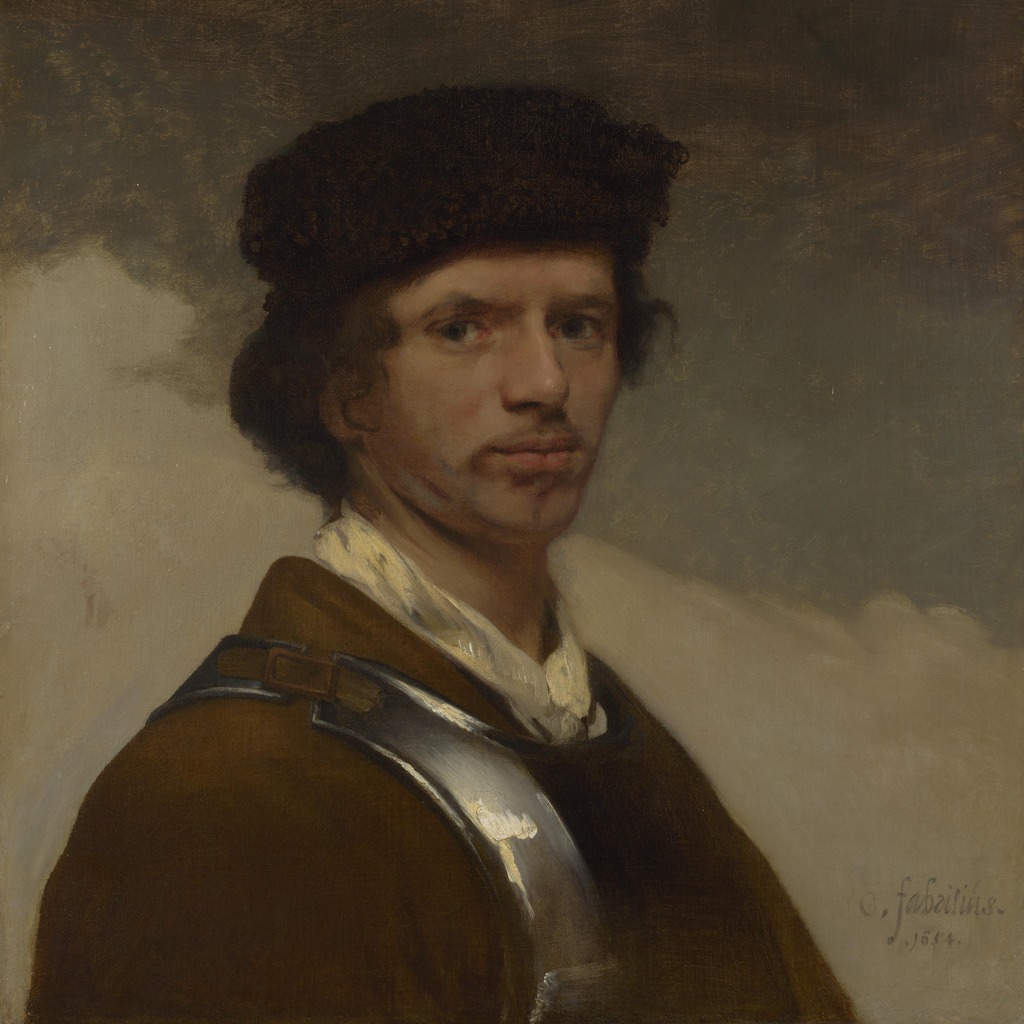 Carel Fabritius
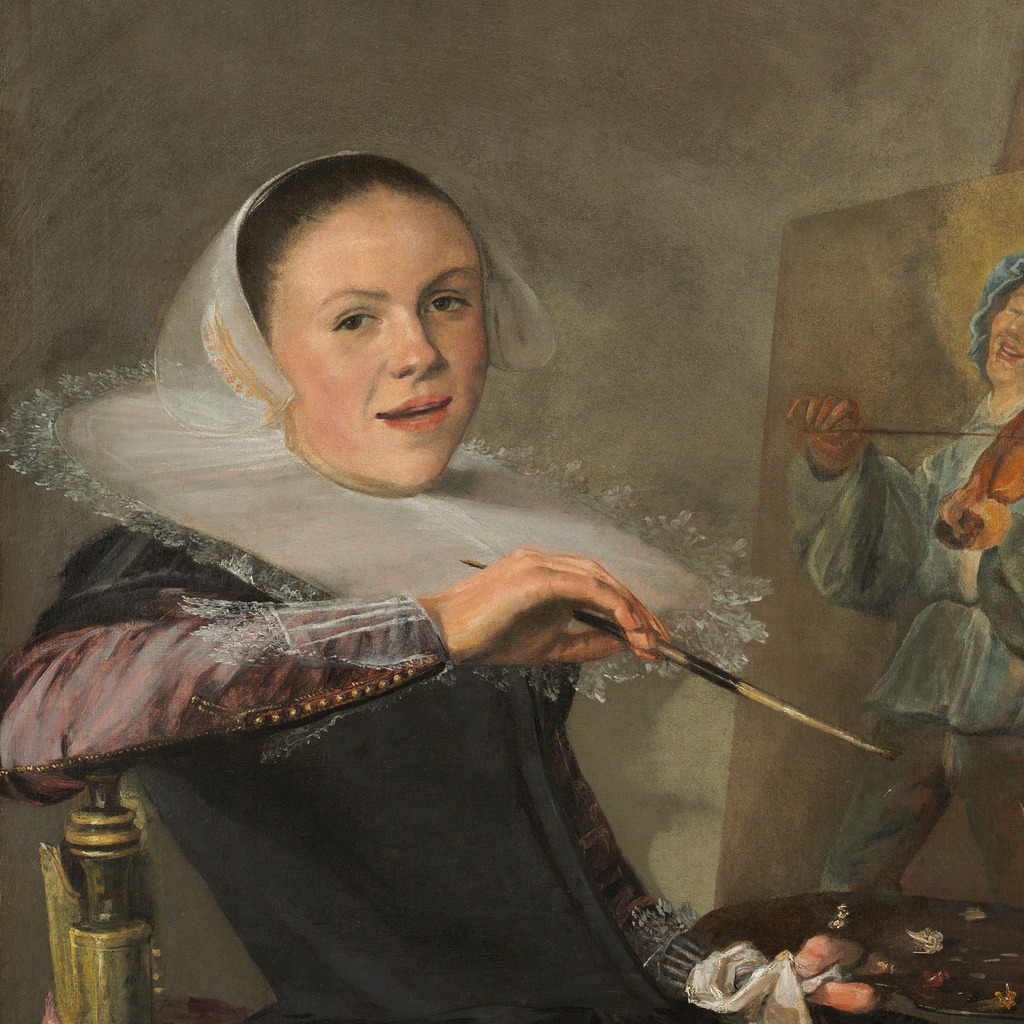 Judith Leyster
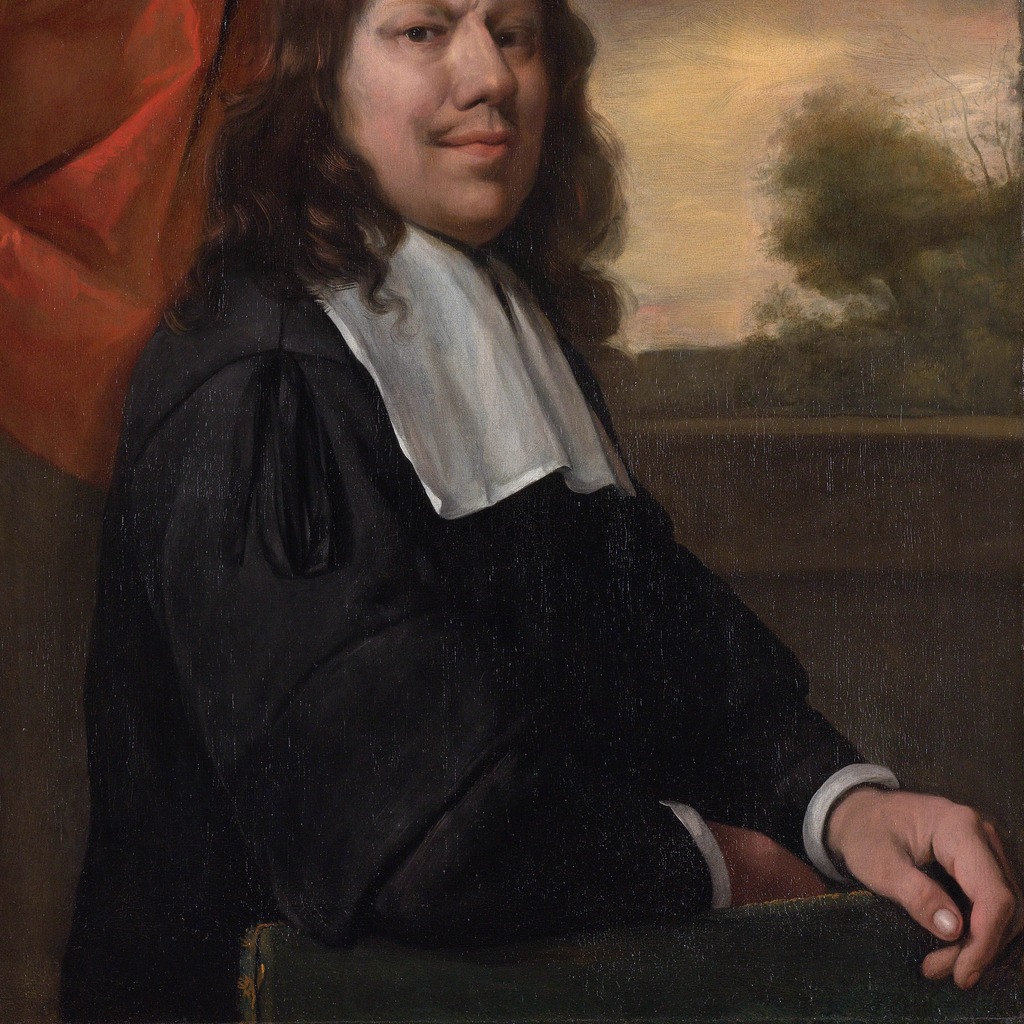 Jan Steen
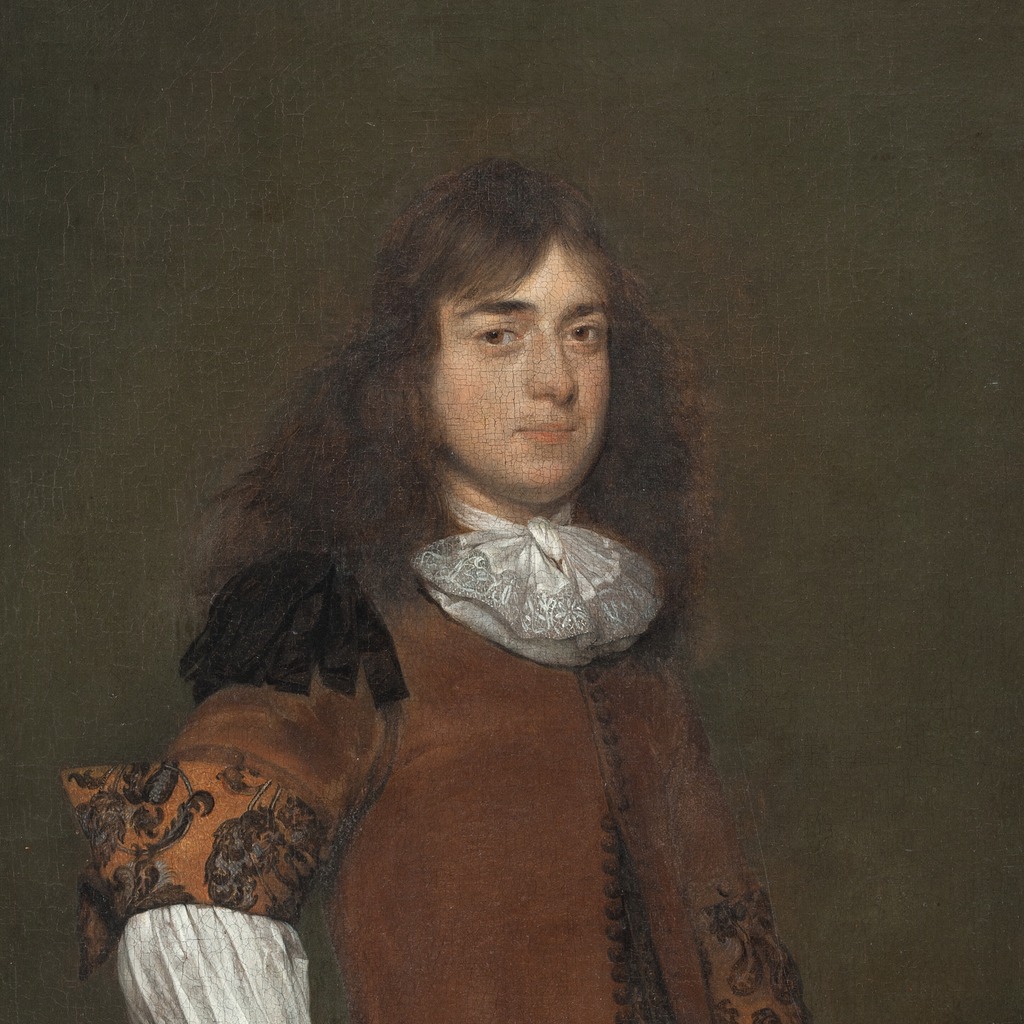 Ter Borch: Portrait of a Man
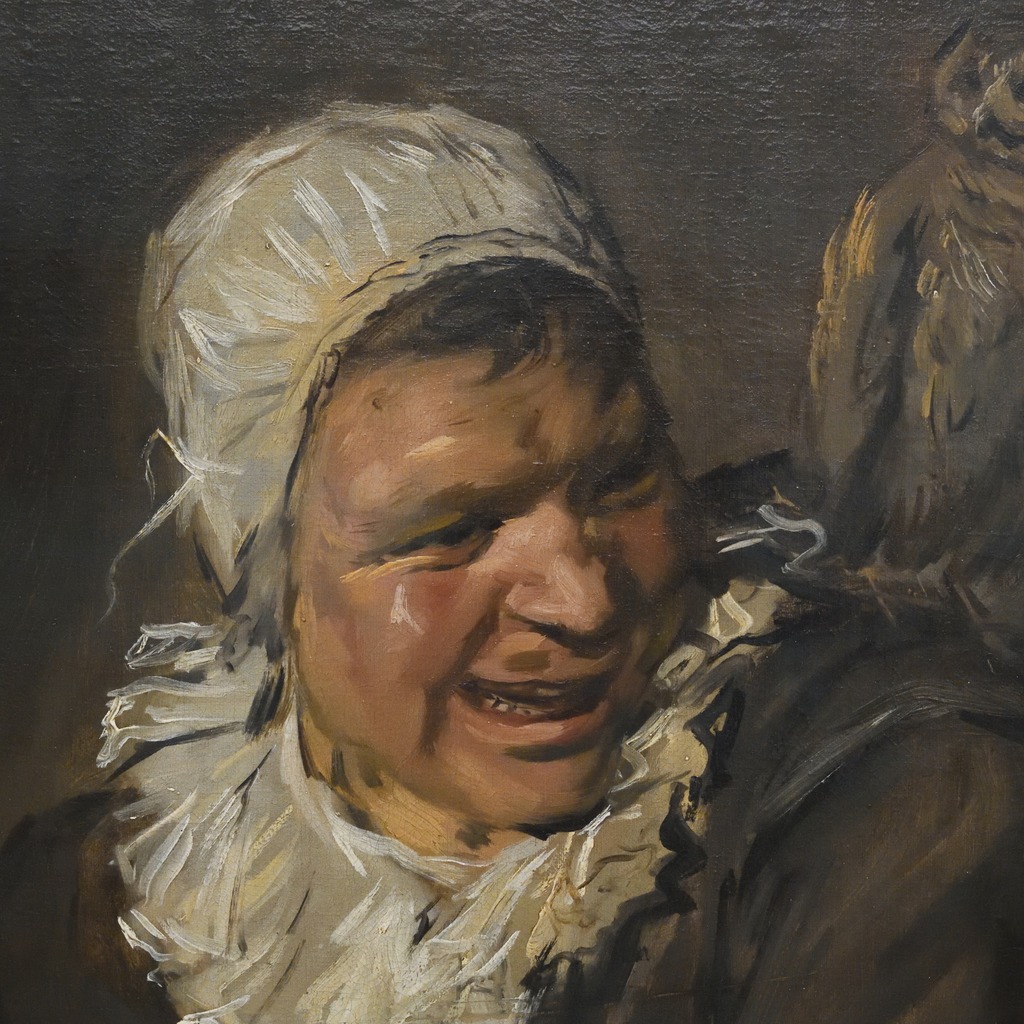 Malle Babbe
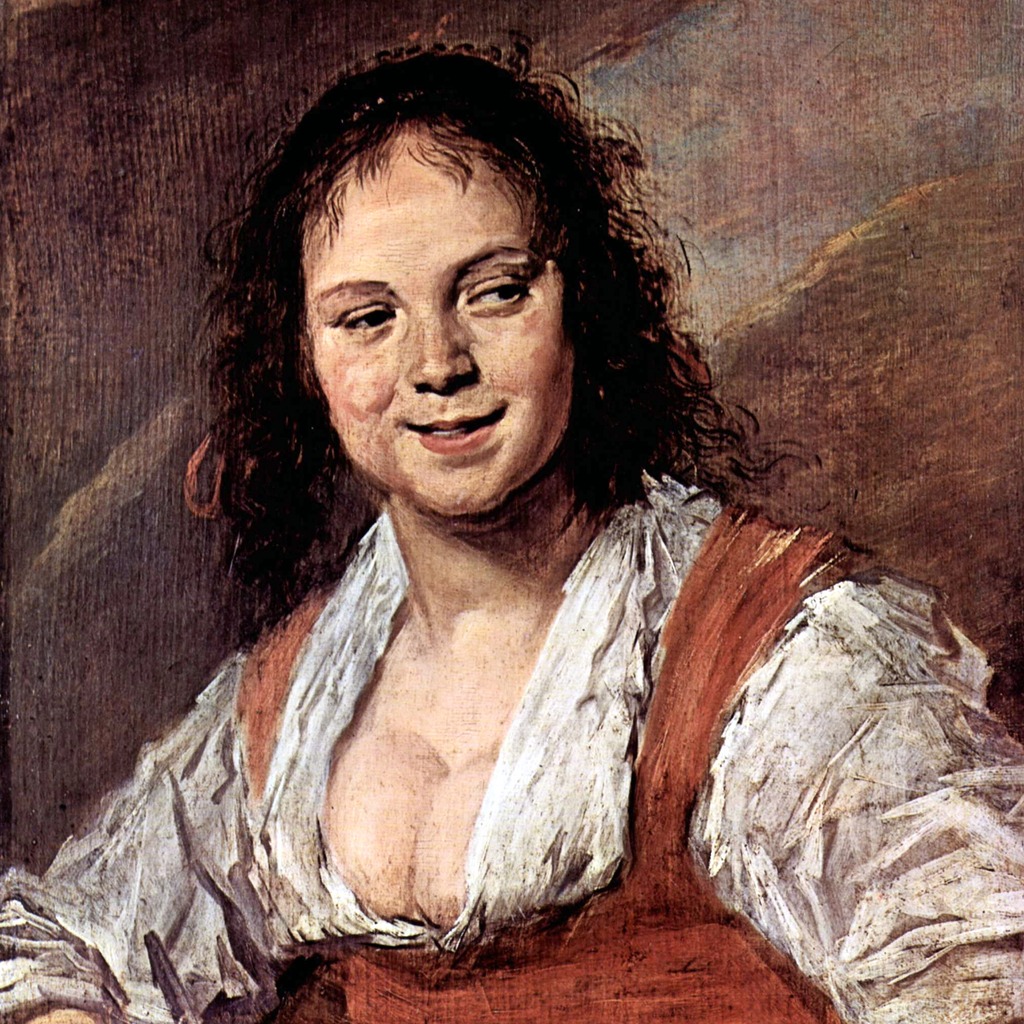 La Bohémienne
How it works
-
Take a photo
Front camera, decent light, look straight ahead. Or pick one you already have.
-
We paint you in
Your face goes into the painting, keeping its light and its brushwork. About fifteen seconds.
-
Share the link
You get a page anyone can open. No account, nothing to install.