

Making your meme…
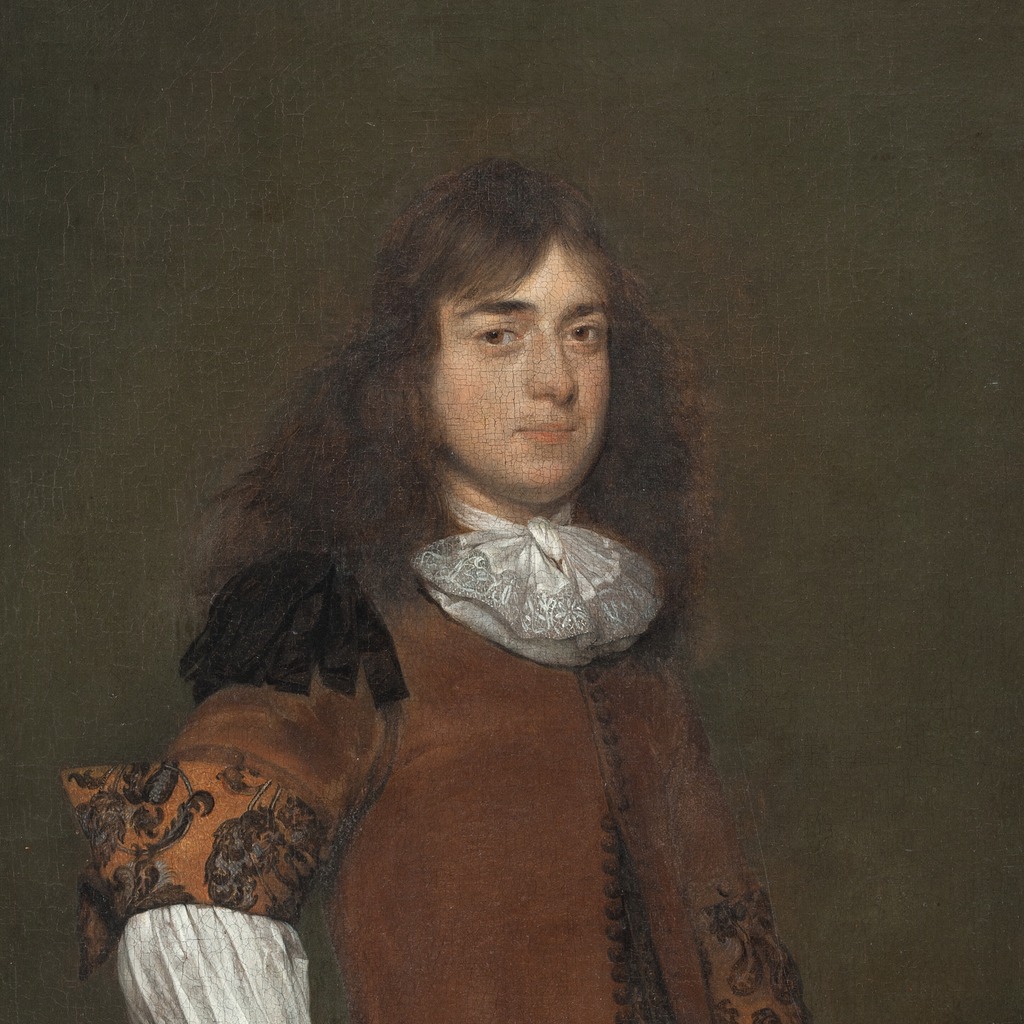
Gerard ter Borch · c. 1679
Ter Borch: Portrait of a Man face swap
Quiet, grey, and painted by the man who could do satin better than anyone alive.
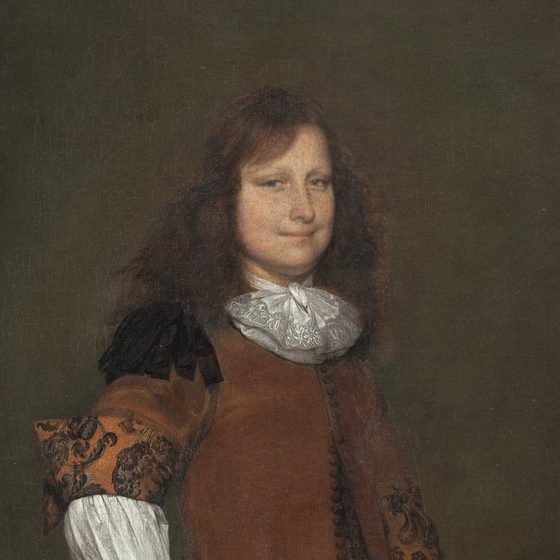
or
Under 15 seconds · no sign-up · your selfie is never stored
Or become a patron and stop counting. Already a patron? Sign in.
How it works
-
Take a photo
Front camera, decent light, look straight ahead. Or pick one you already have.
-
We paint you in
Your face goes into the painting, keeping its light and its brushwork. About fifteen seconds.
-
Share the link
You get a page anyone can open. No account, nothing to install.
Where this one comes from
Gerard ter Borch spent most of his career in Deventer, a long way from the Amsterdam art trade, painting small pictures for people who could afford to look at them closely. This one is late, from the last years before his death in 1681, and it is in the national gallery in Copenhagen. His most famous work is not a portrait at all but a group of seventy-odd tiny faces on a sheet of copper, recording the oath that ended the Eighty Years’ War.
What is in the picture
Black, white and grey, and almost nothing else. A plain collar, a dark coat, hair to the shoulders, and a wall behind with no feature on it whatever. Ter Borch built a reputation on painting fabric — white satin in particular, which he rendered so convincingly that collectors bought his pictures for the dresses — and then spent his portraits proving he could get the same result with no colour to work with.
When people use it
For understatement. It is the face for a modest announcement, a small correction, or the moment you decide not to make a thing of it.
How your face lands in it
A near-frontal head in low, even, undramatic light against a plain grey ground. Technically one of the easiest pictures here and one of the quietest. There is nothing in the frame to carry the result, no hat, no jewellery, no costume to speak of, so what comes back is your own face in a seventeenth-century collar and very little else.
Portrait of a Man — Gerard ter Borch, c. 1679. Gerard ter Borch died in 1681, so the painting has been in the public domain for centuries, and the museum publishes its photograph of it as public domain. Source

Also in: Paintings · Baroque · Dutch Golden Age
More paintings
 Girl with a Pearl Earring
 The Laughing Cavalier
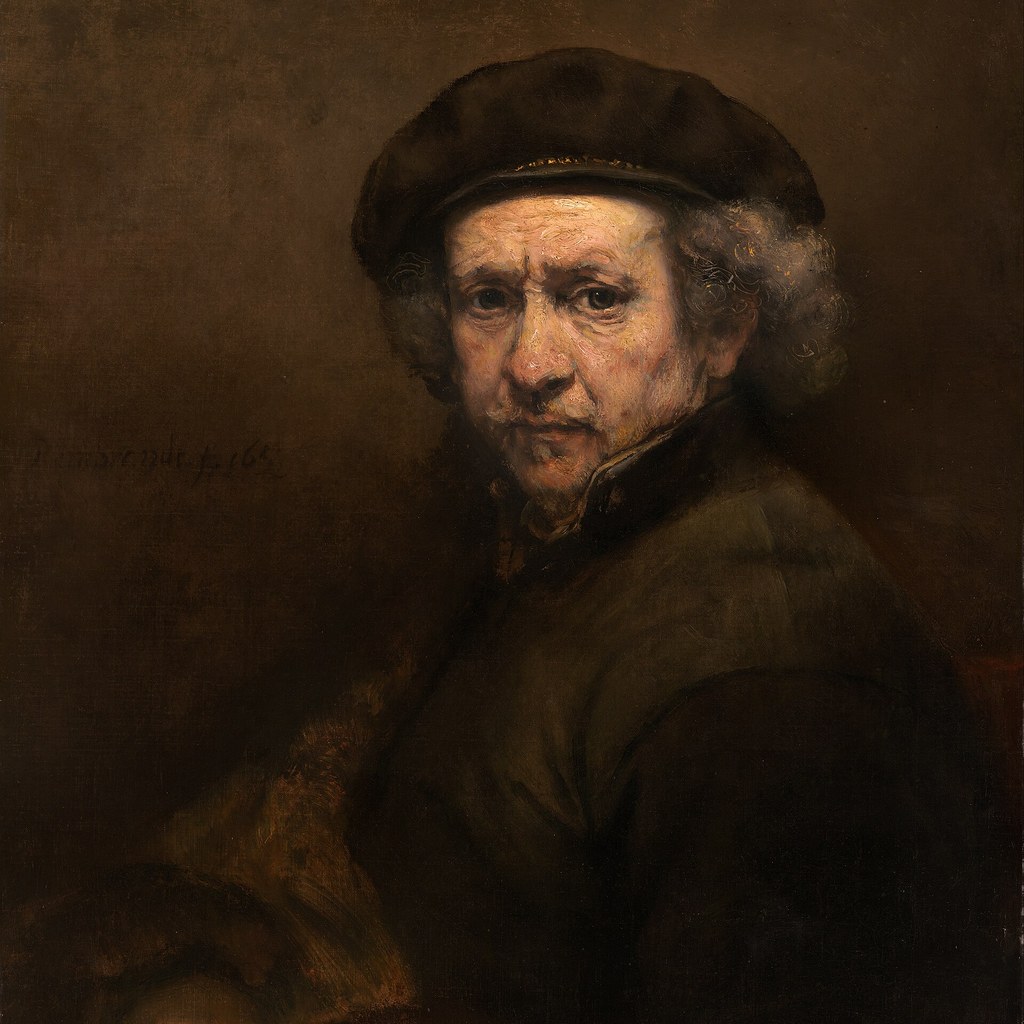 Rembrandt's Self-Portrait
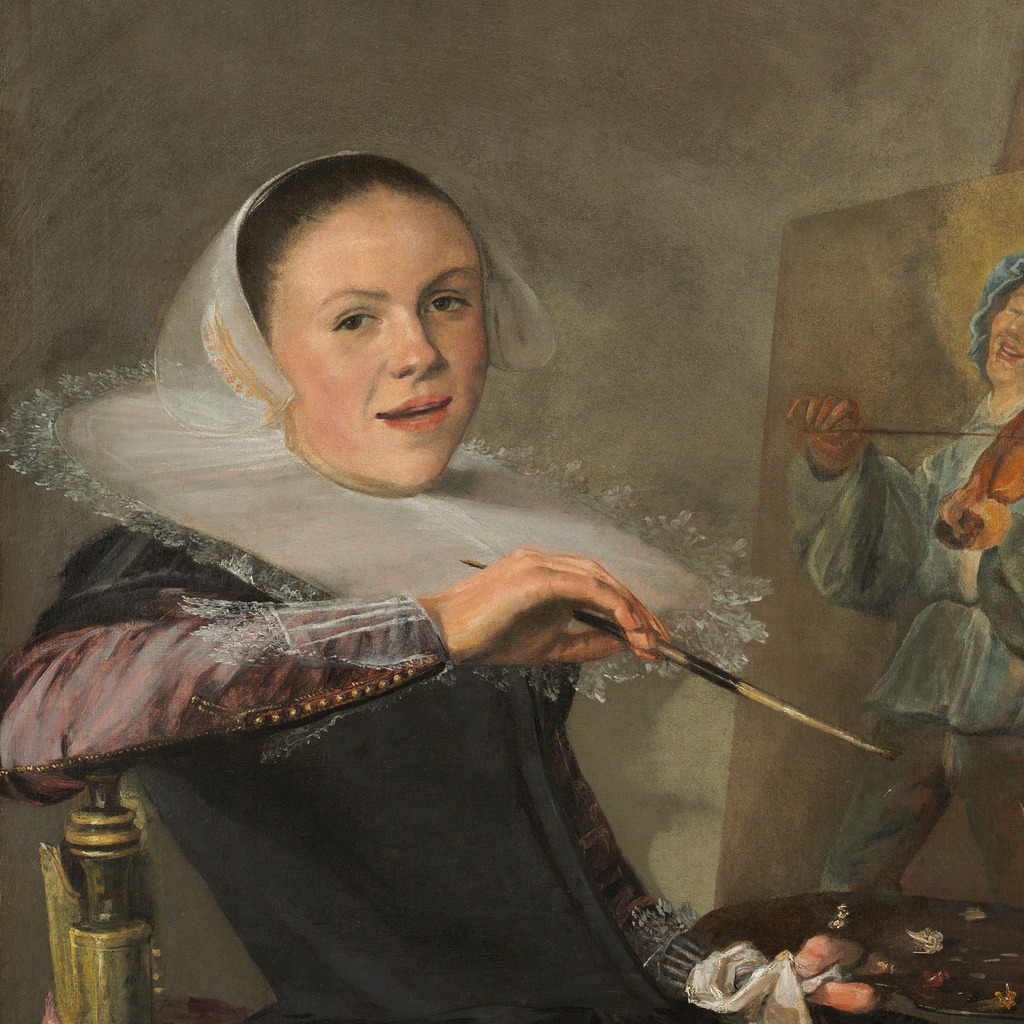 Judith Leyster
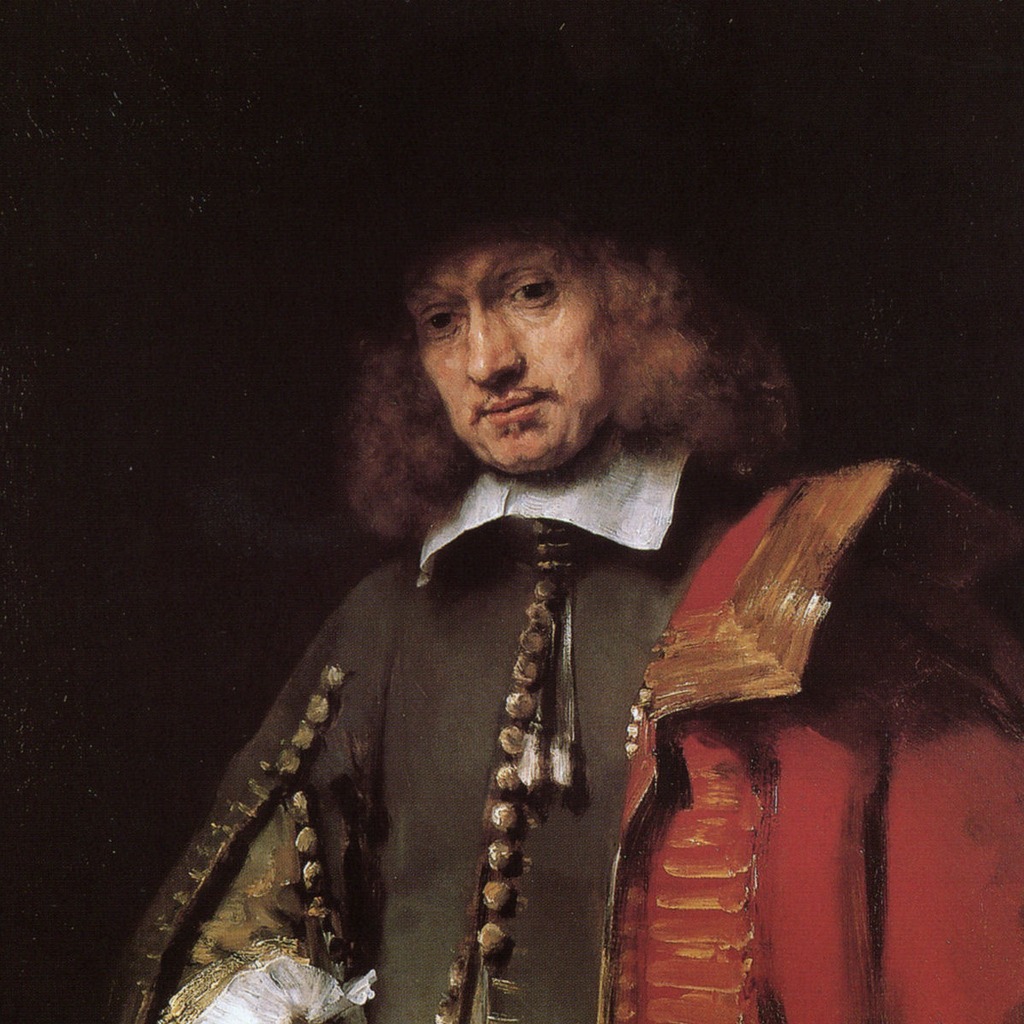 Jan Six
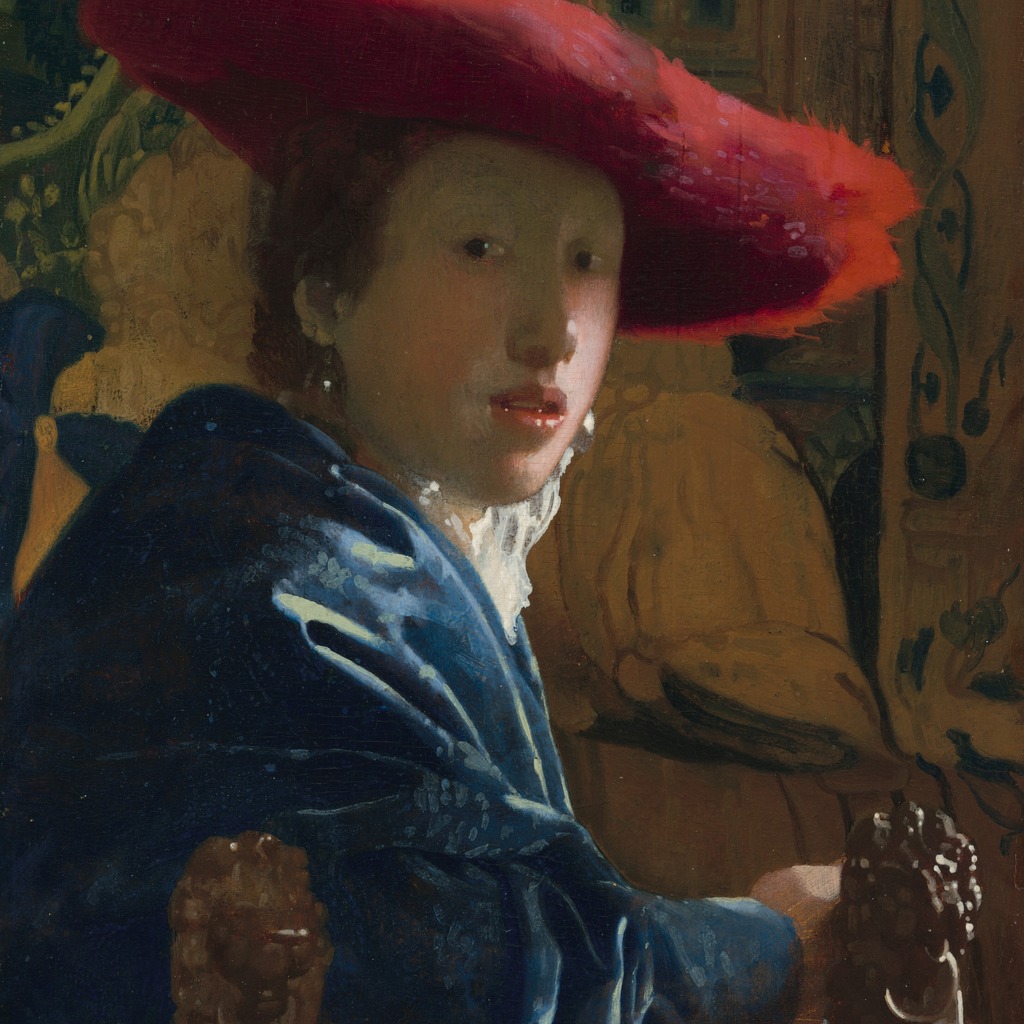 Girl with a Red Hat
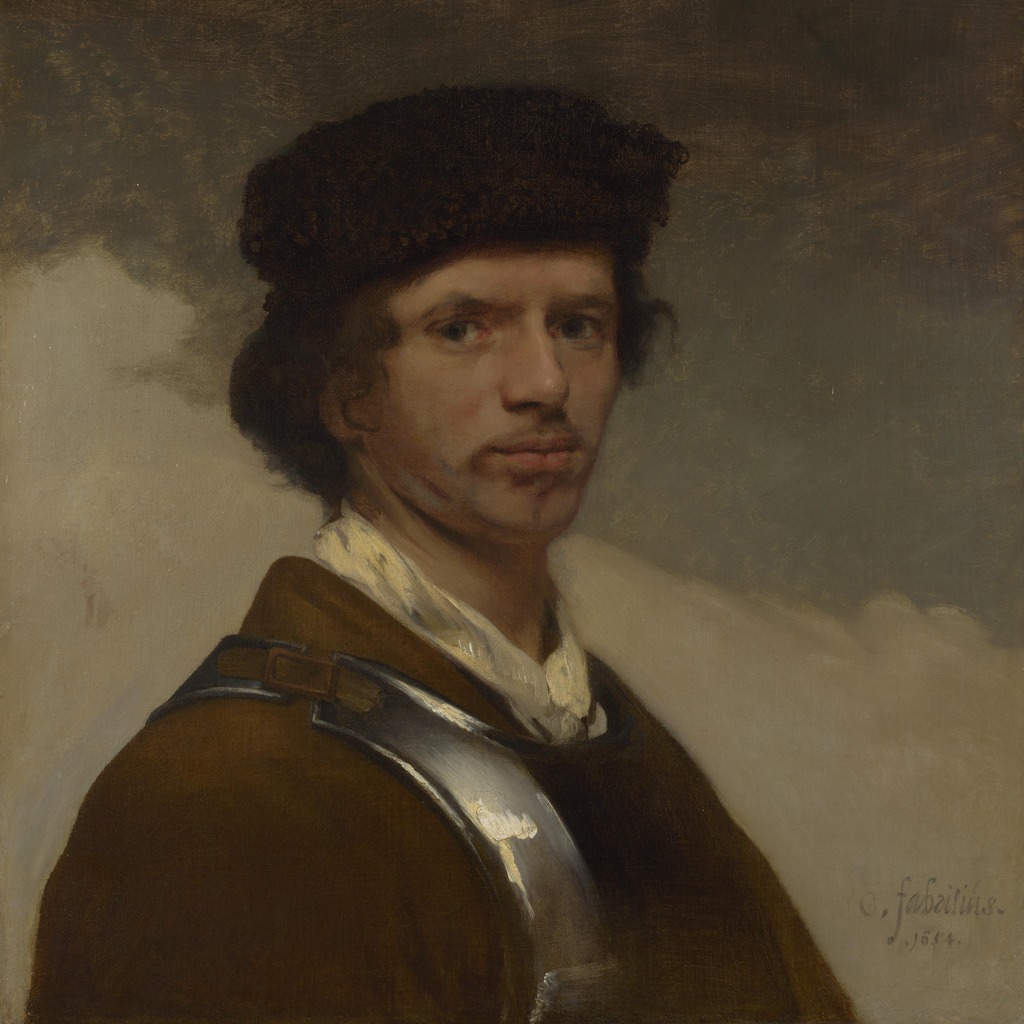 Carel Fabritius
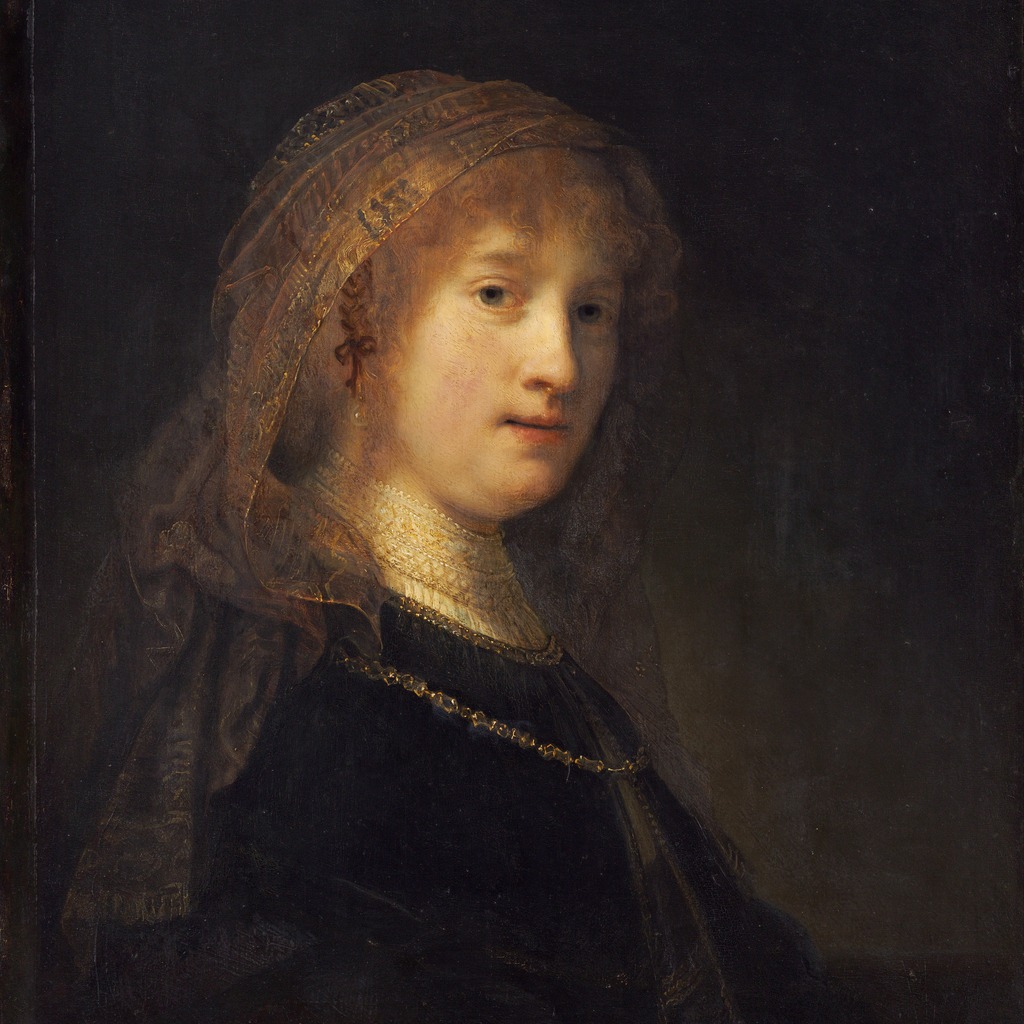 Saskia
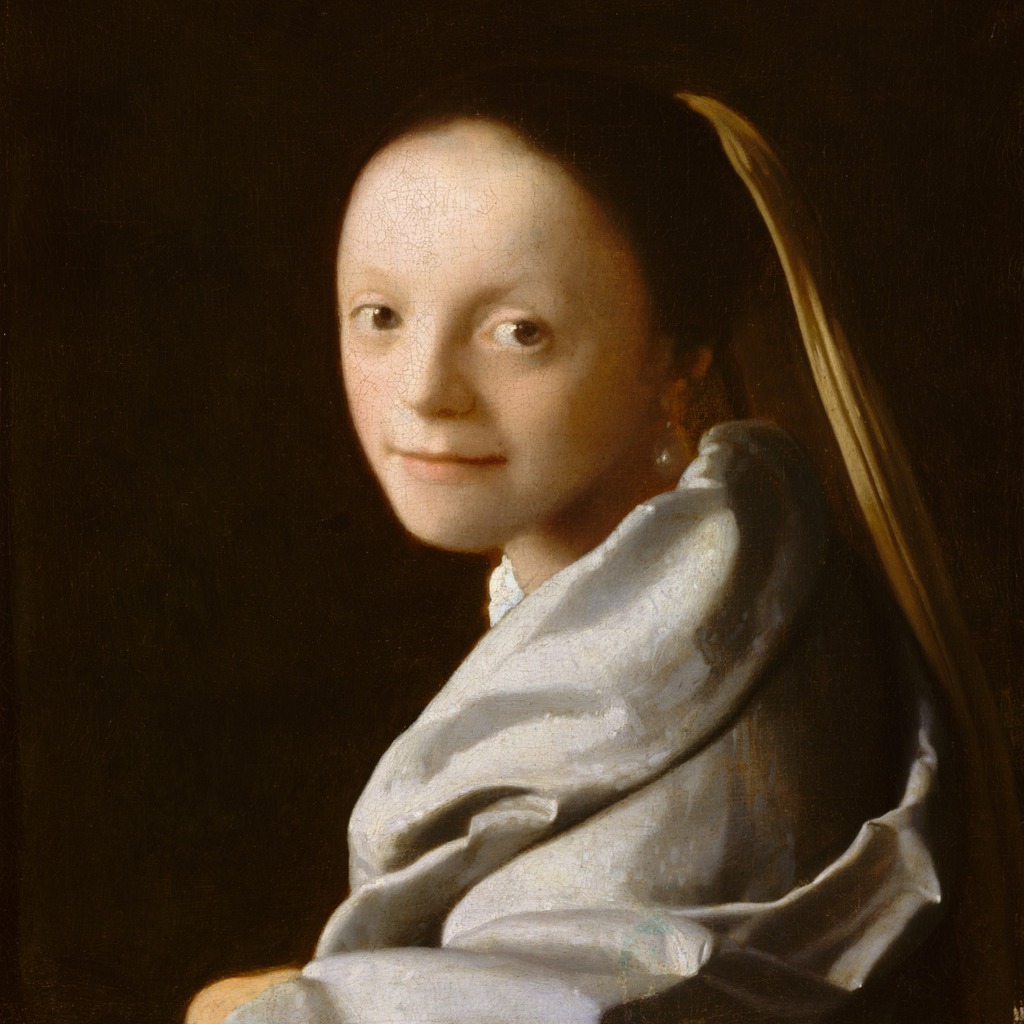 Portrait of a Young Woman
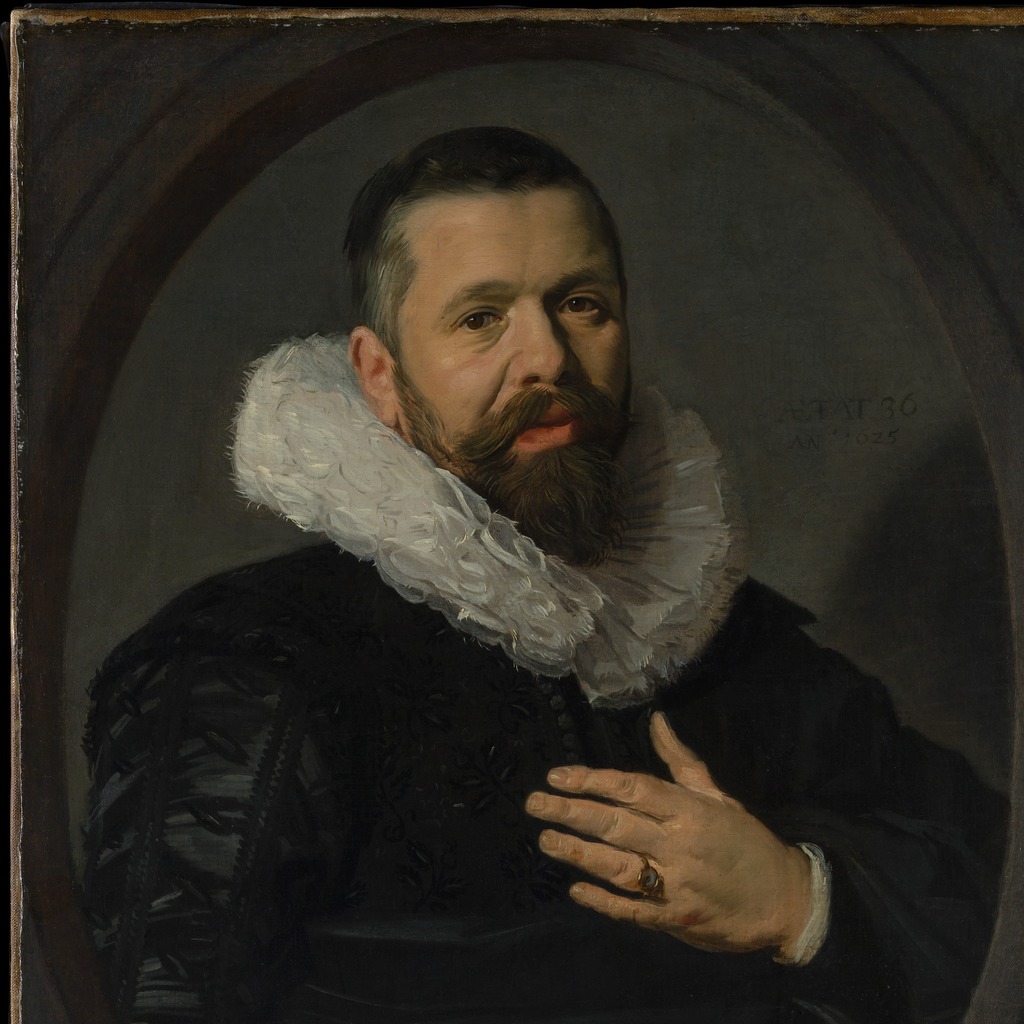 Bearded Man with a Ruff
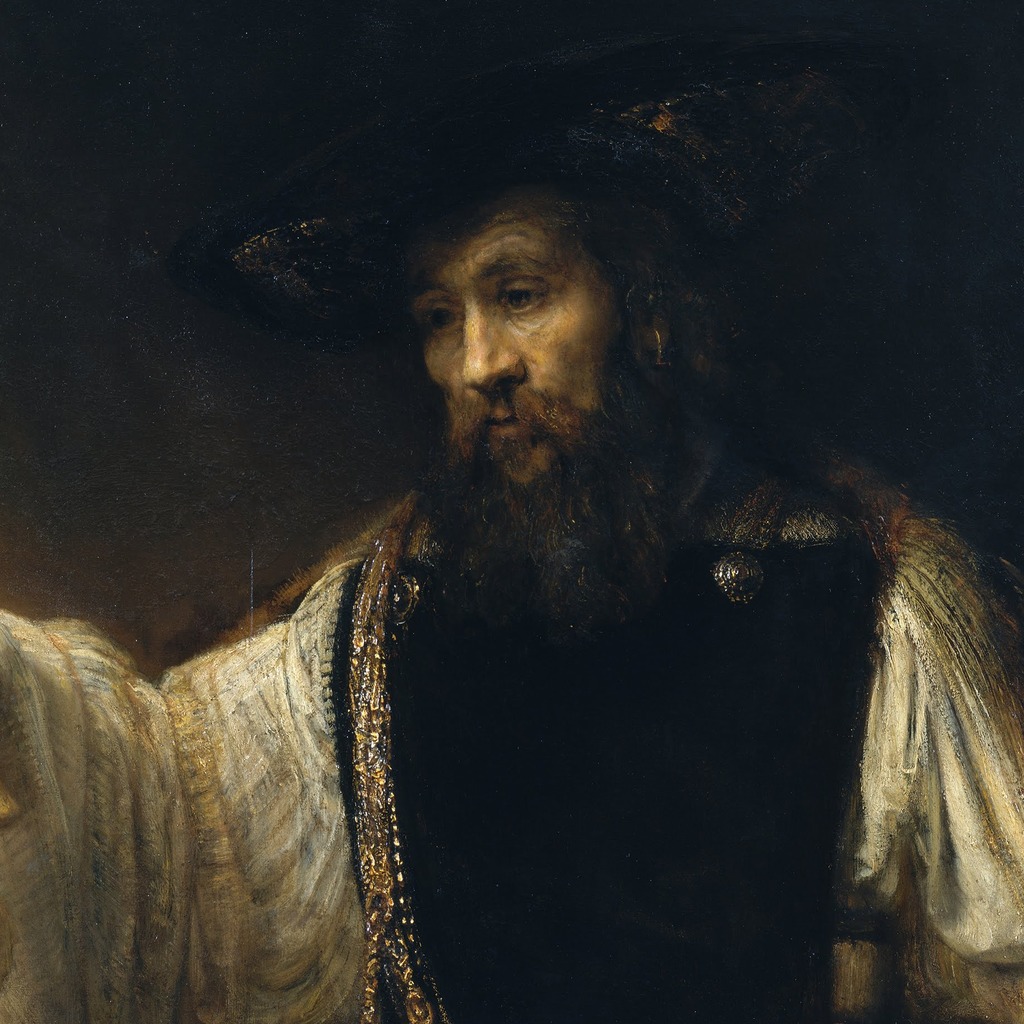 Aristotle with a Bust of Homer
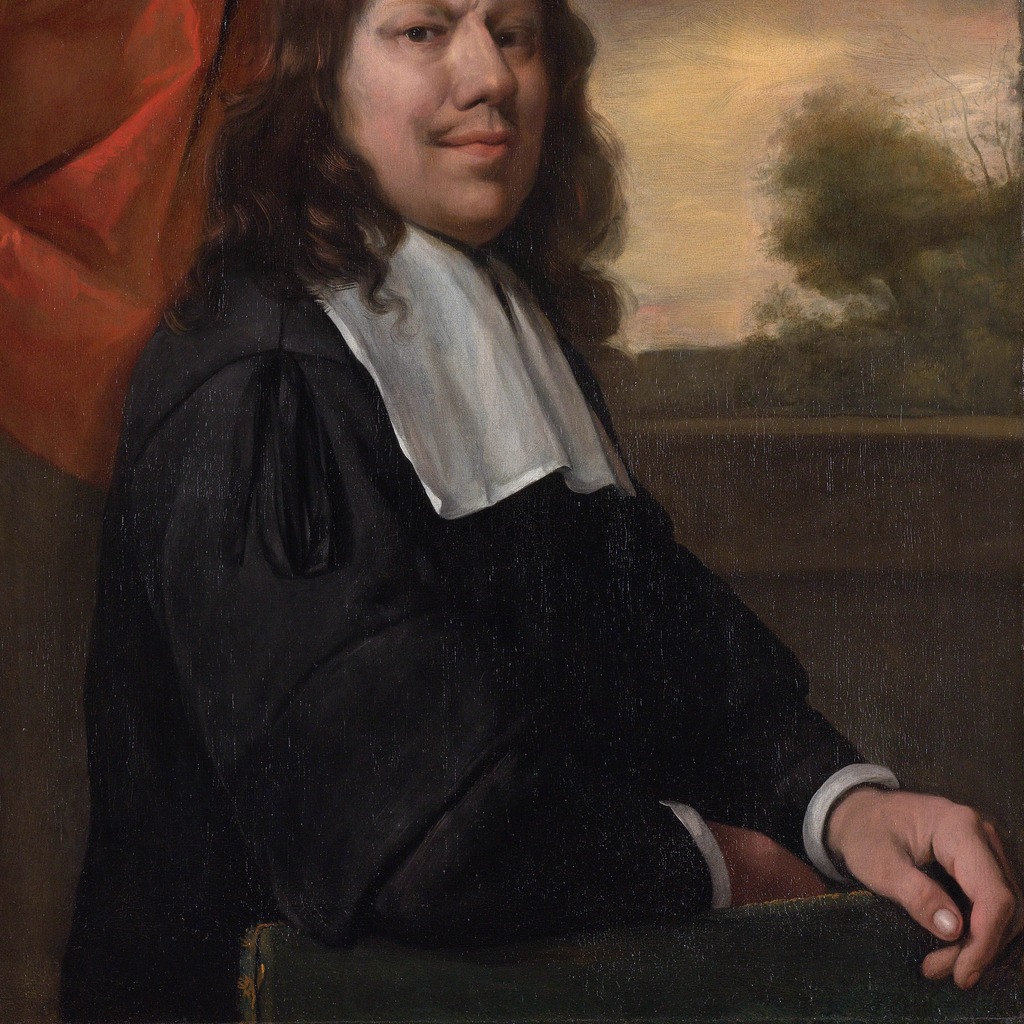 Jan Steen
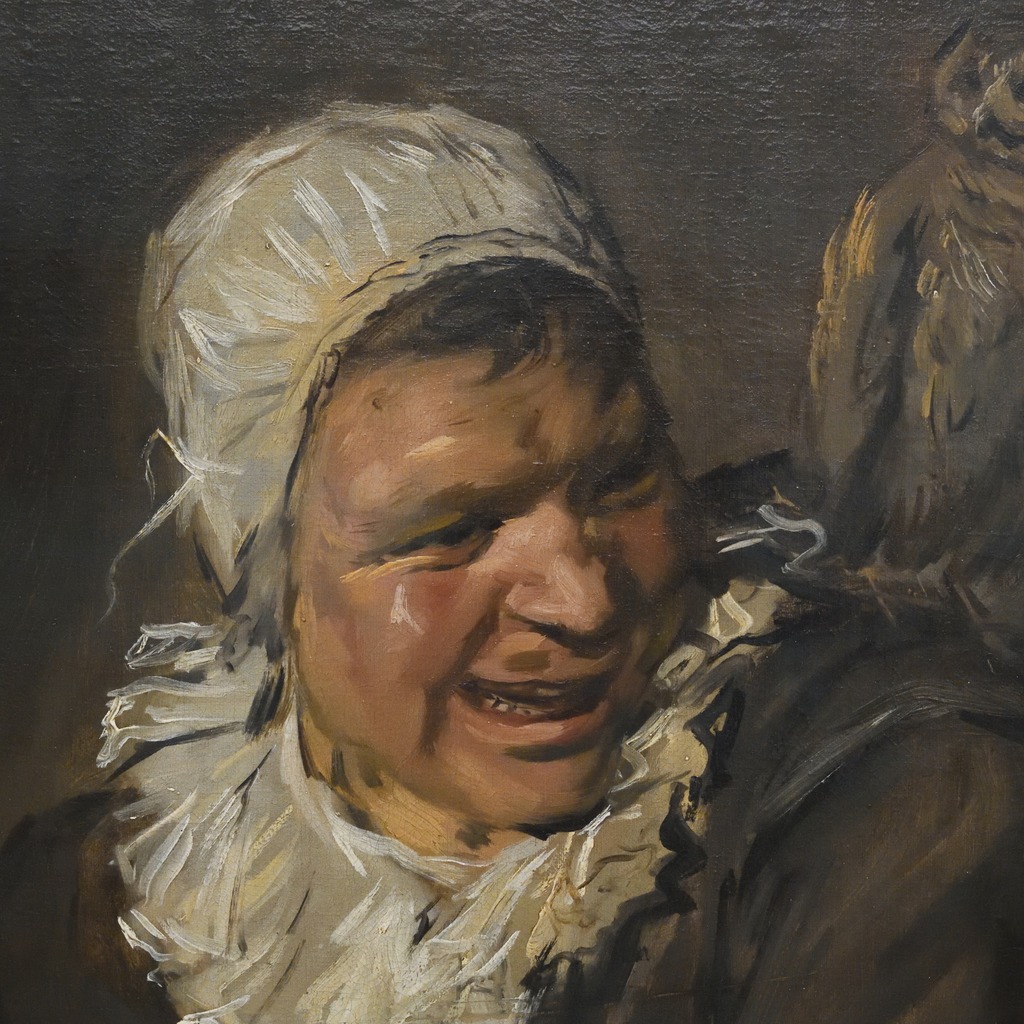 Malle Babbe
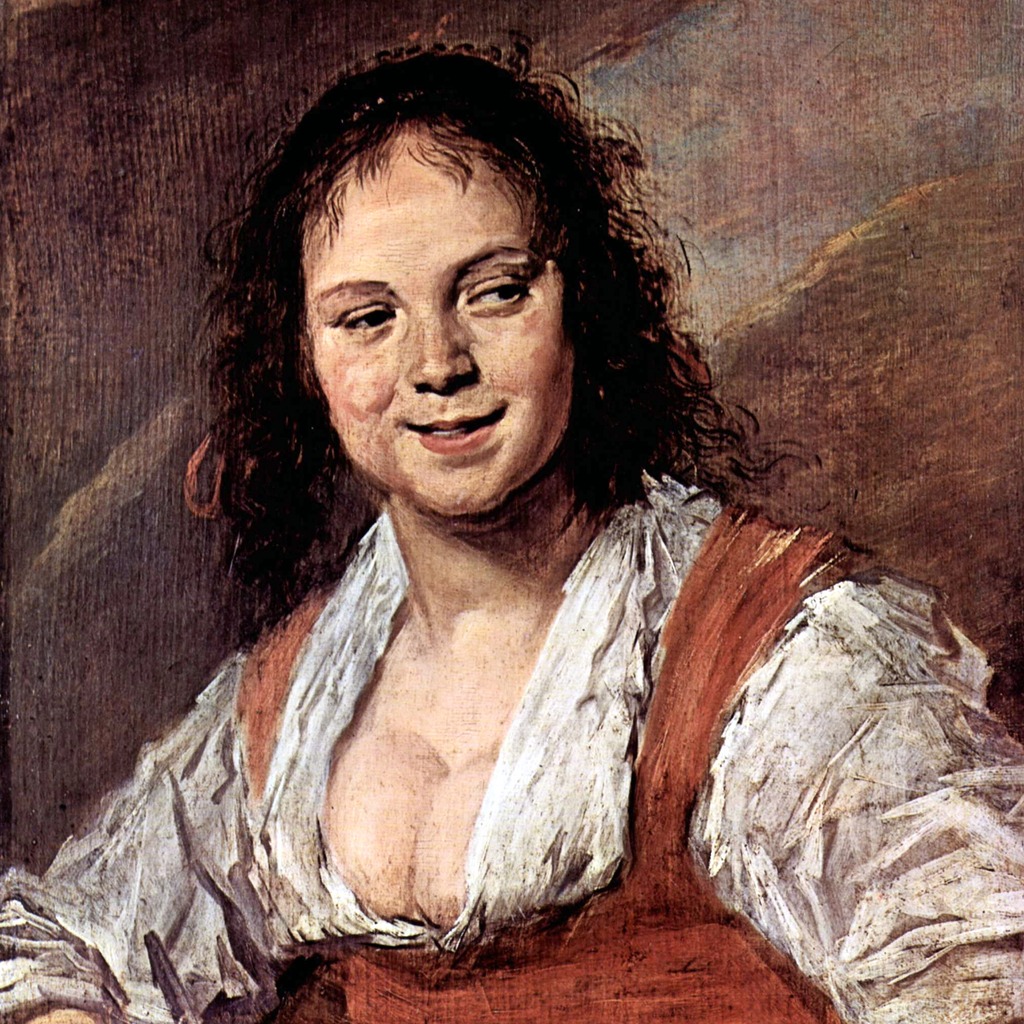 La Bohémienne
 Louis XIV
 Pope Innocent X
 Mona Lisa
 Van Gogh Self-Portrait
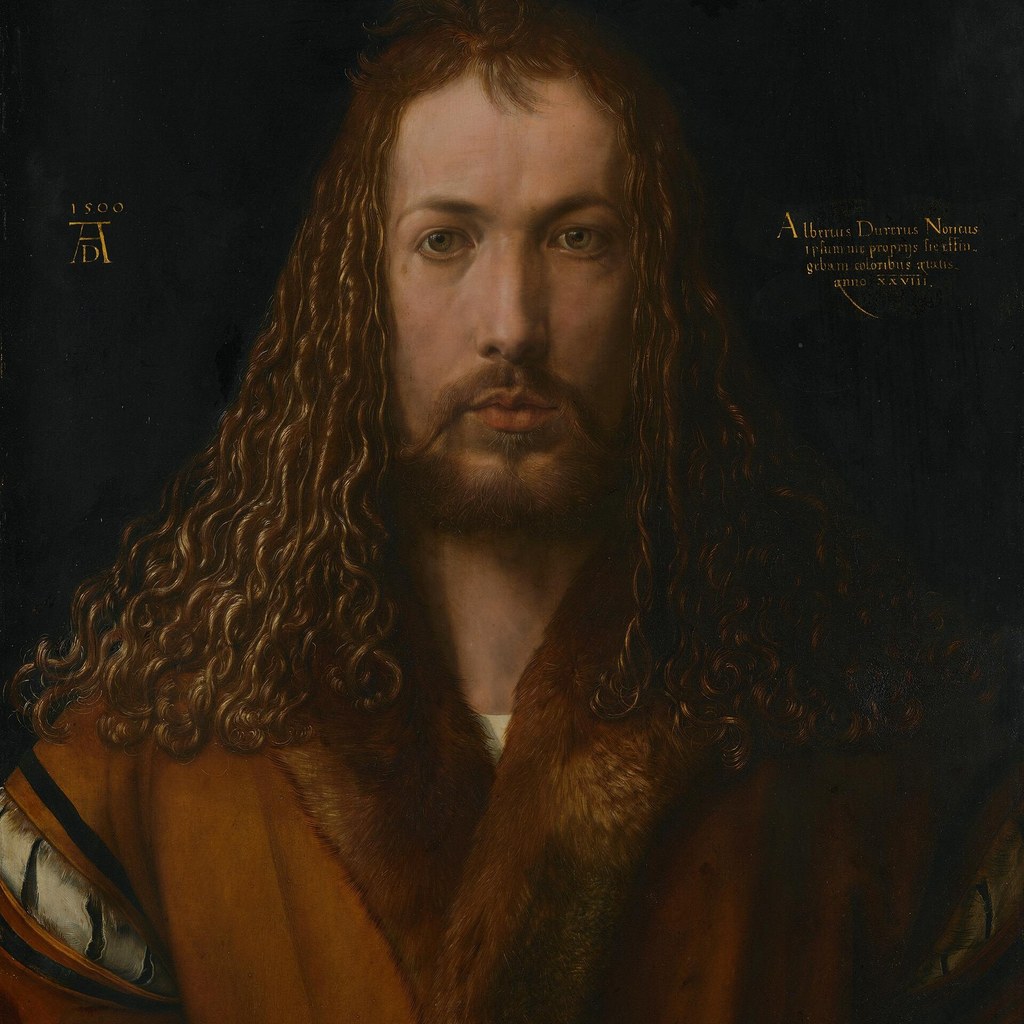 Dürer's Self-Portrait
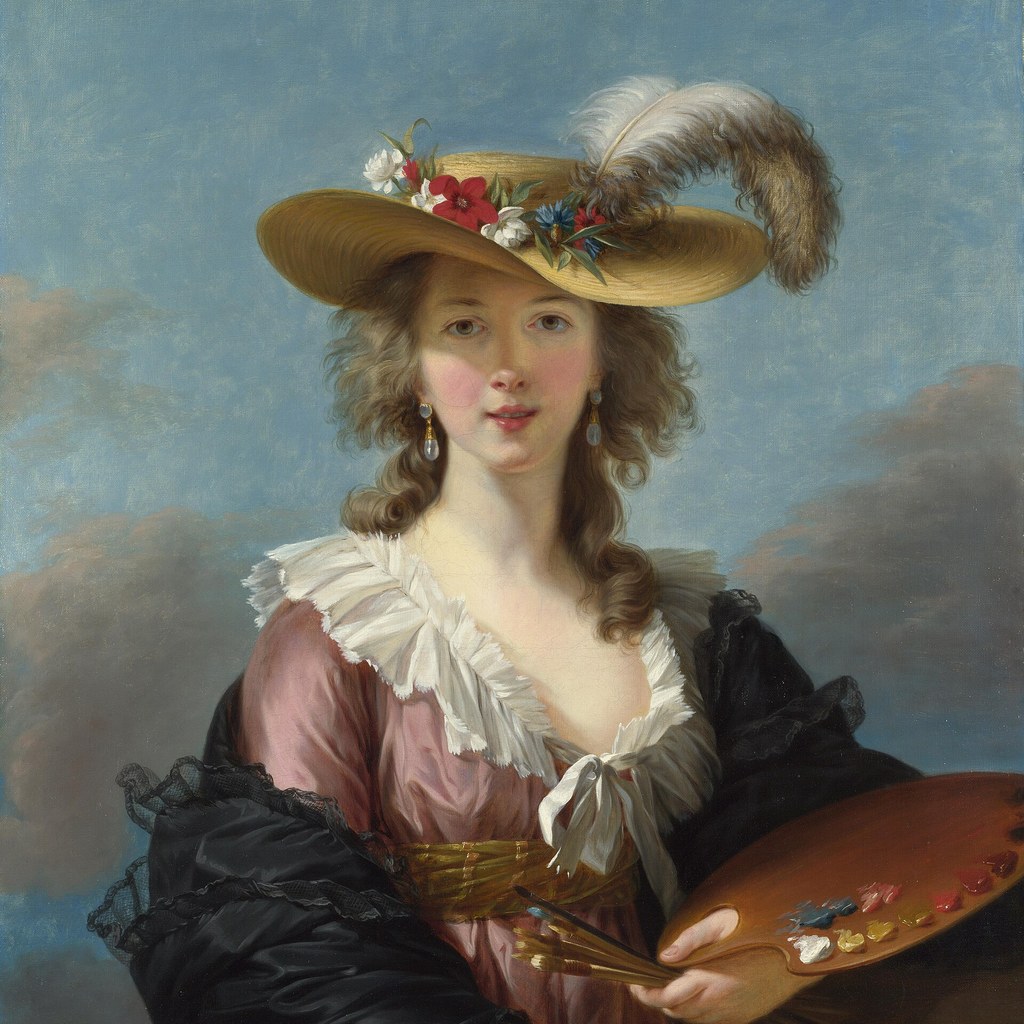 Self-Portrait in a Straw Hat
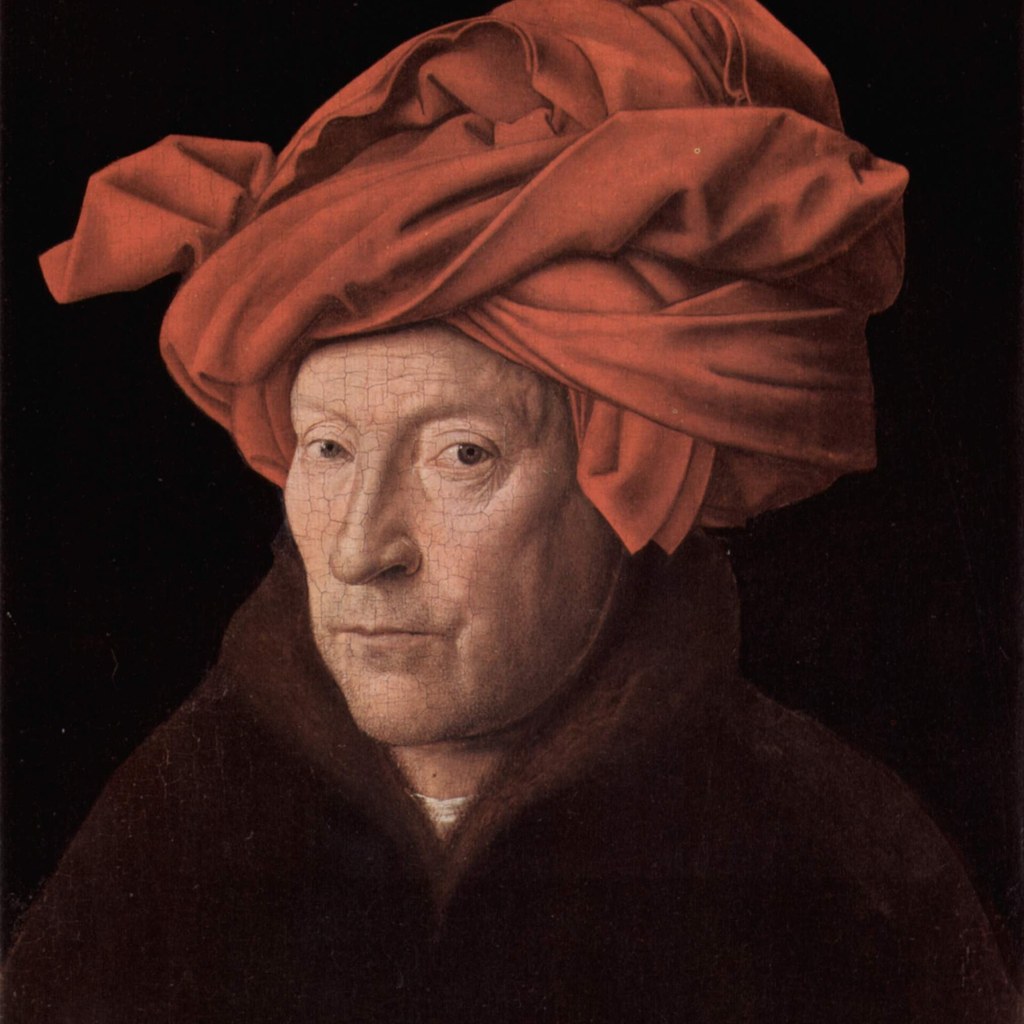 Man in a Red Turban
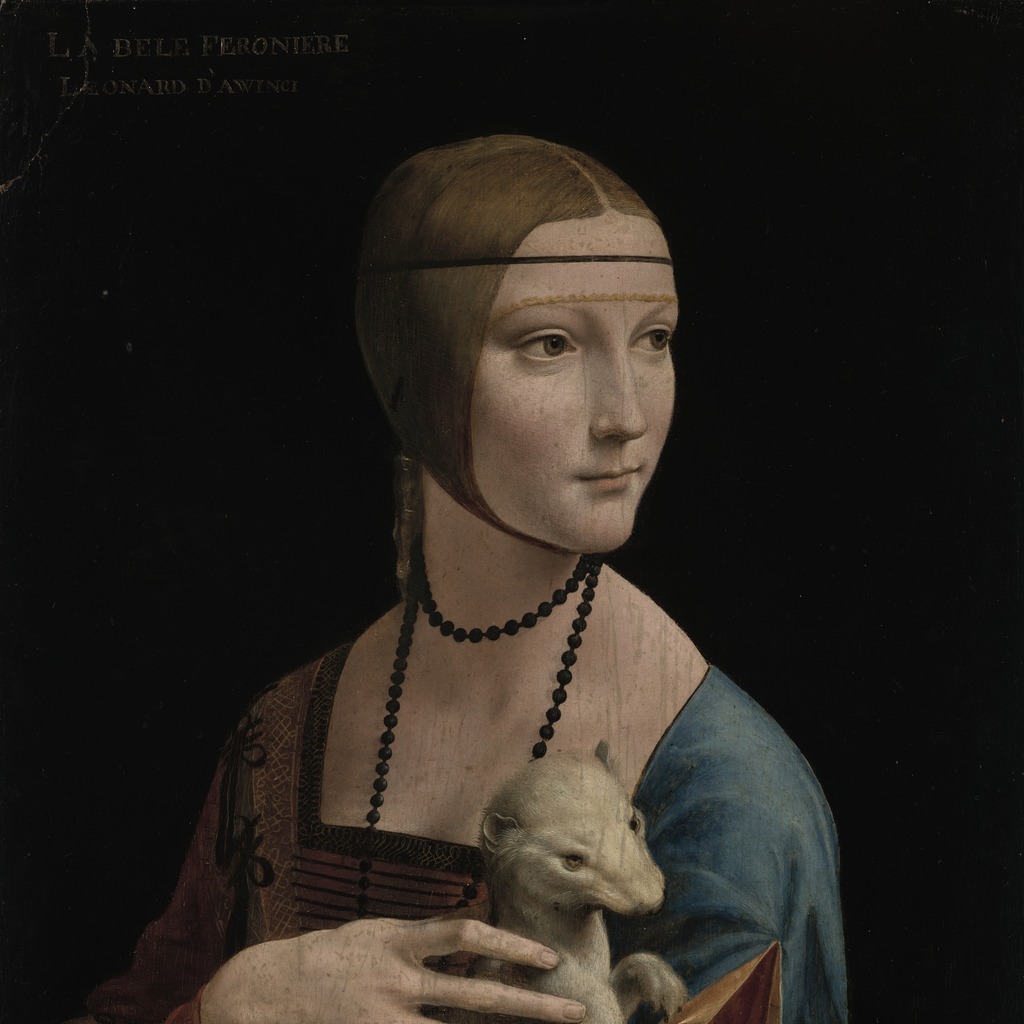 Lady with an Ermine
 Henry VIII
 The Blue Boy
Questions
What is he best known for?
The Ratification of the Treaty of Münster, painted on copper in 1648, which fits more than seventy recognisable portraits into a picture the size of a sheet of paper. He put himself in it, at the left edge, looking out.
Why is it so plain?
Because that was the Dutch portrait convention for serious men, and because he was good enough to make it work. Black wool and white linen painted at this level of attention were a display of means, not an absence of one.
Is the sitter identified?
Not recorded. The picture came to the Danish royal collection without a name attached, which is the usual fate of a portrait that leaves the family that ordered it.
Is it free?
Yes. There is a limit on how many you can make in a day, and sharing one earns the allowance back.
Do you keep my photo?
No. Your selfie is used to make the image and then dropped — it is never written to disk. The finished meme is stored, because it has a link people can open, and it is deleted after 90 days.
Can I use someone else’s face?
Please do not. Use your own. Putting a real person into a picture they did not agree to is exactly the thing this is not for.
Can I post the result?
Yes, anywhere you like. The paintings are public domain; what you make with your own face is yours.