

Making your meme…
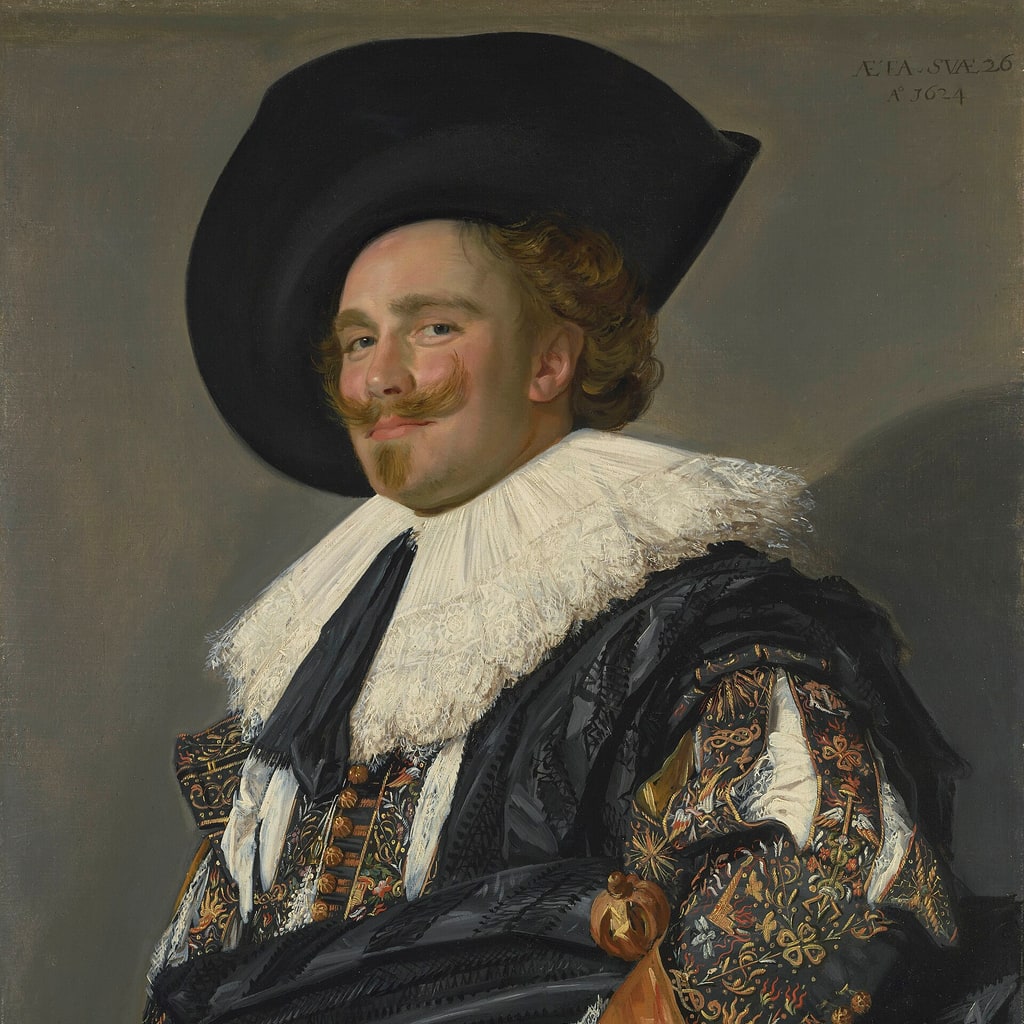
Frans Hals · 1624
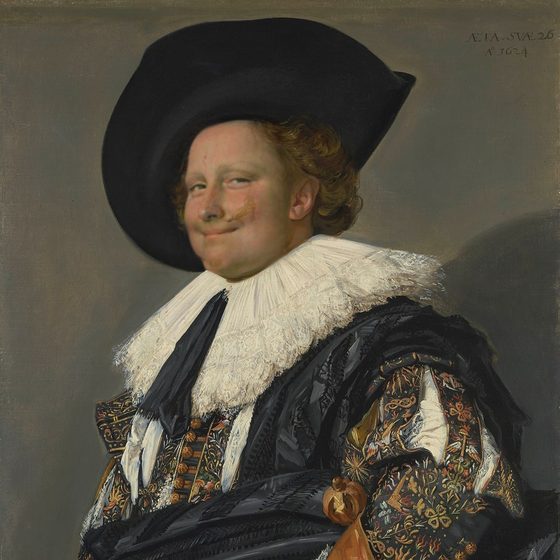
The Laughing Cavalier face swap
Enormous hat, enormous confidence, and a moustache doing most of the talking. Your face, his energy.
or
Under 15 seconds · no sign-up · your selfie is never stored
Or become a patron and stop counting. Already a patron? Sign in.
How it works
-
Take a photo
Front camera, decent light, look straight ahead. Or pick one you already have.
-
We paint you in
Your face goes into the painting, keeping its light and its brushwork. About fifteen seconds.
-
Share the link
You get a page anyone can open. No account, nothing to install.
Where this one comes from
Frans Hals painted this unnamed twenty-six-year-old in Haarlem in 1624. The sitter is not actually laughing and was never called a cavalier; a Victorian exhibition gave the painting its nickname more than two centuries later and it stuck.
What is in the picture
Almost half the picture is clothing, and Hals painted it to be read: gold and silver embroidery running up the sleeve in bees, arrows, flaming cornucopias and lovers' knots — emblems of love and luck — under a lace collar the size of a dinner plate. Top right, in the artist's hand, is the only biography the sitter has: his age, twenty-six, and the year, 1624. His name was never written down.
When people use it
This is the look of someone who has just been proved right and intends to enjoy it. It fits the reply that lands after a long argument, the moment a risky plan works, and every occasion where the polite response would be to say nothing.
How your face lands in it
The hat and the moustache do most of the work, and only one of them is yours to keep. The brim tips low over one eyebrow and throws a real shadow across the forehead, so a photo taken in flat, even light lands better than one already lit hard from above. The head leans back a few degrees, and that small backward tilt is the entire attitude of the painting — it arrives whether you pose for it or not.
The Laughing Cavalier — Frans Hals, 1624. The artist died in 1666, so the work is in the public domain worldwide, and a faithful photograph of a flat public-domain painting carries no new copyright. Source

Also in: Paintings · Baroque · Dutch Golden Age
More paintings
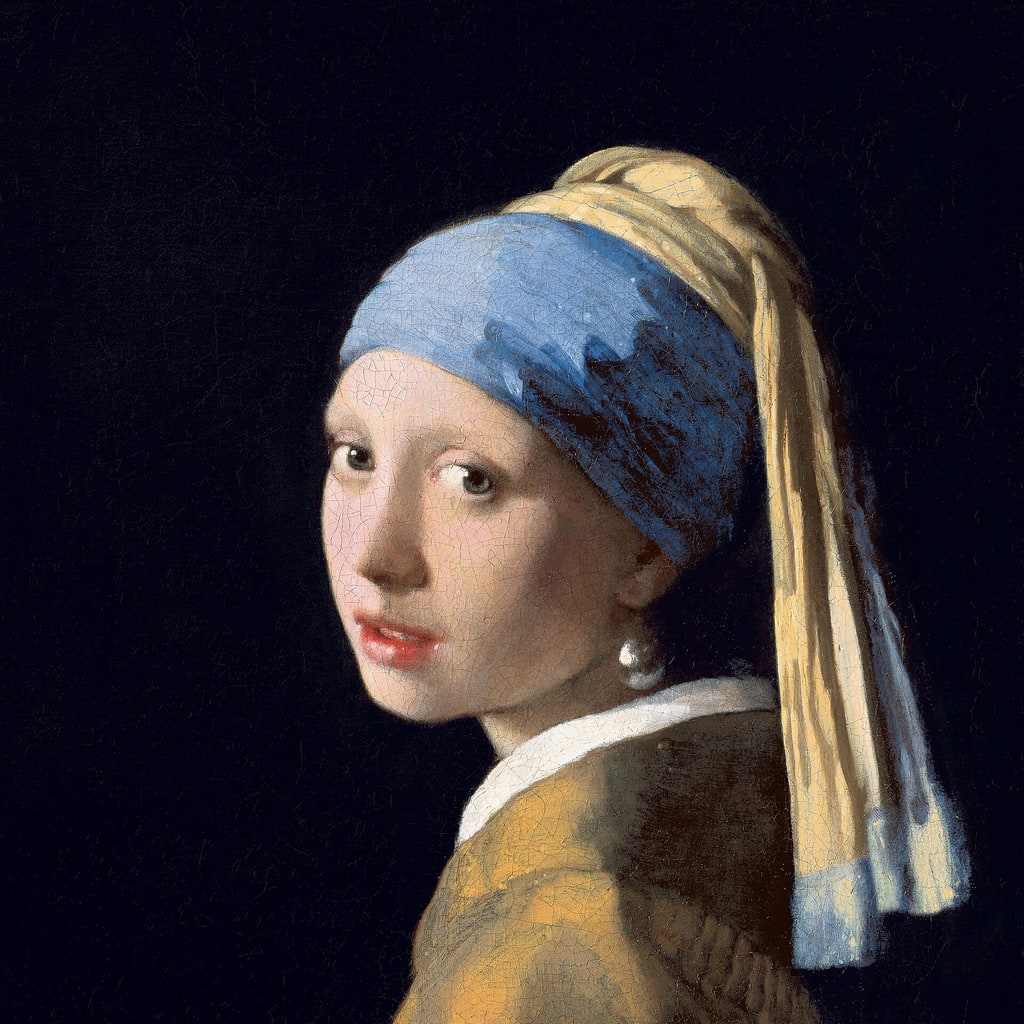 Girl with a Pearl Earring
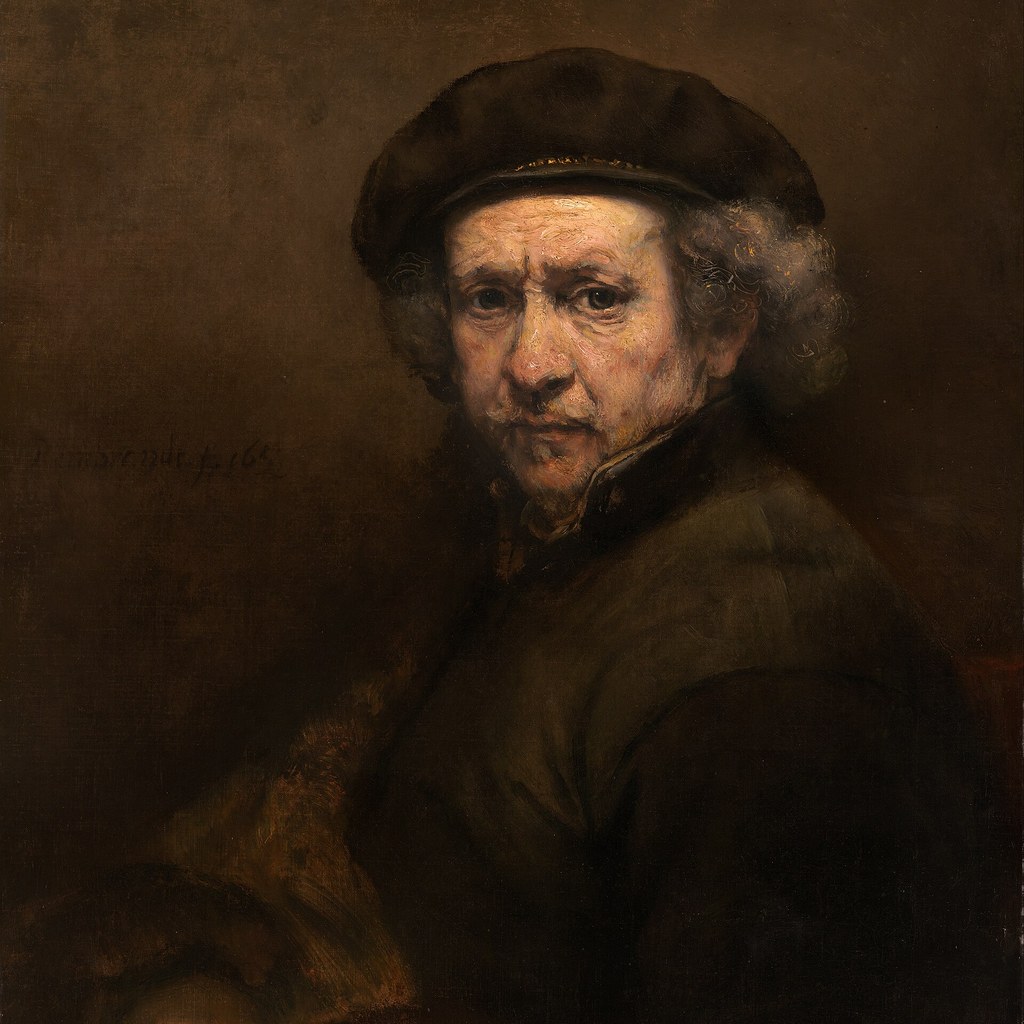 Rembrandt's Self-Portrait
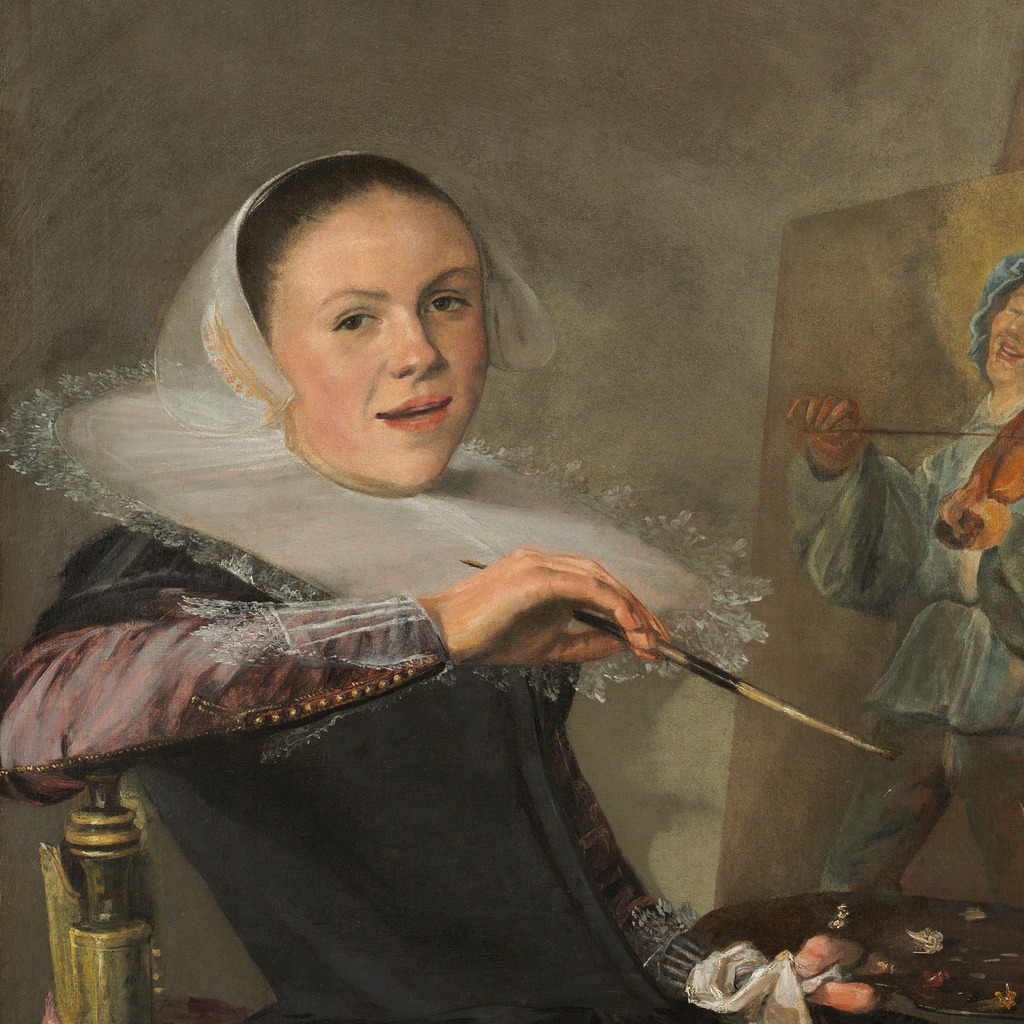 Judith Leyster
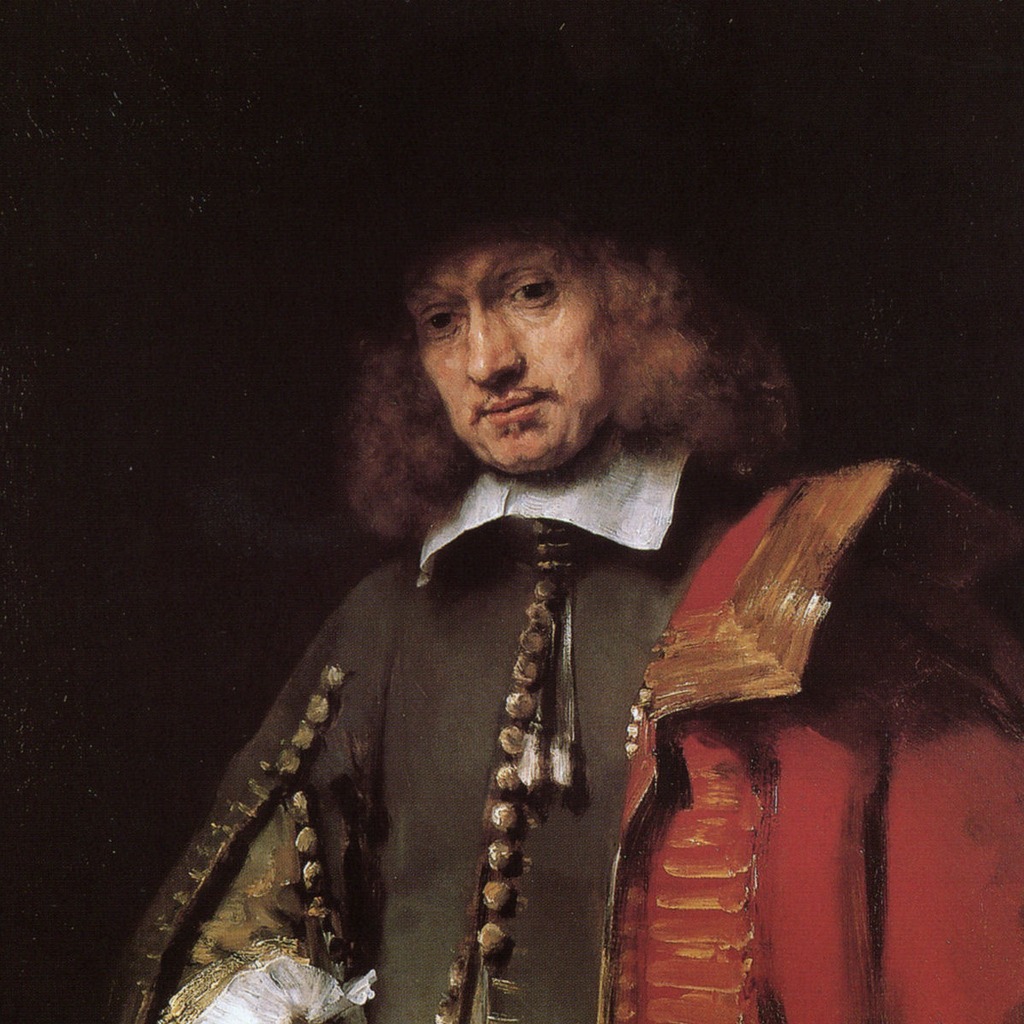 Jan Six
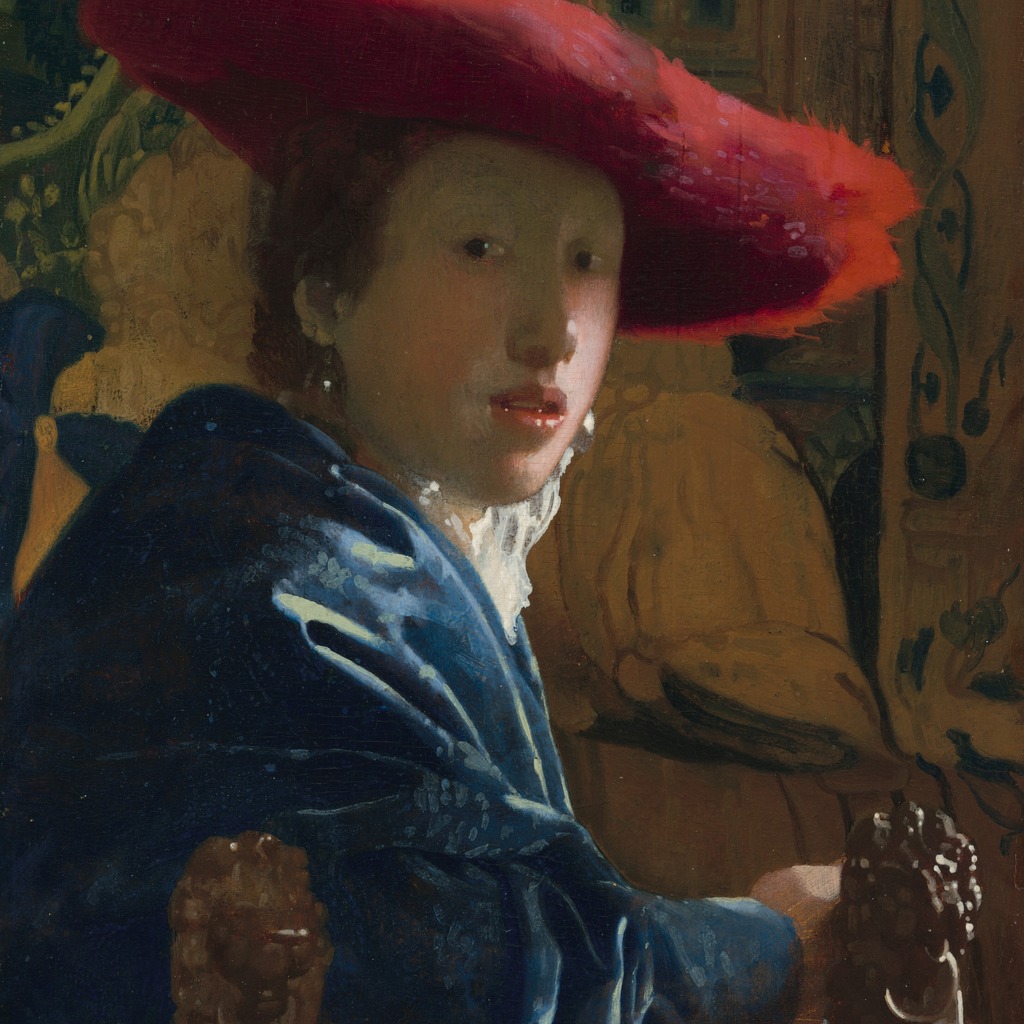 Girl with a Red Hat
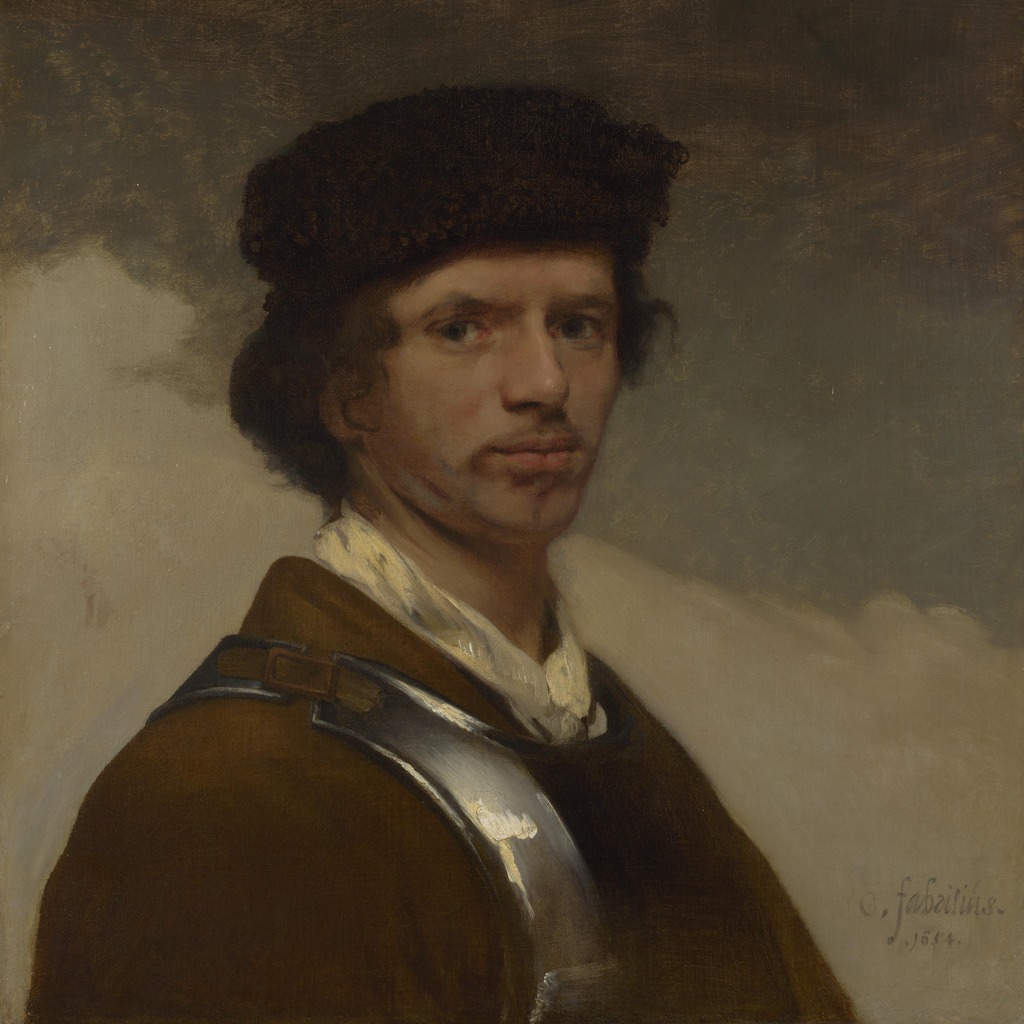 Carel Fabritius
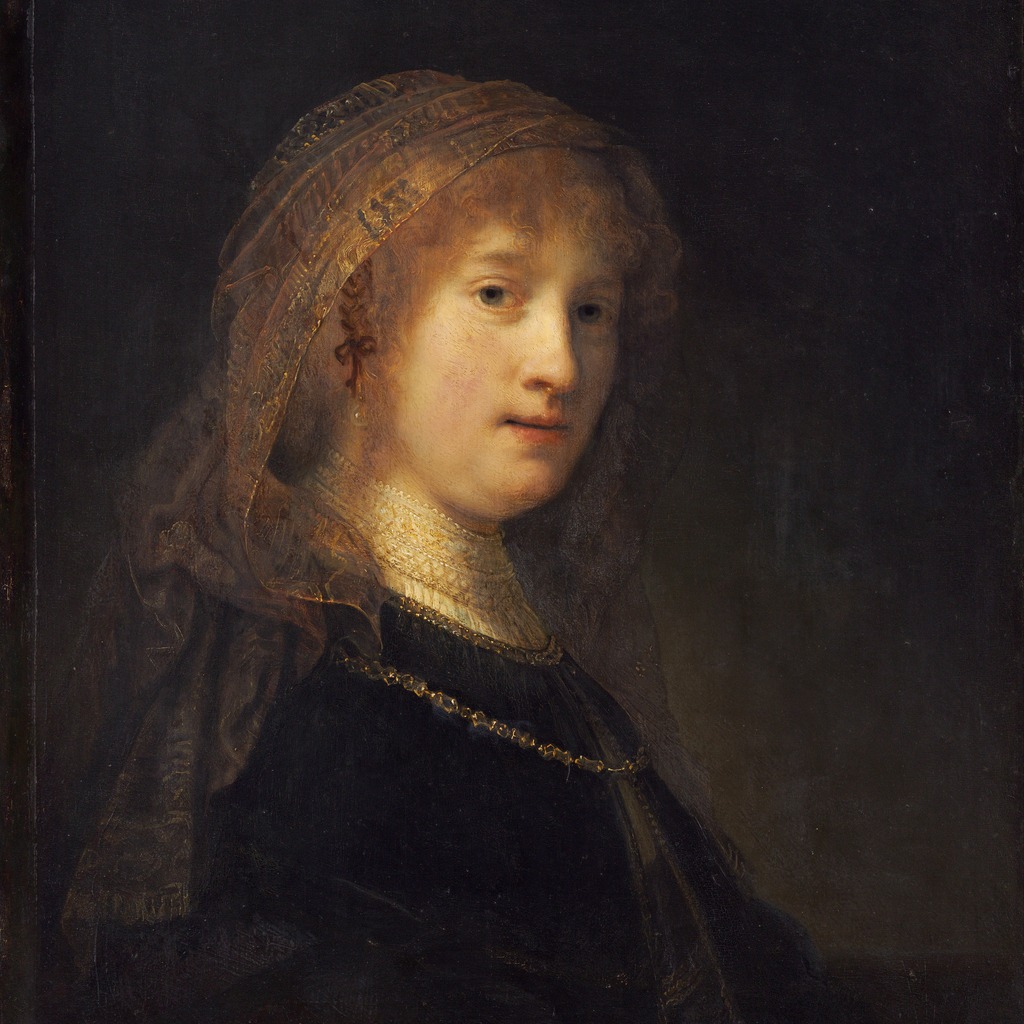 Saskia
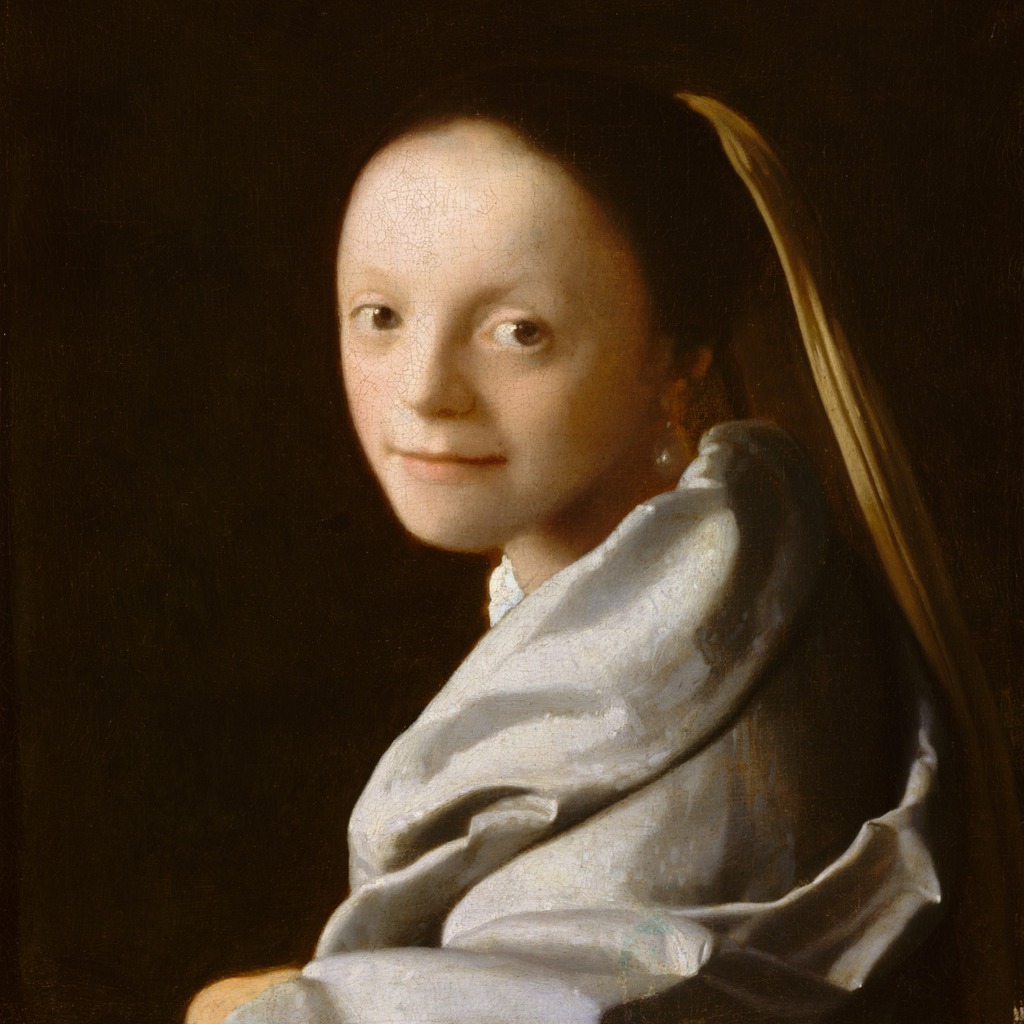 Portrait of a Young Woman
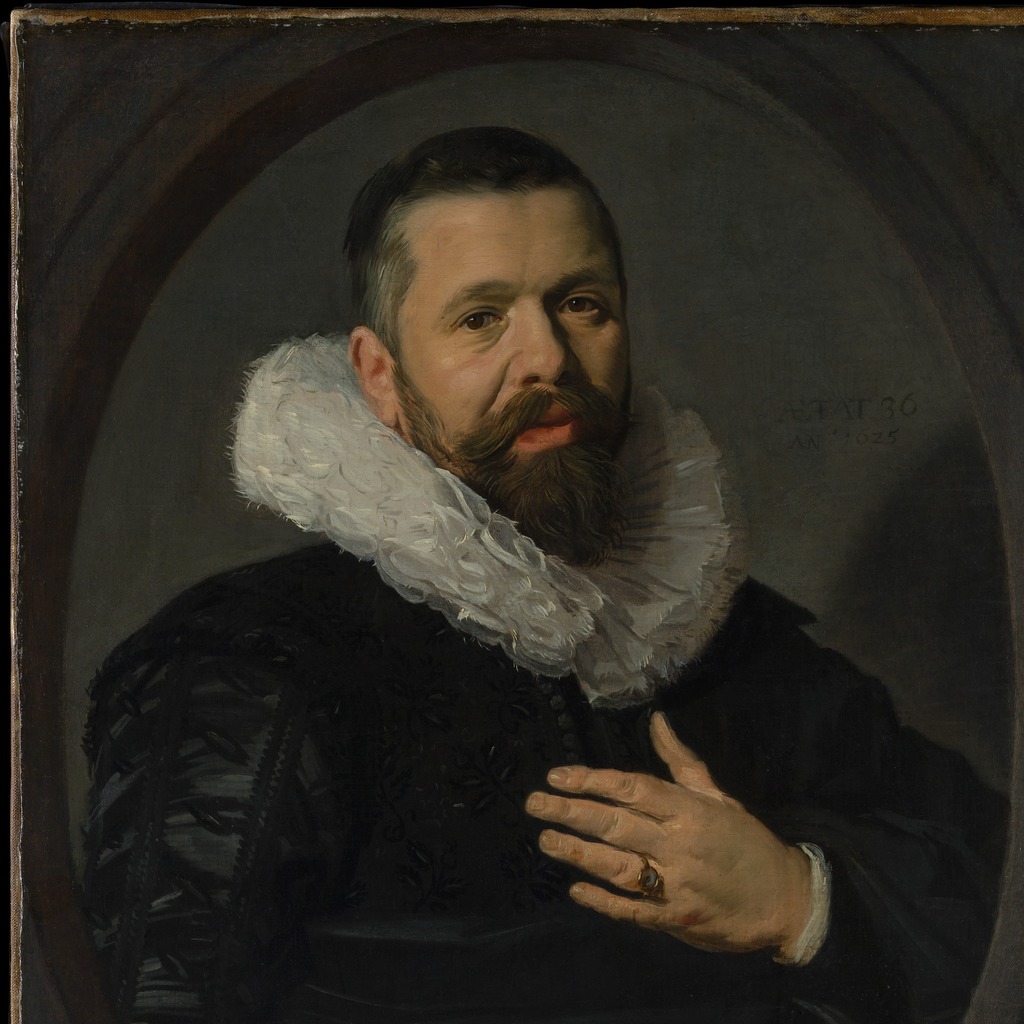 Bearded Man with a Ruff
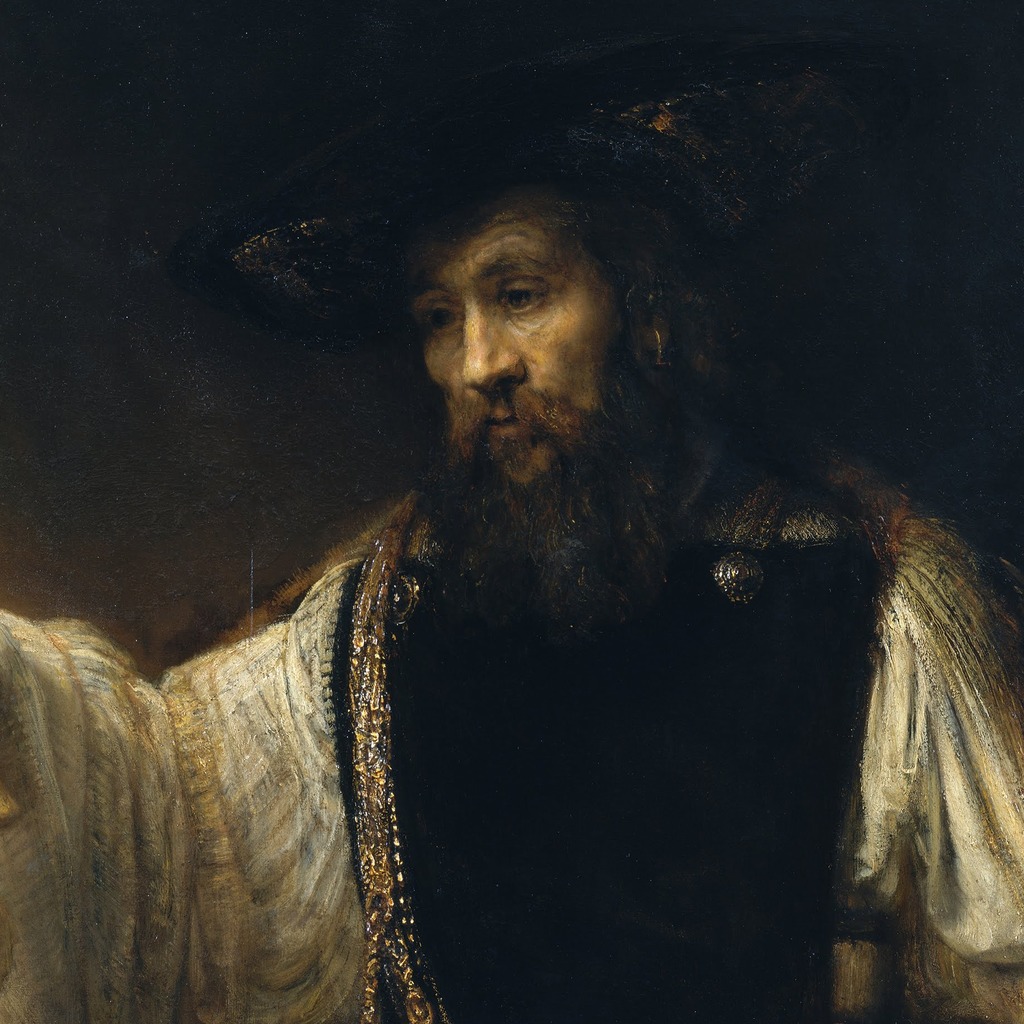 Aristotle with a Bust of Homer
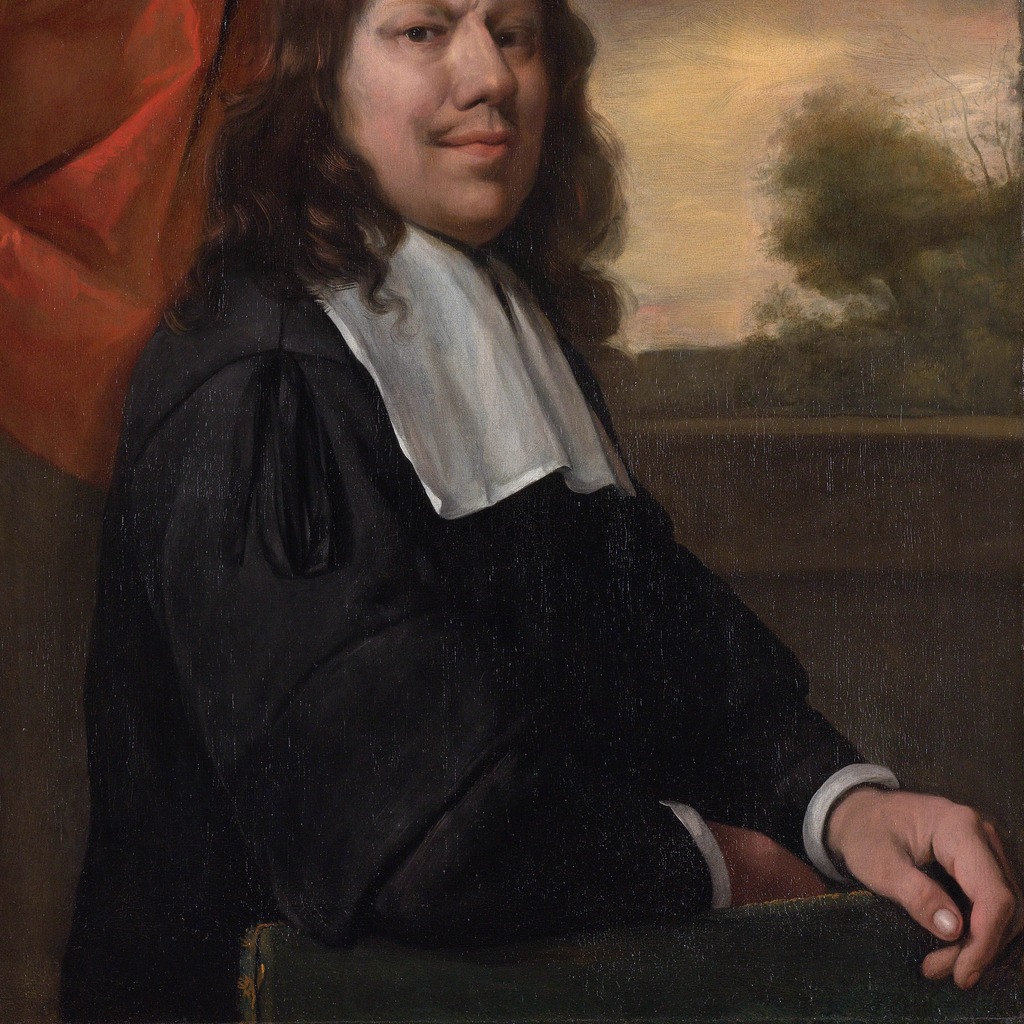 Jan Steen
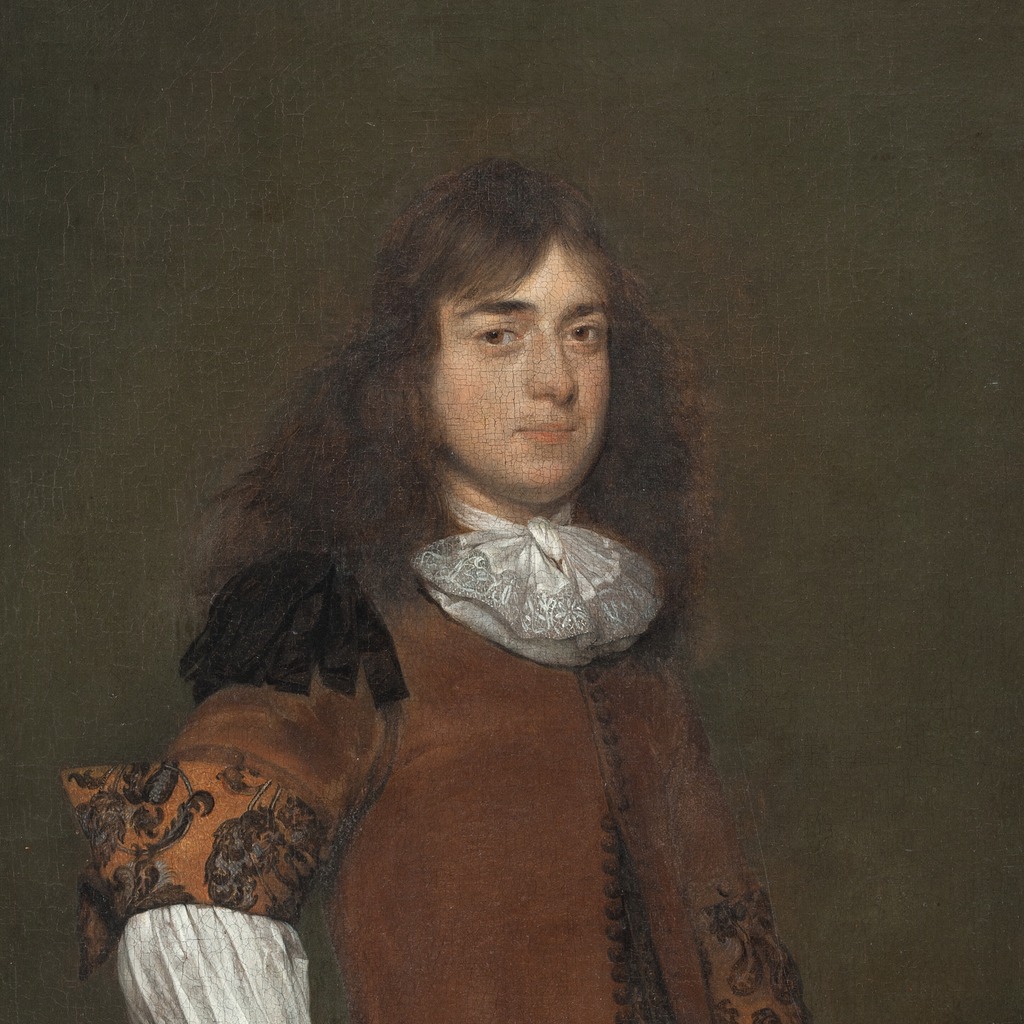 Ter Borch: Portrait of a Man
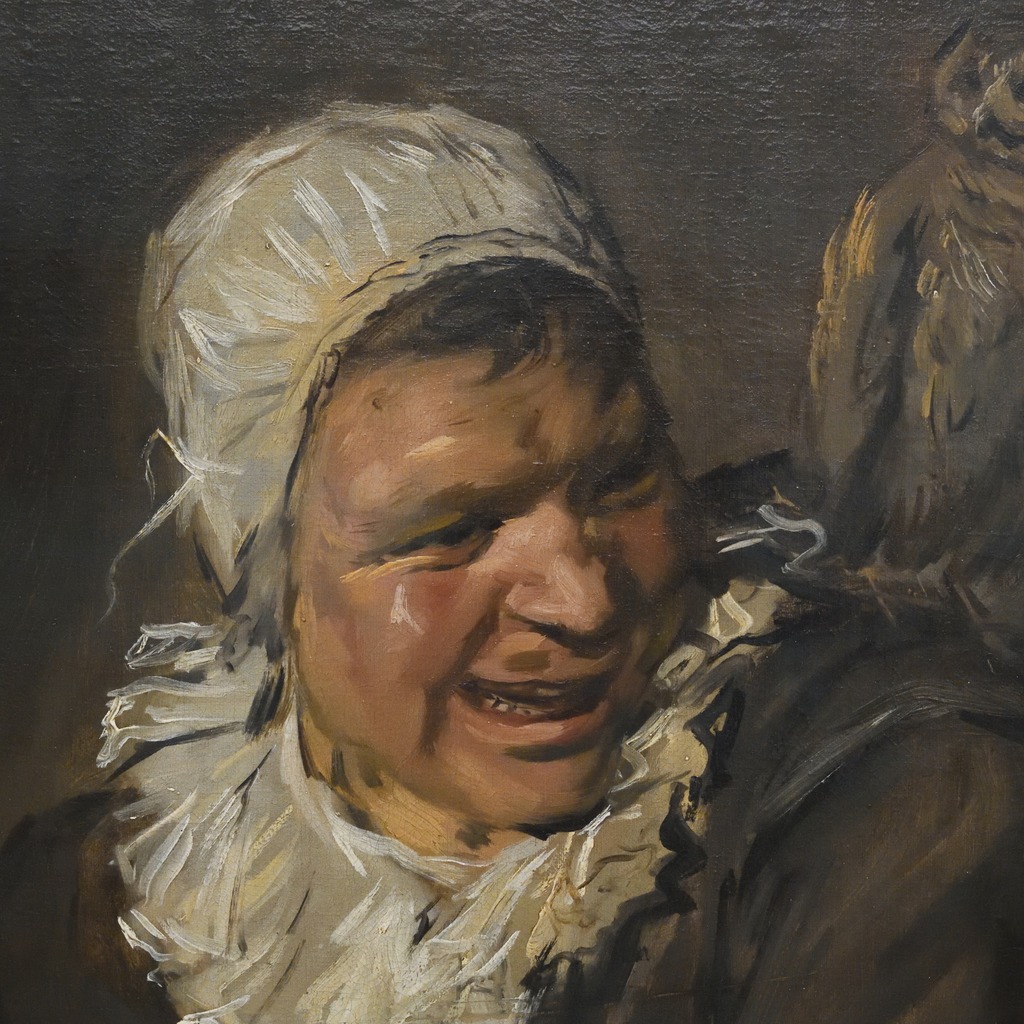 Malle Babbe
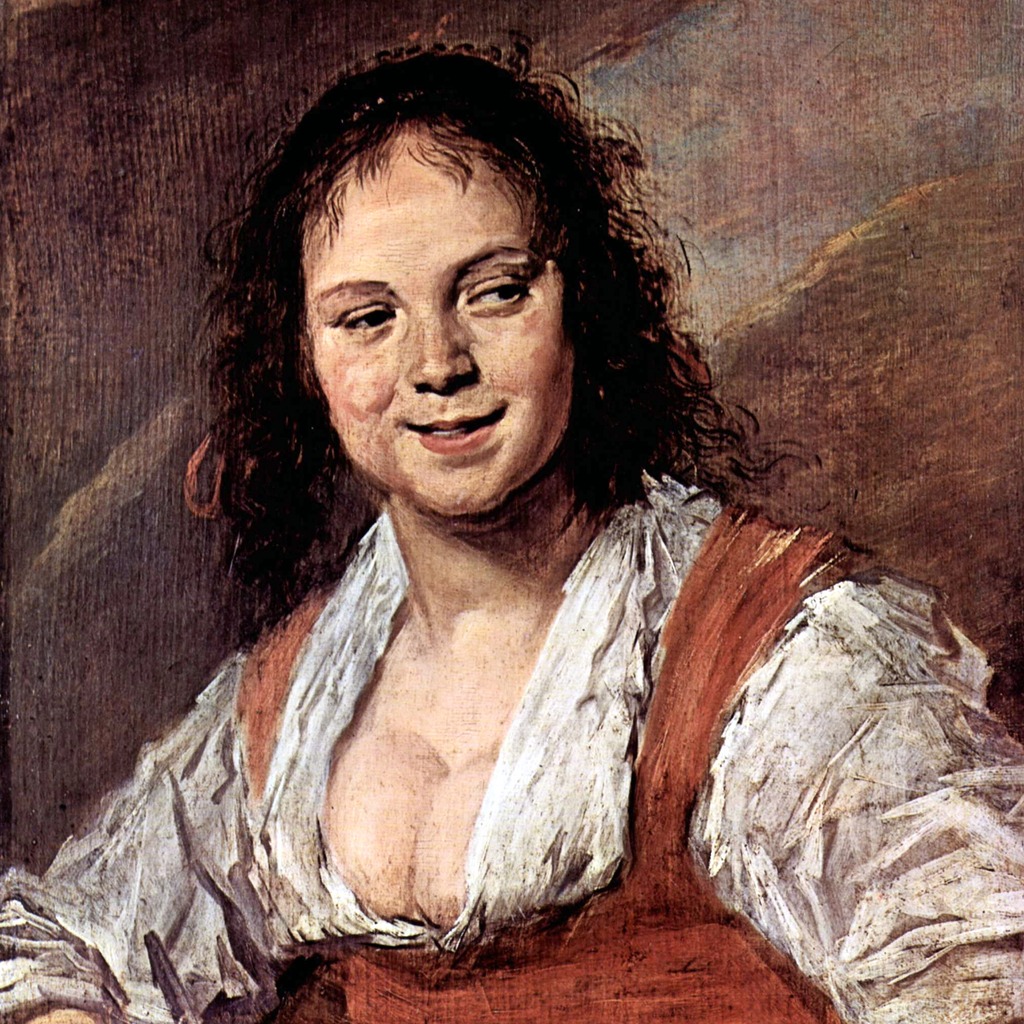 La Bohémienne
 Louis XIV
 Pope Innocent X
 Mona Lisa
 Van Gogh Self-Portrait
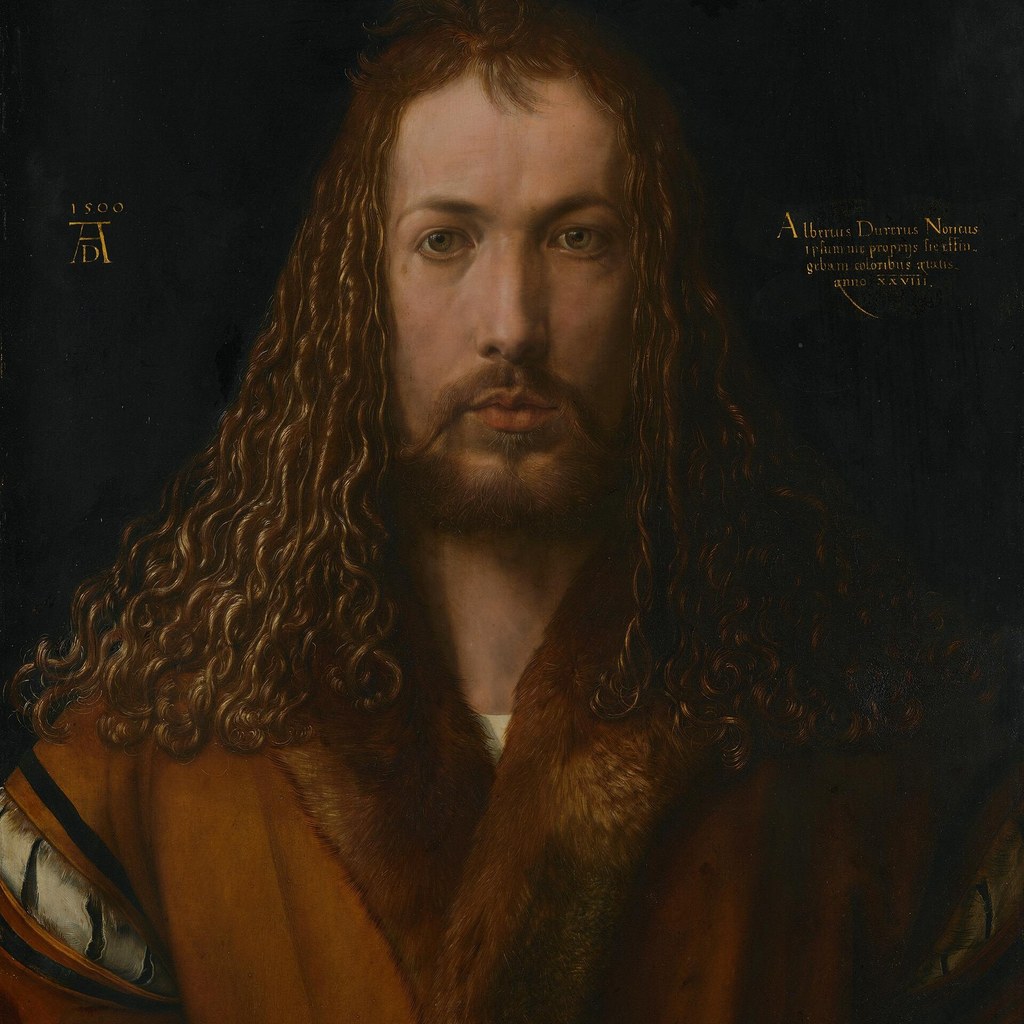 Dürer's Self-Portrait
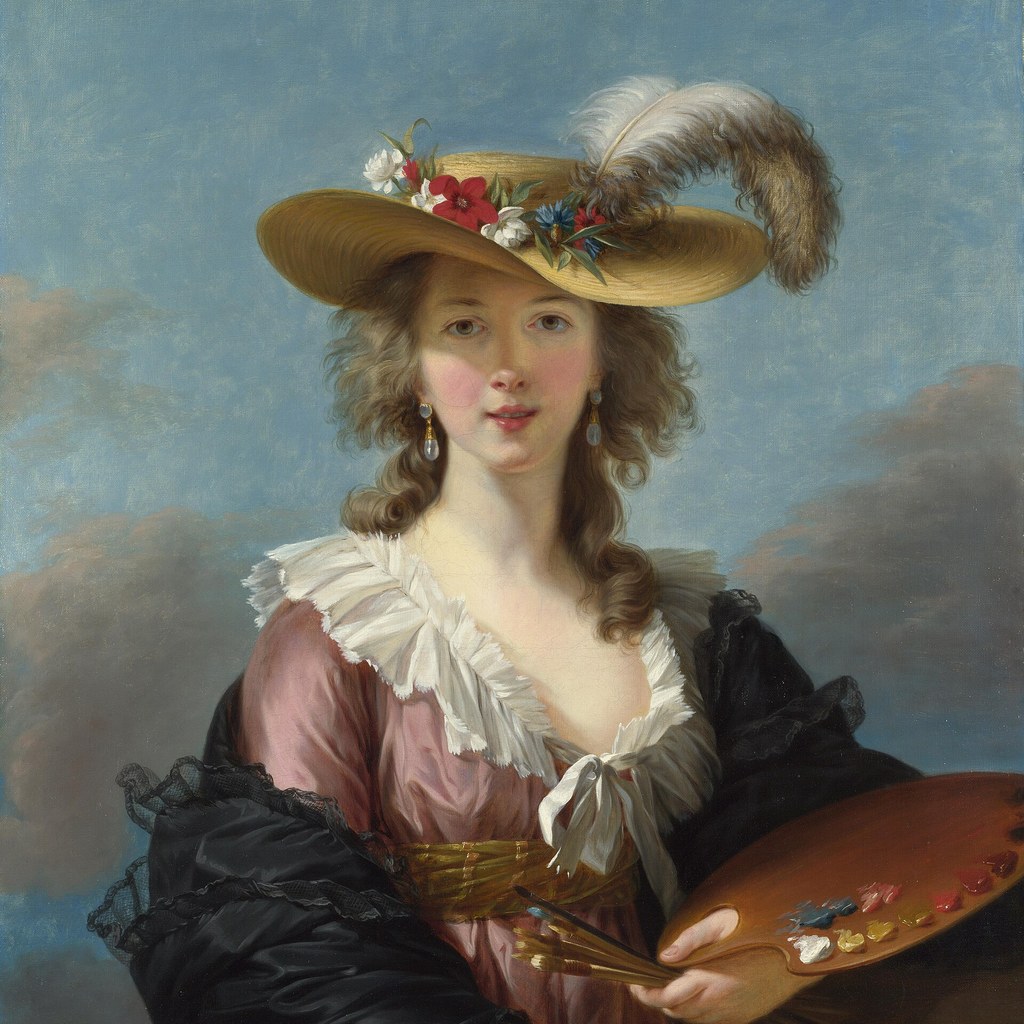 Self-Portrait in a Straw Hat
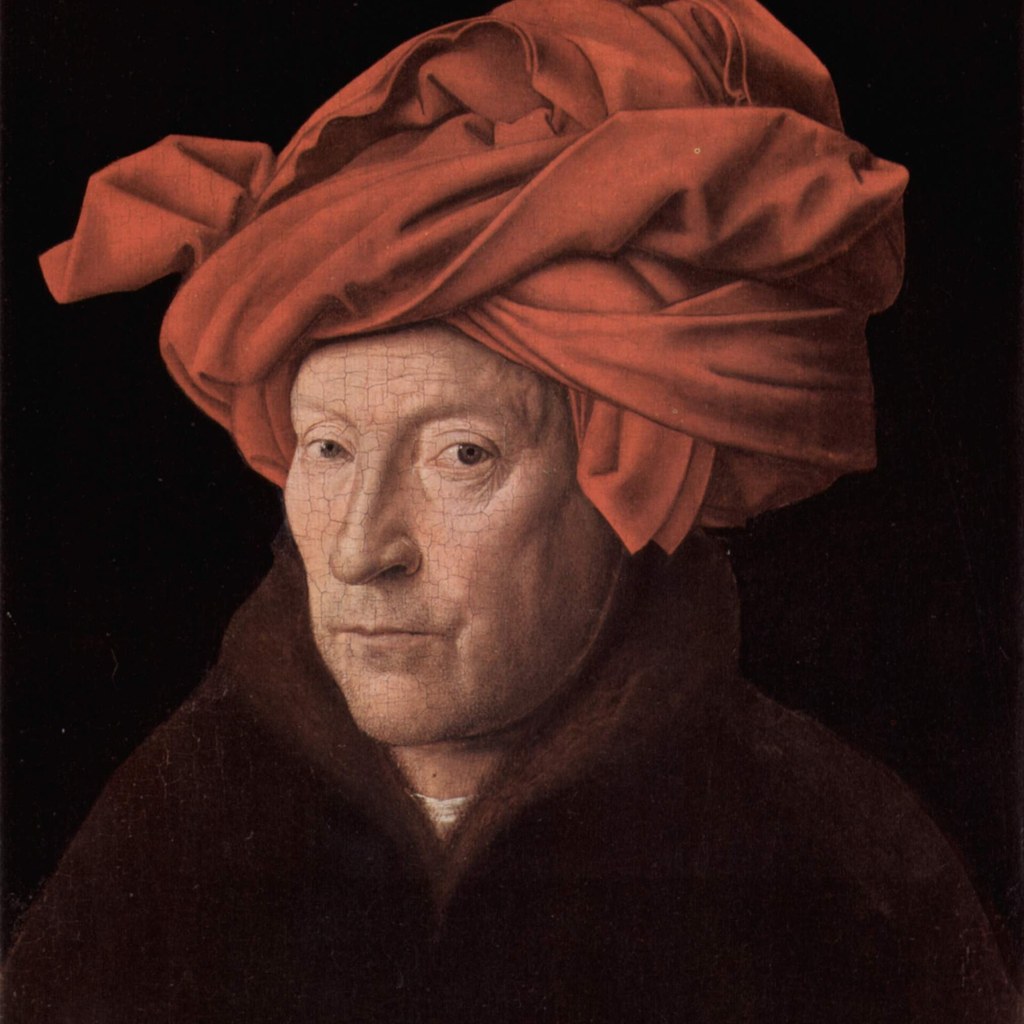 Man in a Red Turban
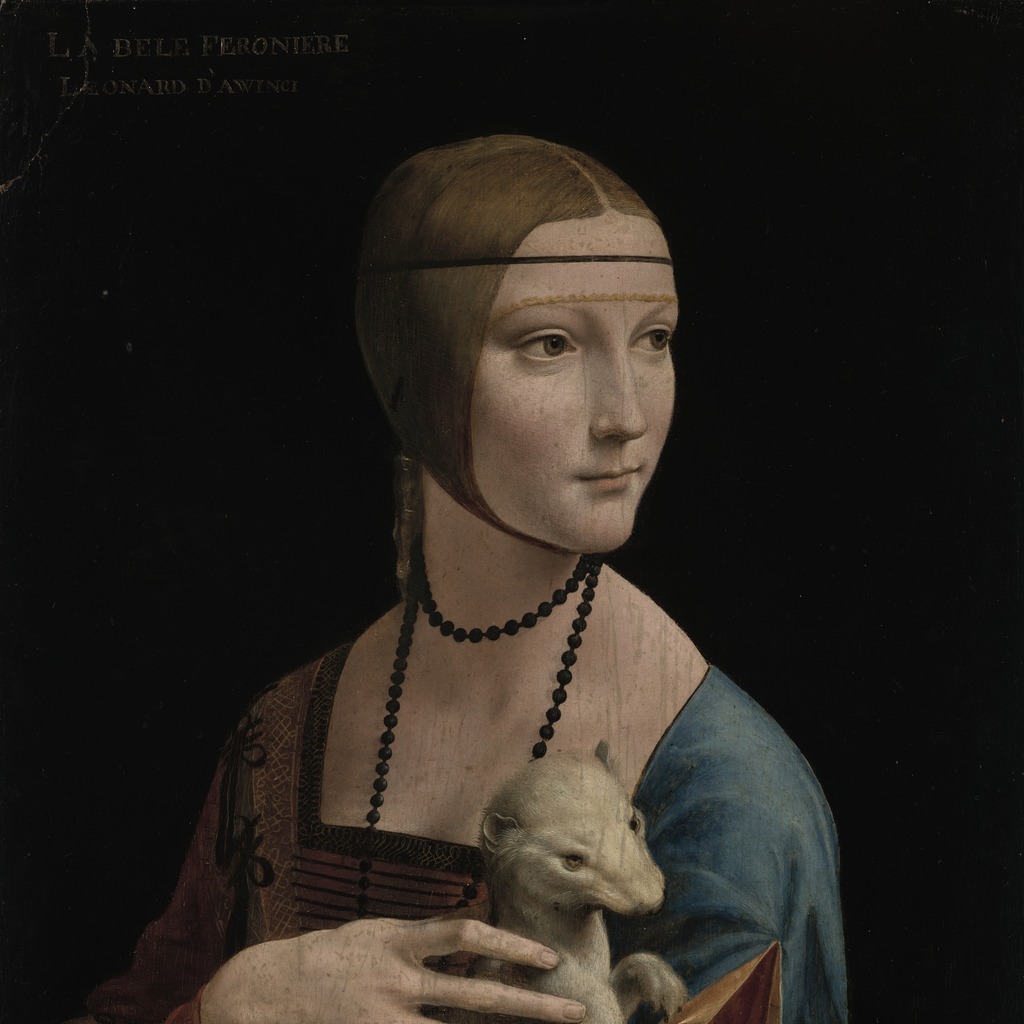 Lady with an Ermine
 Henry VIII
 The Blue Boy
Questions
What is all the embroidery for?
Every motif on the sleeve is about love and luck — bees, arrows, flaming horns of plenty, lovers' knots, winged staffs. The usual reading is that the portrait was painted around the sitter's betrothal, which would also explain why a twenty-six-year-old commissioned anything this expensive.
Do I keep my own moustache?
Yes. Facial hair comes through with your face, so the painting hands you the hat, the collar and the embroidery and leaves the upper lip entirely to you.
Who was he?
Nobody knows. The inscription gives his age and the year and stops there, and no document has ever been tied to the face — unusual, because a man who could pay Hals this much was normally somebody a Dutch city kept records about.
Is it free?
Yes. There is a limit on how many you can make in a day, and sharing one earns the allowance back.
Do you keep my photo?
No. Your selfie is used to make the image and then dropped — it is never written to disk. The finished meme is stored, because it has a link people can open, and it is deleted after 90 days.
Can I use someone else’s face?
Please do not. Use your own. Putting a real person into a picture they did not agree to is exactly the thing this is not for.
Can I post the result?
Yes, anywhere you like. The paintings are public domain; what you make with your own face is yours.