

Making your meme…
Frans Hals · c. 1628–1630
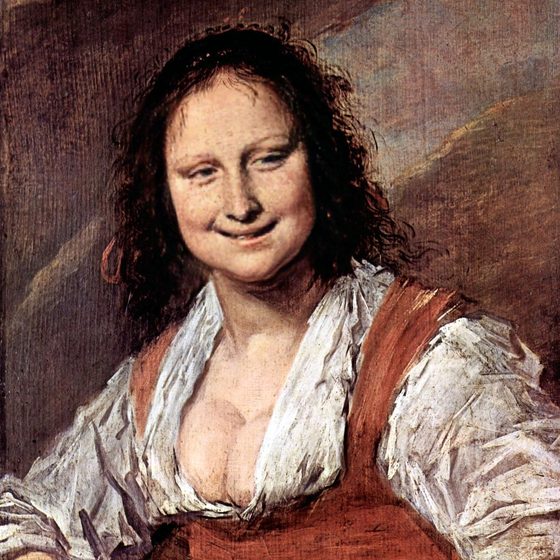
La Bohémienne face swap
Not a portrait, not a gypsy, and not the title Hals gave it either.
or
Under 15 seconds · no sign-up · your selfie is never stored
Or become a patron and stop counting. Already a patron? Sign in.
How it works
-
Take a photo
Front camera, decent light, look straight ahead. Or pick one you already have.
-
We paint you in
Your face goes into the painting, keeping its light and its brushwork. About fifteen seconds.
-
Share the link
You get a page anyone can open. No account, nothing to install.
Where this one comes from
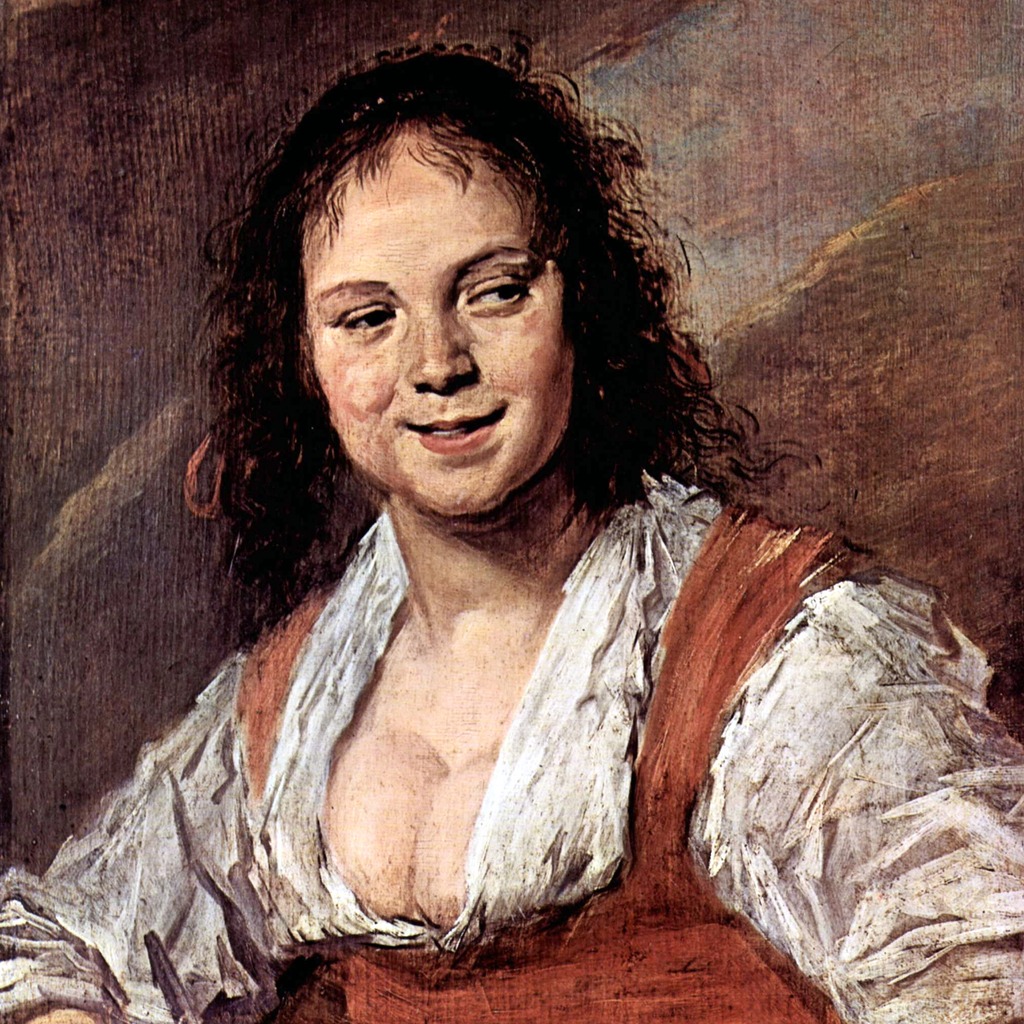
Frans Hals painted this in Haarlem around 1630, and almost everything the picture is called is a later invention. The name arrived in the nineteenth century, when French collectors who liked the look of her decided she was a gypsy. There is no evidence of that and no evidence of a sitter at all: it is a head painted for the open market, which is what the Dutch called a tronie. It is in the Louvre.
What is in the picture
She leans back laughing, chin up, in a loose white chemise open at the neck, against a sky-and-cloud ground that is barely there. Curly dark hair spills out on both sides. The brushwork is Hals at speed — whole areas built from single loaded strokes that never get gone over — and the eyes, which are the one carefully finished thing in the picture, are looking off to her right at whoever just spoke.
When people use it
For good humour with an edge on it. It suits somebody enjoying a situation more than they should be, and it fits a slightly unwise decision that has already been taken.
How your face lands in it
A laughing, tilted head turned three-quarters away and lit from the front, with the hair well clear of the face. The expression belongs to the painting, so a cheerful photograph will sit far better than a neutral one. The loose surface is forgiving of a softer picture, which makes this a good choice if the only photograph you have is not a sharp one.
La Bohémienne (The Gypsy Girl) — Frans Hals, c. 1628–1630. Frans Hals died in 1666. The painting has been in the public domain for centuries and the photograph of a flat work that old carries no rights of its own. Source

Also in: Paintings · Baroque · Dutch Golden Age
More paintings
 Girl with a Pearl Earring
 The Laughing Cavalier
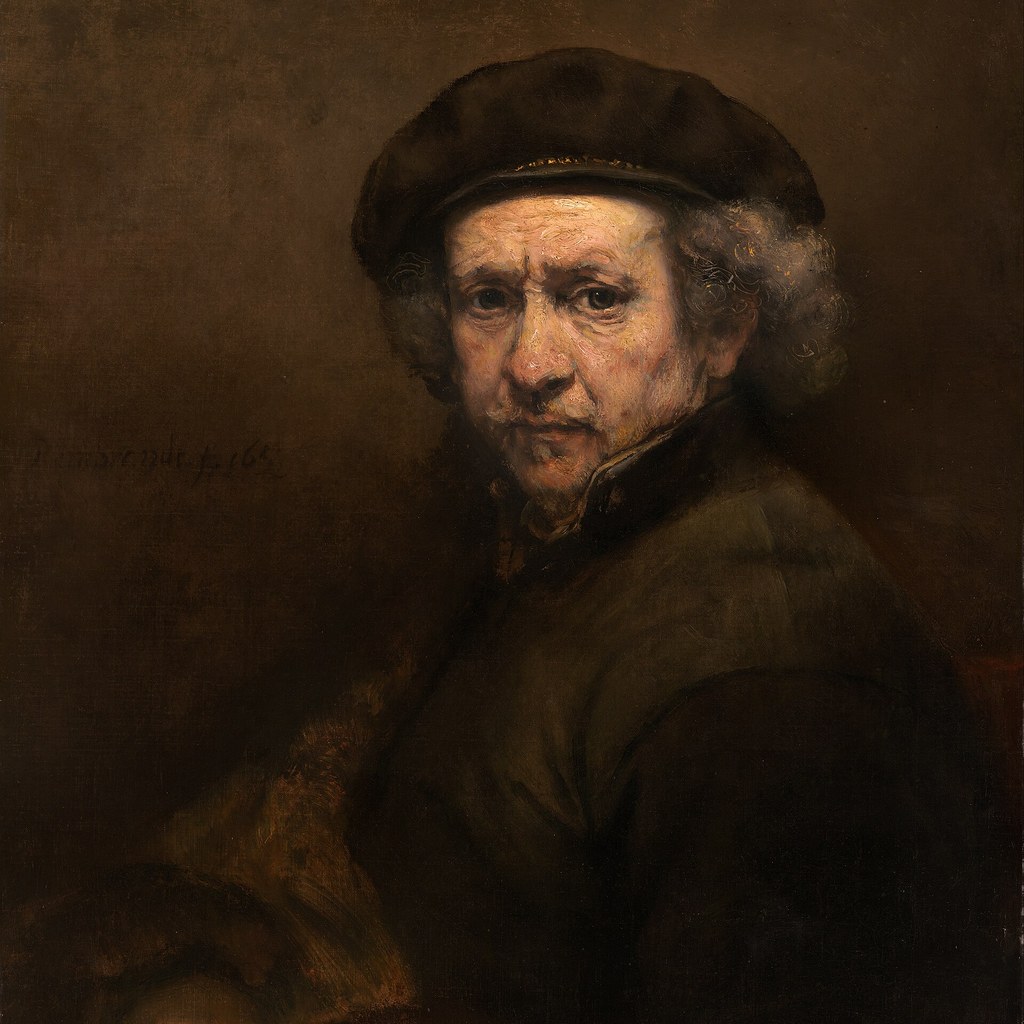 Rembrandt's Self-Portrait
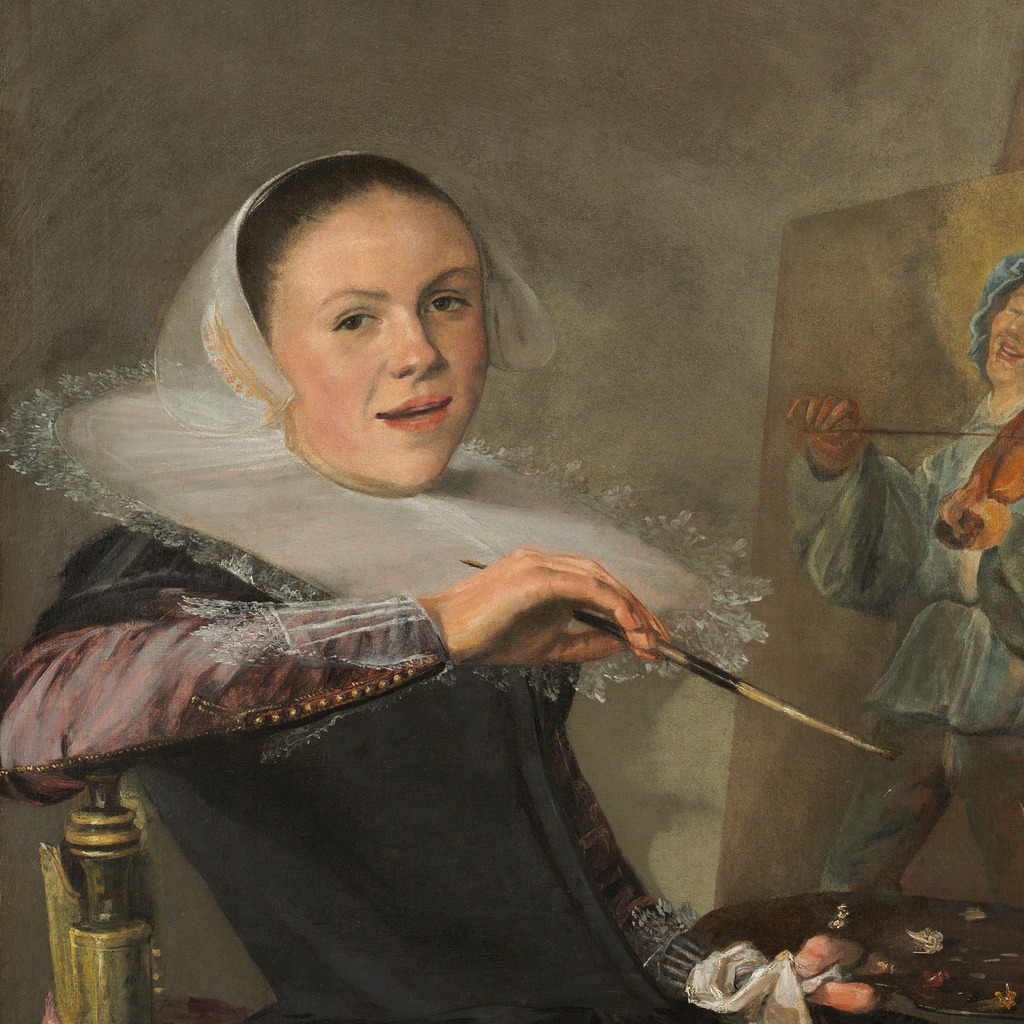 Judith Leyster
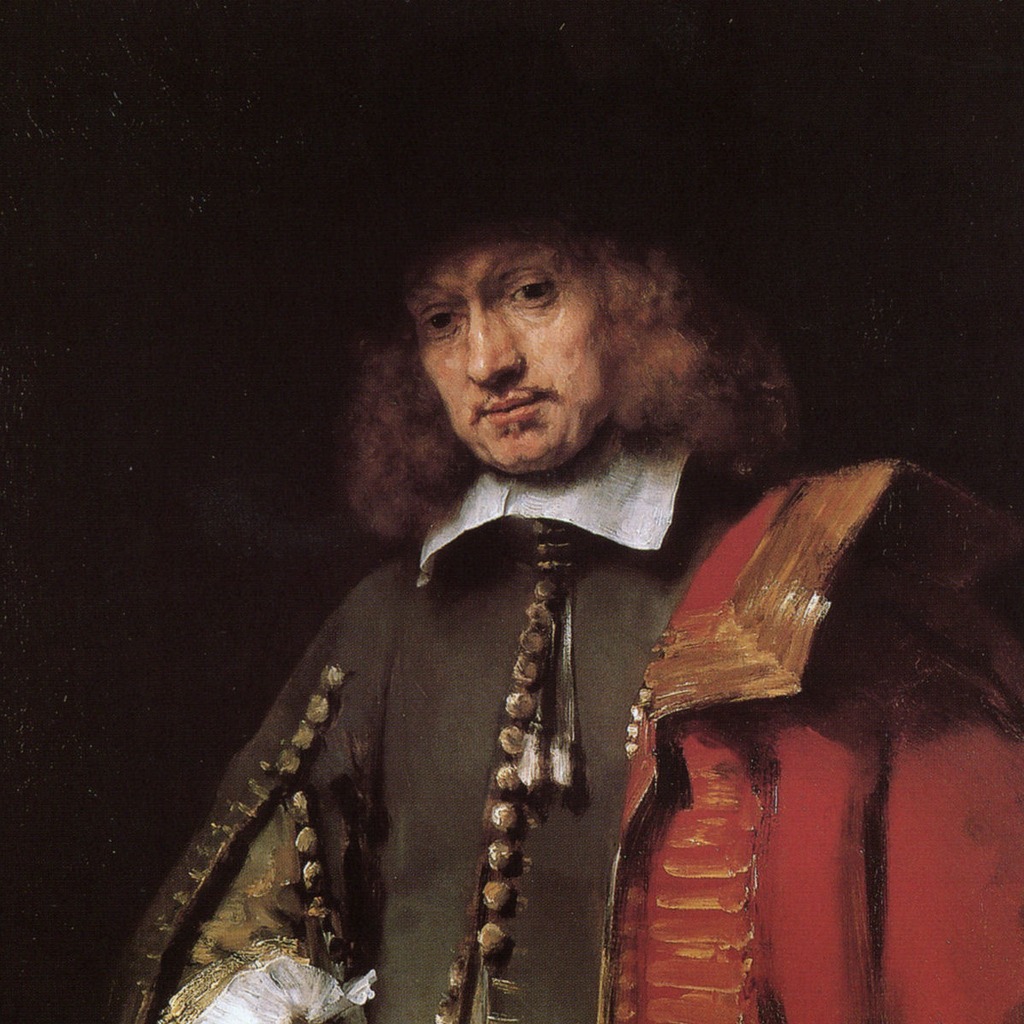 Jan Six
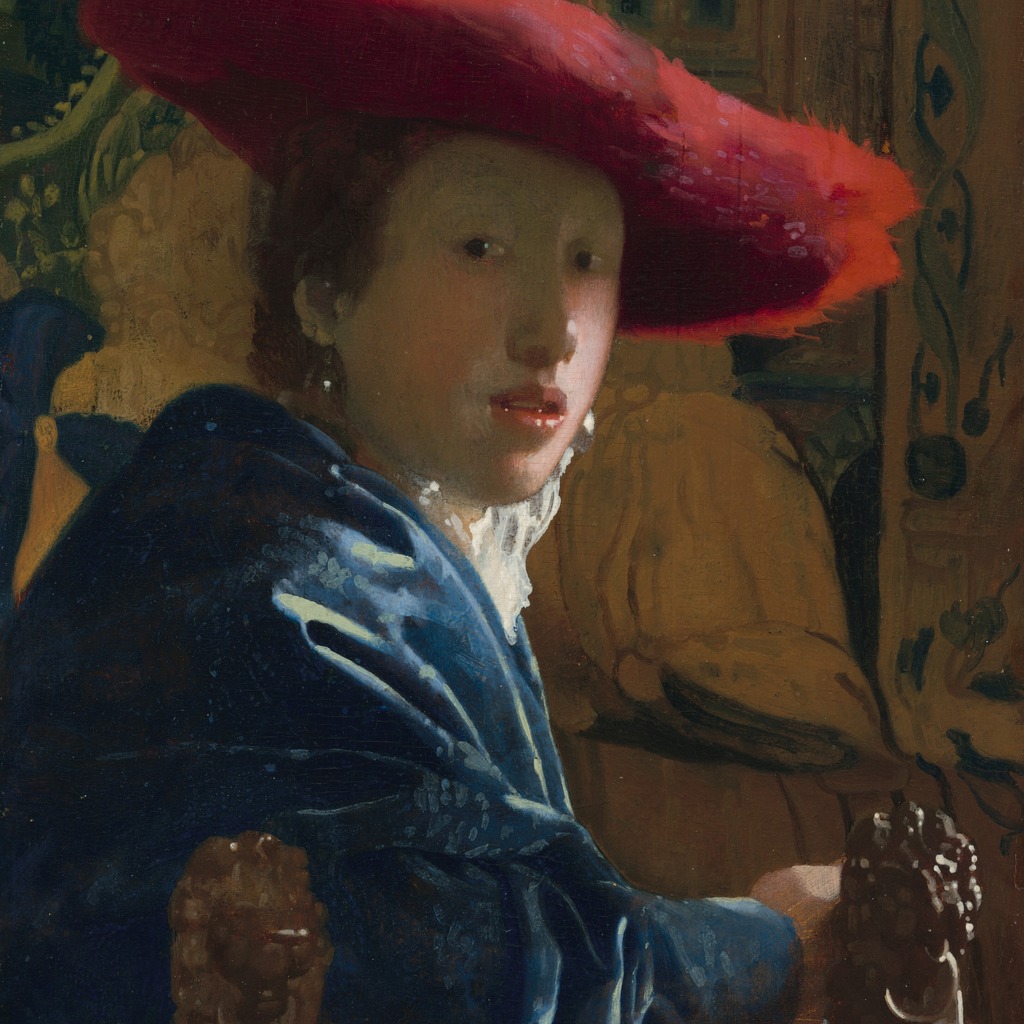 Girl with a Red Hat
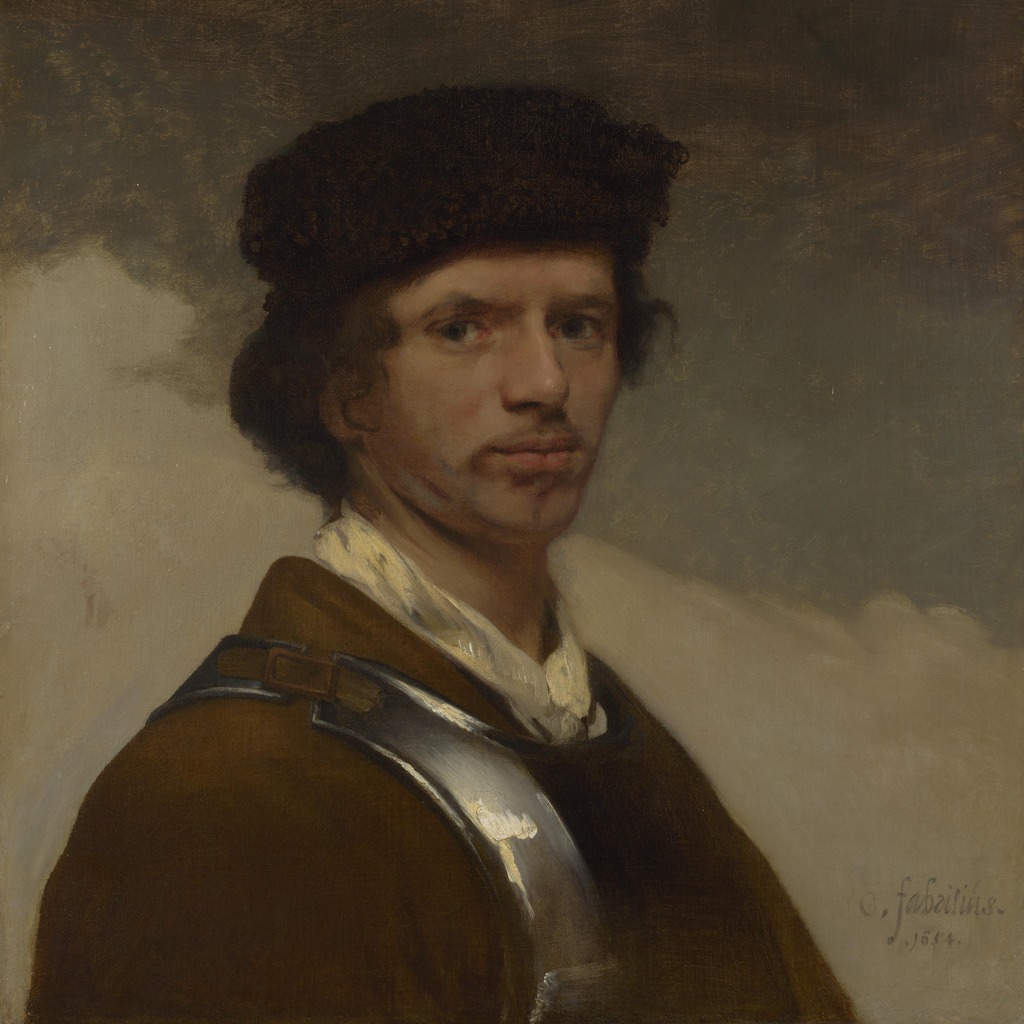 Carel Fabritius
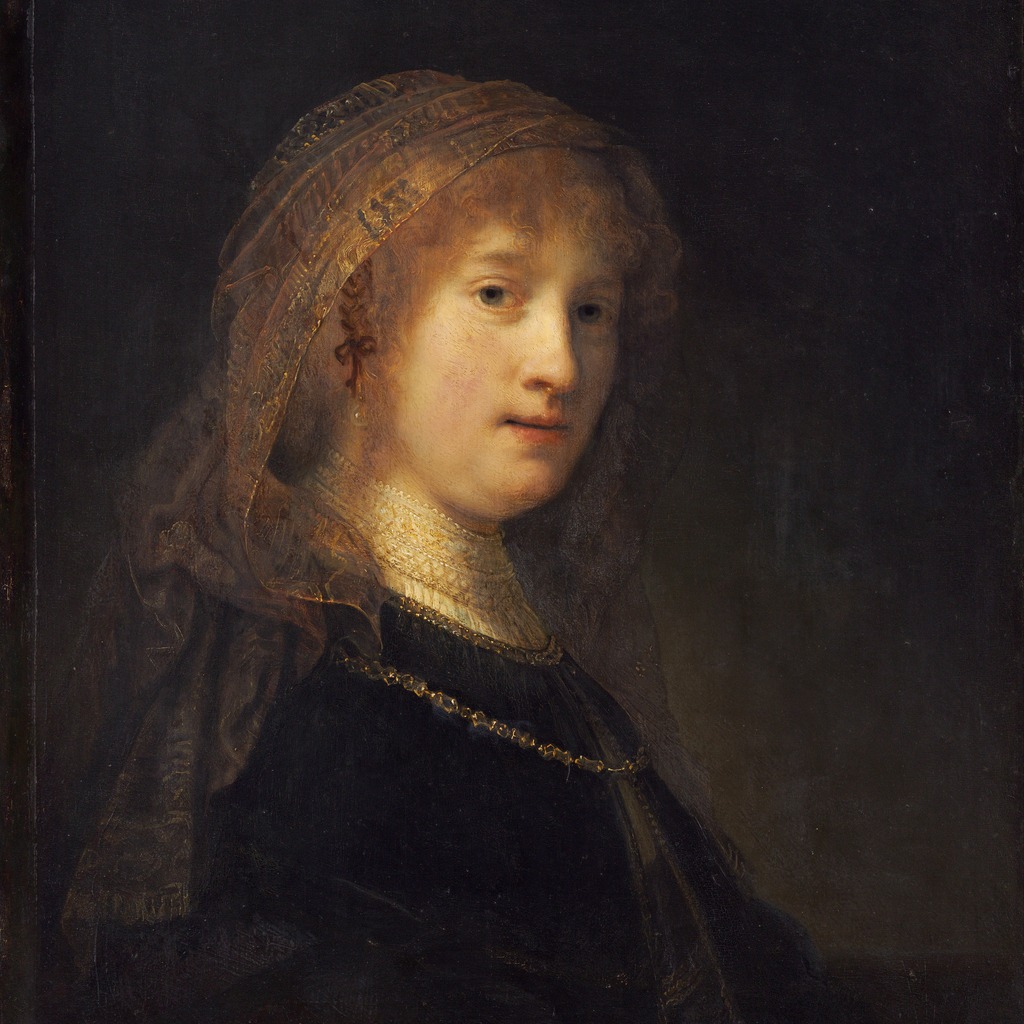 Saskia
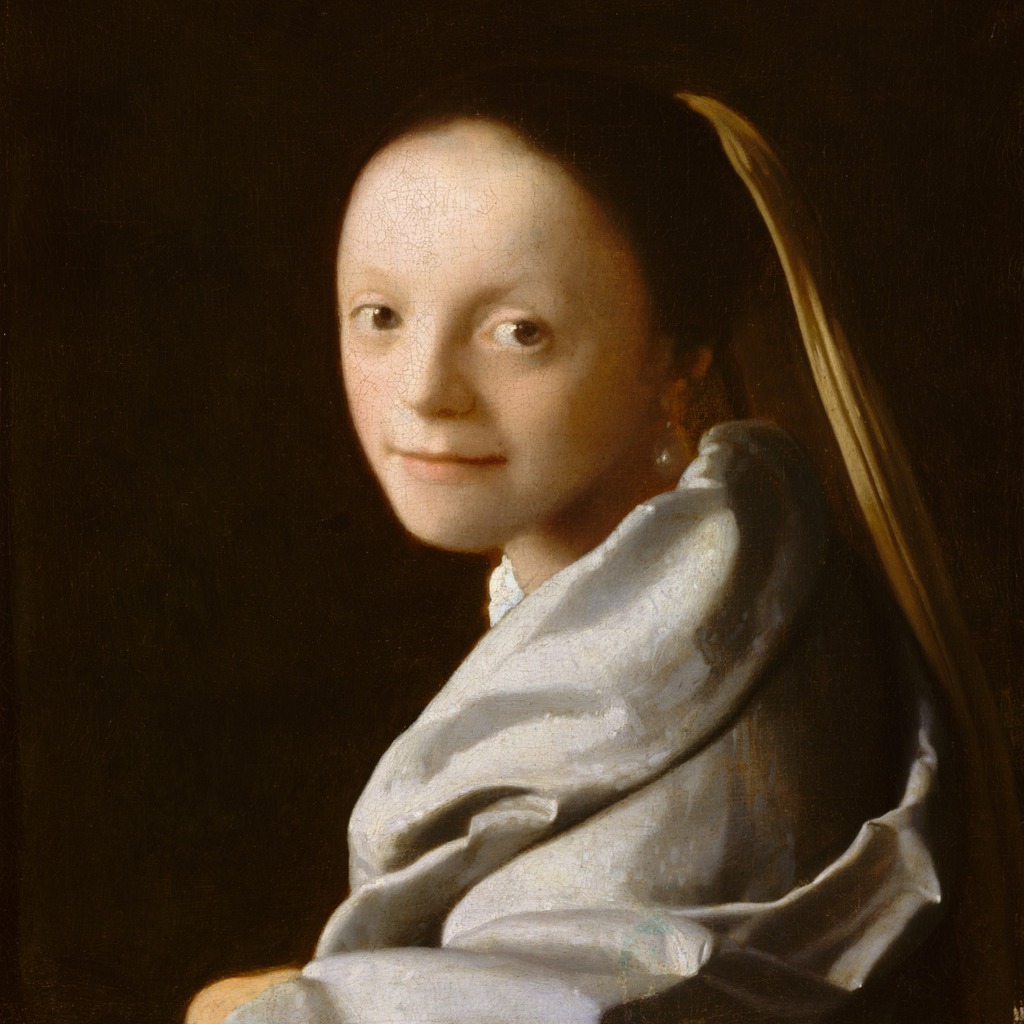 Portrait of a Young Woman
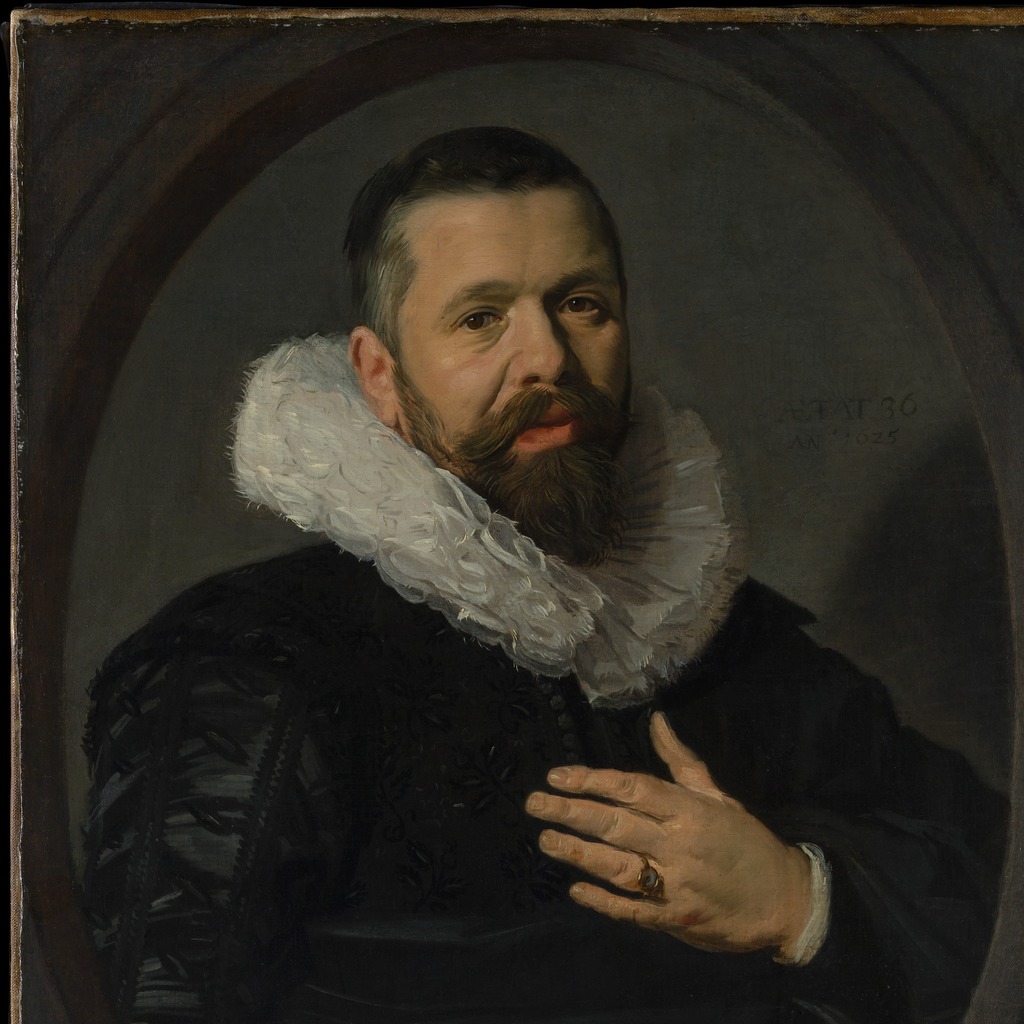 Bearded Man with a Ruff
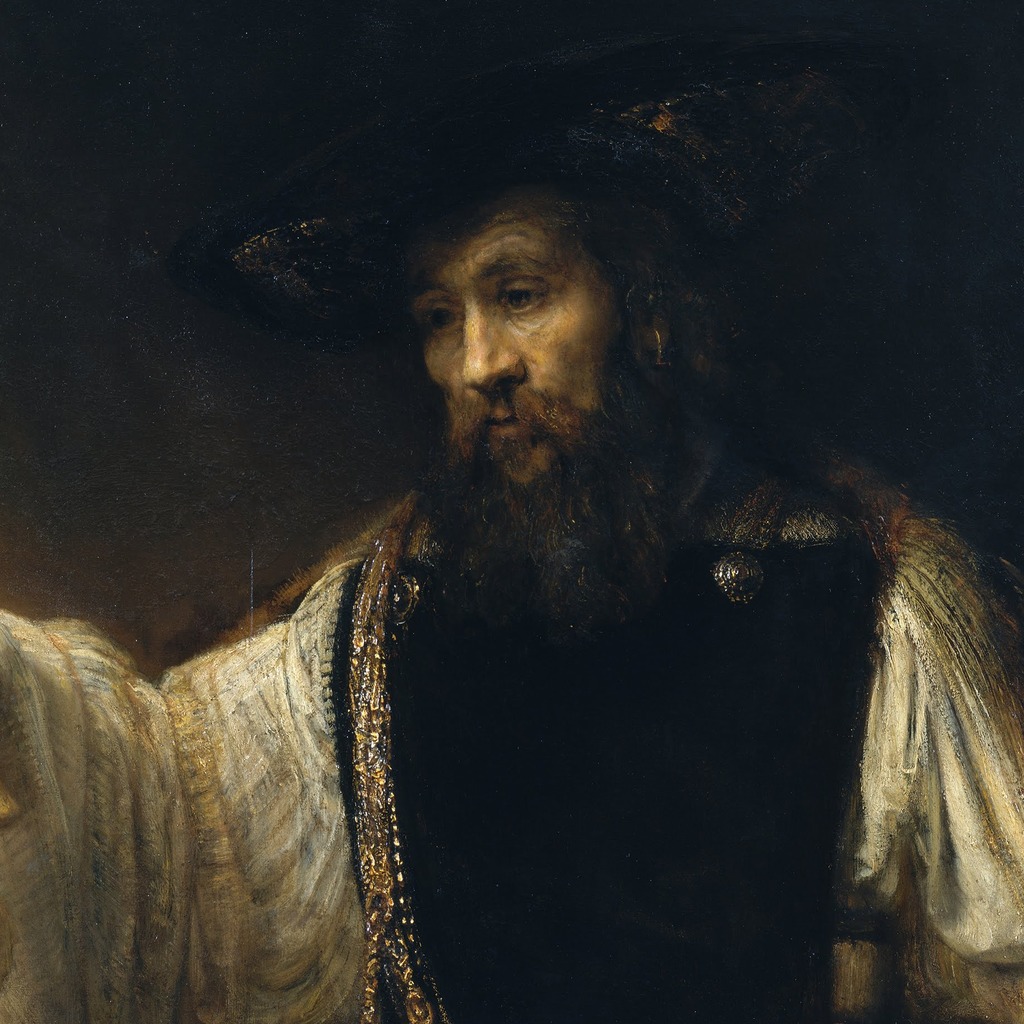 Aristotle with a Bust of Homer
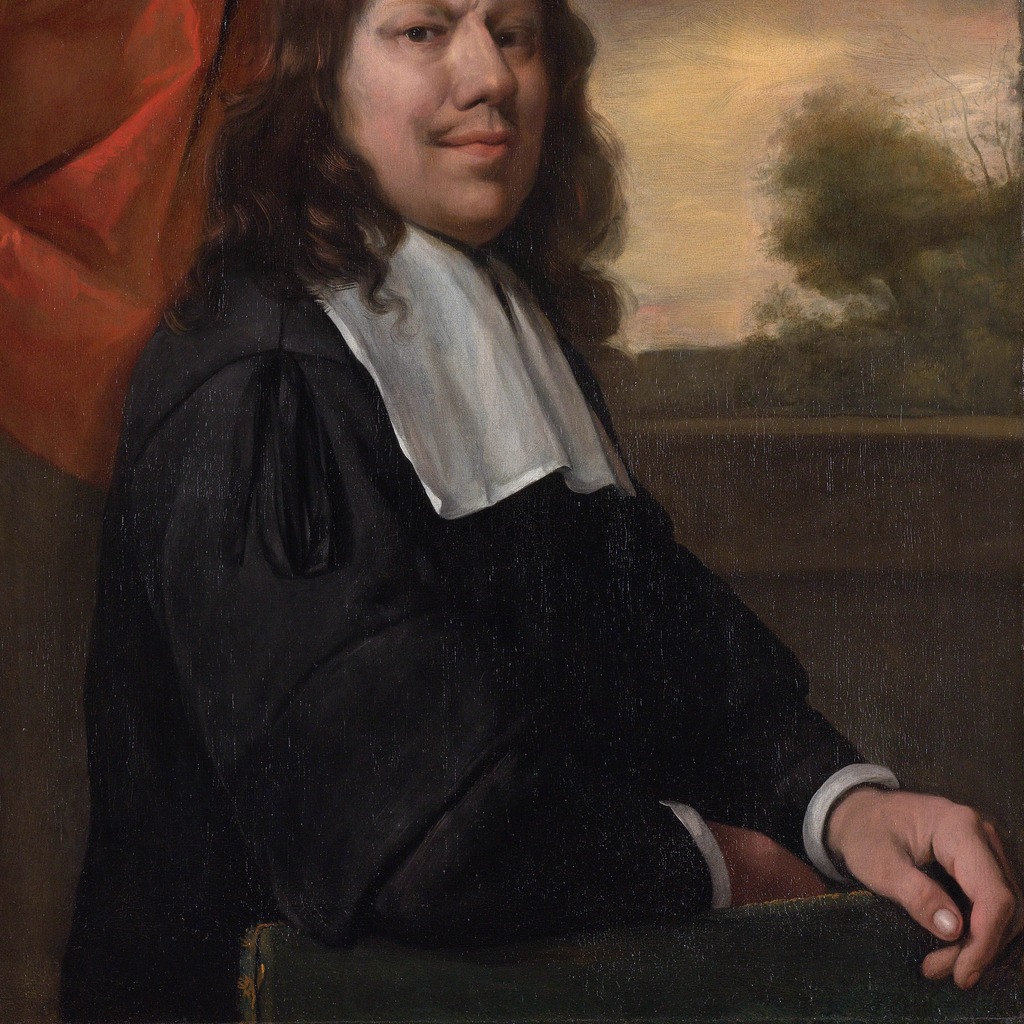 Jan Steen
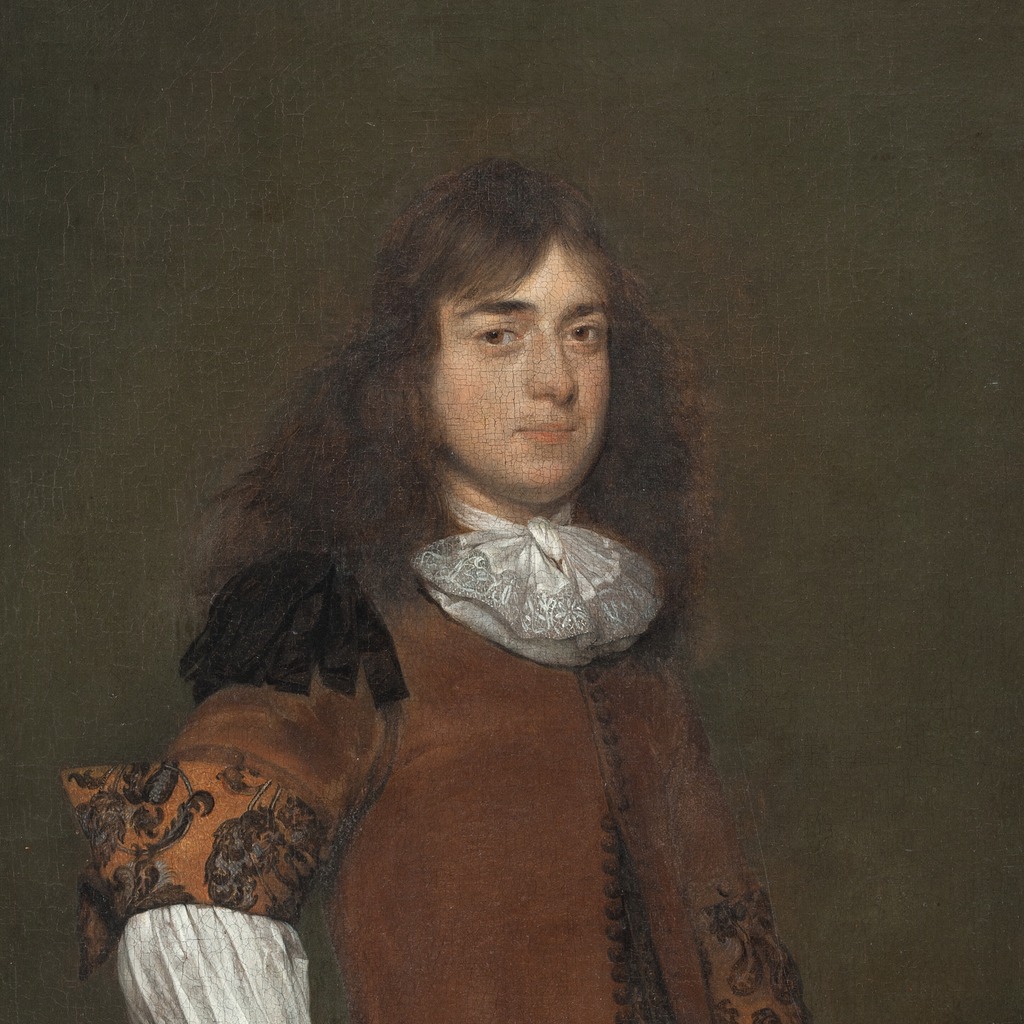 Ter Borch: Portrait of a Man
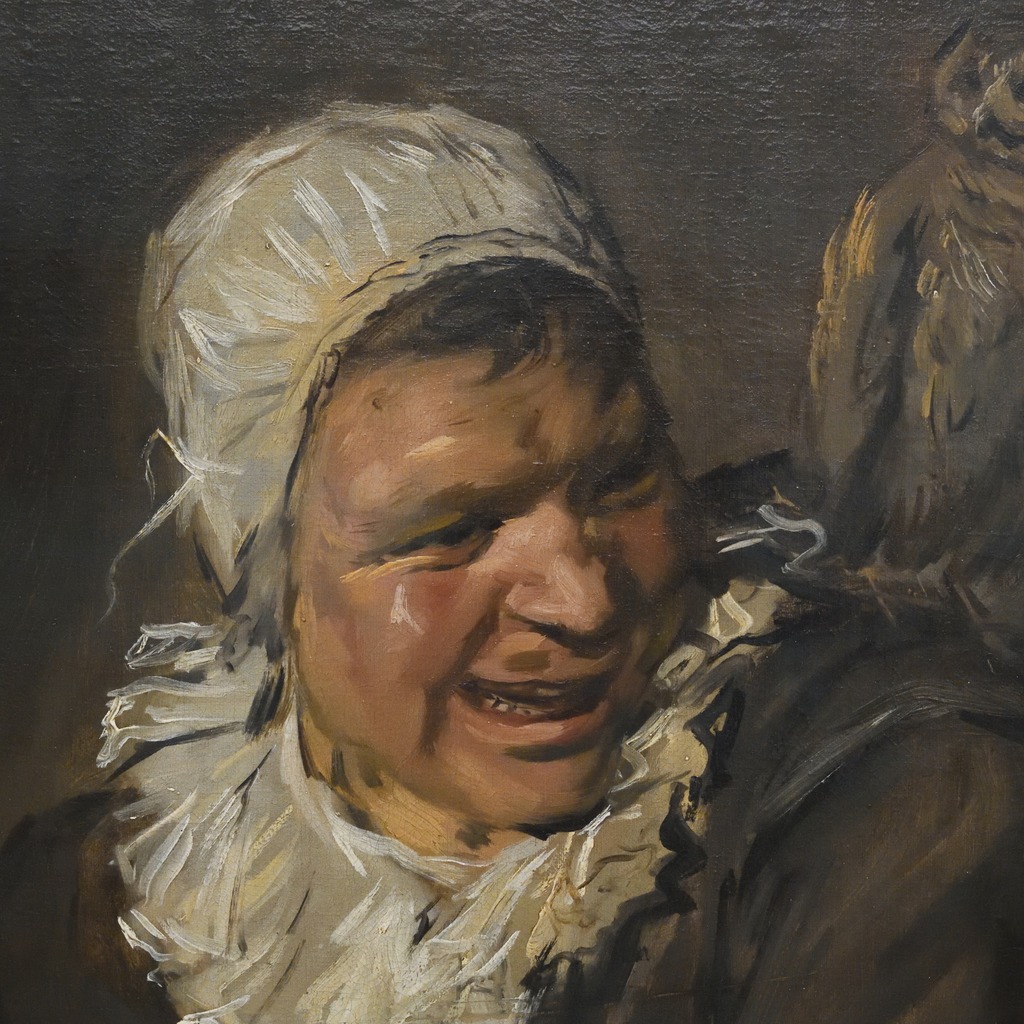 Malle Babbe
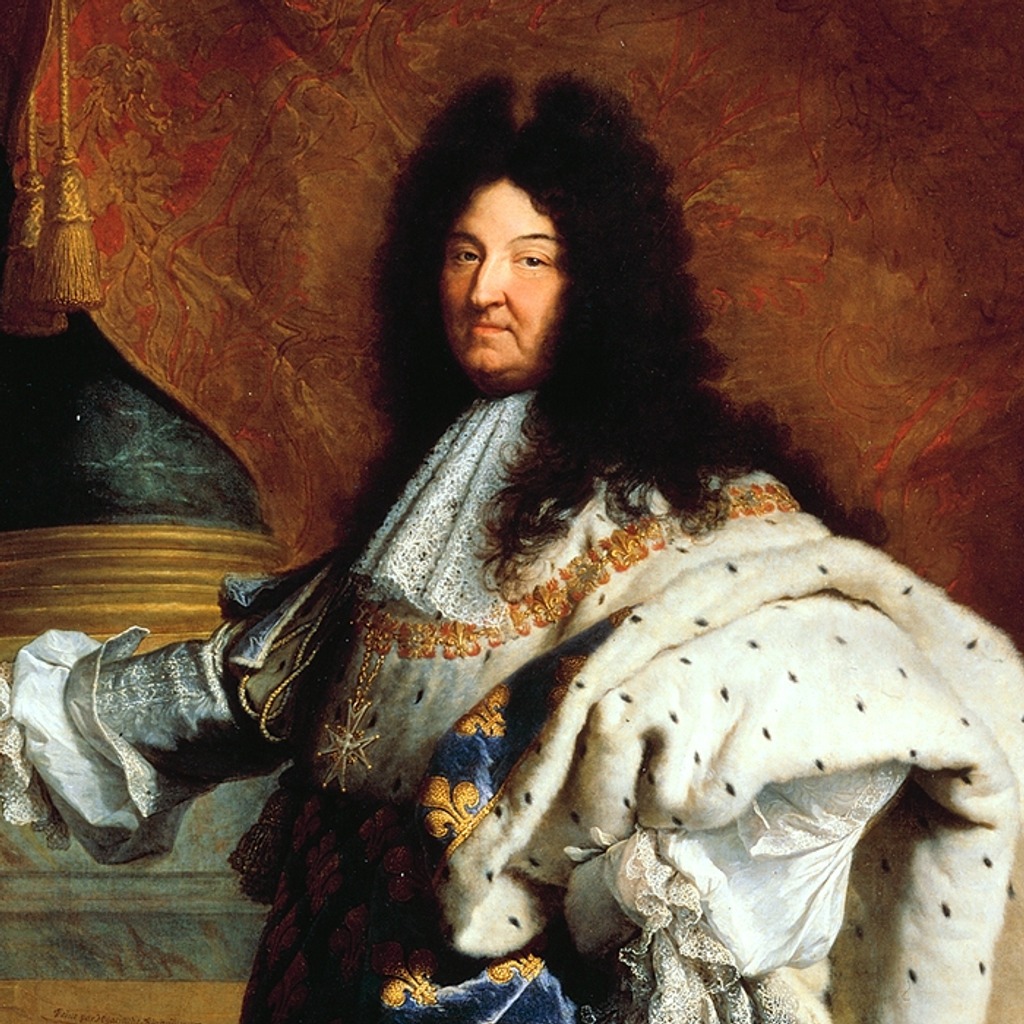 Louis XIV
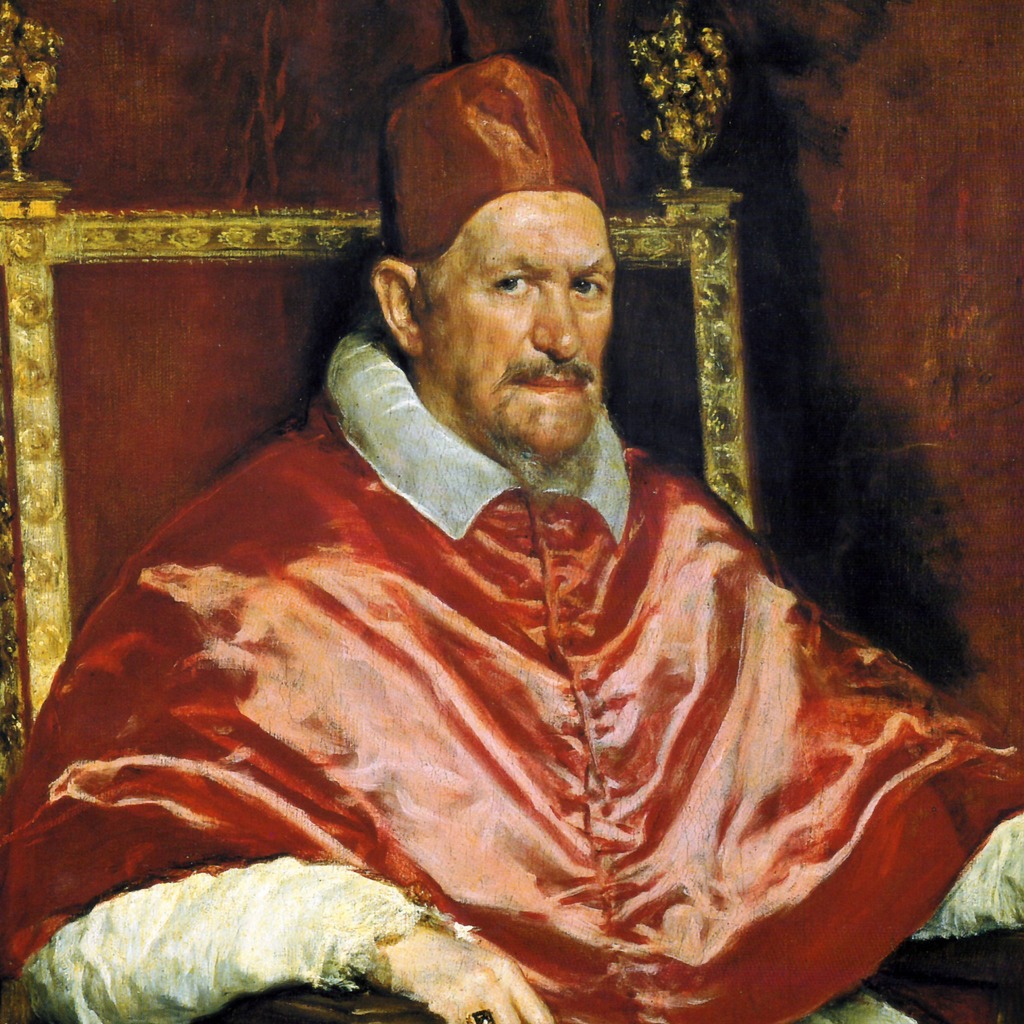 Pope Innocent X
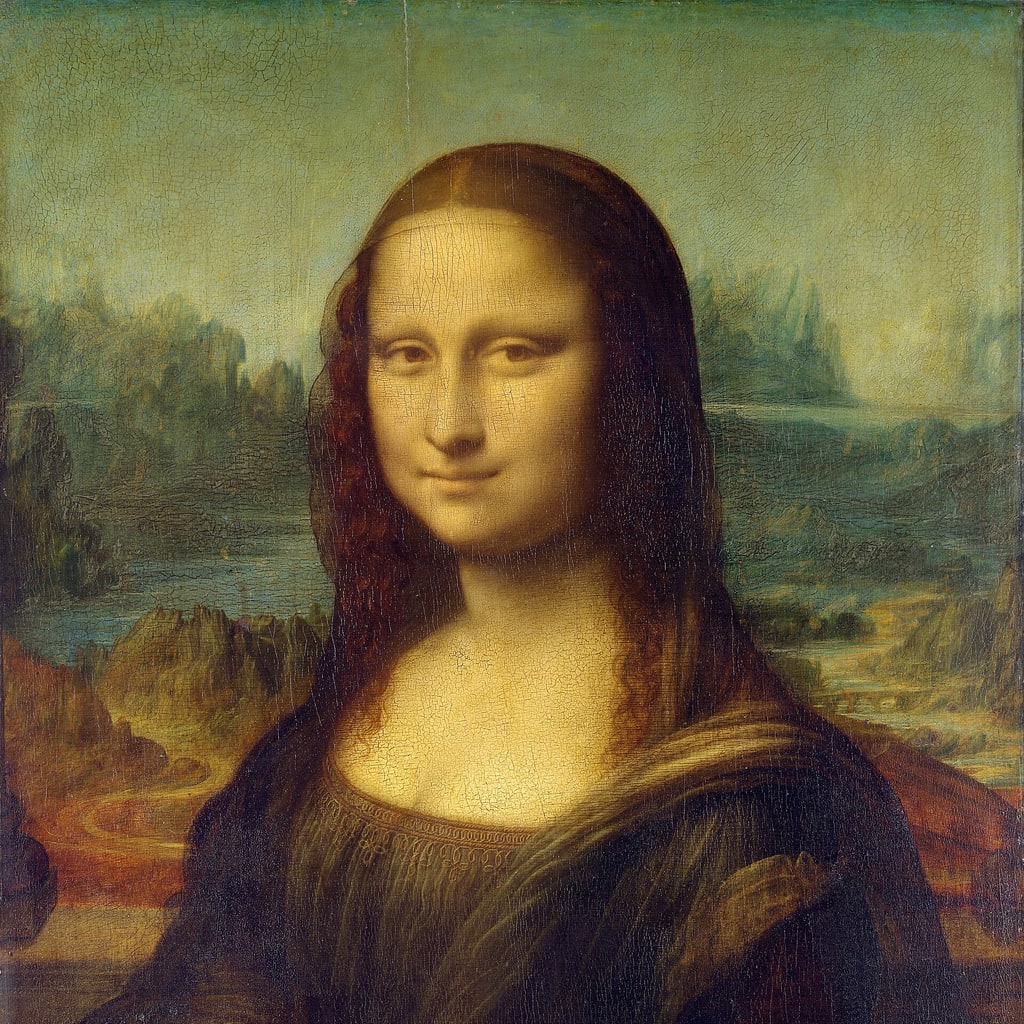 Mona Lisa
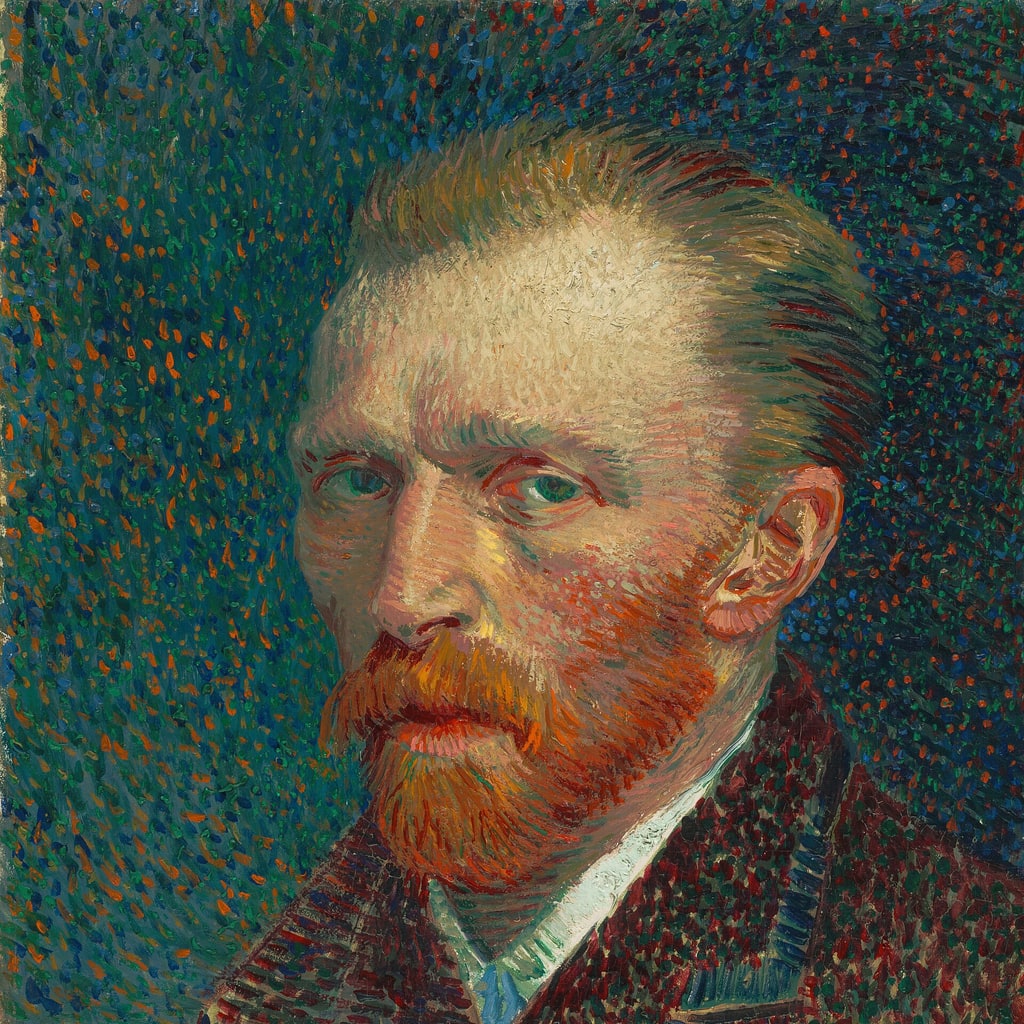 Van Gogh Self-Portrait
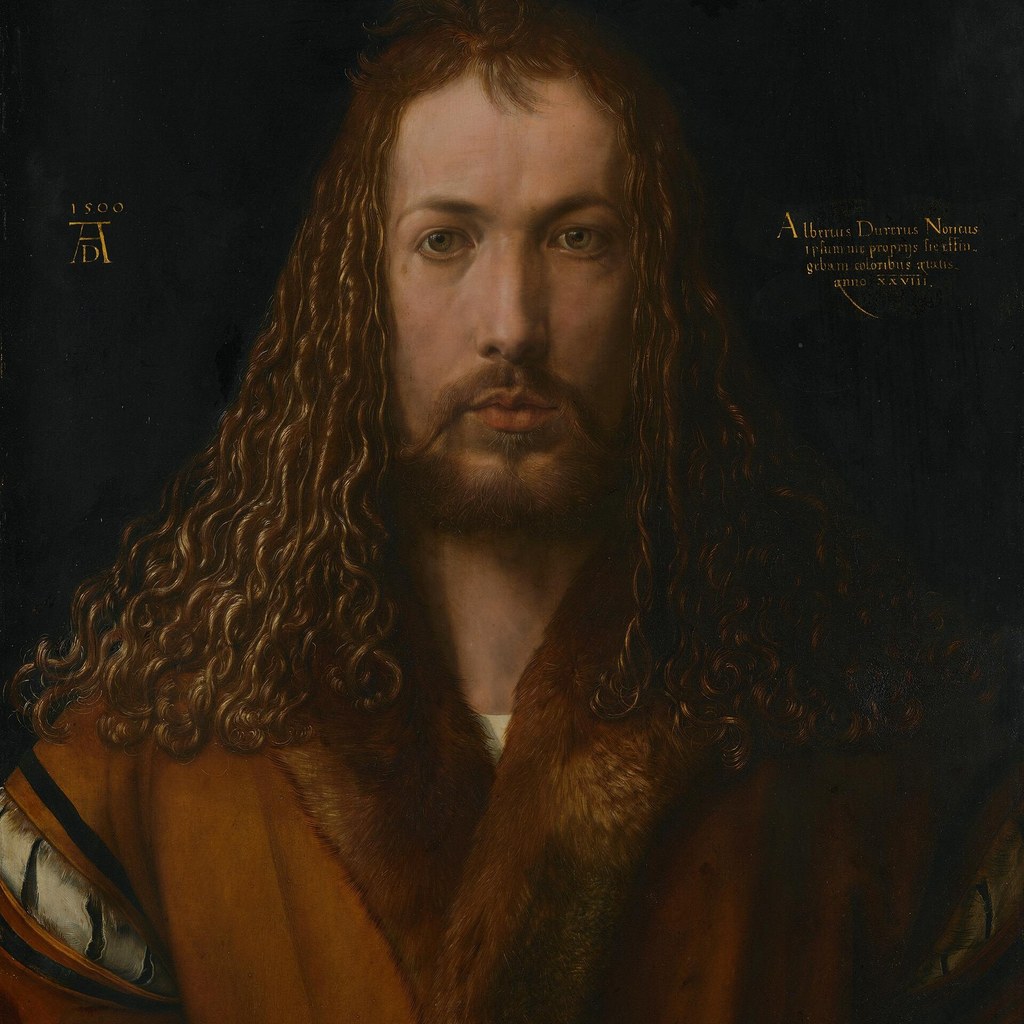 Dürer's Self-Portrait
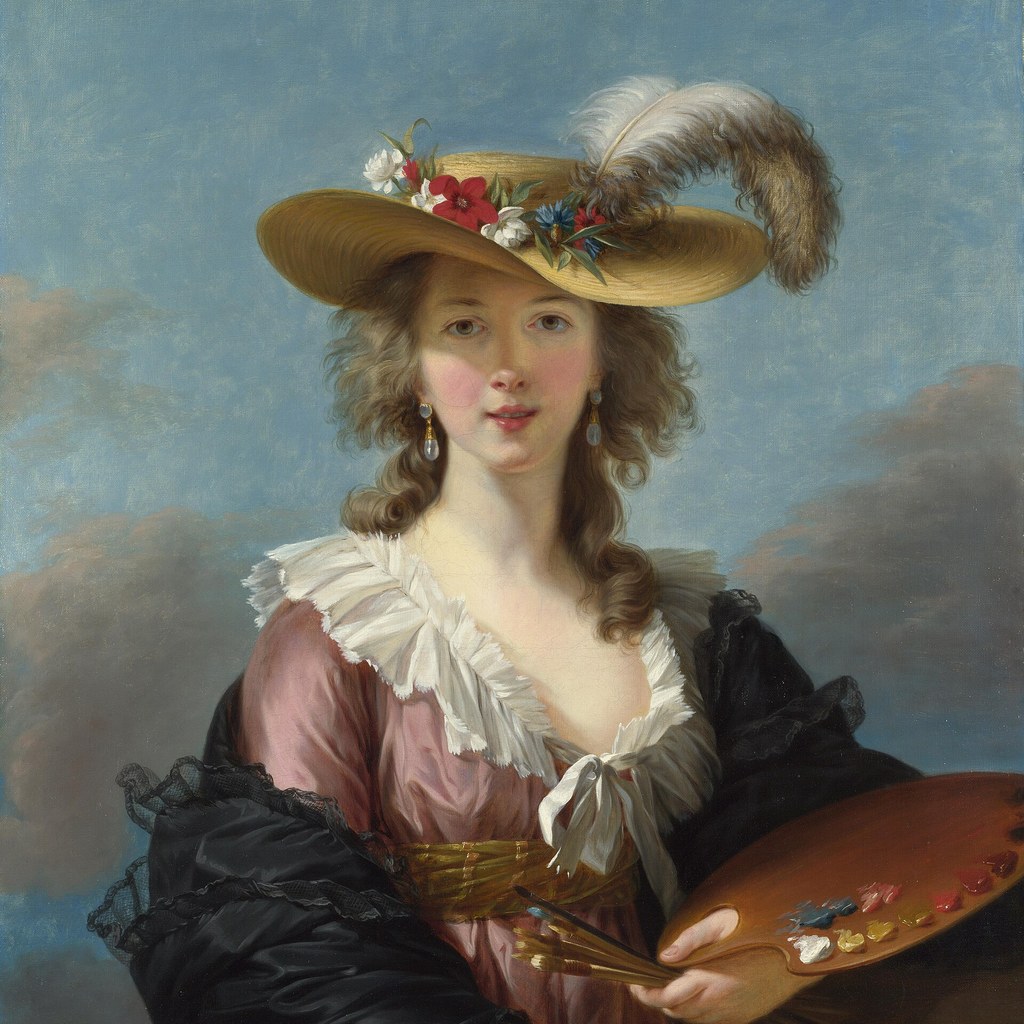 Self-Portrait in a Straw Hat
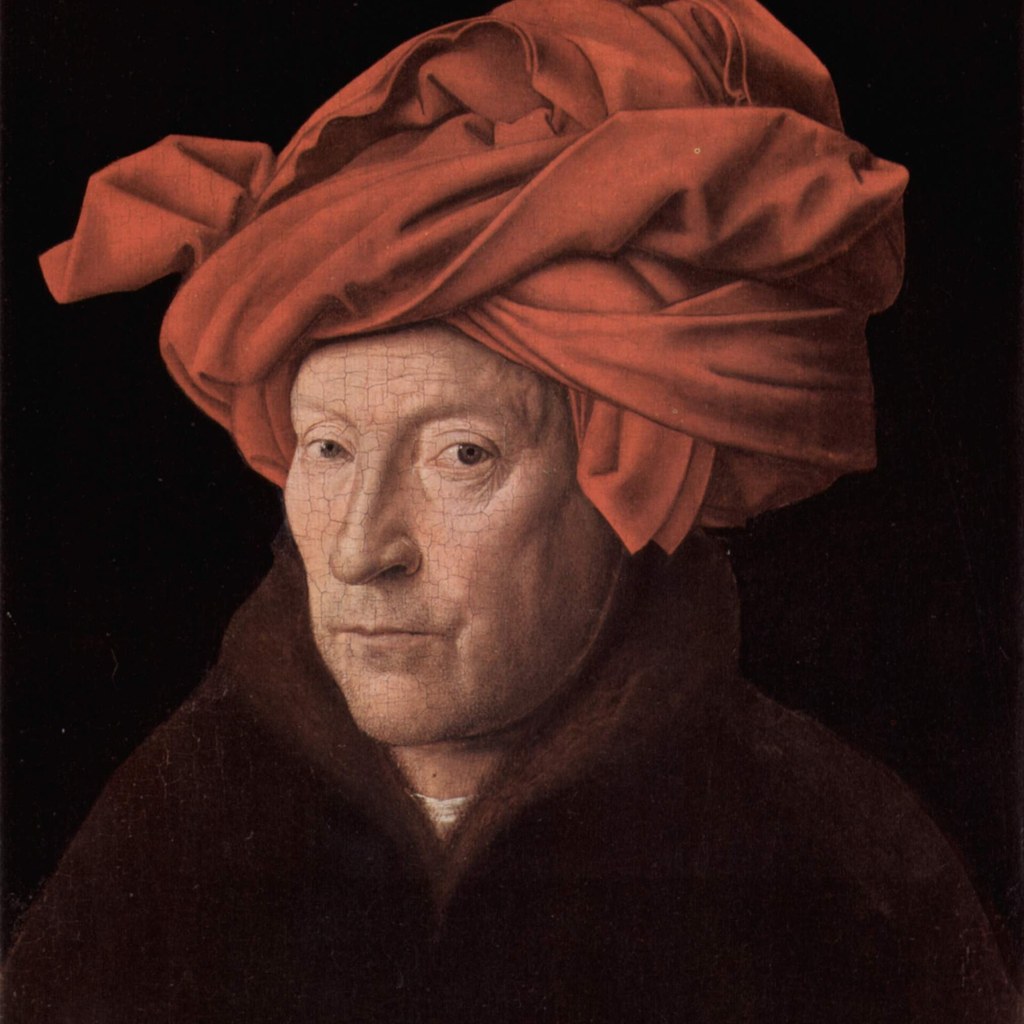 Man in a Red Turban
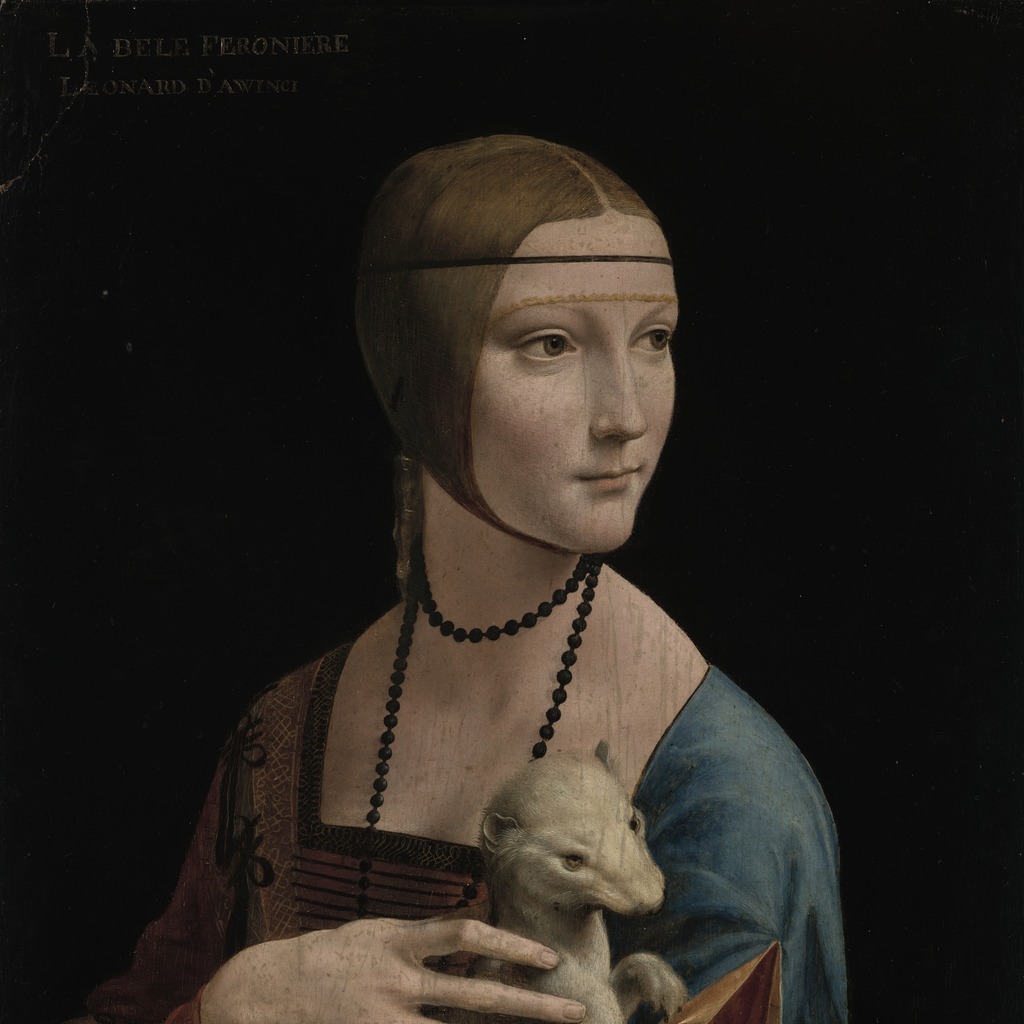 Lady with an Ermine
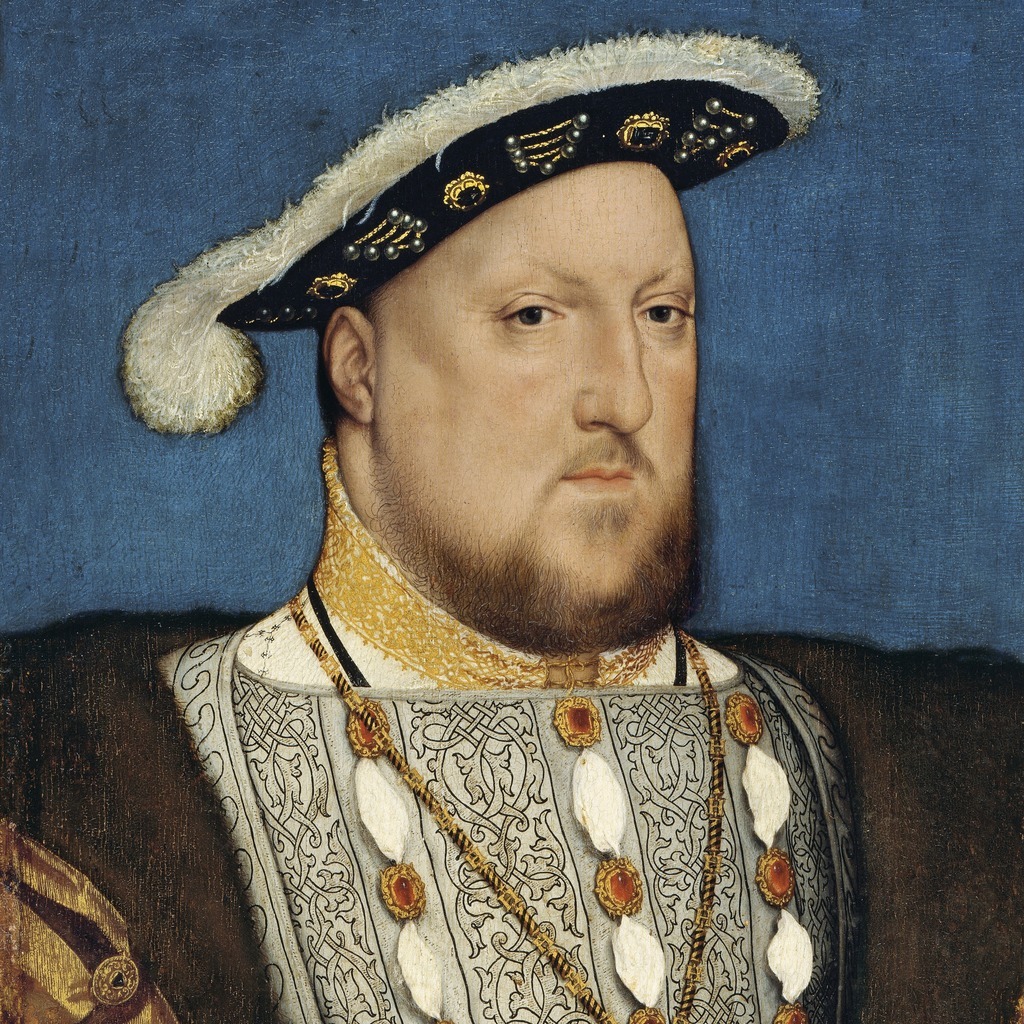 Henry VIII
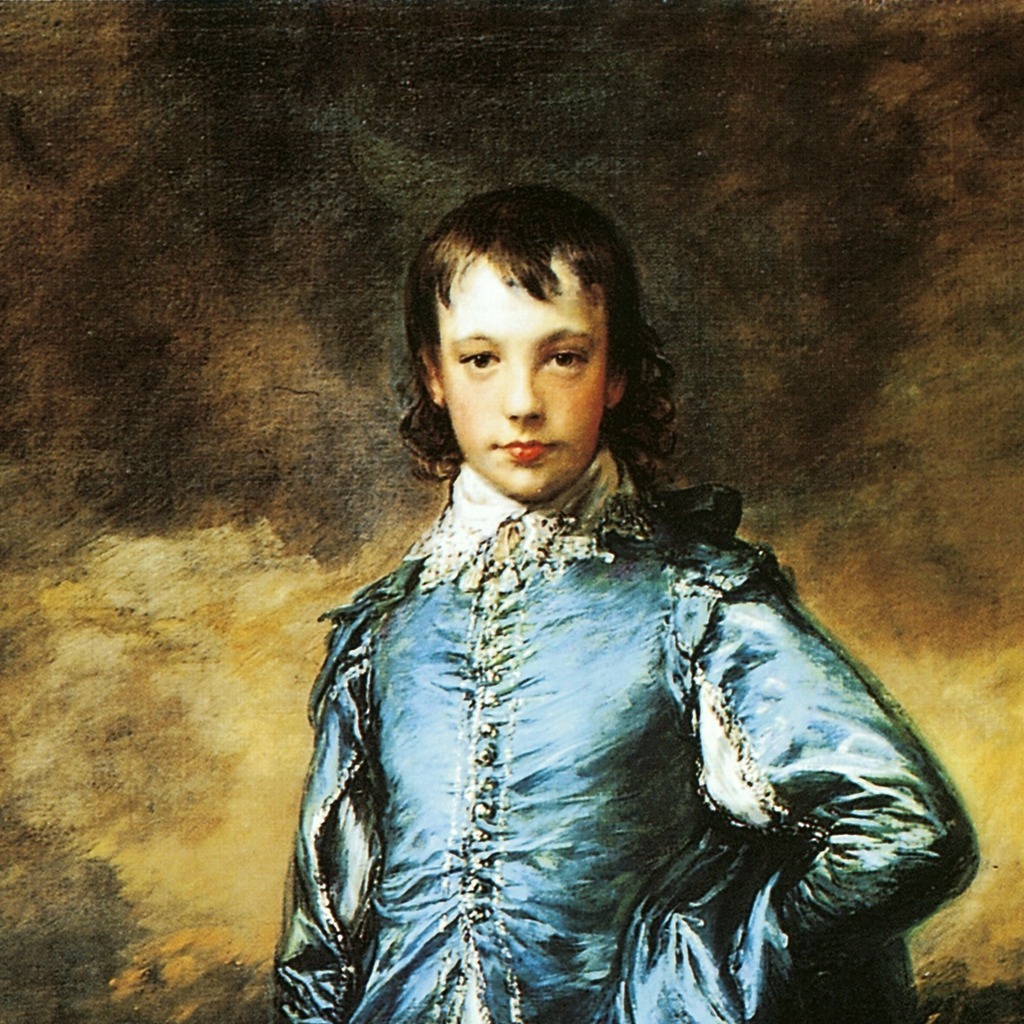 The Blue Boy
Questions
Why is she called a gypsy?
Because a nineteenth-century French owner or cataloguer decided so, on the evidence of her clothes and her manner. The title has no seventeenth-century basis and the museum keeps it only because four hundred years of literature use it.
Is it a portrait of a real person?
Not in the sense of a commission. It is a tronie, painted to be sold to whoever wanted it, so the model was probably someone from the painter’s household or neighbourhood and was never meant to be identified.
Why does it look so unfinished?
Because it is finished in Hals’s terms. He laid the strokes down once and left them, which was startling enough in 1630 that his technique is still discussed two centuries after the painters who copied it made it normal.
Is it free?
Yes. There is a limit on how many you can make in a day, and sharing one earns the allowance back.
Do you keep my photo?
No. Your selfie is used to make the image and then dropped — it is never written to disk. The finished meme is stored, because it has a link people can open, and it is deleted after 90 days.
Can I use someone else’s face?
Please do not. Use your own. Putting a real person into a picture they did not agree to is exactly the thing this is not for.
Can I post the result?
Yes, anywhere you like. The paintings are public domain; what you make with your own face is yours.