

Making your meme…
Diego Velazquez · c. 1656
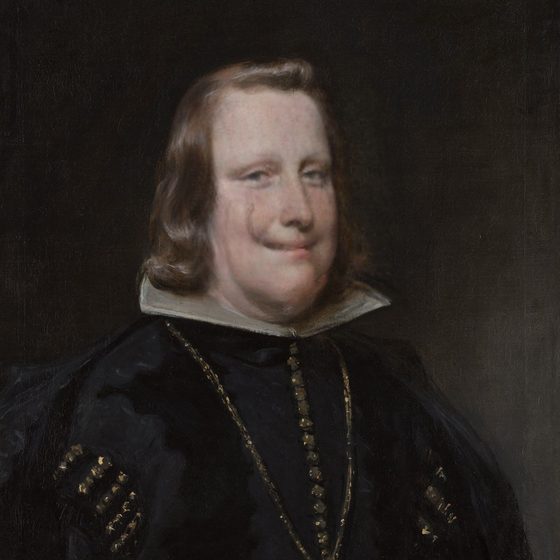
Philip IV face swap
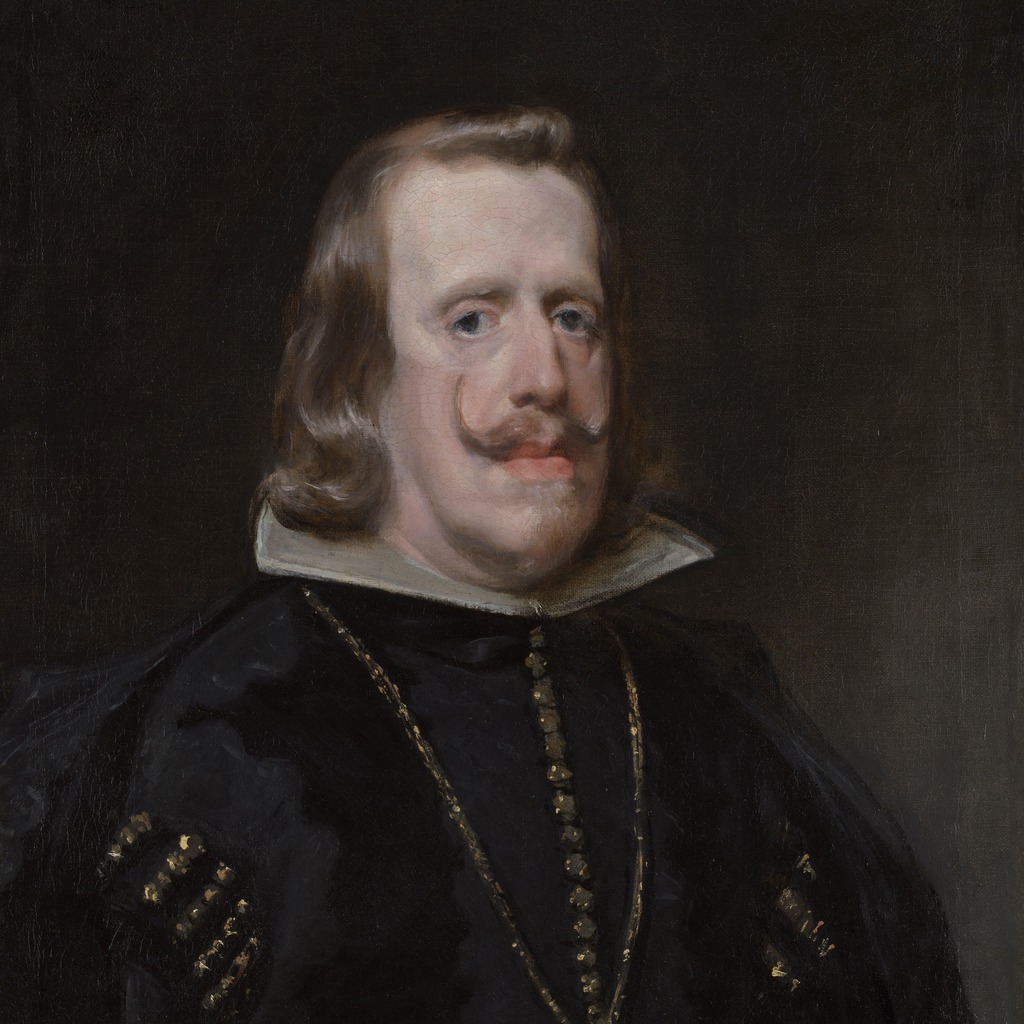
Velazquez painted this face for nearly forty years. This is the late, tired version.
or
Under 15 seconds · no sign-up · your selfie is never stored
Or become a patron and stop counting. Already a patron? Sign in.
How it works
-
Take a photo
Front camera, decent light, look straight ahead. Or pick one you already have.
-
We paint you in
Your face goes into the painting, keeping its light and its brushwork. About fifteen seconds.
-
Share the link
You get a page anyone can open. No account, nothing to install.
Where this one comes from
Velazquez became court painter in 1623 and painted Philip IV of Spain from then until his own death in 1660, which makes the sequence the longest sustained record of one face in European art before photography. This one dates from about 1656, when the king was past fifty and the empire he inherited was visibly failing. It is in the National Gallery in London.
What is in the picture
Black, and more black, with a plain white collar and the chain of the Golden Fleece — a king who spent his reign dressed like a clerk, because Spanish court dress had made severity the display. The Habsburg jaw and the heavy lower lip are set down without flattery; so is the slackness that has arrived in the face. Compare this with the young man Velazquez painted in the 1620s and the two pictures are a before and after of the same person and the same empire.
When people use it
For the fourth hour of a meeting. It is the face of somebody who is still technically in charge and has stopped pretending to enjoy it, and it fits any caption about the job having gone on too long.
How your face lands in it
A plain, front-facing head against a neutral ground, lit softly and evenly, with nothing anywhere near the hairline. Easy, and a good one to try first. The pale hair and the upturned moustache are the identifying features and they persist, so whatever you bring comes out blond and moustached. The near-total absence of colour means your own skin tone is the brightest thing in the picture.
Philip IV of Spain — Diego Velazquez, c. 1656. Diego Velazquez died in 1660, so the painting has been in the public domain for centuries and the reproduction of it adds no fresh rights. Source

Also in: Paintings · Royal portraits · Baroque
More paintings
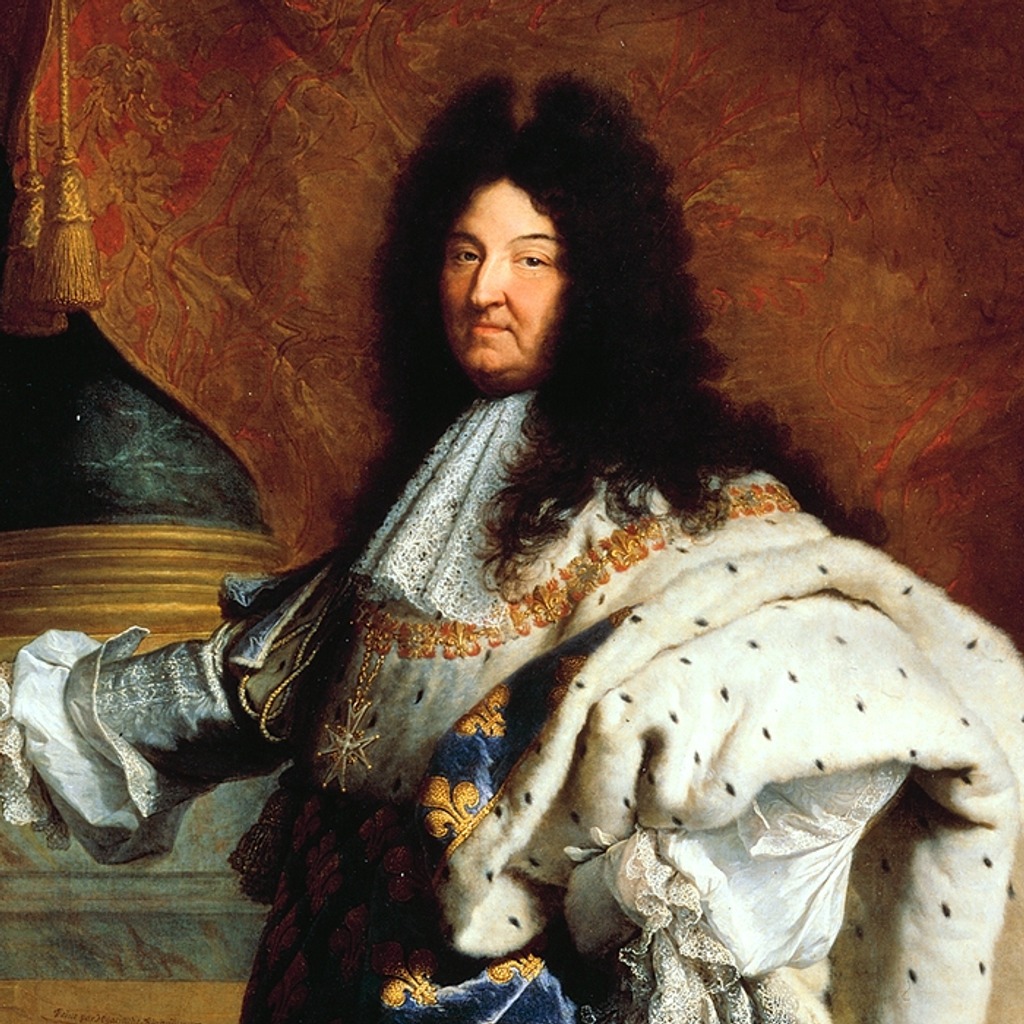 Louis XIV
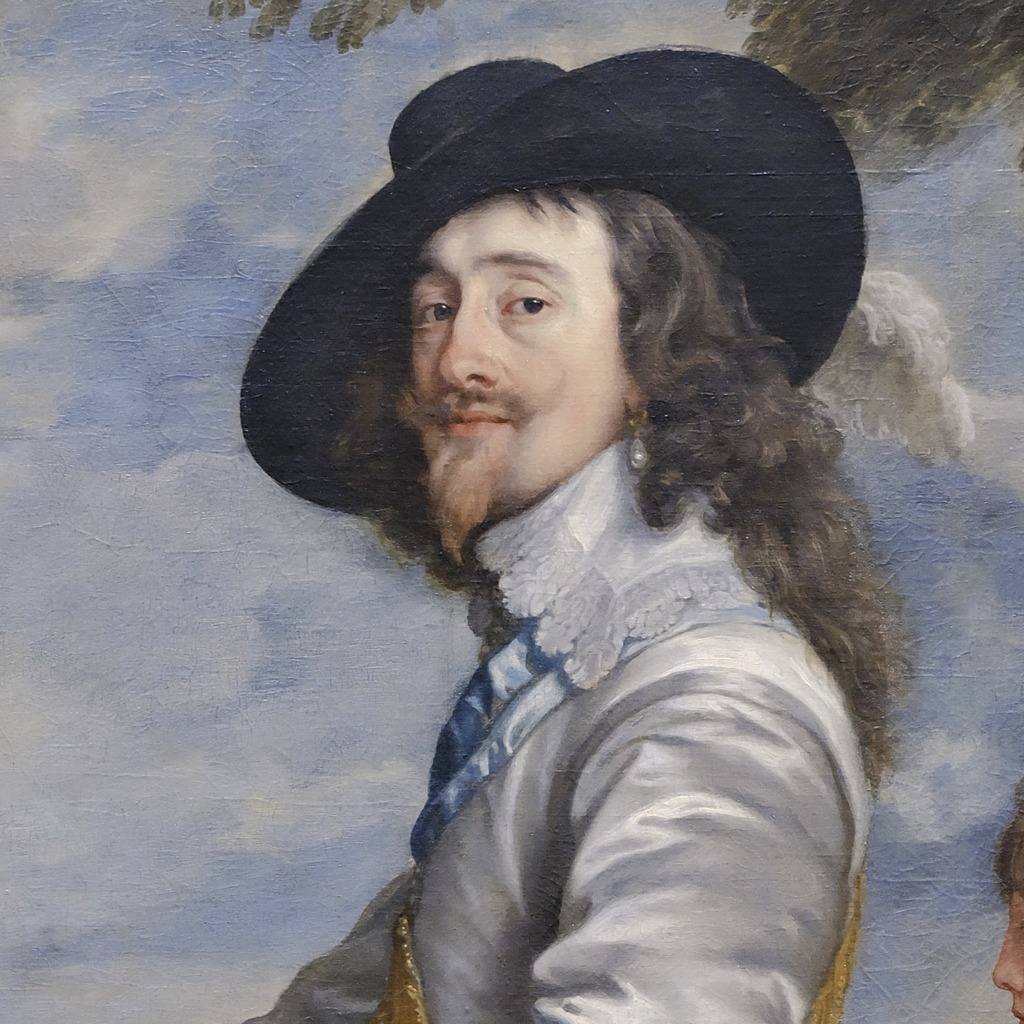 Charles I at the Hunt
 Girl with a Pearl Earring
 The Laughing Cavalier
 Rembrandt's Self-Portrait
 Henry VIII
 Elizabeth I
 Marie Antoinette
 Pope Innocent X
 Artemisia's Self-Portrait
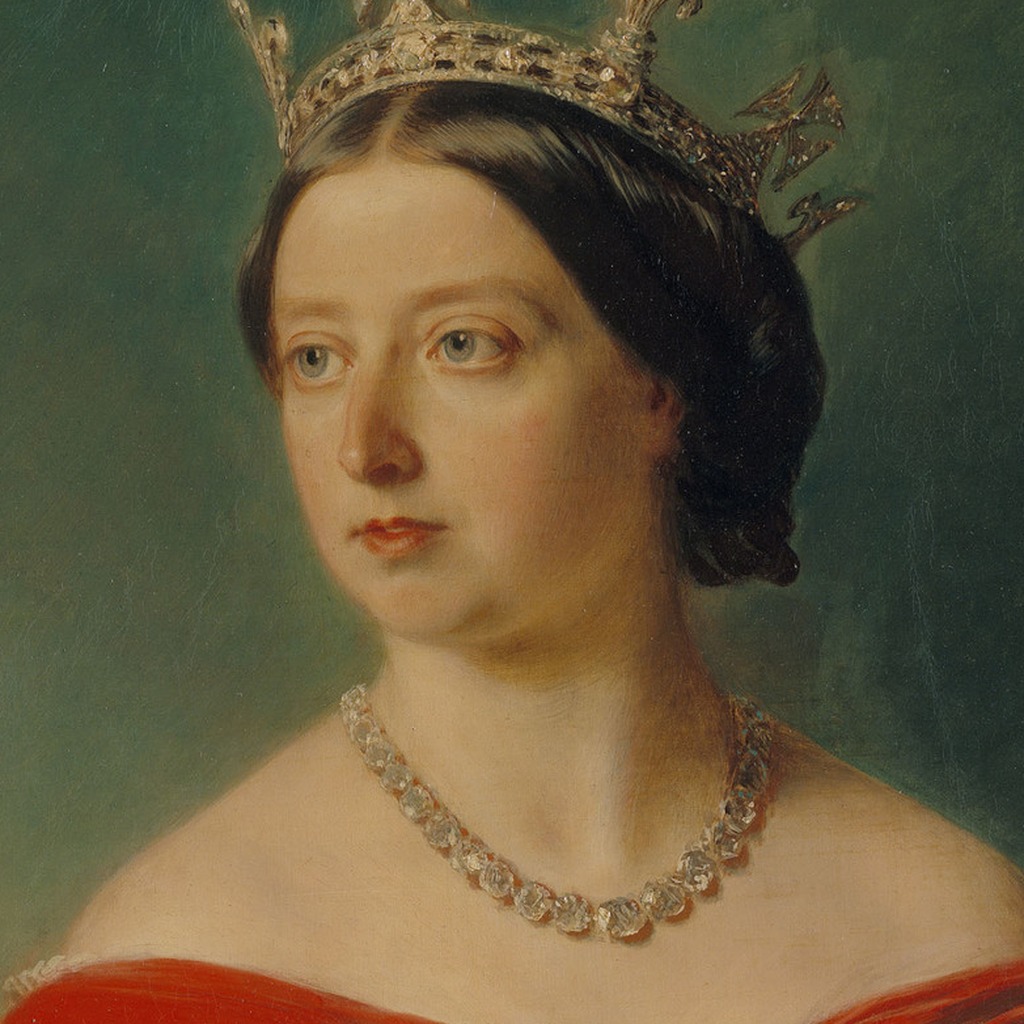 Queen Victoria
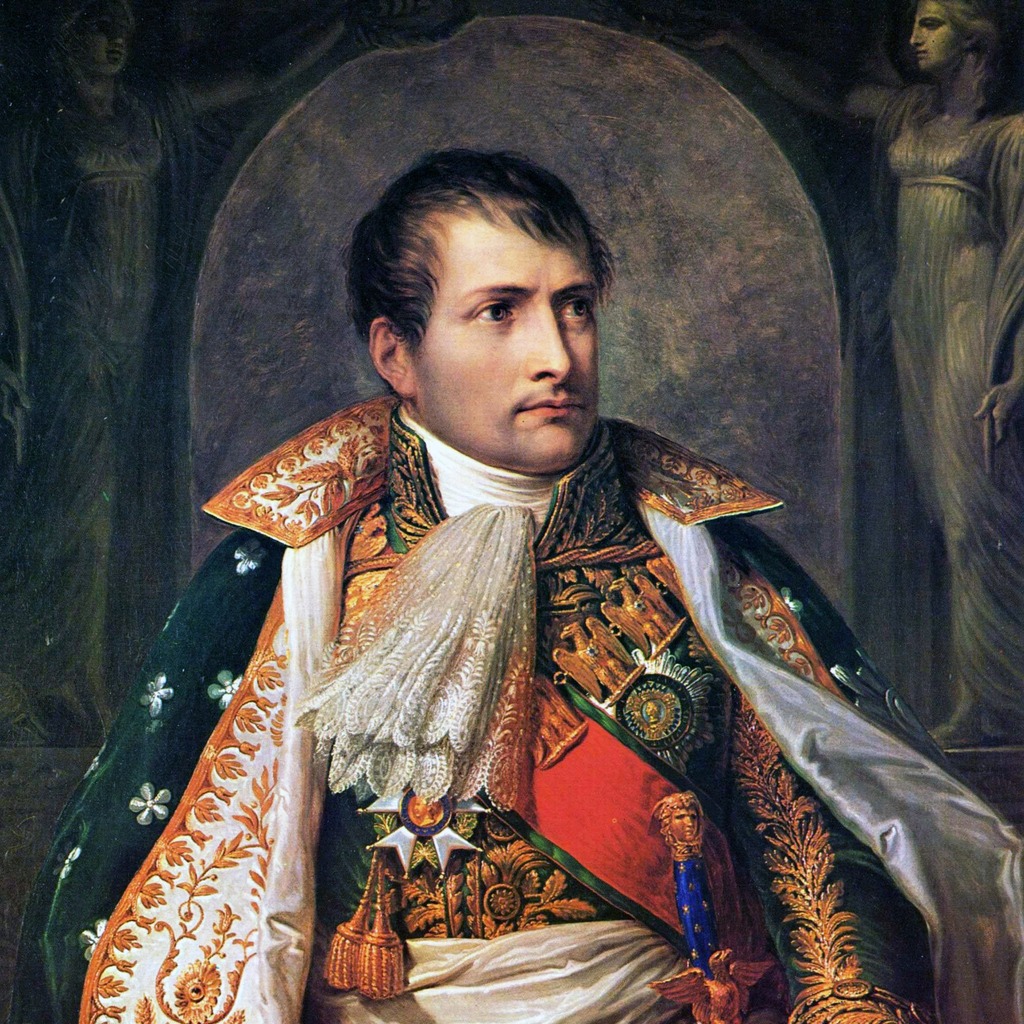 Napoleon
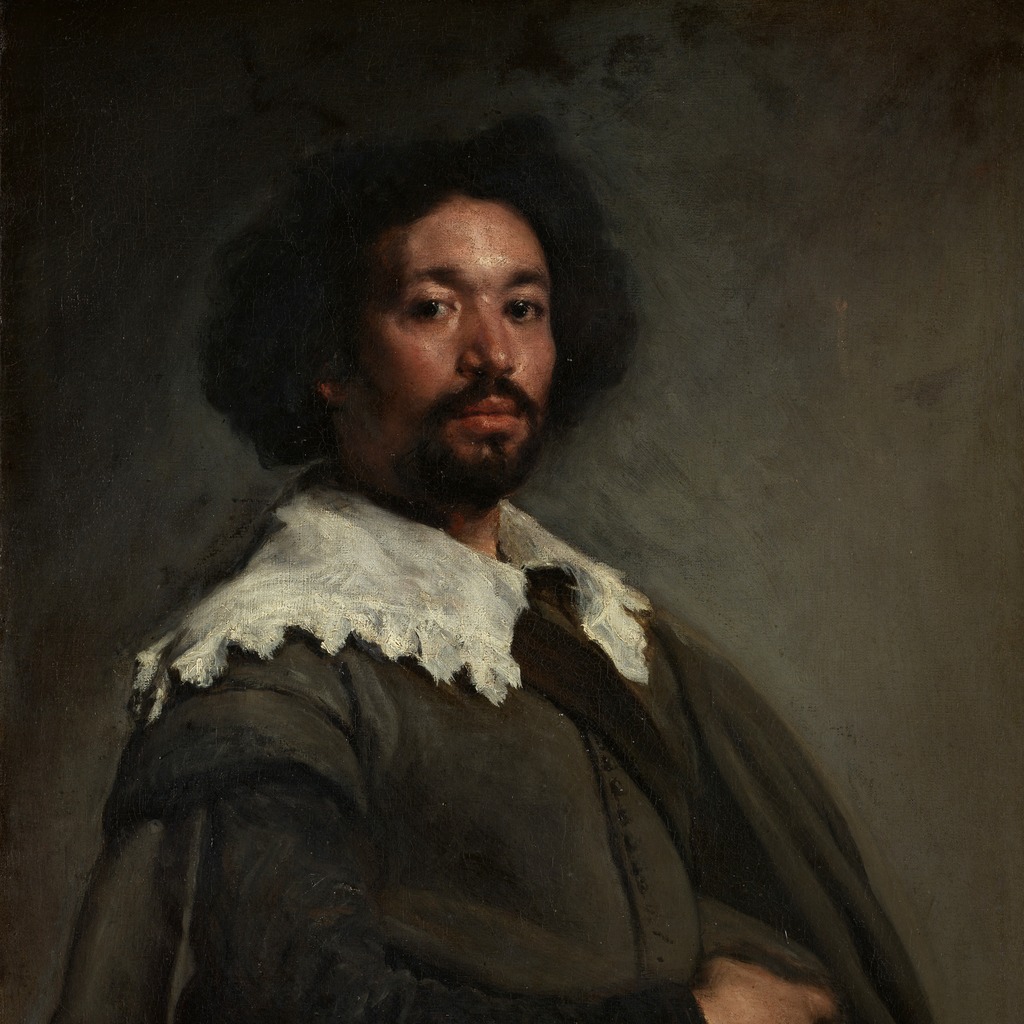 Juan de Pareja
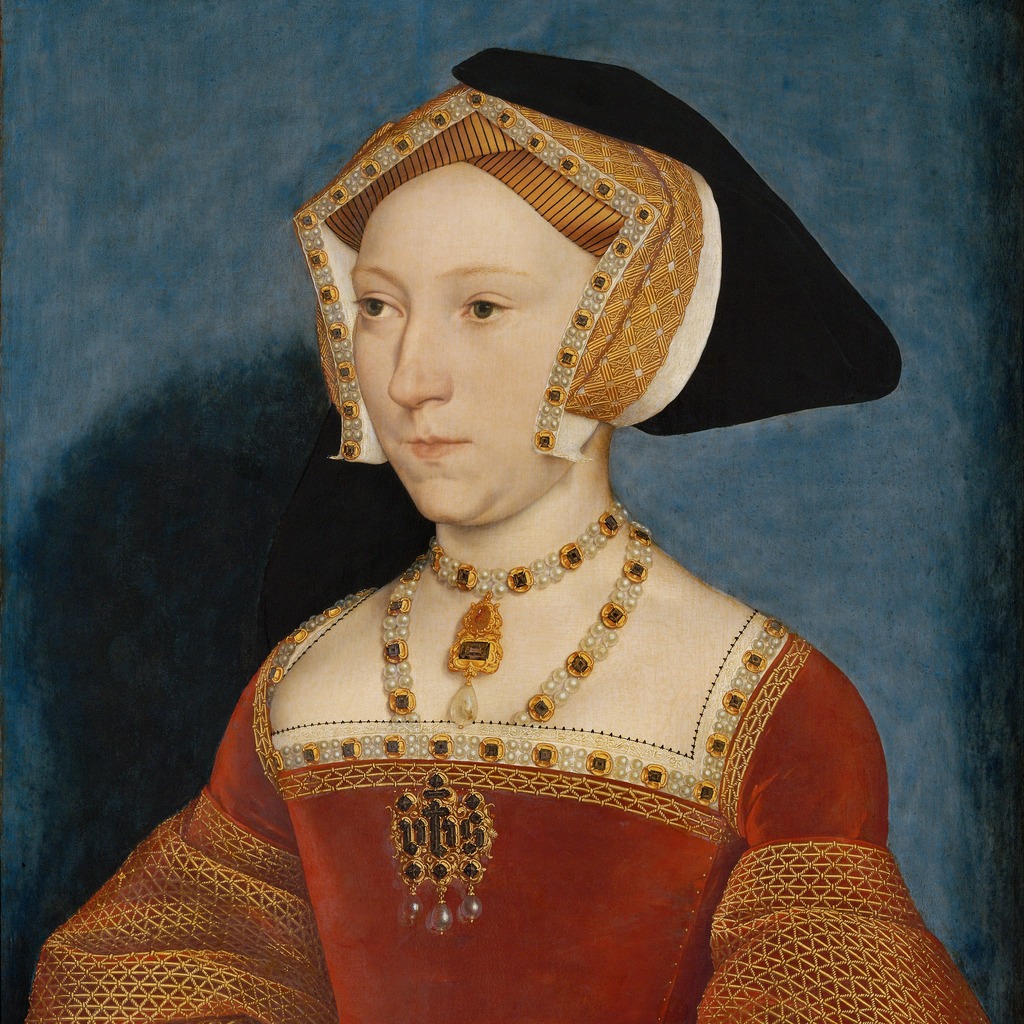 Jane Seymour
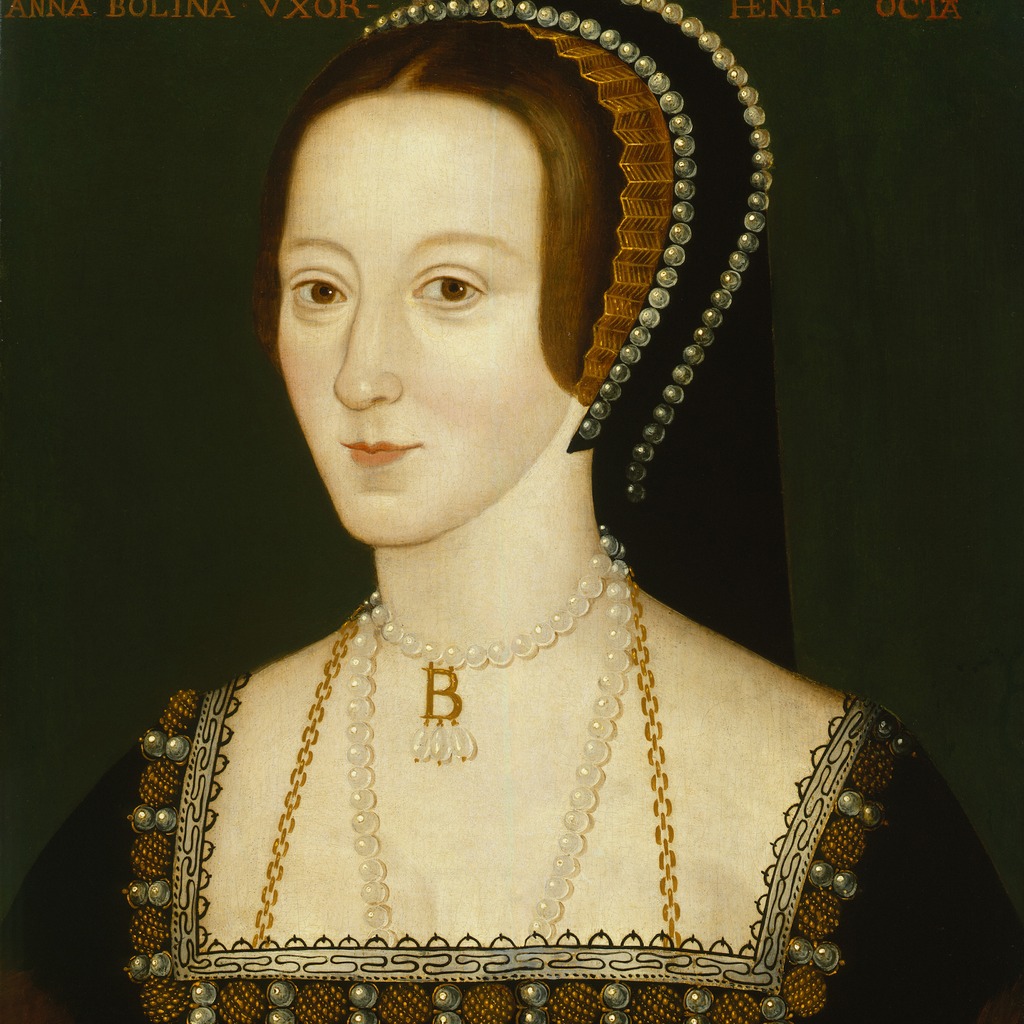 Anne Boleyn
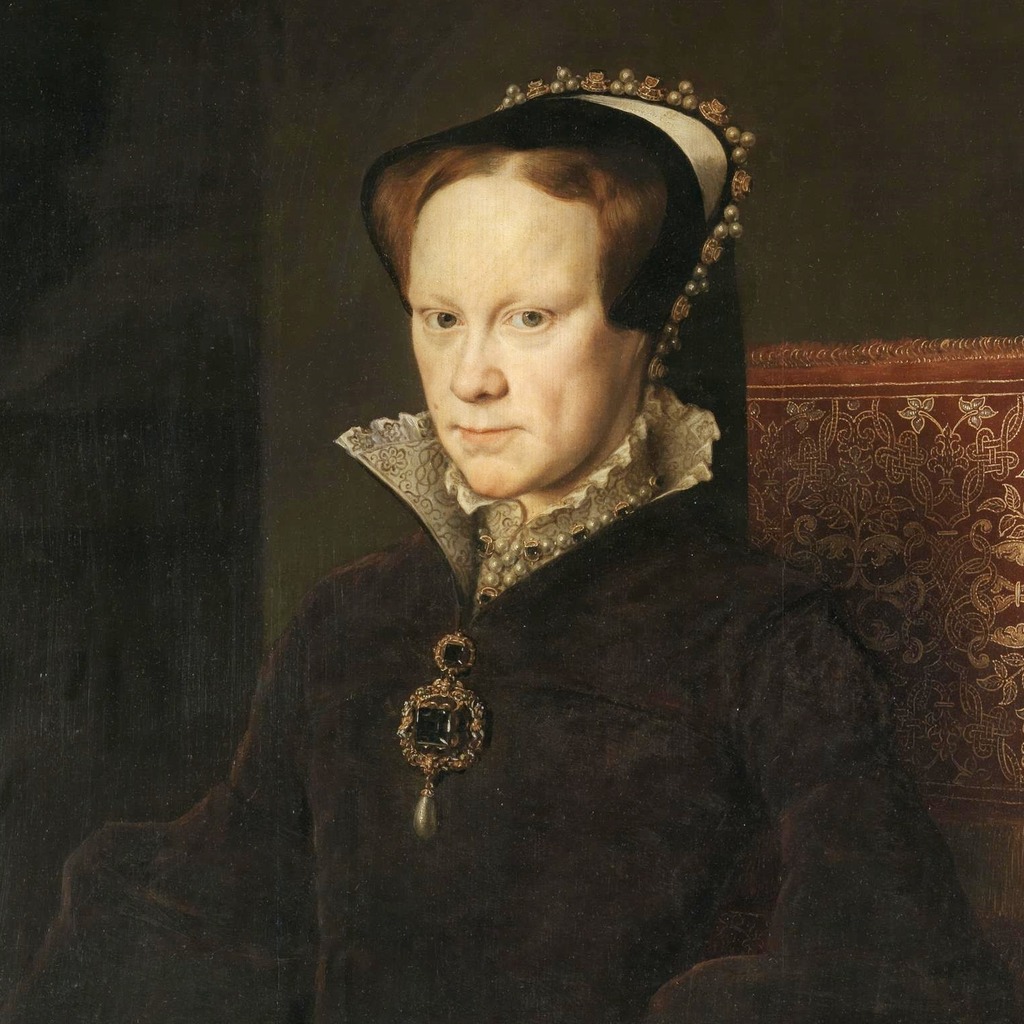 Mary I
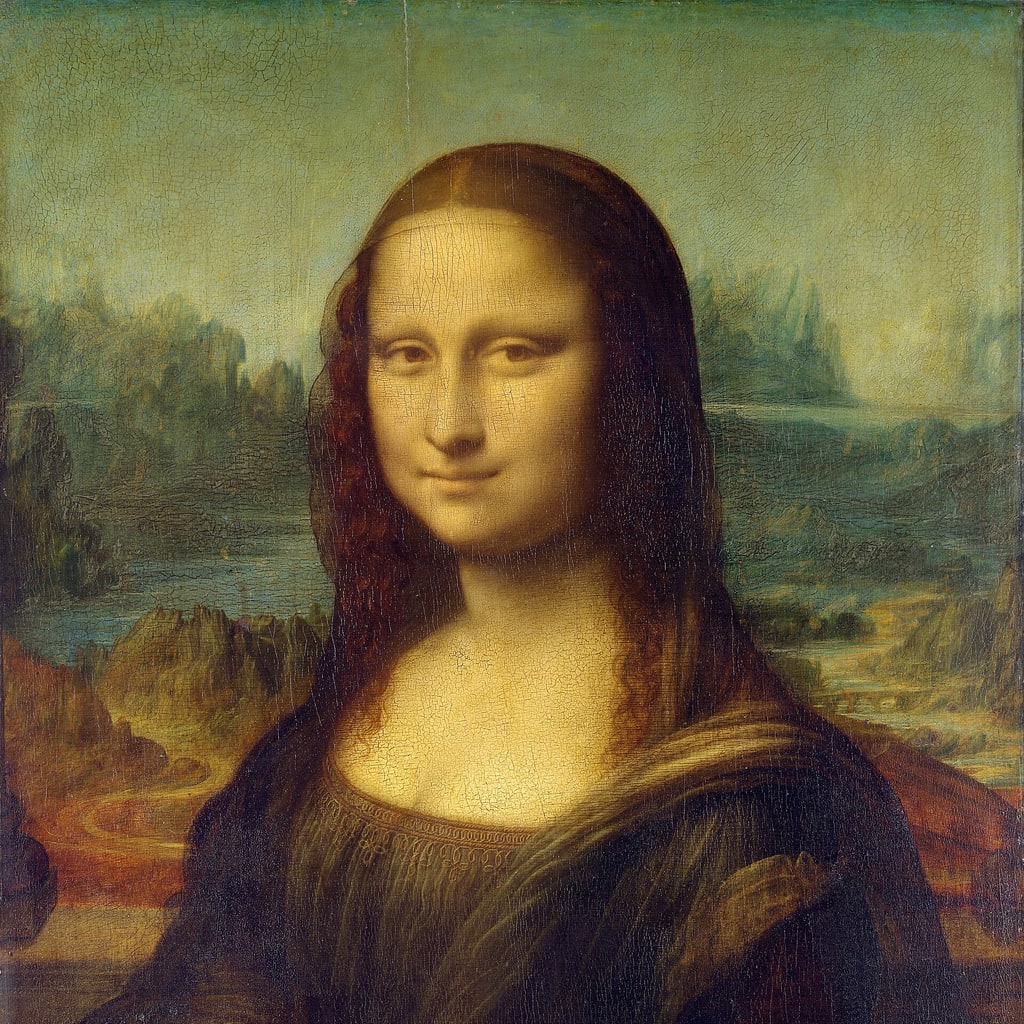 Mona Lisa
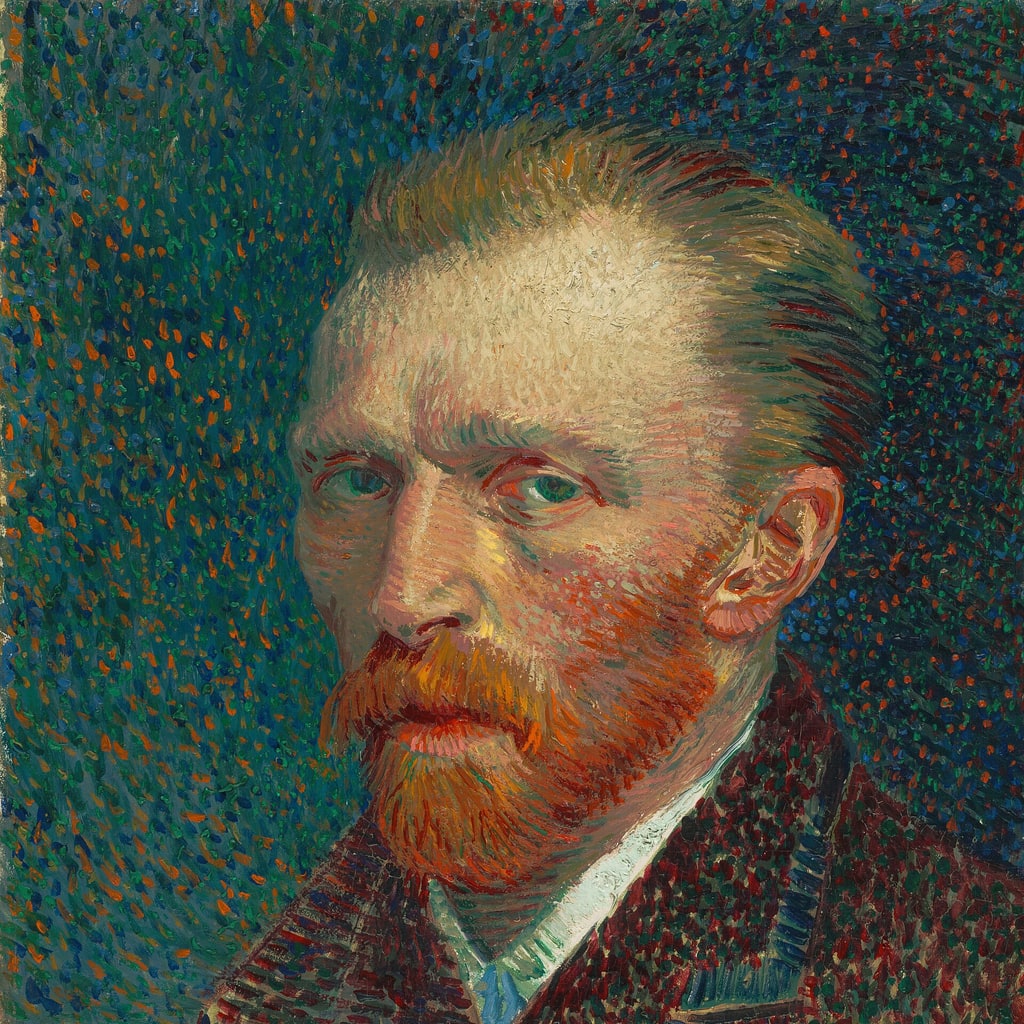 Van Gogh Self-Portrait
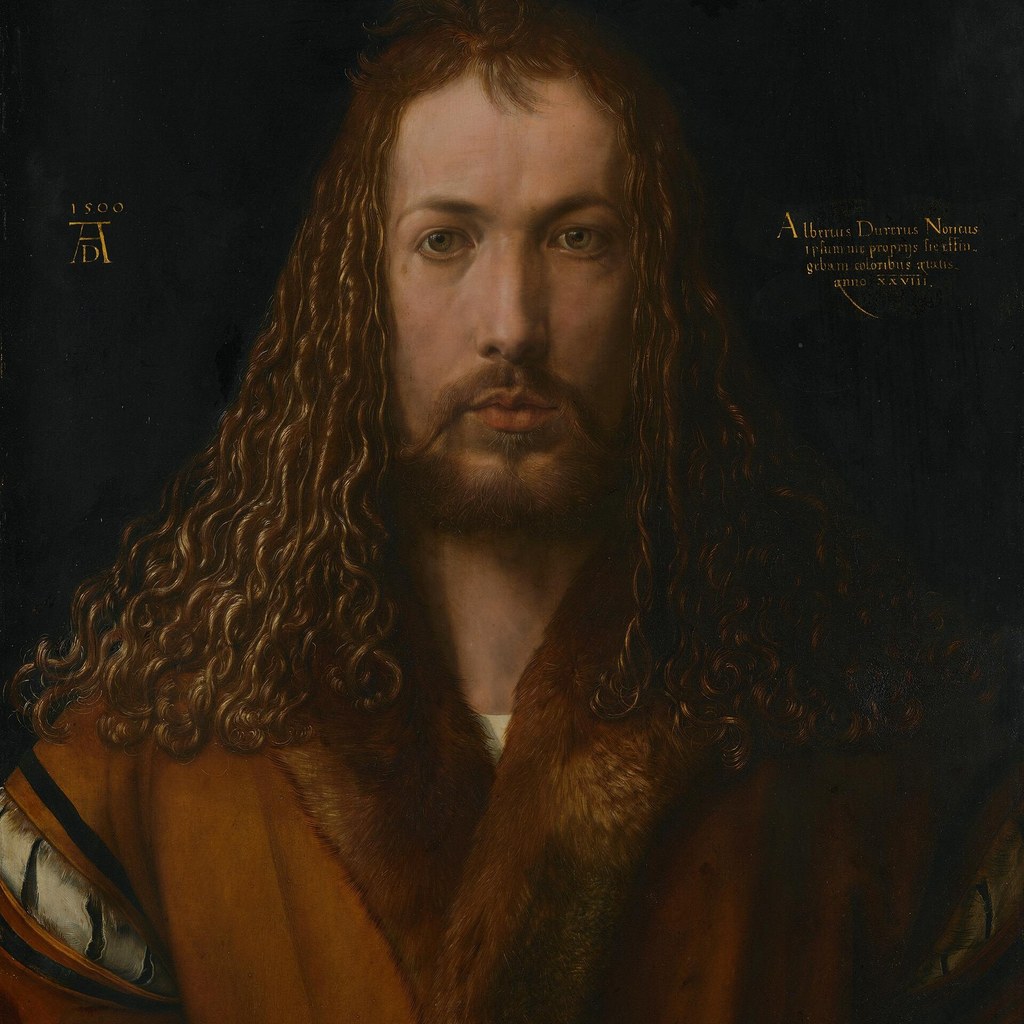 Dürer's Self-Portrait
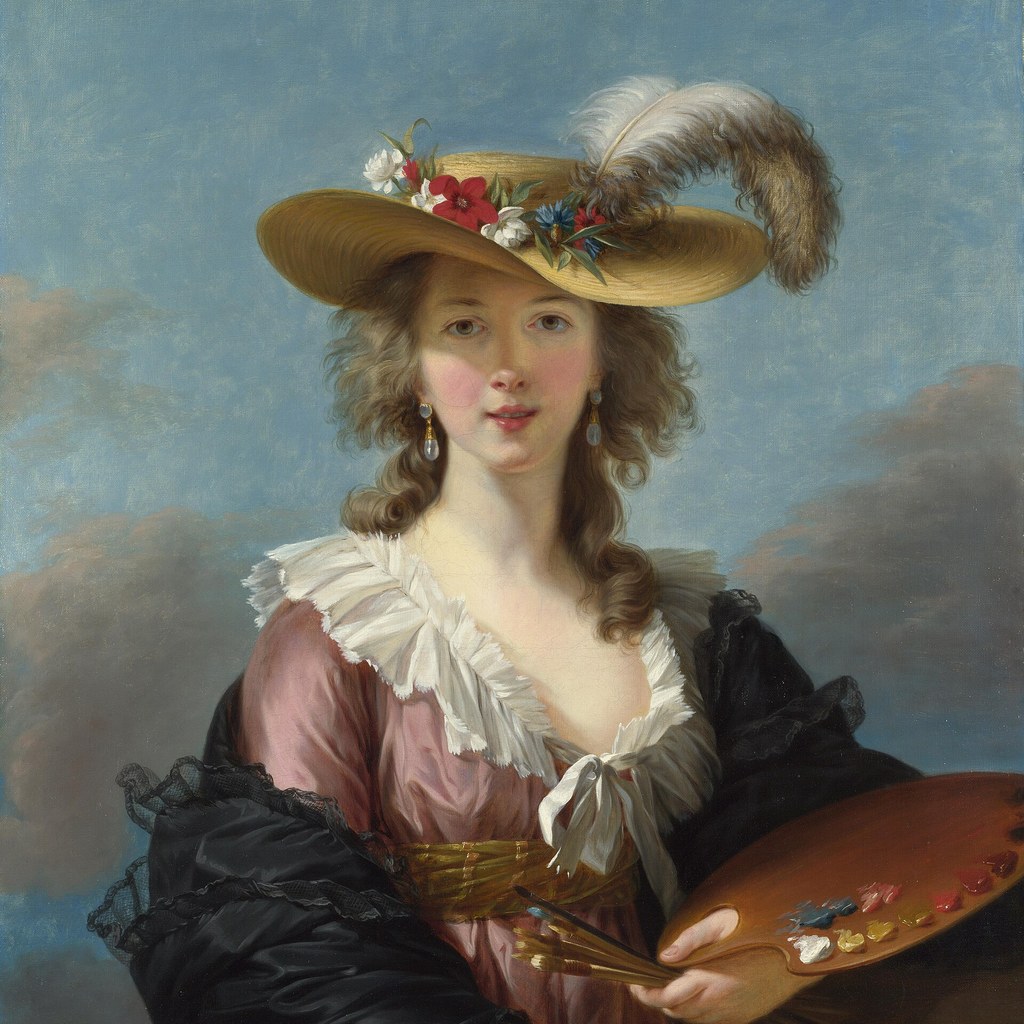 Self-Portrait in a Straw Hat
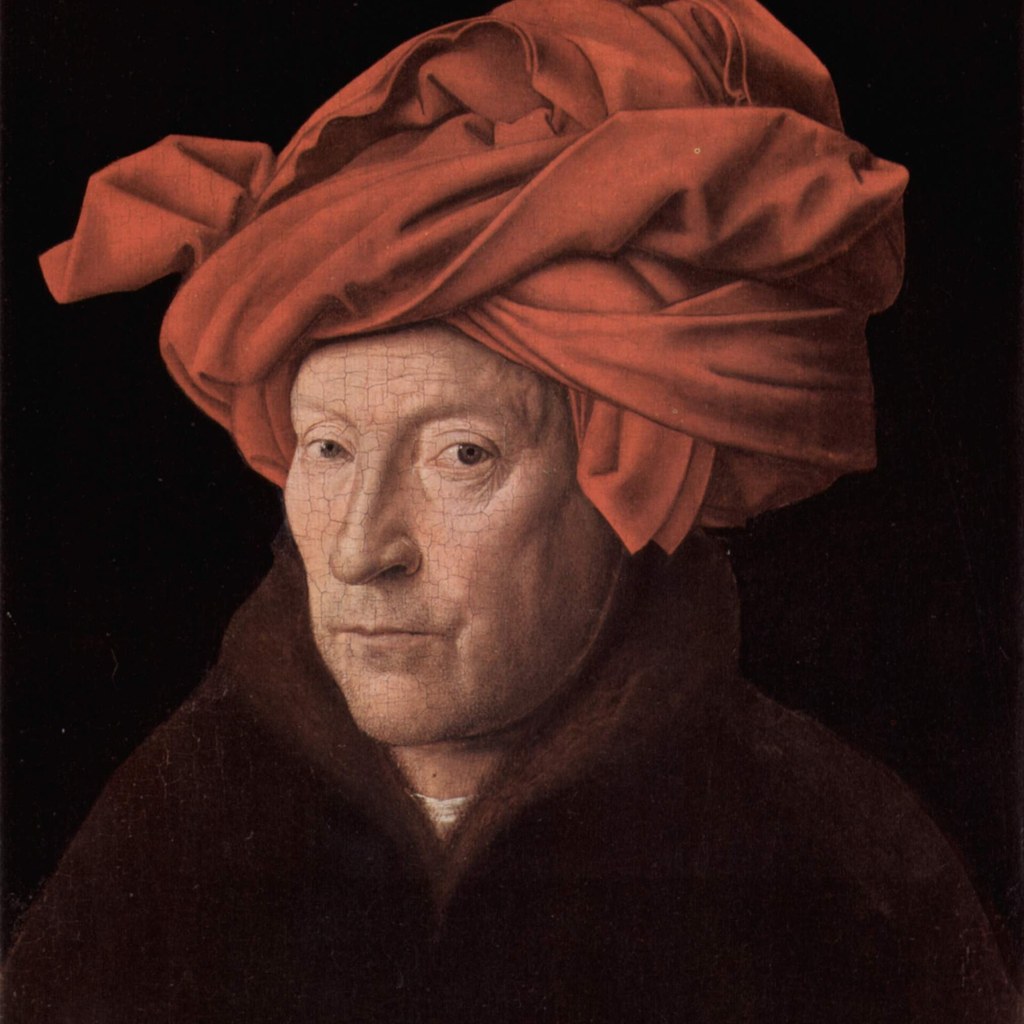 Man in a Red Turban
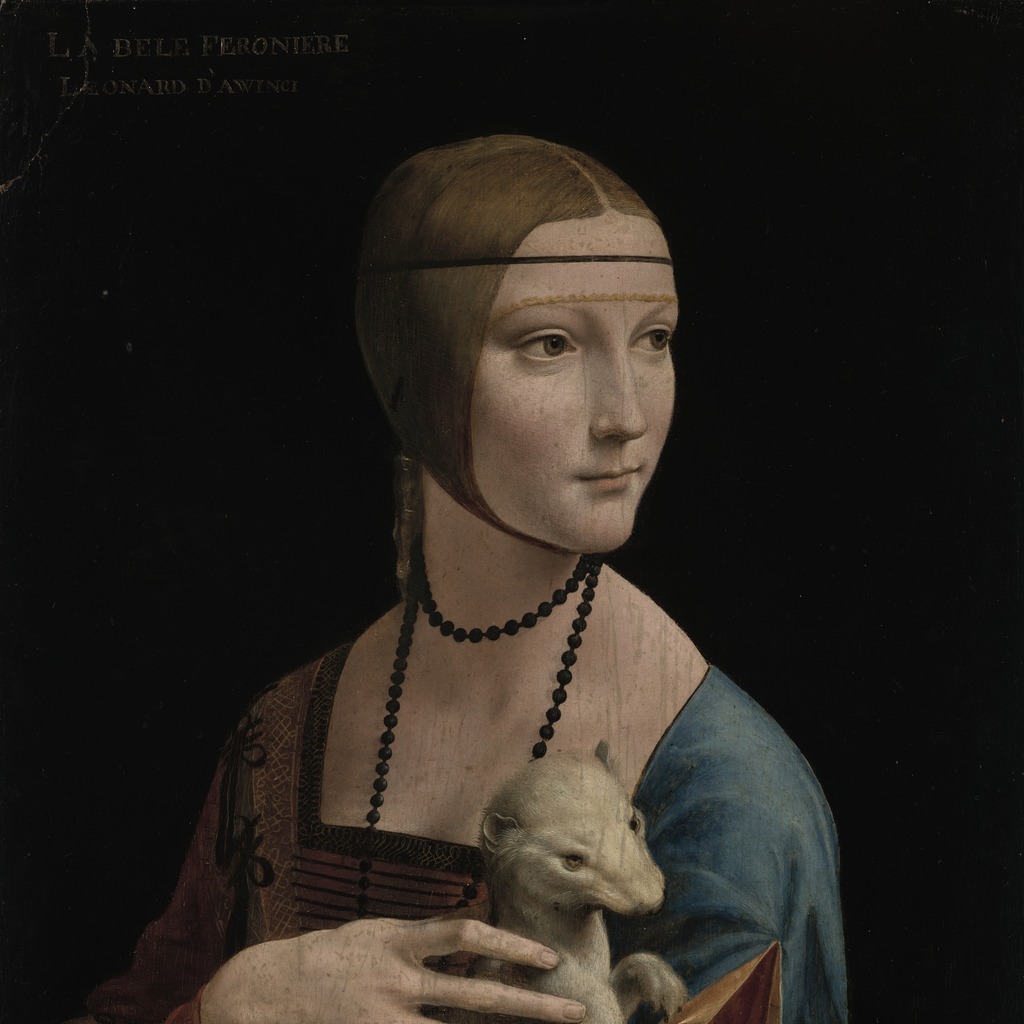 Lady with an Ermine
 The Blue Boy
 American Gothic
Questions
How many times did Velazquez paint him?
Dozens of times across thirty-seven years, from a young king in 1623 to an ageing one in the late 1650s. The king is said to have decided that nobody else should paint him, and largely stuck to it.
Why is everything black?
Spanish court dress was deliberately severe: black cloth of enormous expense, plain collars, no colour. Restraint was the display, and a monarch dressed like an official was making a point about gravity rather than saving money.
What is the Golden Fleece?
The collar of the Order of the Golden Fleece, the senior Habsburg chivalric order, with the sheep pendant hanging from it. It appears in nearly every state portrait of the family for four hundred years.
Is it free?
Yes. There is a limit on how many you can make in a day, and sharing one earns the allowance back.
Do you keep my photo?
No. Your selfie is used to make the image and then dropped — it is never written to disk. The finished meme is stored, because it has a link people can open, and it is deleted after 90 days.
Can I use someone else’s face?
Please do not. Use your own. Putting a real person into a picture they did not agree to is exactly the thing this is not for.
Can I post the result?
Yes, anywhere you like. The paintings are public domain; what you make with your own face is yours.