

Making your meme…
Anthony van Dyck · c. 1635
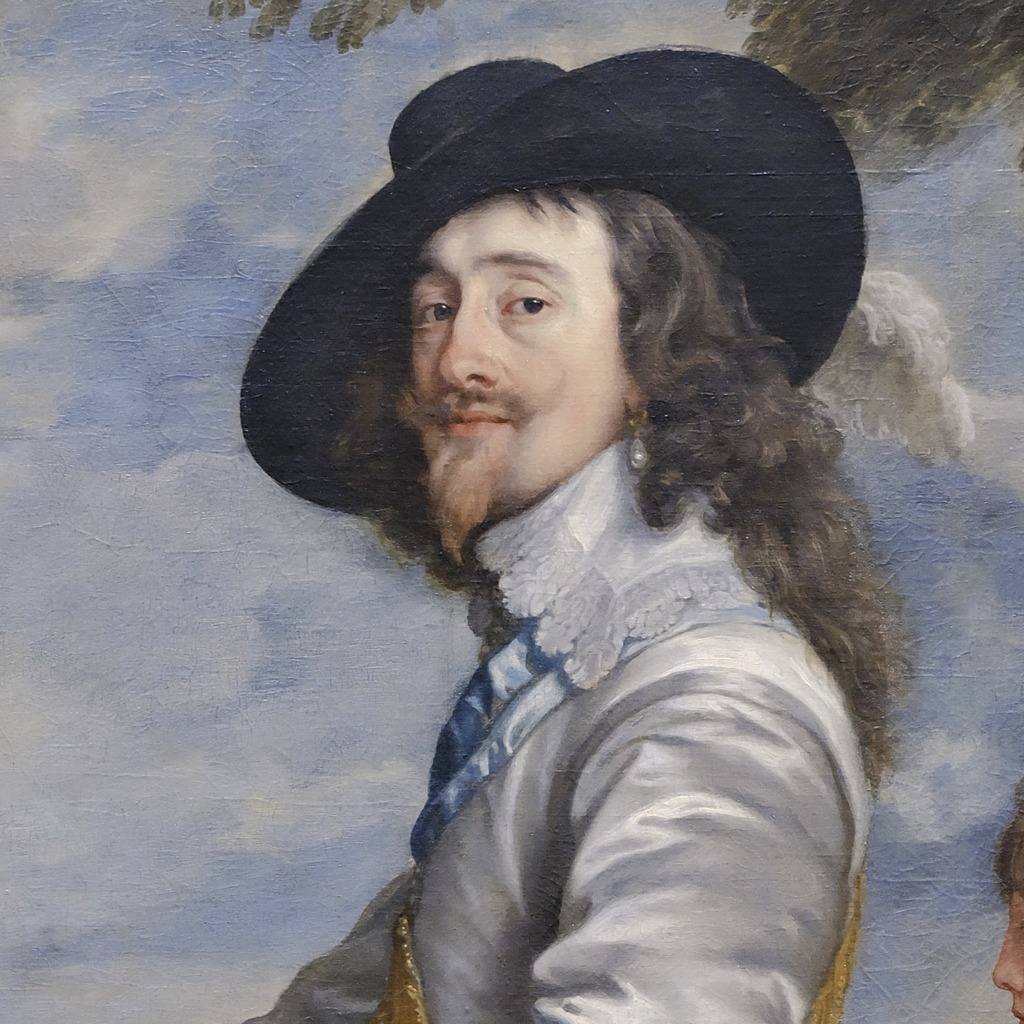
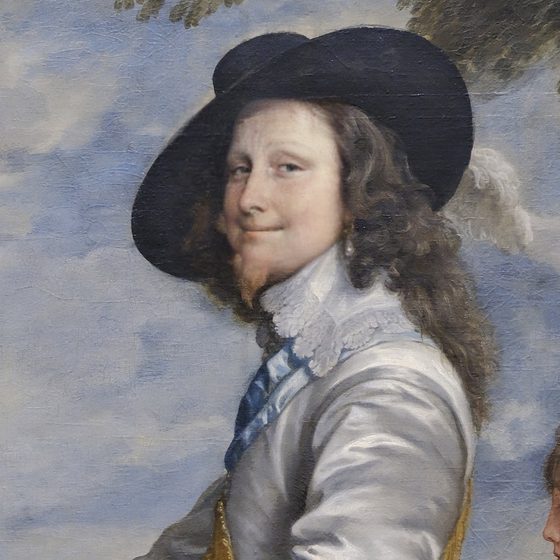
Charles I at the Hunt face swap
A king in a field, in a hat, with no crown anywhere — and it worked better than a throne.
or
Under 15 seconds · no sign-up · your selfie is never stored
Or become a patron and stop counting. Already a patron? Sign in.
How it works
-
Take a photo
Front camera, decent light, look straight ahead. Or pick one you already have.
-
We paint you in
Your face goes into the painting, keeping its light and its brushwork. About fifteen seconds.
-
Share the link
You get a page anyone can open. No account, nothing to install.
Where this one comes from
Van Dyck painted this in London in 1635, eight years into his post as principal painter to Charles I and fourteen years before the king was beheaded in Whitehall. It broke the rules of royal portraiture on purpose: no throne, no robes, no regalia, just a short man in riding clothes standing in a field while a servant holds the horse. The picture left England after the monarchy fell and was bought for the French crown in 1775. It is in the Louvre.
What is in the picture
Silver-grey satin doublet, red breeches, boots turned down, a wide black hat set at an angle, a cane held loosely, and one hand on the hip. Behind him a horse dips its head and a groom looks the other way, so that the only figure addressing the viewer is the king. The landscape is English, damp and unremarkable. Charles was about five foot four; Van Dyck put the viewpoint low so that you are looking up at him without noticing.
When people use it
For casual superiority. It fits the person who turns up underdressed and outranks everybody anyway, and it is the face for looking at somebody down the length of your nose politely.
How your face lands in it
A three-quarter head under a broad tilted hat brim, lit softly from the front, with hair to the shoulders and a pointed beard. Everything the picture is about — the posture, the hat, the satin, the horse — sits outside the swap and stays. Bring an evenly lit photograph; the original has almost no hard shadow on the face.
Charles I at the Hunt — Anthony van Dyck, c. 1635. Anthony van Dyck died in 1641, so the painting has been in the public domain for centuries and a faithful reproduction of it acquires no new rights. Source

Also in: Paintings · Royal portraits · Baroque
More paintings
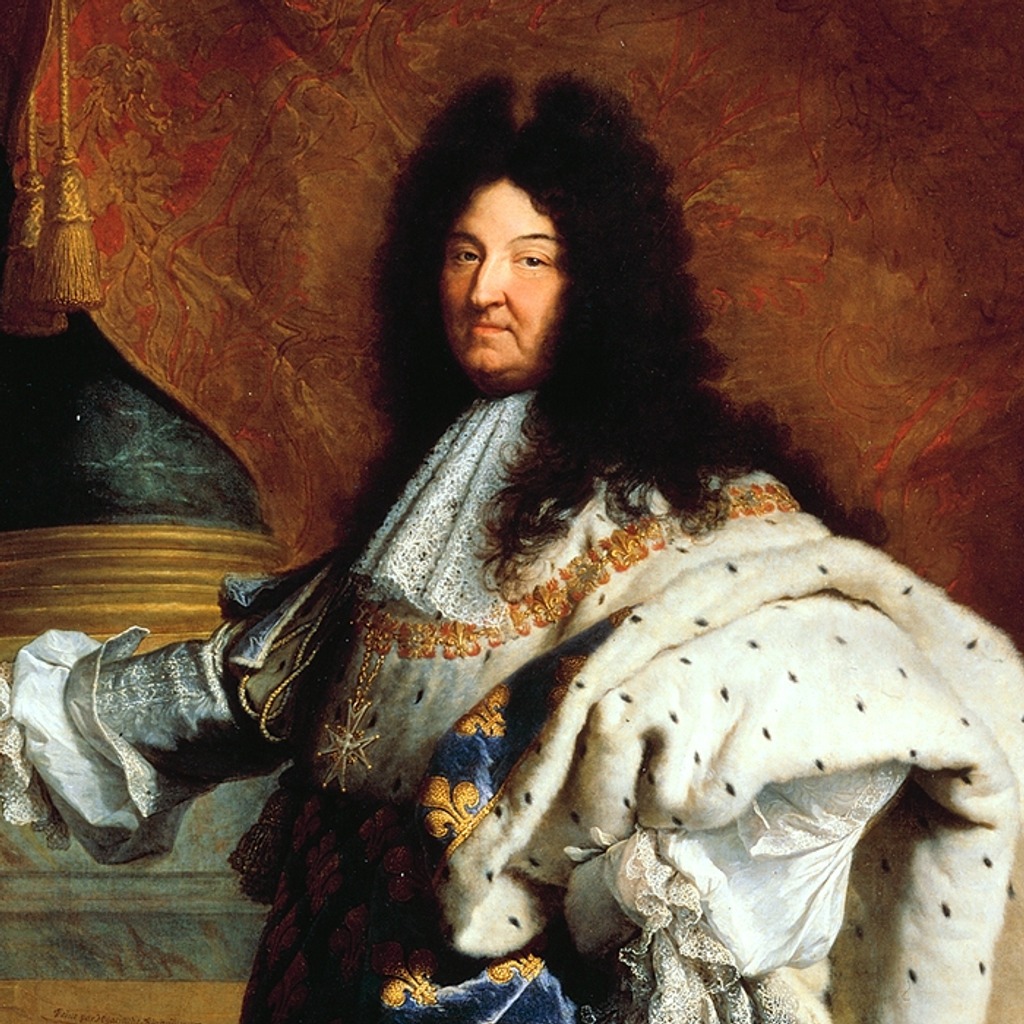 Louis XIV
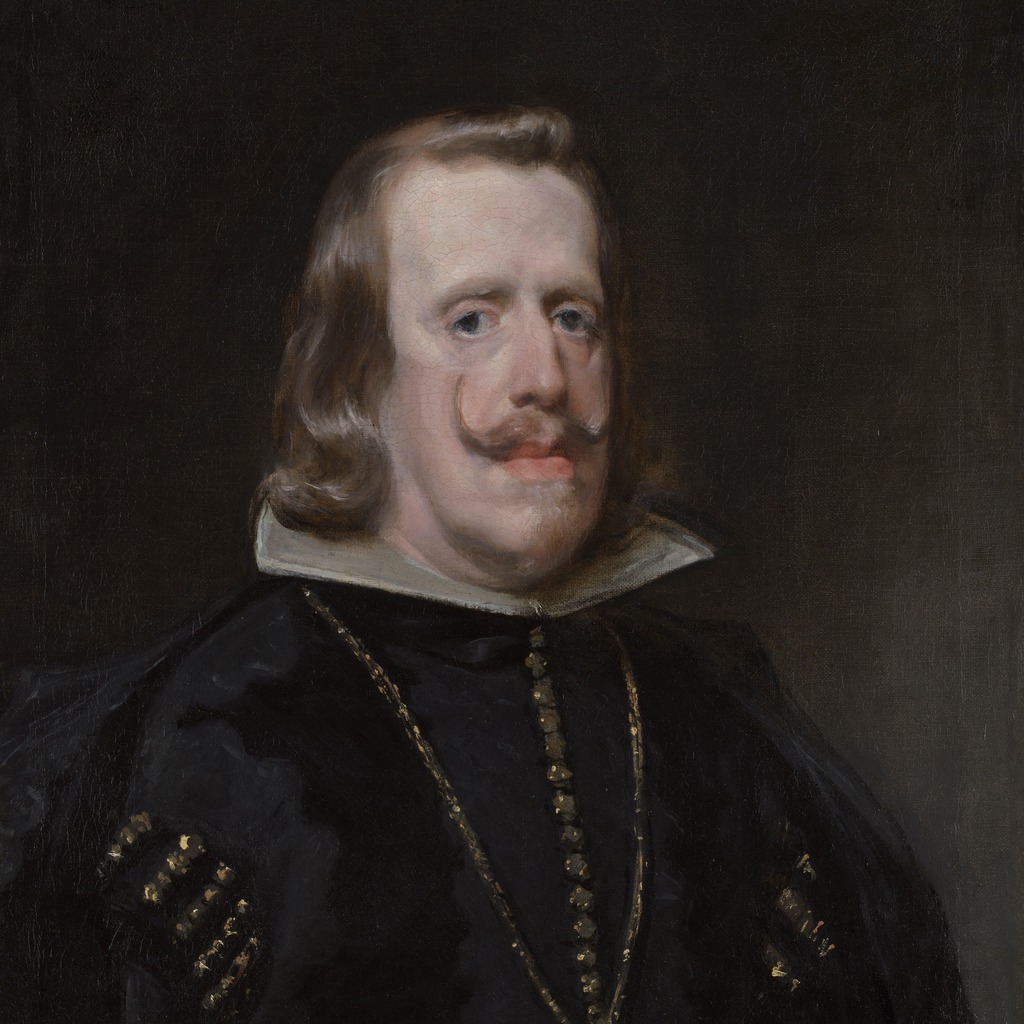 Philip IV
 Girl with a Pearl Earring
 The Laughing Cavalier
 Rembrandt's Self-Portrait
 Henry VIII
 Elizabeth I
 Marie Antoinette
 Pope Innocent X
 Artemisia's Self-Portrait
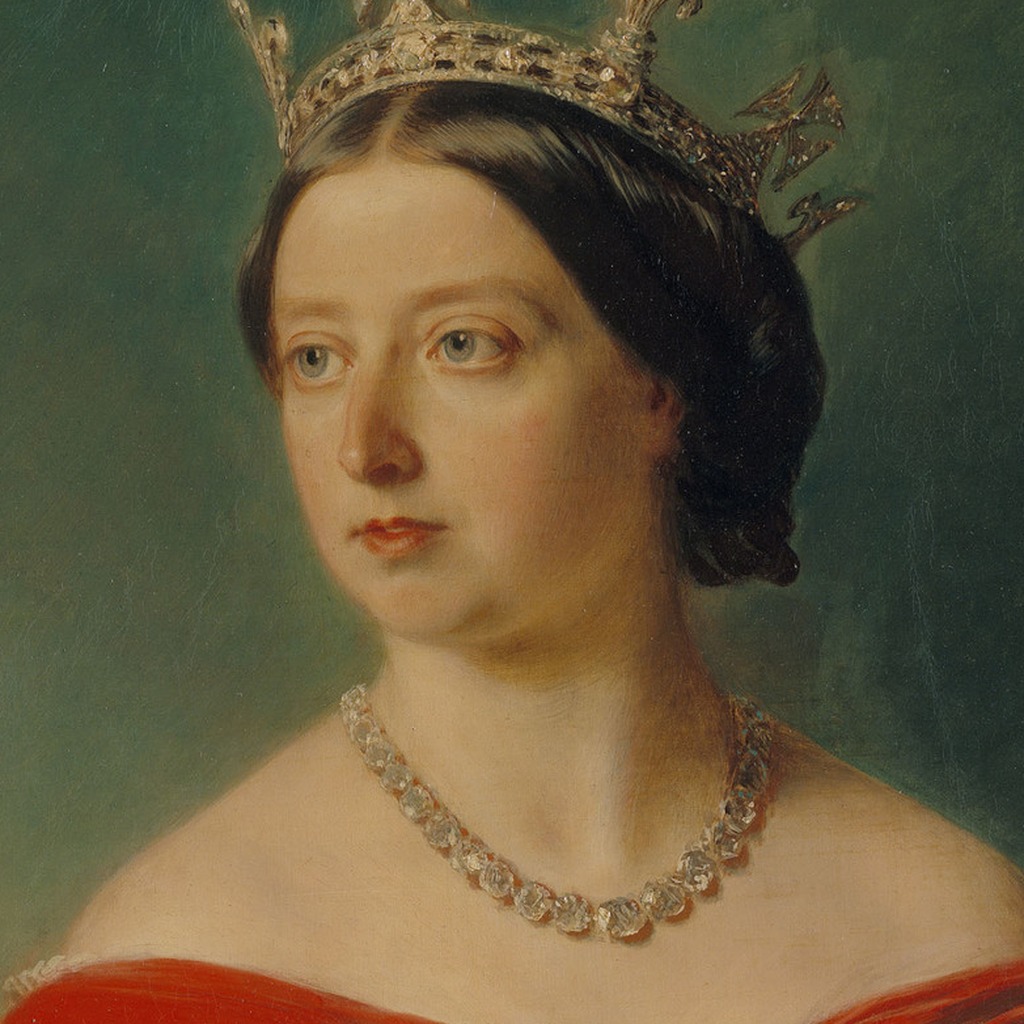 Queen Victoria
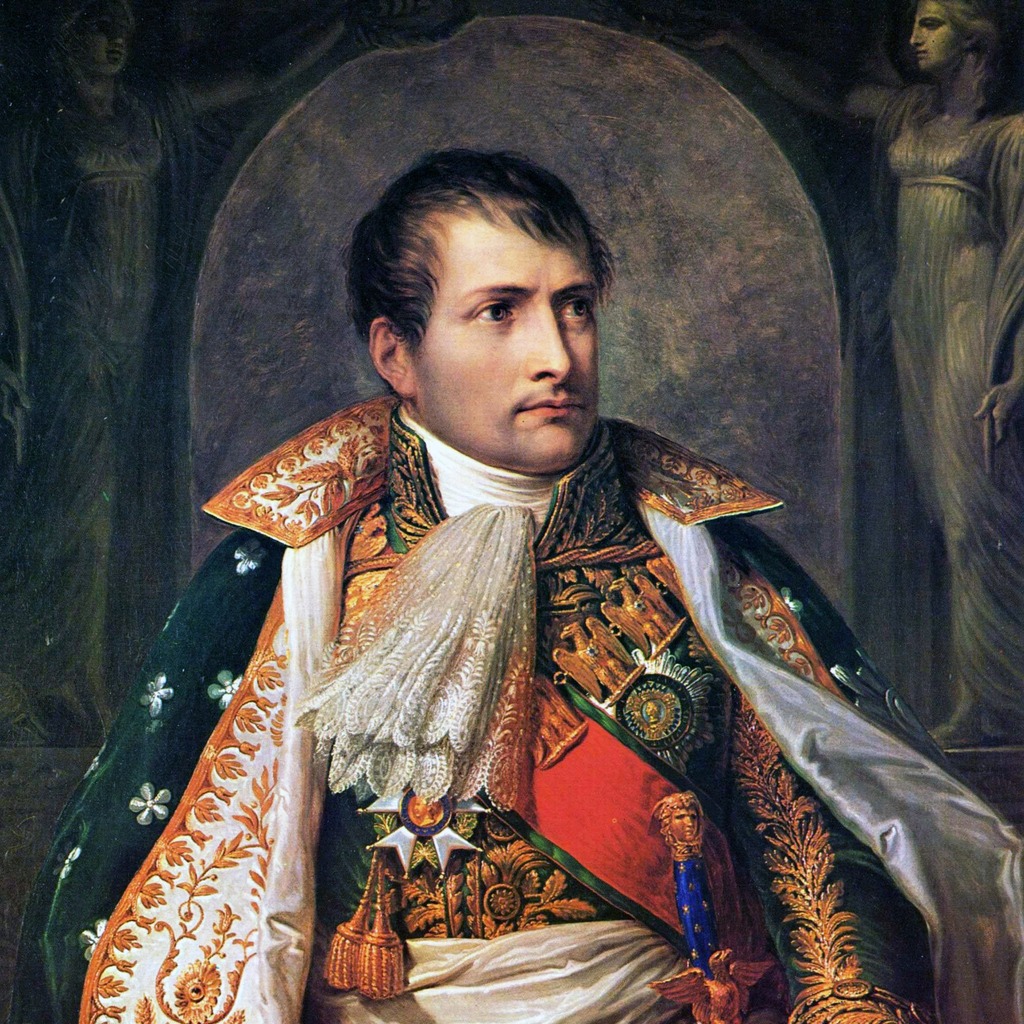 Napoleon
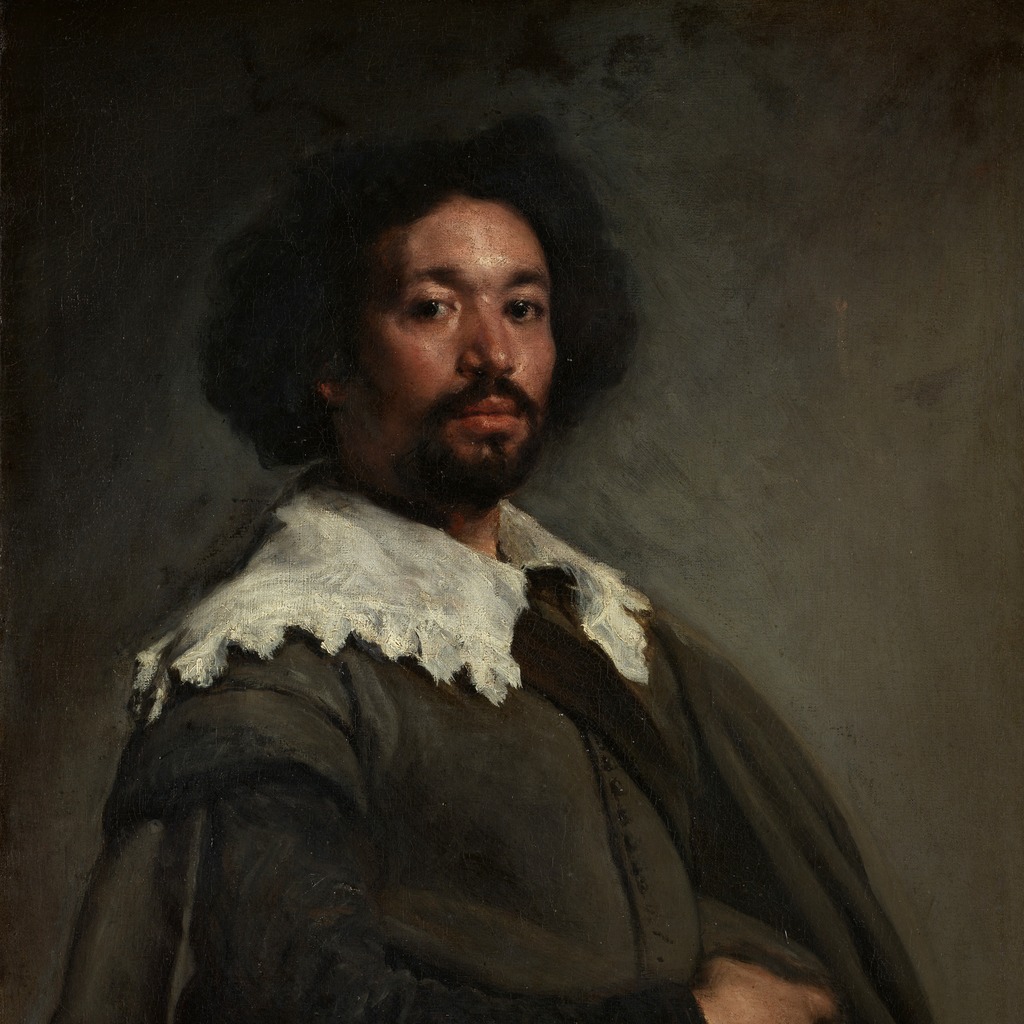 Juan de Pareja
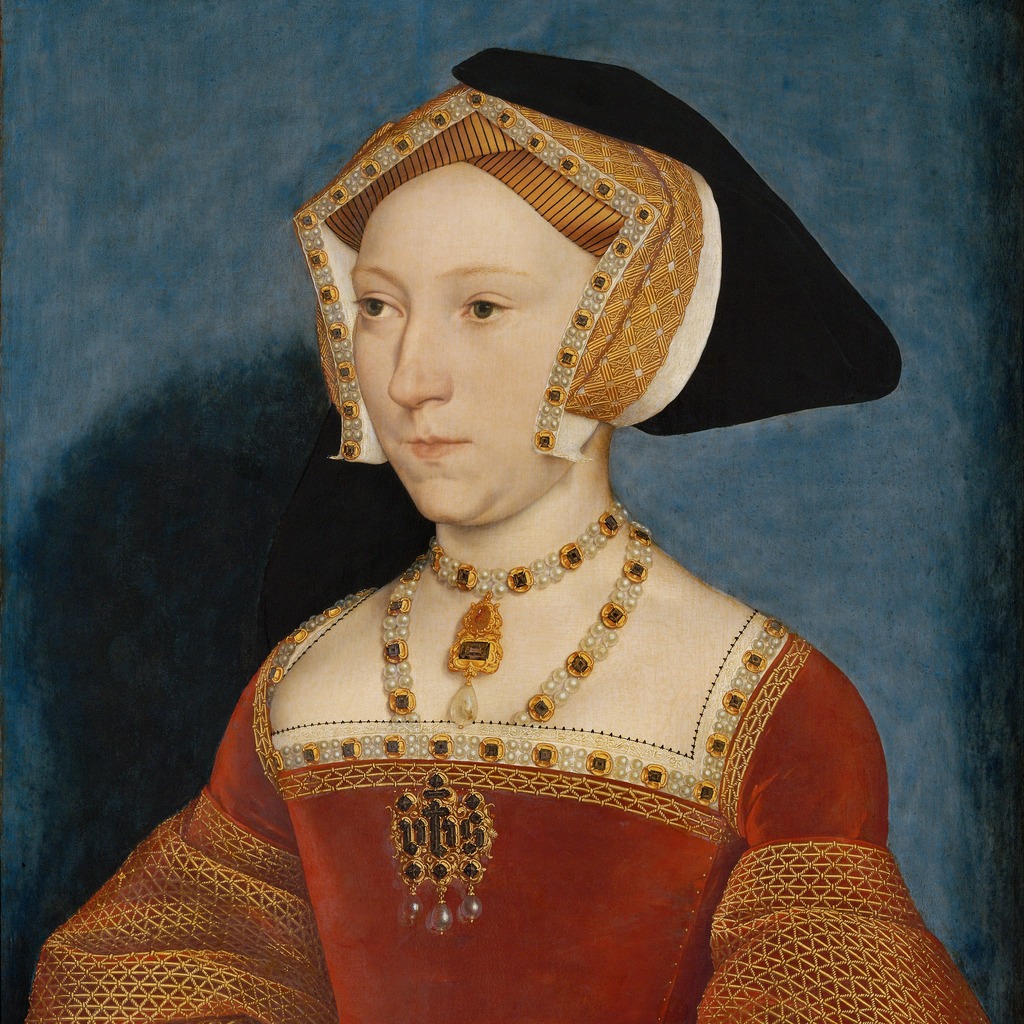 Jane Seymour
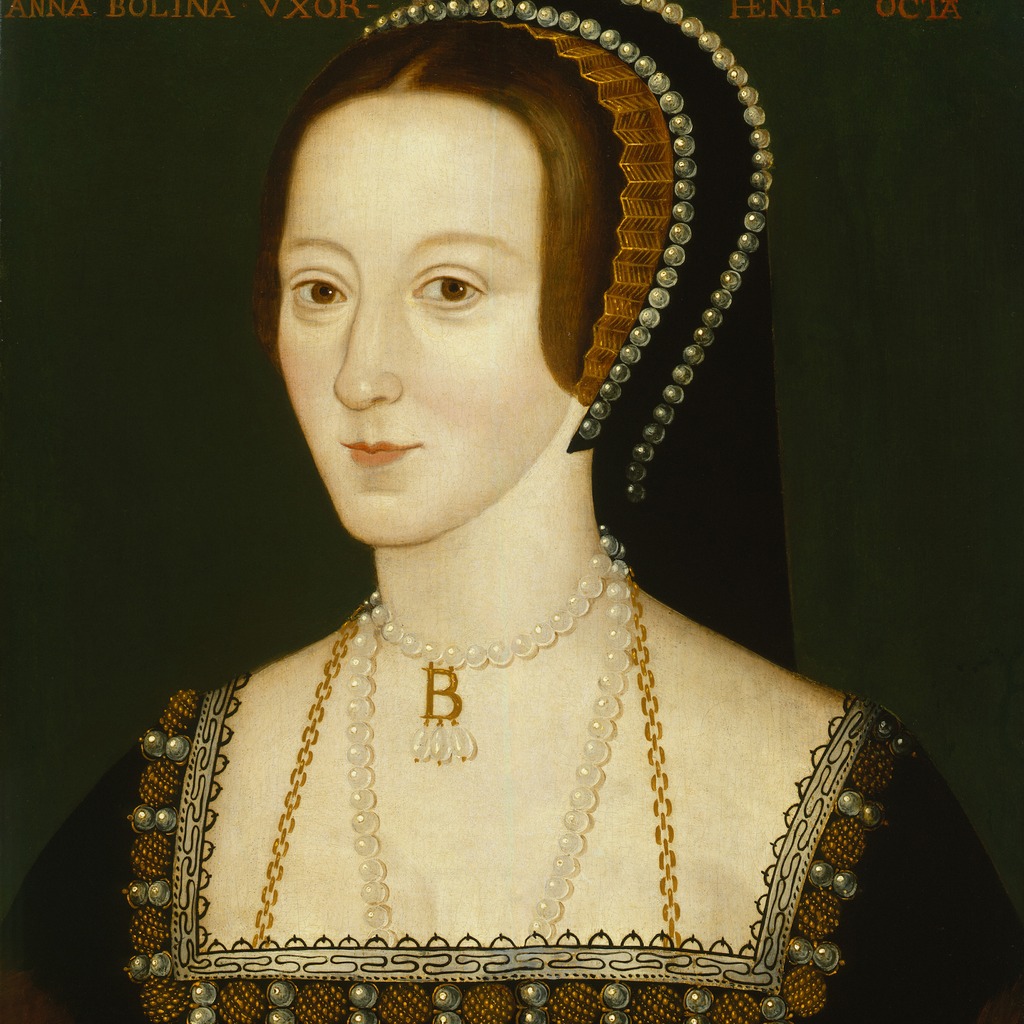 Anne Boleyn
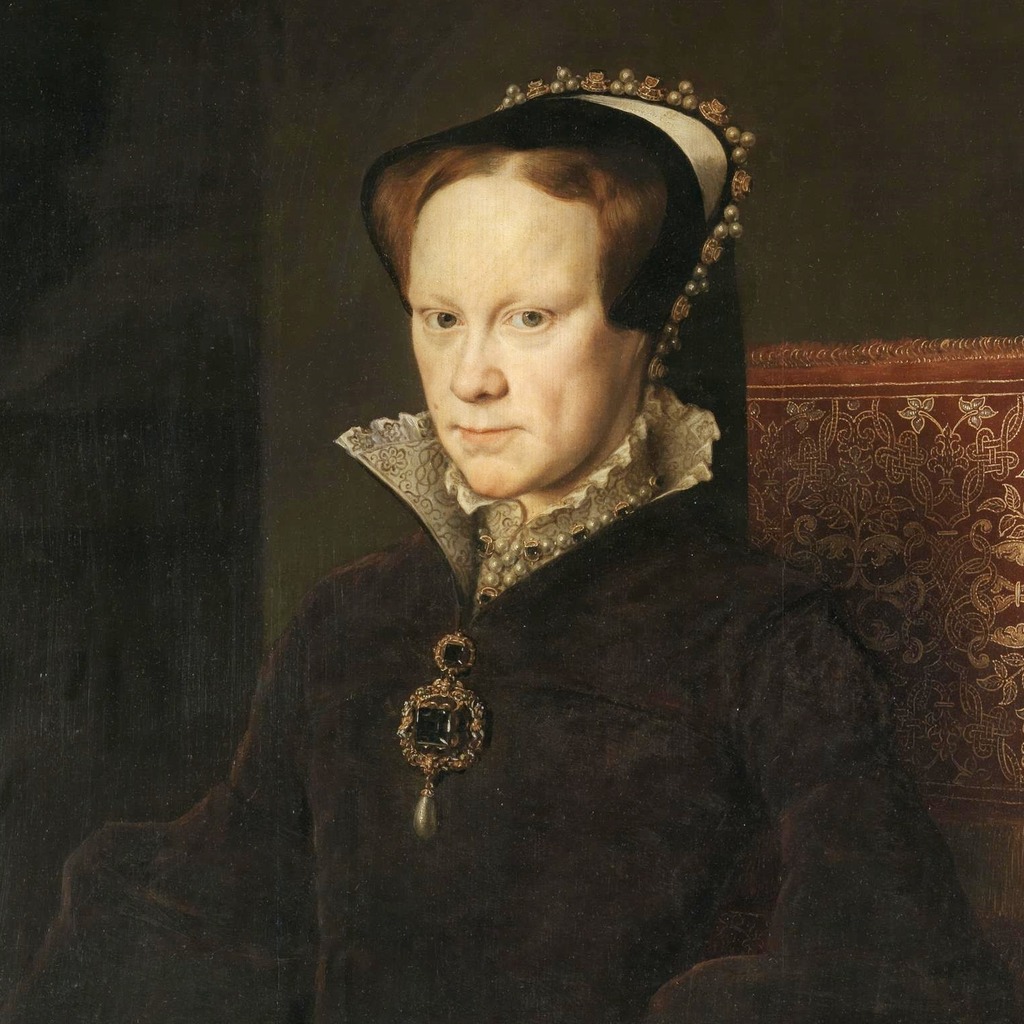 Mary I
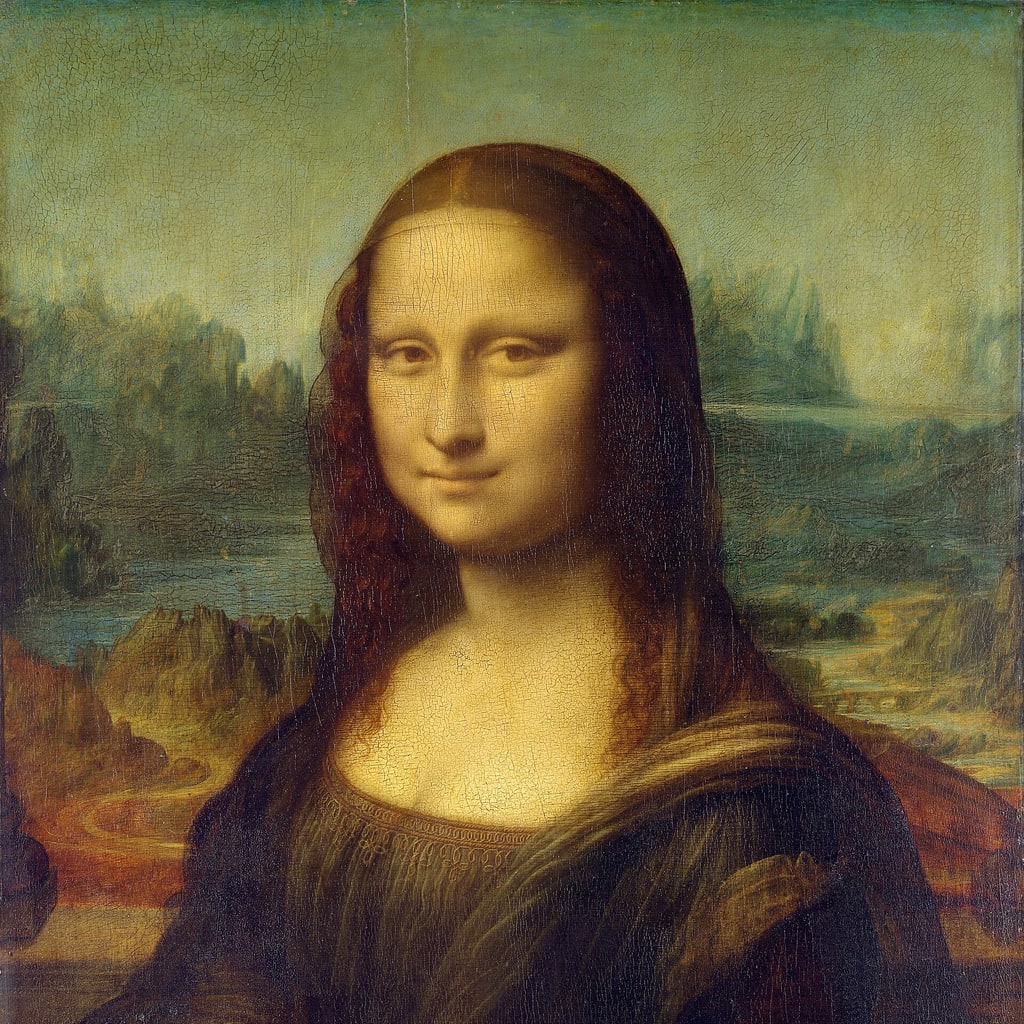 Mona Lisa
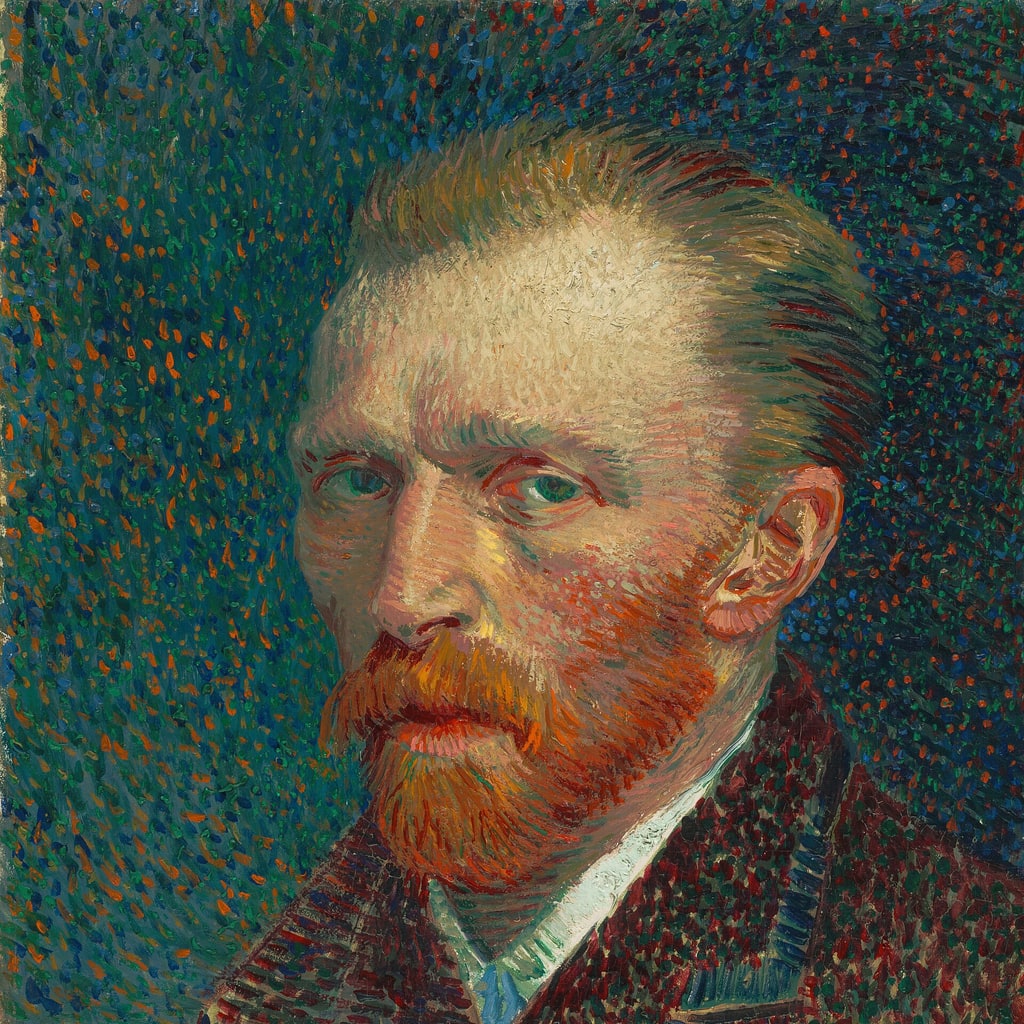 Van Gogh Self-Portrait
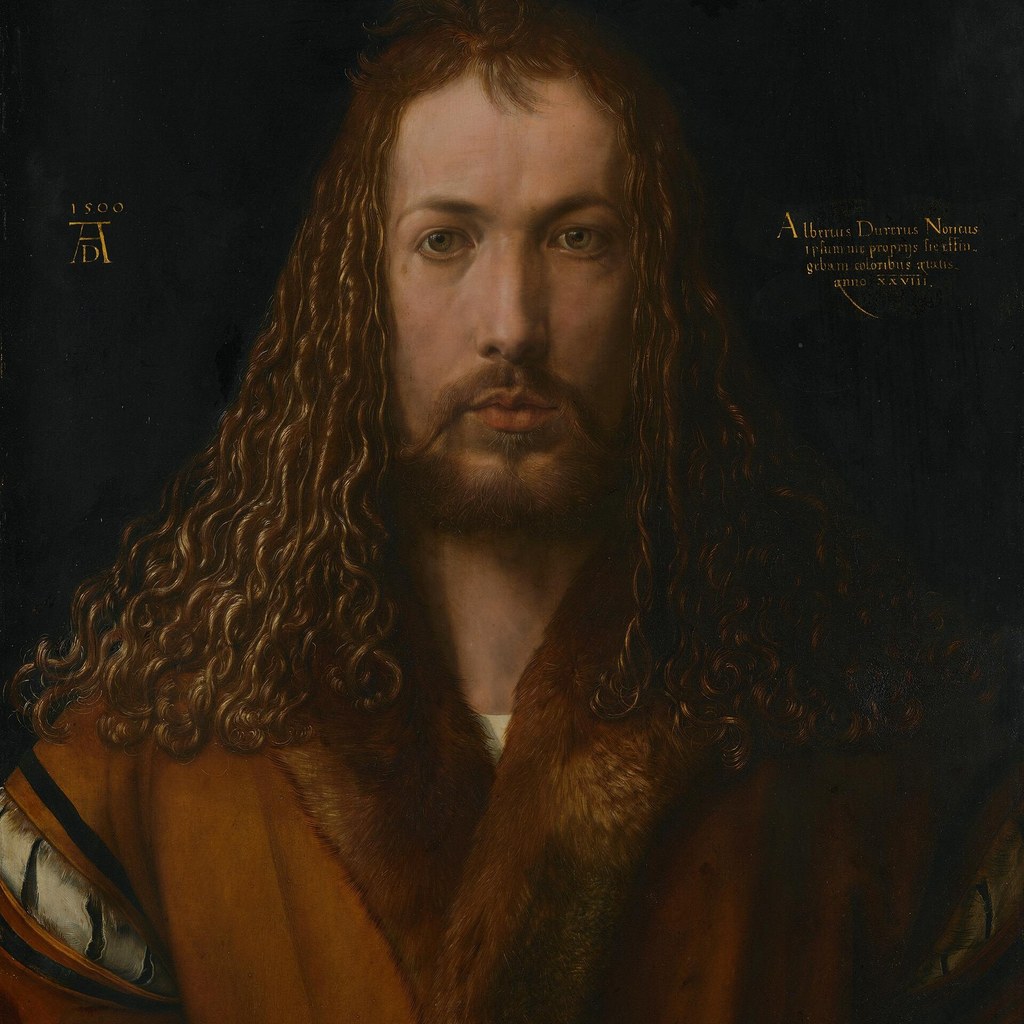 Dürer's Self-Portrait
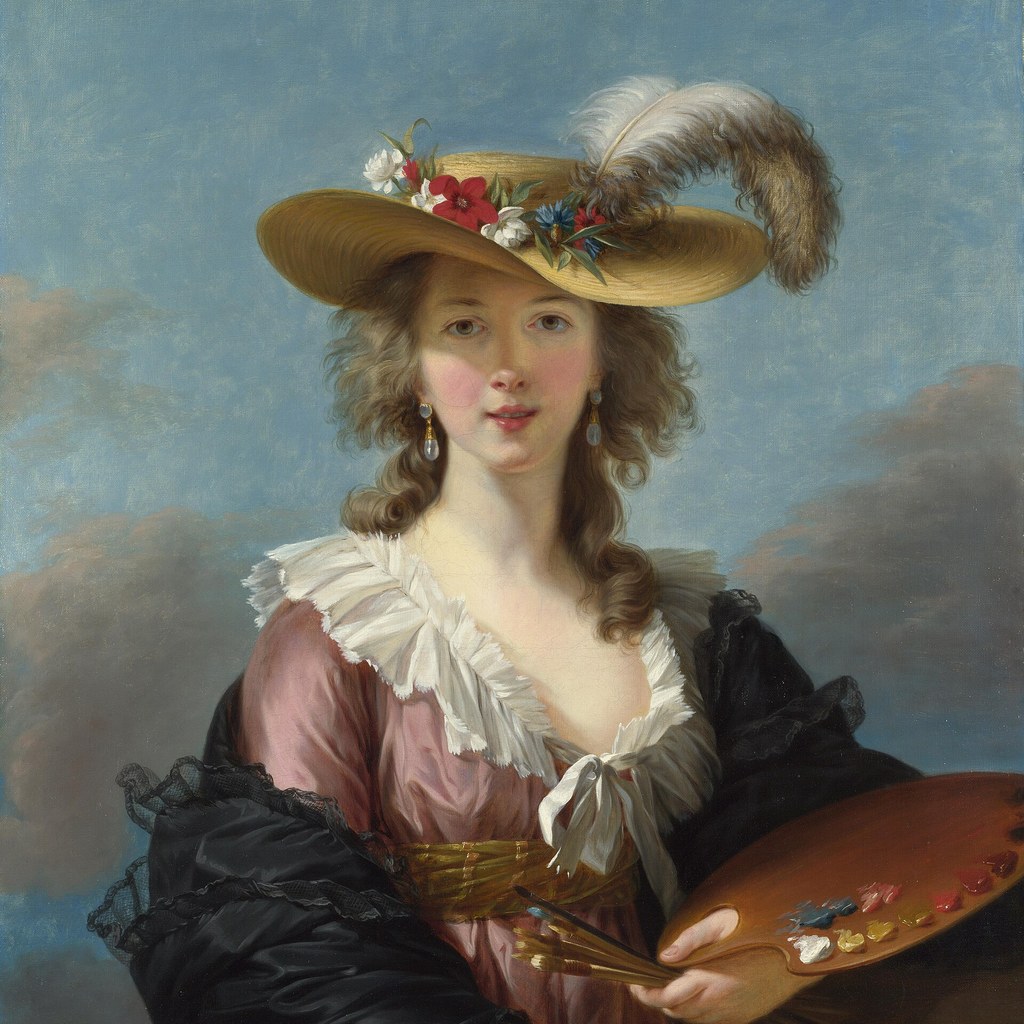 Self-Portrait in a Straw Hat
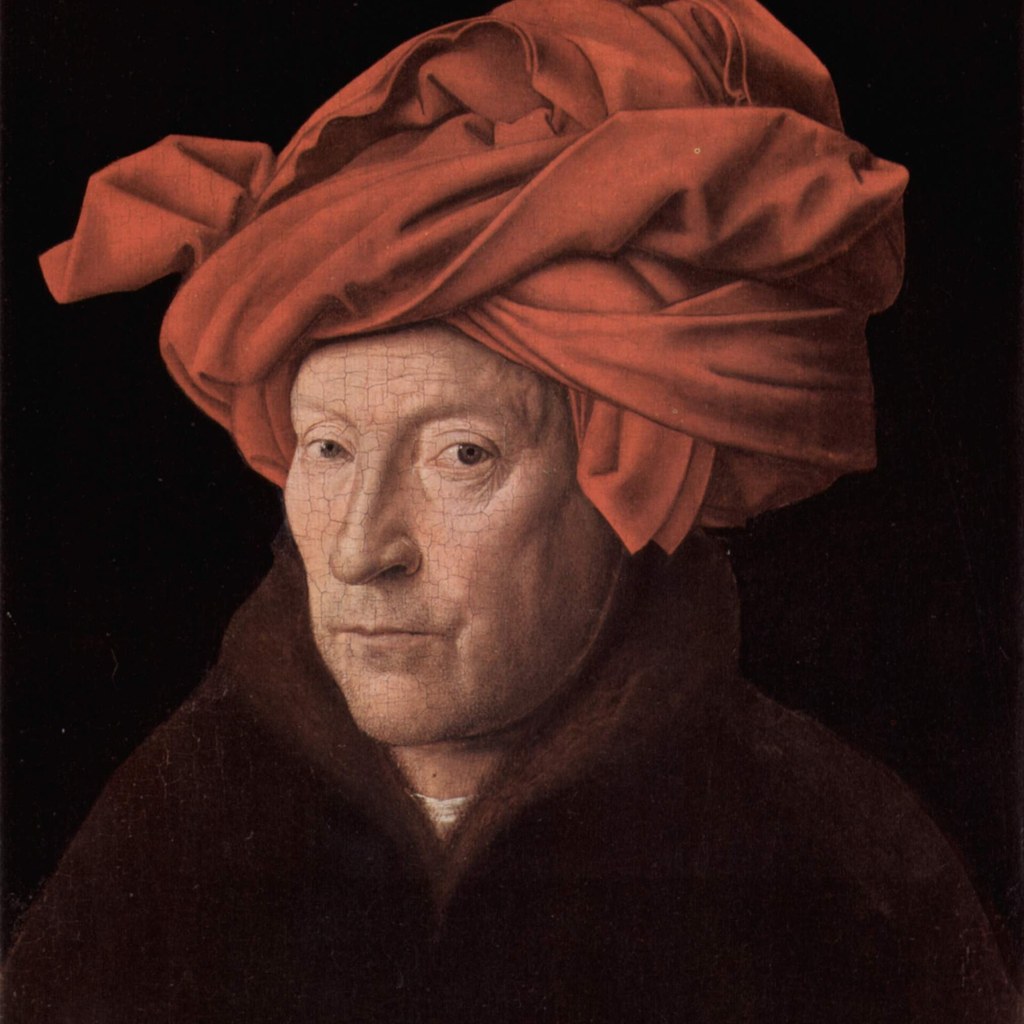 Man in a Red Turban
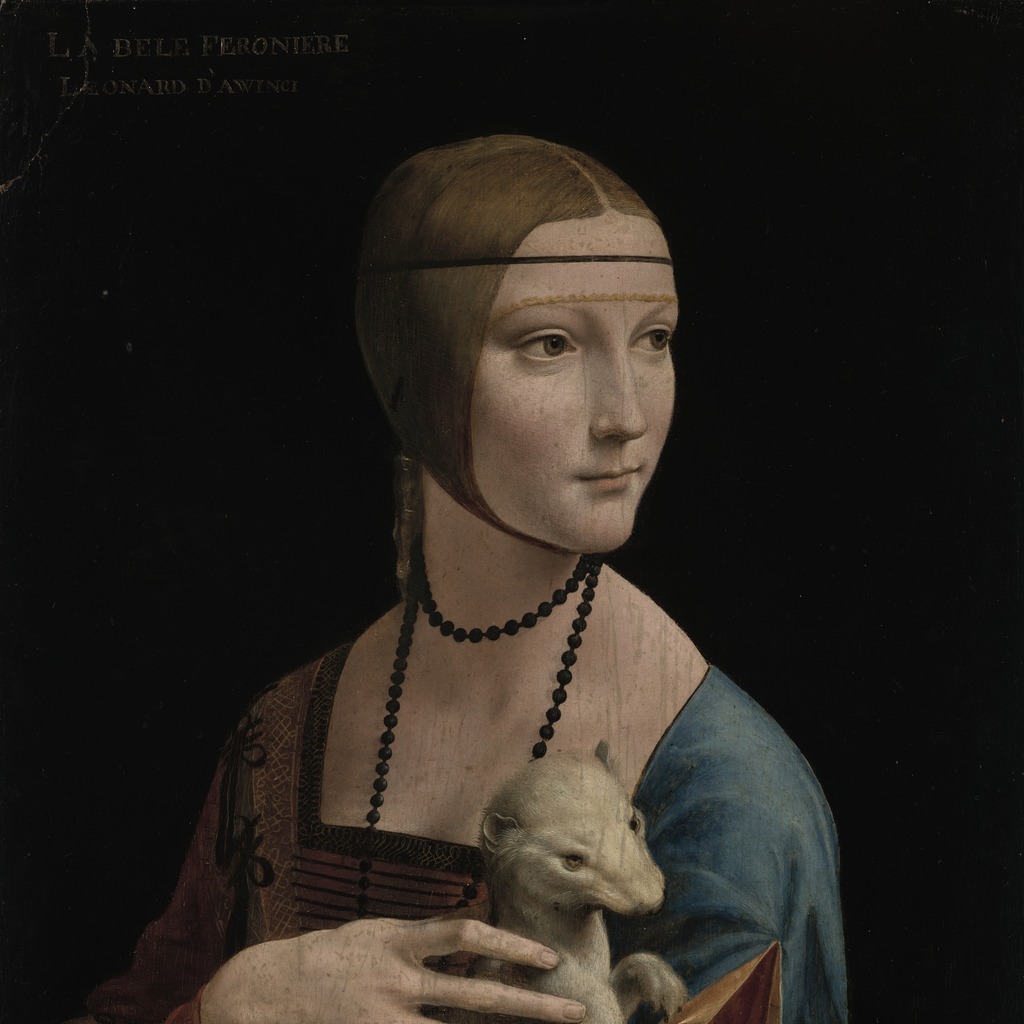 Lady with an Ermine
 The Blue Boy
 American Gothic
Questions
Why is he dressed like that?
Because the informality is the argument. A king who does not need a crown to be obviously the king is making a stronger claim than one surrounded by regalia, and Van Dyck invented a whole tradition of relaxed royal portraiture out of it.
How did a picture of an English king end up in Paris?
It was sold off after the execution, when the Commonwealth dispersed the royal collection, and passed through several hands before Louis XVI bought it for the French crown in 1775.
Was Charles really that short?
Around five foot four, by the measurements of his surviving armour. Van Dyck dealt with it by lowering the horizon so the viewer looks slightly upward, a trick he used in almost every portrait of him.
Is it free?
Yes. There is a limit on how many you can make in a day, and sharing one earns the allowance back.
Do you keep my photo?
No. Your selfie is used to make the image and then dropped — it is never written to disk. The finished meme is stored, because it has a link people can open, and it is deleted after 90 days.
Can I use someone else’s face?
Please do not. Use your own. Putting a real person into a picture they did not agree to is exactly the thing this is not for.
Can I post the result?
Yes, anywhere you like. The paintings are public domain; what you make with your own face is yours.