

Making your meme…
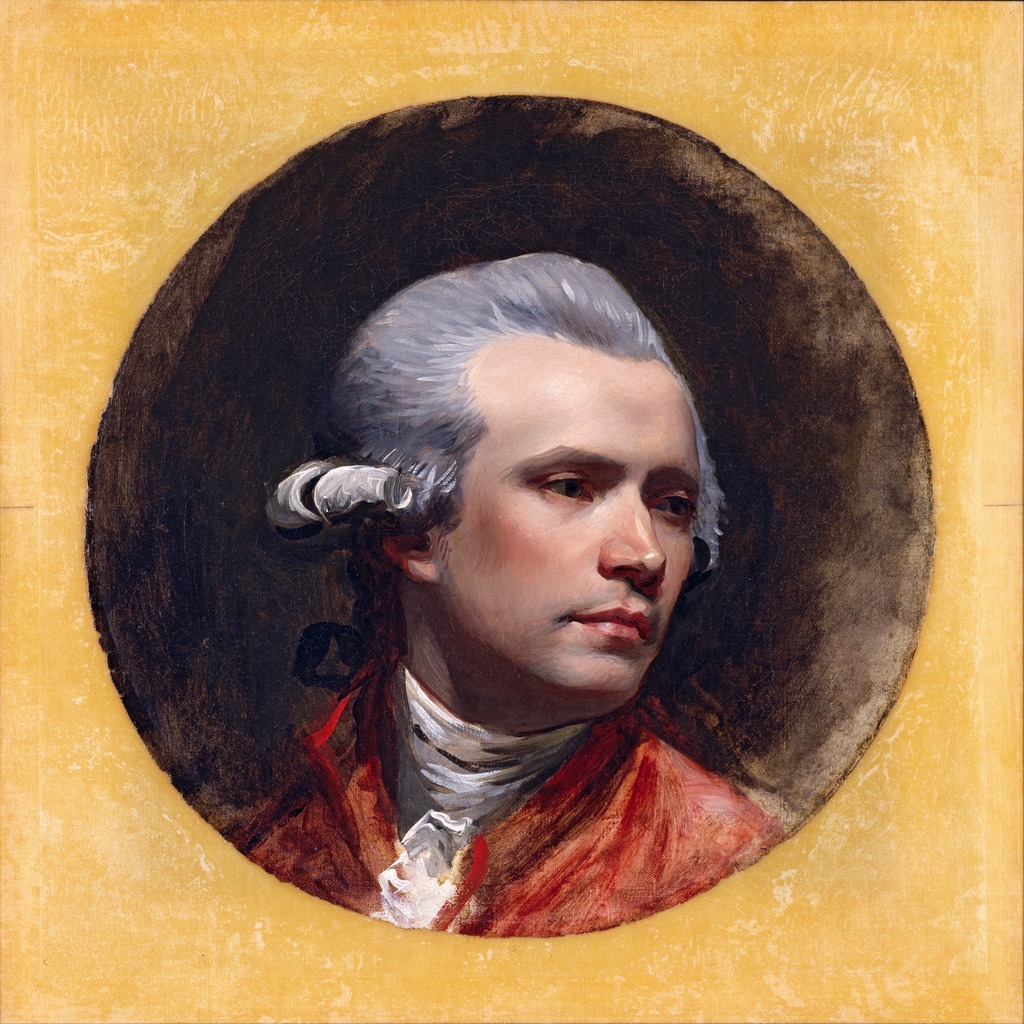
John Singleton Copley · c. 1780–1784
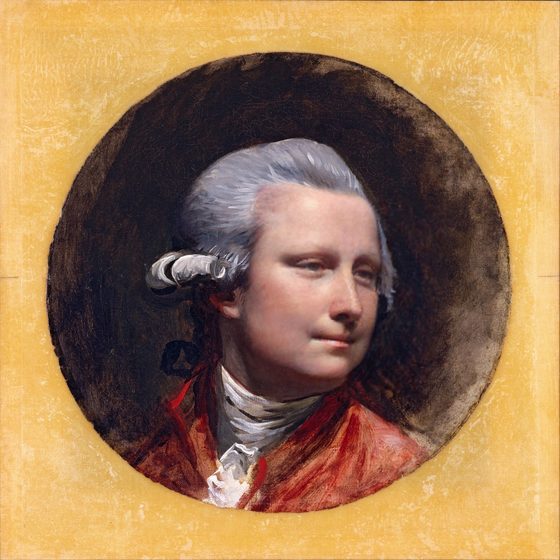
John Singleton Copley face swap
The best painter in colonial America, who left in 1774 and never went back.
or
Under 15 seconds · no sign-up · your selfie is never stored
Or become a patron and stop counting. Already a patron? Sign in.
How it works
-
Take a photo
Front camera, decent light, look straight ahead. Or pick one you already have.
-
We paint you in
Your face goes into the painting, keeping its light and its brushwork. About fifteen seconds.
-
Share the link
You get a page anyone can open. No account, nothing to install.
Where this one comes from
Copley taught himself to paint in Boston, largely from prints, and by his twenties was better than anyone else working in the colonies. He spent years writing to London for advice and finally sailed in 1774, months before the war began, and stayed for the rest of his life. He painted this circular self-portrait in the early 1780s, by which time he was a Royal Academician making enormous history pictures. He never saw America again.
What is in the picture
A round canvas with a saffron-yellow ground, which is an unusual choice and makes the whole picture feel like a medal. He is in a dark coat with a white stock and a powdered wig, turned away and looking back over the shoulder. The handling is confident and quick, worlds away from the tight enamelled surfaces of his Boston portraits — you can watch a colonial craftsman having become a London professional in the space of ten years.
When people use it
For leaving somewhere and doing well out of it. It suits an emigration, a career change, and any caption about the road not taken working out fine.
How your face lands in it
A three-quarter head turned back over the shoulder, lit from the front, with a powdered wig covering the hairline entirely. The tondo format crops close, so the face fills a good share of the picture. Something shot at a slight angle settles in better than a square one.
Self-Portrait — John Singleton Copley, c. 1780–1784. John Singleton Copley died in 1815, so the painting has been in the public domain for over a century and a faithful reproduction of it gains no new rights. Source

Also in: Paintings · Self-portraits
More paintings
 Van Gogh Self-Portrait
 Dürer's Self-Portrait
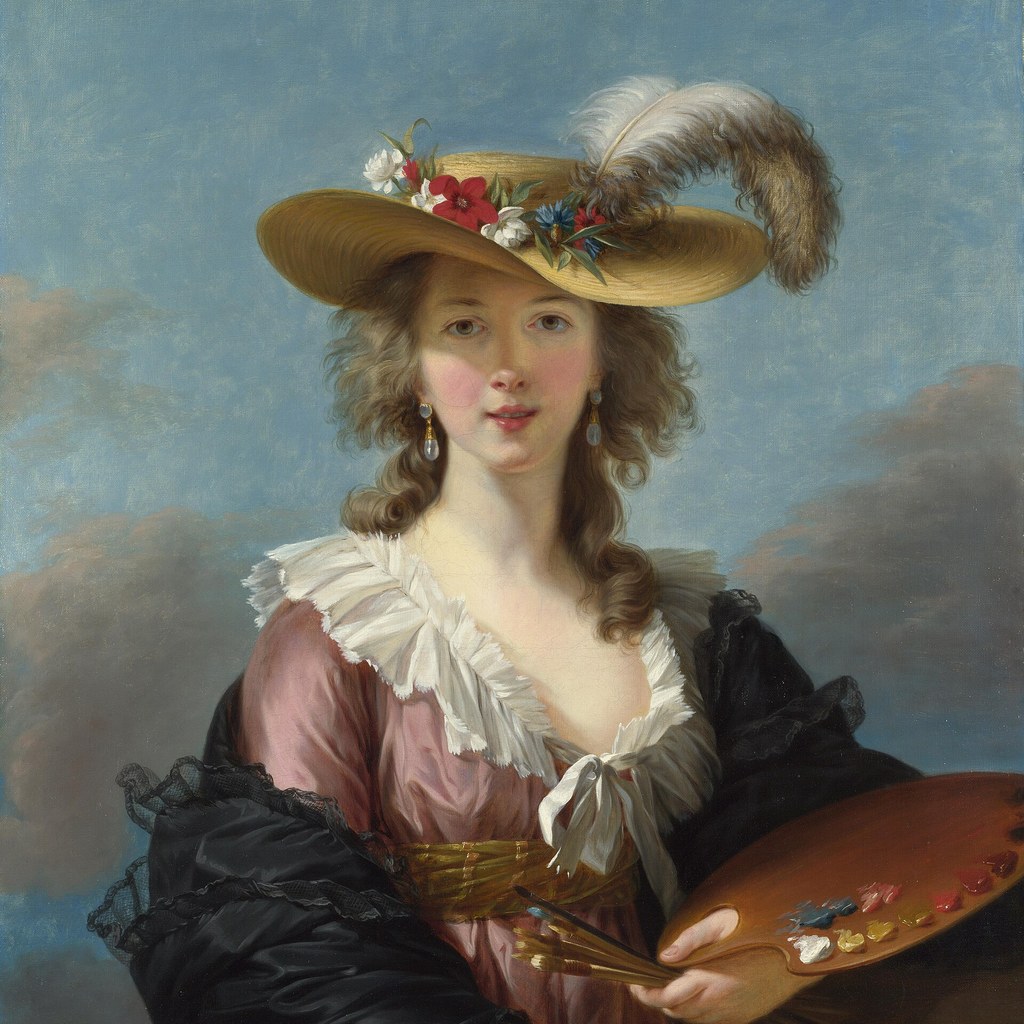 Self-Portrait in a Straw Hat
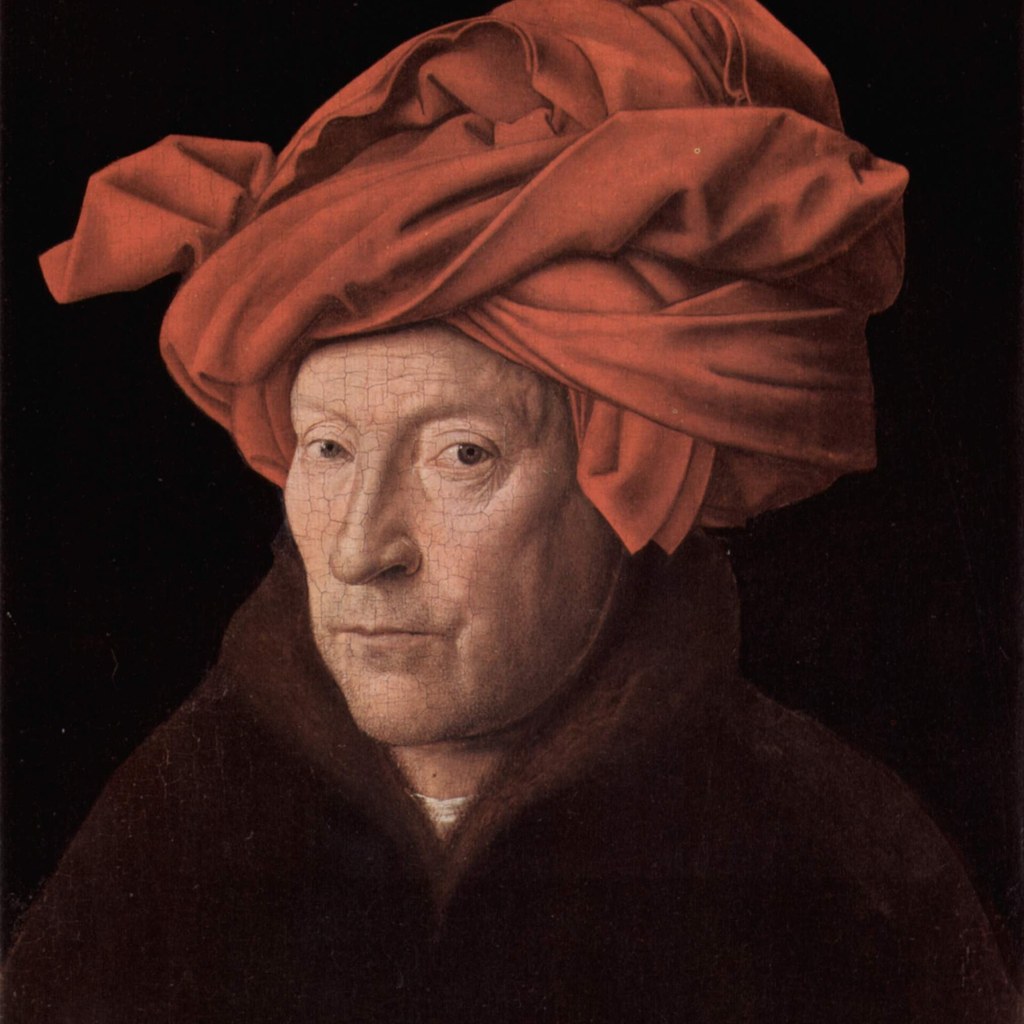 Man in a Red Turban
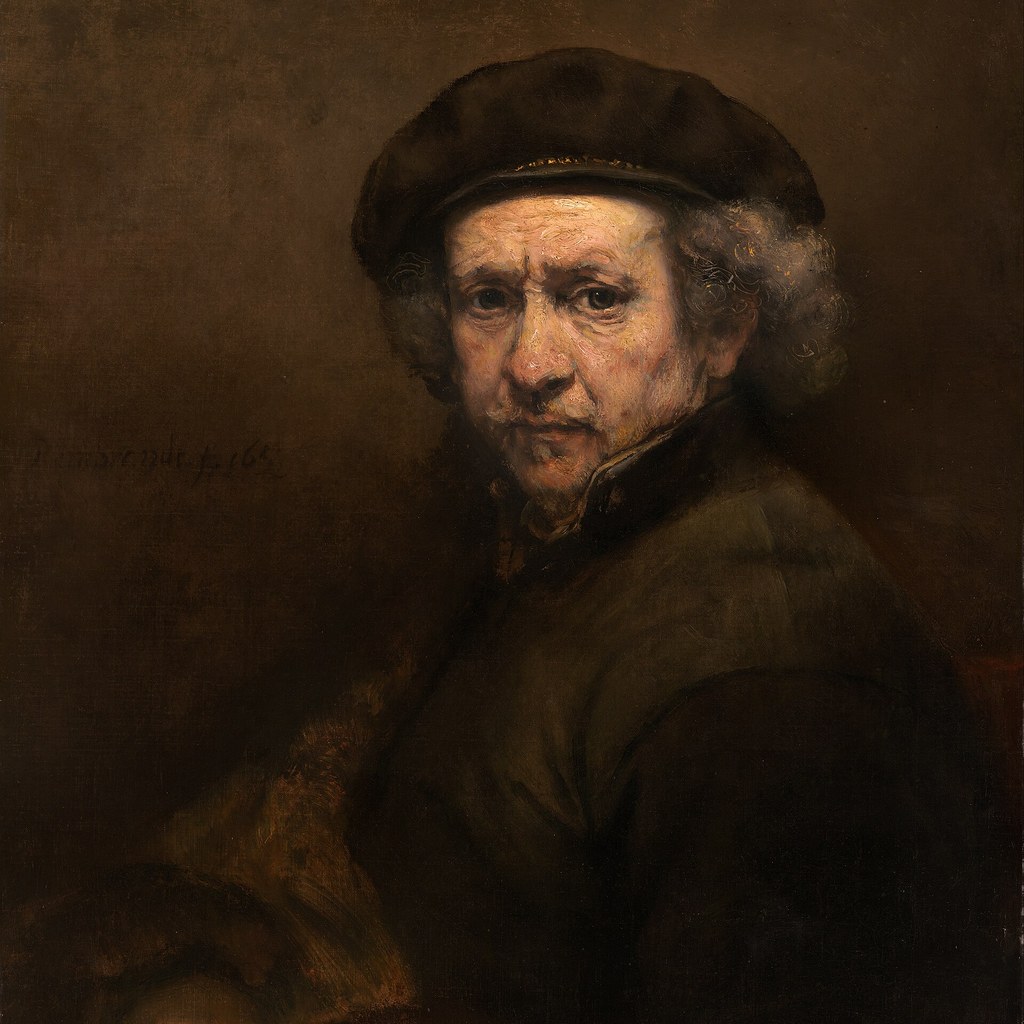 Rembrandt's Self-Portrait
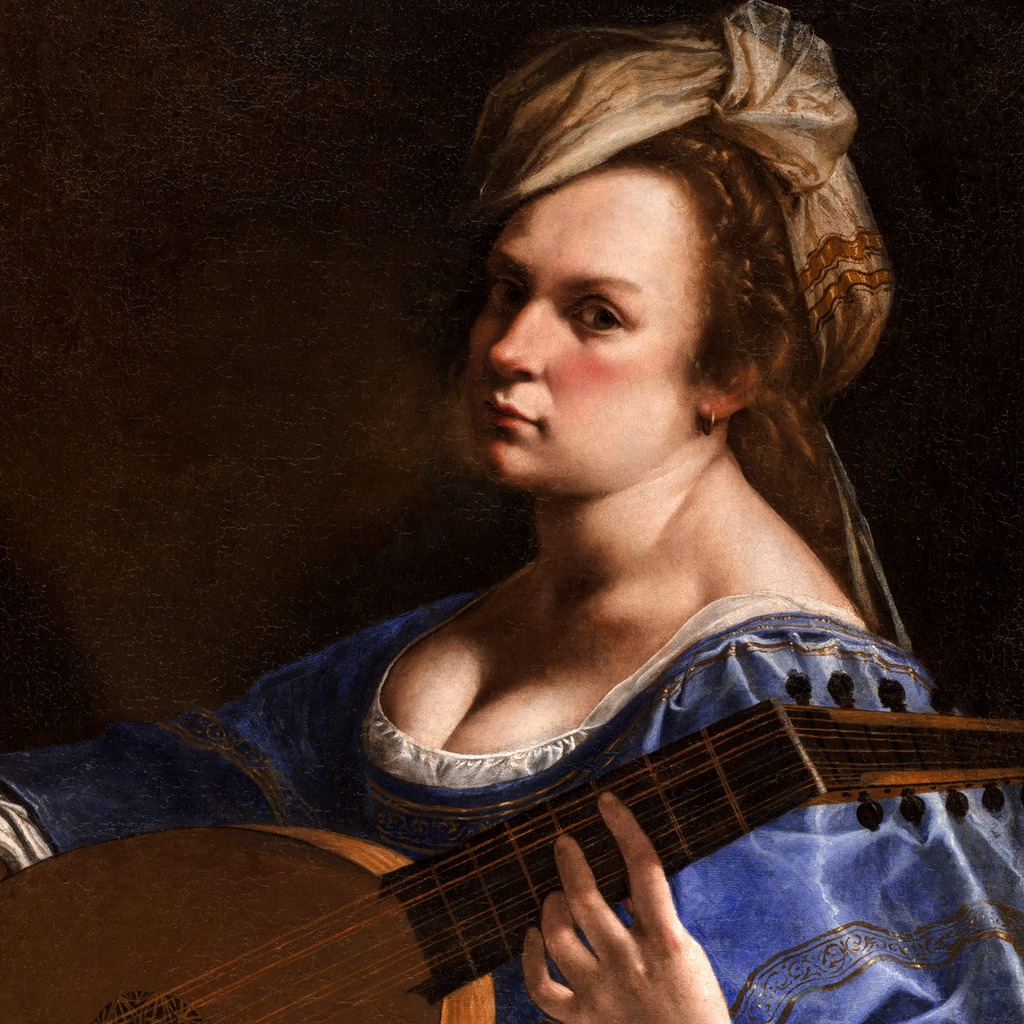 Artemisia's Self-Portrait
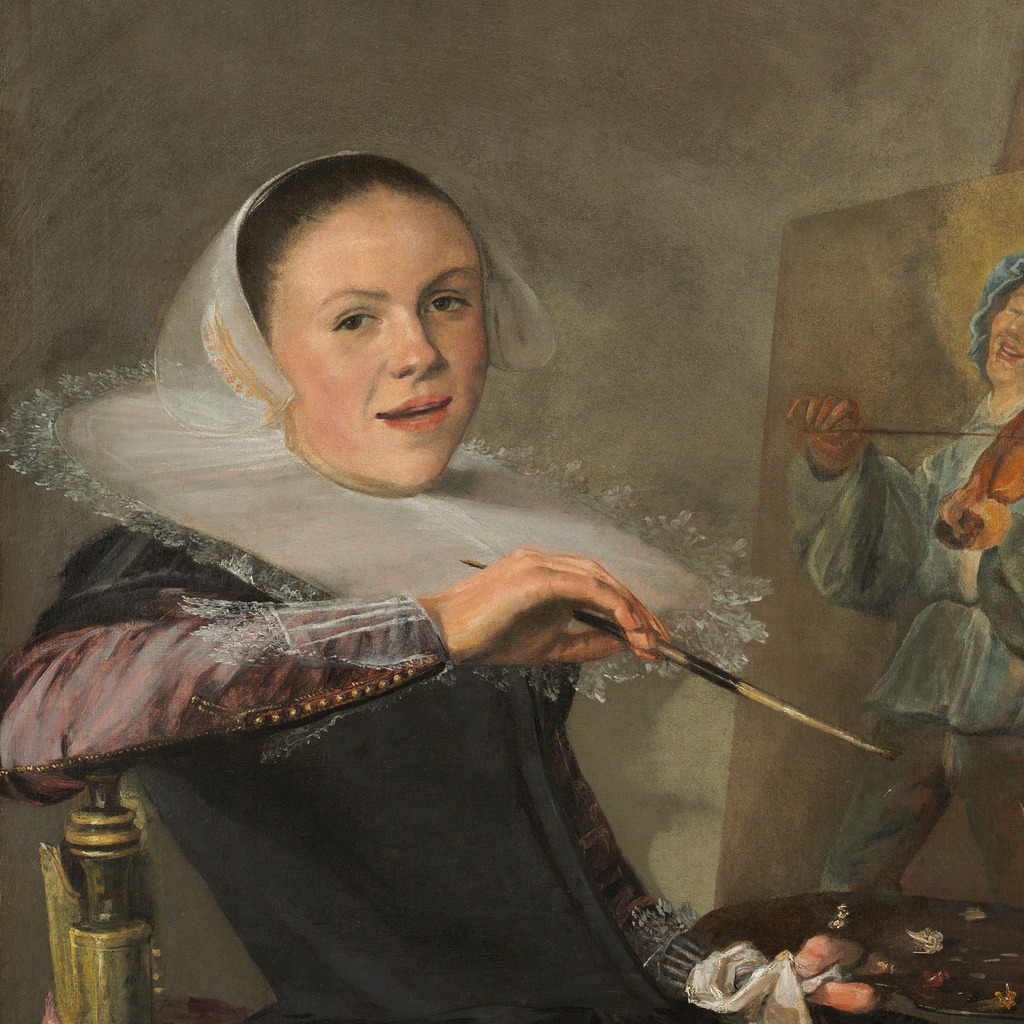 Judith Leyster
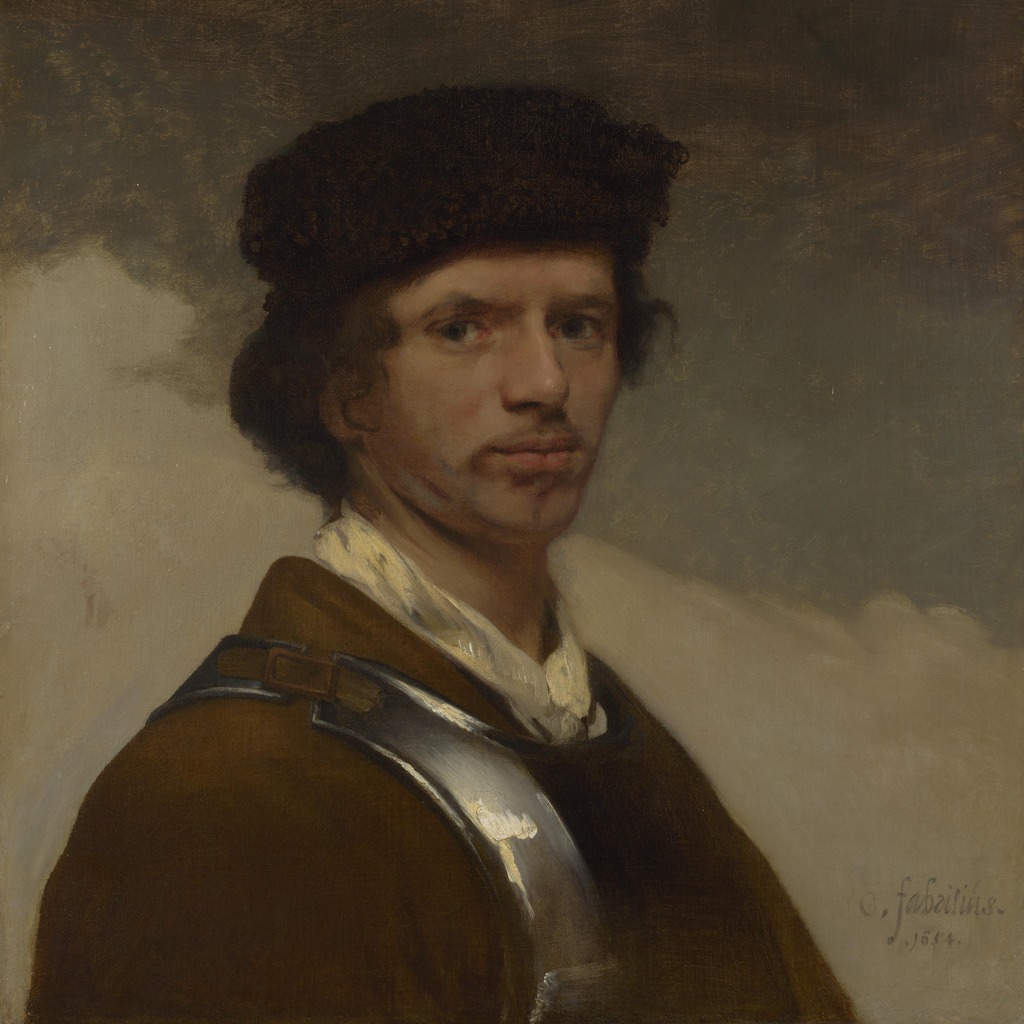 Carel Fabritius
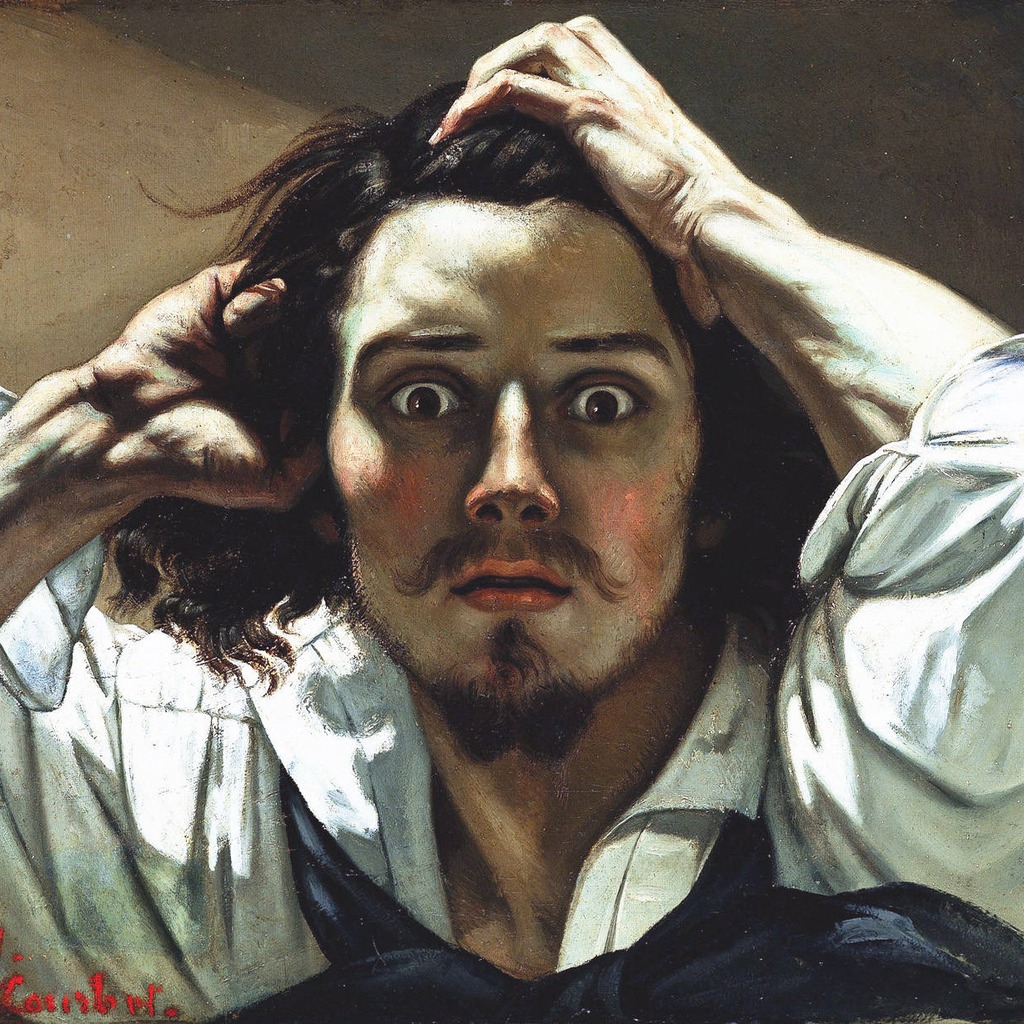 The Desperate Man
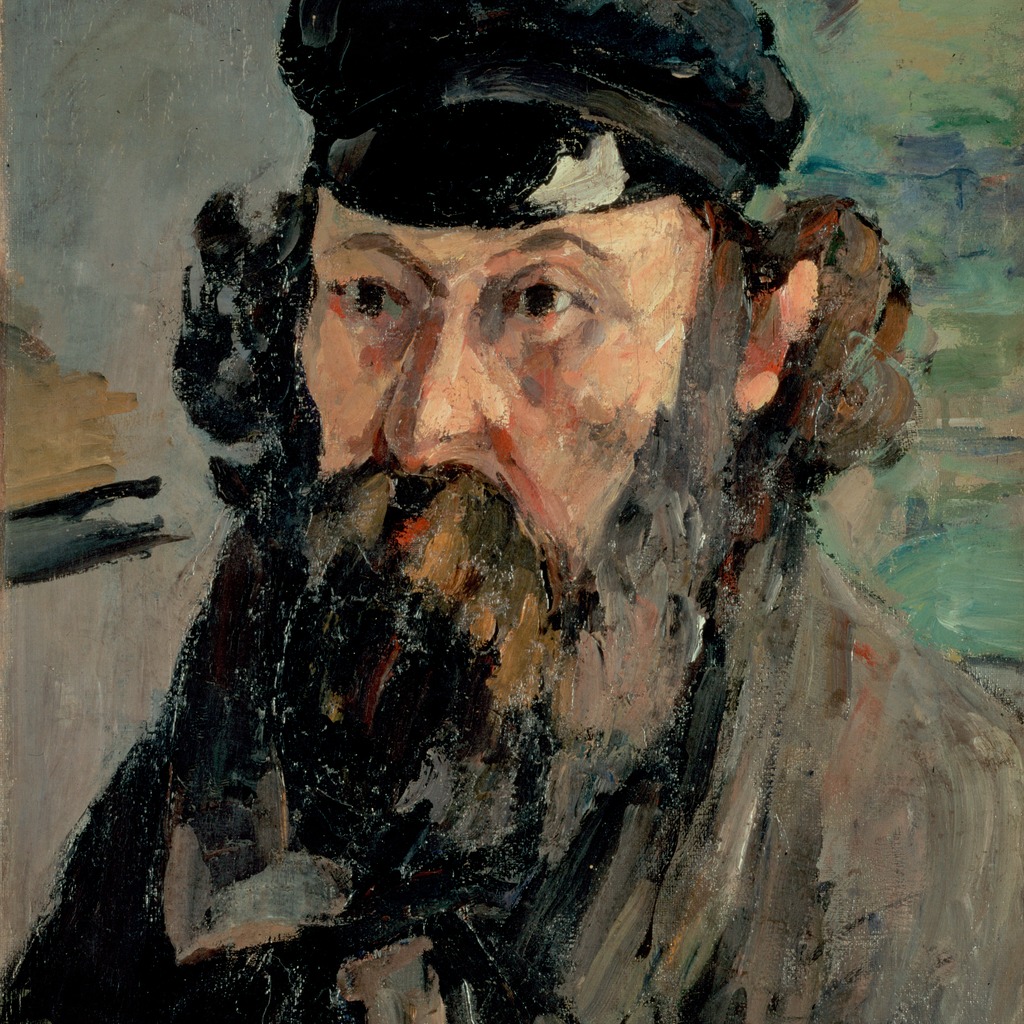 Cezanne
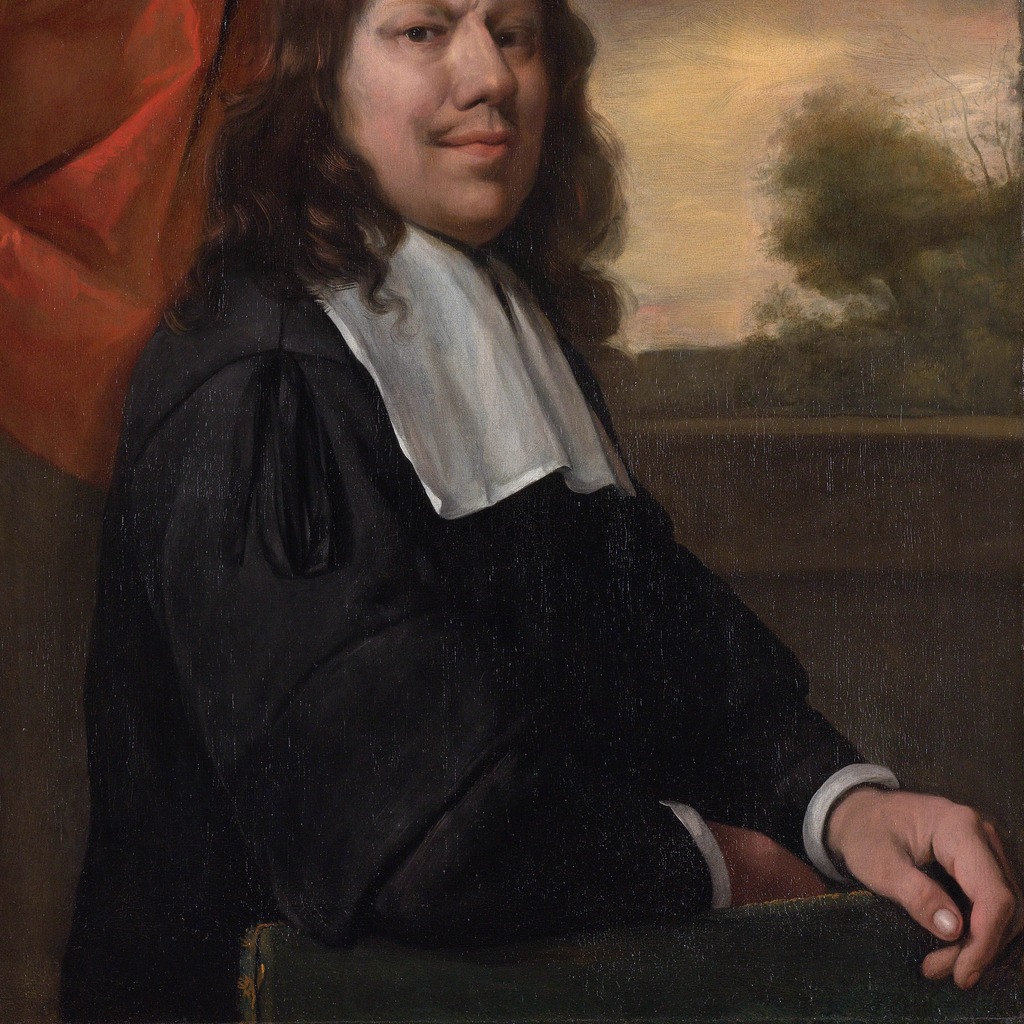 Jan Steen
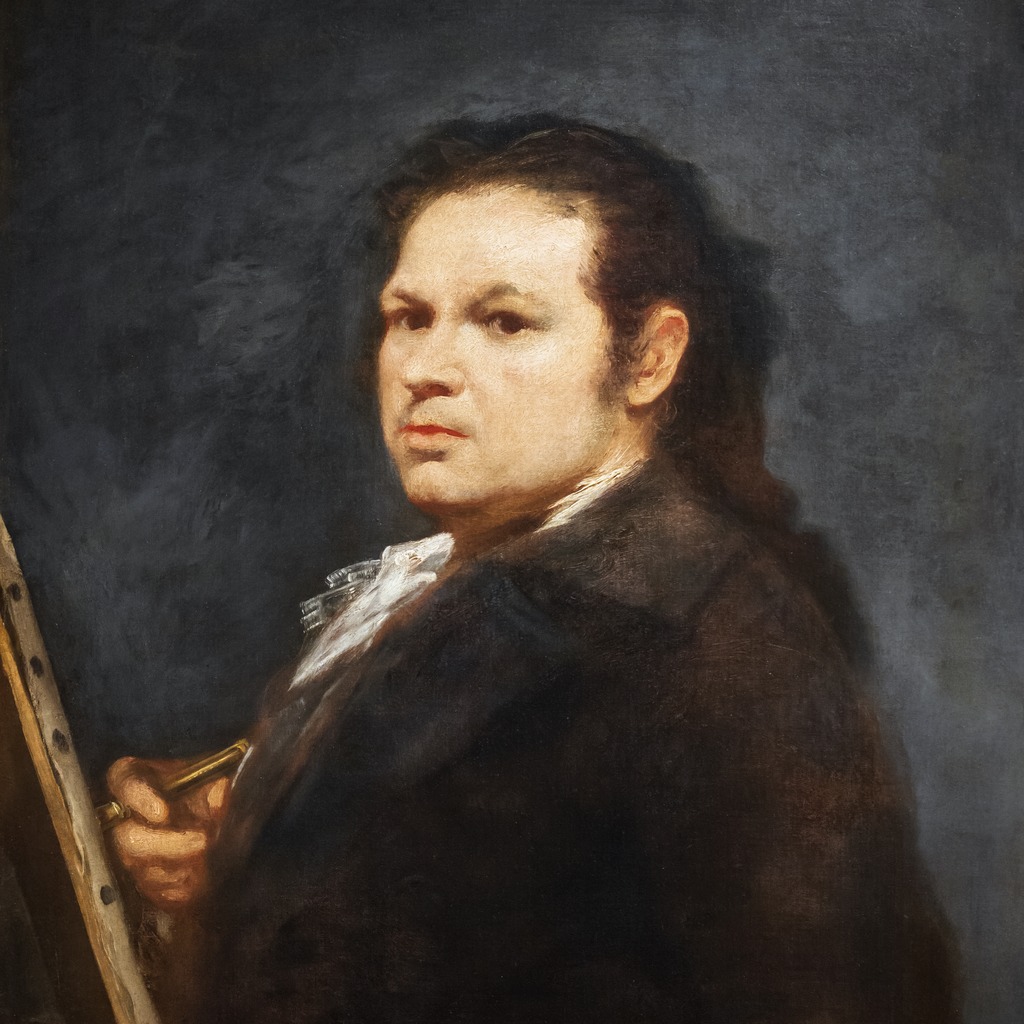 Goya
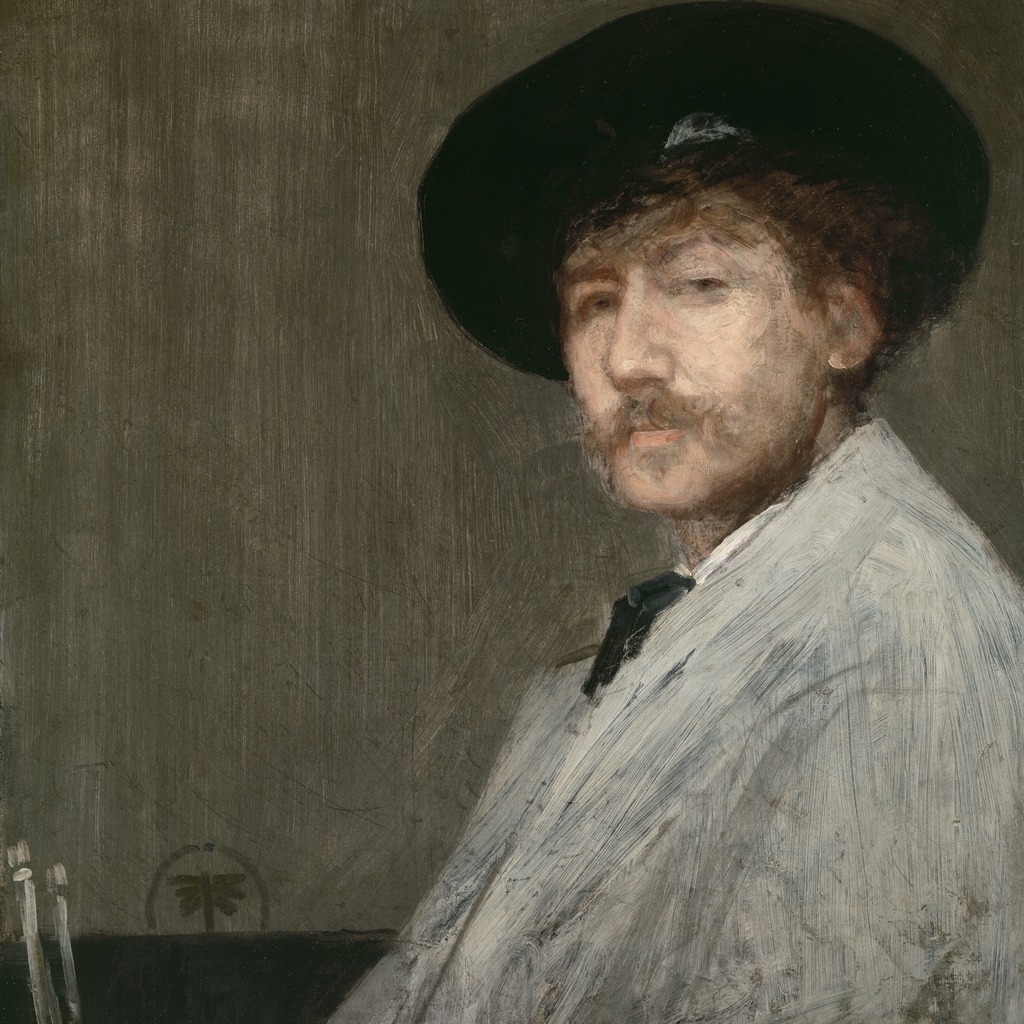 Whistler
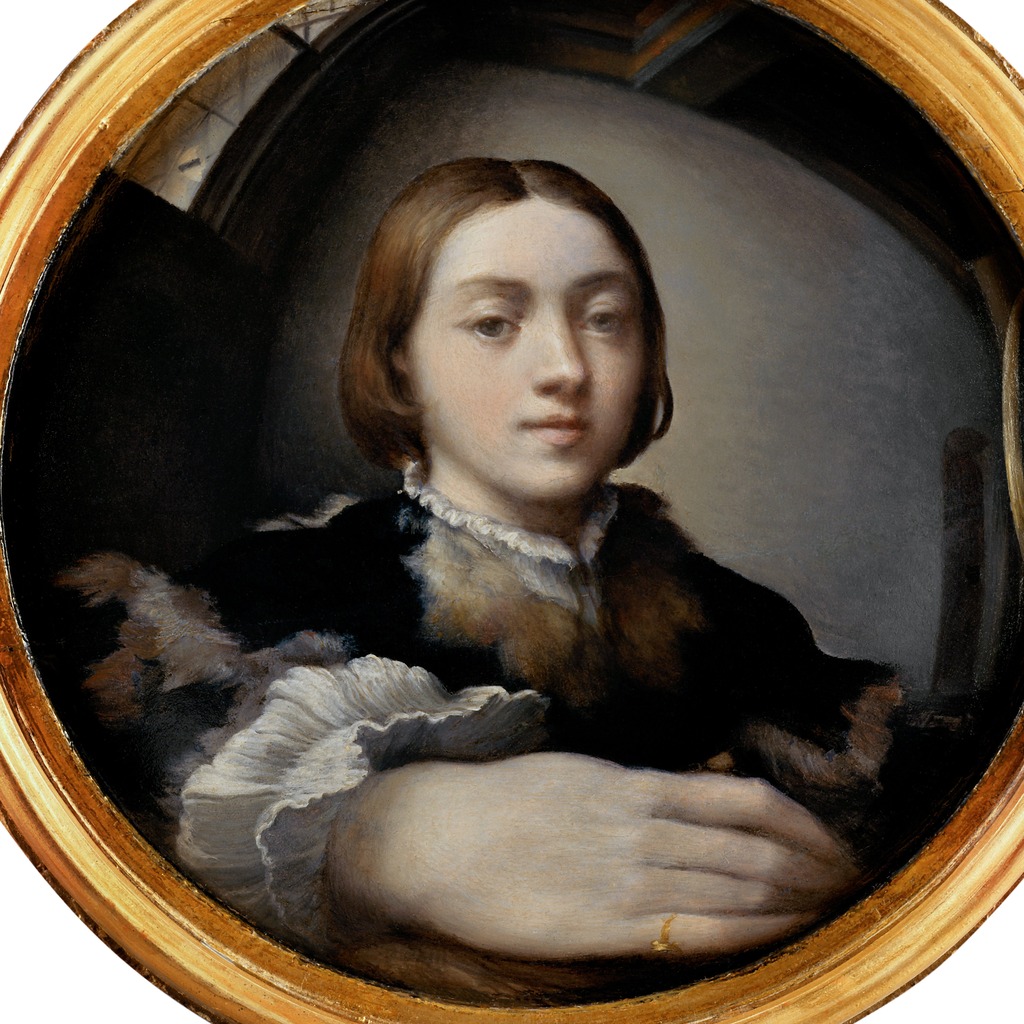 Self-Portrait in a Convex Mirror
 Sofonisba at the Easel
 Titian
 Mona Lisa
 Girl with a Pearl Earring
 The Laughing Cavalier
 Lady with an Ermine
 Henry VIII
 The Blue Boy
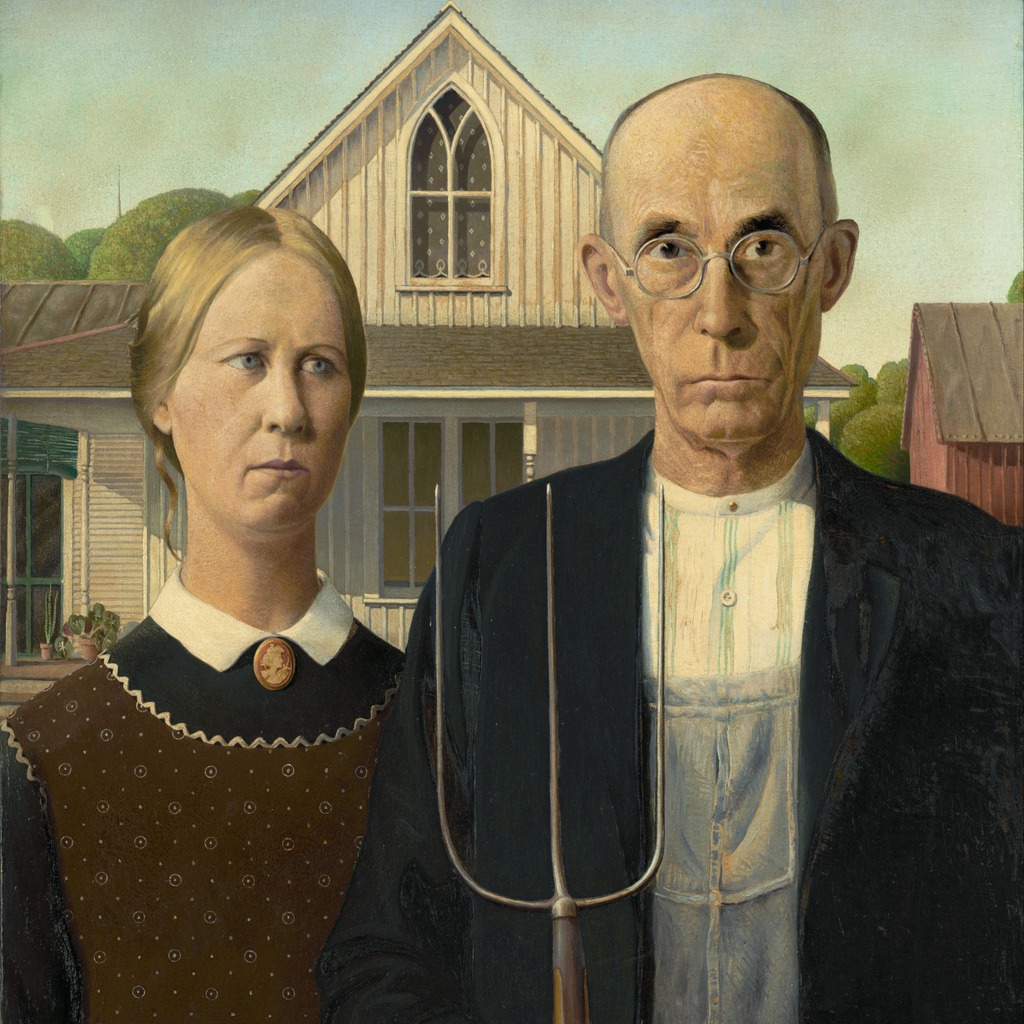 American Gothic
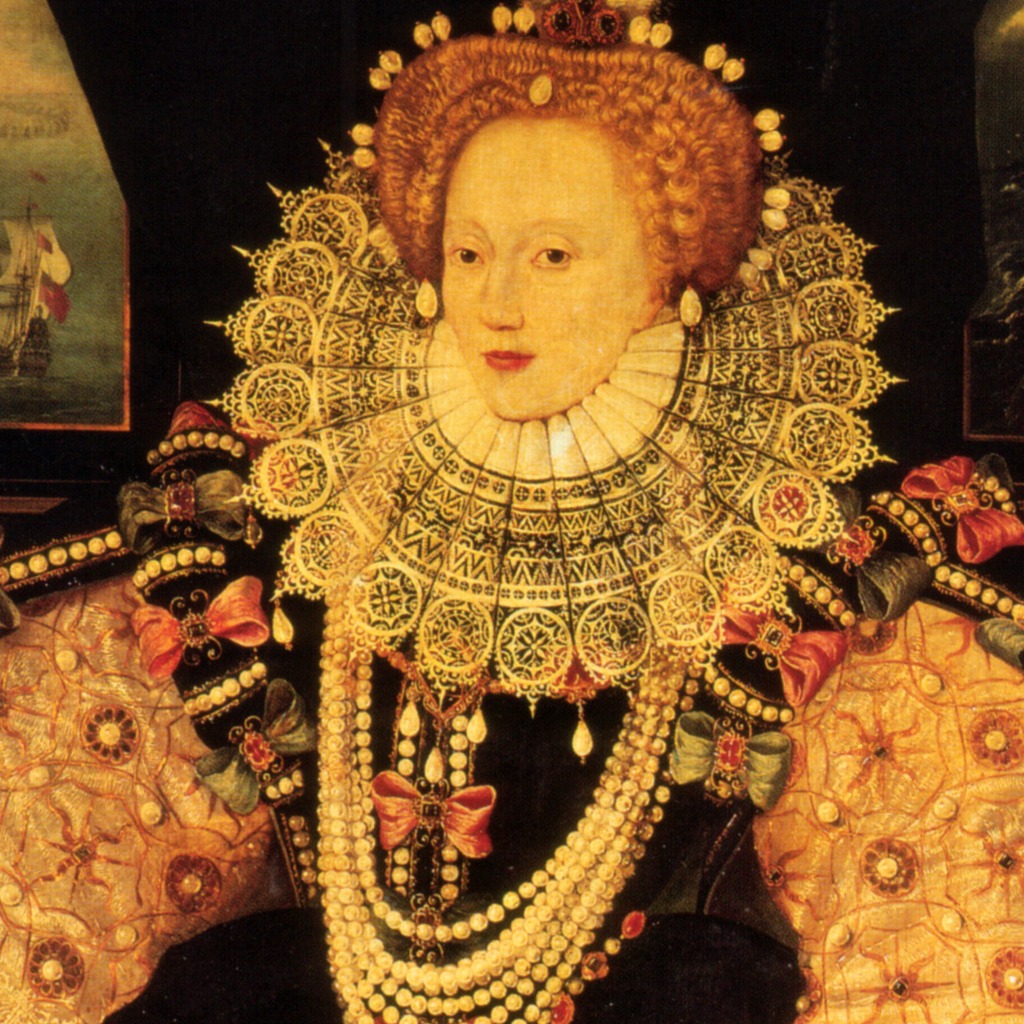 Elizabeth I
Questions
Why did he leave America?
Ambition, and timing. He believed he could not develop further without seeing European painting, and he sailed in 1774 as the political situation in Boston collapsed. His wife’s family had handled the tea thrown into the harbour.
What is he famous for?
In America, the sharp unflattering portraits of Boston merchants and their wives. In Britain, dramatic contemporary history paintings — above all Watson and the Shark of 1778, a rescue in Havana harbour painted as though it were a martyrdom.
Why is the canvas round?
Tondo self-portraits were a minor eighteenth-century convention, borrowed from medals and cameos. The format flatters a head and shoulders and signals that the picture is about the person rather than their position.
Is it free?
Yes. There is a limit on how many you can make in a day, and sharing one earns the allowance back.
Do you keep my photo?
No. Your selfie is used to make the image and then dropped — it is never written to disk. The finished meme is stored, because it has a link people can open, and it is deleted after 90 days.
Can I use someone else’s face?
Please do not. Use your own. Putting a real person into a picture they did not agree to is exactly the thing this is not for.
Can I post the result?
Yes, anywhere you like. The paintings are public domain; what you make with your own face is yours.