

Making your meme…
Paul Cezanne · c. 1872
Cezanne face swap
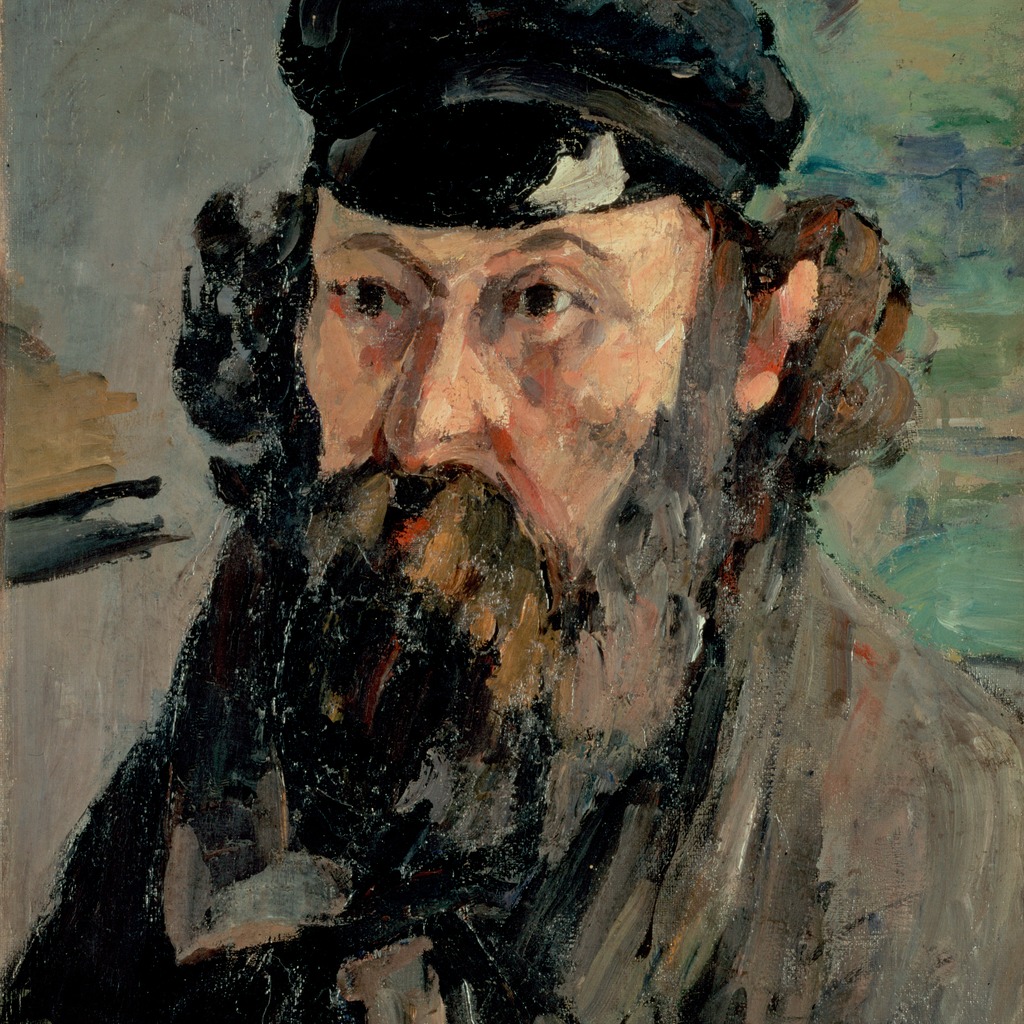
The man who broke painting open, in a flat cap, looking like he would rather you left.
or
Under 15 seconds · no sign-up · your selfie is never stored
Or become a patron and stop counting. Already a patron? Sign in.
How it works
-
Take a photo
Front camera, decent light, look straight ahead. Or pick one you already have.
-
We paint you in
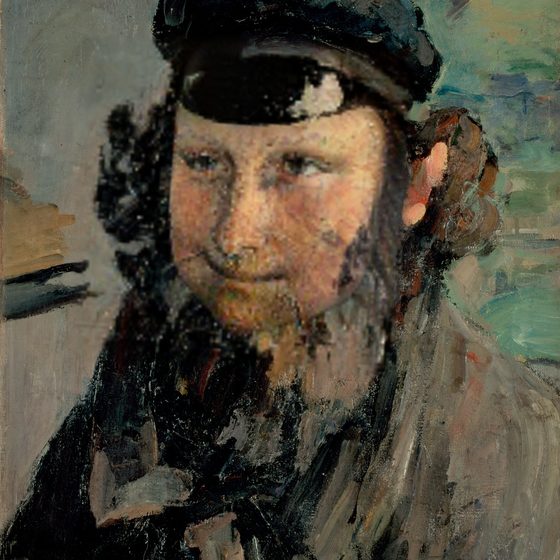
Your face goes into the painting, keeping its light and its brushwork. About fifteen seconds.
-
Share the link
You get a page anyone can open. No account, nothing to install.
Where this one comes from
Cezanne painted himself in a workman’s cap around 1872, when he was in his thirties, living outside Paris and being rejected by the official Salon with great regularity. He made something like twenty-six self-portraits over his life. This one is in the Hermitage in St Petersburg, and it belongs to the years just before the first impressionist exhibition, where he showed and was mocked.
What is in the picture
A blunt, heavy head built out of visible slabs of paint, with a beard that is more or less a dark mass and eyes set deep under the brim of a plain cloth cap. He painted himself as a labourer rather than an artist, on purpose, at a time when Paris expected painters to look like gentlemen. The background is a few broad strokes of blue-green that refuse to become a room. Everything here is about weight and construction and nothing at all is about charm.
When people use it
For declining to be charmed. It is the reply to enthusiasm you do not share, and it works particularly well against anything trying too hard to be liked.
How your face lands in it
A large, near-frontal head with the cap brim cutting a straight dark line across the forehead, lit flatly. Technically simple, with one catch worth knowing: the beard is substantial and it stays, and so does the way the whole head is built out of visible brushstrokes, so the finished face is noticeably rougher in surface than in the smoother old-master templates.
Self-Portrait in a Casquette — Paul Cezanne, c. 1872. Paul Cezanne died in 1906, placing the work in the public domain across the European Union and the United Kingdom, and a painting of about 1872 is public domain in the United States as well. Source

Also in: Paintings · Self-portraits
More paintings
 Van Gogh Self-Portrait
 Dürer's Self-Portrait
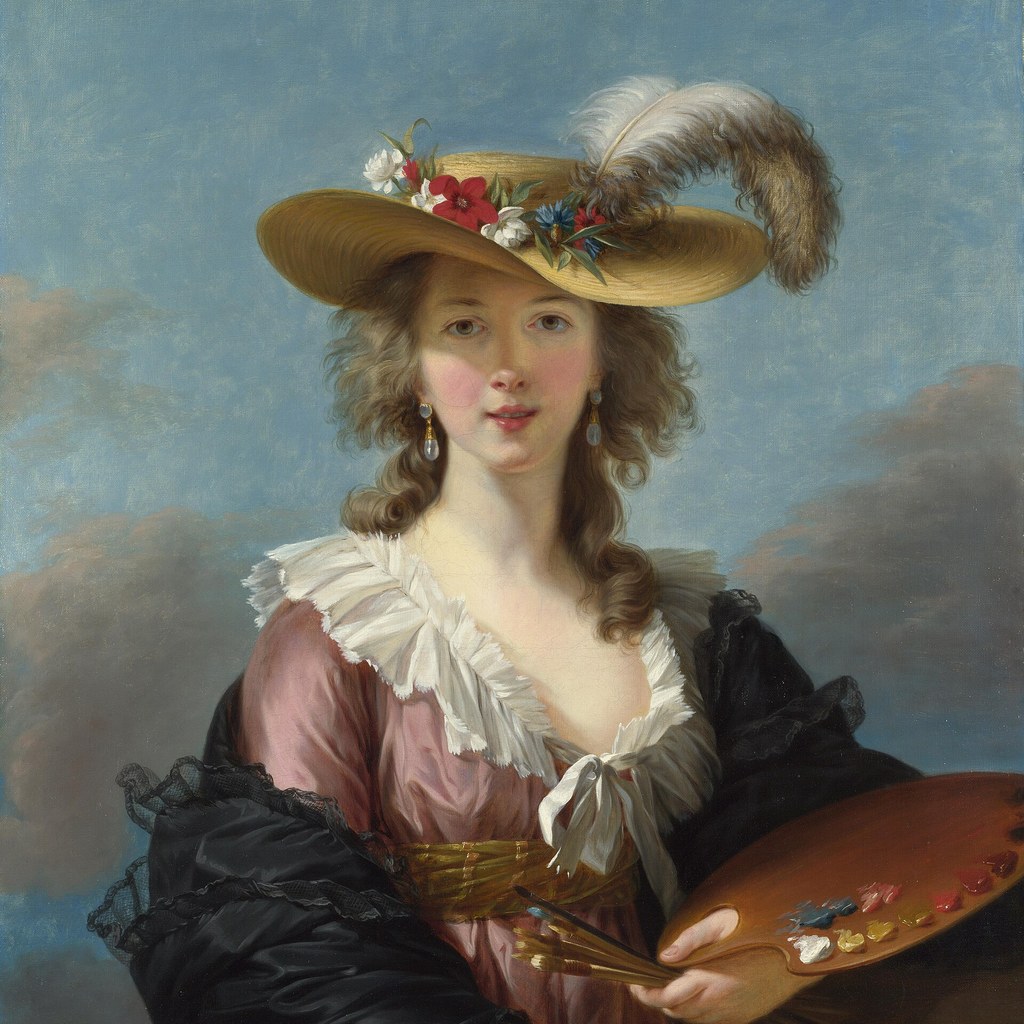 Self-Portrait in a Straw Hat
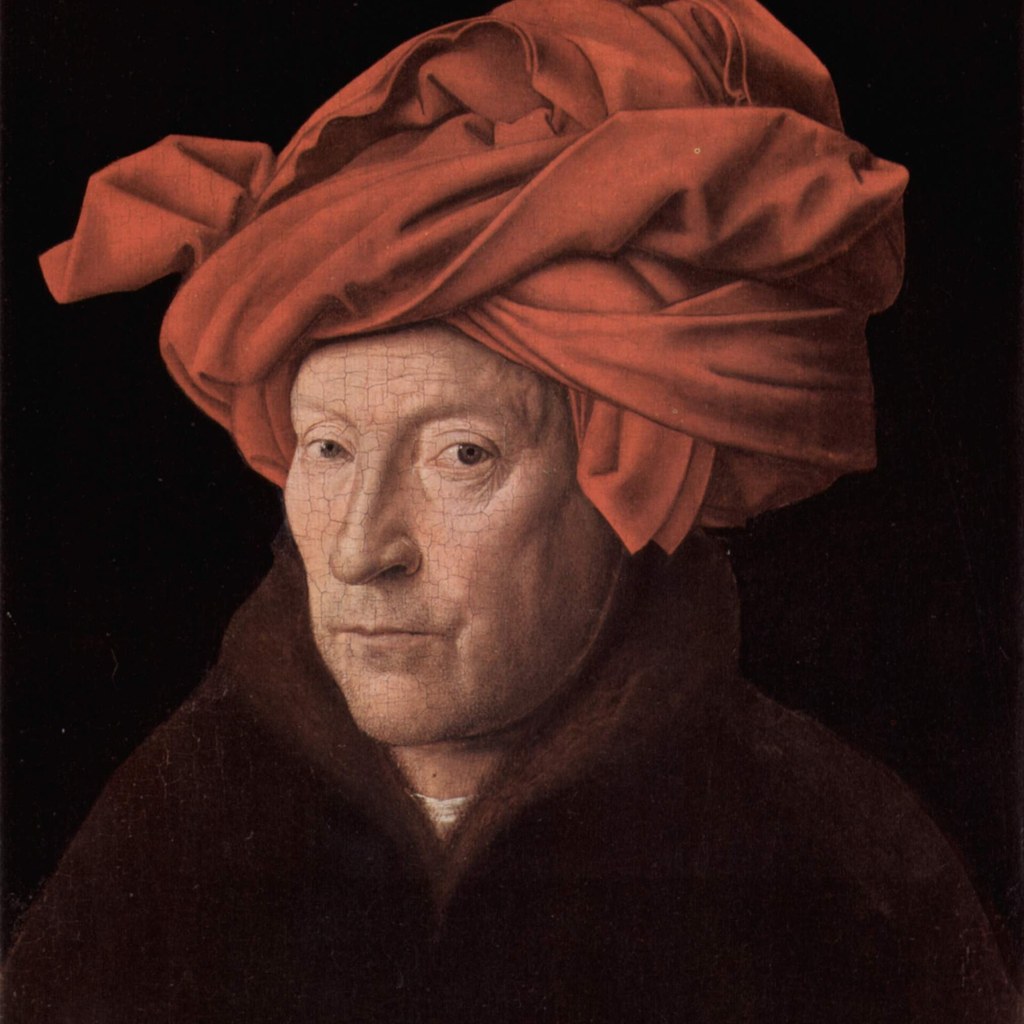 Man in a Red Turban
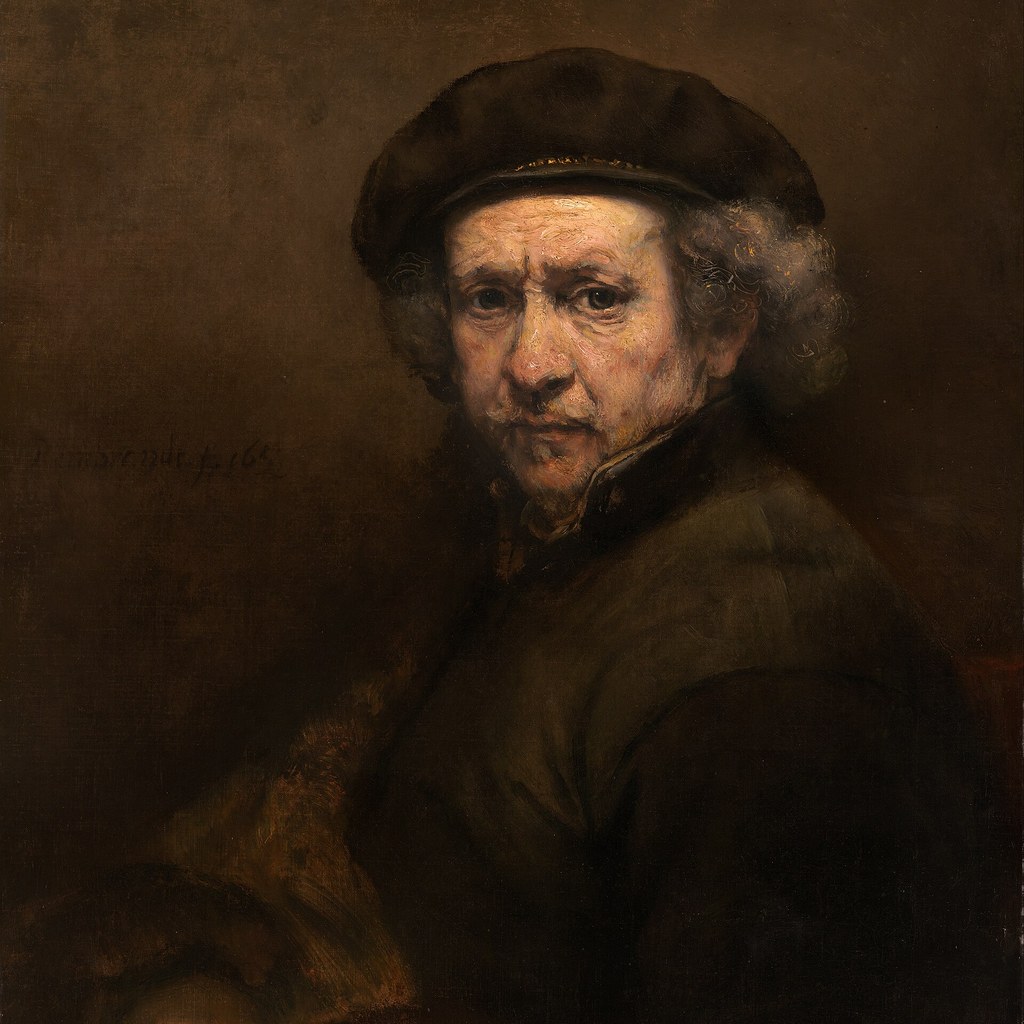 Rembrandt's Self-Portrait
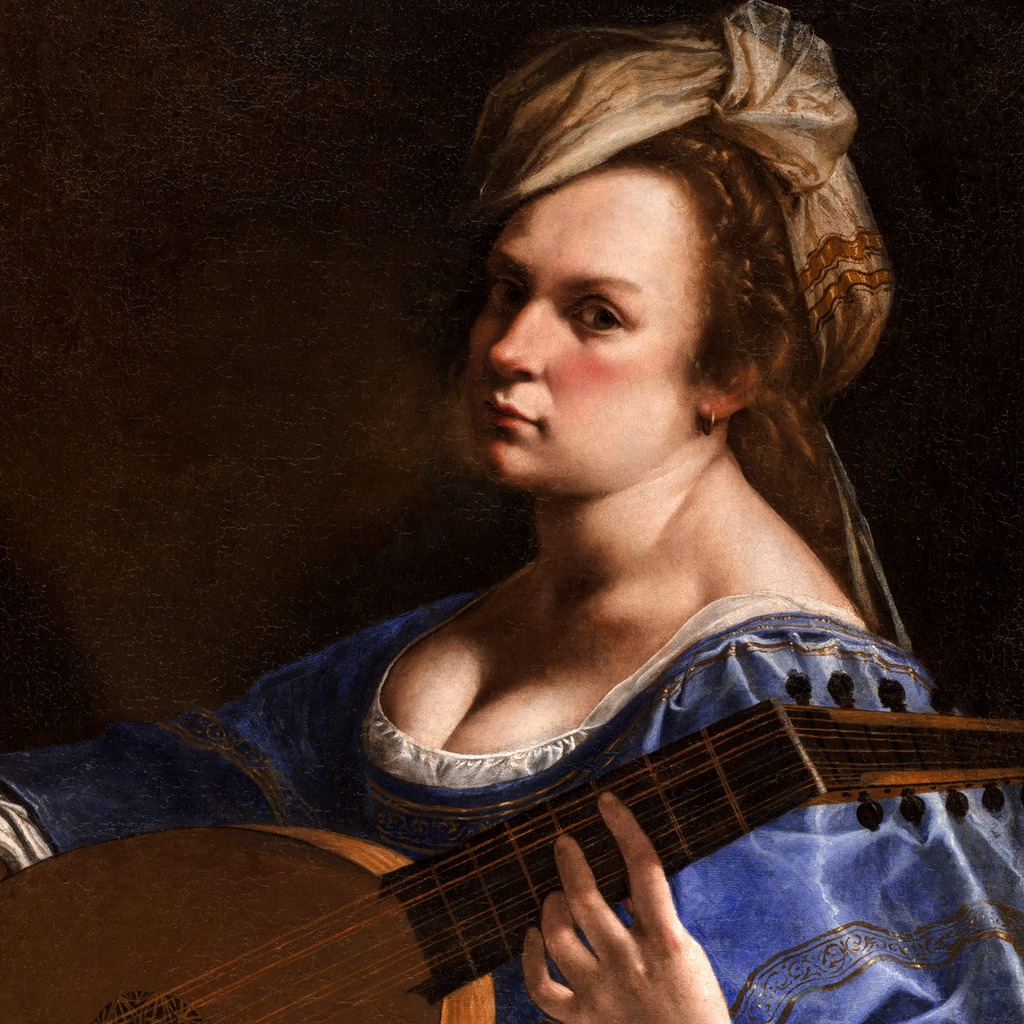 Artemisia's Self-Portrait
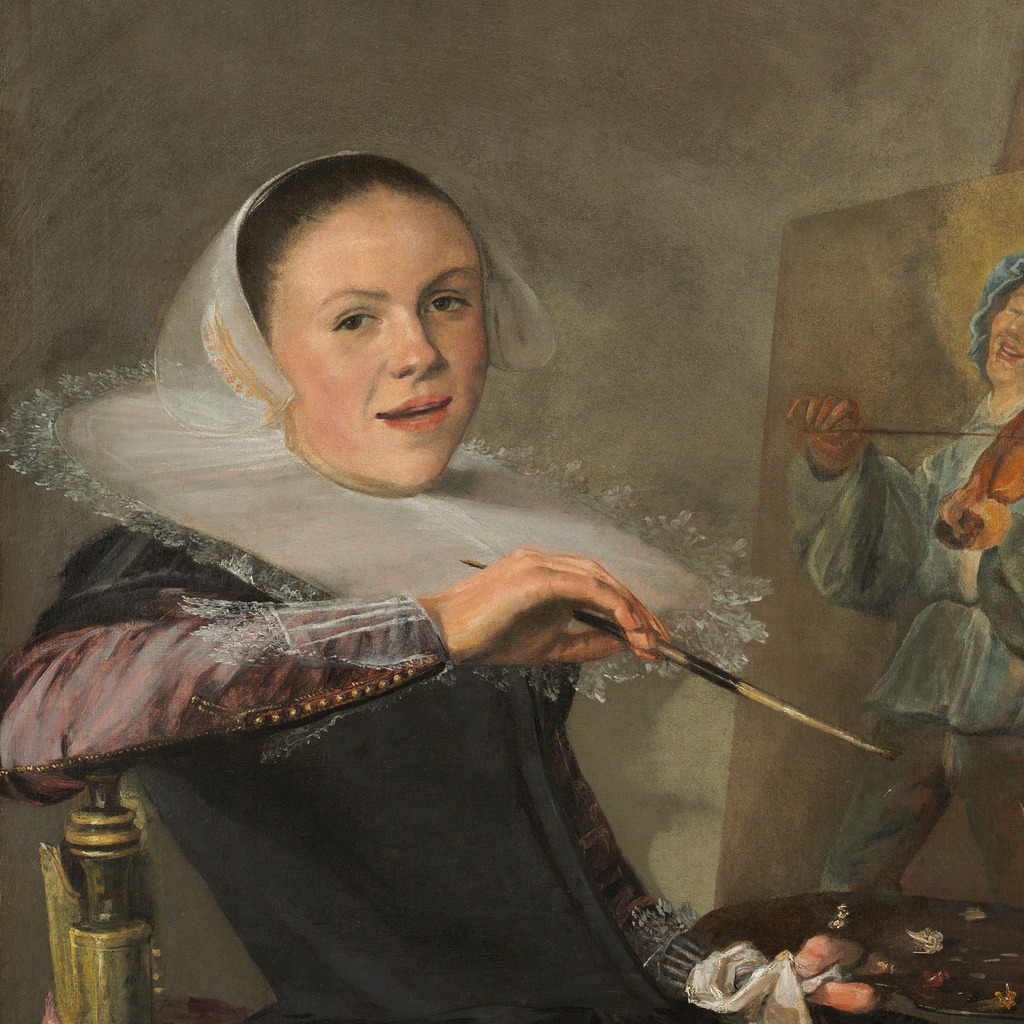 Judith Leyster
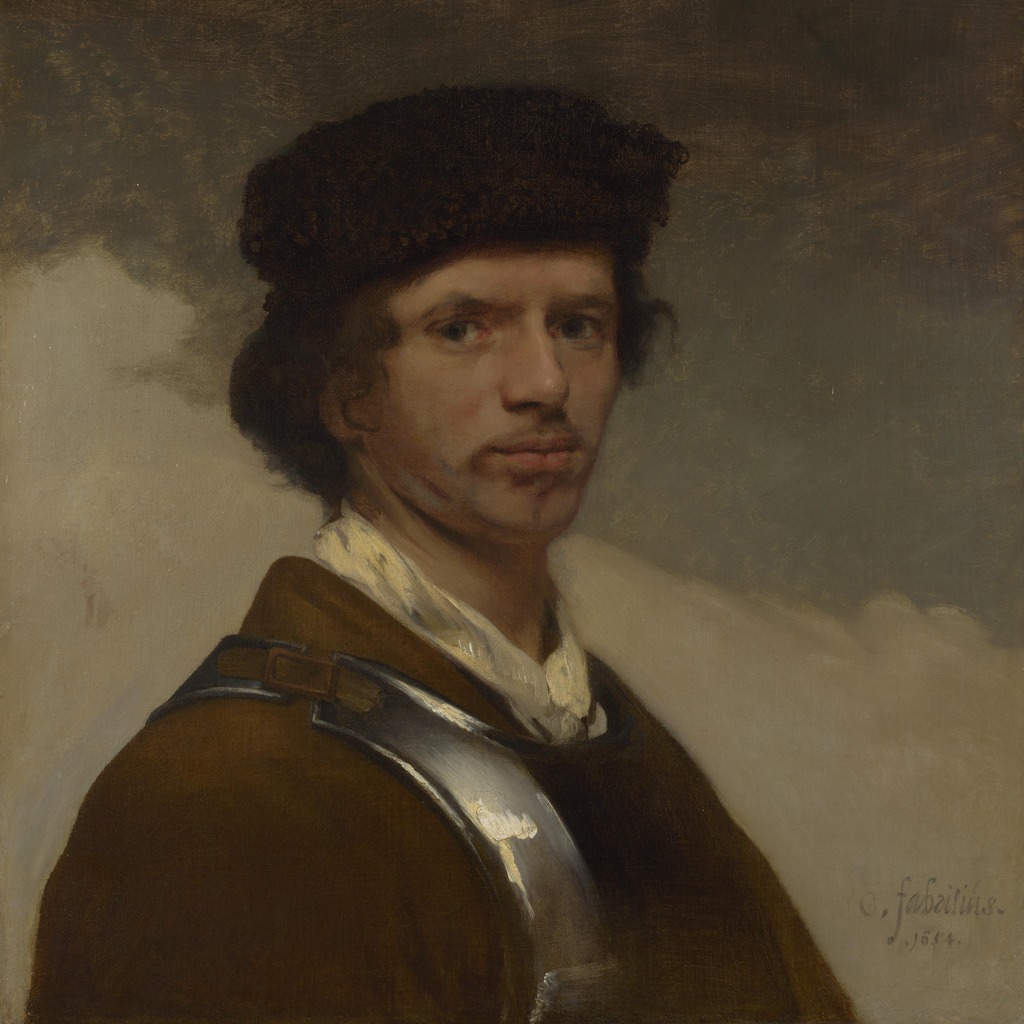 Carel Fabritius
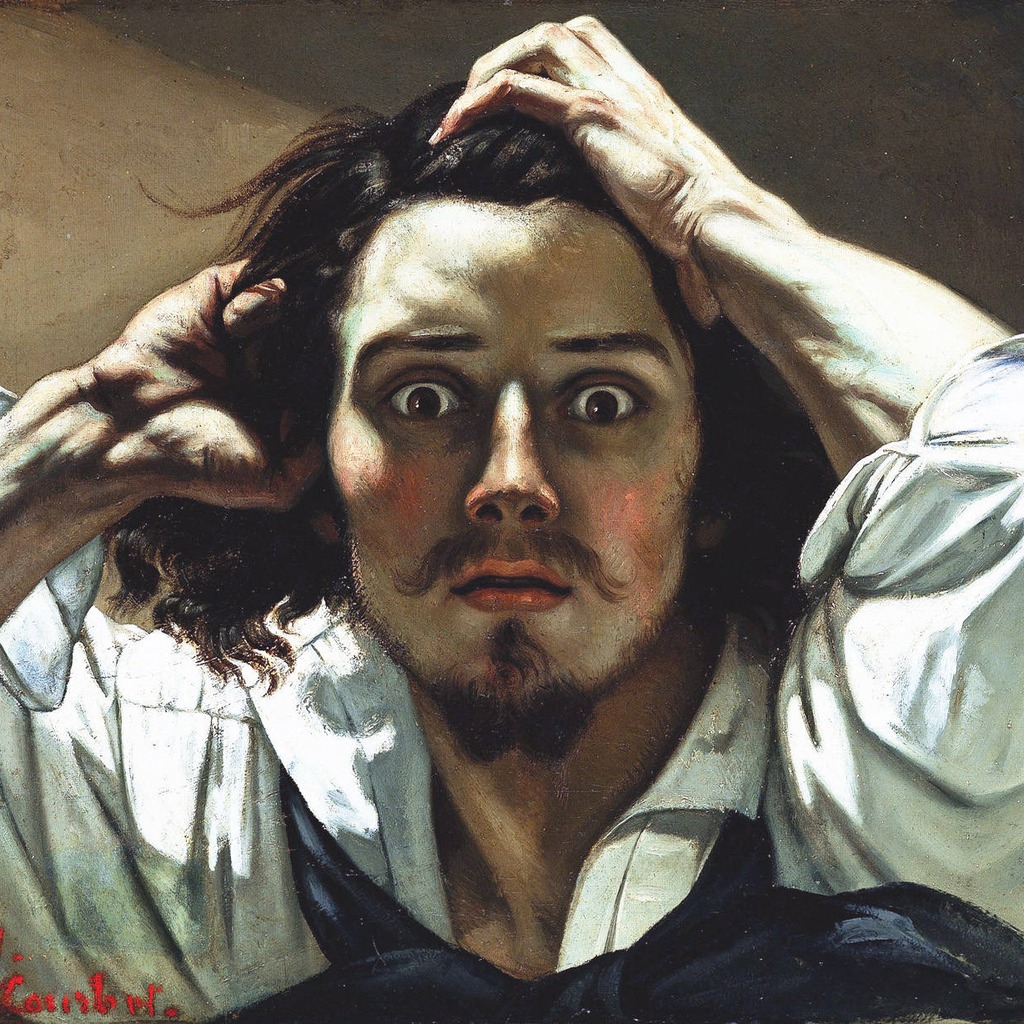 The Desperate Man
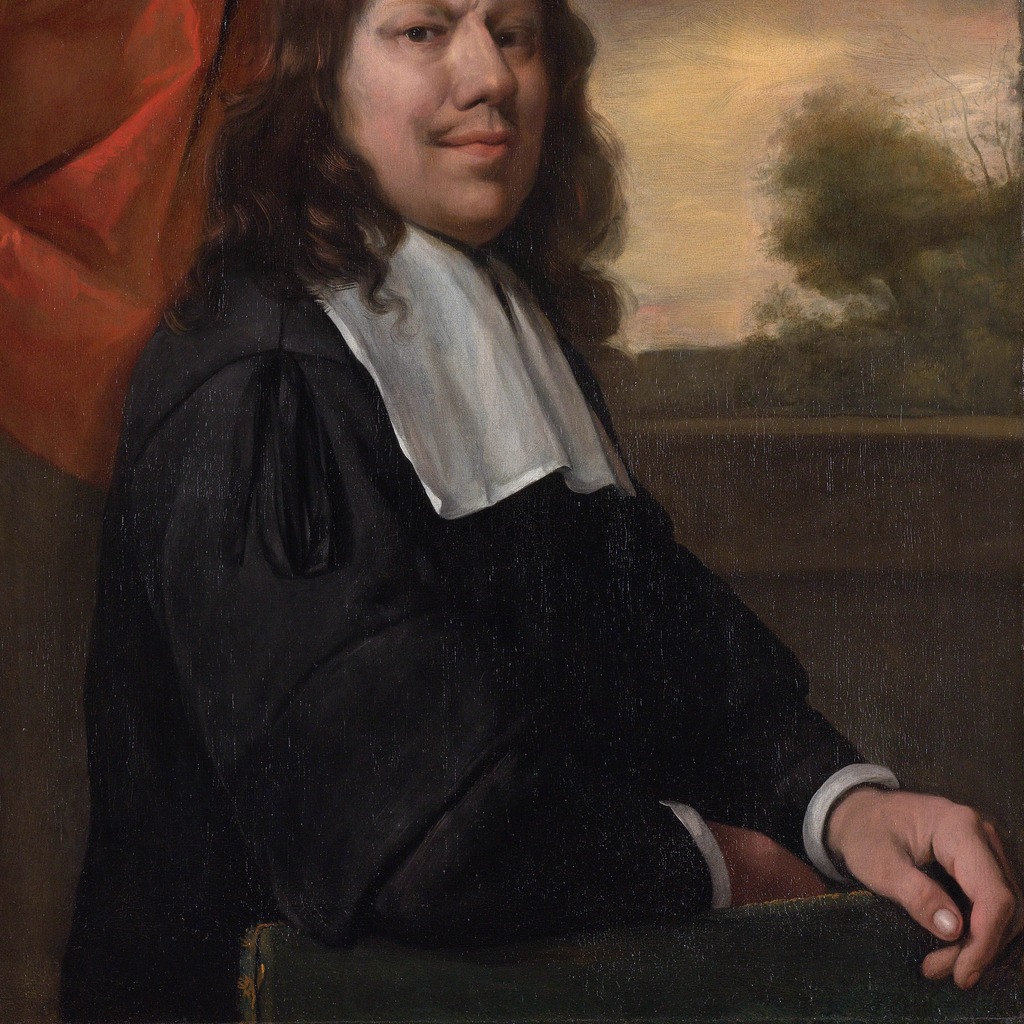 Jan Steen
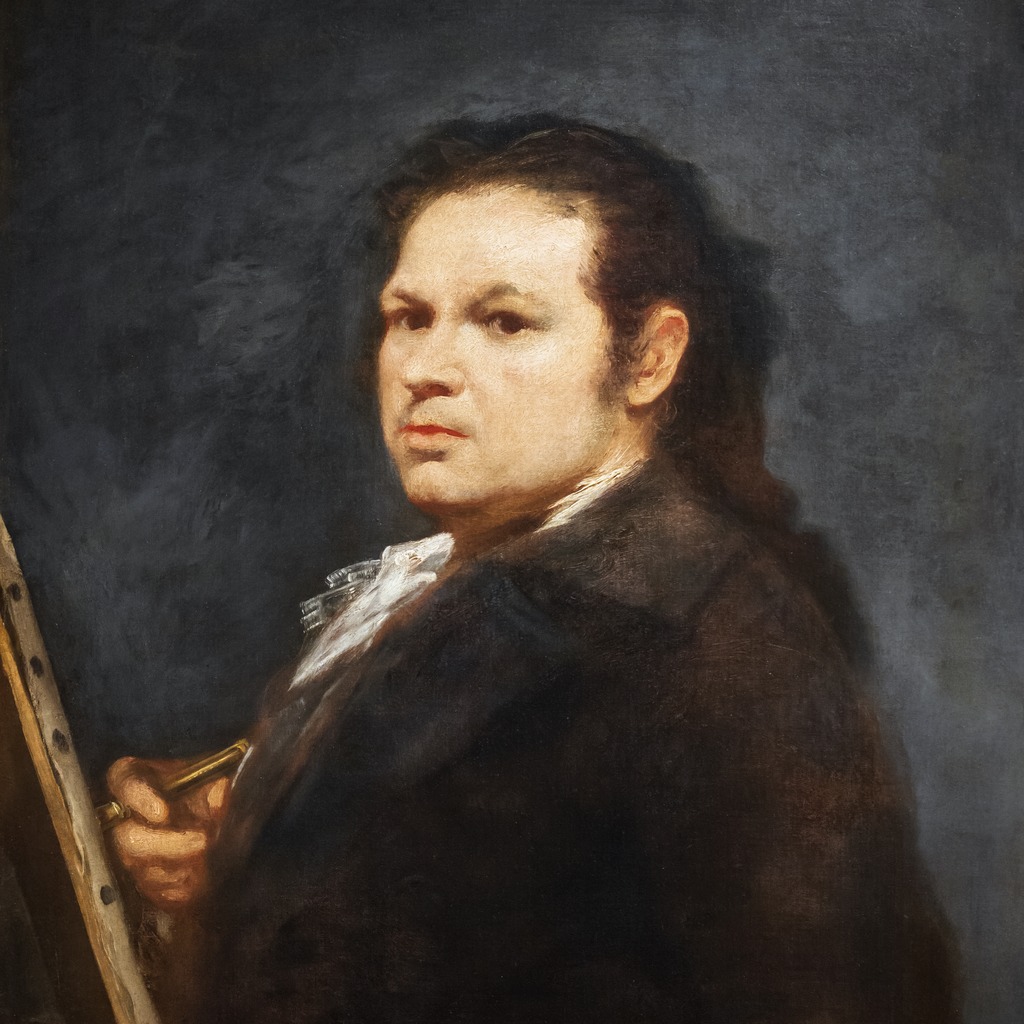 Goya
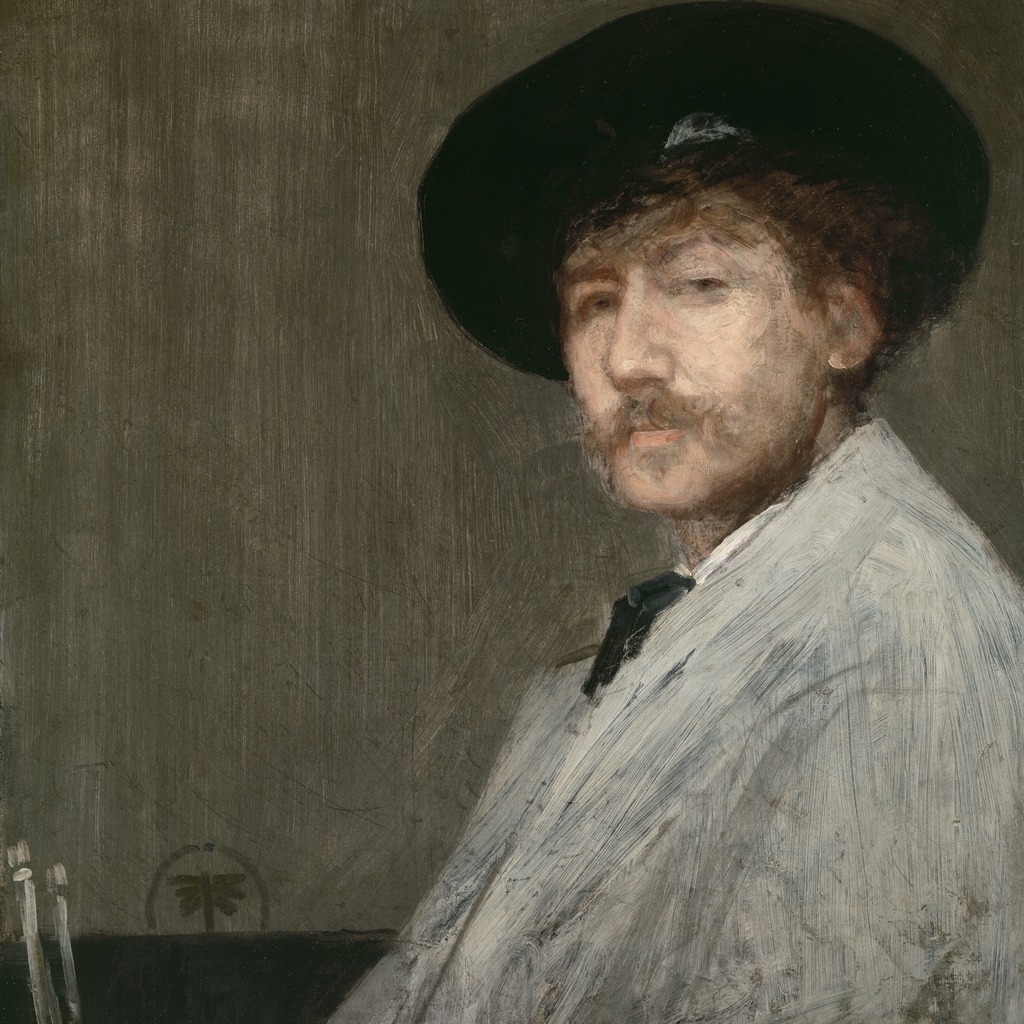 Whistler
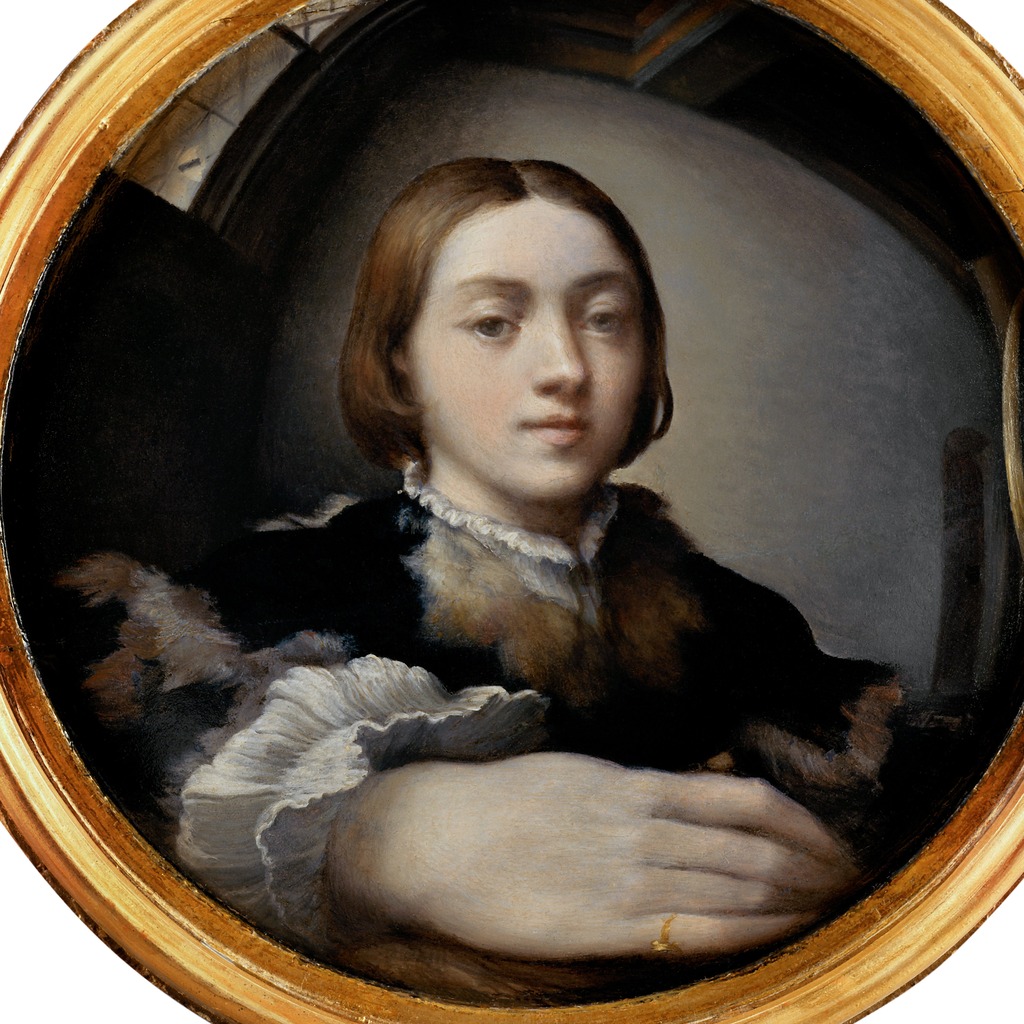 Self-Portrait in a Convex Mirror
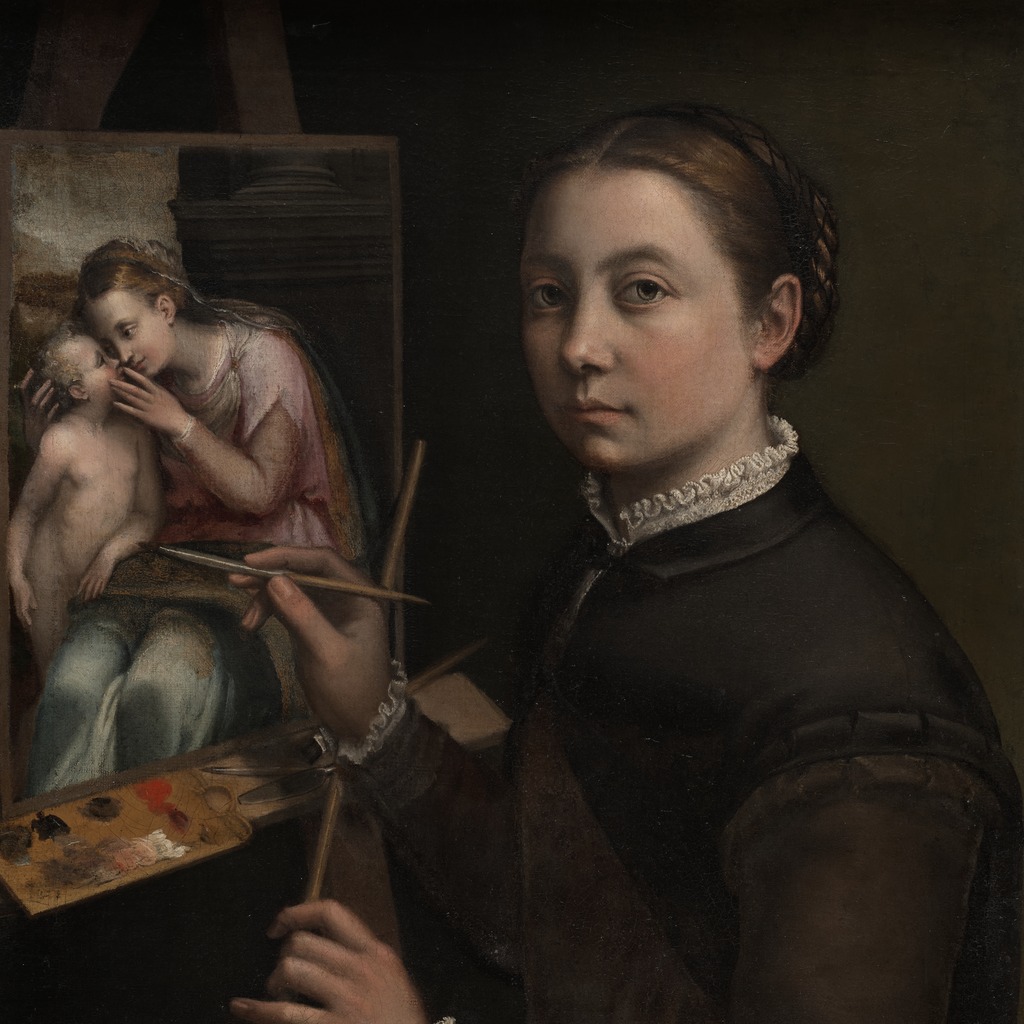 Sofonisba at the Easel
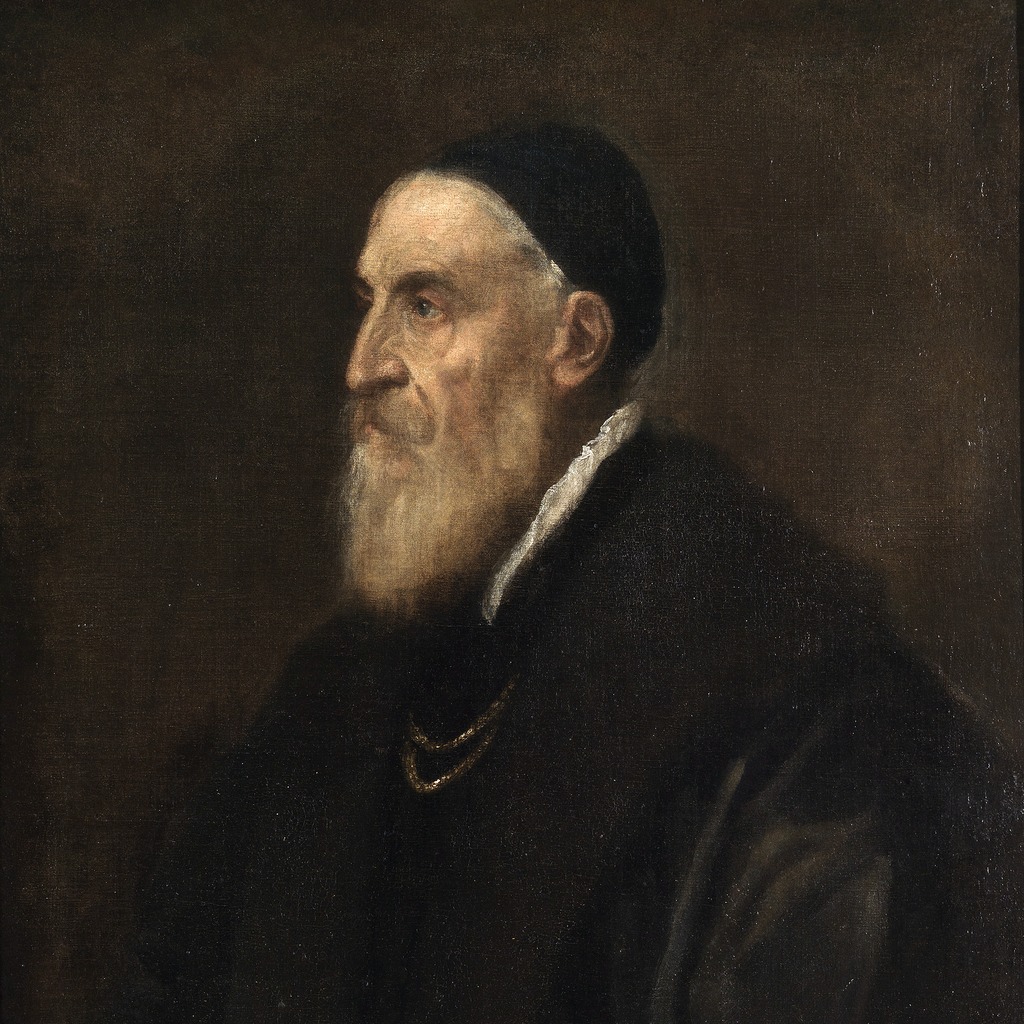 Titian
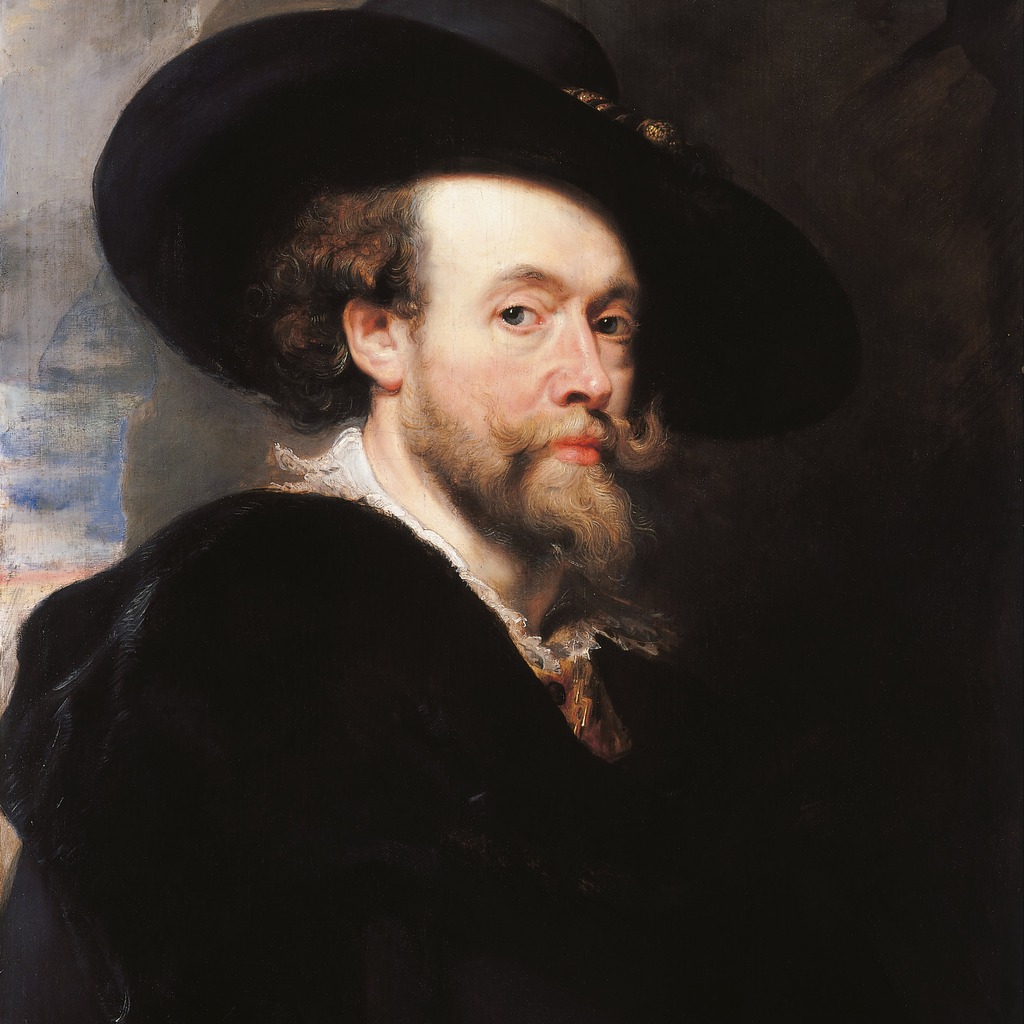 Rubens
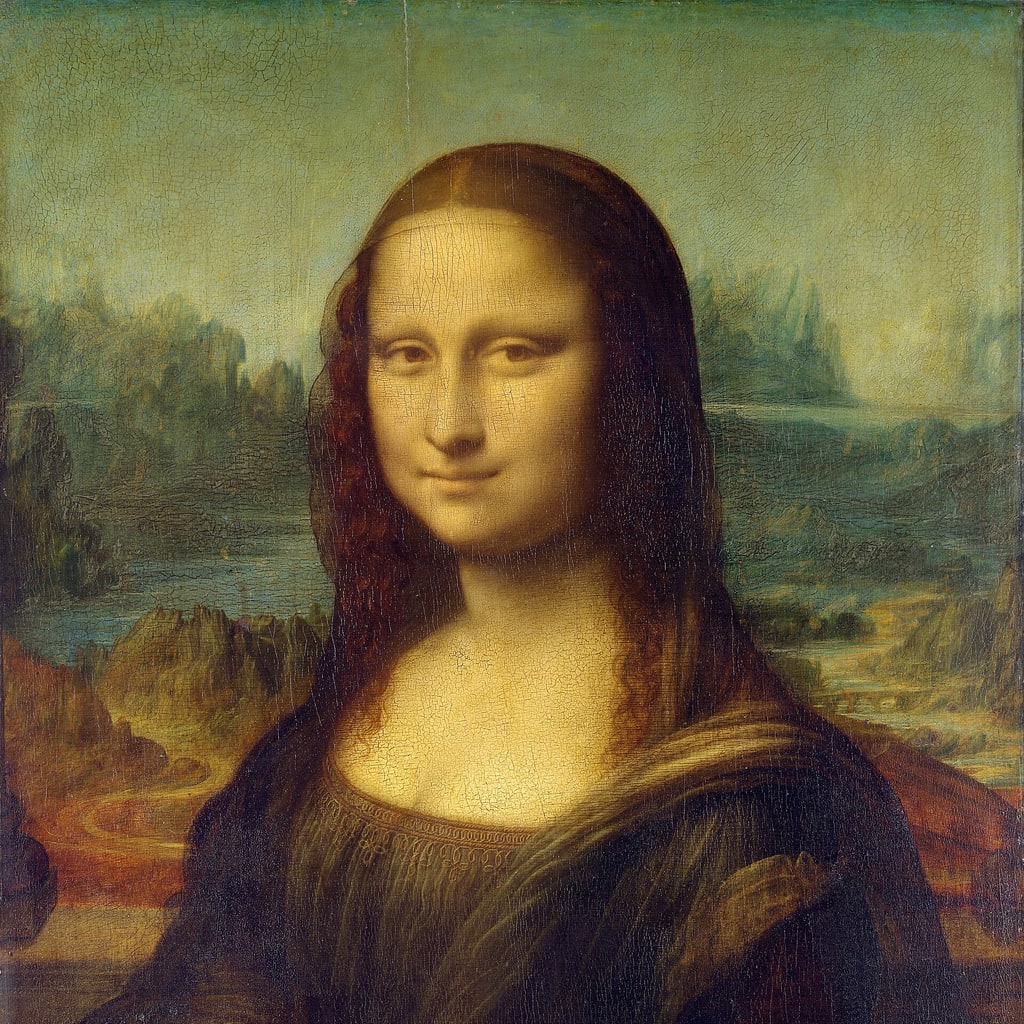 Mona Lisa
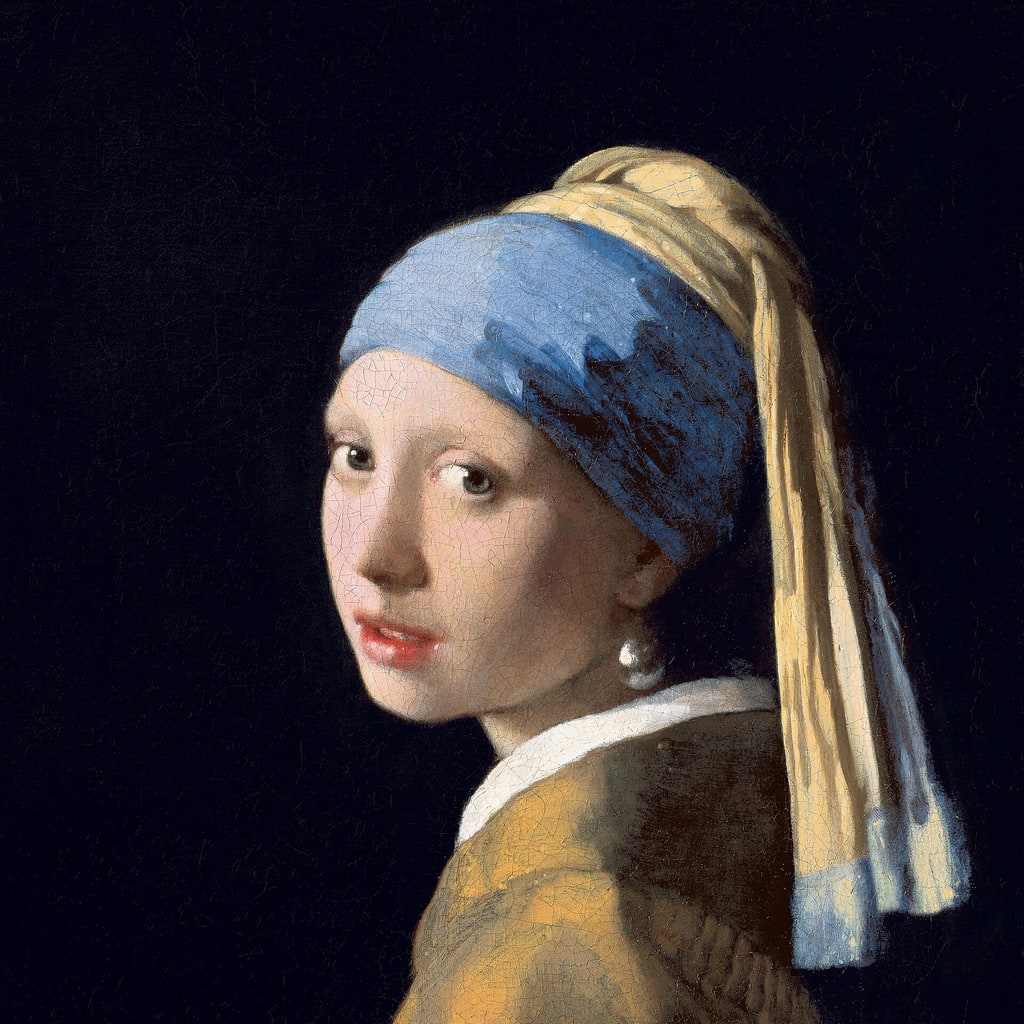 Girl with a Pearl Earring
 The Laughing Cavalier
 Lady with an Ermine
 Henry VIII
 The Blue Boy
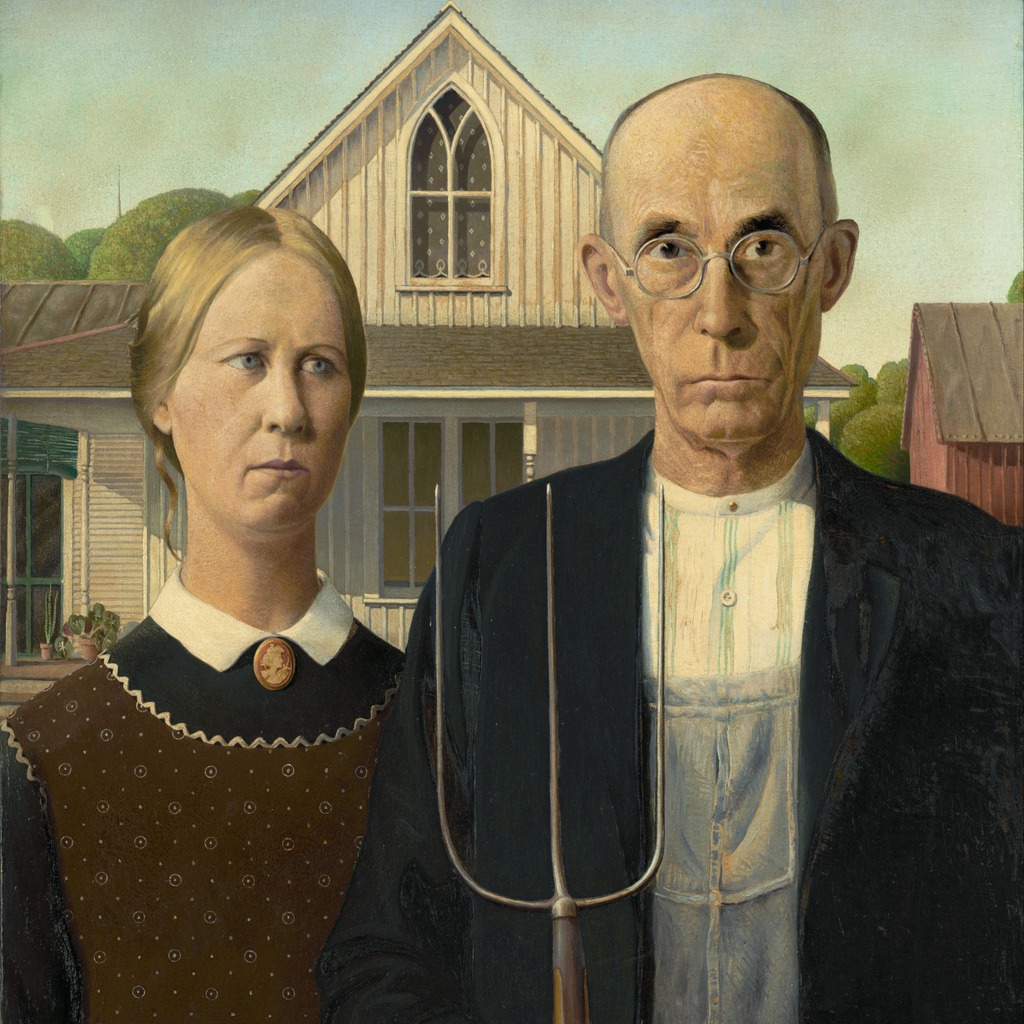 American Gothic
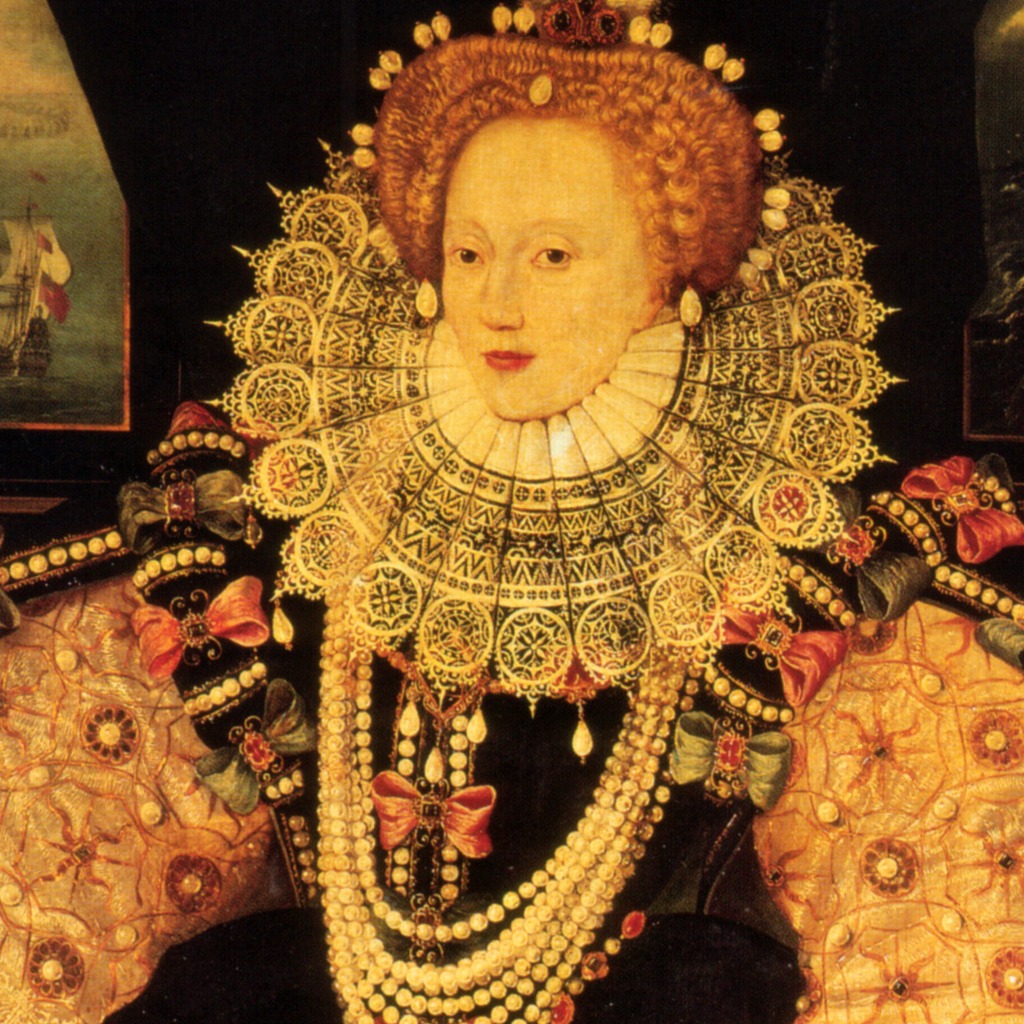 Elizabeth I
Questions
How many self-portraits did he paint?
Around twenty-six in oil, plus drawings, spread across forty years. He was a reluctant and difficult sitter for other painters, so he mostly used himself.
Why is he dressed like a workman?
It was a position. Cezanne was from Aix, awkward in Paris and openly contemptuous of the salon world, and presenting himself in a cap rather than a collar was part of refusing the role the art world wanted him to play.
Is his work out of copyright?
Yes. Cezanne died in 1906, so his paintings passed out of copyright in the European Union and the United Kingdom decades ago, and anything of his published before 1930 is public domain in the United States.
Is it free?
Yes. There is a limit on how many you can make in a day, and sharing one earns the allowance back.
Do you keep my photo?
No. Your selfie is used to make the image and then dropped — it is never written to disk. The finished meme is stored, because it has a link people can open, and it is deleted after 90 days.
Can I use someone else’s face?
Please do not. Use your own. Putting a real person into a picture they did not agree to is exactly the thing this is not for.
Can I post the result?
Yes, anywhere you like. The paintings are public domain; what you make with your own face is yours.