

Making your meme…
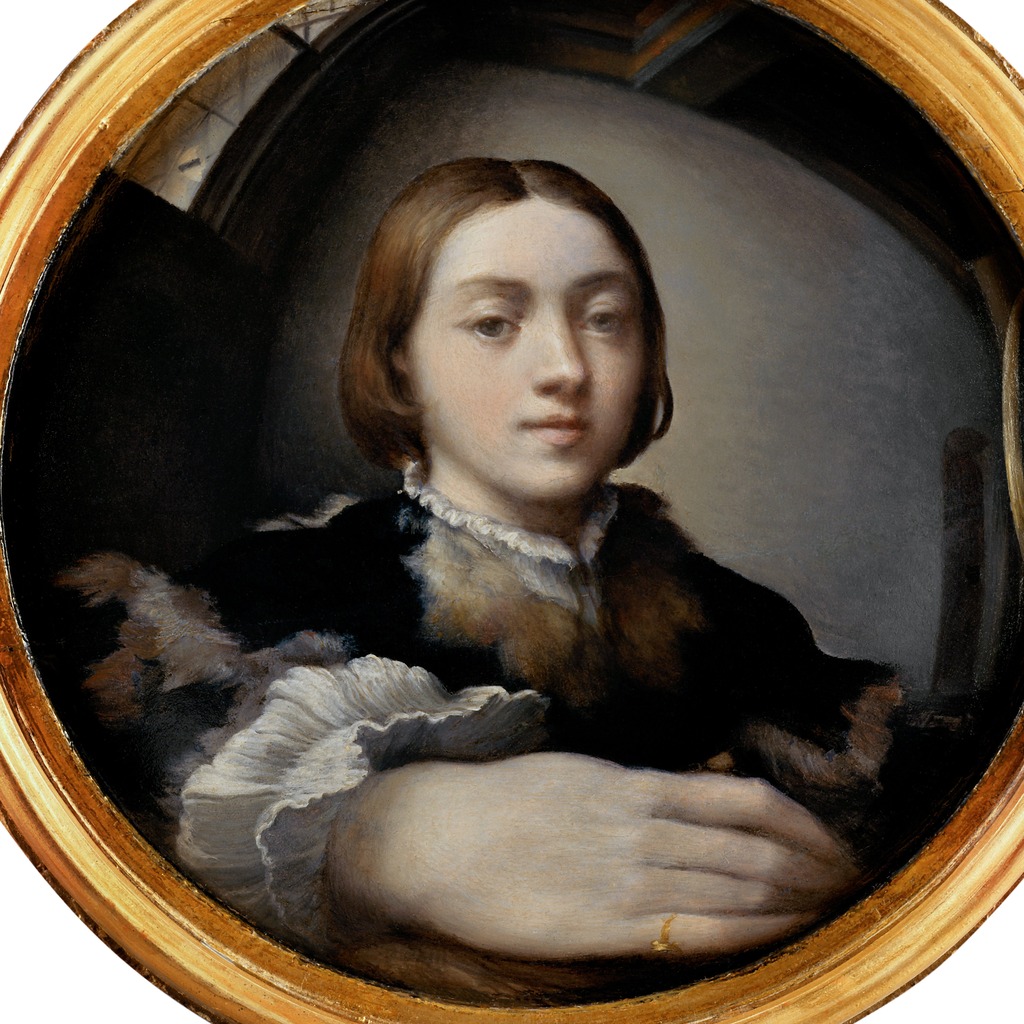
Parmigianino · c. 1523–1524
Self-Portrait in a Convex Mirror face swap
A painter aged twenty-one, painted on a curved panel, with one enormous hand in front.
or
Under 15 seconds · no sign-up · your selfie is never stored
Or become a patron and stop counting. Already a patron? Sign in.
How it works
-
Take a photo
Front camera, decent light, look straight ahead. Or pick one you already have.
-
We paint you in
Your face goes into the painting, keeping its light and its brushwork. About fifteen seconds.
-
Share the link
You get a page anyone can open. No account, nothing to install.
Where this one comes from
Parmigianino was twenty-one in 1524 and wanted work in Rome. So he looked into a barber’s convex mirror, had a wooden ball sawn in half, and painted exactly what the mirror did — on a curved surface of the same shape, so the distortion would be real rather than described. Vasari says he took it to Pope Clement VII, who was suitably amazed. It is in Vienna, and a twentieth-century poem about it ran to fifteen pages and won three prizes.
What is in the picture
A round panel, no bigger than a dinner plate, curving outwards. The hand nearest the mirror swells to twice the size it should be and sweeps across the whole lower half of the picture, the room bends away behind, and a window frame curves where it ought to be straight. In the middle of all of it the face is undistorted, calm and slightly amused, because the centre of a convex mirror is the one place that stays true.
When people use it
For a selfie taken far too close to the lens. It is the only picture here that is actually about the mechanics of looking at yourself, and it fits any joke about camera angles.
How your face lands in it
The face sits in the centre of the tondo where the curvature is least, which means it drops in cleanly and the distortion stays in the hand and the room where it belongs. Light is soft and frontal. Use a photograph taken at normal distance — the picture already supplies all the lens-warp anybody needs.
Self-Portrait in a Convex Mirror — Parmigianino, c. 1523–1524. Parmigianino died in 1540, so the painting has been in the public domain for centuries and a faithful reproduction of it gains no new copyright. Source

Also in: Paintings · Self-portraits · Renaissance
More paintings
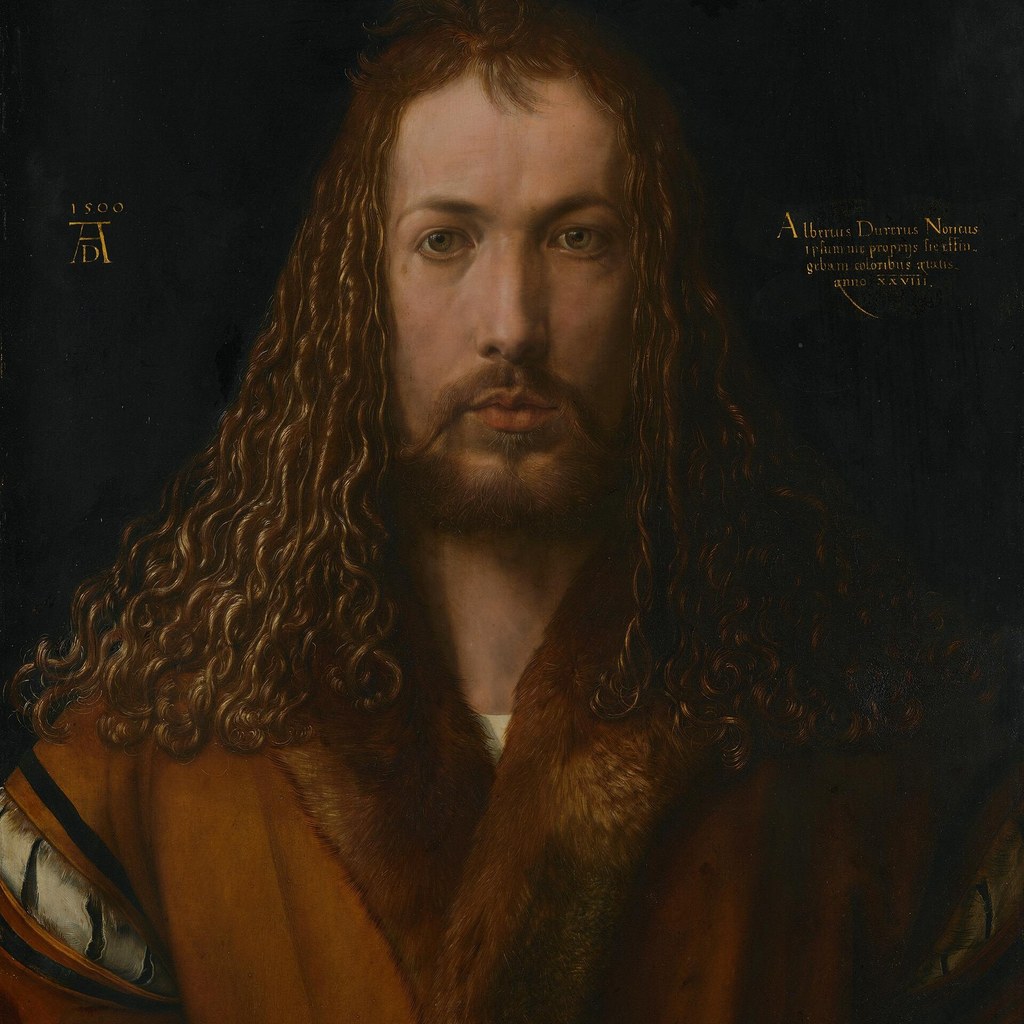 Dürer's Self-Portrait
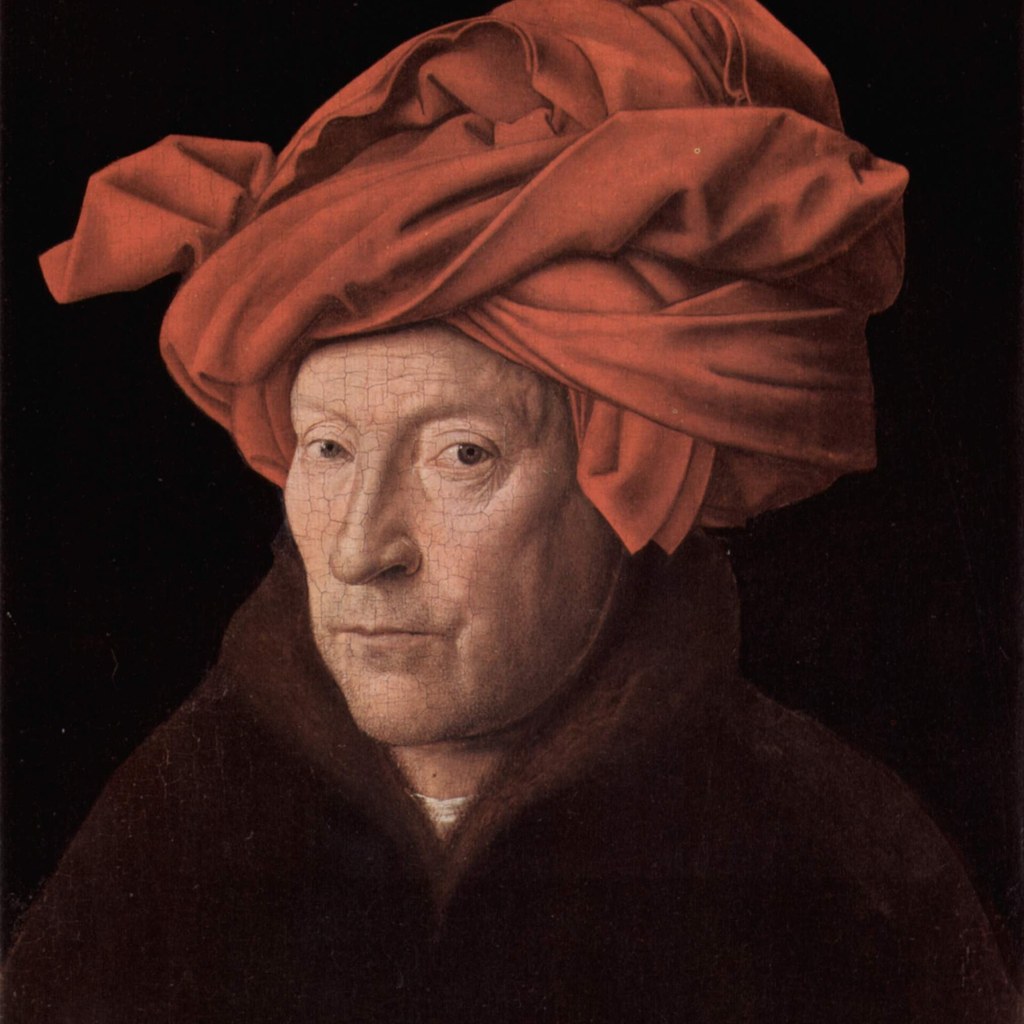 Man in a Red Turban
 Sofonisba at the Easel
 Titian
 Andrea del Sarto
 Mona Lisa
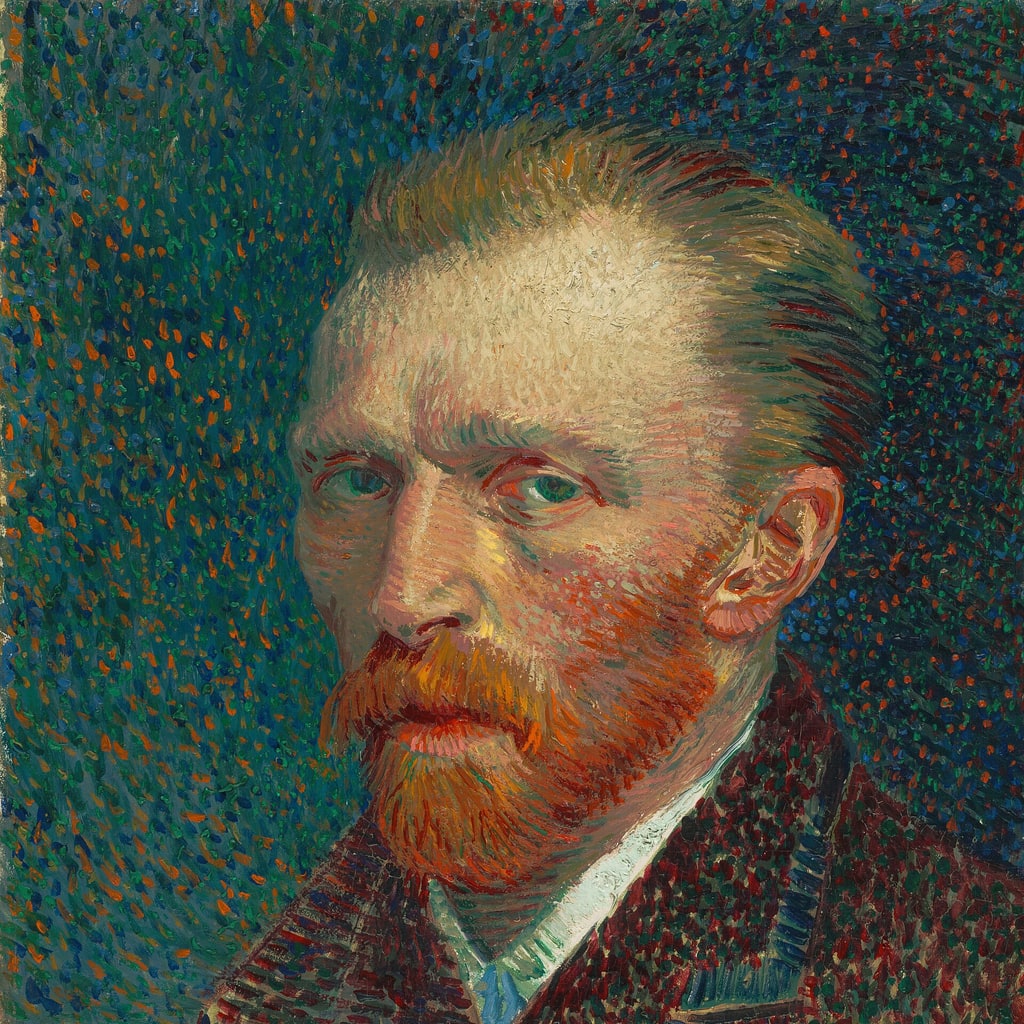 Van Gogh Self-Portrait
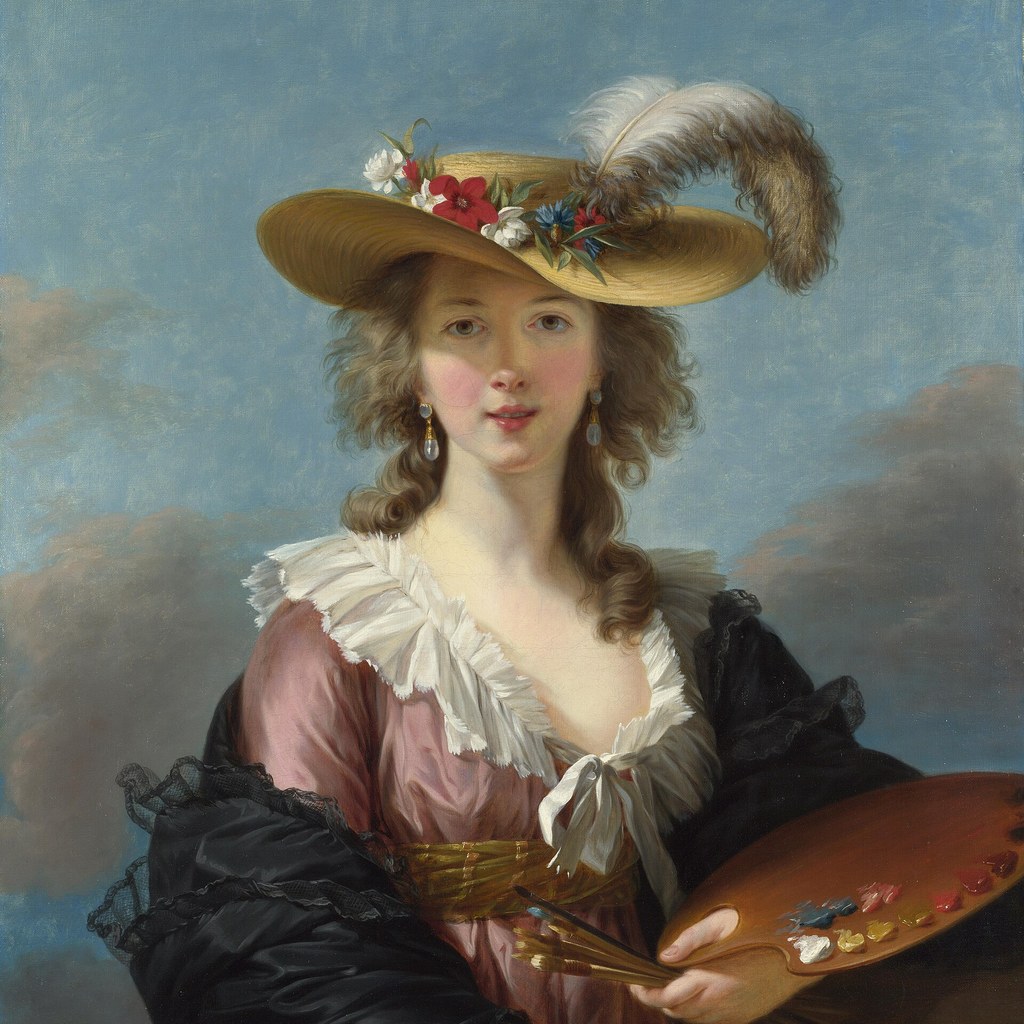 Self-Portrait in a Straw Hat
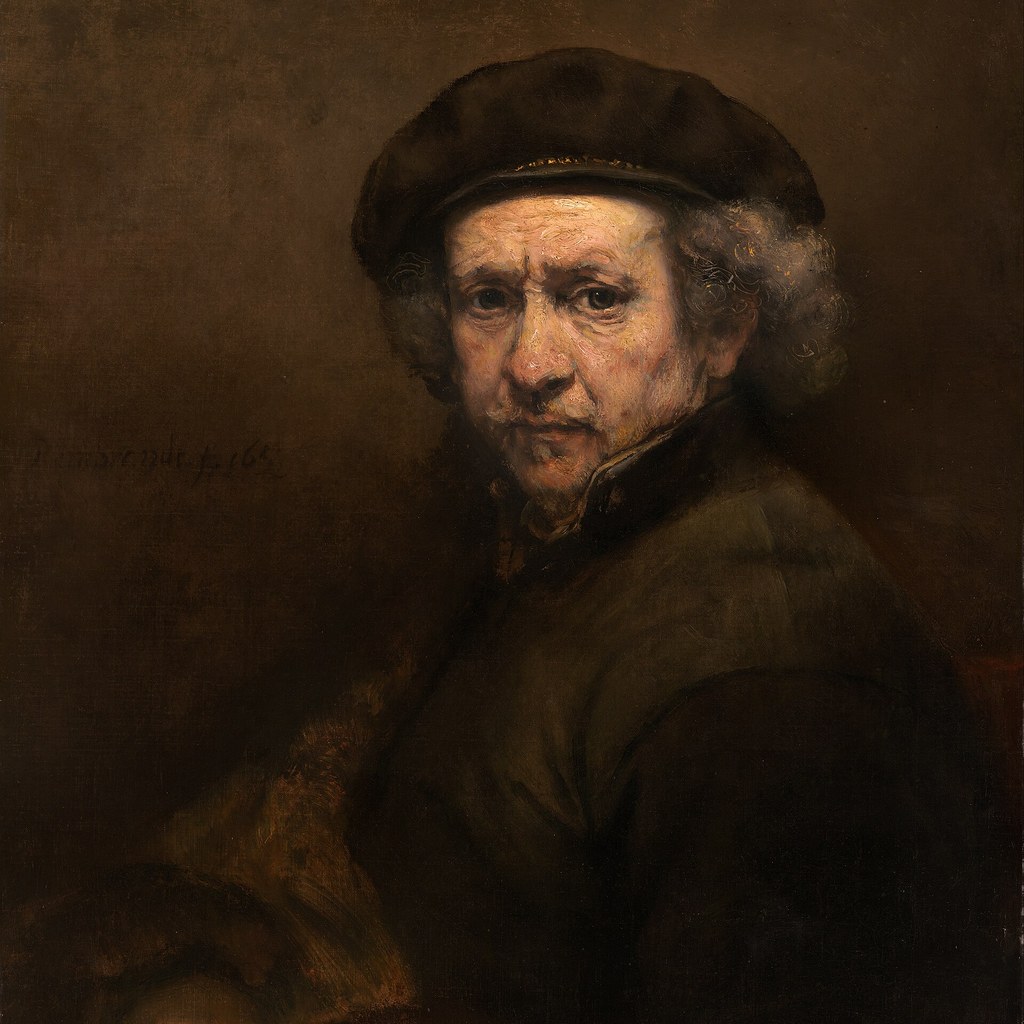 Rembrandt's Self-Portrait
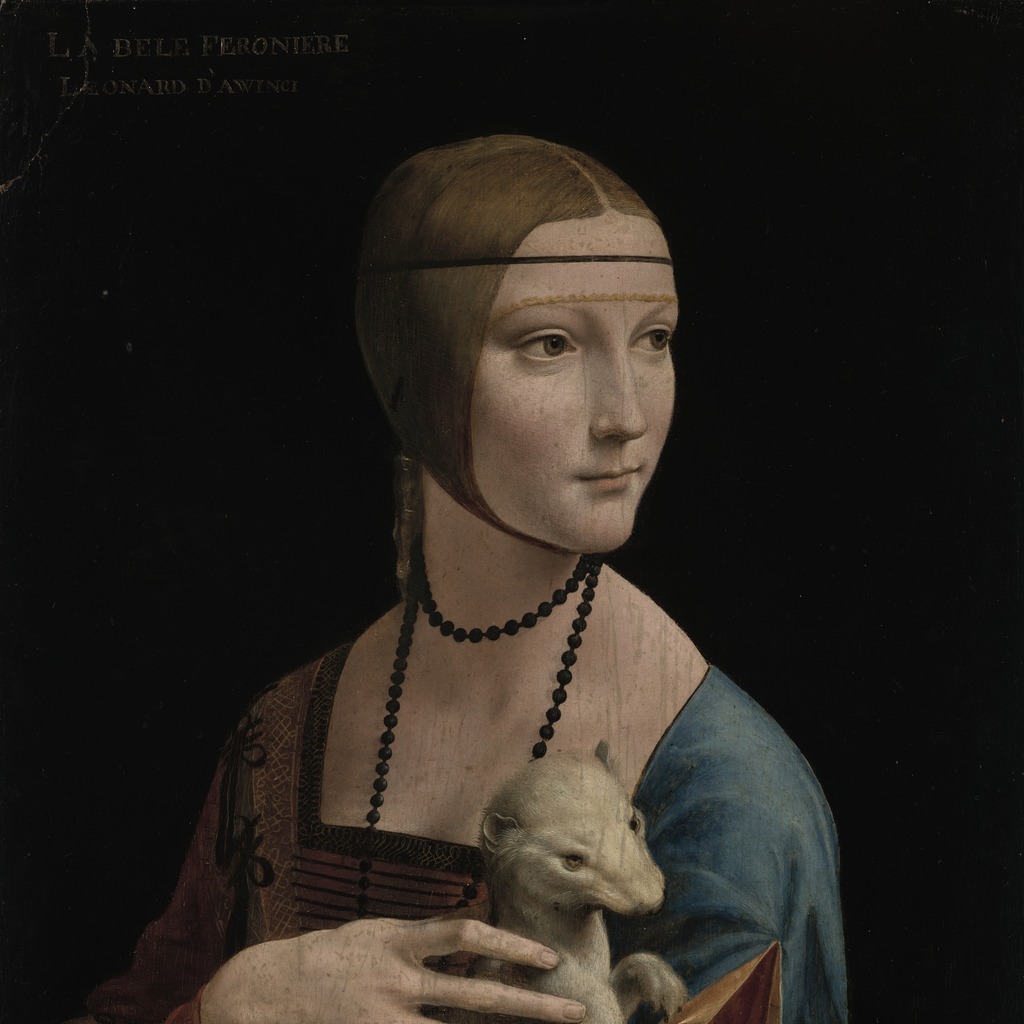 Lady with an Ermine
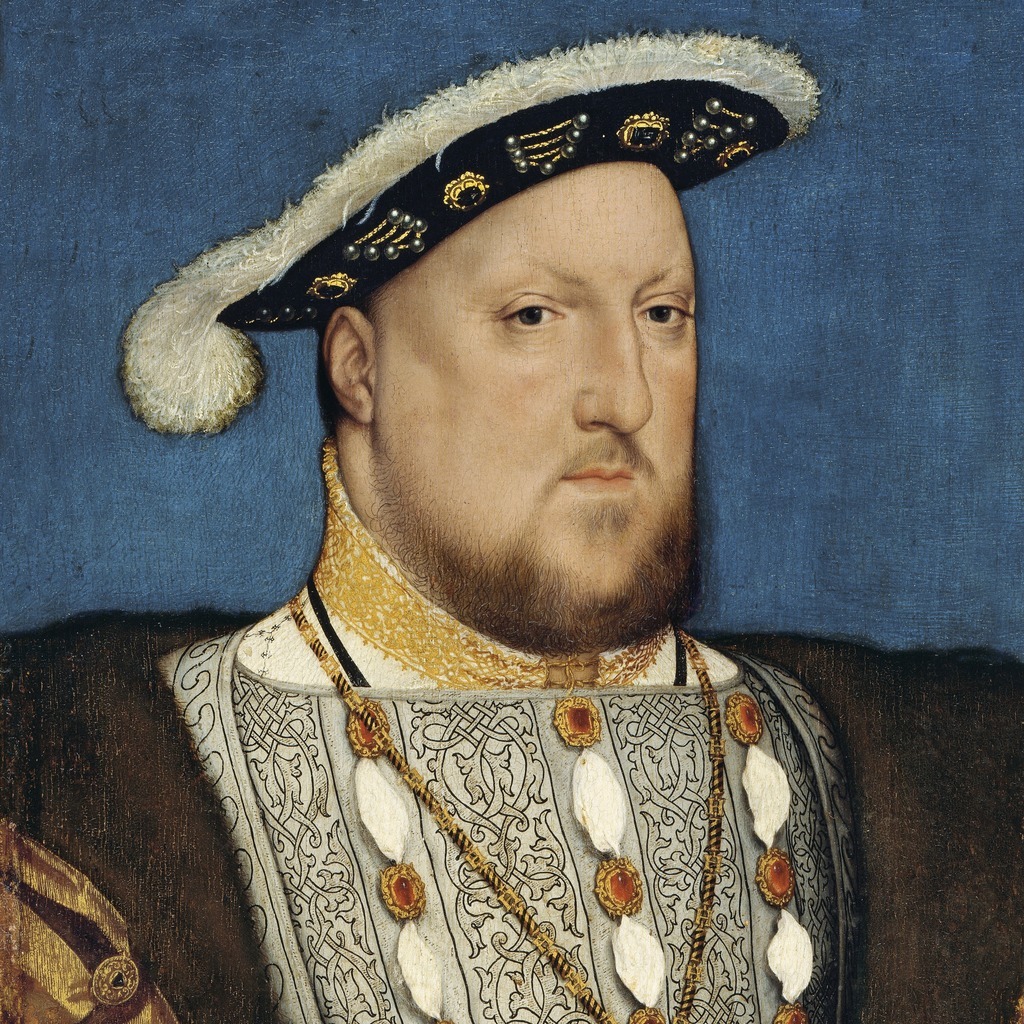 Henry VIII
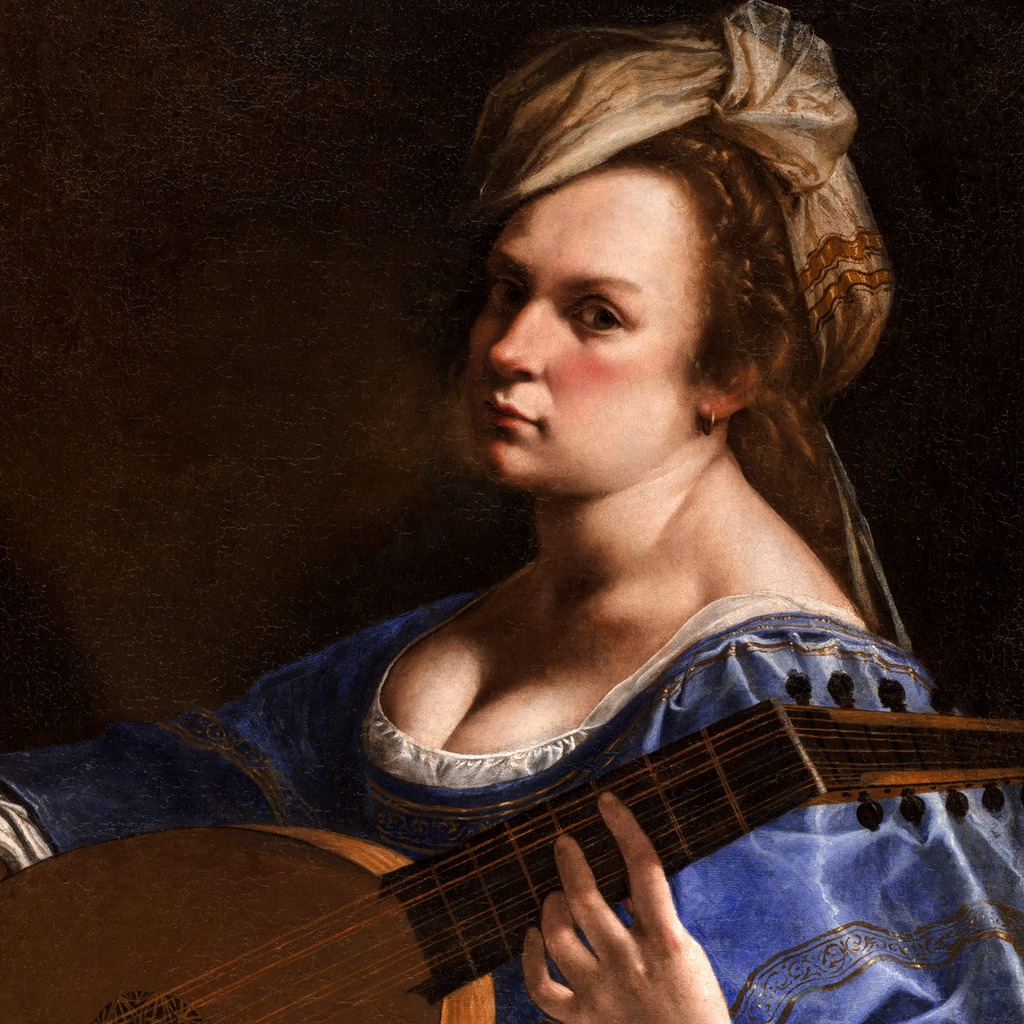 Artemisia's Self-Portrait
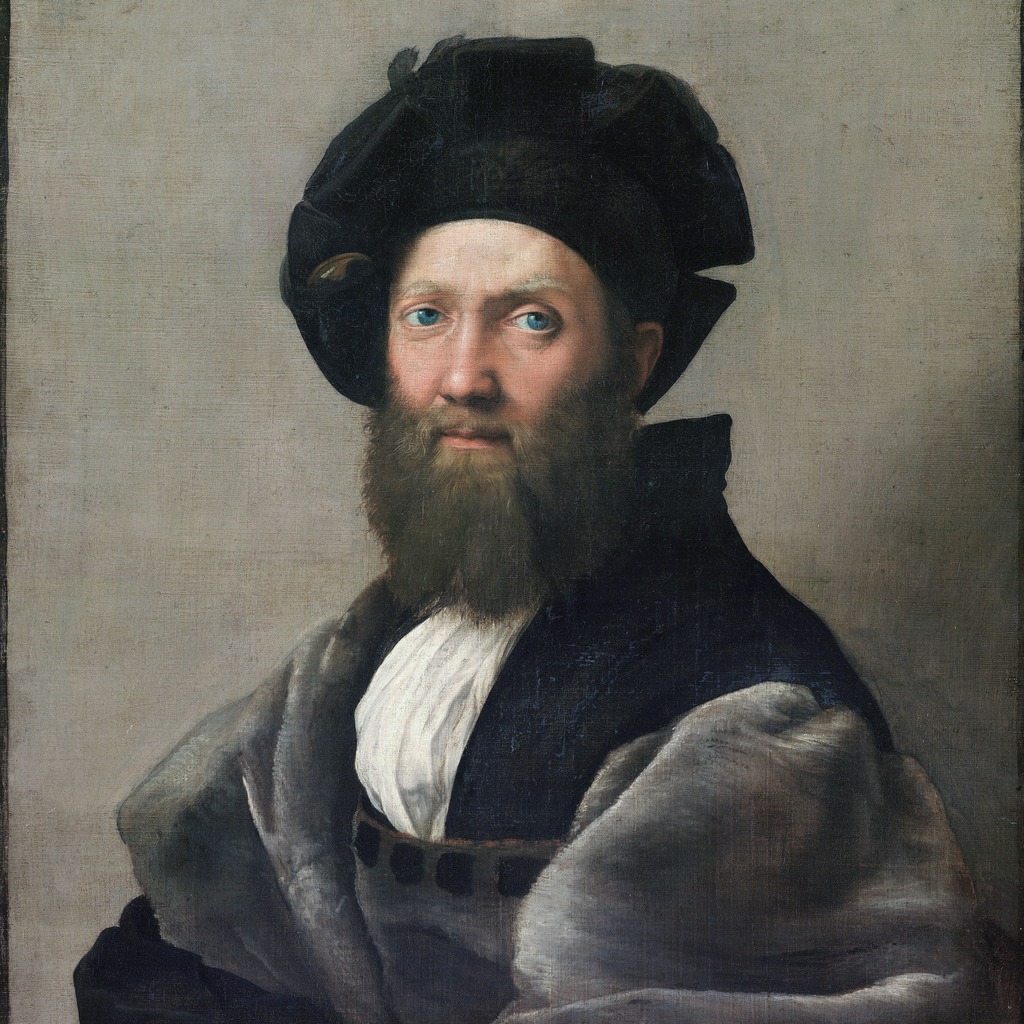 Baldassare Castiglione
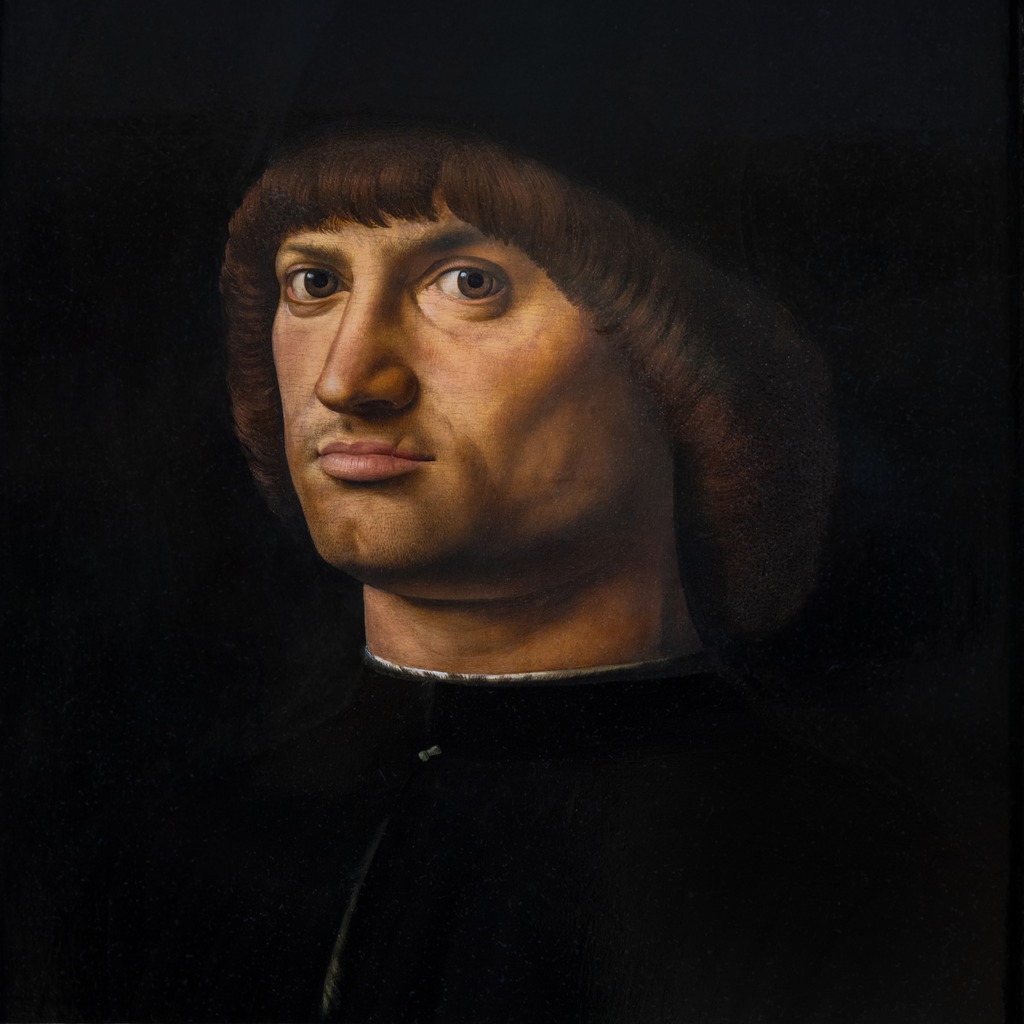 Il Condottiere
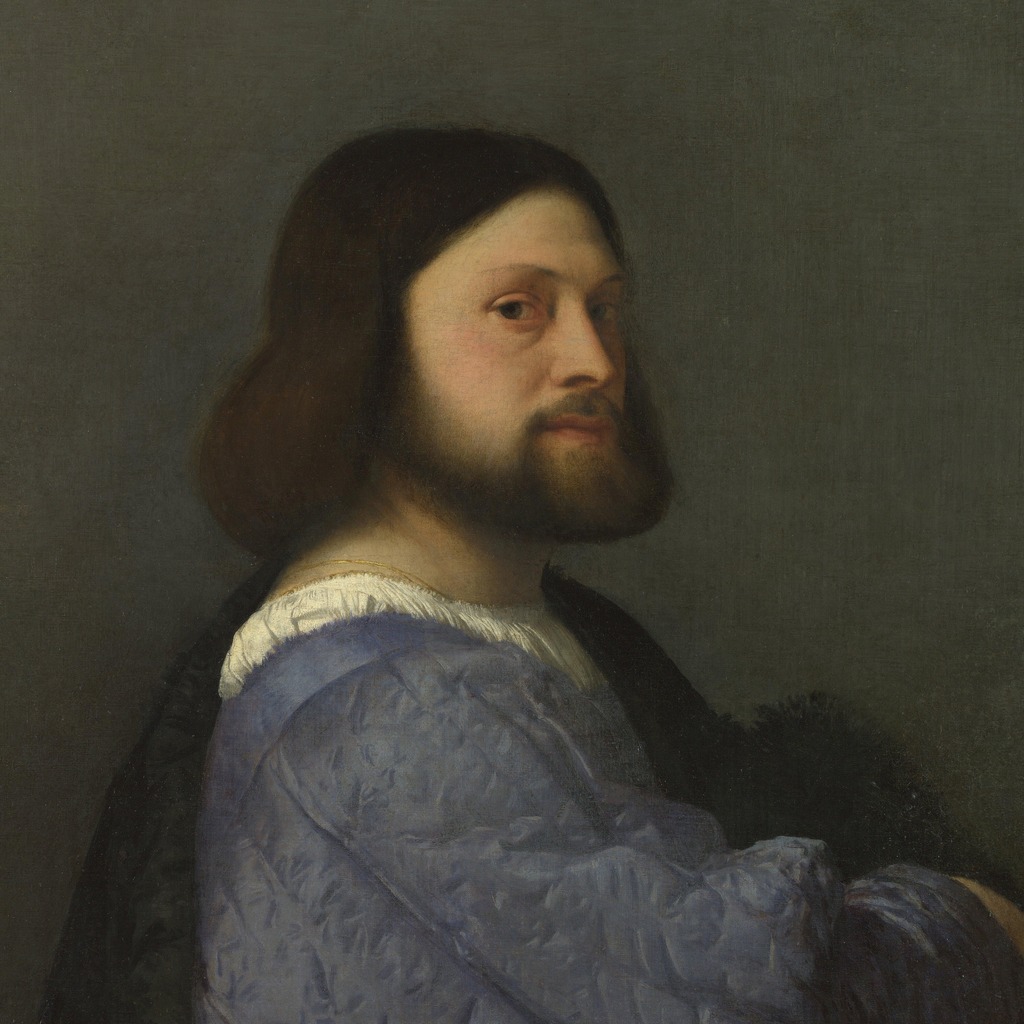 Man with a Quilted Sleeve
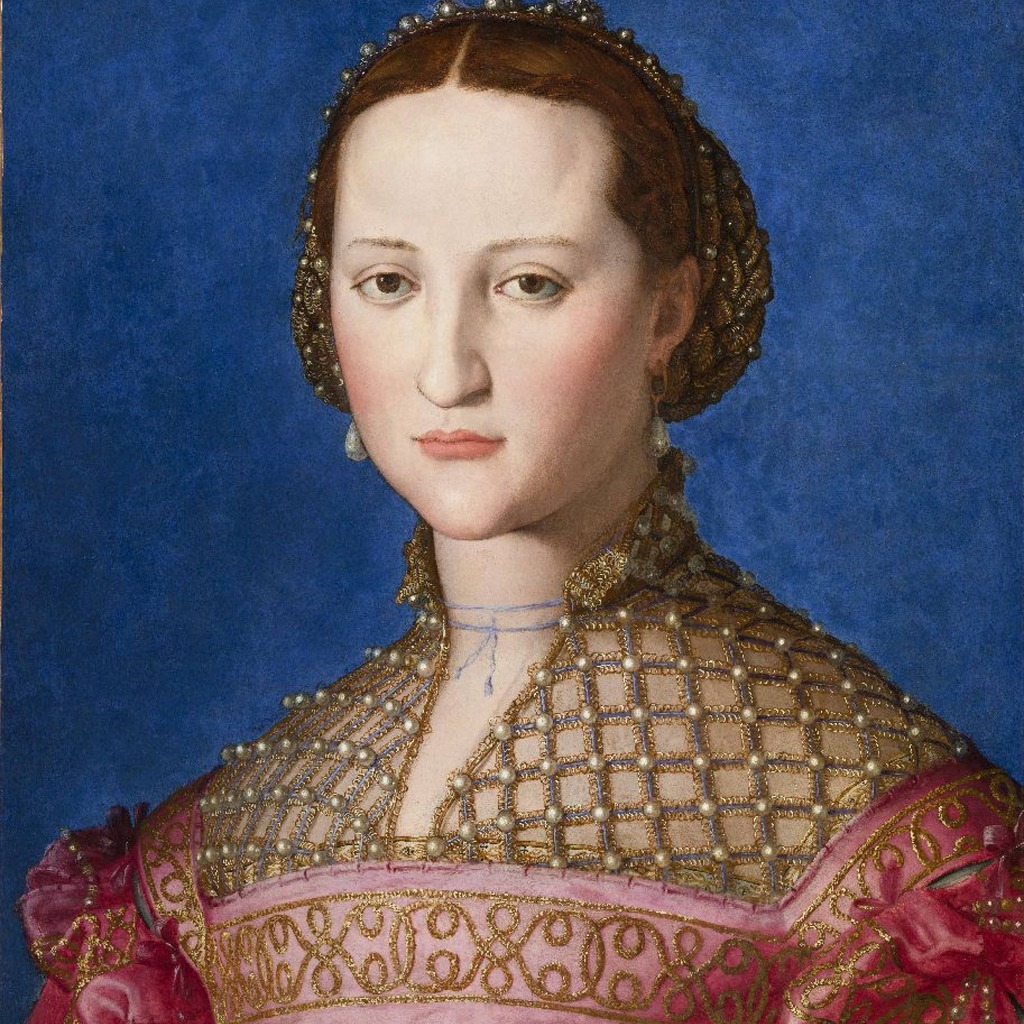 Eleonora di Toledo
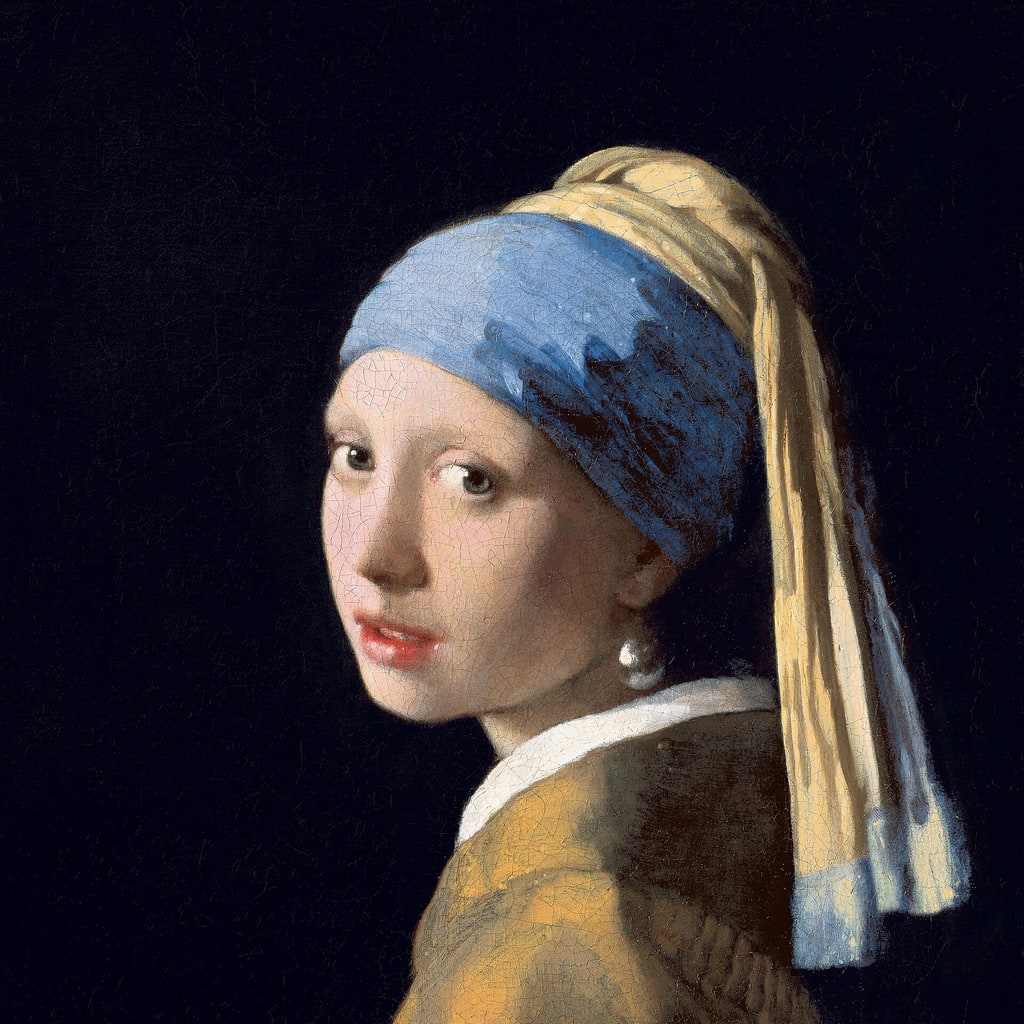 Girl with a Pearl Earring
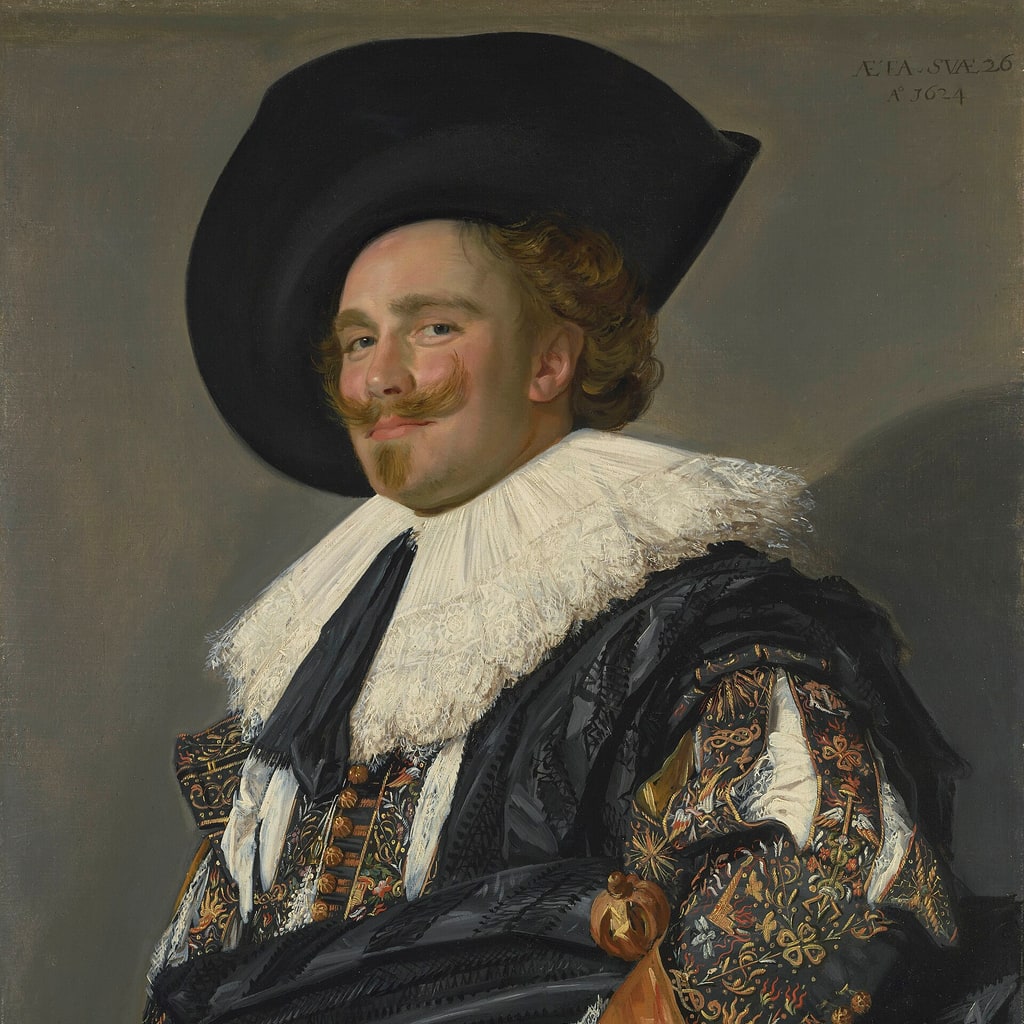 The Laughing Cavalier
 The Blue Boy
 American Gothic
 Elizabeth I
 Louis XIV
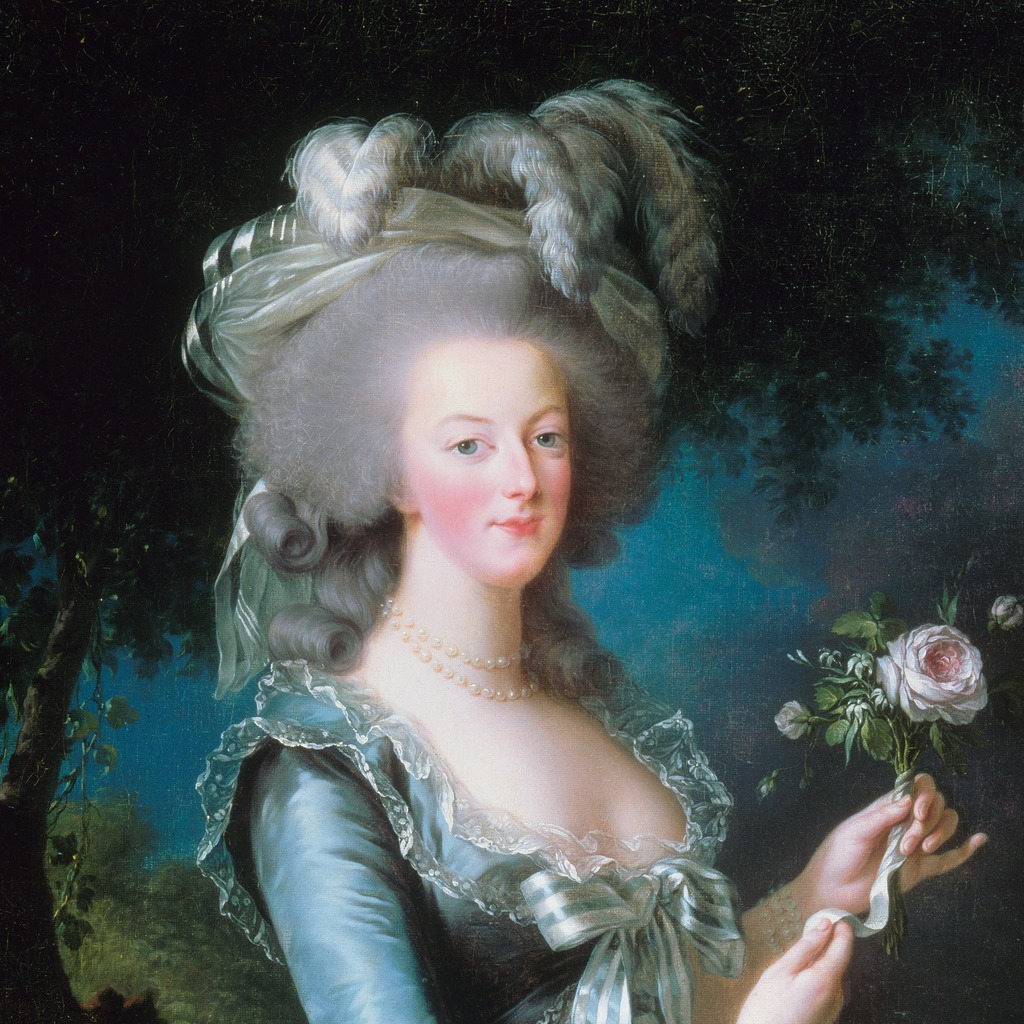 Marie Antoinette
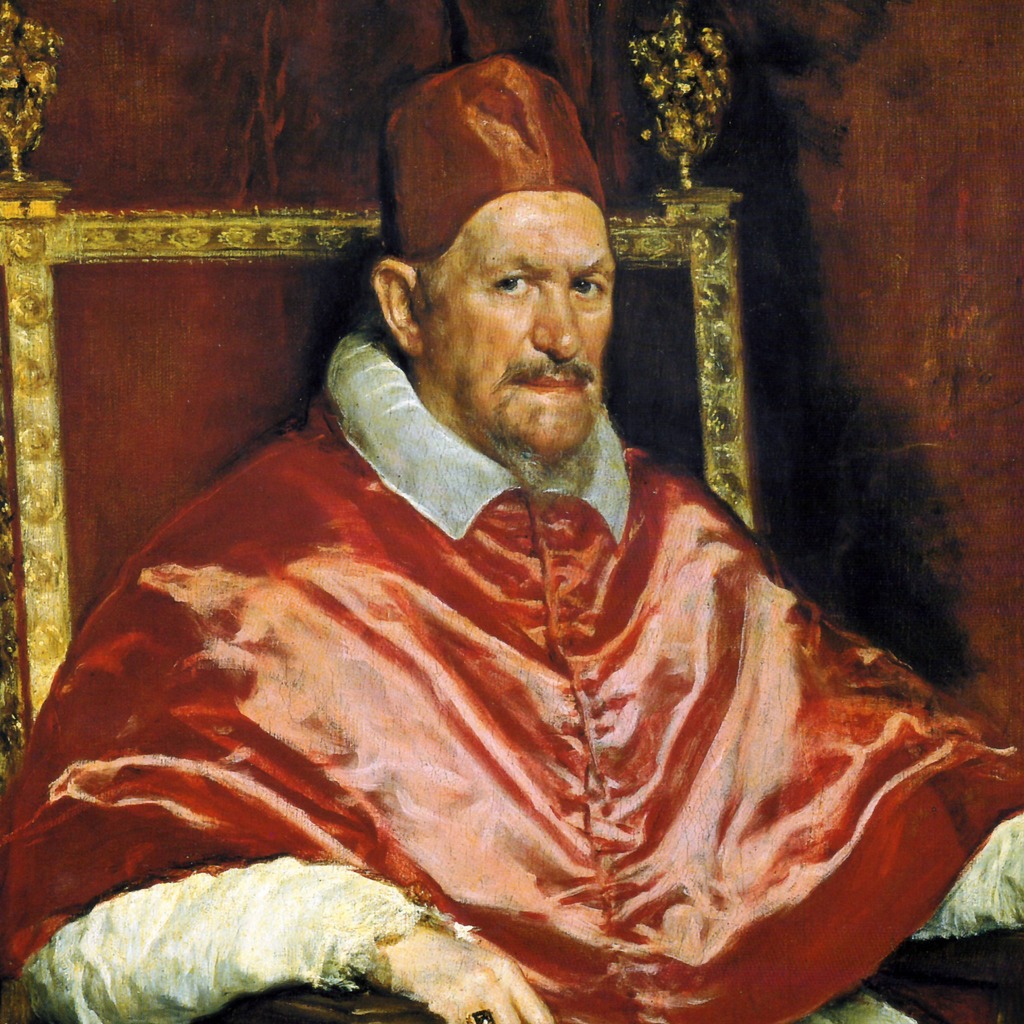 Pope Innocent X
Questions
Why is the panel round?
Because the mirror was. He had a wooden ball turned and cut in half so that the painting surface matched the curve of a convex barber’s mirror exactly, which is why the distortion reads as real rather than as a trick of drawing.
What age was he?
Twenty-one, and he painted it as a calling card. It worked: he went to Rome with it and picked up patrons, until the sack of the city in 1527 sent him north again.
What is the poem?
John Ashbery published Self-Portrait in a Convex Mirror in 1975, a long poem built entirely around this picture. It won the Pulitzer, the National Book Award and the National Book Critics Circle Award in the same year.
Is it free?
Yes. There is a limit on how many you can make in a day, and sharing one earns the allowance back.
Do you keep my photo?
No. Your selfie is used to make the image and then dropped — it is never written to disk. The finished meme is stored, because it has a link people can open, and it is deleted after 90 days.
Can I use someone else’s face?
Please do not. Use your own. Putting a real person into a picture they did not agree to is exactly the thing this is not for.
Can I post the result?
Yes, anywhere you like. The paintings are public domain; what you make with your own face is yours.