

Self-portrait face swap
Twenty-two of these one hundred and five paintings are pictures of the painter. Putting your own face in one is closer to the original idea than it sounds.
Why painters painted themselves
Rarely for vanity, and often for the dullest of reasons: the model was free and always available. Van Gogh made more than thirty self-portraits largely because he could not afford to pay anyone to sit.
The rest were arguments. Dürer painted himself in 1500 facing straight out with his hand raised, a composition that belonged to images of Christ, and using it for a working craftsman was a claim about what a painter was. Vigée Le Brun answered a Rubens she admired by putting herself under an open sky in a feathered straw hat, demonstrating her skill and her ease in the same picture. Rembrandt, painting in 1659 three years after his possessions were auctioned to pay his debts, had stopped making a case for anything at all.
Artemisia Gentileschi put herself in the picture as a working musician, which in Florence around 1615 was a way of being the subject and the professional at once — and she signed it, at a point when a woman's name on a canvas was itself the argument.
Judith Leyster made the same move in Haarlem a few years later and added a joke to it: she paints herself turning away from the easel with the brush still up, mouth open, as though you had walked in. Carel Fabritius, Rembrandt's best pupil, put himself in a plain shirt against a bright wall and reversed the whole tonal logic of his teacher. Jan Steen simply laughed.
By the nineteenth century the habit had become closer to a diary than an argument. Courbet gripped his own hair with both hands and called the result The Desperate Man. Cézanne painted himself as a bald arrangement of planes, because by then a head was a problem in form rather than a person. Whistler refused the word portrait altogether and titled his an arrangement in grey. Goya, a decade before the fever that took his hearing, just looked out of the panel and took your measure.
Further back, the reasons were plainer still. Parmigianino was twenty-one and needed work in Rome, so he painted what a barber's mirror did to his own face and carried it there as a sample. Sofonisba Anguissola was a noblewoman who could not be shown as a tradeswoman, and put a half-finished Madonna on the easel to settle the question. Titian, at seventy and with nothing left to demonstrate, painted himself turned away from the viewer entirely.
The one that probably is
Van Eyck never wrote his name on the sitter of the Man in a Red Turban, but he signed the frame with the motto Als Ich Can — "as best I can" — which is an oddly personal thing to put on somebody else's portrait. Many scholars read the face as his own. It is in this collection as a probable self-portrait rather than a certain one, which seemed worth saying plainly.
What this does to the swap
Self-portraits are painted in a mirror at arm's length, so the head is square to the viewer and the light is whatever was in the room. That is the same geometry as a phone held up at arm's length, and it is the reason a self-portrait tends to come out better than a formal commissioned portrait, where the sitter is turned and lit to flatter a face that is not yours.
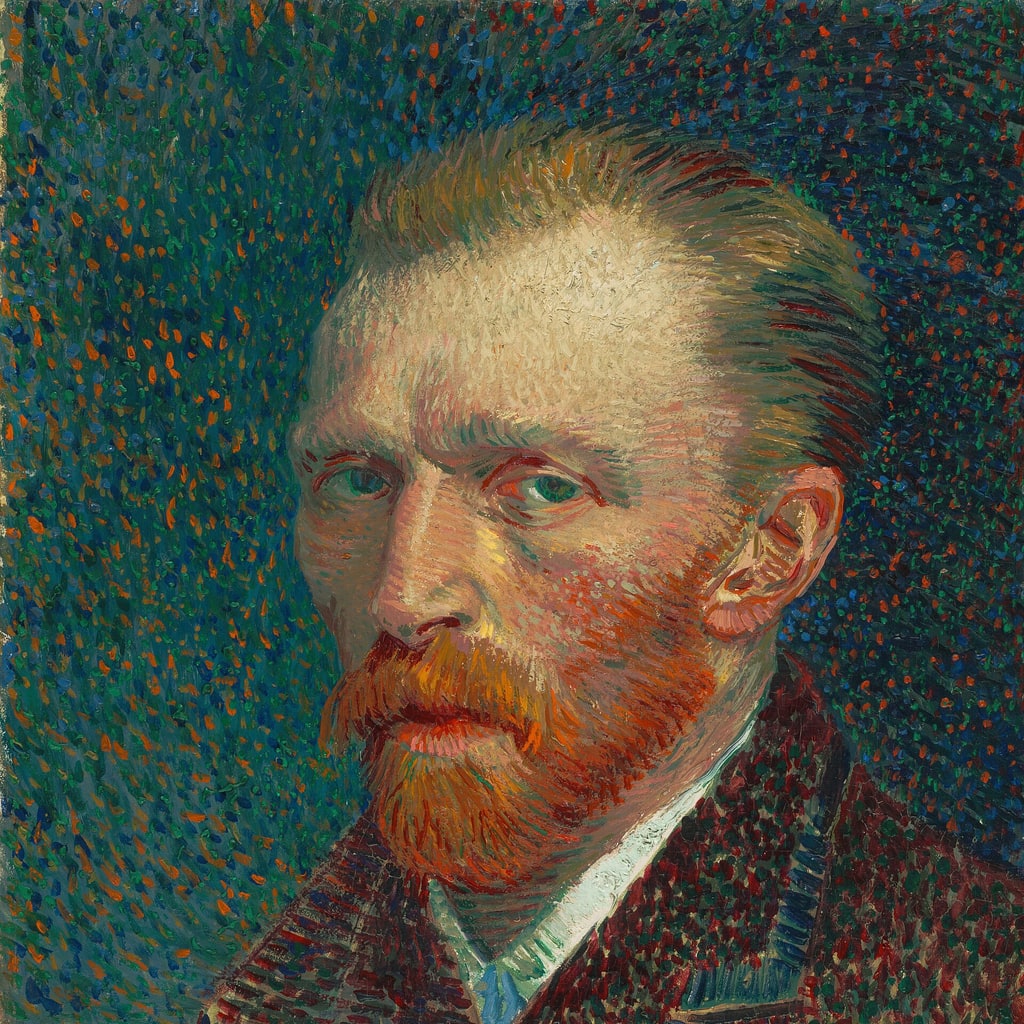 Van Gogh Self-Portrait
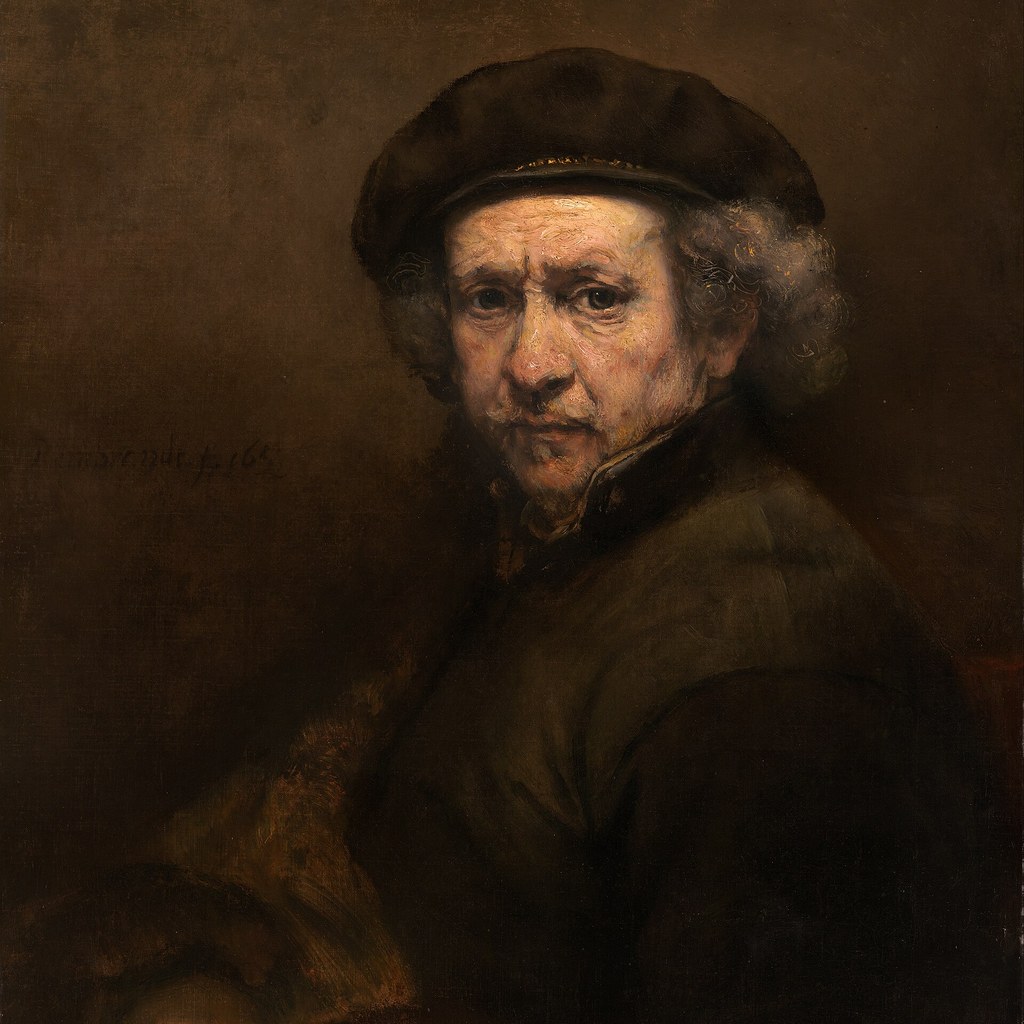 Rembrandt's Self-Portrait
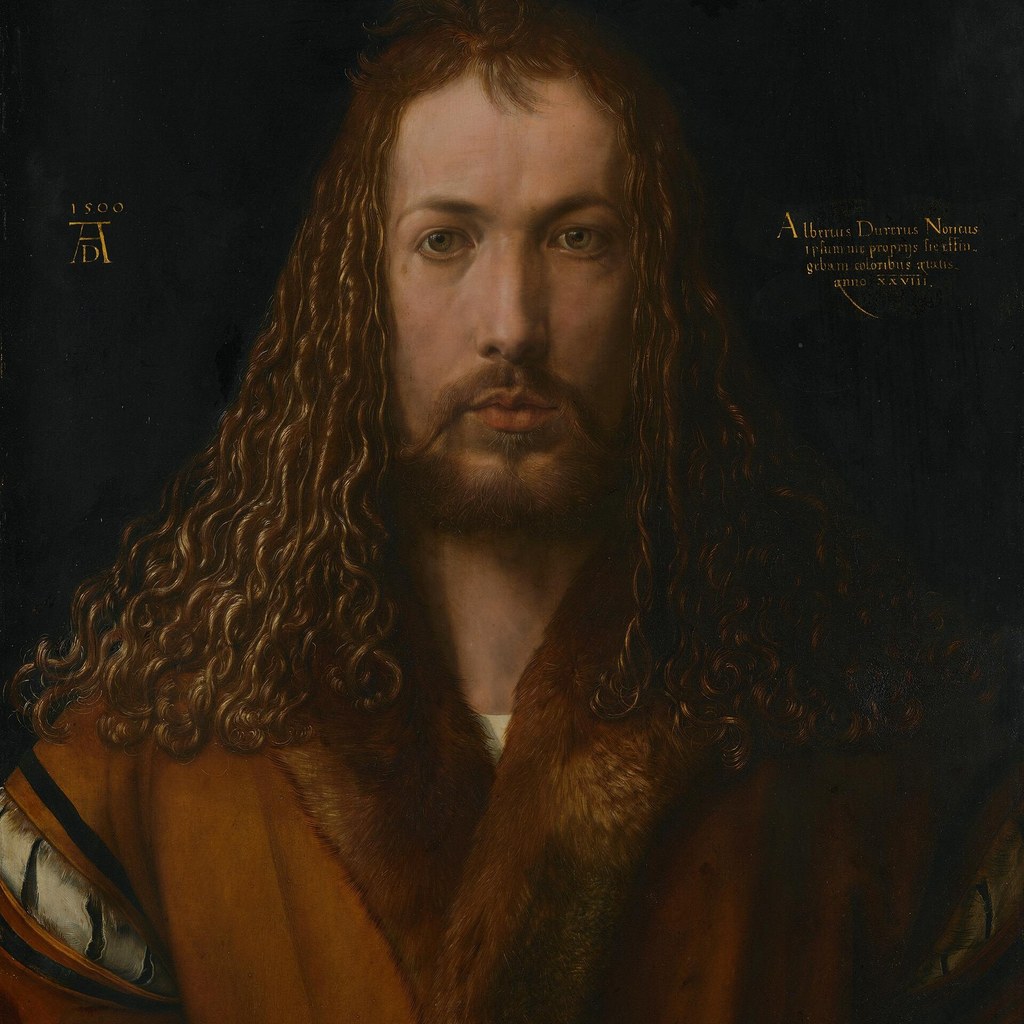 Dürer's Self-Portrait
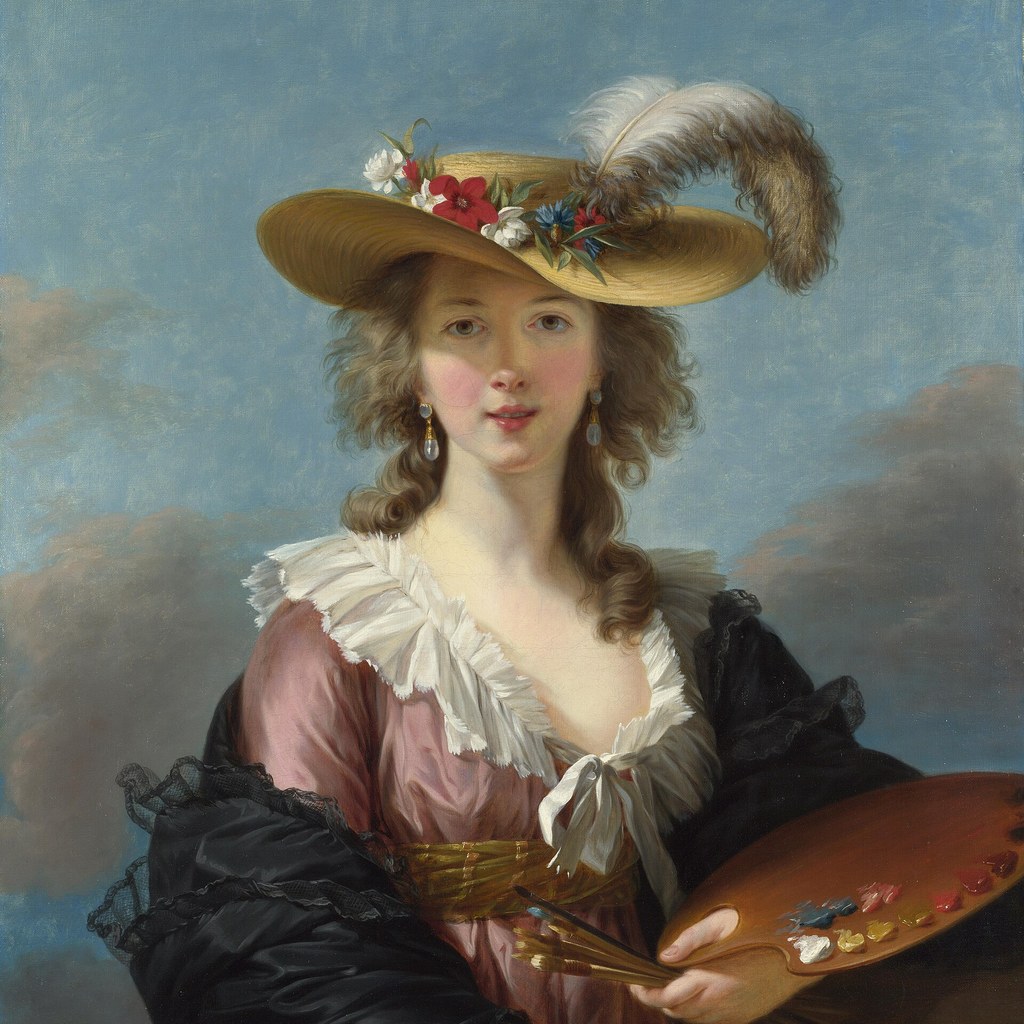 Self-Portrait in a Straw Hat
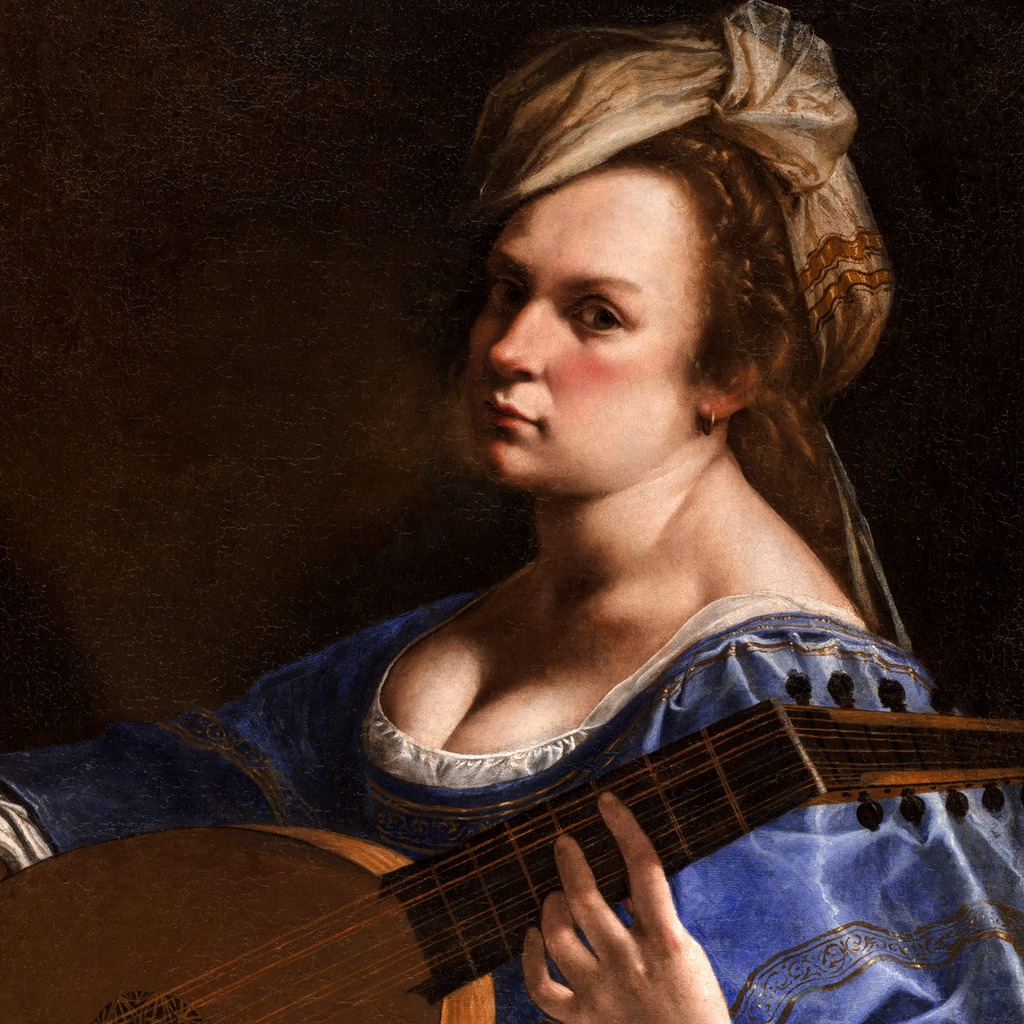 Artemisia's Self-Portrait
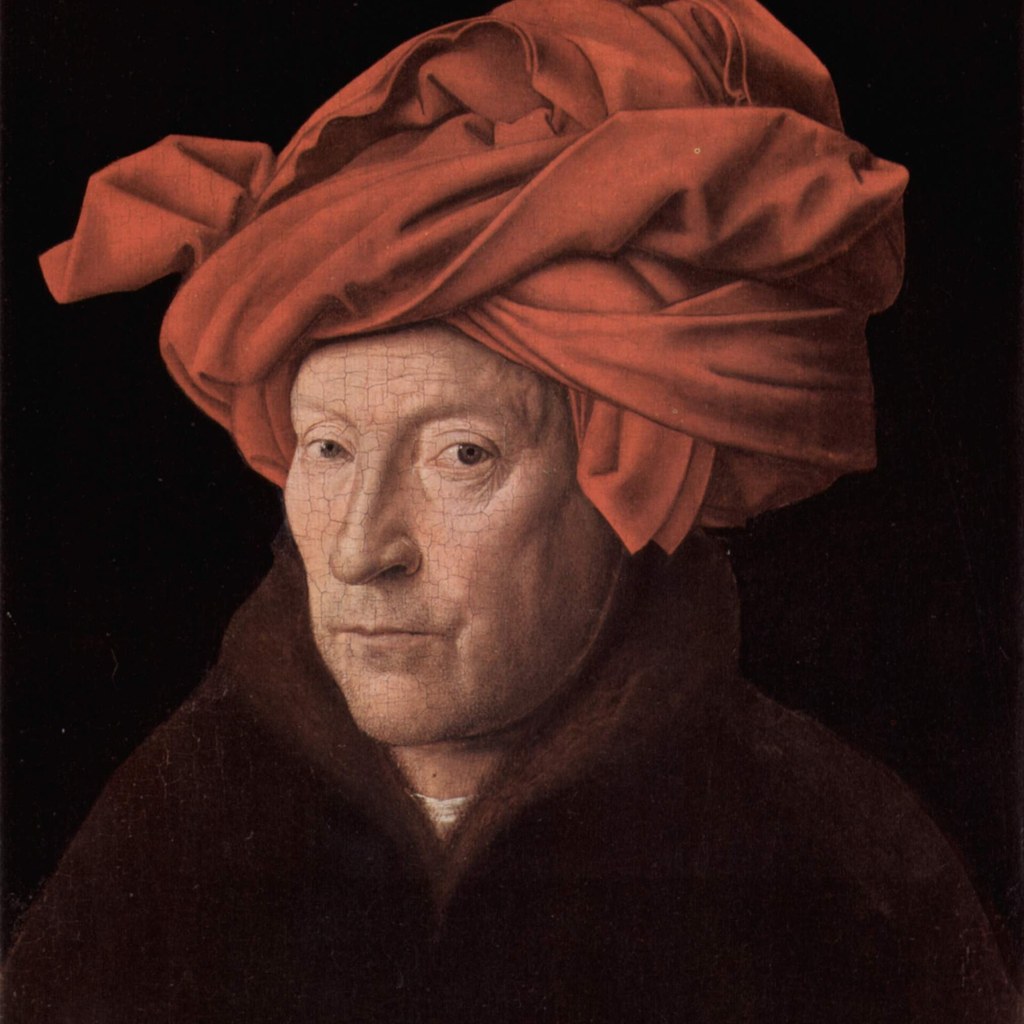 Man in a Red Turban
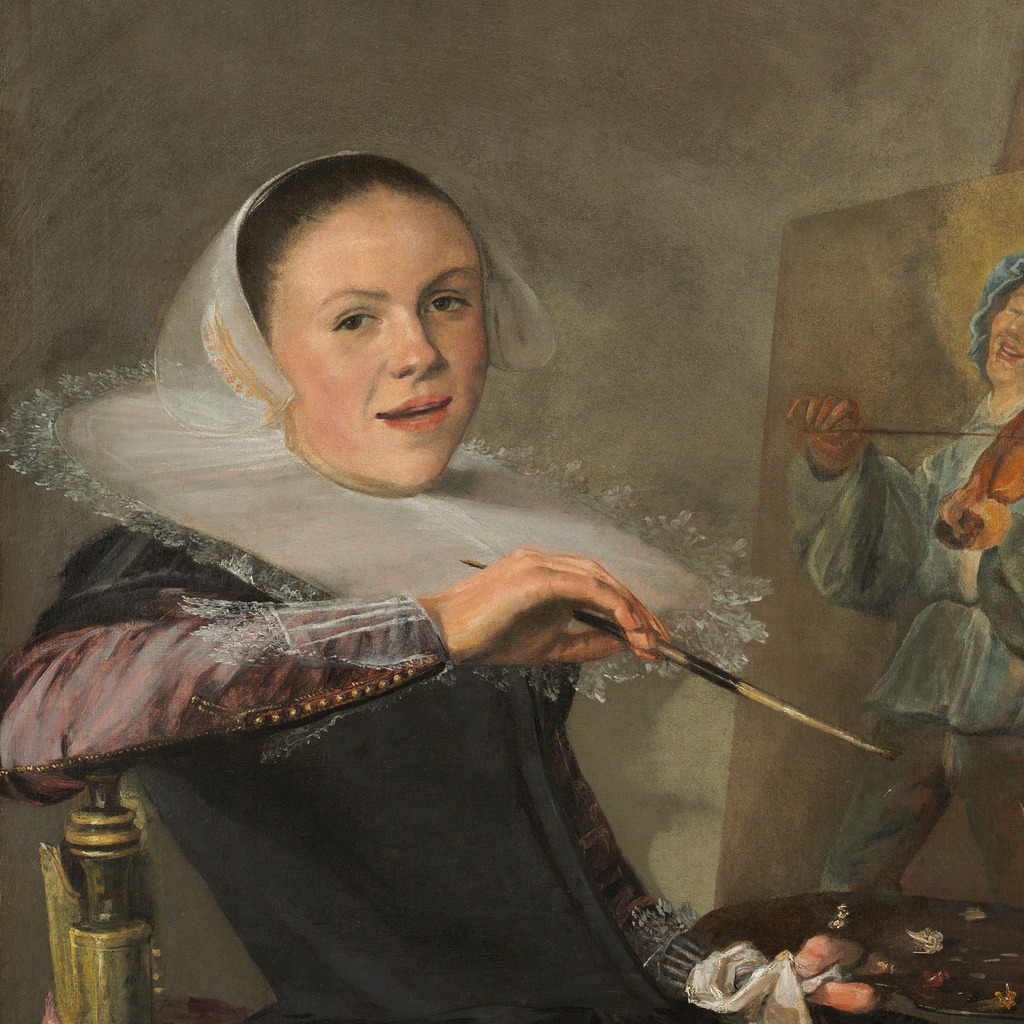 Judith Leyster
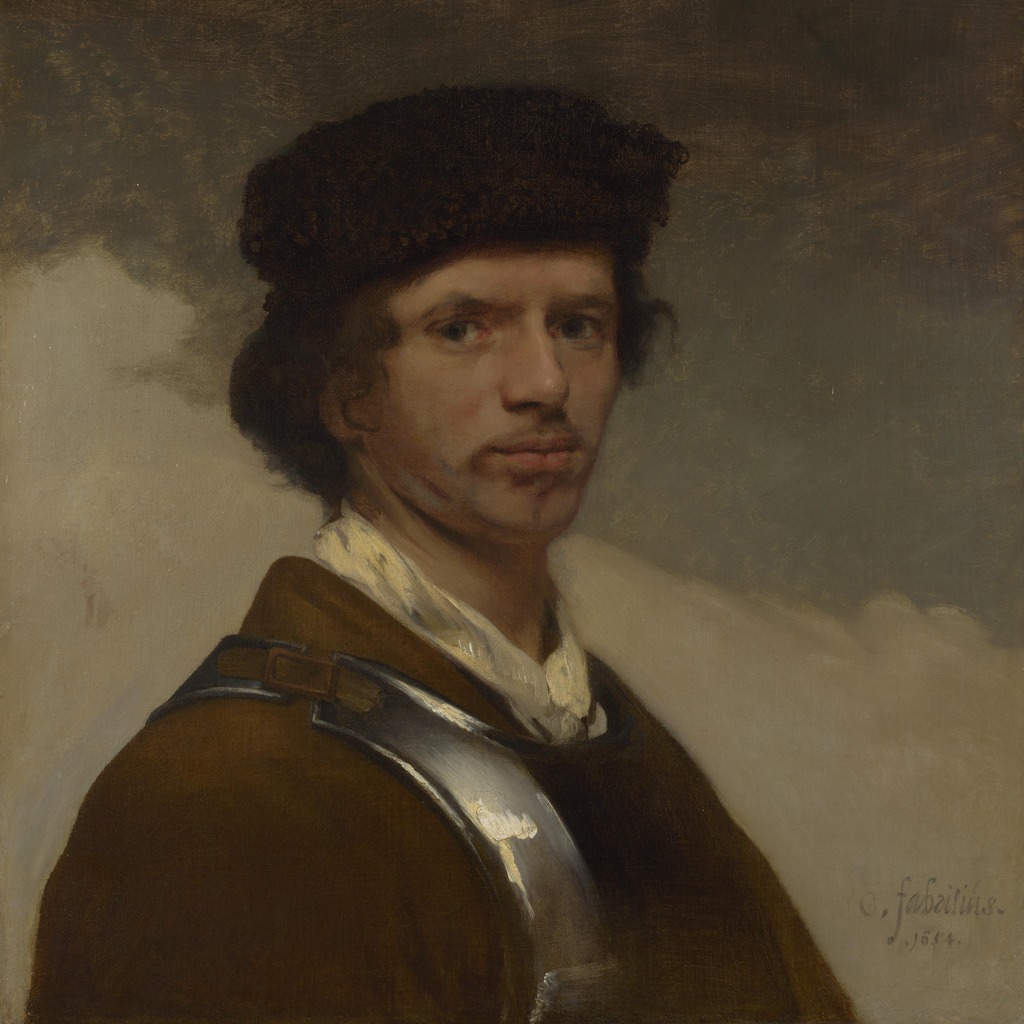 Carel Fabritius
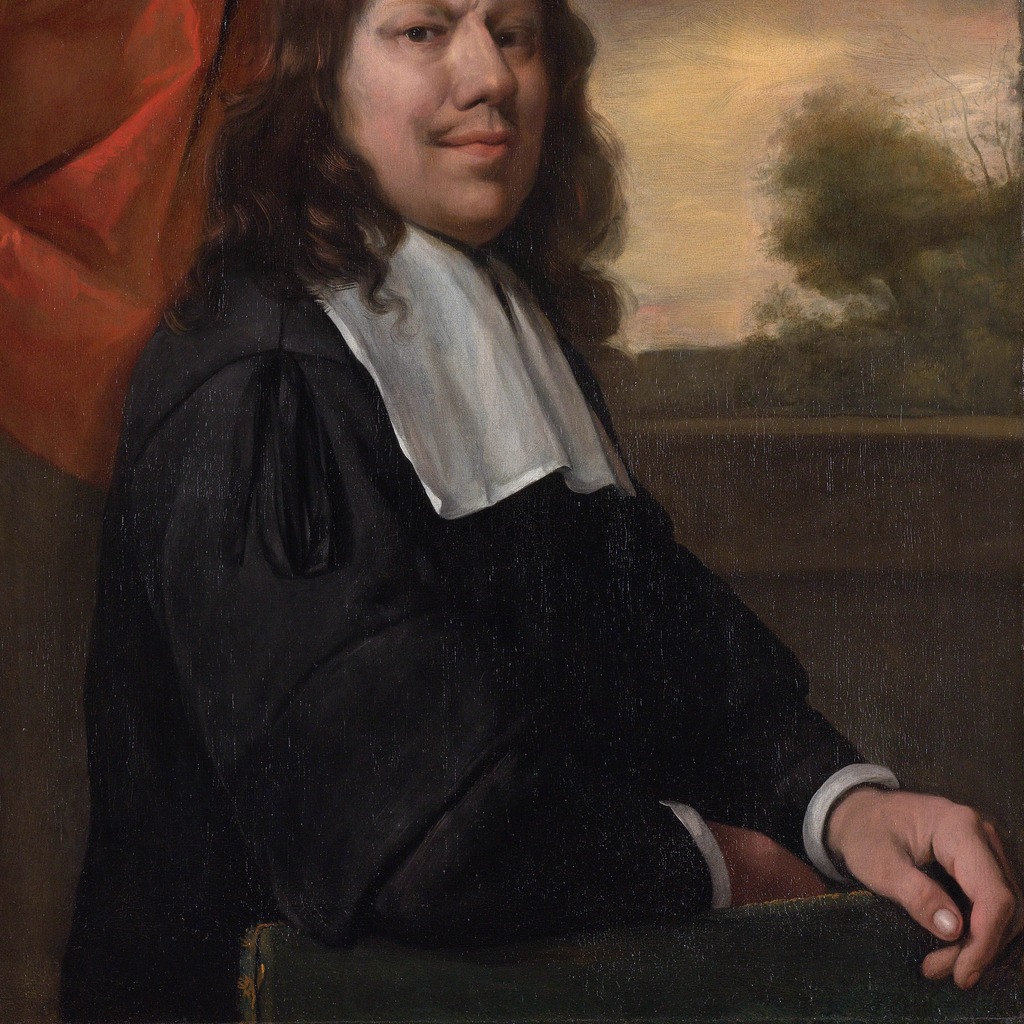 Jan Steen
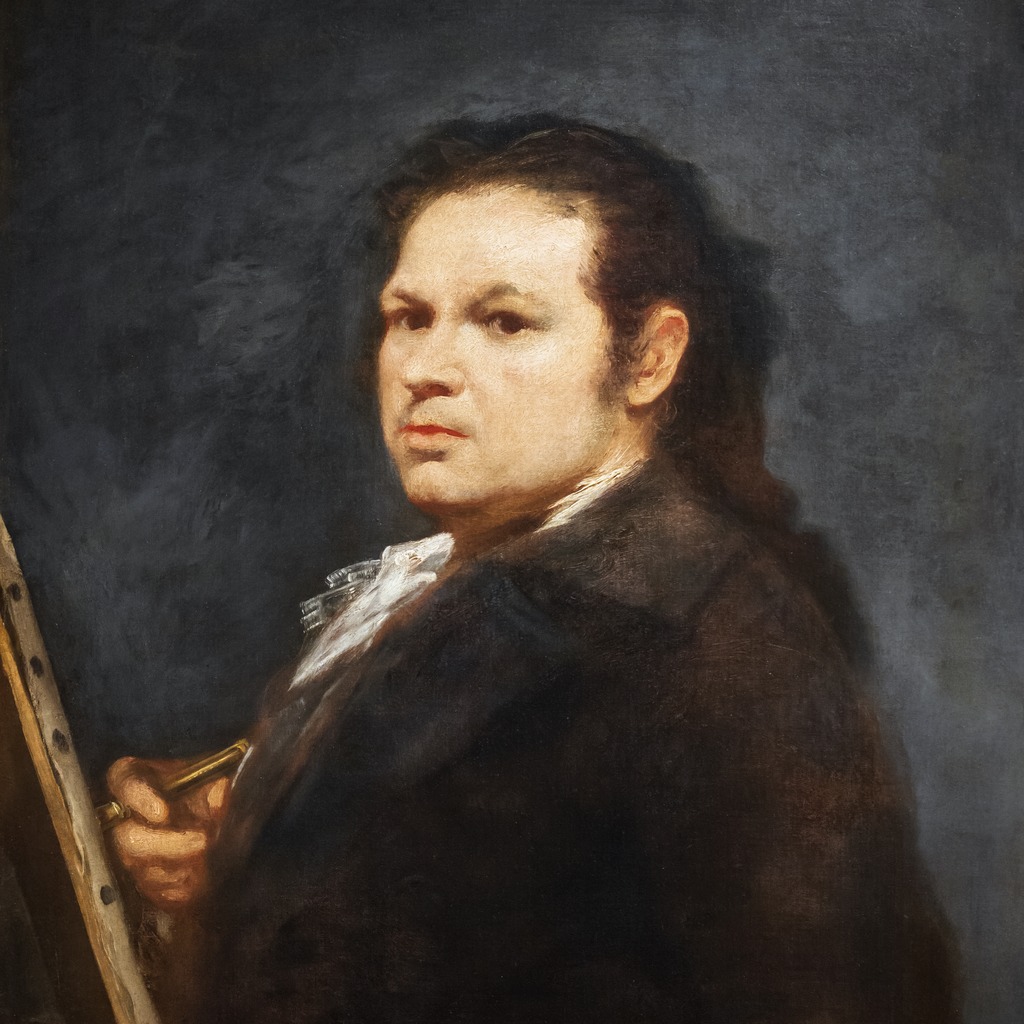 Goya
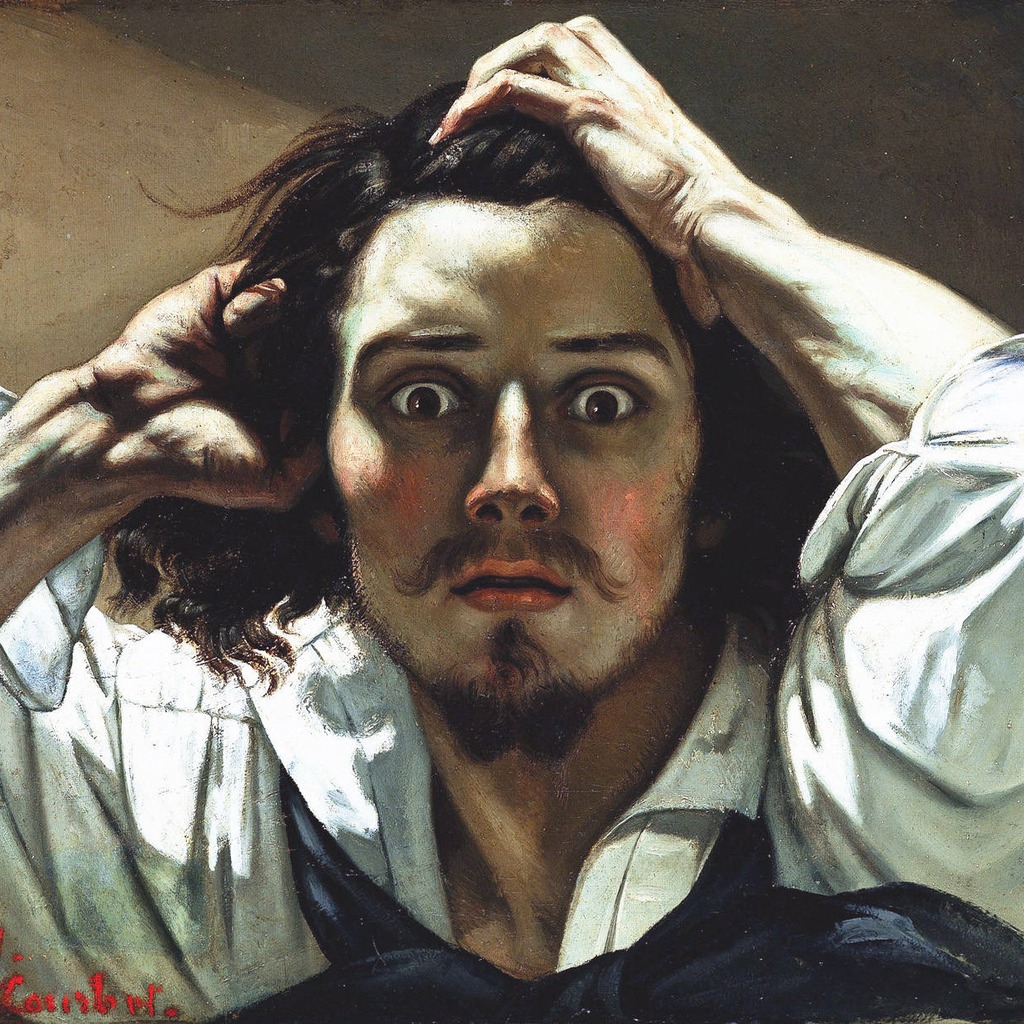 The Desperate Man
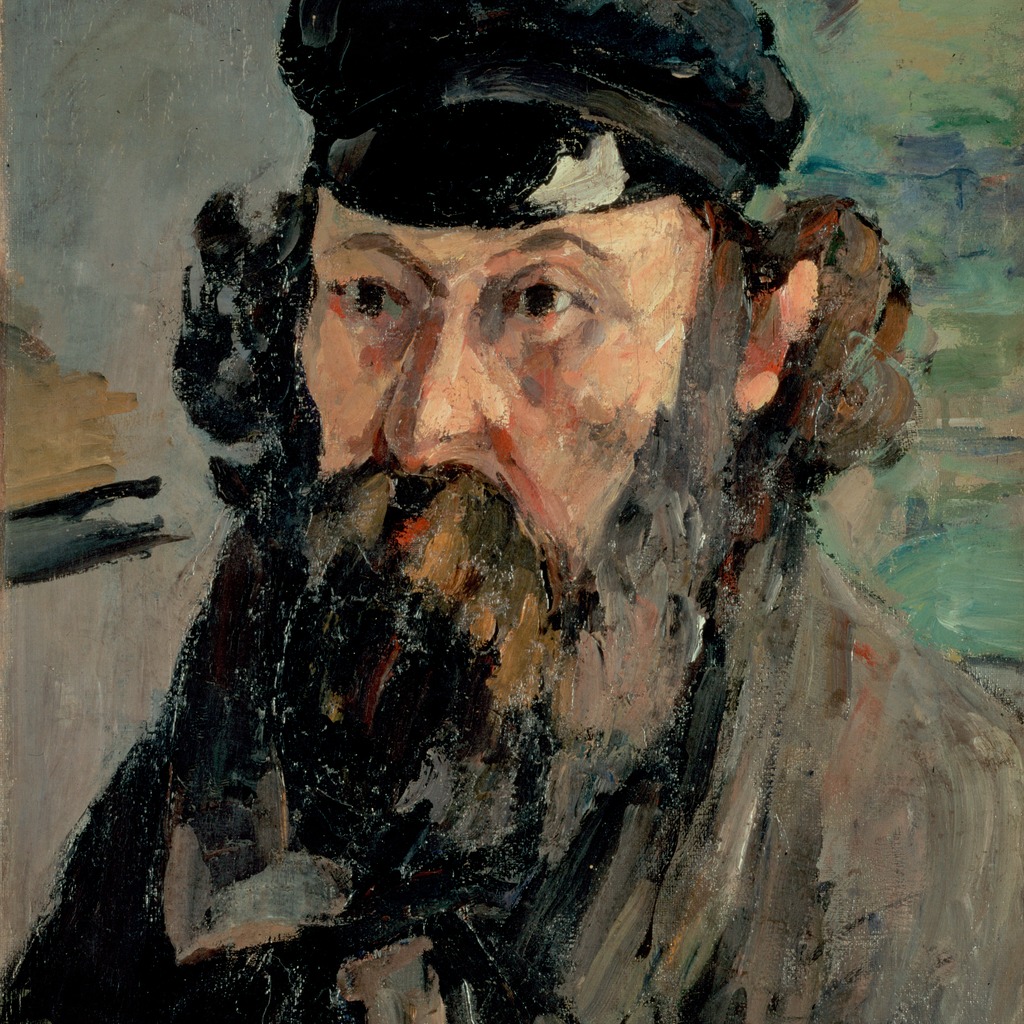 Cezanne
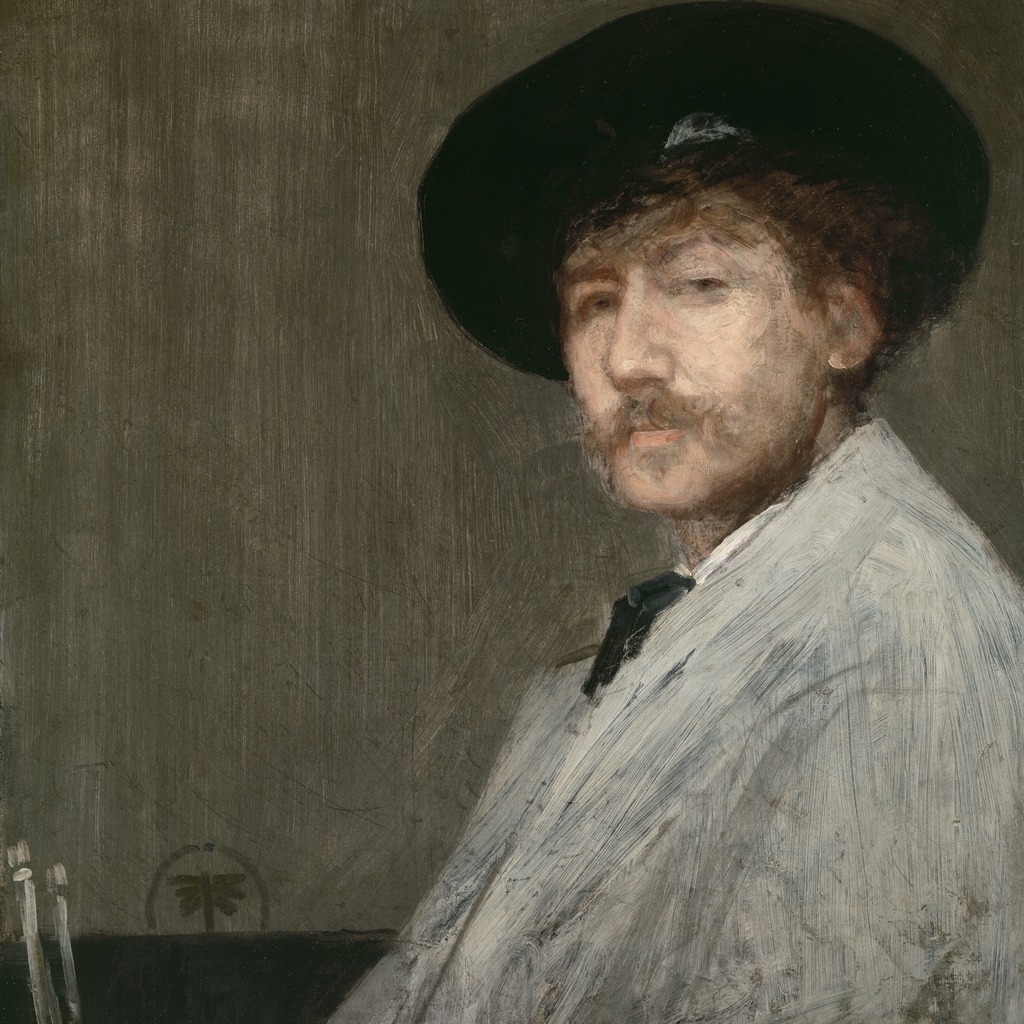 Whistler
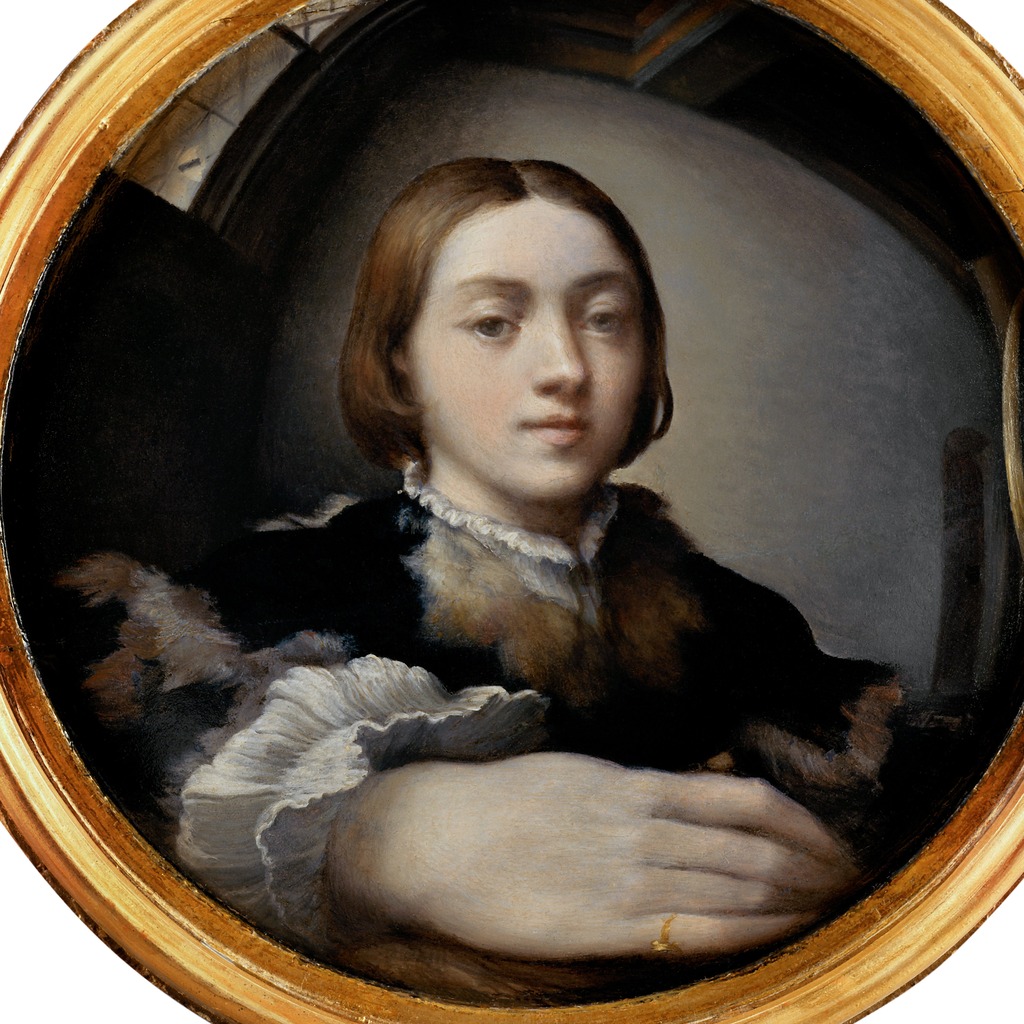 Self-Portrait in a Convex Mirror
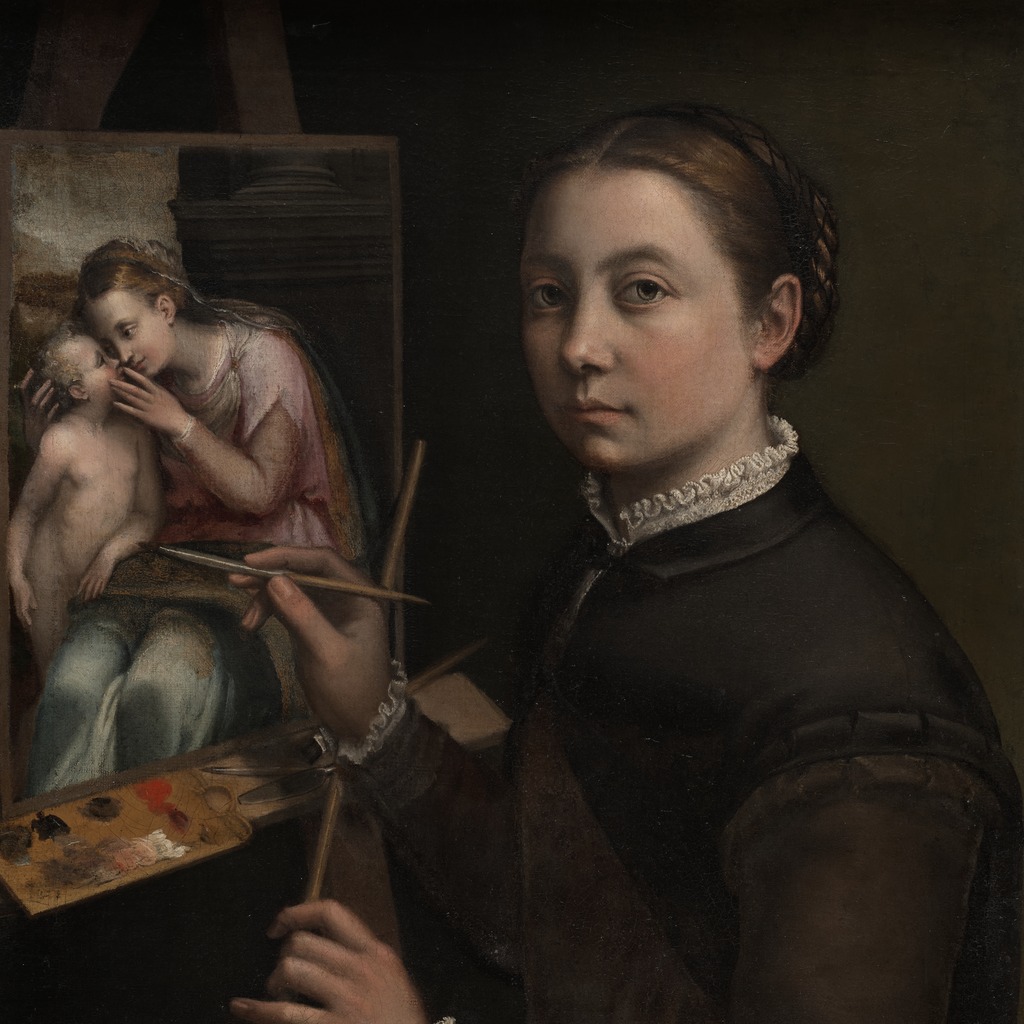 Sofonisba at the Easel
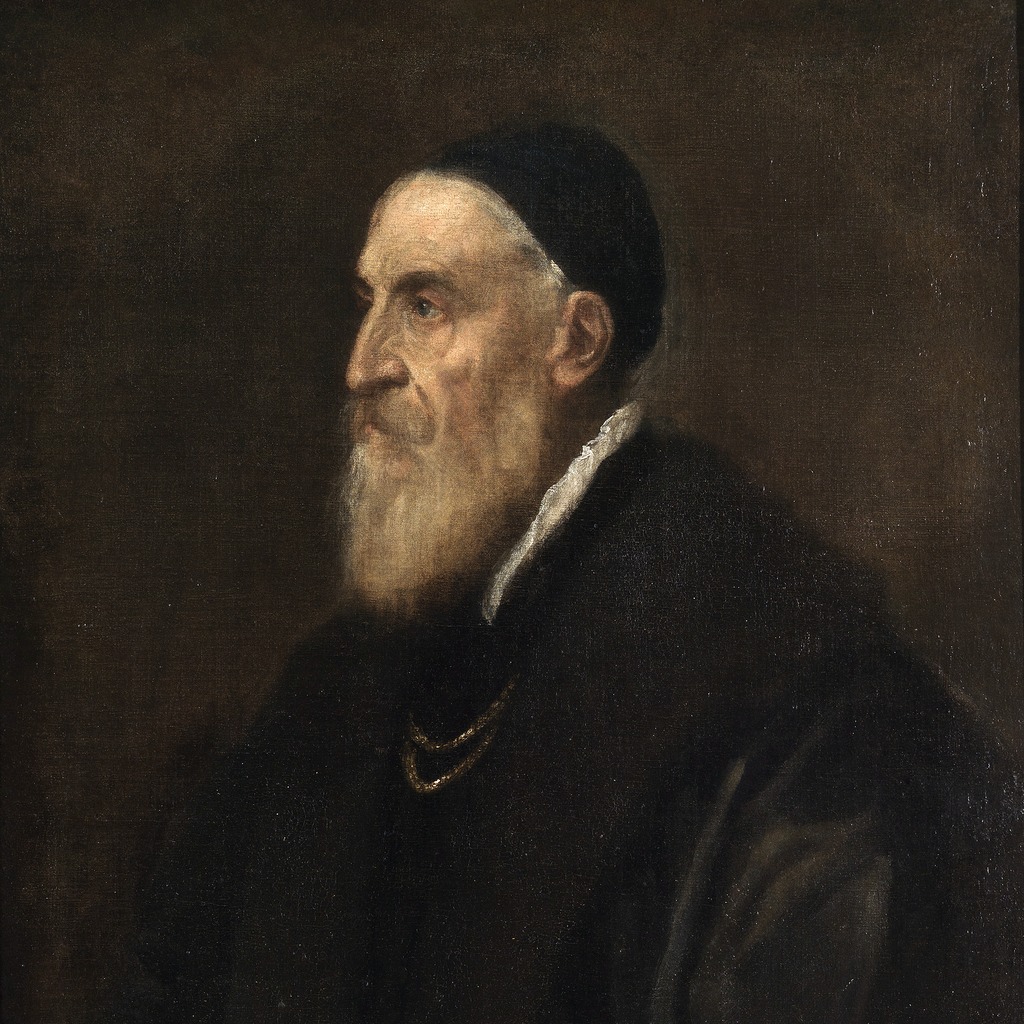 Titian
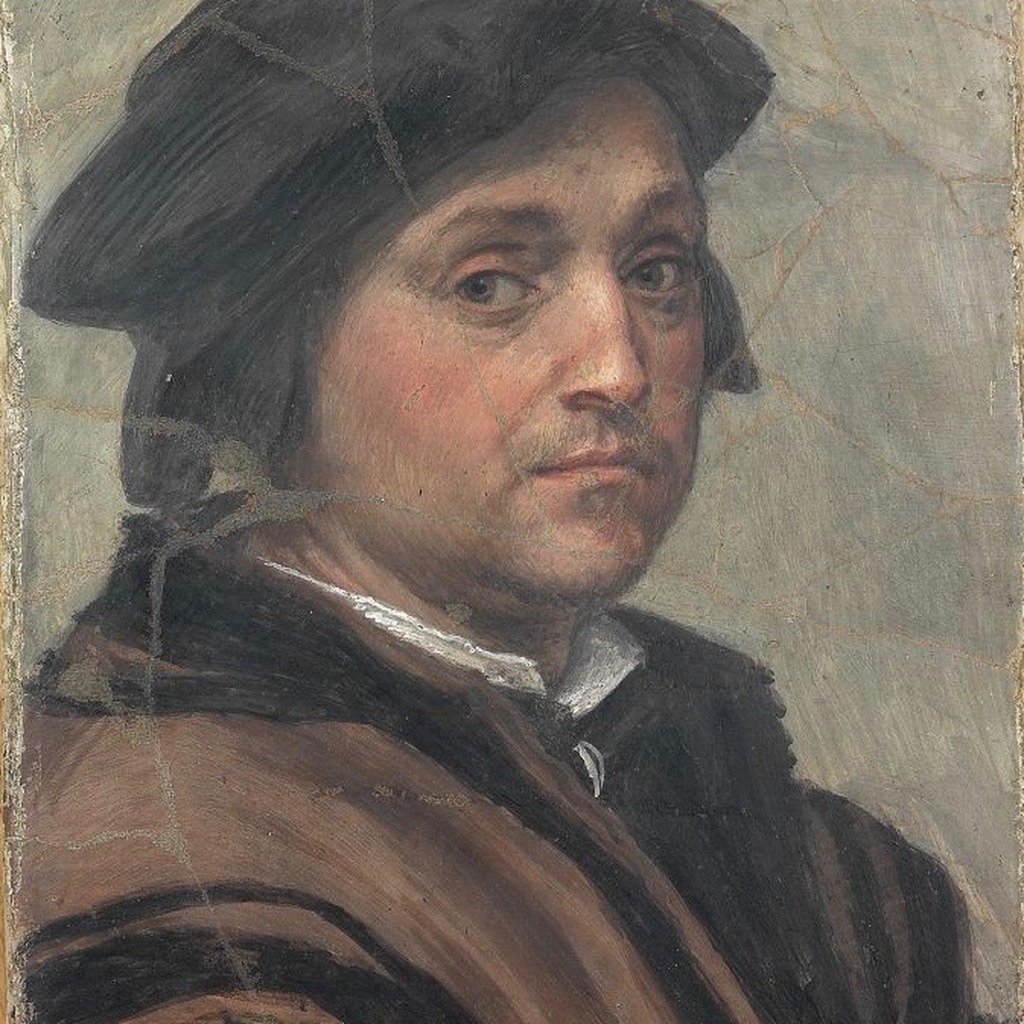 Andrea del Sarto
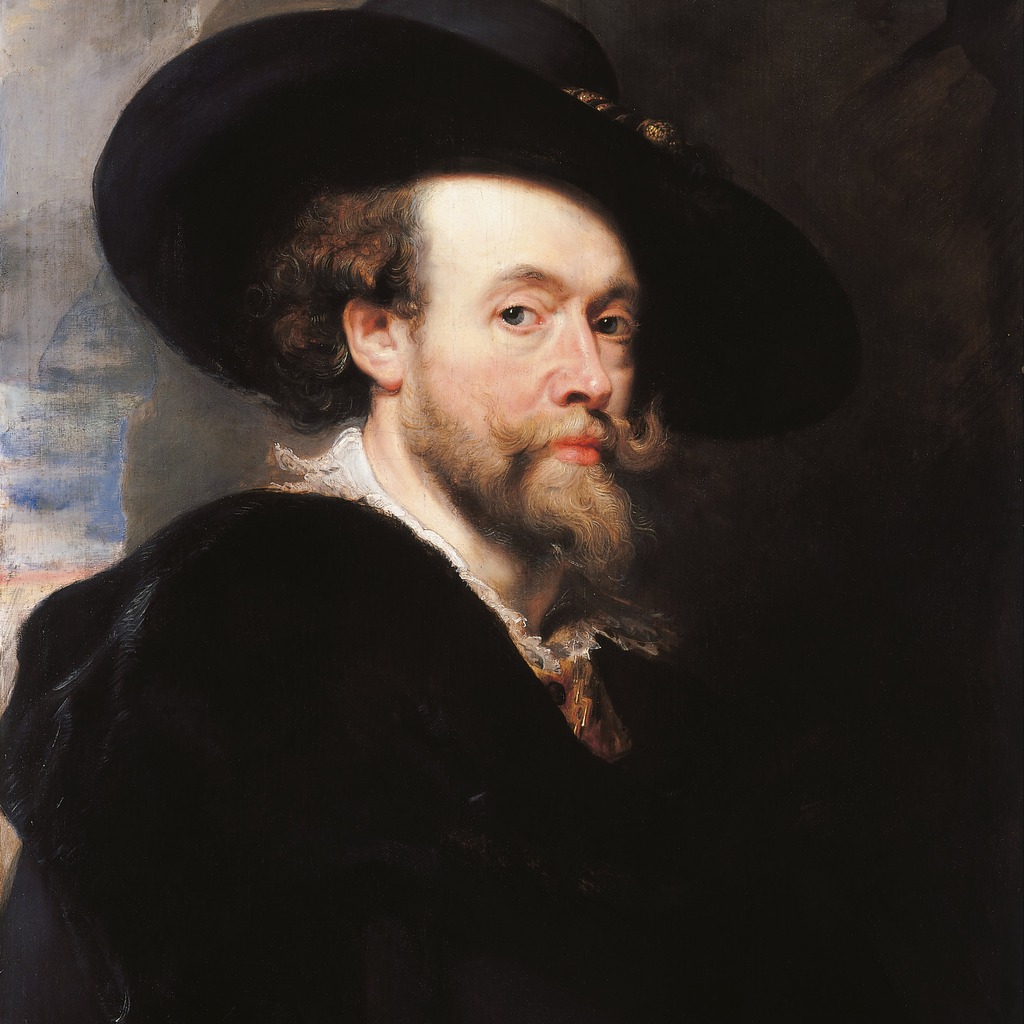 Rubens
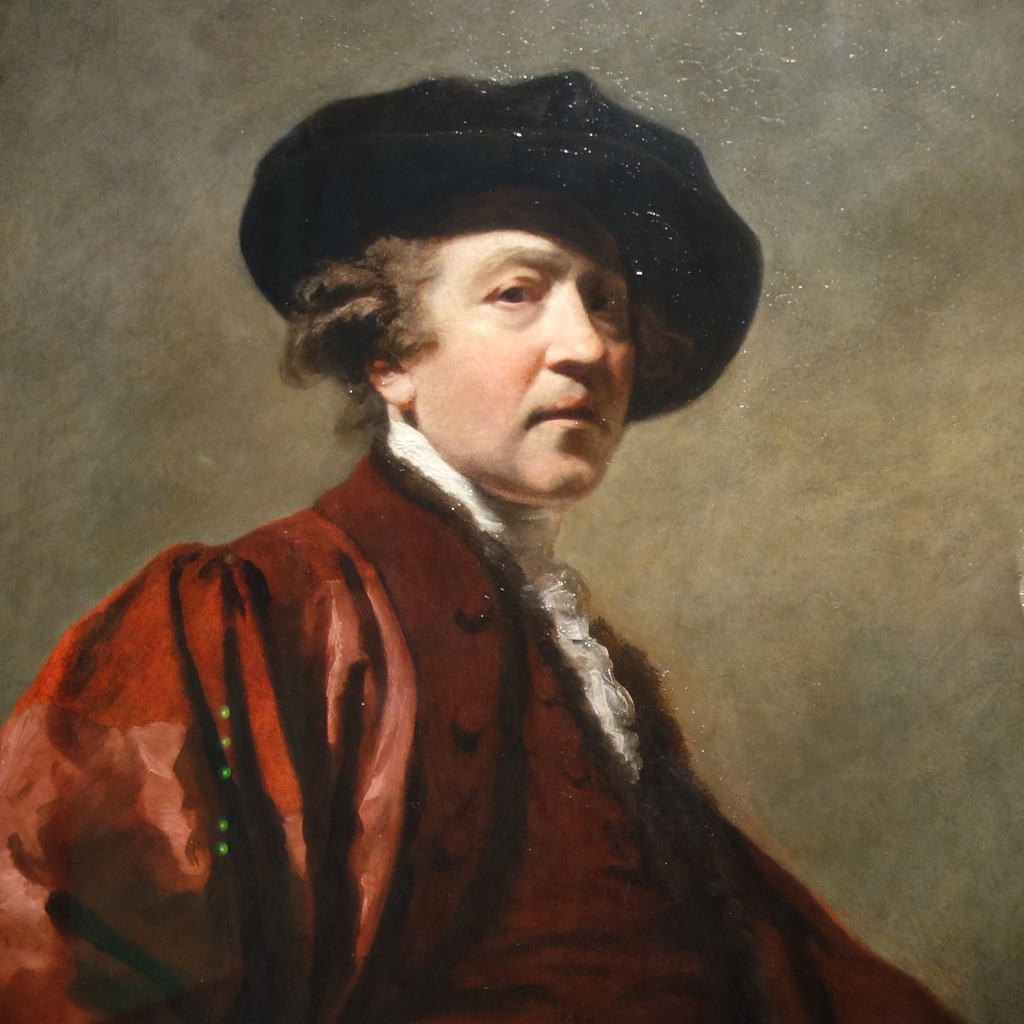 Joshua Reynolds
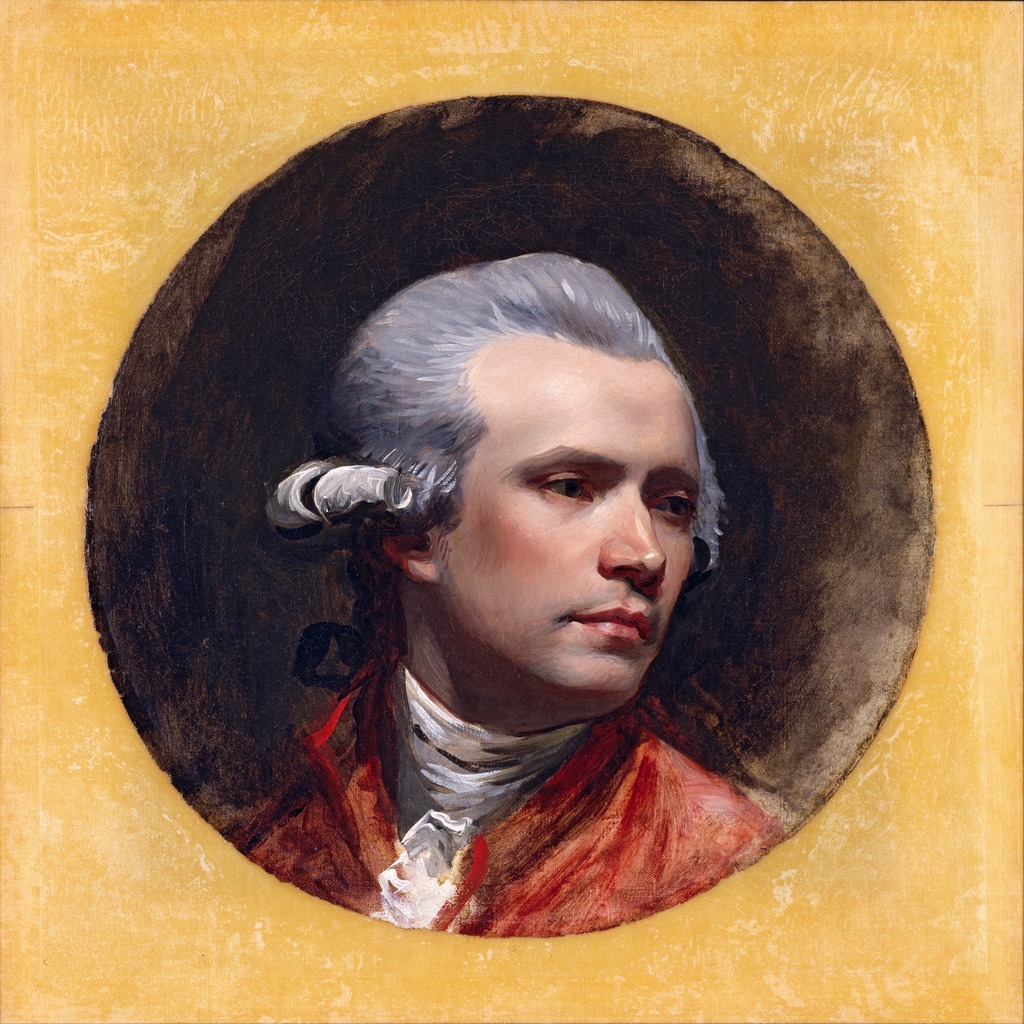 John Singleton Copley
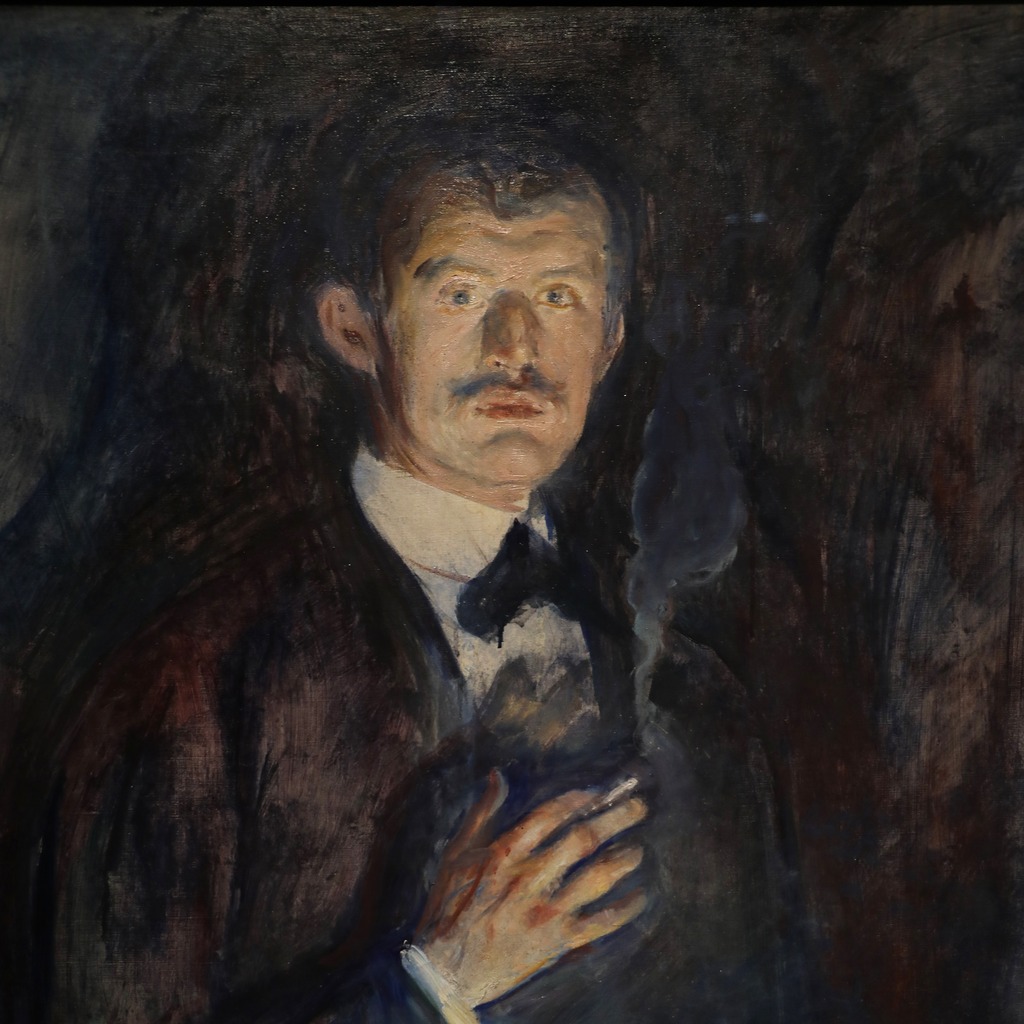 Self-Portrait with Cigarette
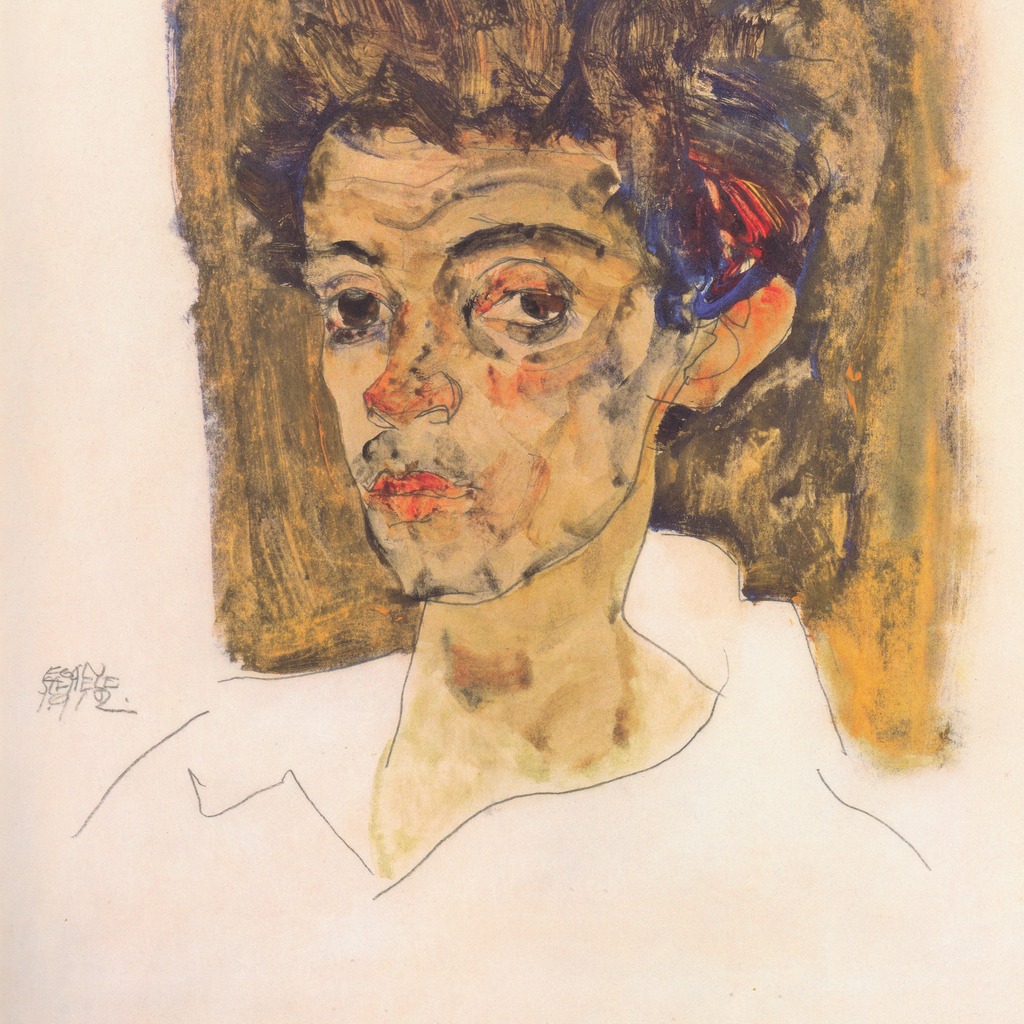 Egon Schiele
How it works
-
Take a photo
Front camera, decent light, look straight ahead. Or pick one you already have.
-
We paint you in
Your face goes into the painting, keeping its light and its brushwork. About fifteen seconds.
-
Share the link
You get a page anyone can open. No account, nothing to install.