

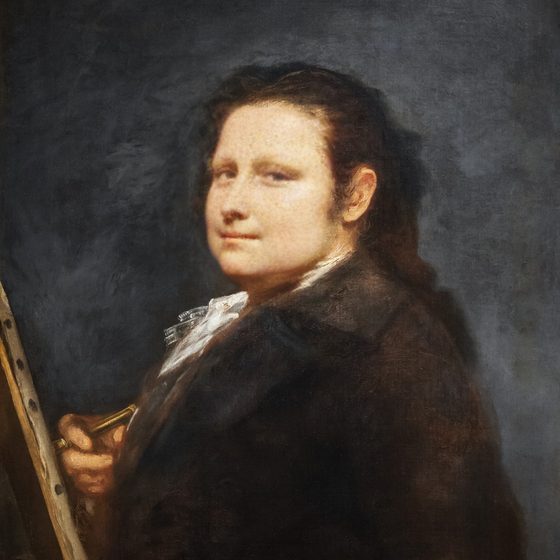
Making your meme…
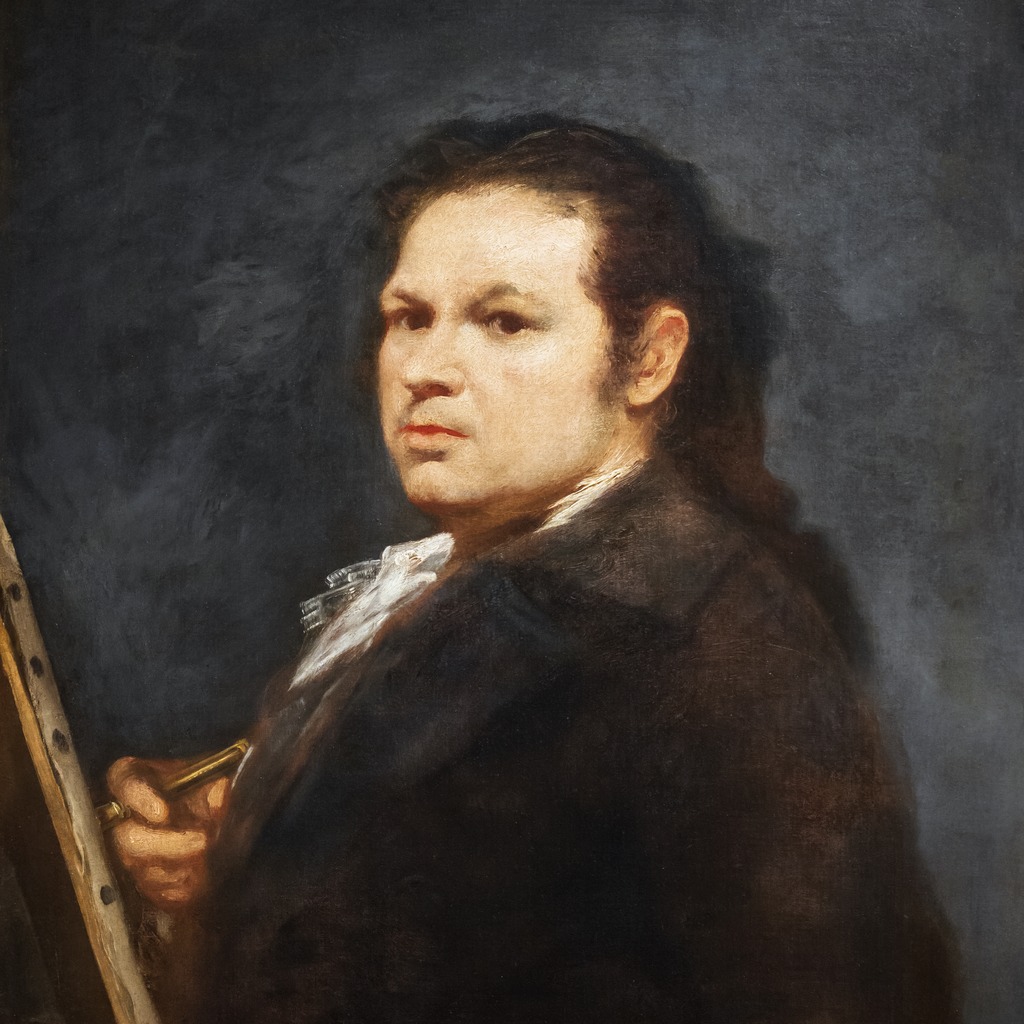
Francisco de Goya · c. 1783
Goya face swap
The painter at thirty-seven, ten years before the illness that took his hearing.
or
Under 15 seconds · no sign-up · your selfie is never stored
Or become a patron and stop counting. Already a patron? Sign in.
How it works
-
Take a photo
Front camera, decent light, look straight ahead. Or pick one you already have.
-
We paint you in
Your face goes into the painting, keeping its light and its brushwork. About fifteen seconds.
-
Share the link
You get a page anyone can open. No account, nothing to install.
Where this one comes from
Goya painted himself around 1783, when he was in his late thirties, newly successful at the Spanish court and designing tapestry cartoons of picnics and parasols. The dark work everyone associates with his name — the war etchings, the black paintings on the walls of his house — was still decades away. In 1793 an illness left him permanently deaf, and nothing he made afterwards looks like this. The panel is in Agen, in south-western France.
What is in the picture
A small, dark, close-cropped head: black coat, white stock, hair back off a high forehead, and eyes that come straight out of the panel at you with no softening whatever. The handling is quick and the ground is left doing most of the work in the shadows. It is not a flattering self-portrait and it is not trying to be impressive; the man looking out is measuring you, which is roughly what he did to everyone he painted for the next forty years.
When people use it
For the picture taken before the thing happened. It works straight, as a plain and slightly wary portrait, and it works as a before, with whatever you like as the after.
How your face lands in it
A small head in strong contrast, lit narrowly from the front, with heavy shadow at the edges. That contrast is the thing to plan for — the result will be darker and harsher than the photograph you feed in. A straight-on picture with the eyes clearly visible matters more here than usual, because the eyes are what this template is.
Self-portrait — Francisco de Goya, c. 1783. Francisco de Goya died in 1828, so the painting is in the public domain and the museum photograph of it is published on that basis. Source

Also in: Paintings · Self-portraits
More paintings
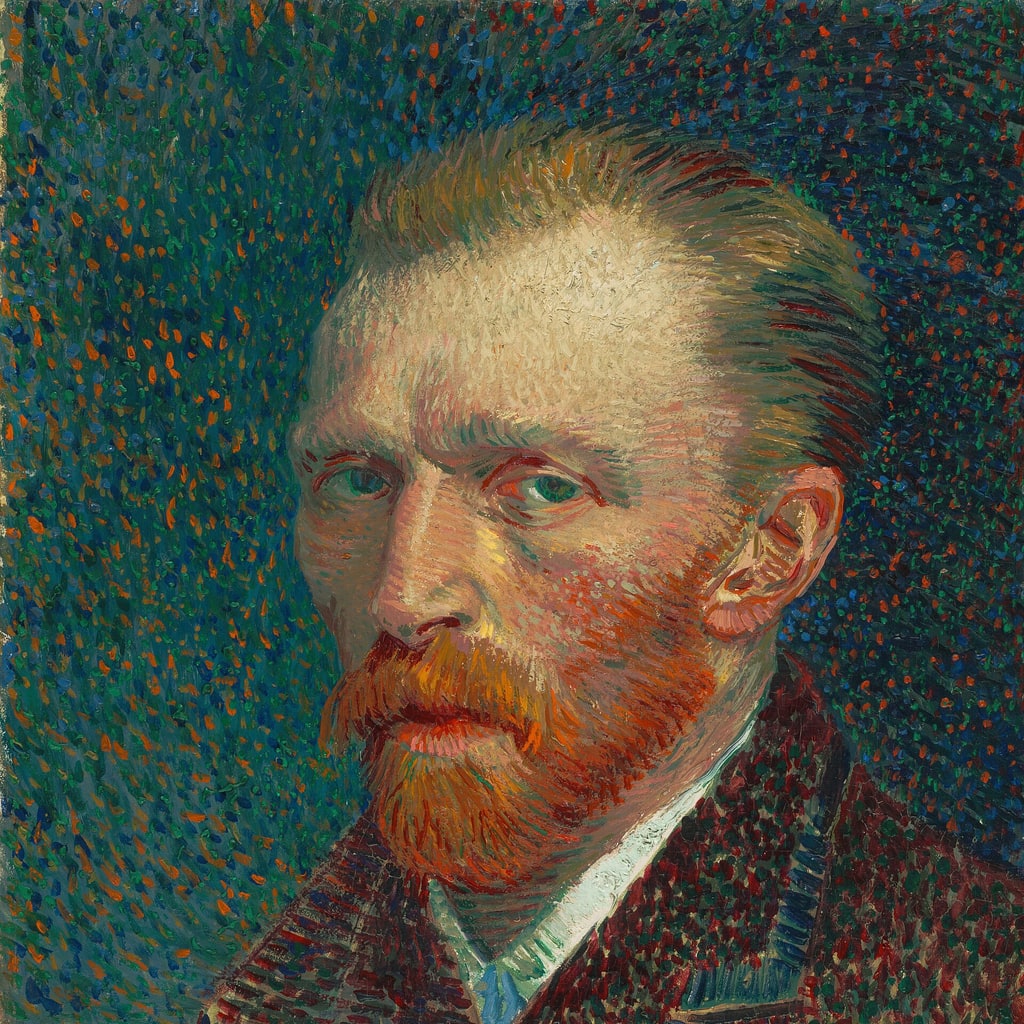 Van Gogh Self-Portrait
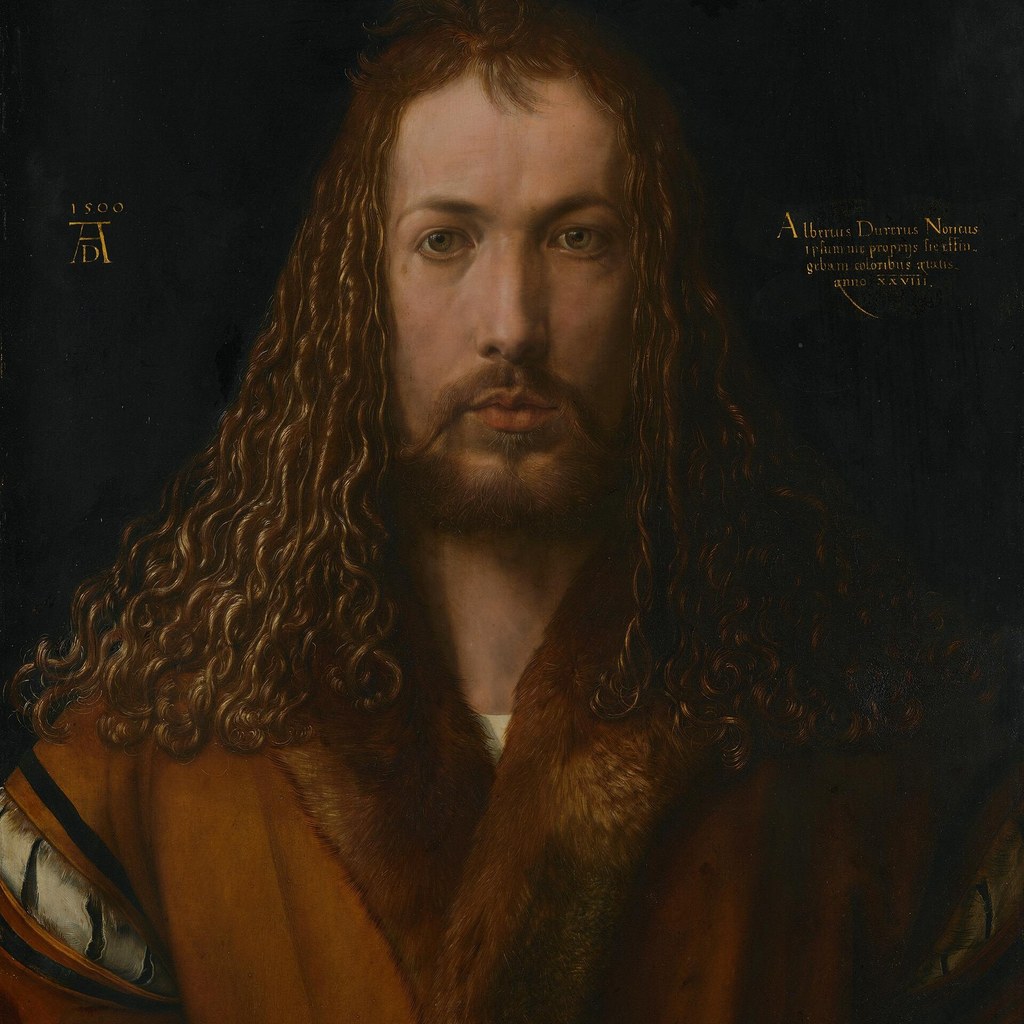 Dürer's Self-Portrait
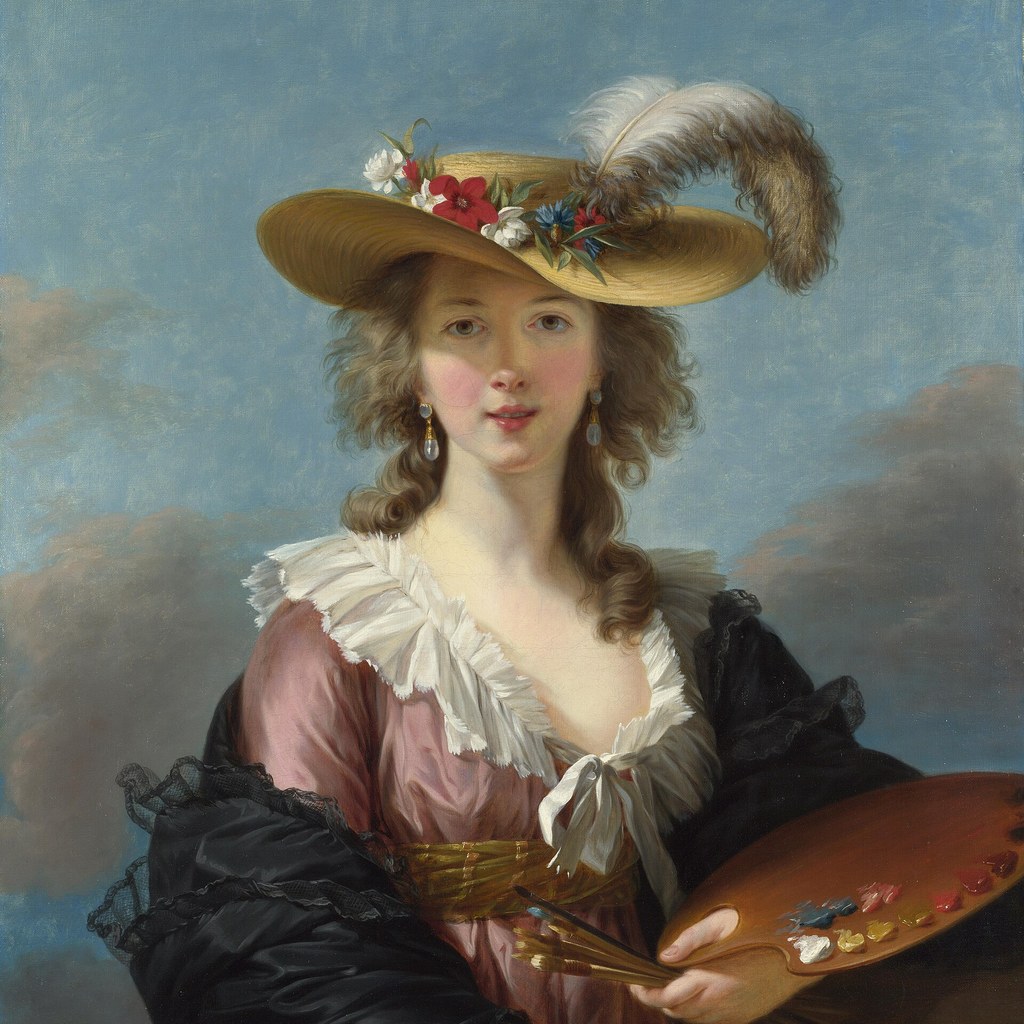 Self-Portrait in a Straw Hat
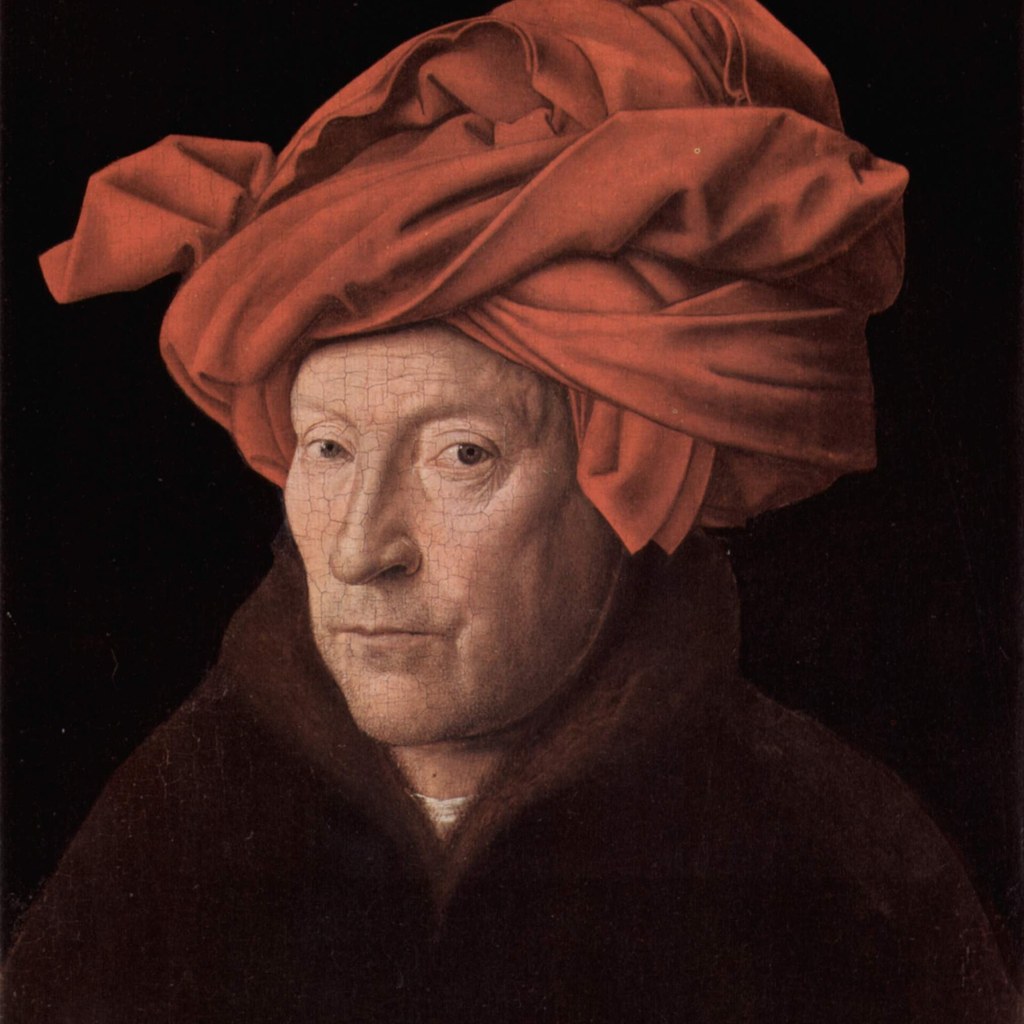 Man in a Red Turban
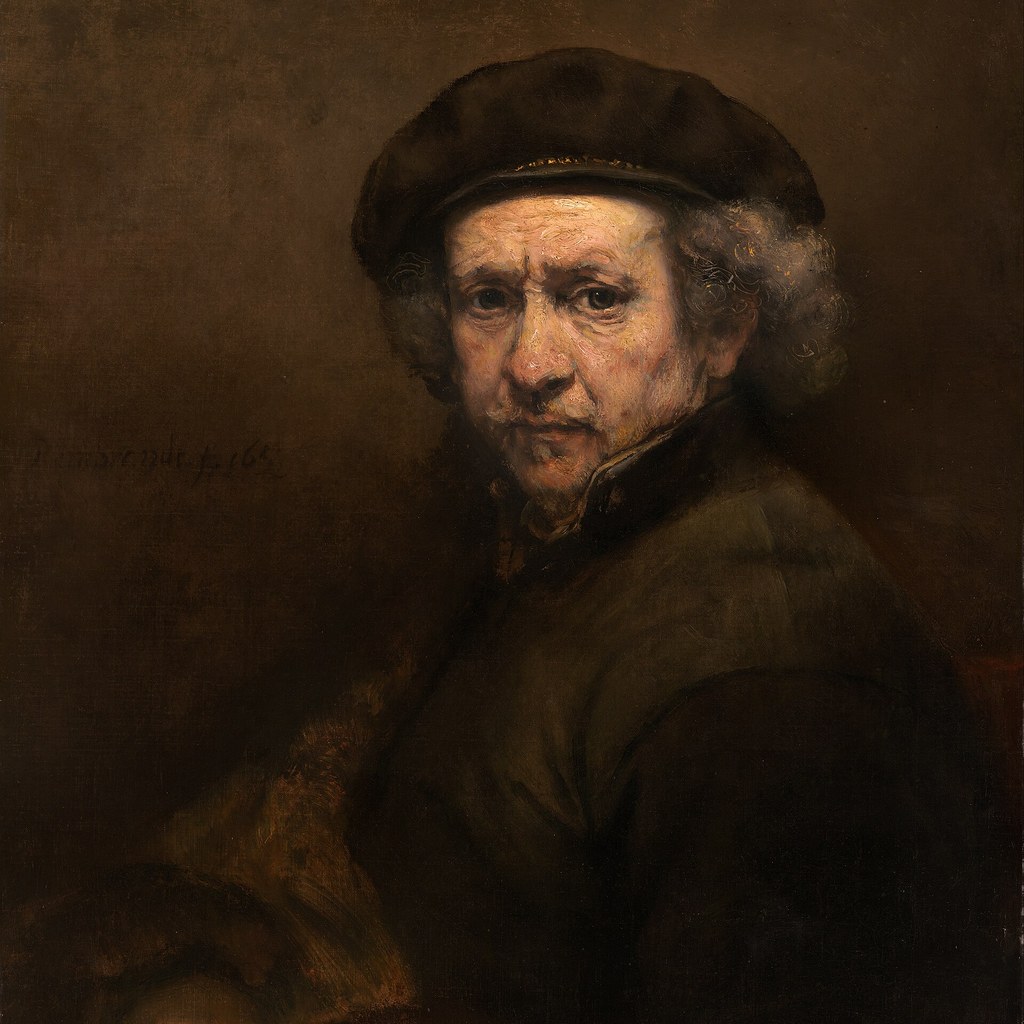 Rembrandt's Self-Portrait
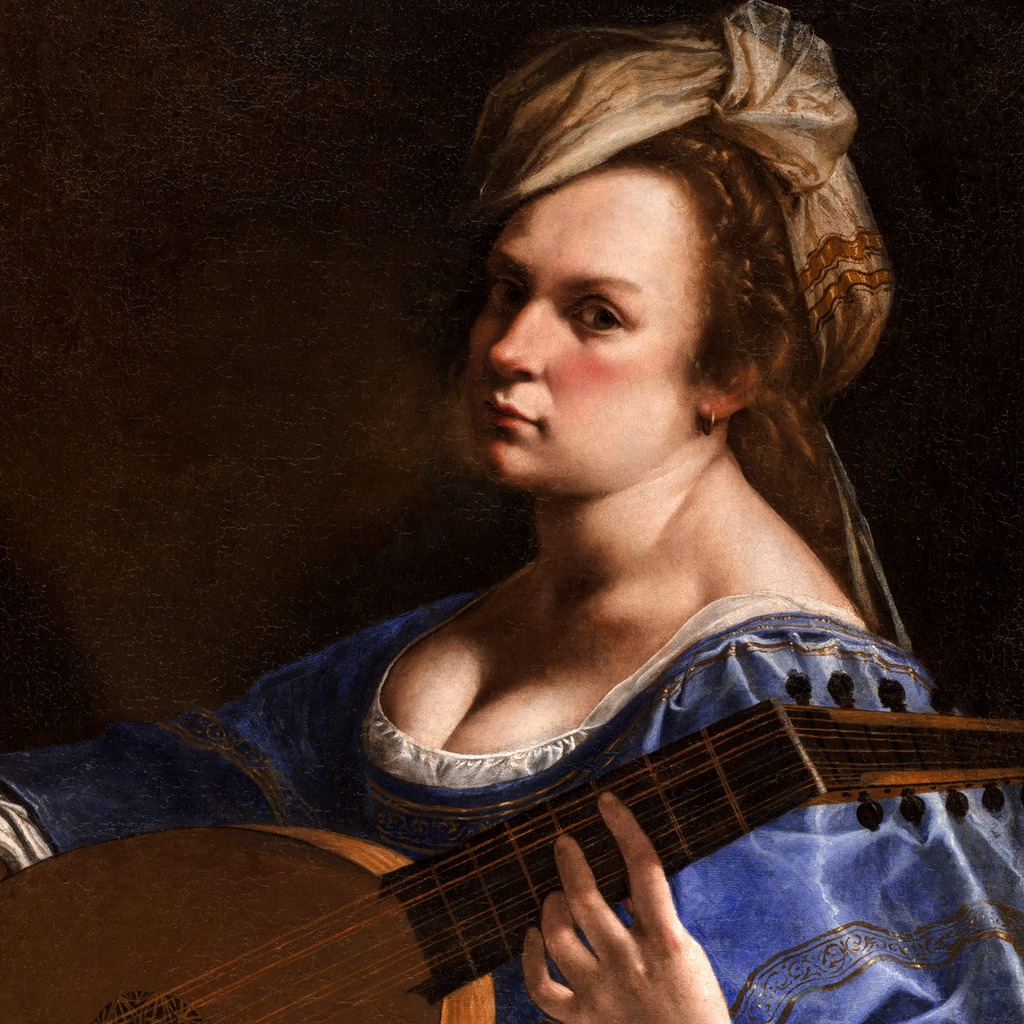 Artemisia's Self-Portrait
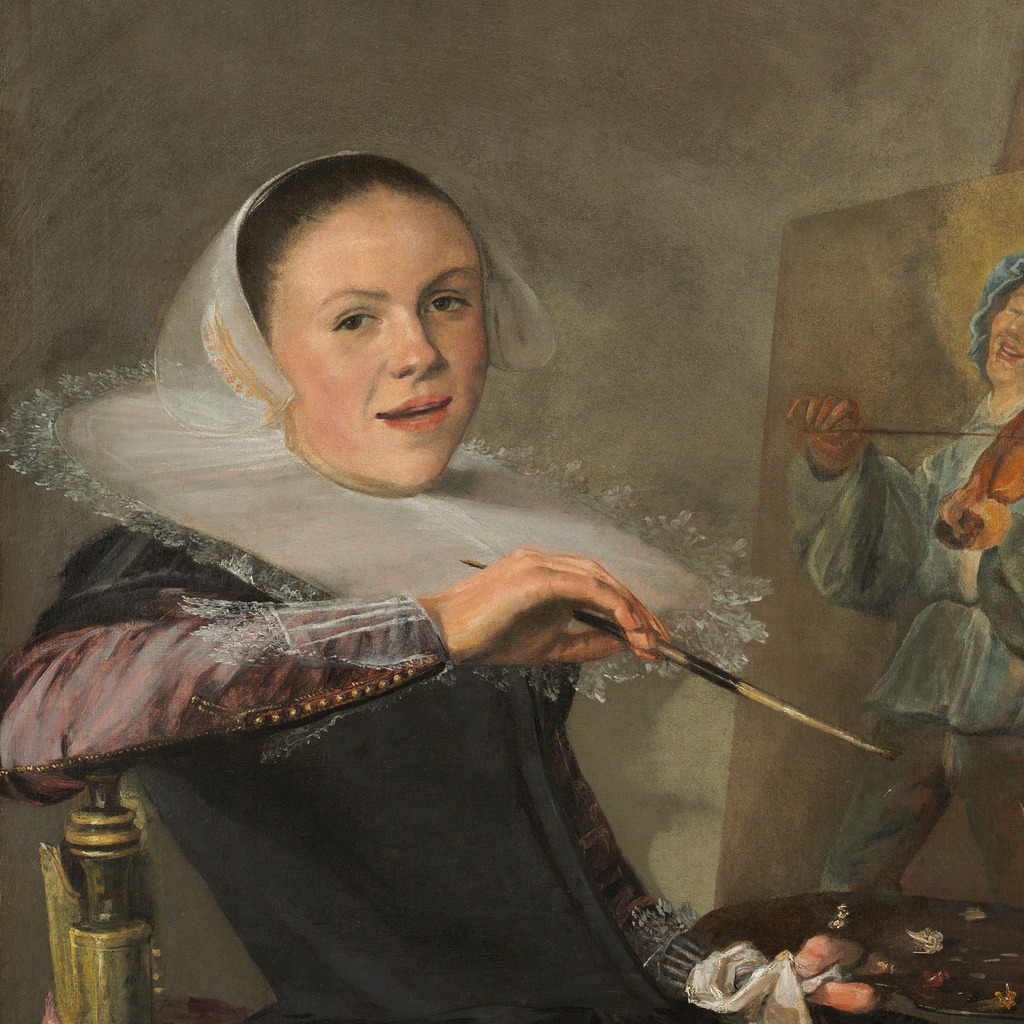 Judith Leyster
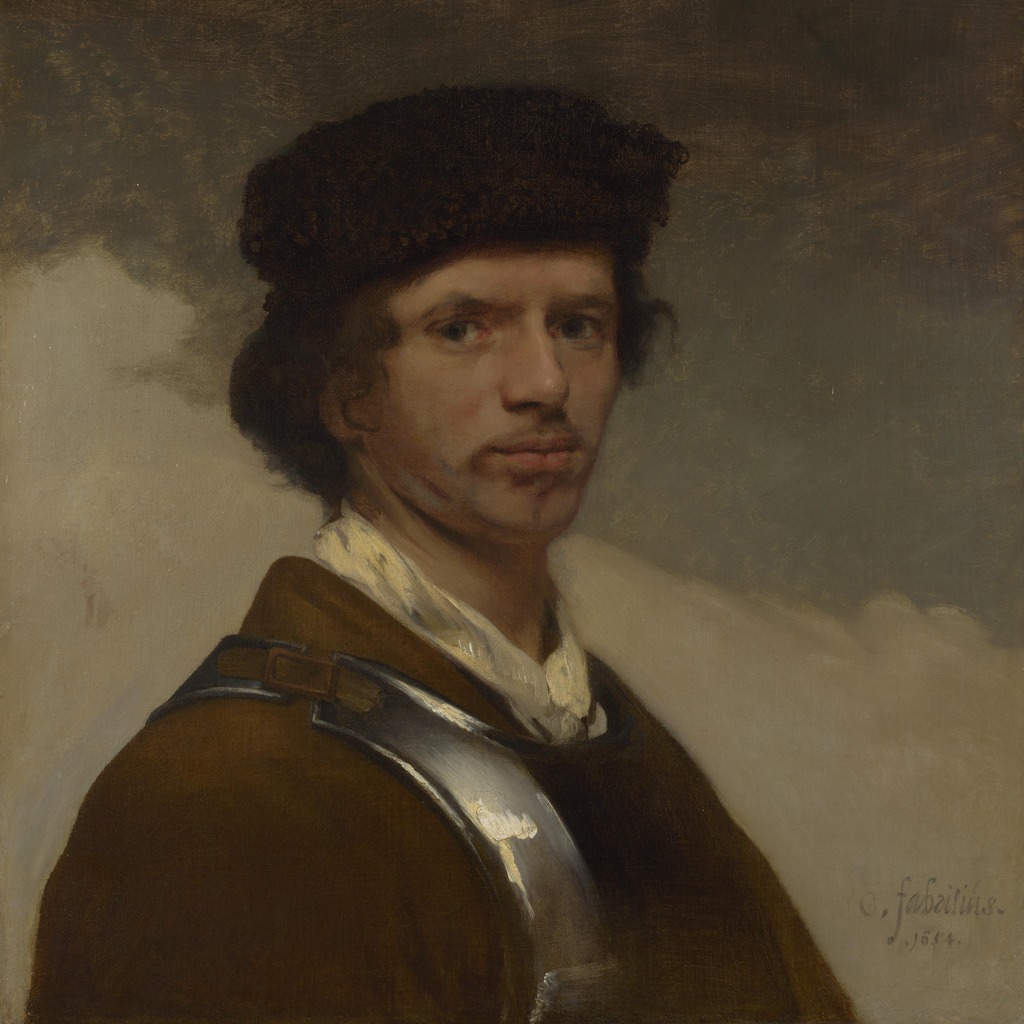 Carel Fabritius
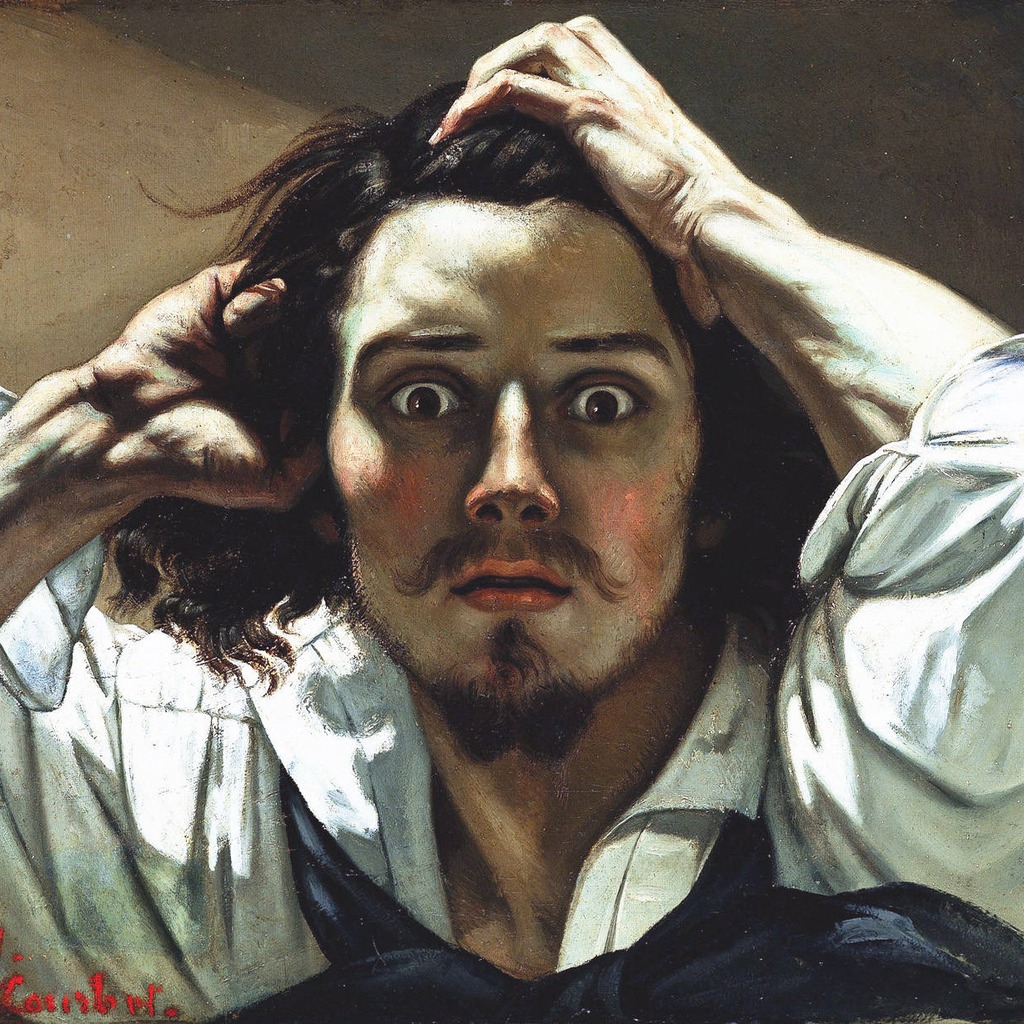 The Desperate Man
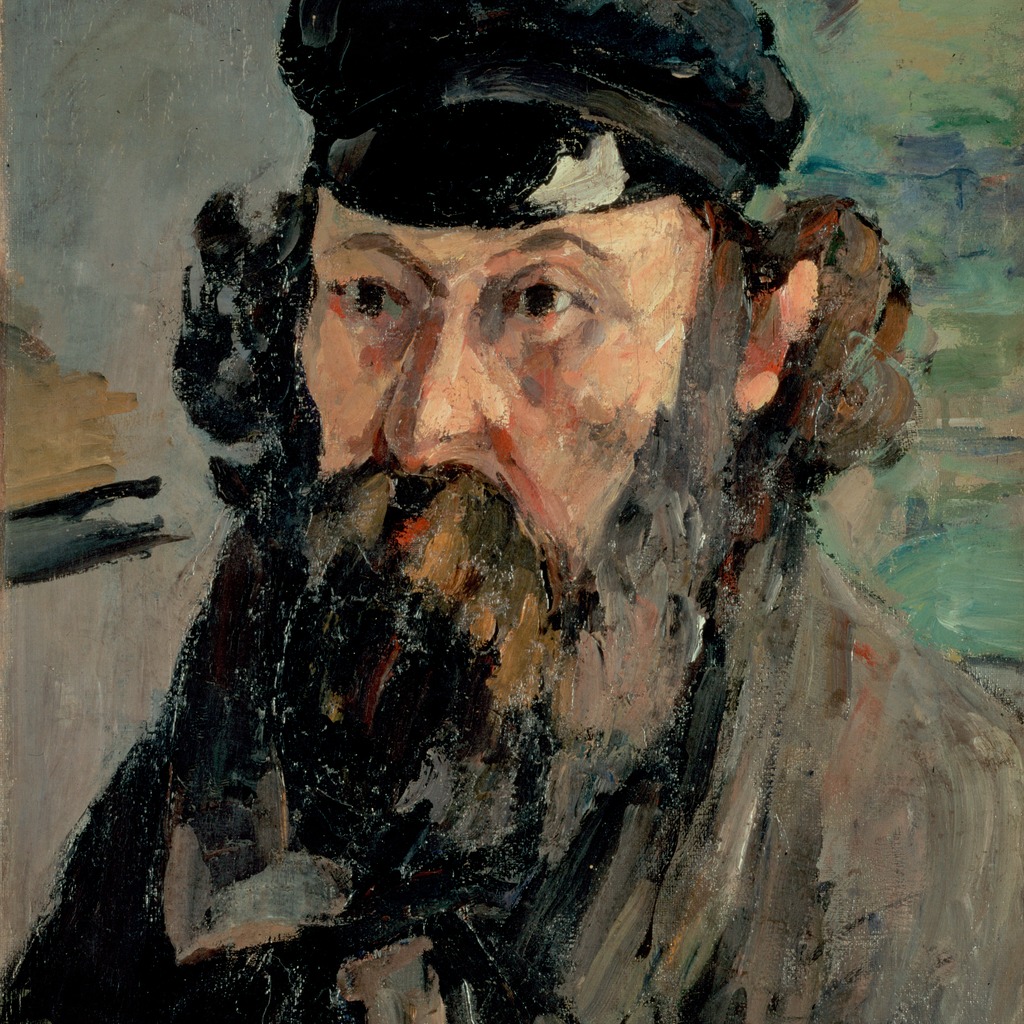 Cezanne
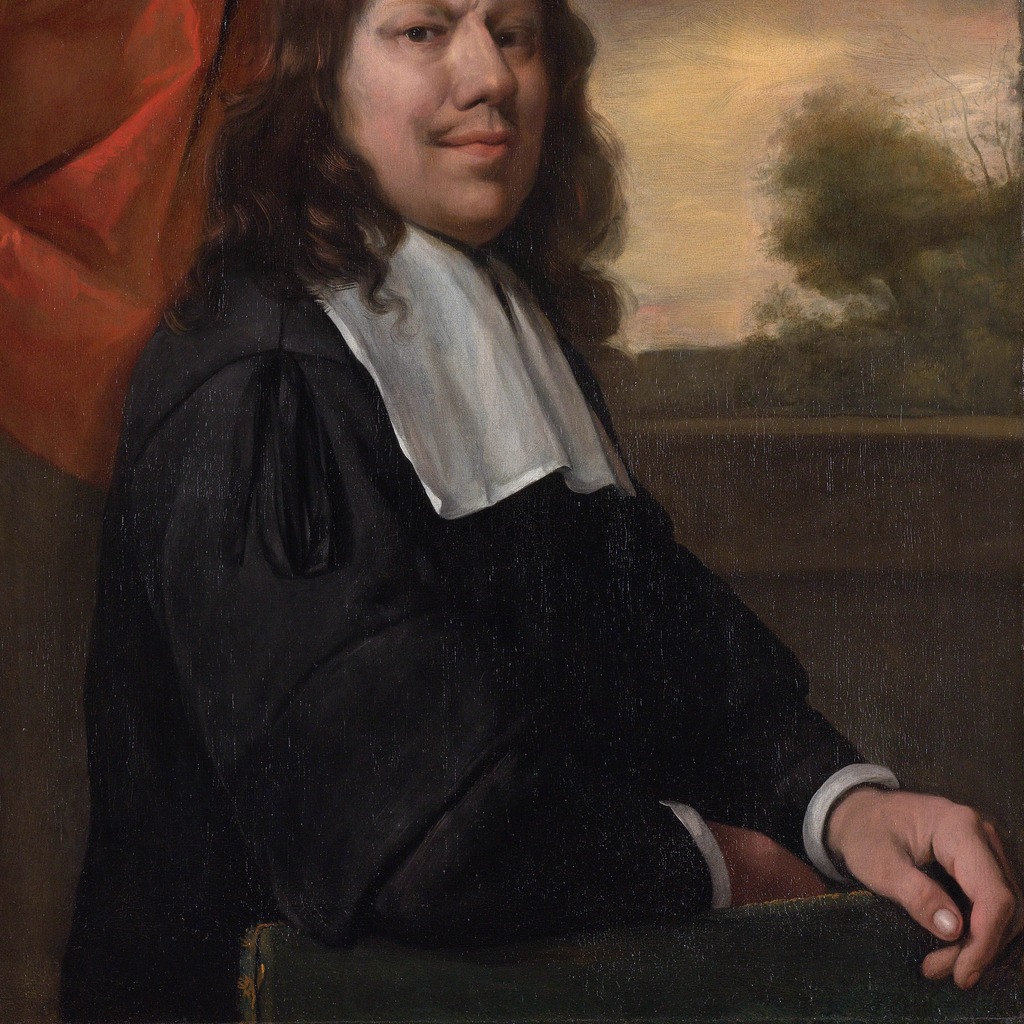 Jan Steen
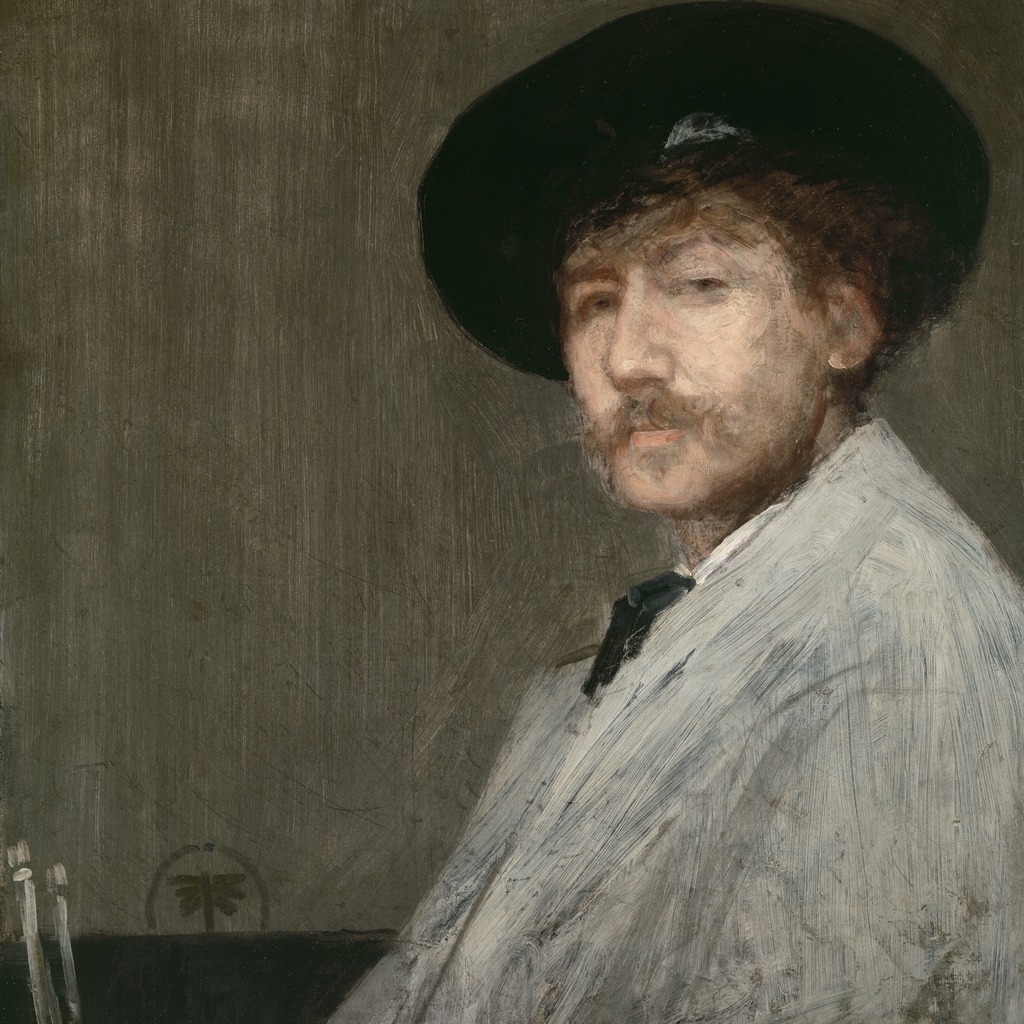 Whistler
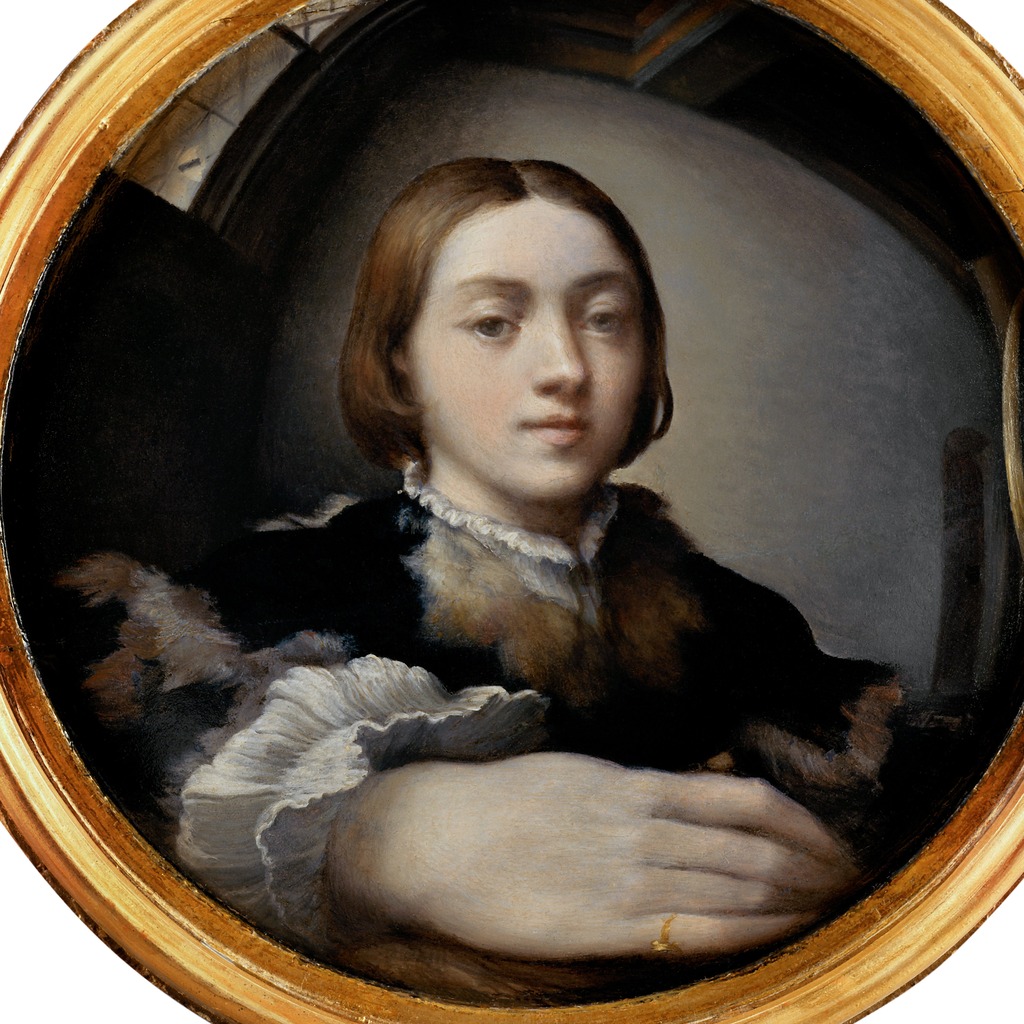 Self-Portrait in a Convex Mirror
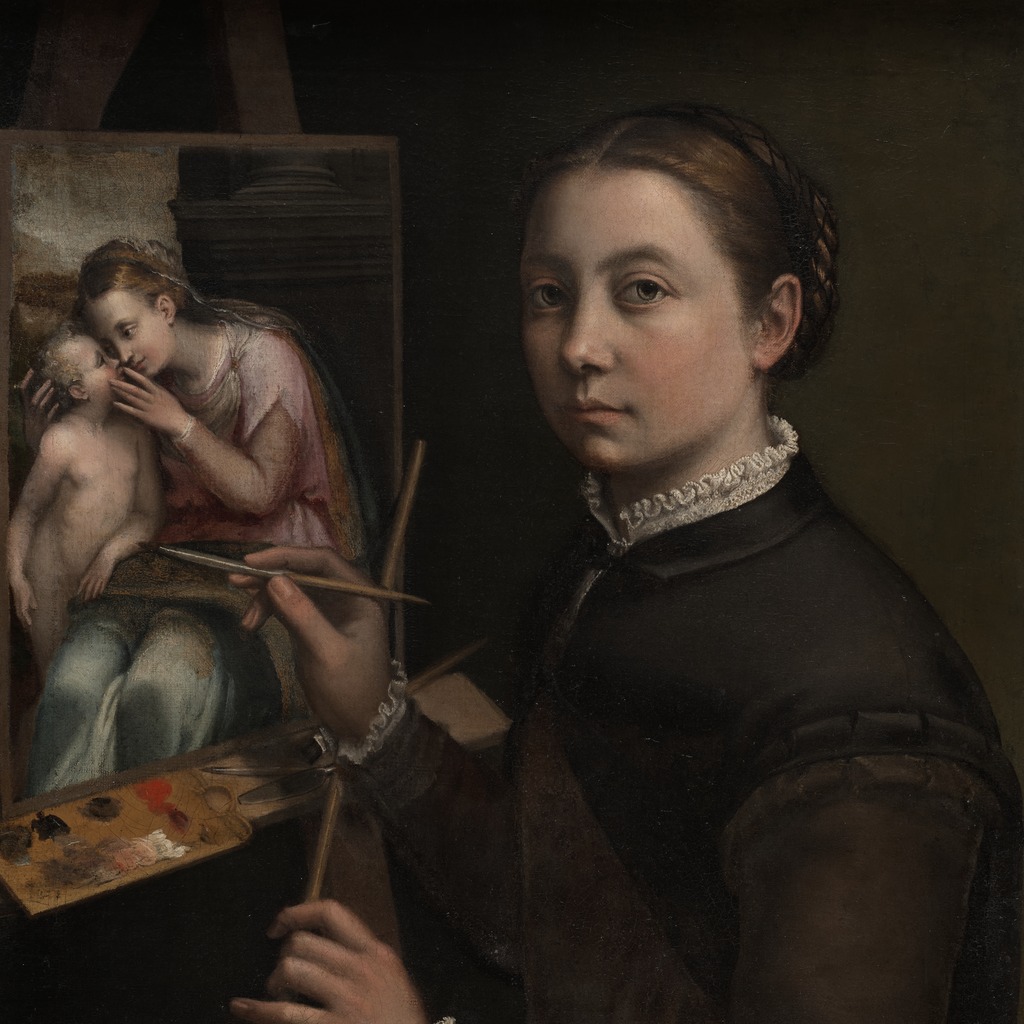 Sofonisba at the Easel
 Titian
 Rubens
 Mona Lisa
 Girl with a Pearl Earring
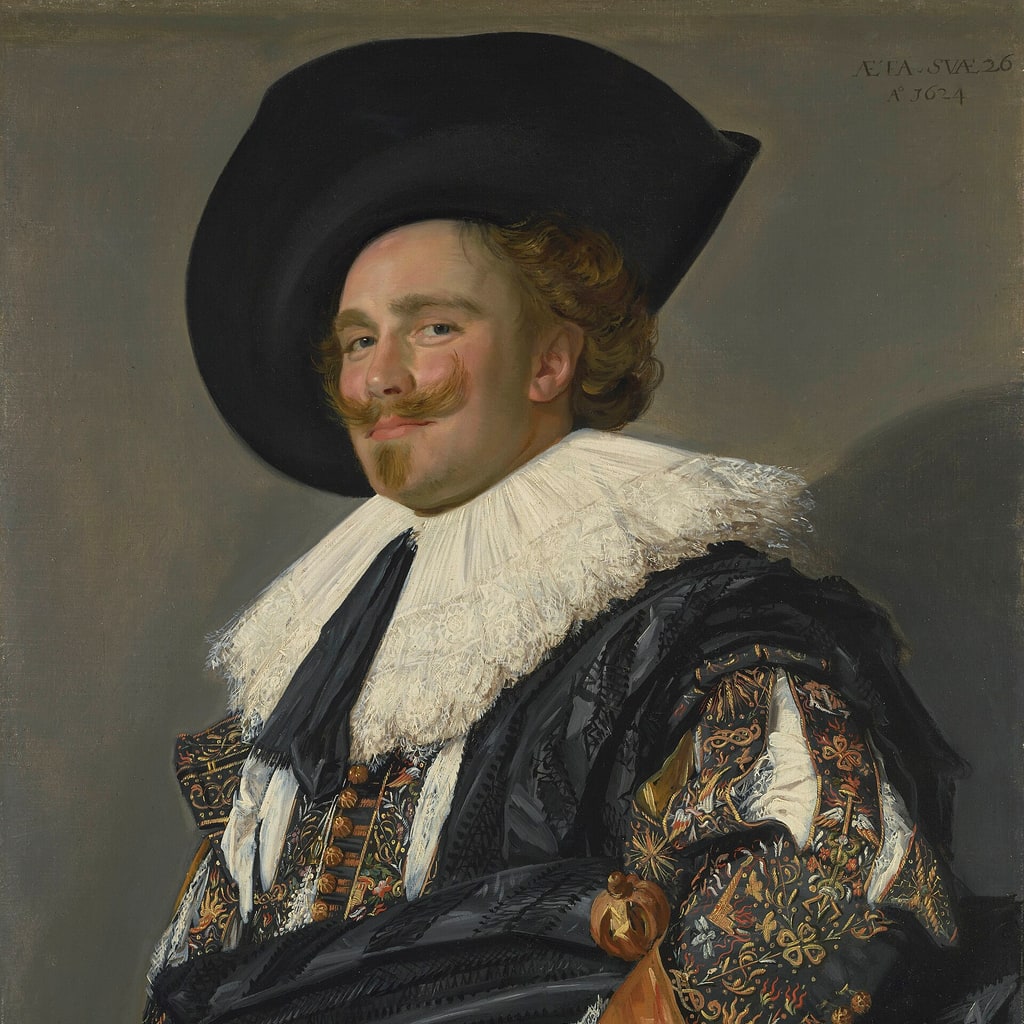 The Laughing Cavalier
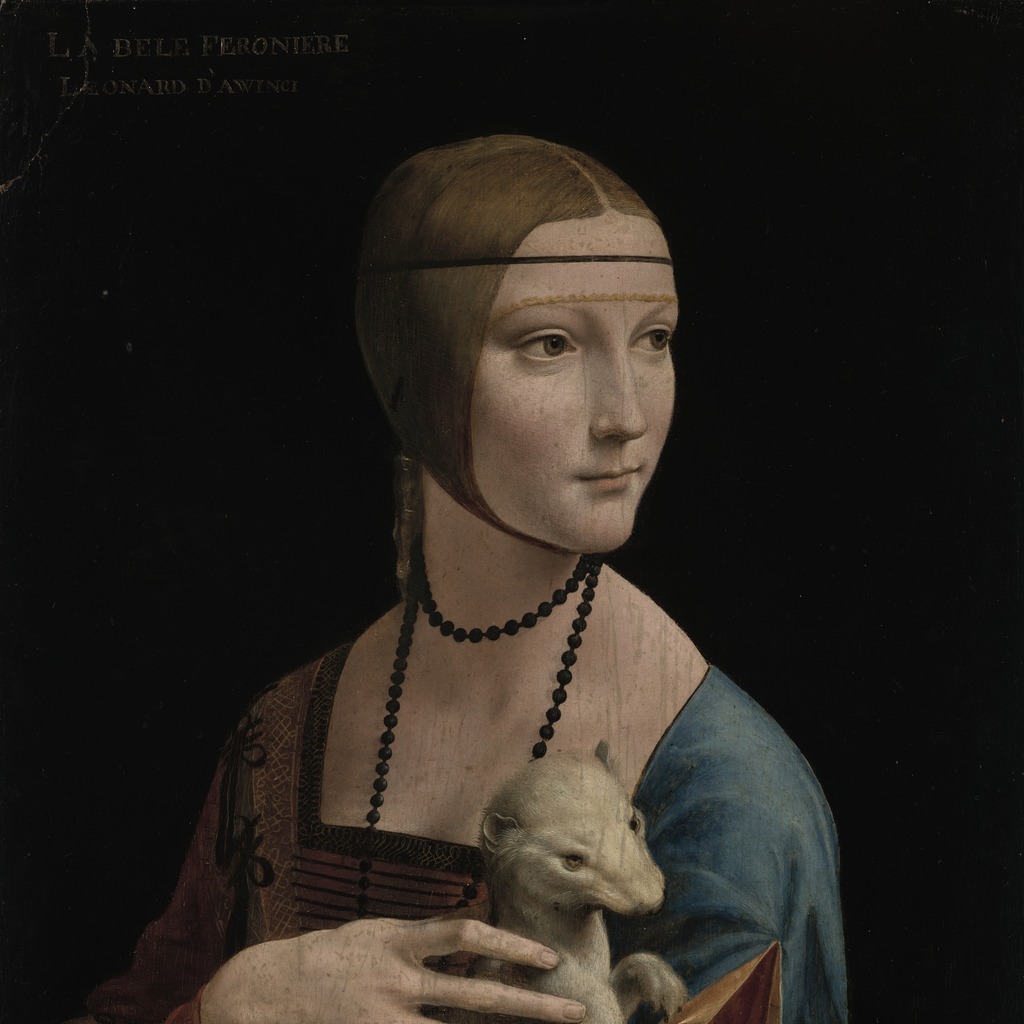 Lady with an Ermine
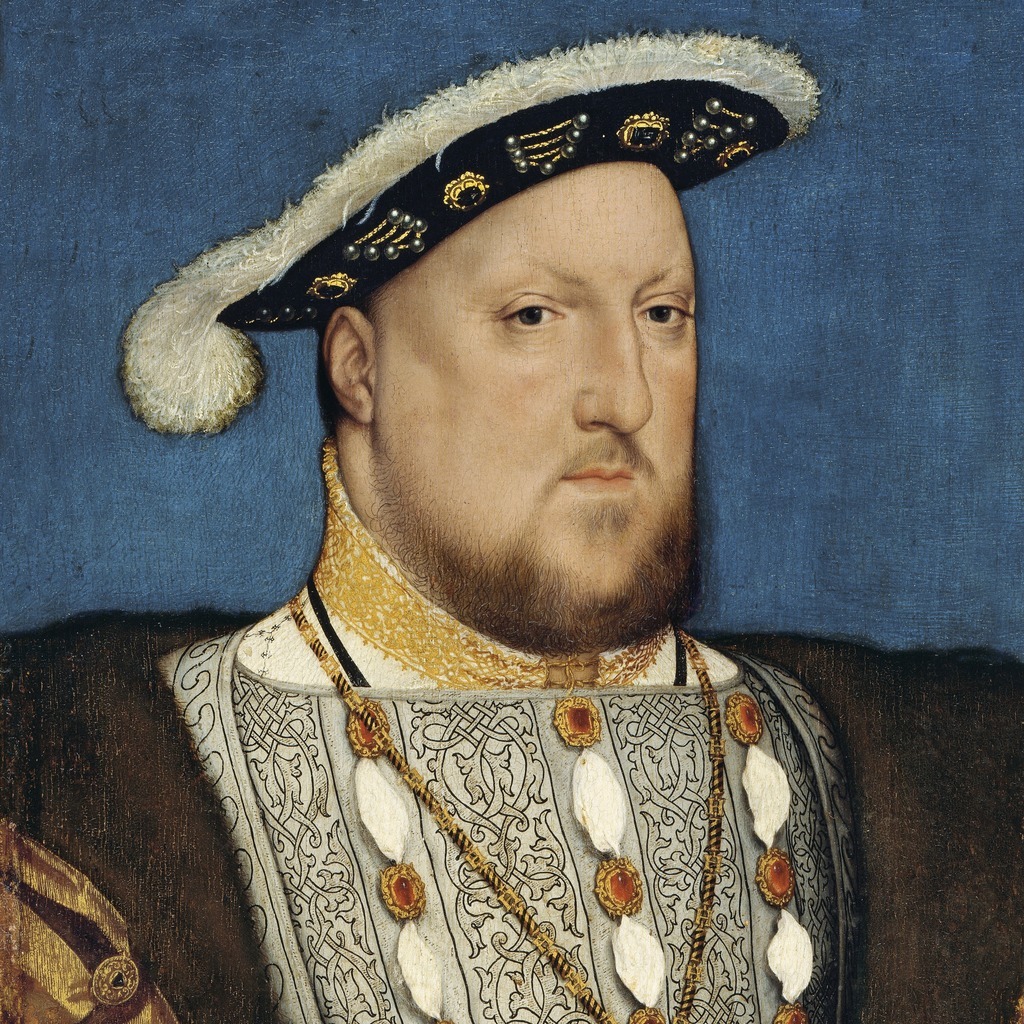 Henry VIII
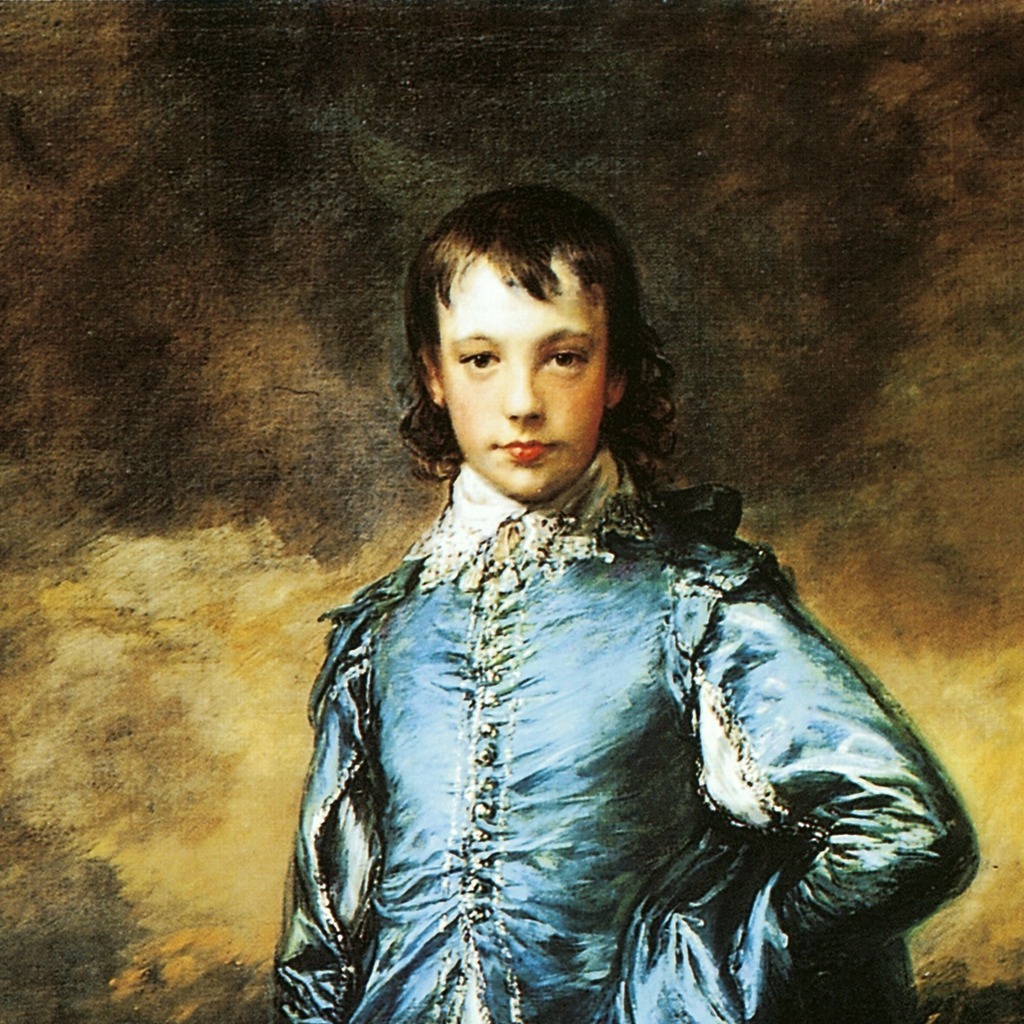 The Blue Boy
 American Gothic
 Elizabeth I
Questions
When did Goya go deaf?
In 1793, about a decade after this was painted, following a severe illness whose cause is still argued over. He lived another thirty-five years without hearing, and his work changed completely.
Did he paint himself often?
More than a dozen across his life, from confident court-painter images like this one to the late drawing of himself being held up by his doctor. Tracking them in order is one way to read his biography.
What was he doing in 1783?
Designing tapestry cartoons for the royal manufactory — bright scenes of picnics, games and parasols — and building the court connections that made him First Court Painter in 1799.
Is it free?
Yes. There is a limit on how many you can make in a day, and sharing one earns the allowance back.
Do you keep my photo?
No. Your selfie is used to make the image and then dropped — it is never written to disk. The finished meme is stored, because it has a link people can open, and it is deleted after 90 days.
Can I use someone else’s face?
Please do not. Use your own. Putting a real person into a picture they did not agree to is exactly the thing this is not for.
Can I post the result?
Yes, anywhere you like. The paintings are public domain; what you make with your own face is yours.