

Royal portrait face swap
Seventeen people who had their picture painted to settle an argument about who was in charge. The clothes are the argument; the face can be yours.
A royal portrait was never a likeness
None of these was made to record what somebody looked like. They were made to be seen — in an embassy, a gallery, a grandson's palace in Madrid — by people who would never be in a room with the sitter, and to settle in advance what they thought. That is why the jewellery is painted with more attention than the face, and why the face is the part most often left to a workshop.
It is also why they work so well for this. A picture built to project a role rather than a person has a vacancy in the middle of it, and the swap simply fills the vacancy the painter left.
What each one is actually claiming
Holbein's Henry is claiming wealth: the whole surface is gold, pearls and blackwork, on a panel small enough to carry. The Armada Elizabeth is claiming a specific victory, with the ships in the windows and a hand on a globe. Rigaud's Louis is claiming that the office and the man are the same thing, at an age where the man was visibly failing. Vigée Le Brun's Marie Antoinette is claiming nothing so grand — it is damage control, painted in a hurry to replace a portrait the public had rejected. Appiani's Napoleon is claiming a legitimacy nobody had handed him, which is why the crown of Lombardy is lying in the corner of the frame where it cannot be missed. Winterhalter's Victoria claims the opposite thing: nineteen years into the job, a woman who no longer has to prove anything to the person looking.
The later arrivals make the same kind of case with different props. Velázquez's Philip IV claims that a Habsburg needs no props at all, which is an argument only a man with that much of it behind him can afford to make. Charles V, painted in black in a plain chair, is doing the same and had more to be plain about than anyone. Callet's Louis XVI claims continuity, in ermine, fourteen years before the scaffold. Graff's Frederick the Great claims nothing whatever and is the more persuasive for it: a worn coat, one star, and four decades of war in the face. The Tudor children, Edward VI and Mary I, are each claiming a succession that did not hold. Sánchez Coello's Philip II, in black with a single small ruff, is claiming the largest empire on earth by declining to mention it, and Catherine the Great is claiming a throne she took from her own husband.
Van Dyck's Charles I is the odd one and the cleverest. He is standing in a wet English field in riding clothes with no crown in sight, and the argument is that a man this obviously in charge does not require the equipment. Fourteen years later the same man was beheaded outside his own banqueting house.
Worth knowing before you choose, because the claim survives the swap. Whatever face goes in, the picture goes on making the same argument.
Which to pick
By hair: the wig and the ruff cover everything, so Louis XIV and Elizabeth I work regardless of your own. Marie Antoinette's tower of powder sits clear of the forehead and leaves the whole face open. Henry VIII's cap is pushed back and asks for a front-lit photo. Victoria's crown sits so far back that it touches nothing, which makes hers the most forgiving picture on this page, and Napoleon keeps a comma of dark hair on the forehead whatever you arrive with.
By expression: nobody here is smiling, and the one who comes nearest is barely doing it. A neutral face is the correct face on this page, which is a relief if you have ever tried to hold a smile for a camera.
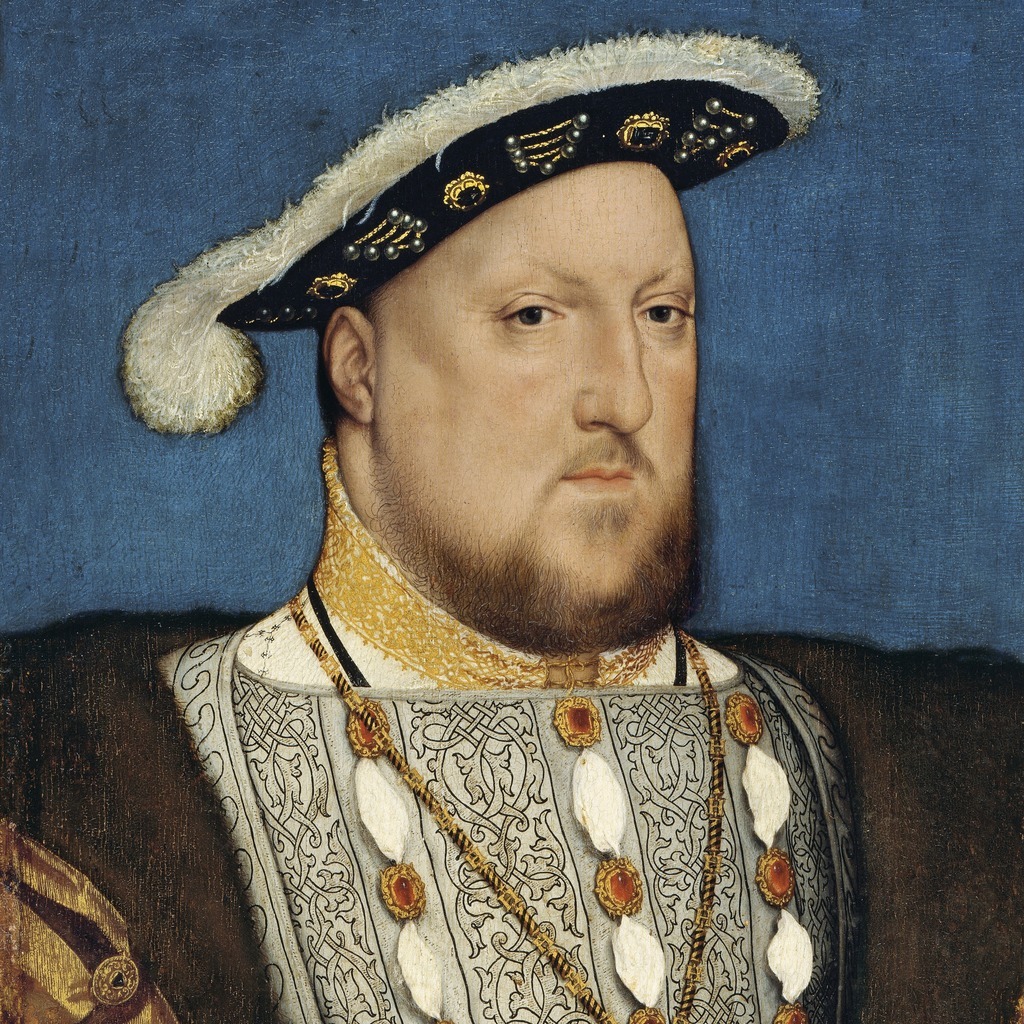 Henry VIII
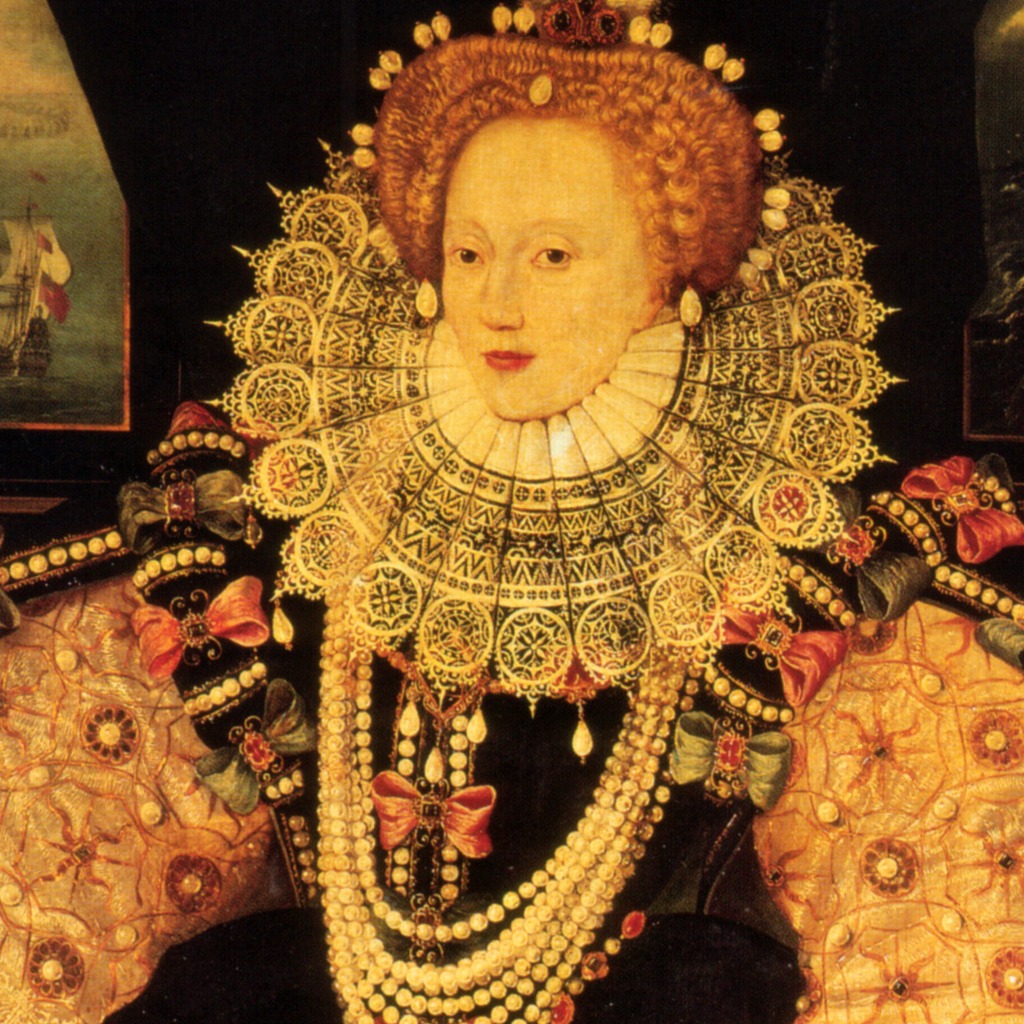 Elizabeth I
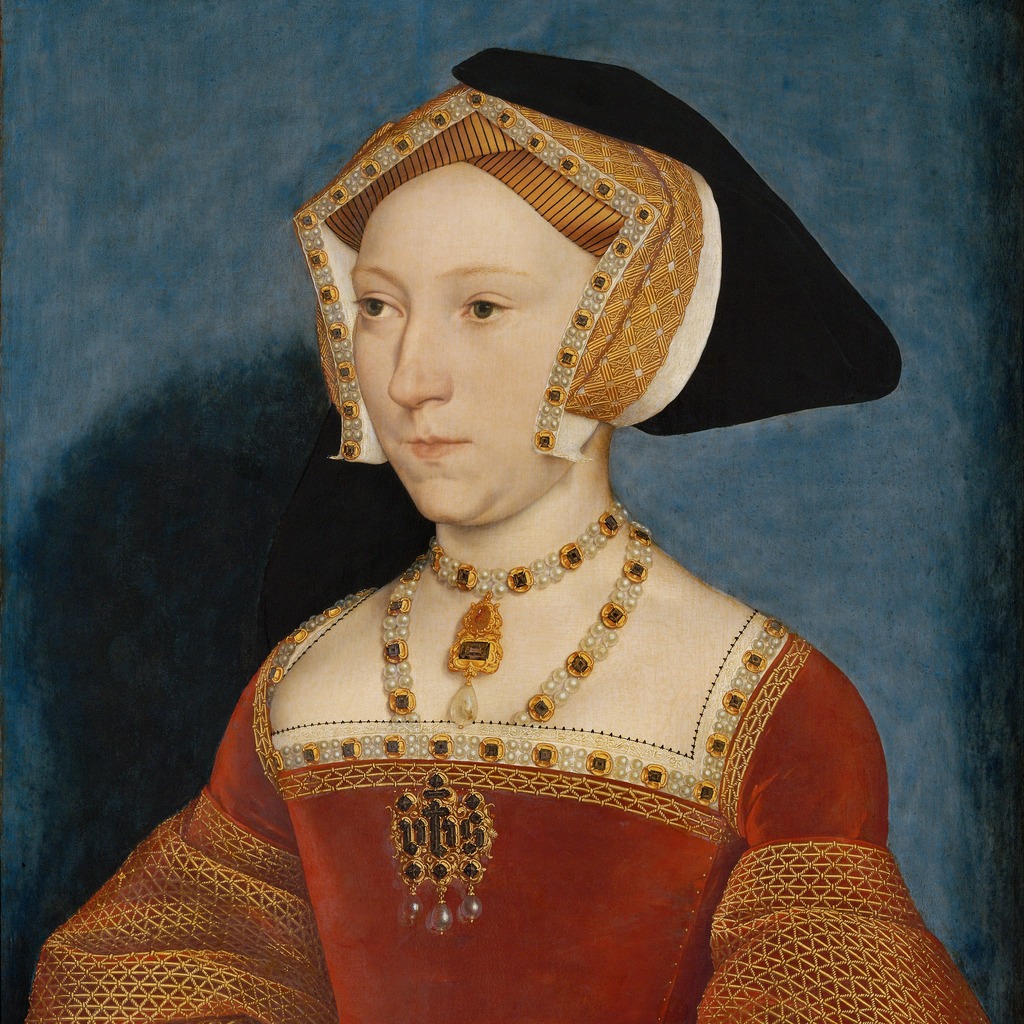 Jane Seymour
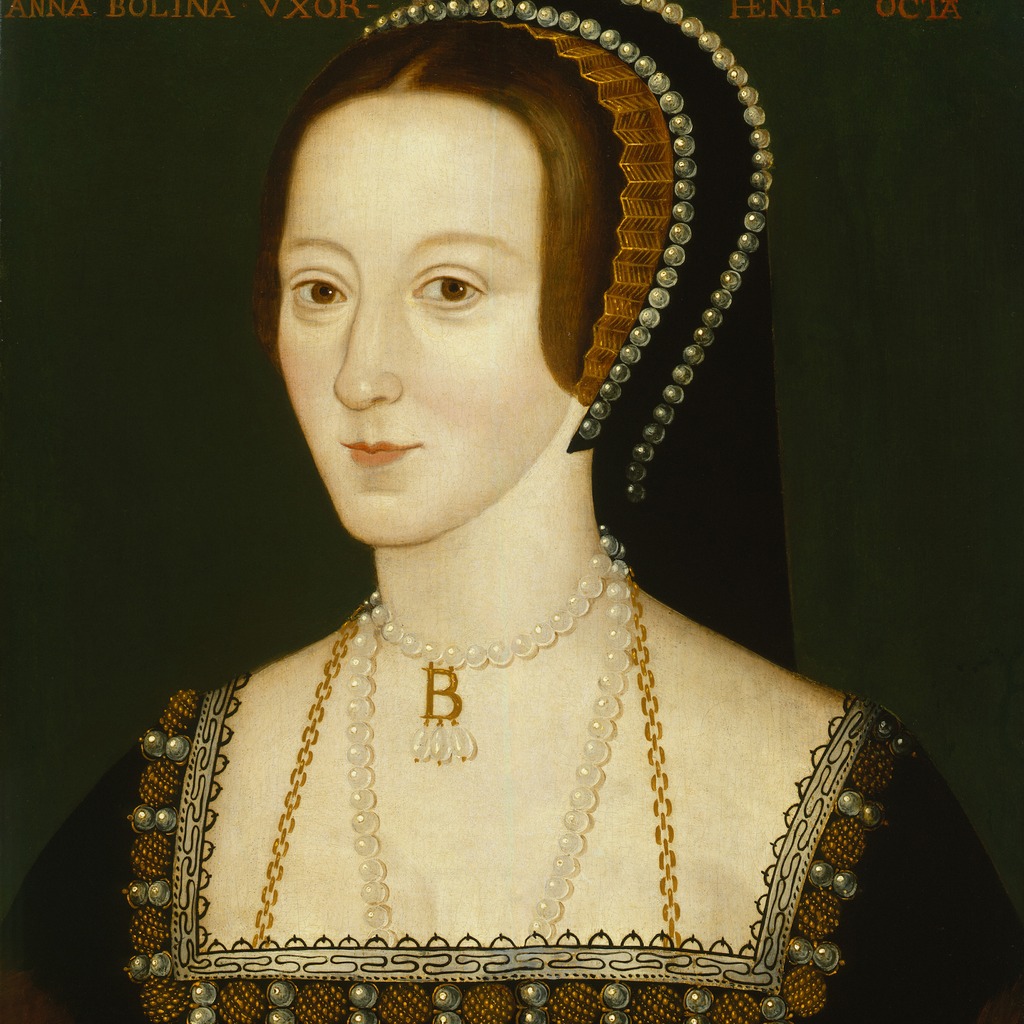 Anne Boleyn
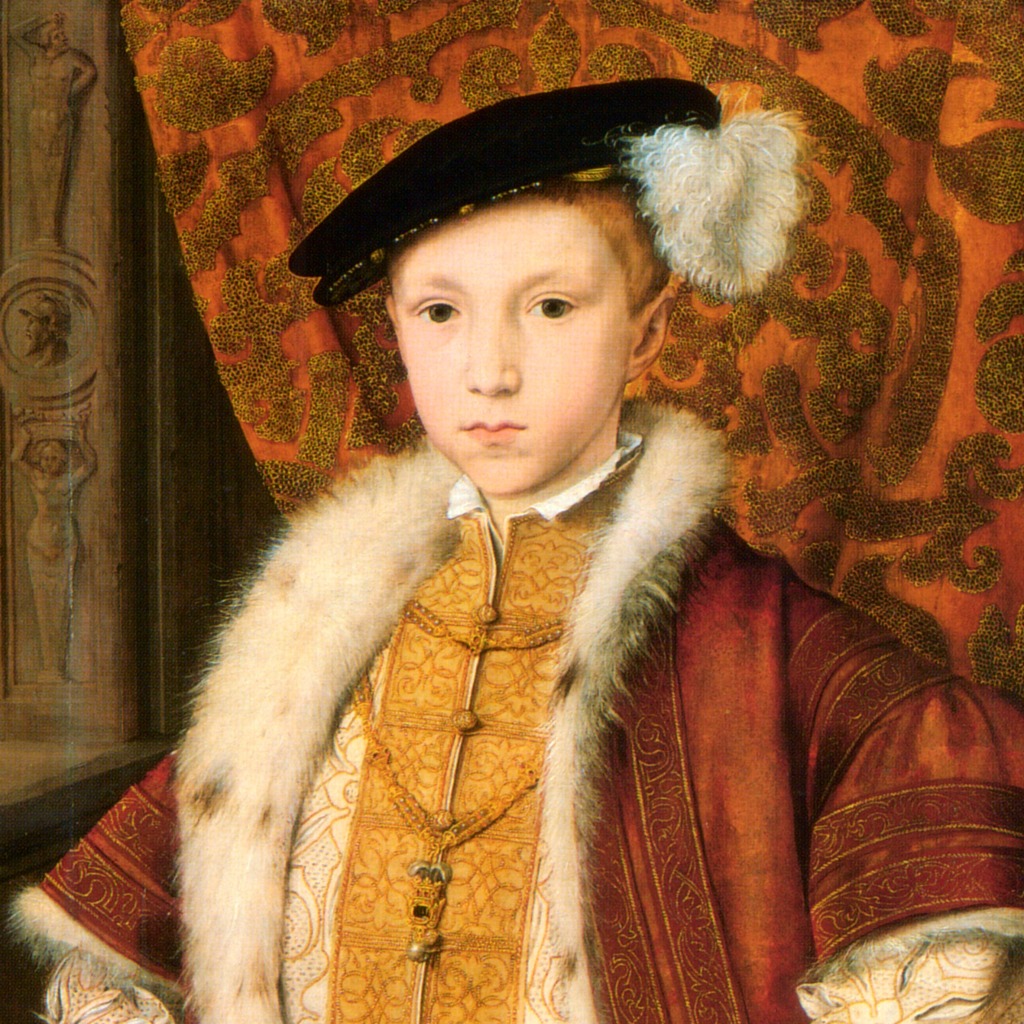 Edward VI
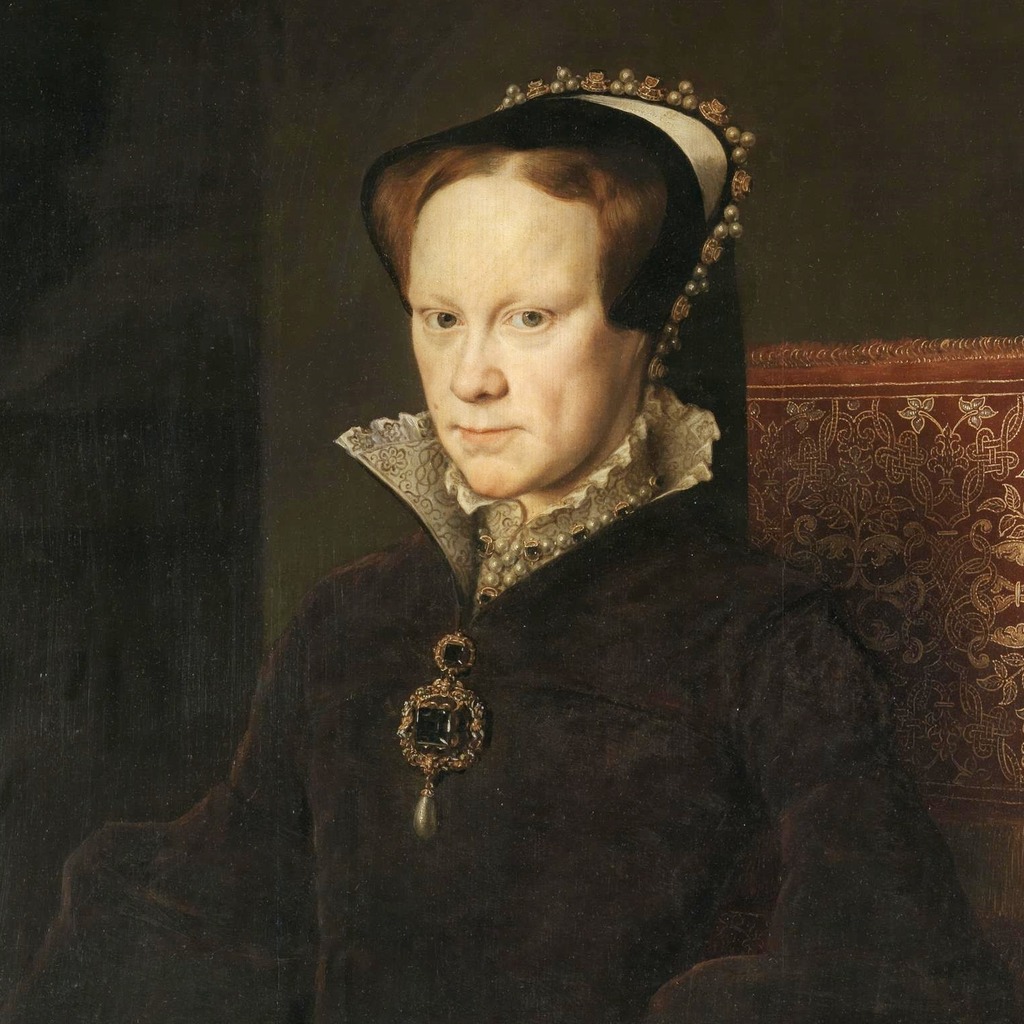 Mary I
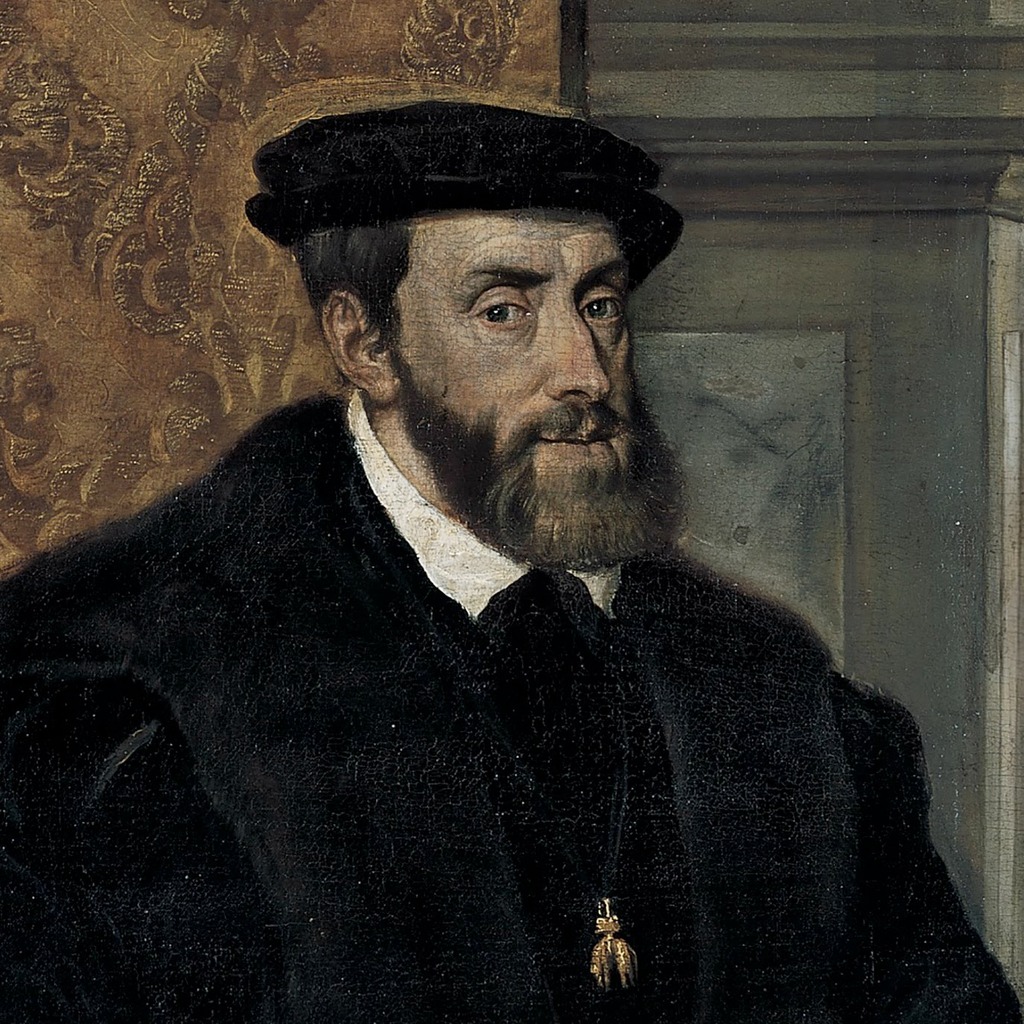 Charles V
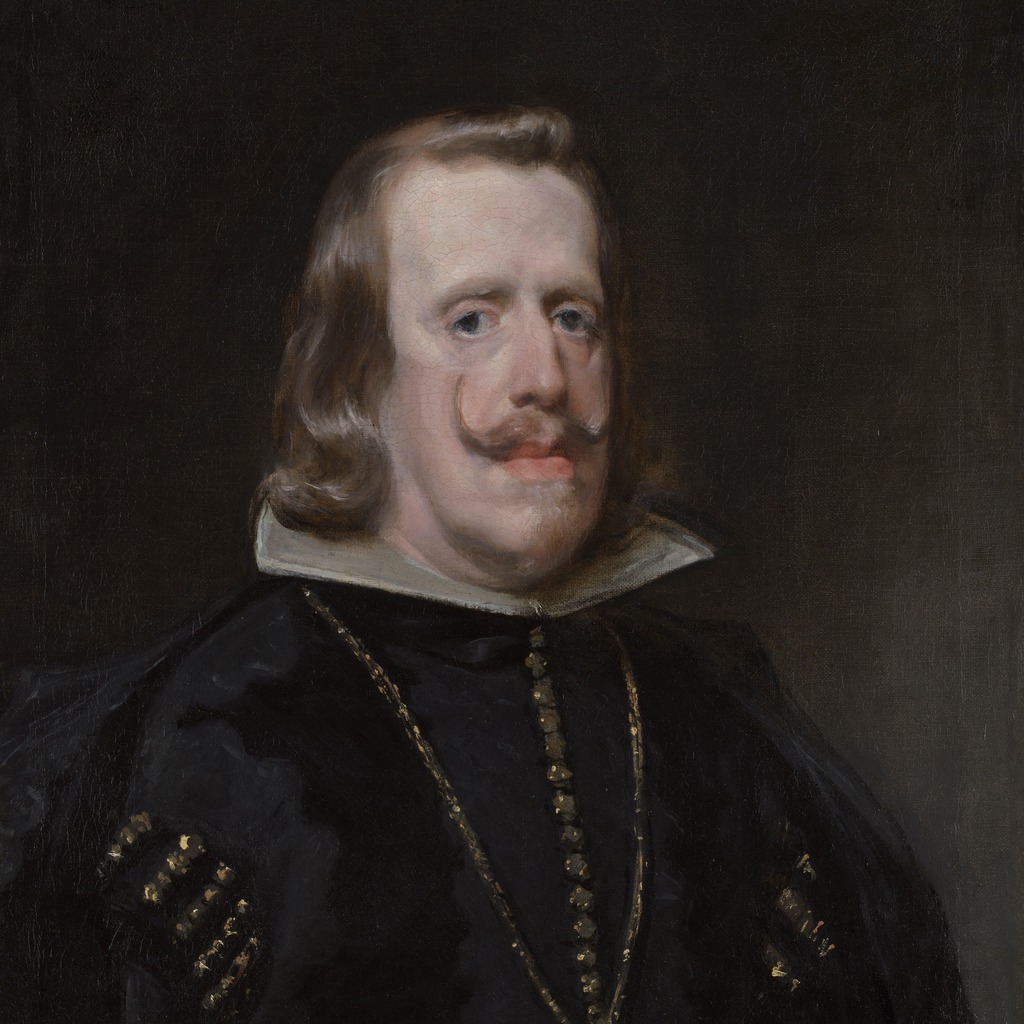 Philip IV
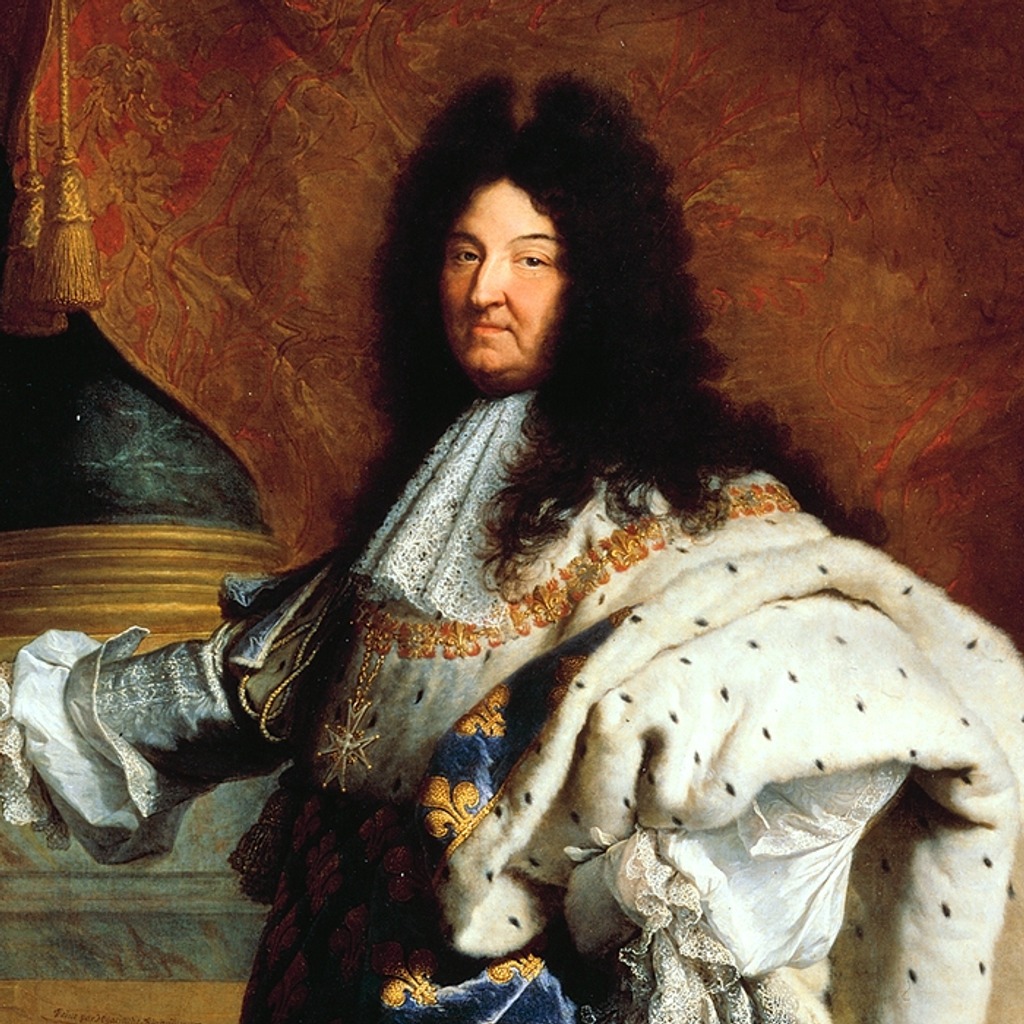 Louis XIV
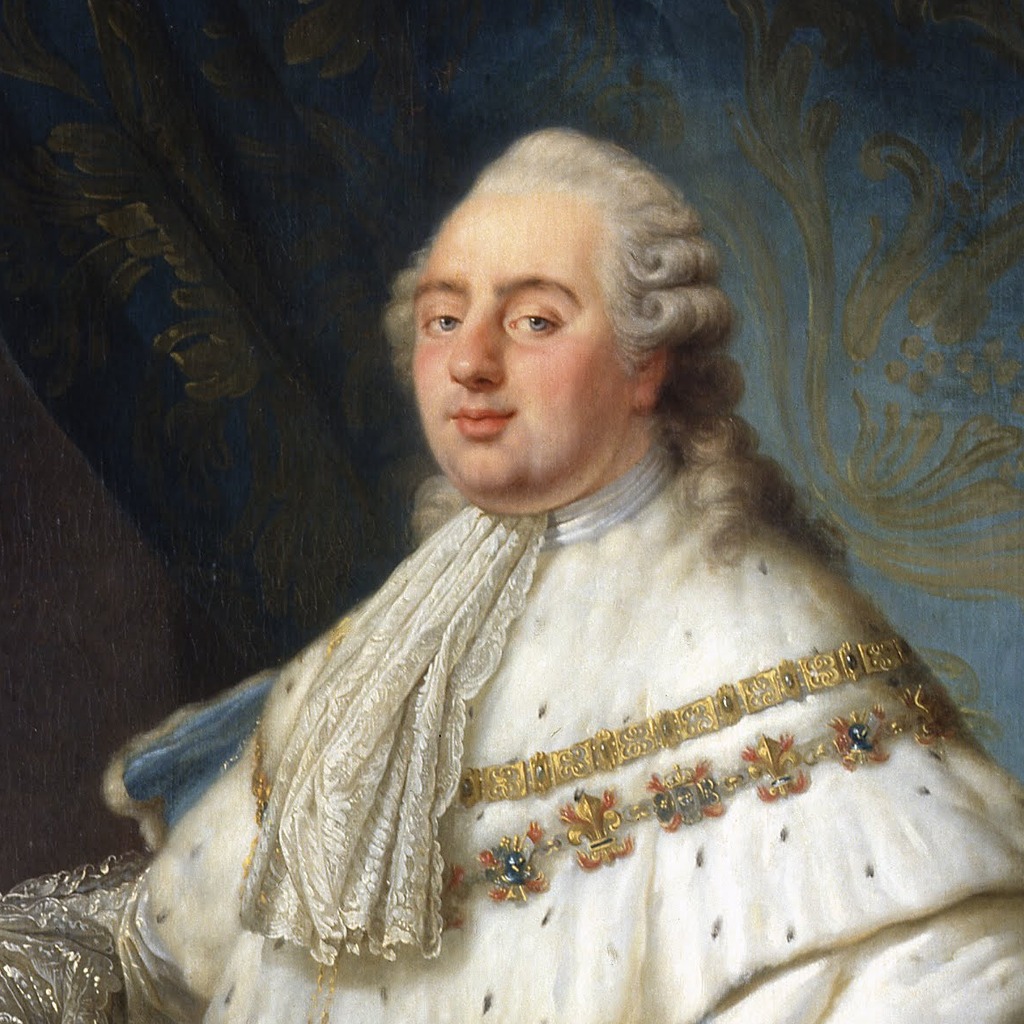 Louis XVI
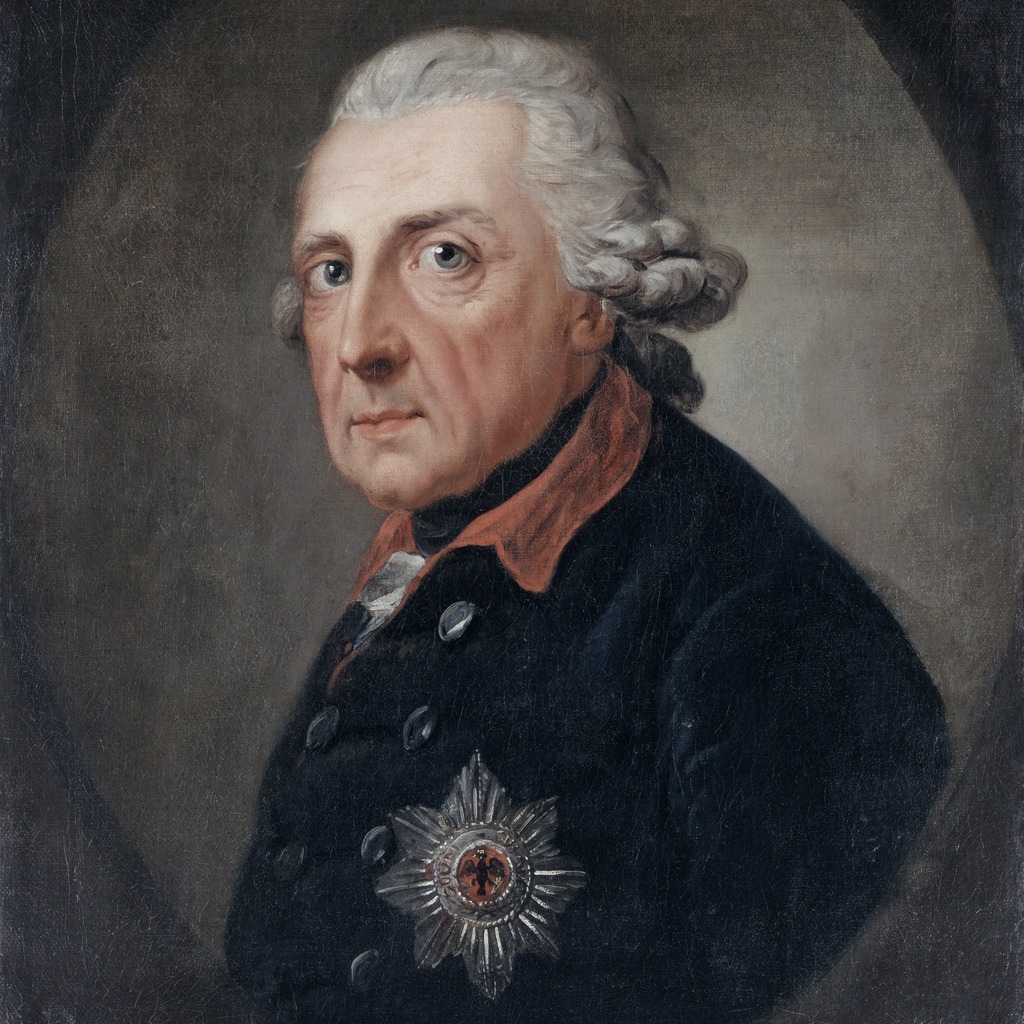 Frederick the Great
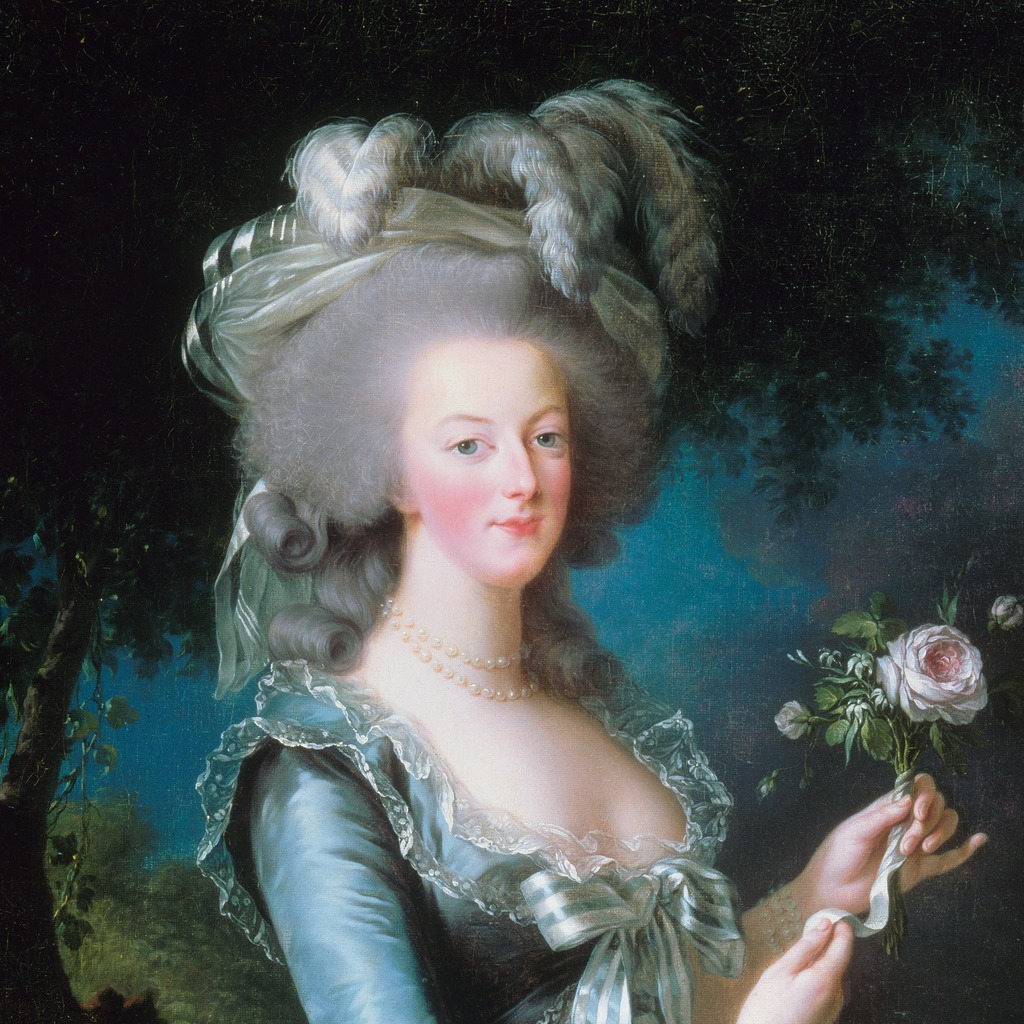 Marie Antoinette
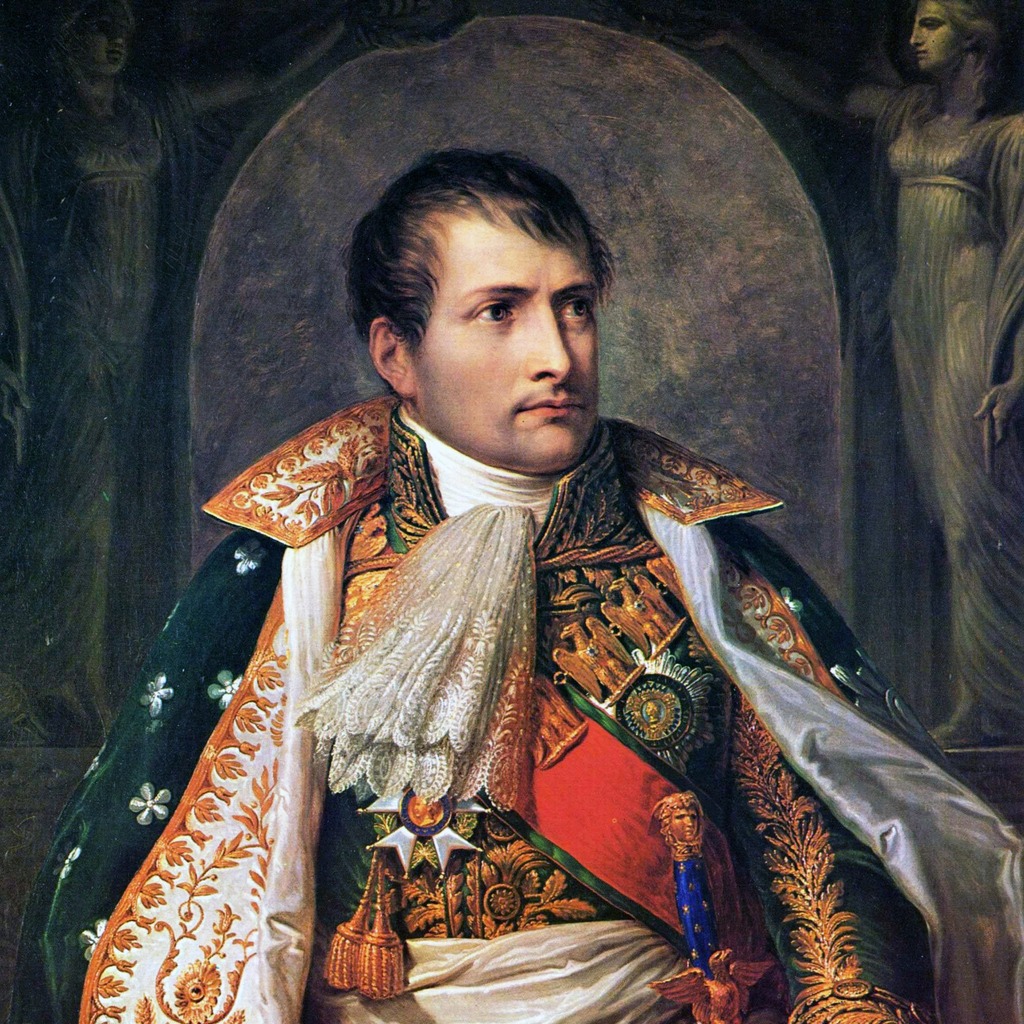 Napoleon
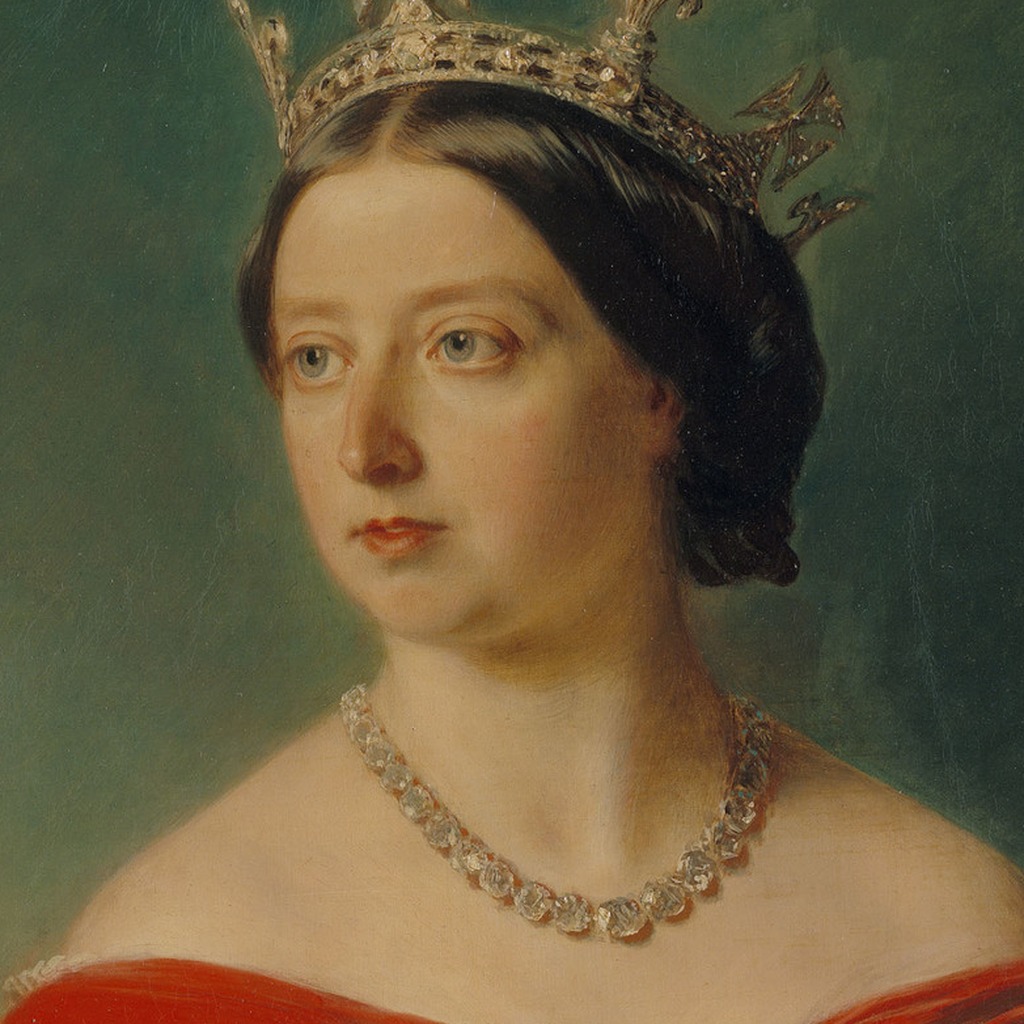 Queen Victoria
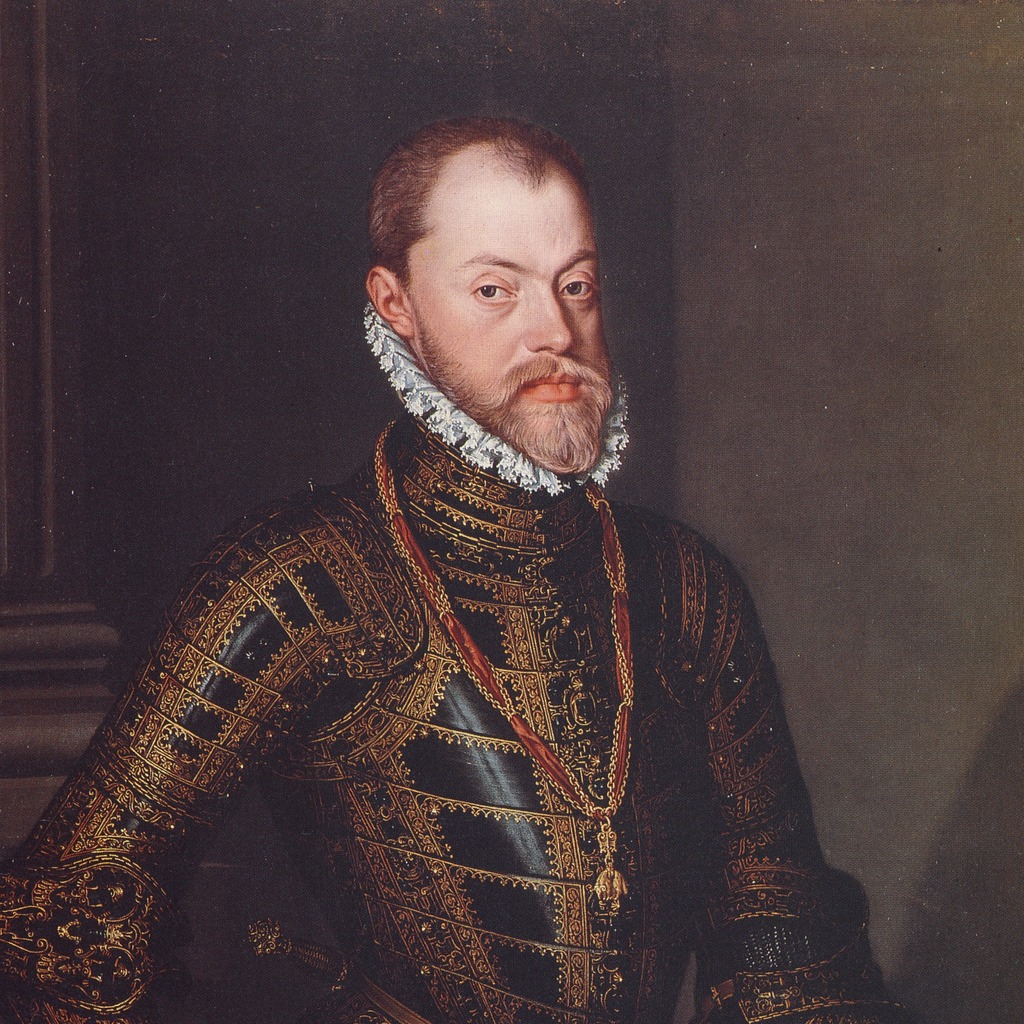 Philip II
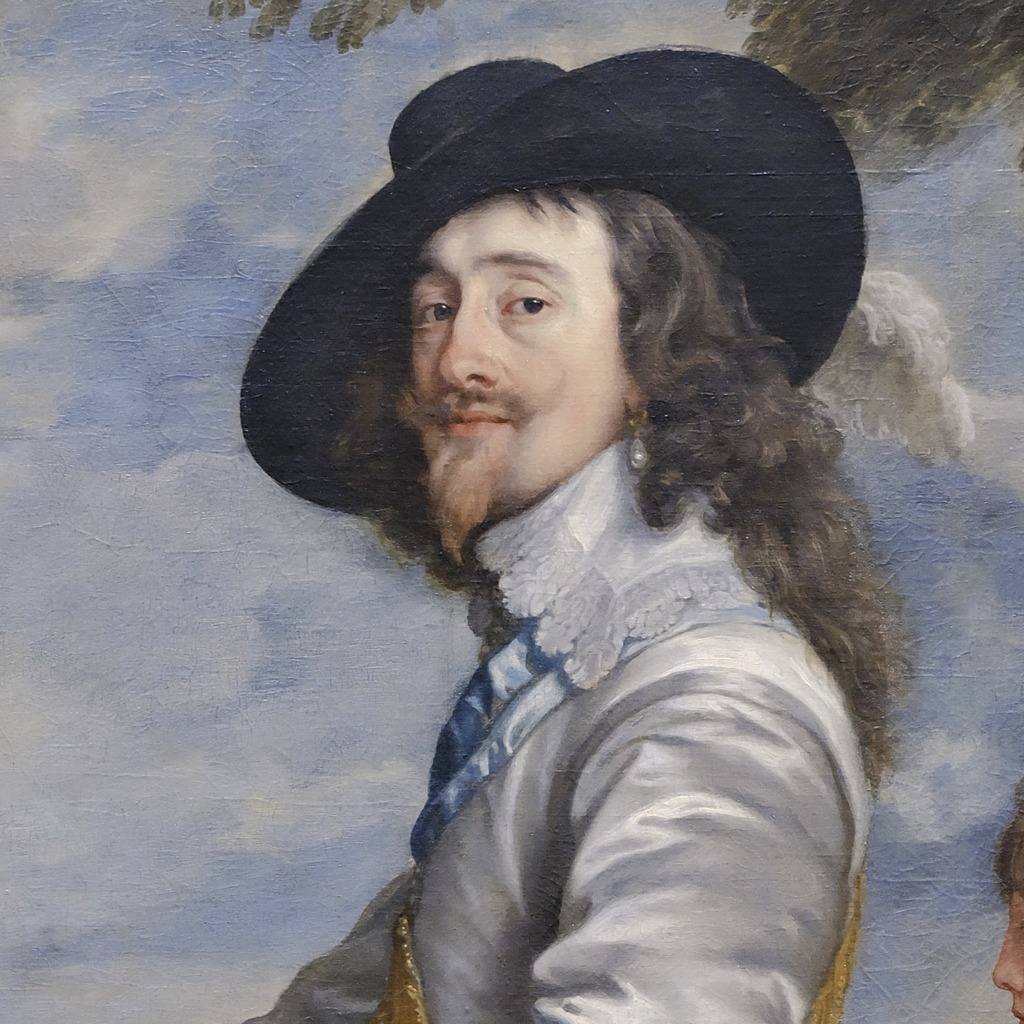 Charles I at the Hunt
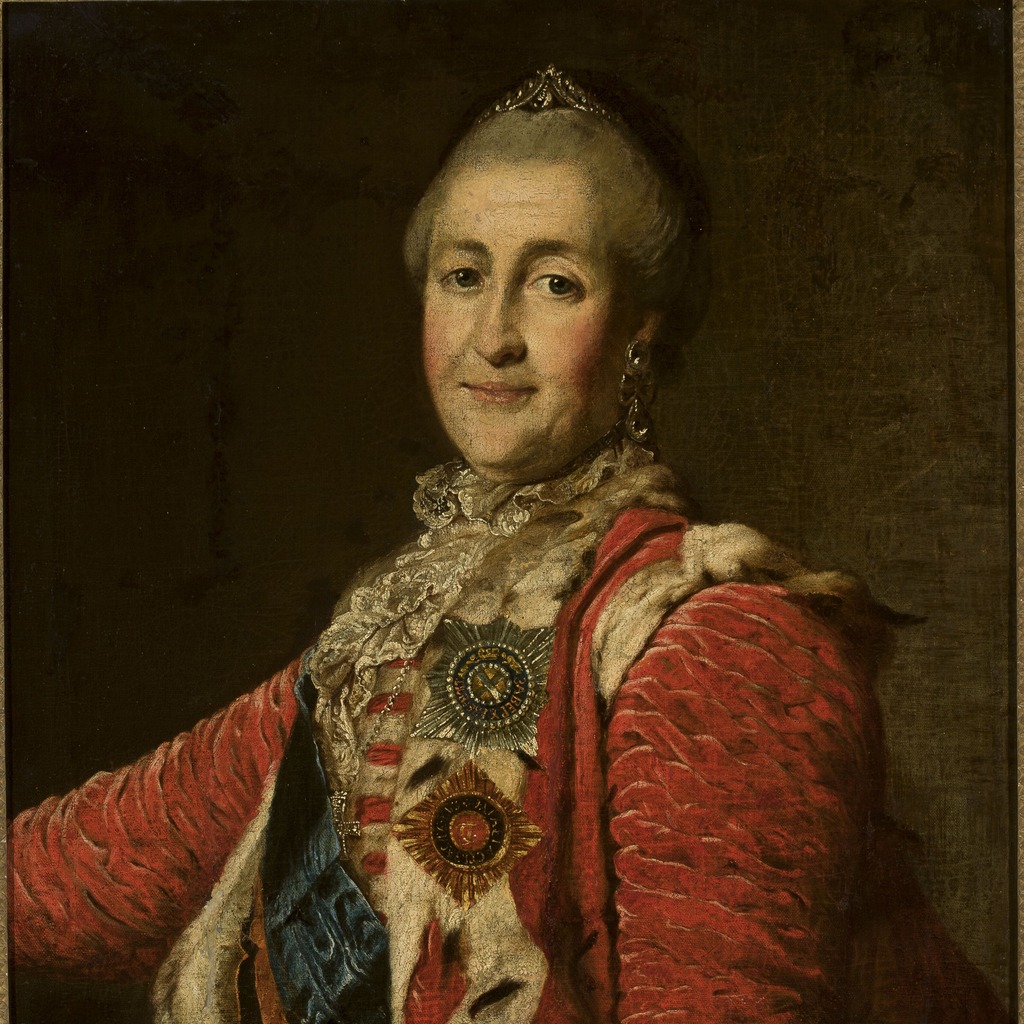 Catherine the Great
How it works
-
Take a photo
Front camera, decent light, look straight ahead. Or pick one you already have.
-
We paint you in
Your face goes into the painting, keeping its light and its brushwork. About fifteen seconds.
-
Share the link
You get a page anyone can open. No account, nothing to install.