

Making your meme…
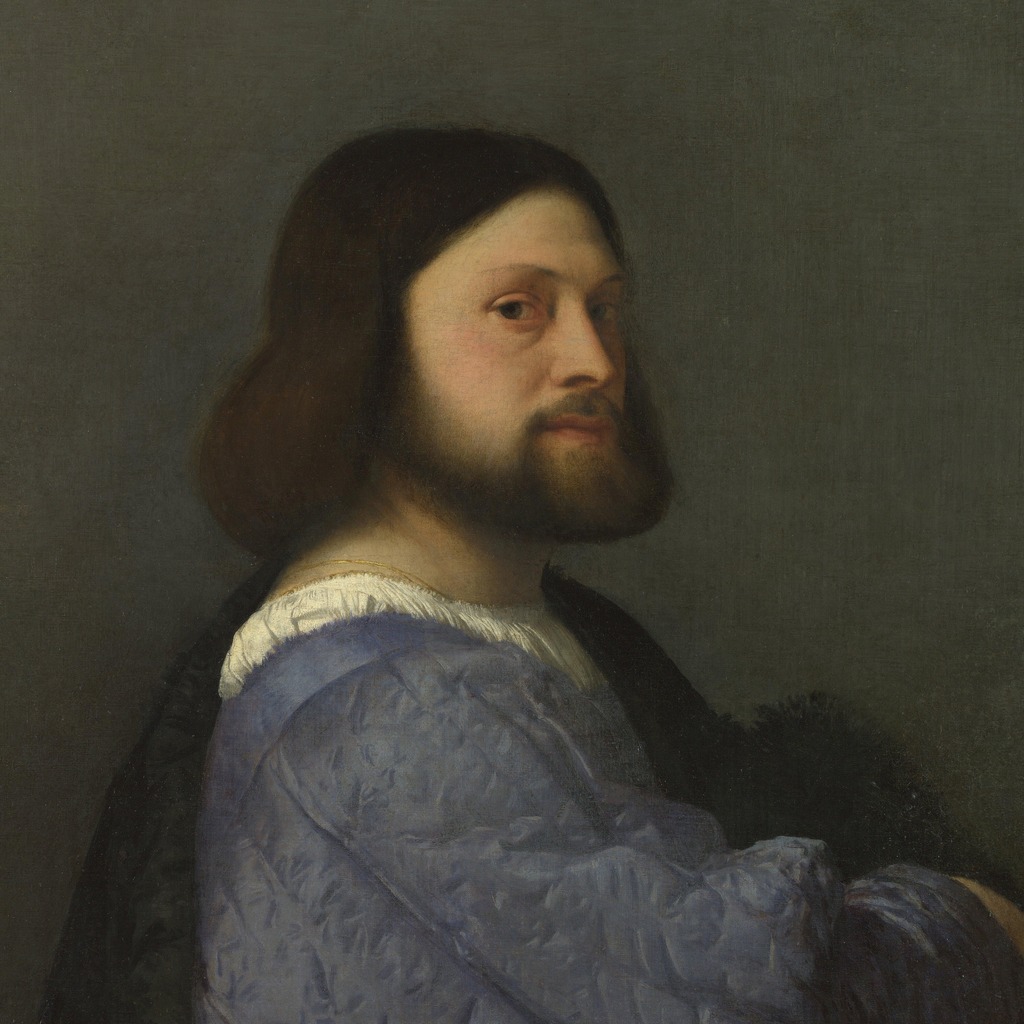
Titian · c. 1510
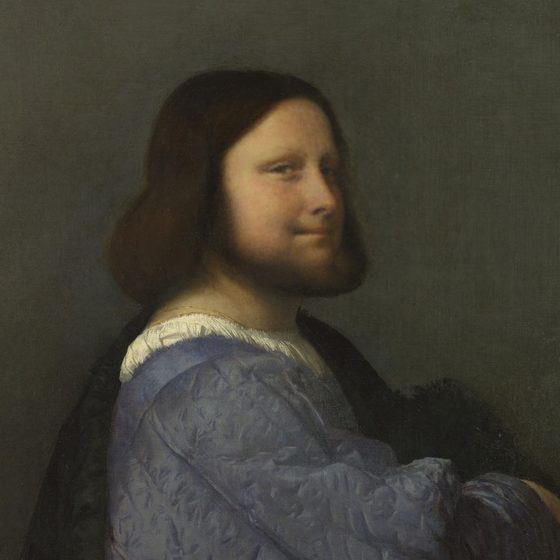
Man with a Quilted Sleeve face swap
Titian in his twenties, painting a sleeve better than most painters ever paint a face.
or
Under 15 seconds · no sign-up · your selfie is never stored
Or become a patron and stop counting. Already a patron? Sign in.
How it works
-
Take a photo
Front camera, decent light, look straight ahead. Or pick one you already have.
-
We paint you in
Your face goes into the painting, keeping its light and its brushwork. About fifteen seconds.
-
Share the link
You get a page anyone can open. No account, nothing to install.
Where this one comes from
Titian painted this in Venice around 1510, when he was roughly twenty. For most of its history it was called a portrait of the poet Ariosto; the National Gallery in London, which owns it, now lists the sitter as unidentified. It is one of the pictures that taught later painters what an arm resting on a ledge could do for a portrait, and Rembrandt is among the ones who took the lesson.
What is in the picture
The sleeve is the event. A quilted blue-grey sleeve is pushed up against a stone parapet at the front of the picture, taking a third of the surface, painted with more evident enjoyment than anything above it, and it shoves the sitter towards you in a way portraits simply did not do in 1510. The head turns back over the shoulder. The parapet functions as a windowsill, so the whole arrangement reads as a man leaning out of the painting to look at whoever is looking at him.
When people use it
For occupying space without asking. It fits the person who has arrived early, taken the good chair and is in no hurry, and it works on any photograph whose caption is about comfort rather than effort.
How your face lands in it
The face is angled across the shoulder rather than square to you, and lit softly from the side, so your photograph does best if it is taken at a slight angle too. The hair and the beard are dark and close to the face and both stay. Everything the picture spends its energy on — the sleeve, the parapet, the turn of the body — sits below and around the swap and is untouched by it.
Portrait of a Man (Man with a Quilted Sleeve) — Titian, c. 1510. Titian died in 1576. The painting has been in the public domain for centuries, and a straight photographic reproduction of it carries no rights of its own. Source

Also in: Paintings · Renaissance
More paintings
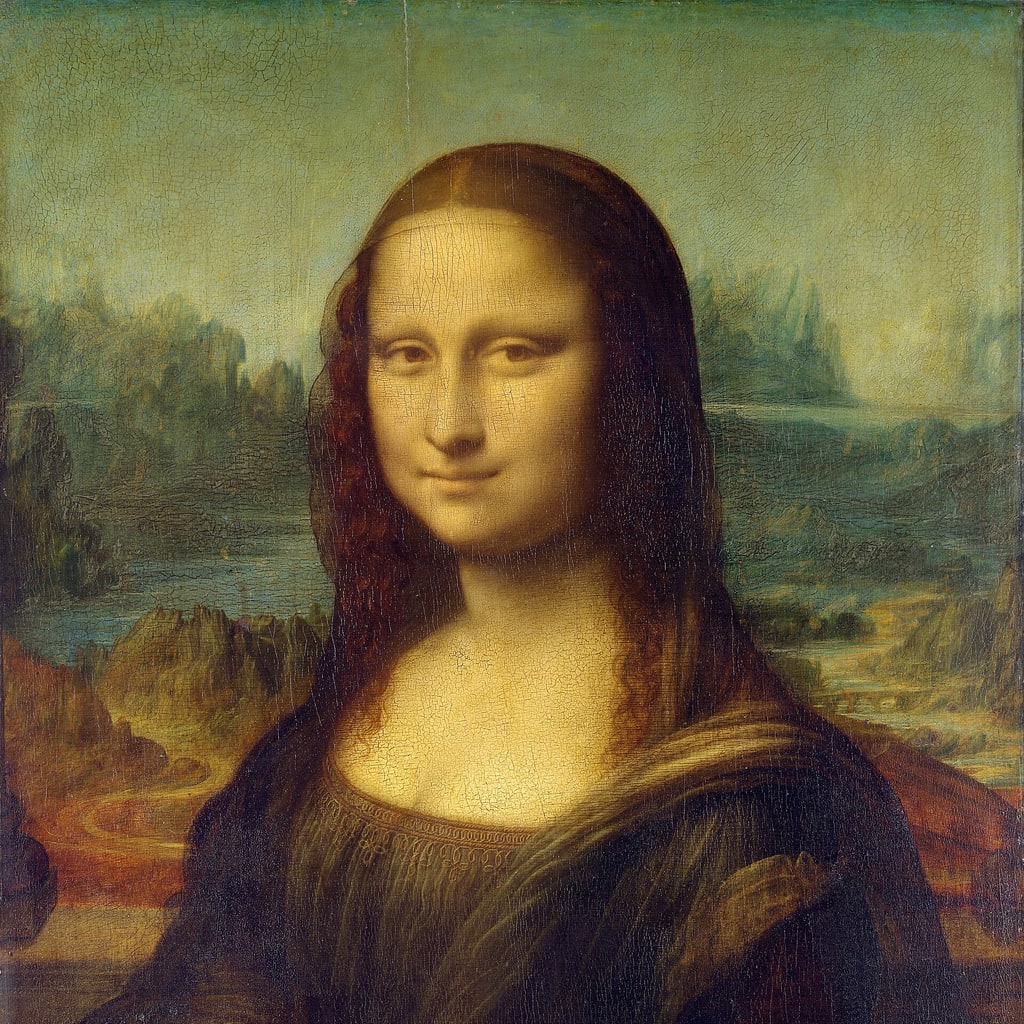 Mona Lisa
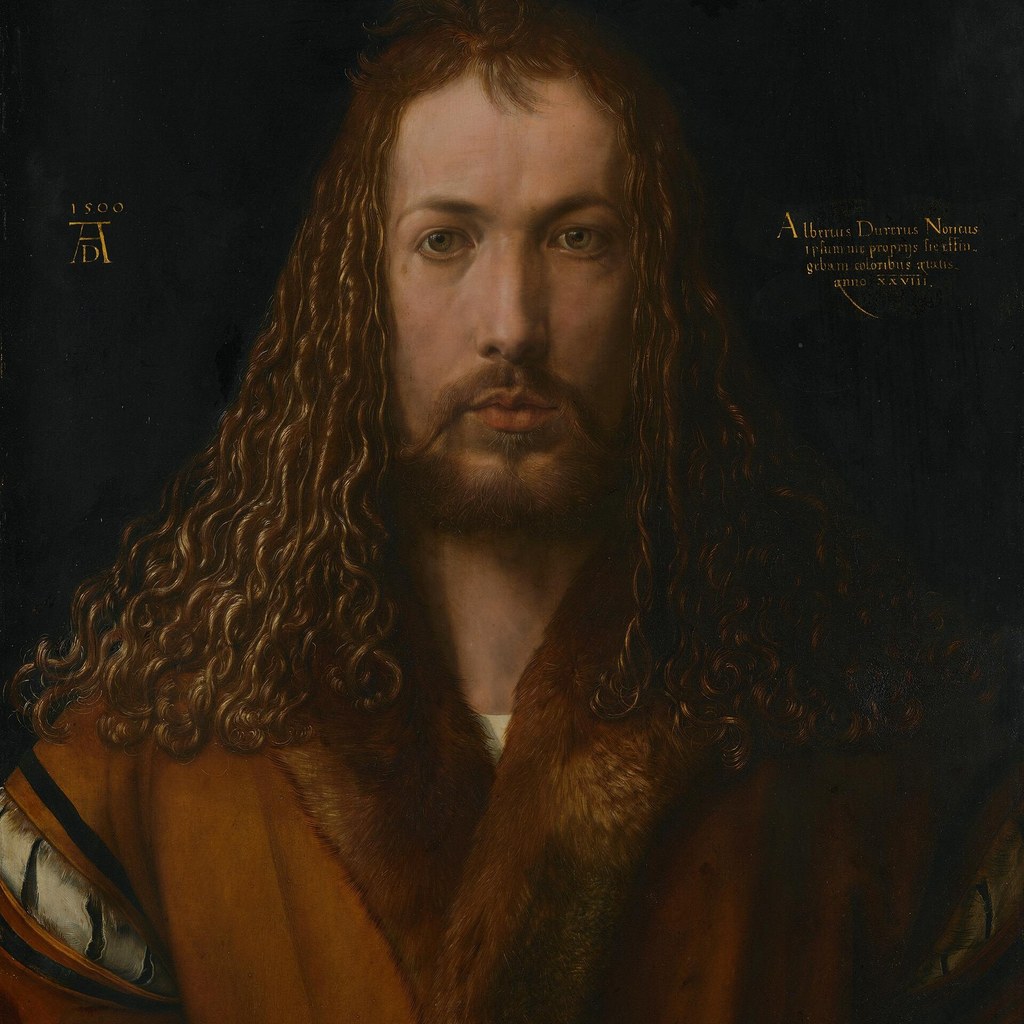 Dürer's Self-Portrait
 Man in a Red Turban
 Lady with an Ermine
 Henry VIII
 Baldassare Castiglione
 Il Condottiere
 Eleonora di Toledo
 Young Man Holding a Roundel
 Charles V
 Ginevra de’ Benci
 La Belle Ferronnière
 The Tailor
 The Halberdier
 Self-Portrait in a Convex Mirror
 Sofonisba at the Easel
 Girl with a Pearl Earring
 Van Gogh Self-Portrait
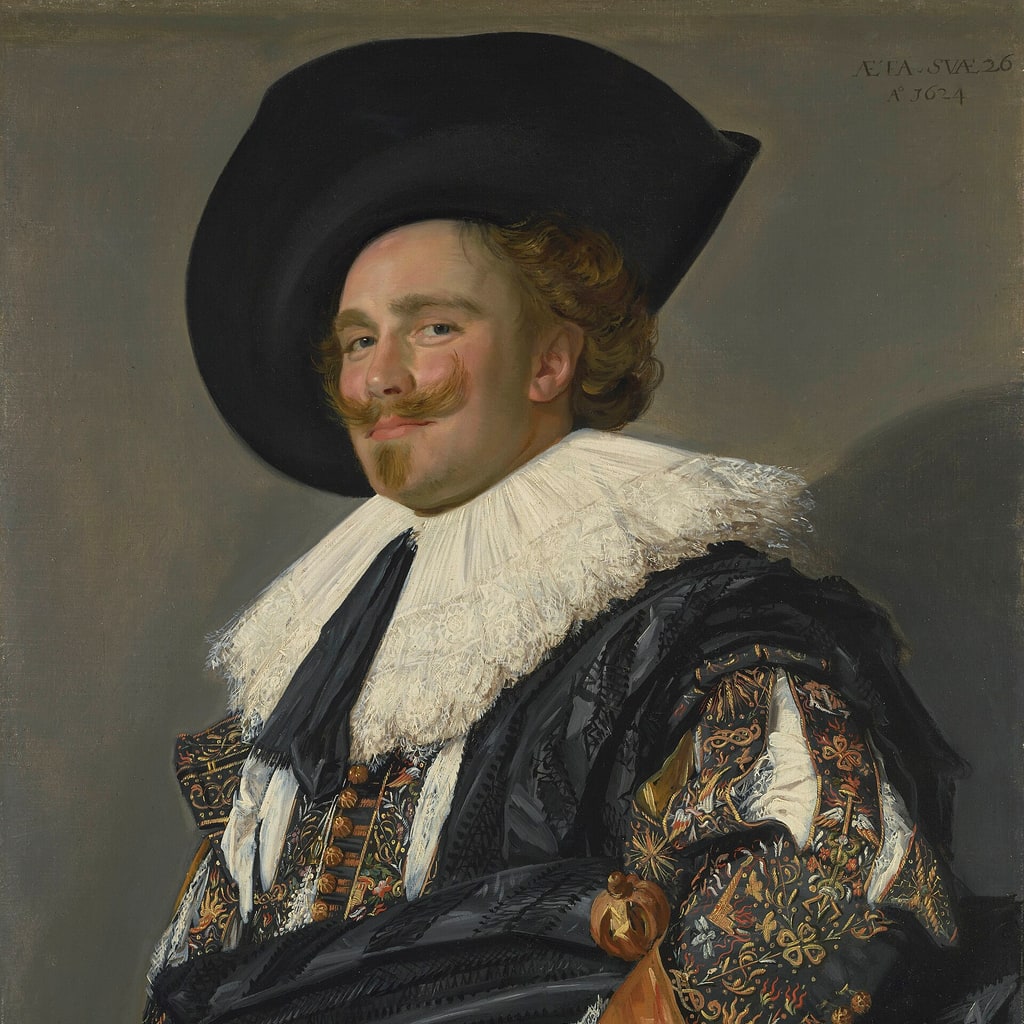 The Laughing Cavalier
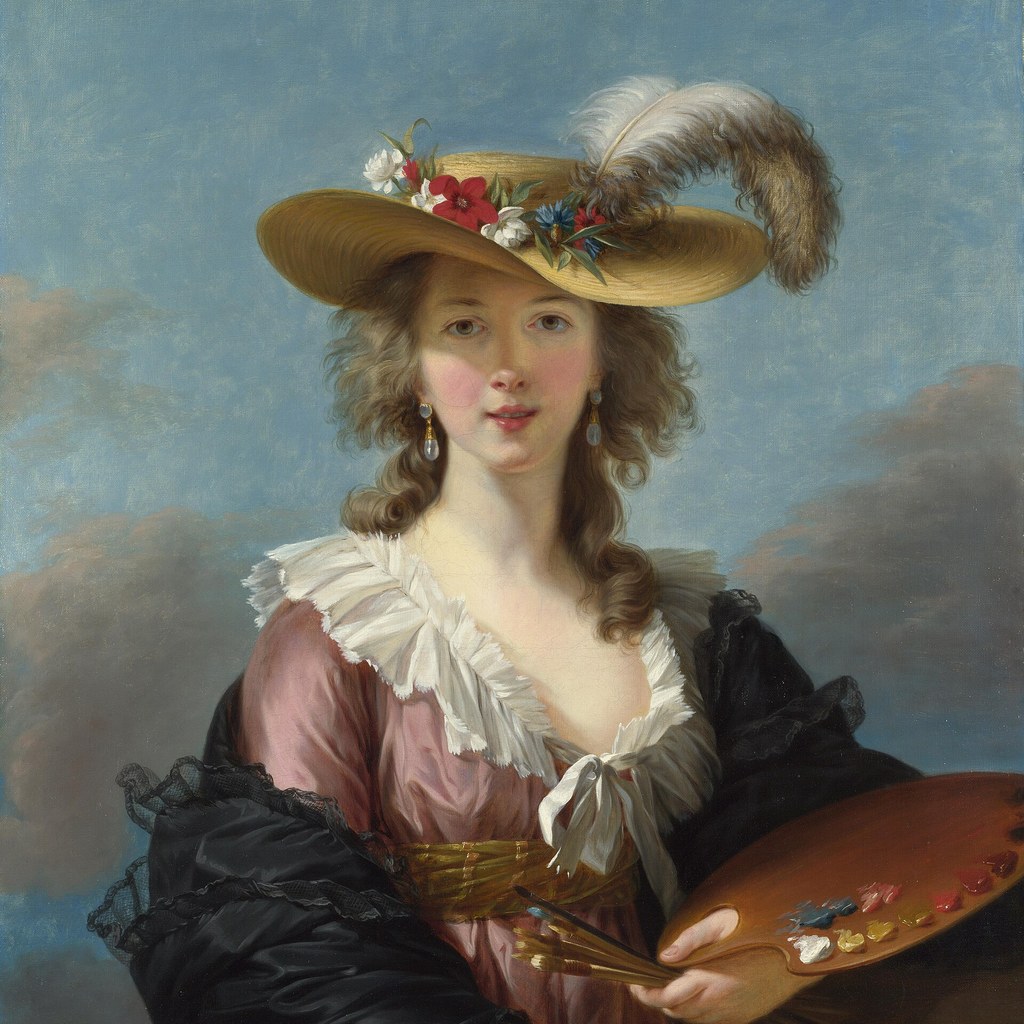 Self-Portrait in a Straw Hat
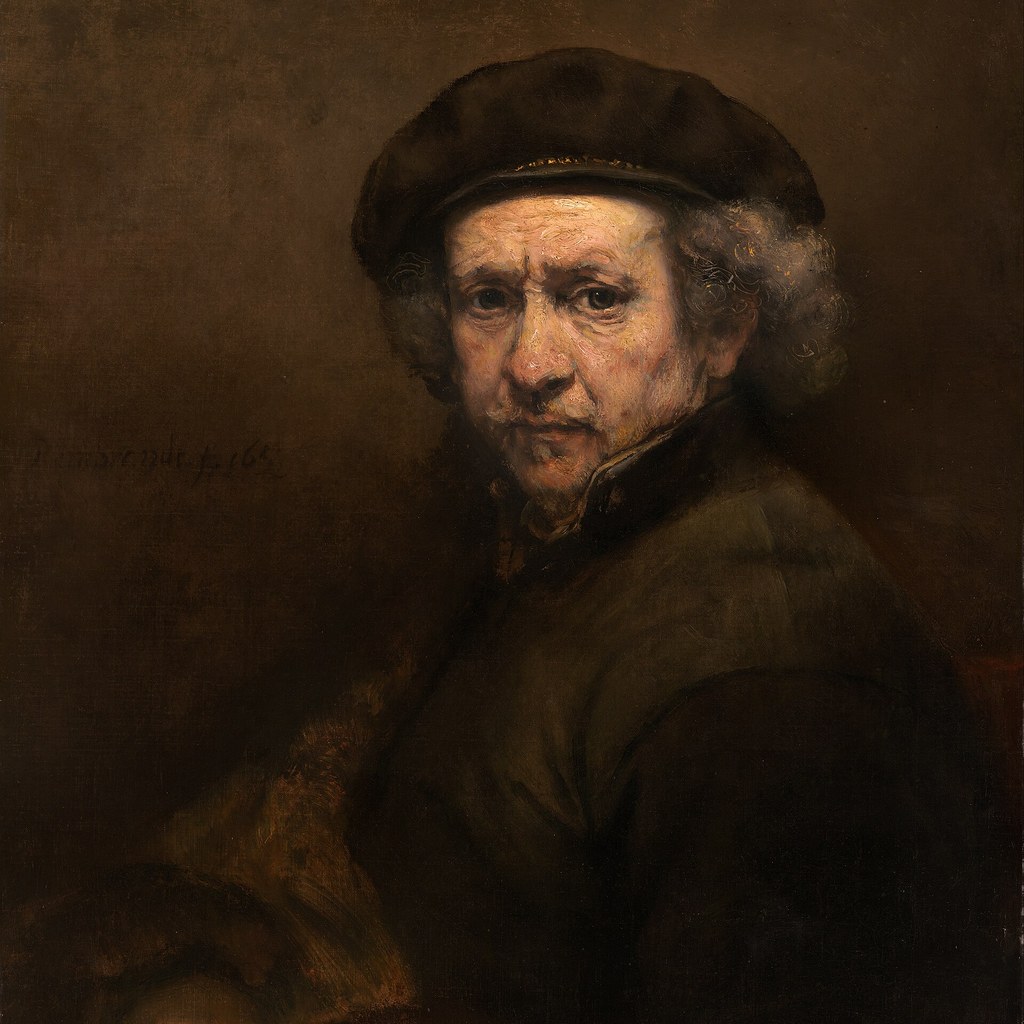 Rembrandt's Self-Portrait
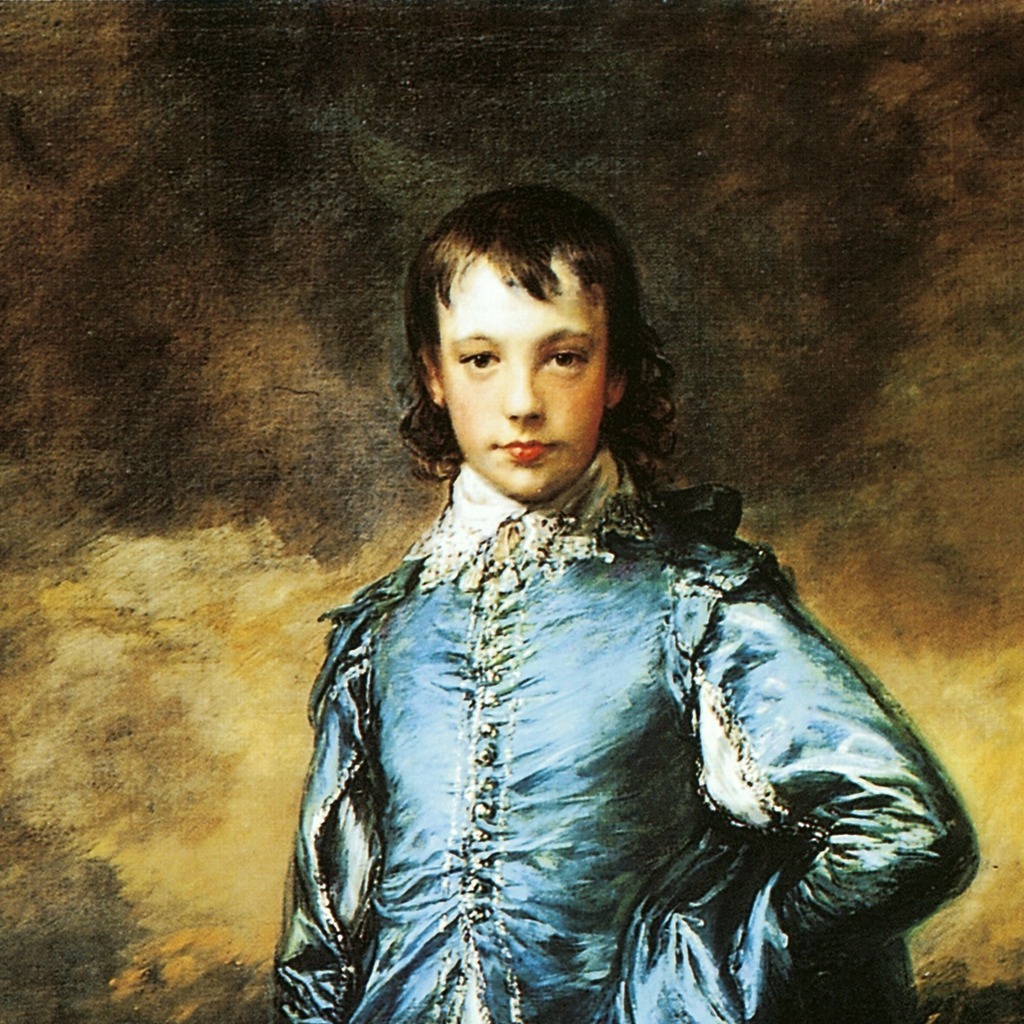 The Blue Boy
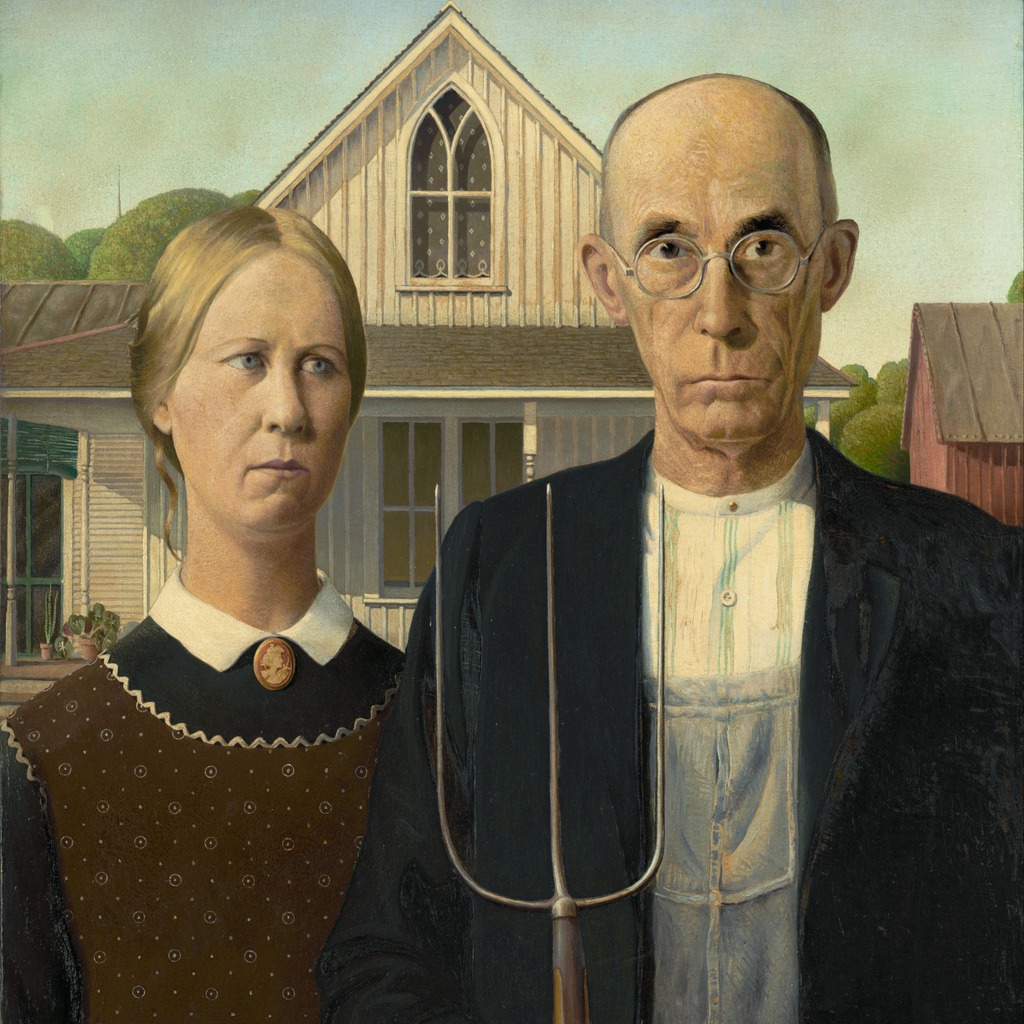 American Gothic
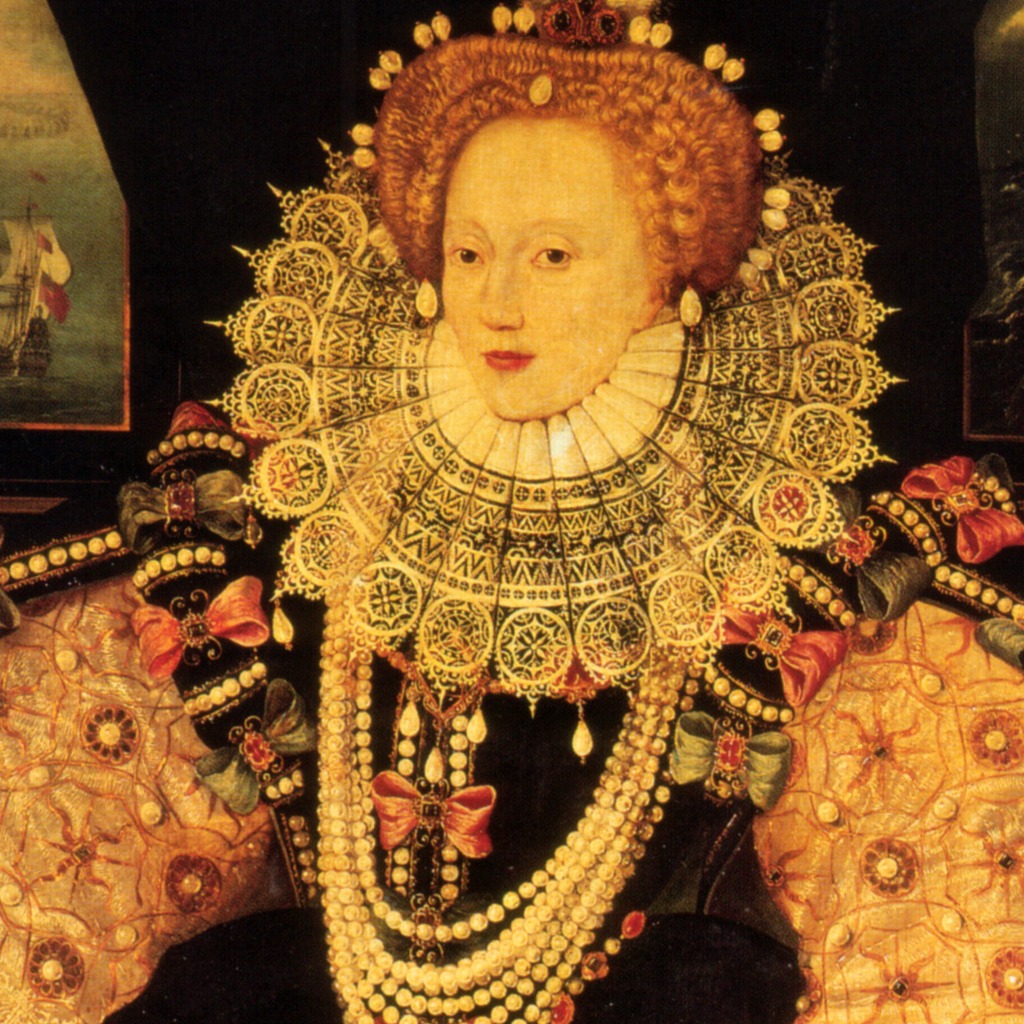 Elizabeth I
Questions
Is this Ariosto?
Almost certainly not, although the painting was called that for generations. The identification has no documentary support and the National Gallery now catalogues the sitter as unknown.
Why is the sleeve so important?
Because it breaks the plane. Before this, a portrait sitter stayed politely behind the picture surface; Titian pushed an arm forward onto the ledge so the body appears to occupy the viewer’s space, and portrait painting spent the next century copying the trick.
How old was Titian?
Around twenty, give or take. It is very early work by a painter who went on for another sixty-five years, and it already contains most of what made him formidable.
Is it free?
Yes. There is a limit on how many you can make in a day, and sharing one earns the allowance back.
Do you keep my photo?
No. Your selfie is used to make the image and then dropped — it is never written to disk. The finished meme is stored, because it has a link people can open, and it is deleted after 90 days.
Can I use someone else’s face?
Please do not. Use your own. Putting a real person into a picture they did not agree to is exactly the thing this is not for.
Can I post the result?
Yes, anywhere you like. The paintings are public domain; what you make with your own face is yours.