

Renaissance face swap
Twenty-six of the one hundred and five are actually Renaissance work. Some of the rest are older than that and most are a great deal younger — the difference is worth two minutes.
The ones that qualify
Van Eyck's Man in a Red Turban, 1433, is the earliest thing here by half a century, painted in Bruges at the point where oil paint was first being pushed to do what it does in this picture. Leonardo appears twice: the Lady with an Ermine around 1489, and the Mona Lisa, begun in Florence around 1503 and still being altered years later. Dürer painted himself in Nuremberg in 1500, having twice crossed the Alps to see what the Italians were doing and come back with it.
Italy supplies the range. Antonello da Messina's Il Condottiere of 1475 is a small panel with a scarred lip and the hardest stare in this catalogue; Botticelli's young man of about 1480 is Florentine and hard-edged and holds a gilded roundel out towards you; Titian's Man with a Quilted Sleeve, around 1510, shoves a padded blue sleeve over the parapet into your space; and Raphael's Castiglione of 1514 is the opposite temperament in grey, brown and black, a portrait of the man who literally wrote the book on seeming effortless.
Then the courts, where the century ends up. Holbein's Henry VIII around 1537 is a small panel sewn with pearls, Bronzino's Eleonora di Toledo of 1543 is a duchess painted as a piece of goldwork, and the seated Charles V of 1548 is the last of them: an emperor in plain black, eight years from handing the whole inheritance away.
Around those sit the rest of a long century. Bellini's Doge Loredan and Antonello's man in a red cap are Venetian and from the 1470s and 1500s. Leonardo appears twice more, in the Ginevra de' Benci and the Belle Ferronnière. Dürer's unfinished Venetian woman, Raphael's veiled woman, Lotto's uneasy young reader, Moroni's tailor at his bench, Pontormo's boy with a halberd, Bronzino's glassy young man, Parmigianino in his curved mirror, Sofonisba at her easel, Andrea del Sarto at the end of his life and Holbein's merchant buried in his own paperwork fill in the rest of it, from Bruges to Florence and across a hundred and twenty years.
Several are northern, which surprises people who use "Renaissance" to mean "Italian". Van Eyck, Dürer and Holbein were working the same problem as Florence — a convincing human being on a flat panel — and getting there by a different road.
And the ones that are not
Vermeer's Girl with a Pearl Earring and Hals's Laughing Cavalier are Dutch Golden Age, 1665 and 1624: a century and a half after Leonardo started, in a republic that bought pictures by the hundred rather than commissioning them by the altarpiece. Rembrandt's late self-portrait is 1659, the same world, and there are now enough of them here to have a page of their own.
Gainsborough's Blue Boy is English and around 1770, Vigée Le Brun's straw hat is French and after 1782 — nearly three hundred years downstream of Dürer — and Van Gogh's self-portrait is 1887 and not old at all by the standards of this page. Past them the catalogue keeps going — a Velázquez pope, a Rigaud king, a farmhouse in Iowa painted in 1930. All of it is worth using and none of it is Renaissance, and calling it that would be wrong in a way search engines and art historians happen to agree on.
In the other direction sit the panels with a page of their own: Fouquet's Charles VII, Rogier van der Weyden's unnamed lady, the girl in the black hennin by Petrus Christus, Memling's merchant against a landscape and the portrait Van Eyck made of his own wife, produced between roughly 1439 and 1470 in France and the Low Countries. Nothing in them is Italian and nothing in them is looking south. They belong to the medieval page, with Van Eyck — who appears on both — as the hinge between the two.
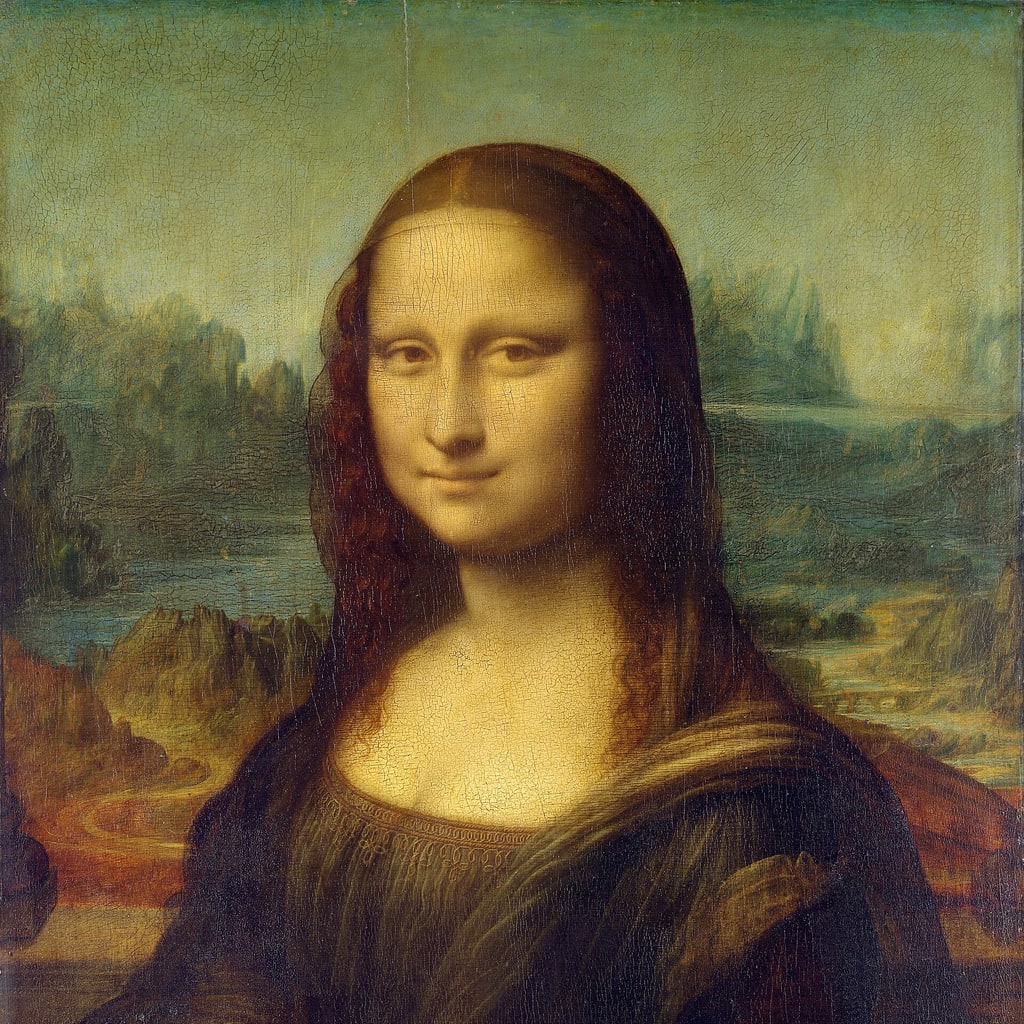 Mona Lisa
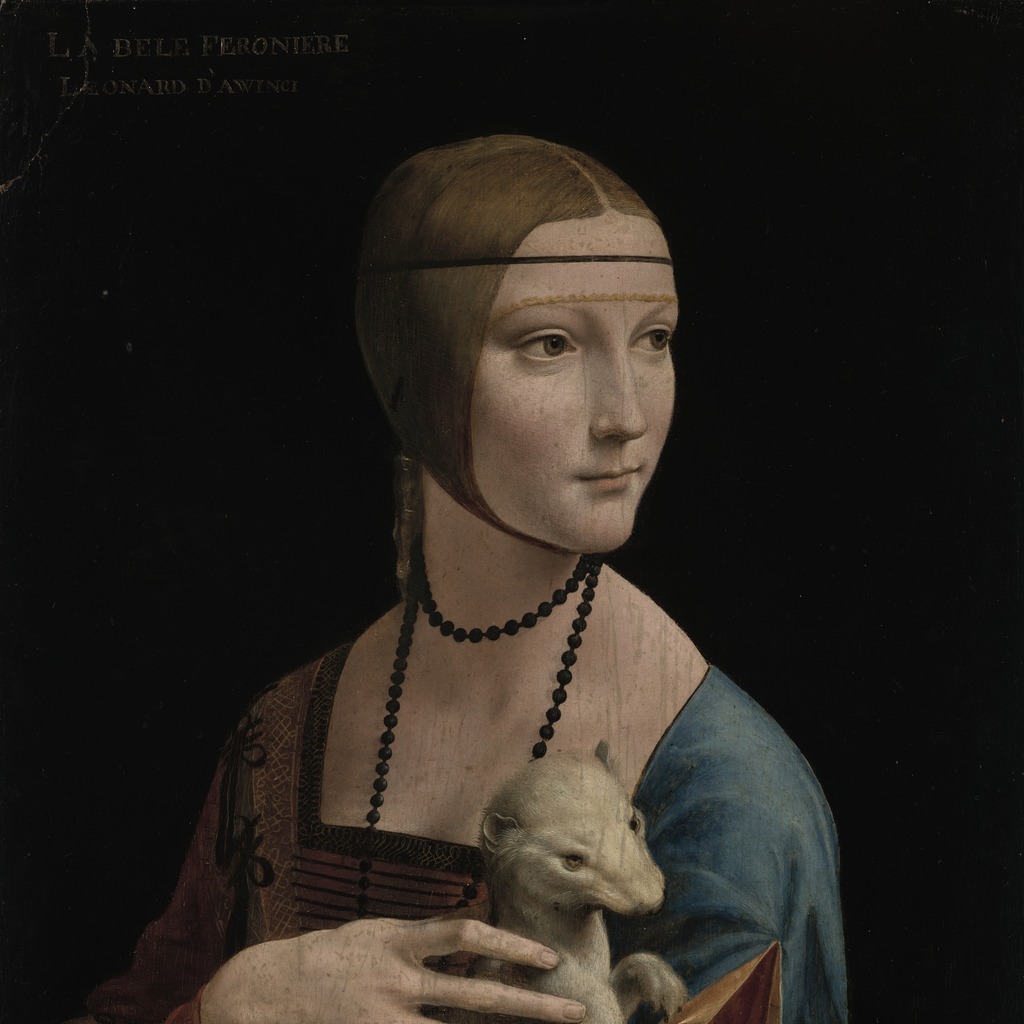 Lady with an Ermine
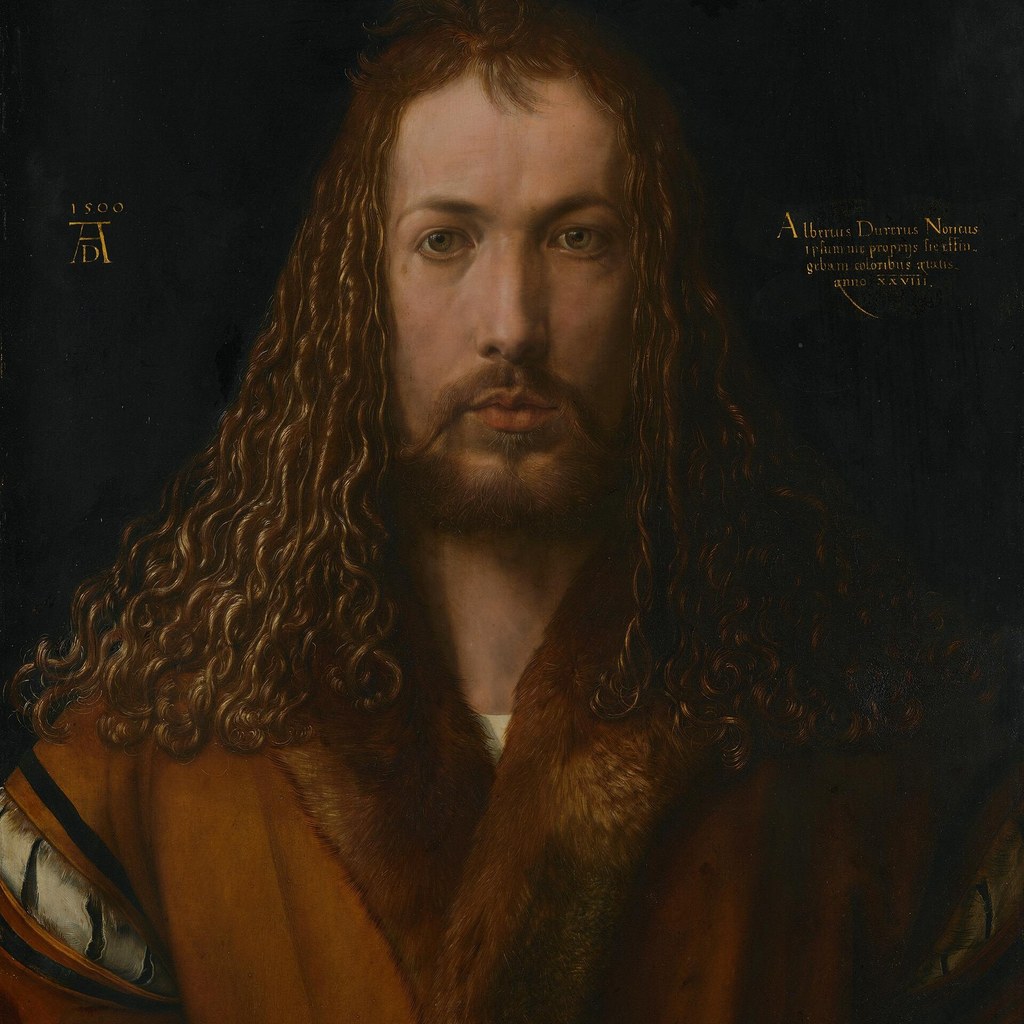 Dürer's Self-Portrait
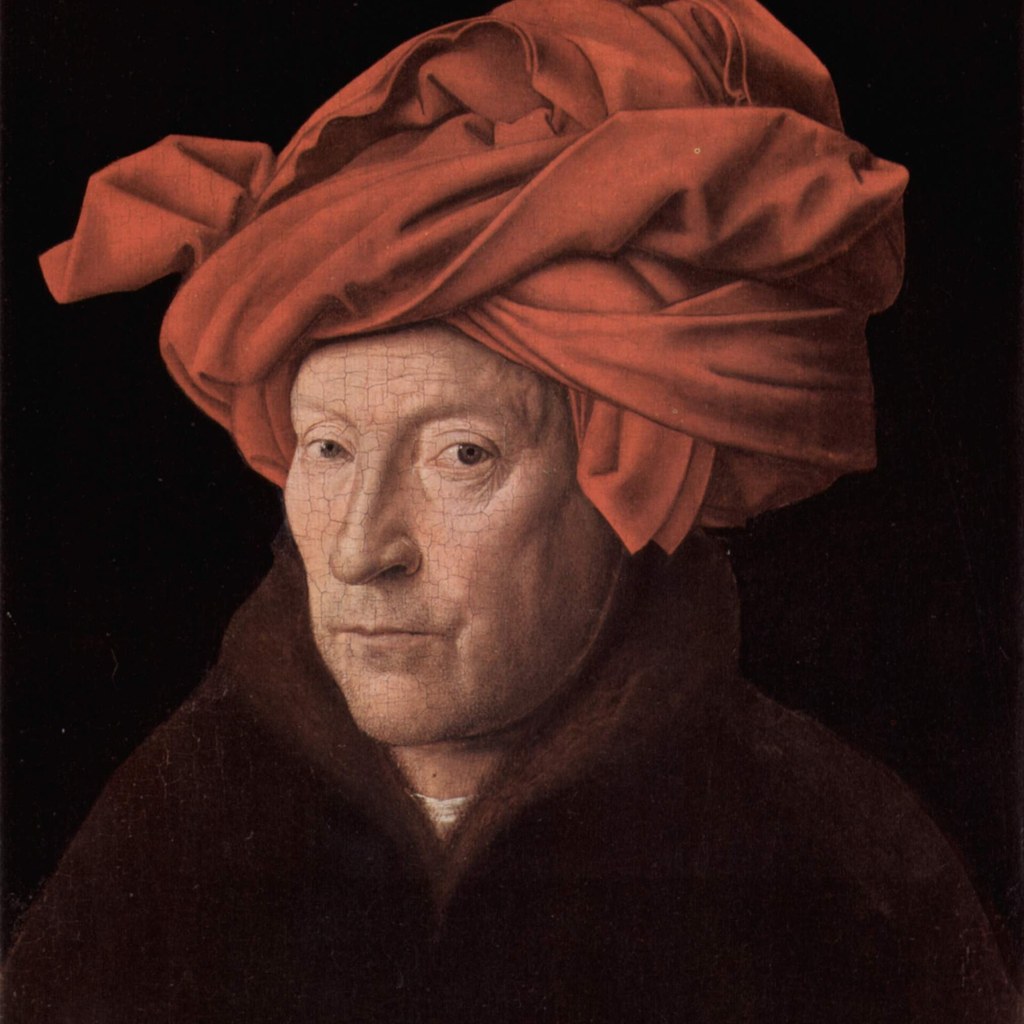 Man in a Red Turban
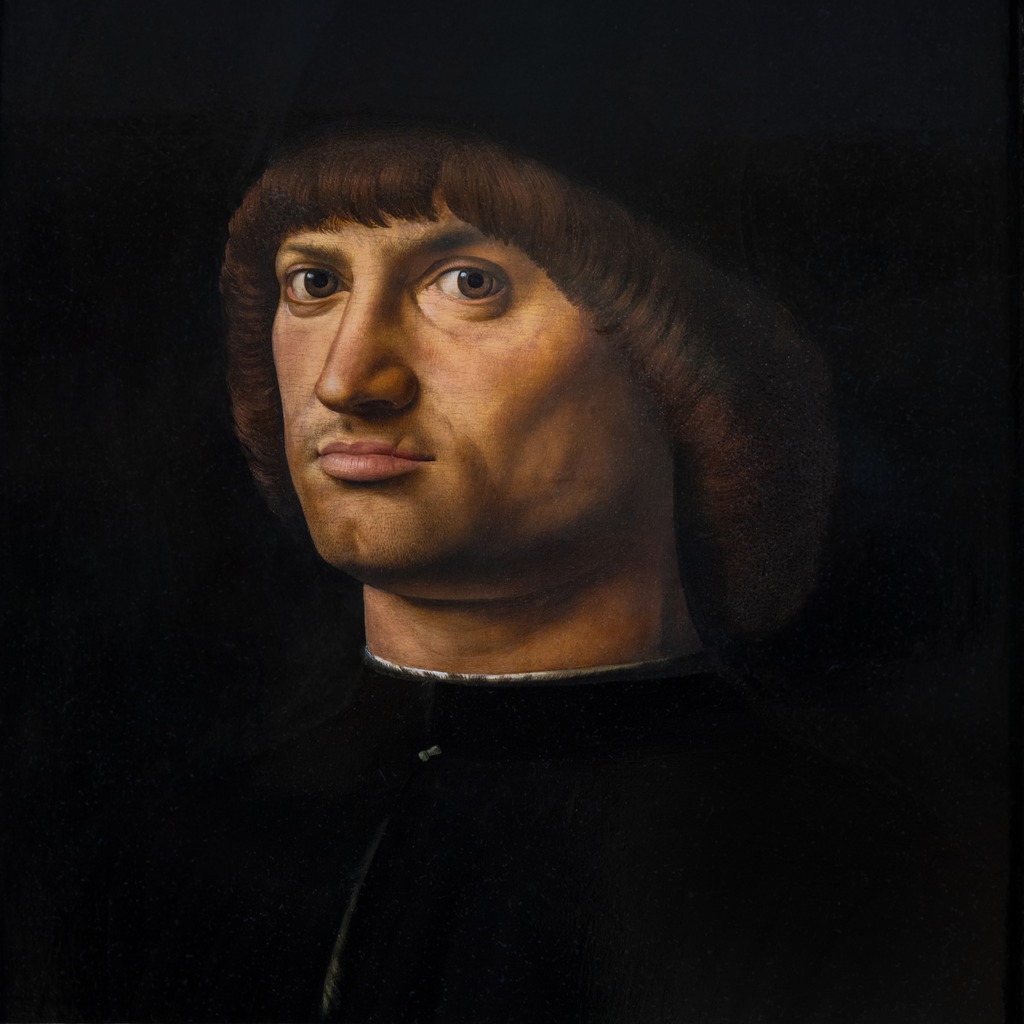 Il Condottiere
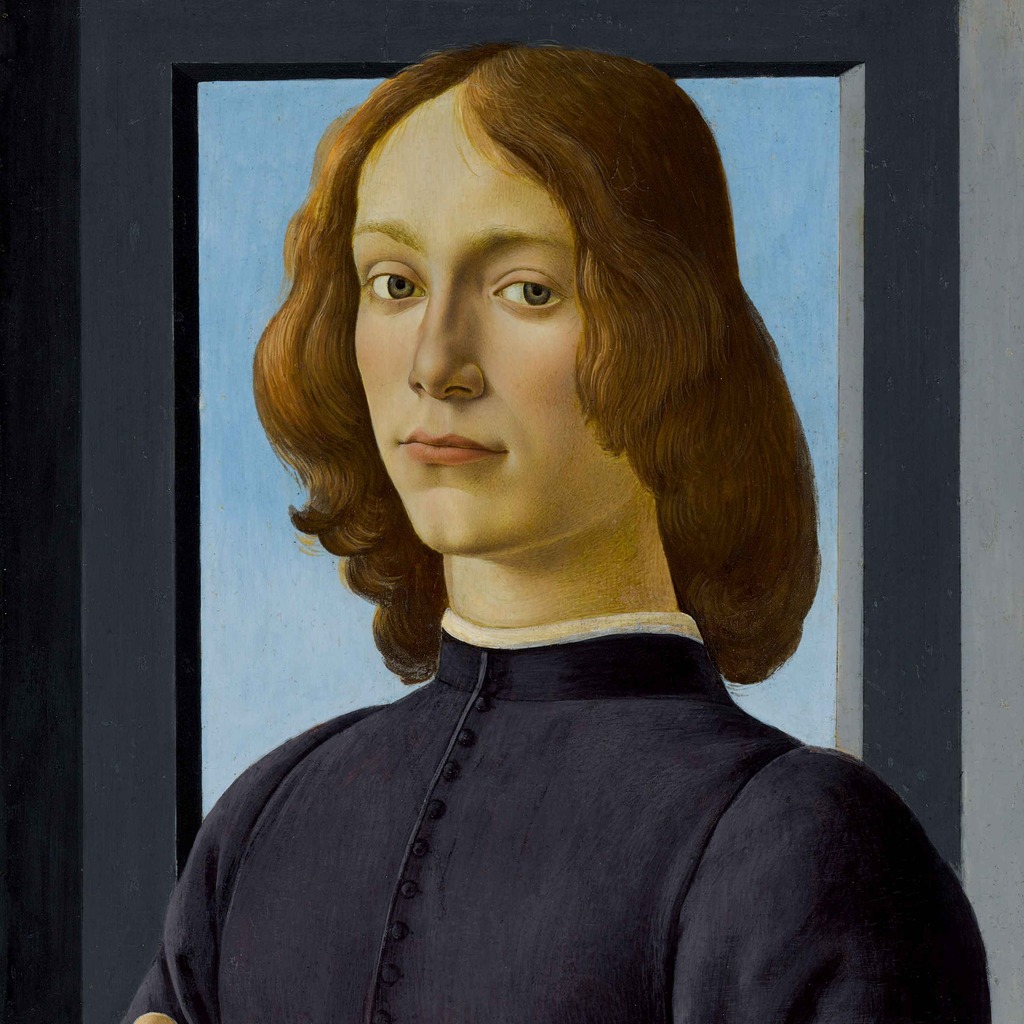 Young Man Holding a Roundel
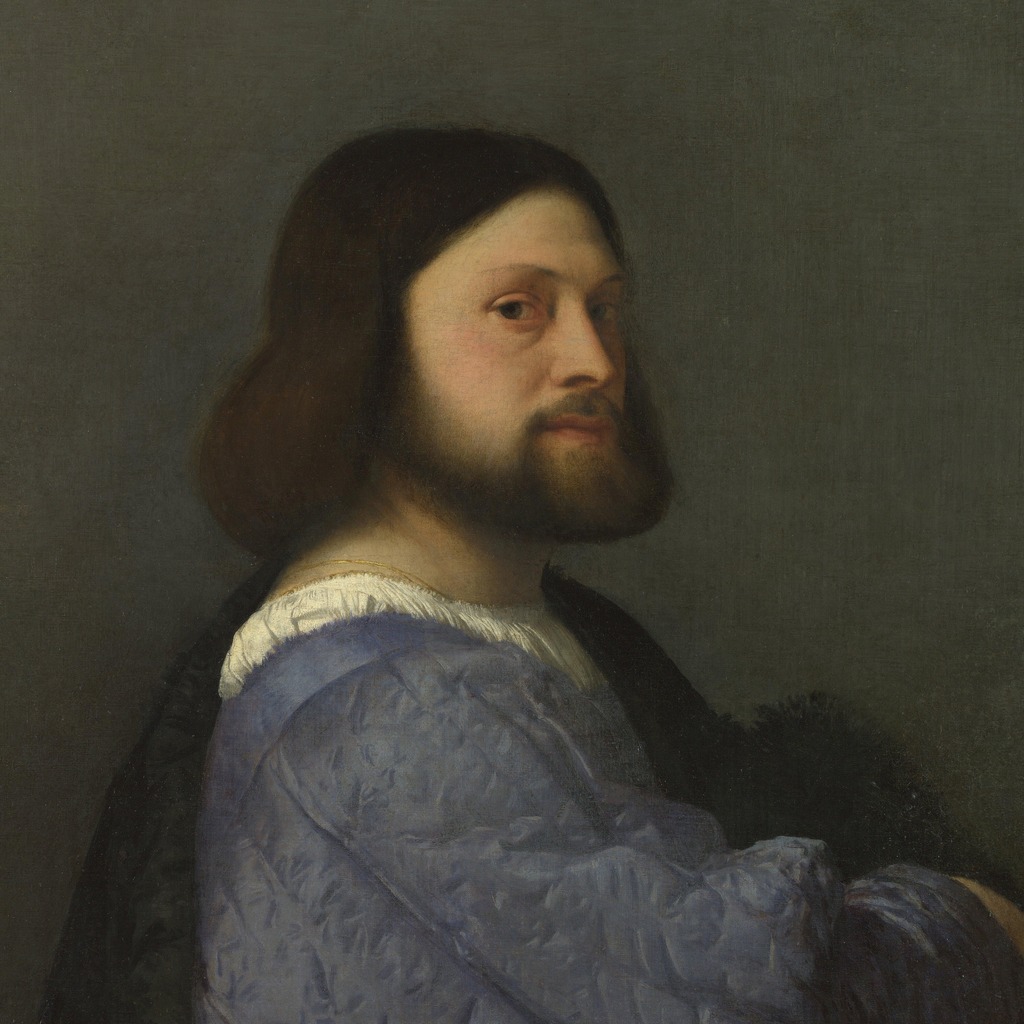 Man with a Quilted Sleeve
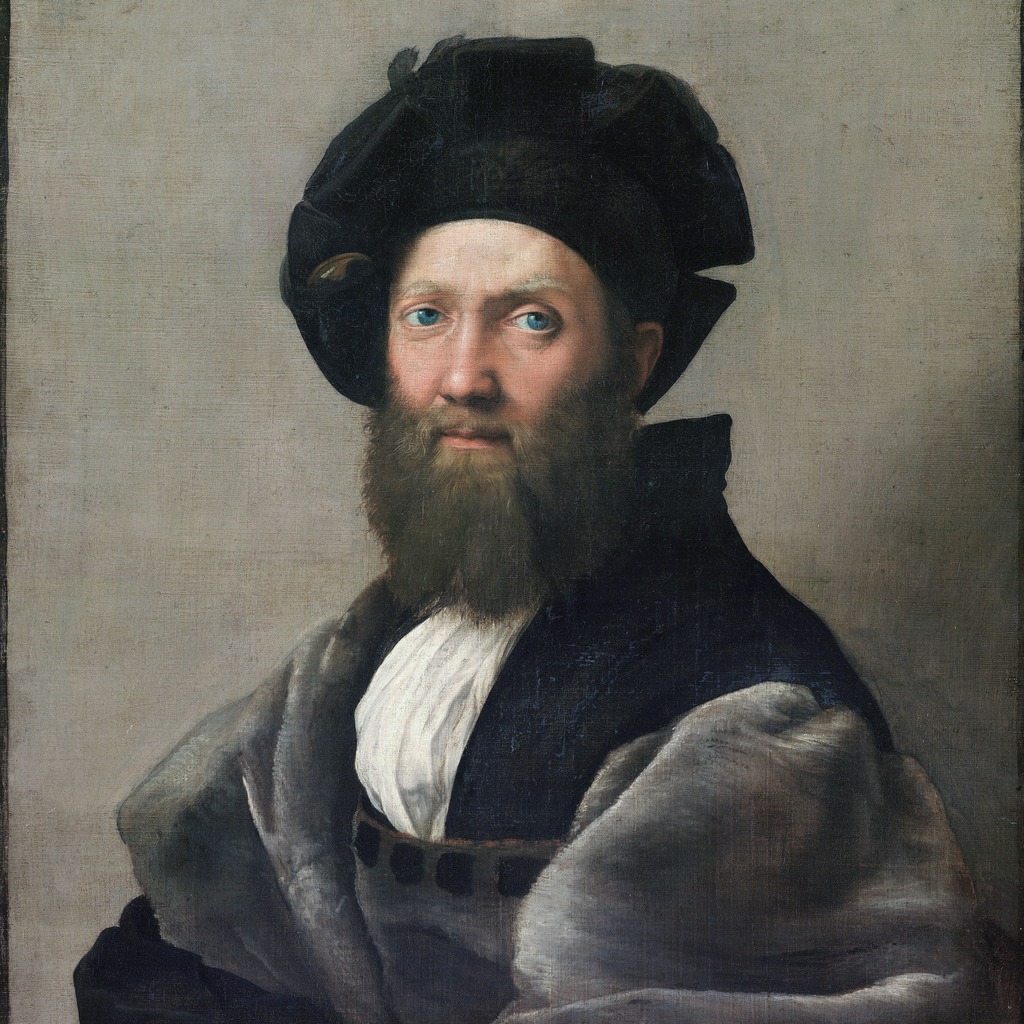 Baldassare Castiglione
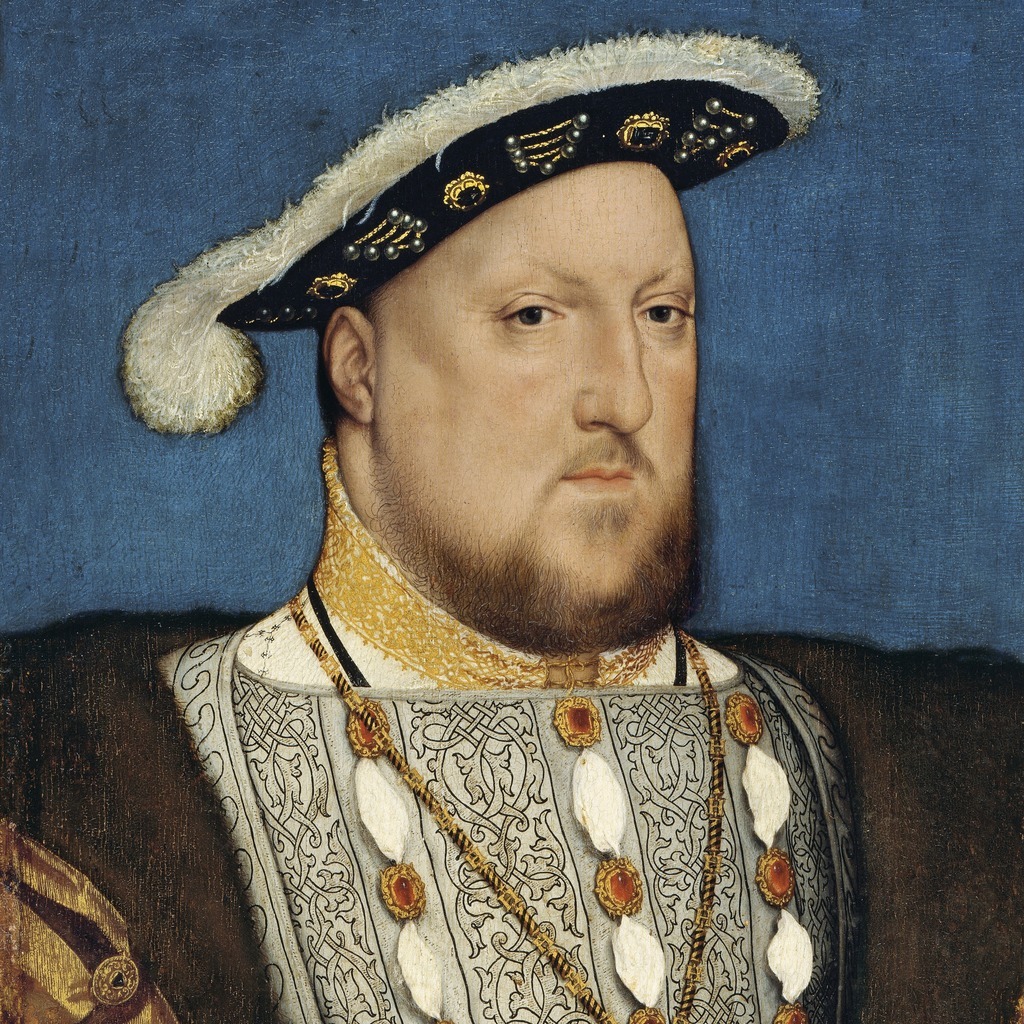 Henry VIII
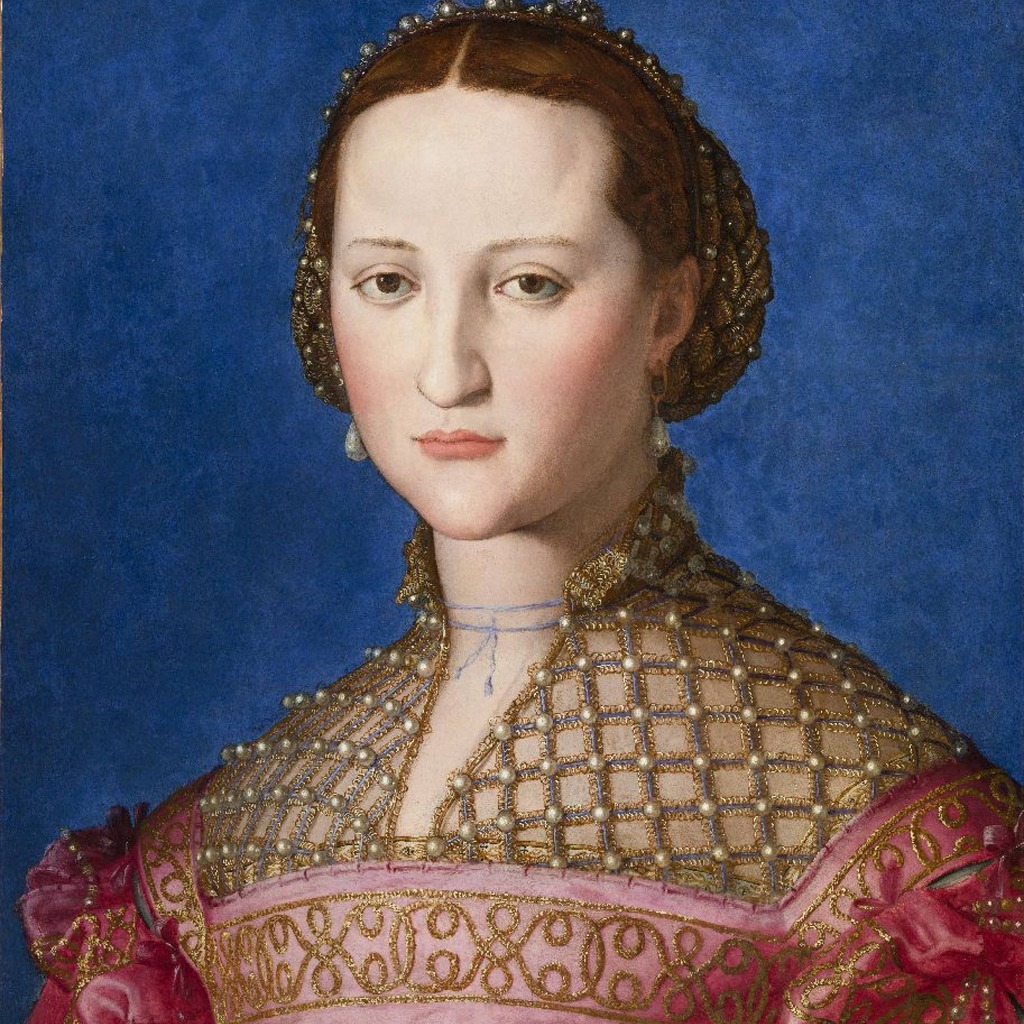 Eleonora di Toledo
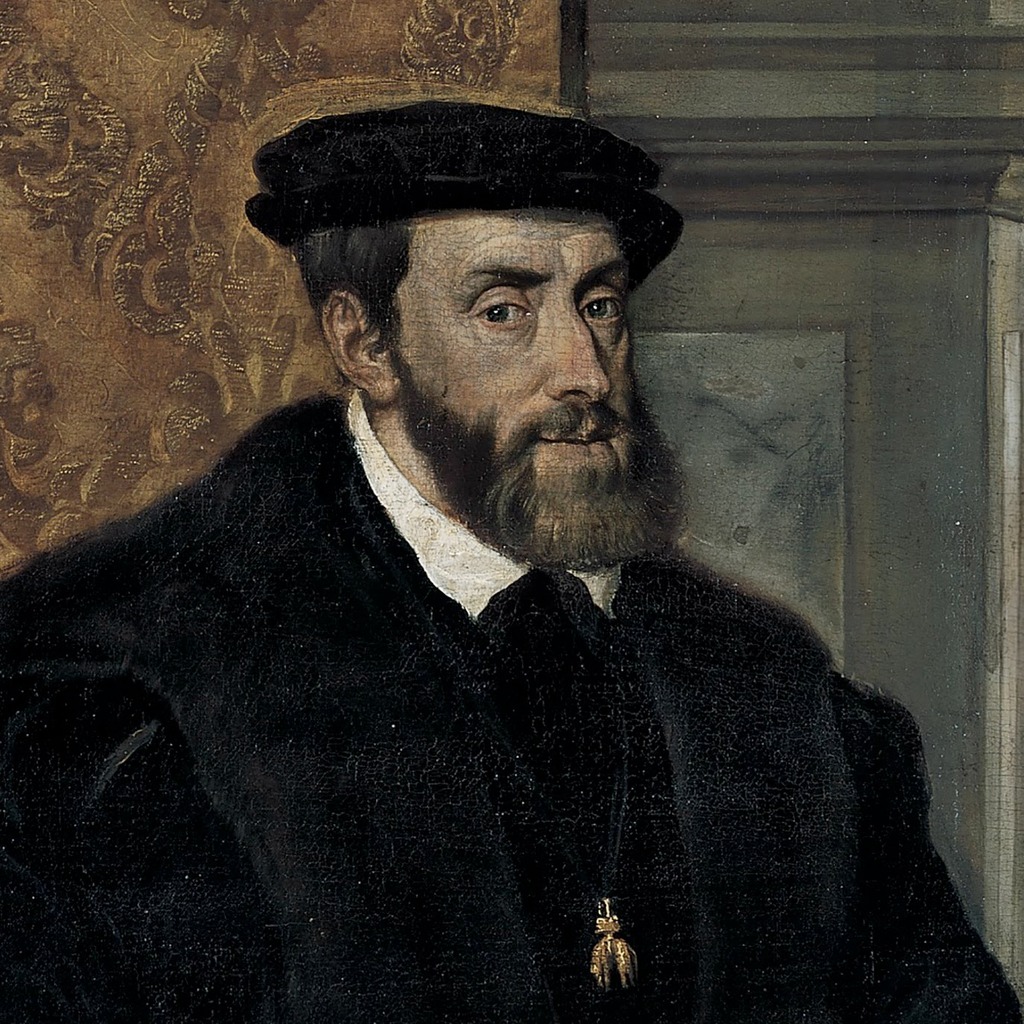 Charles V
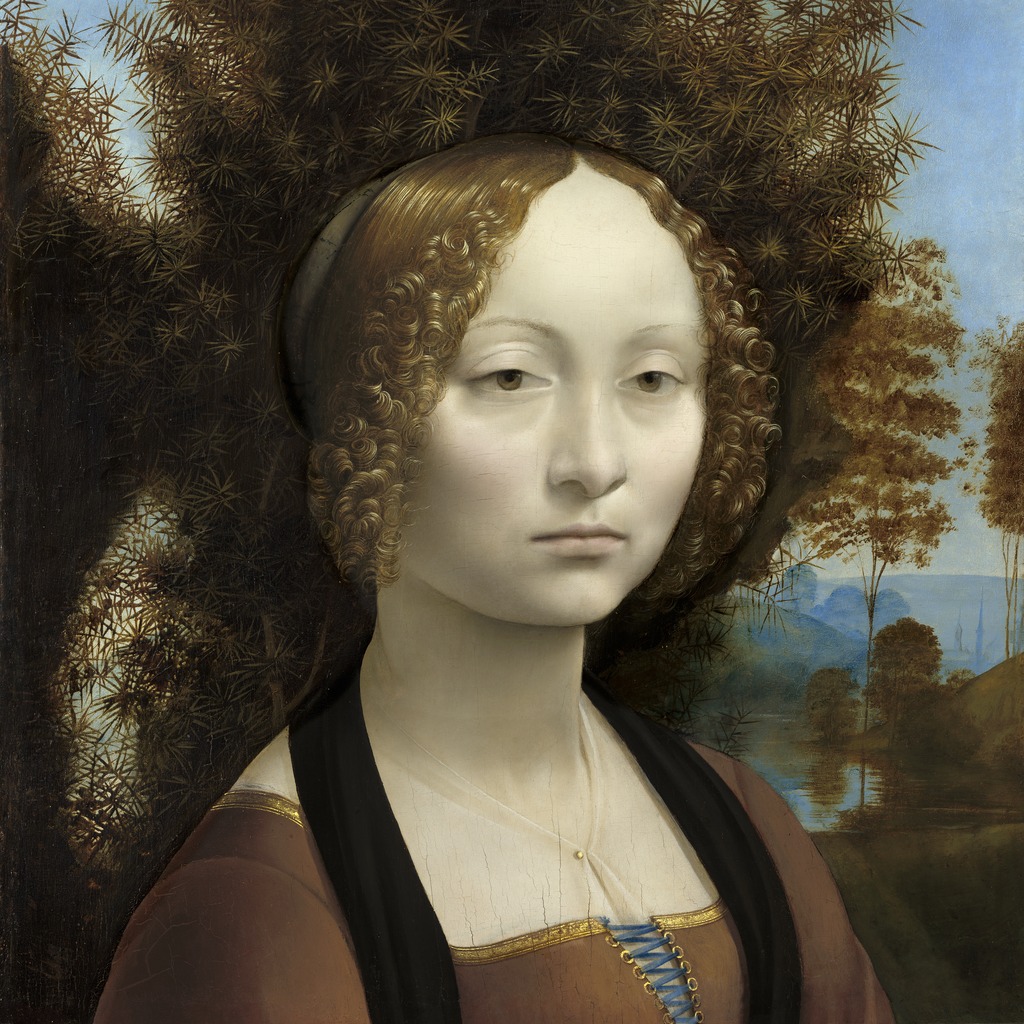 Ginevra de’ Benci
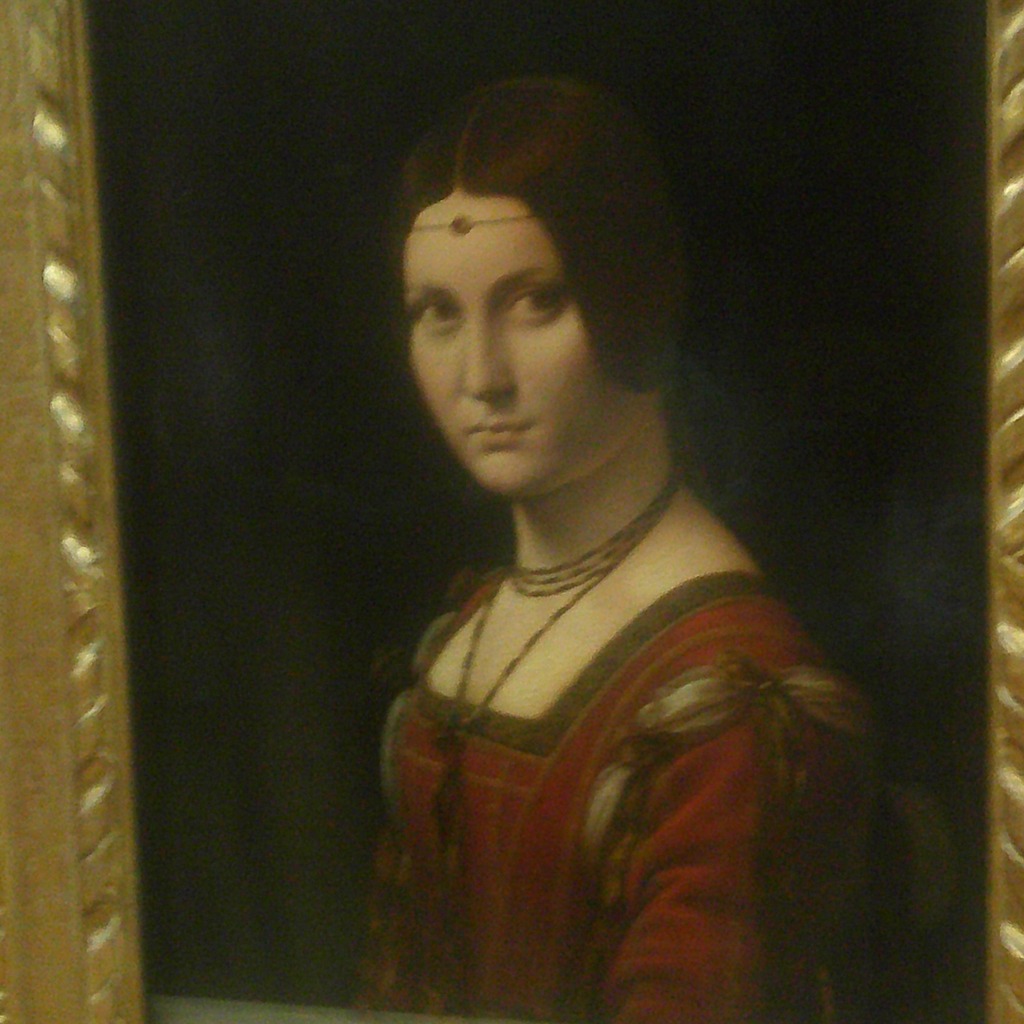 La Belle Ferronnière
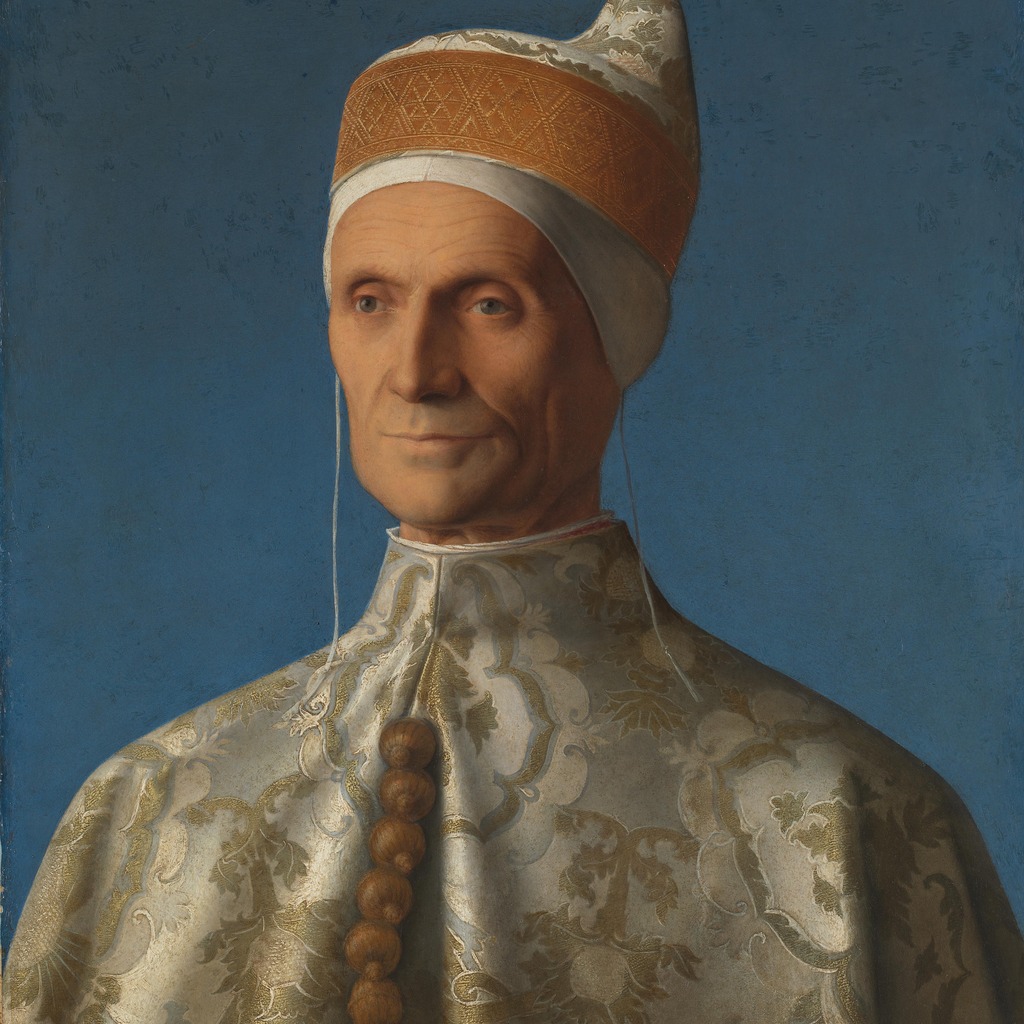 Doge Leonardo Loredan
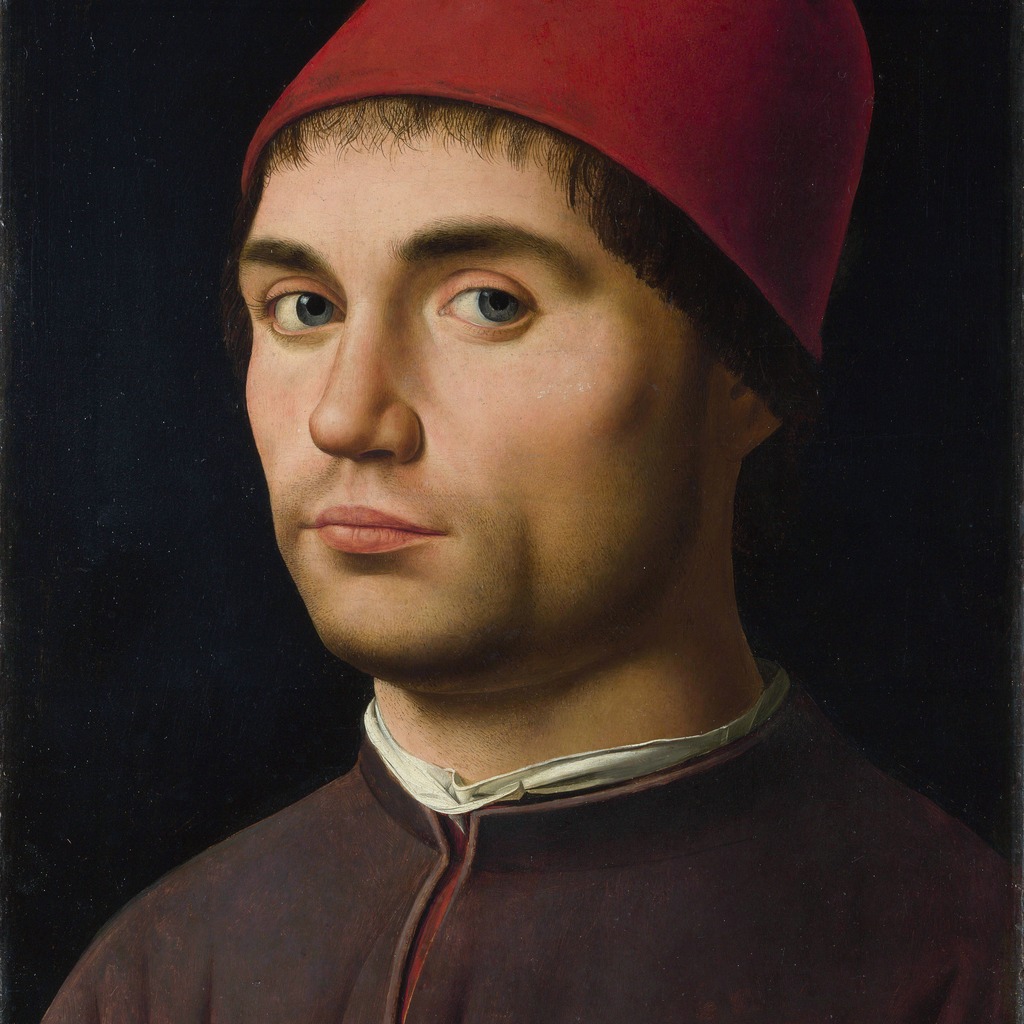 Man in a Red Cap
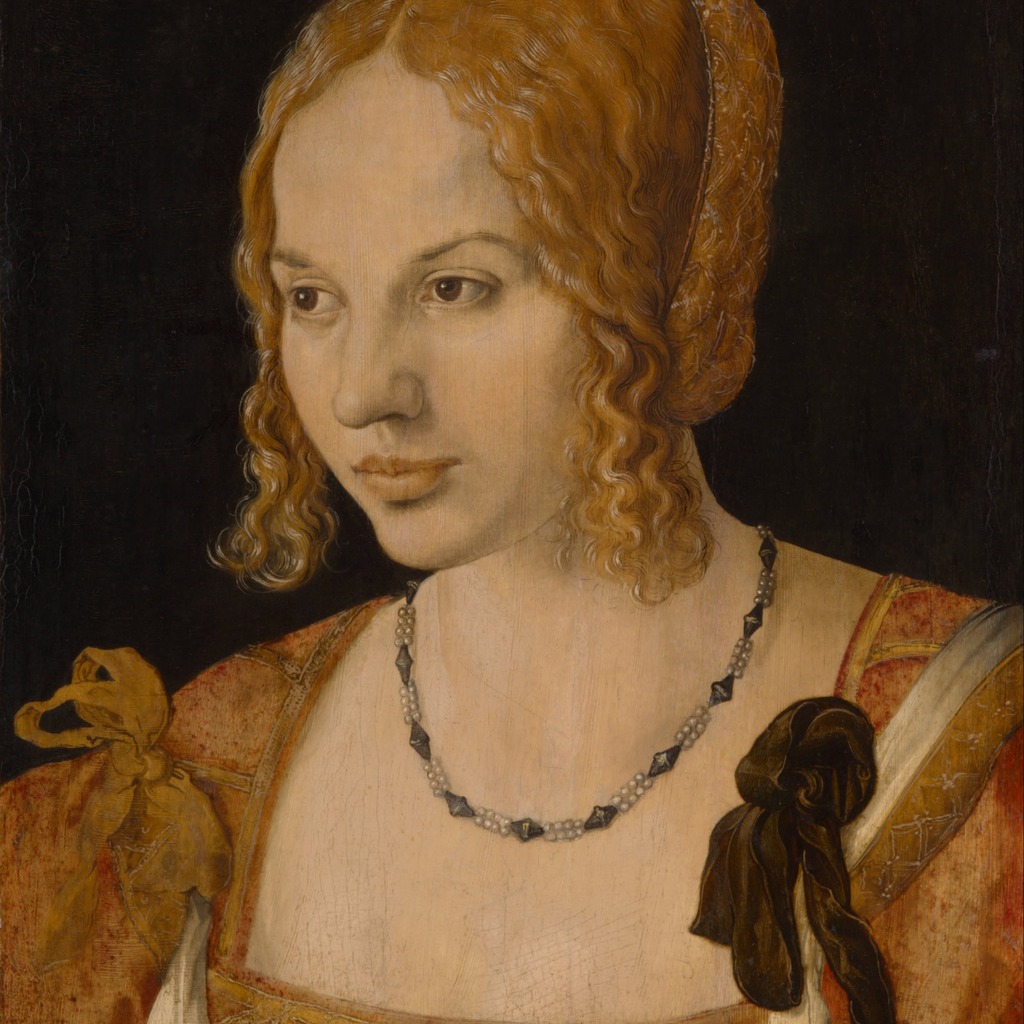 Young Venetian Woman
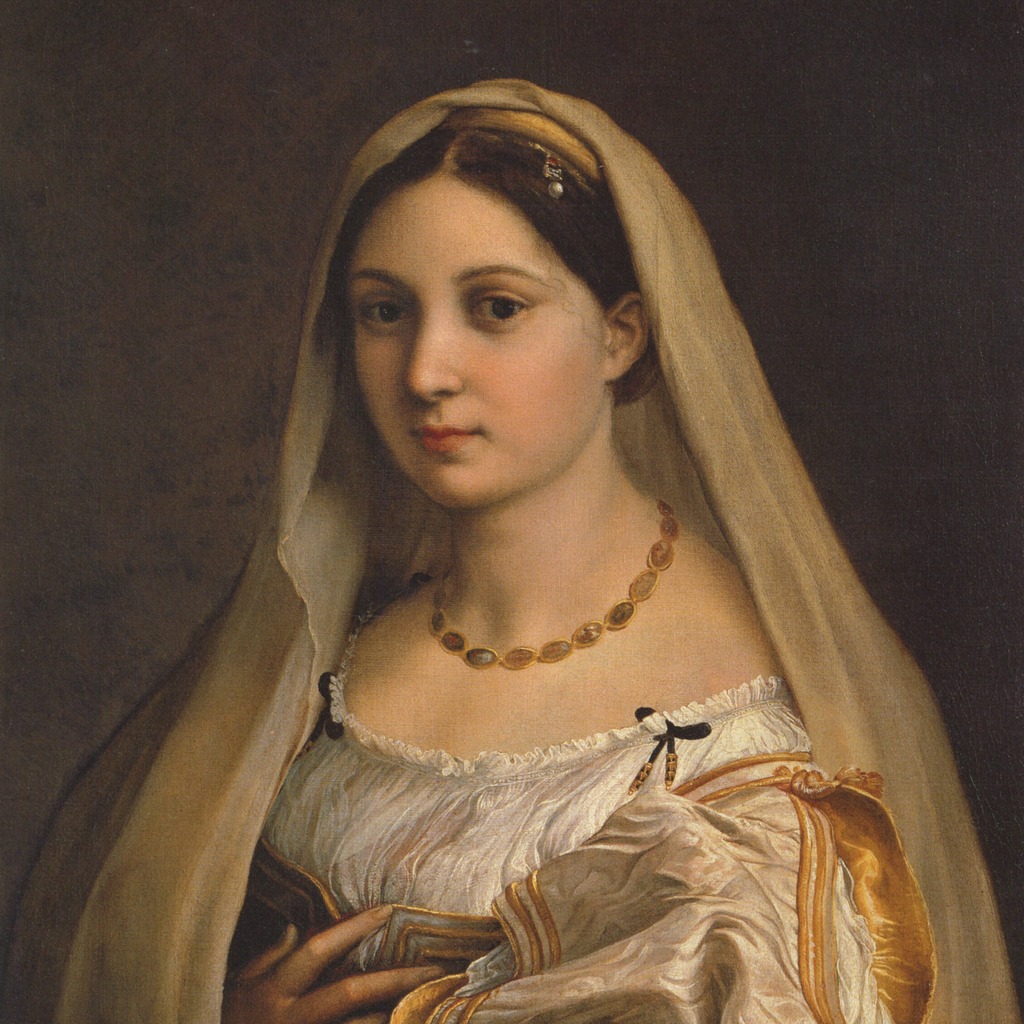 La Donna Velata
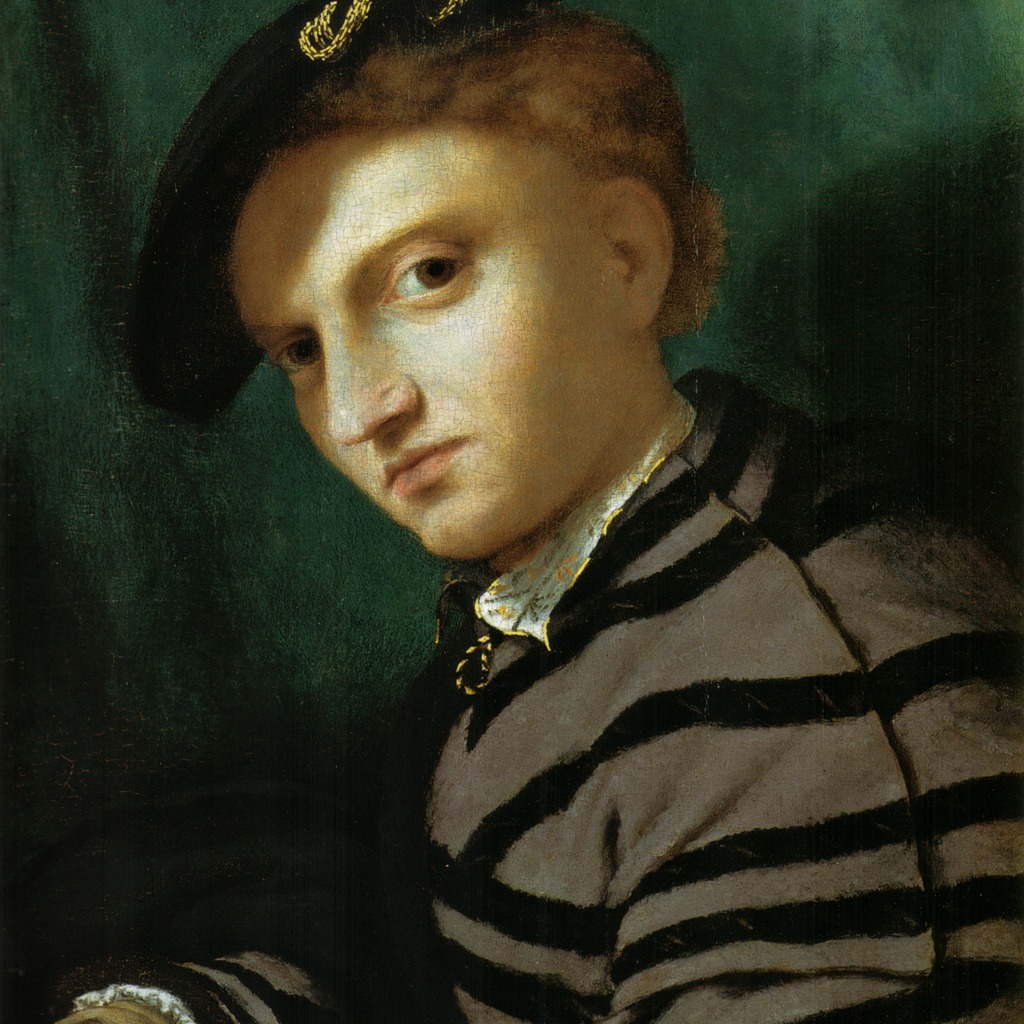 Lotto: Young Man with a Book
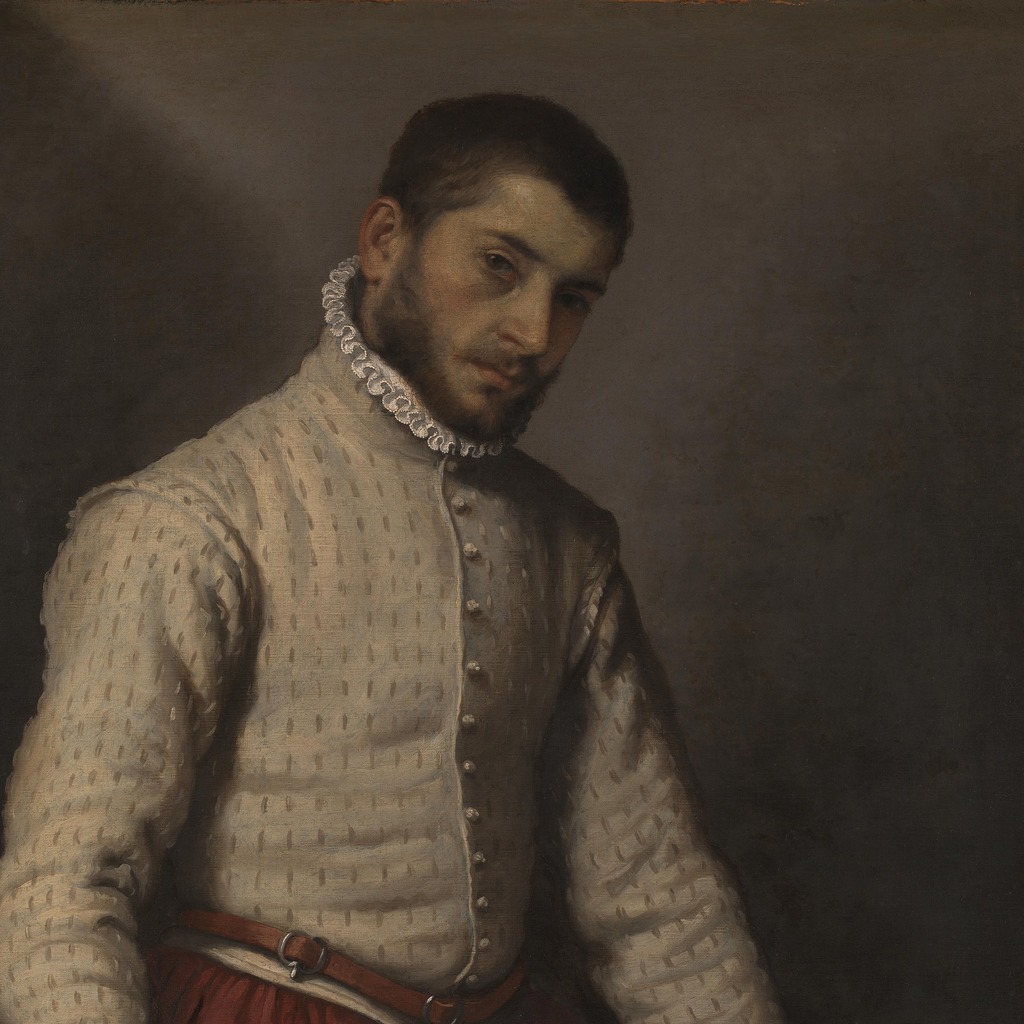 The Tailor
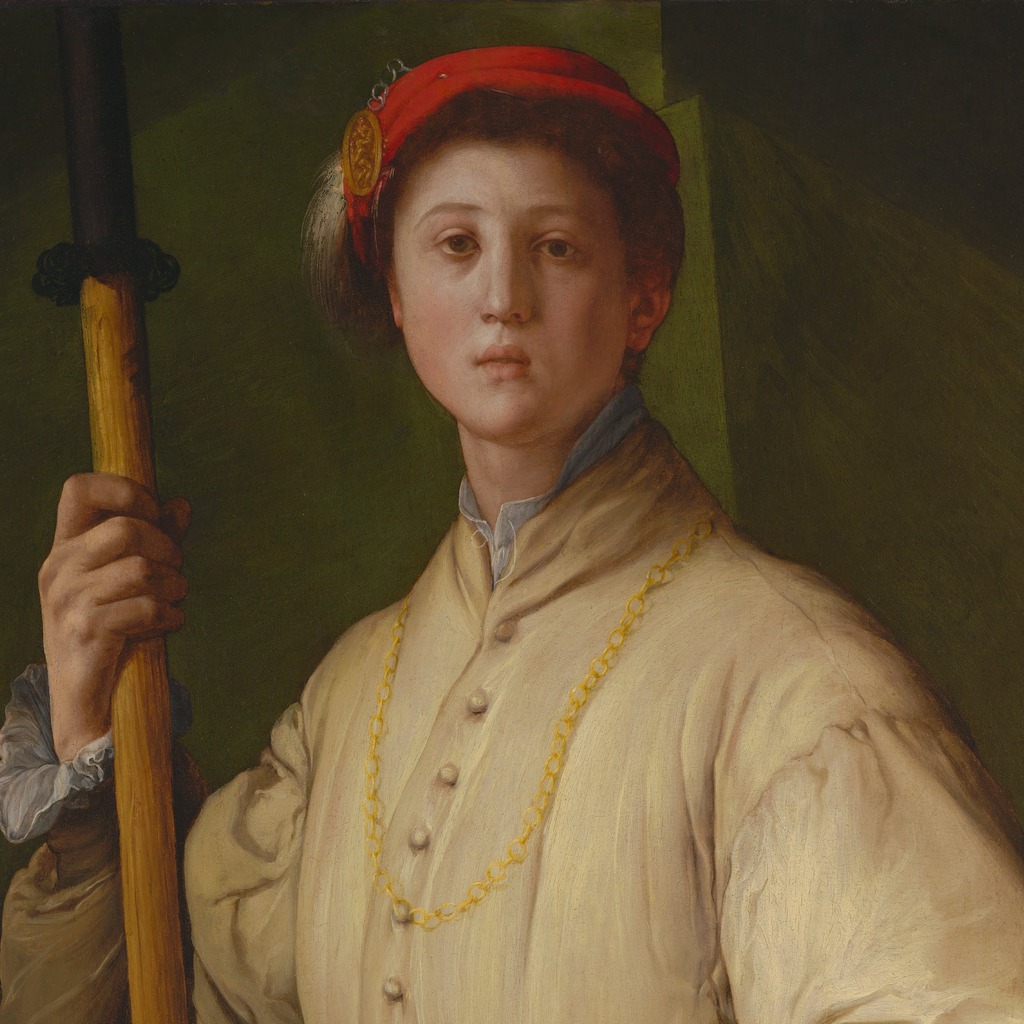 The Halberdier
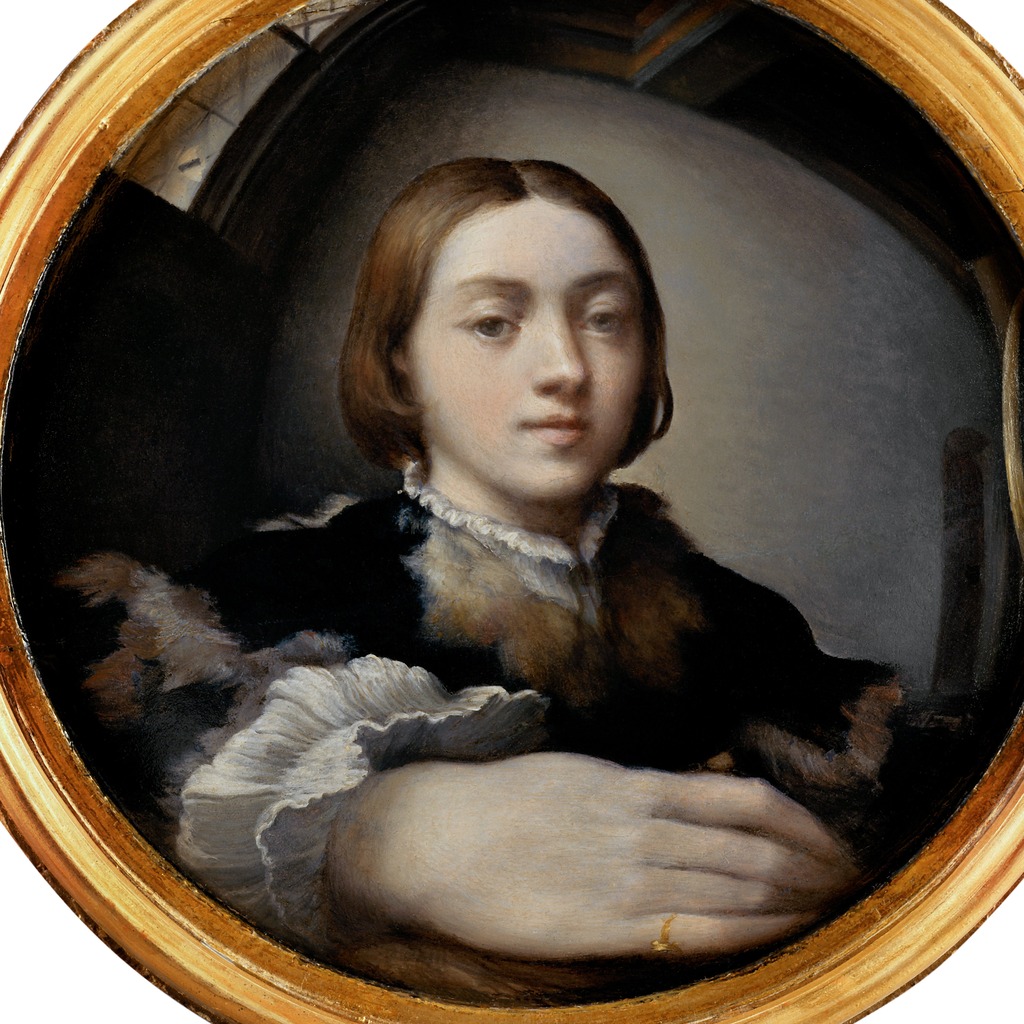 Self-Portrait in a Convex Mirror
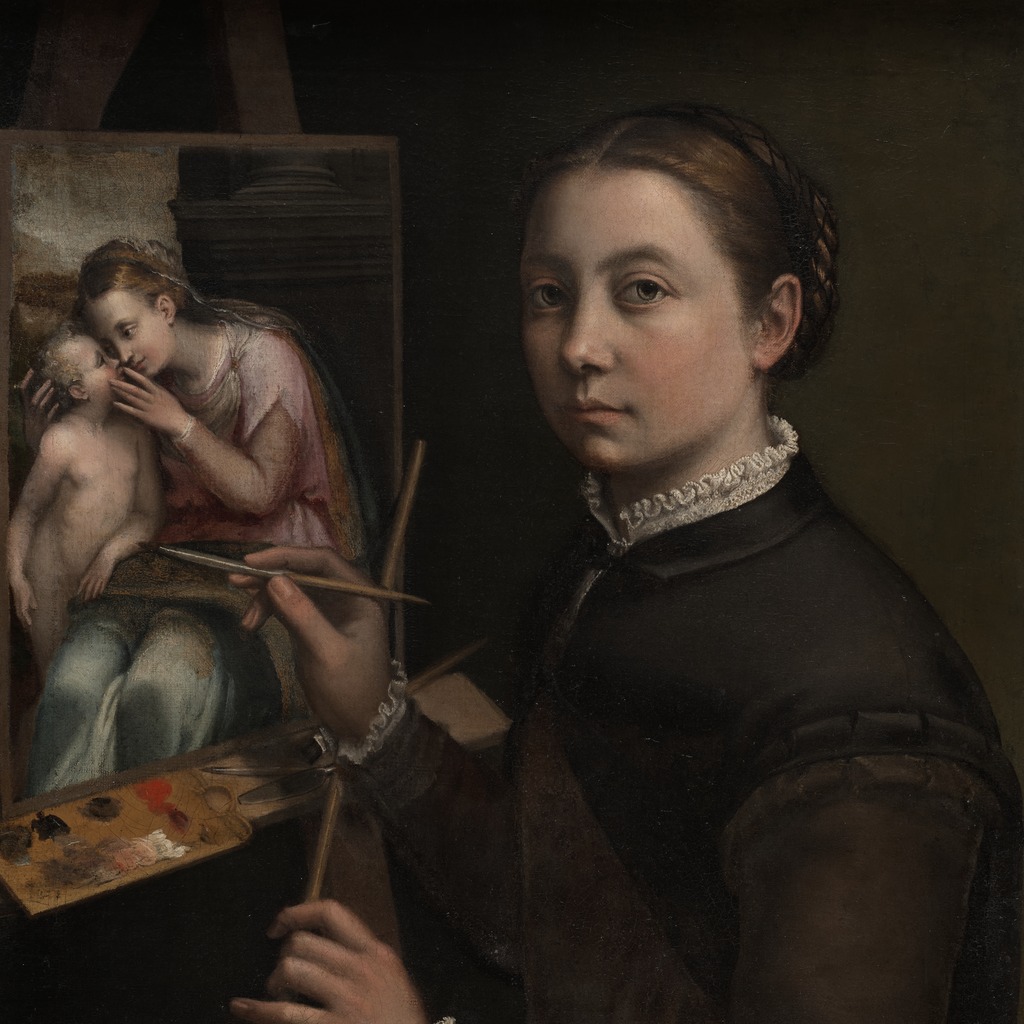 Sofonisba at the Easel
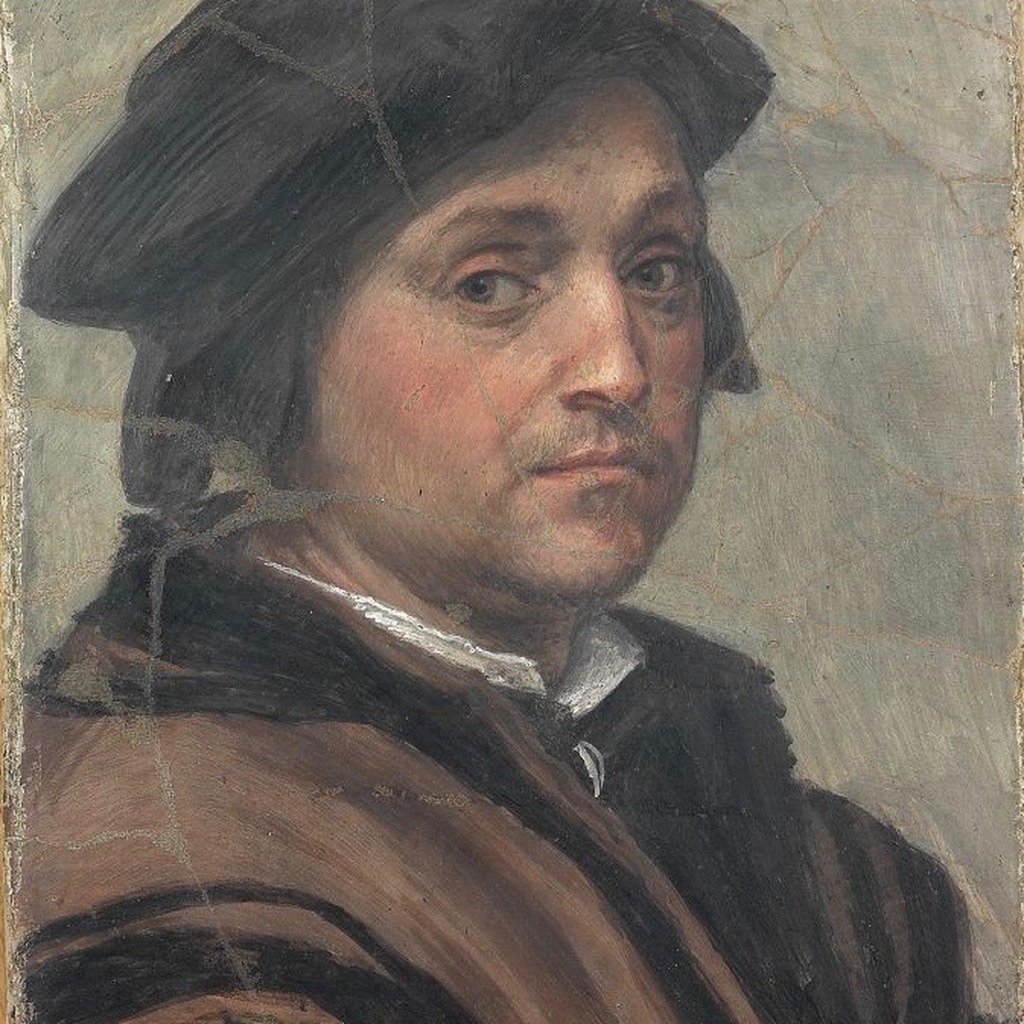 Andrea del Sarto
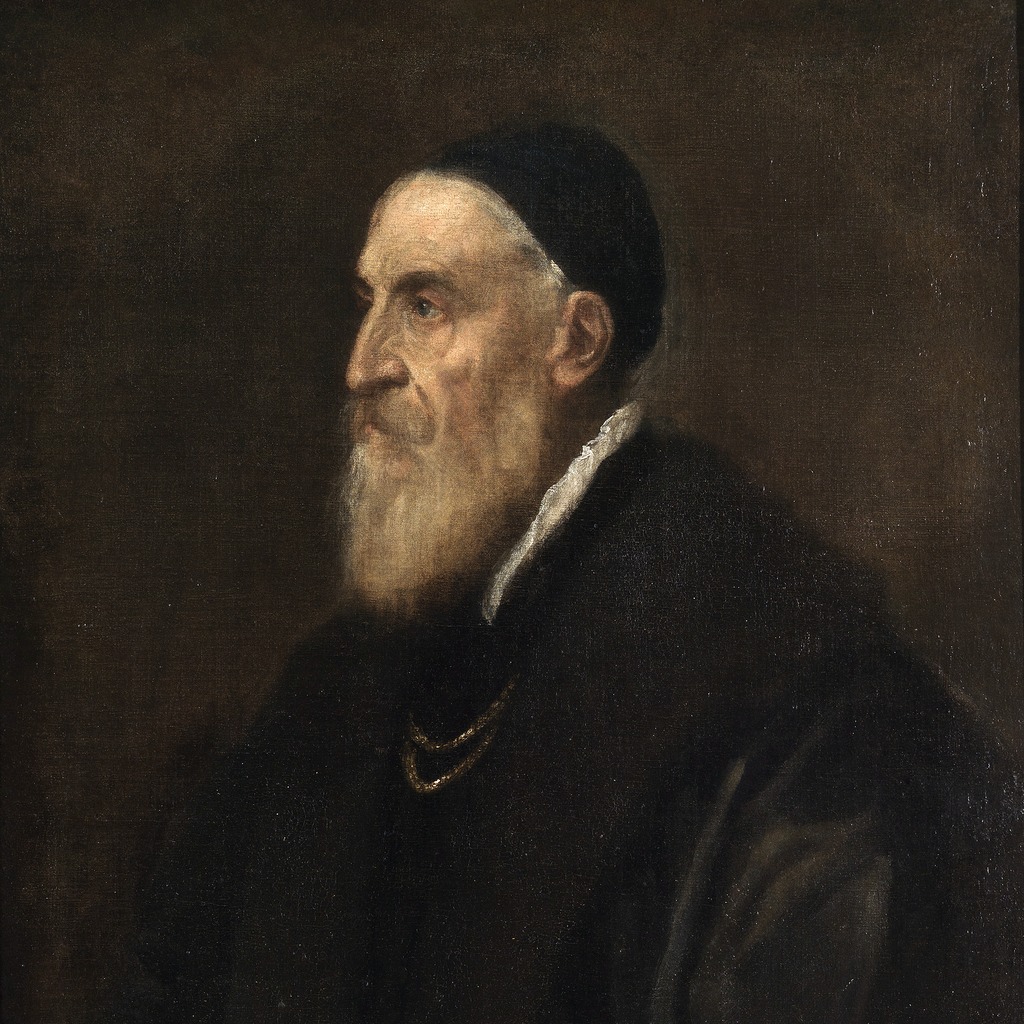 Titian
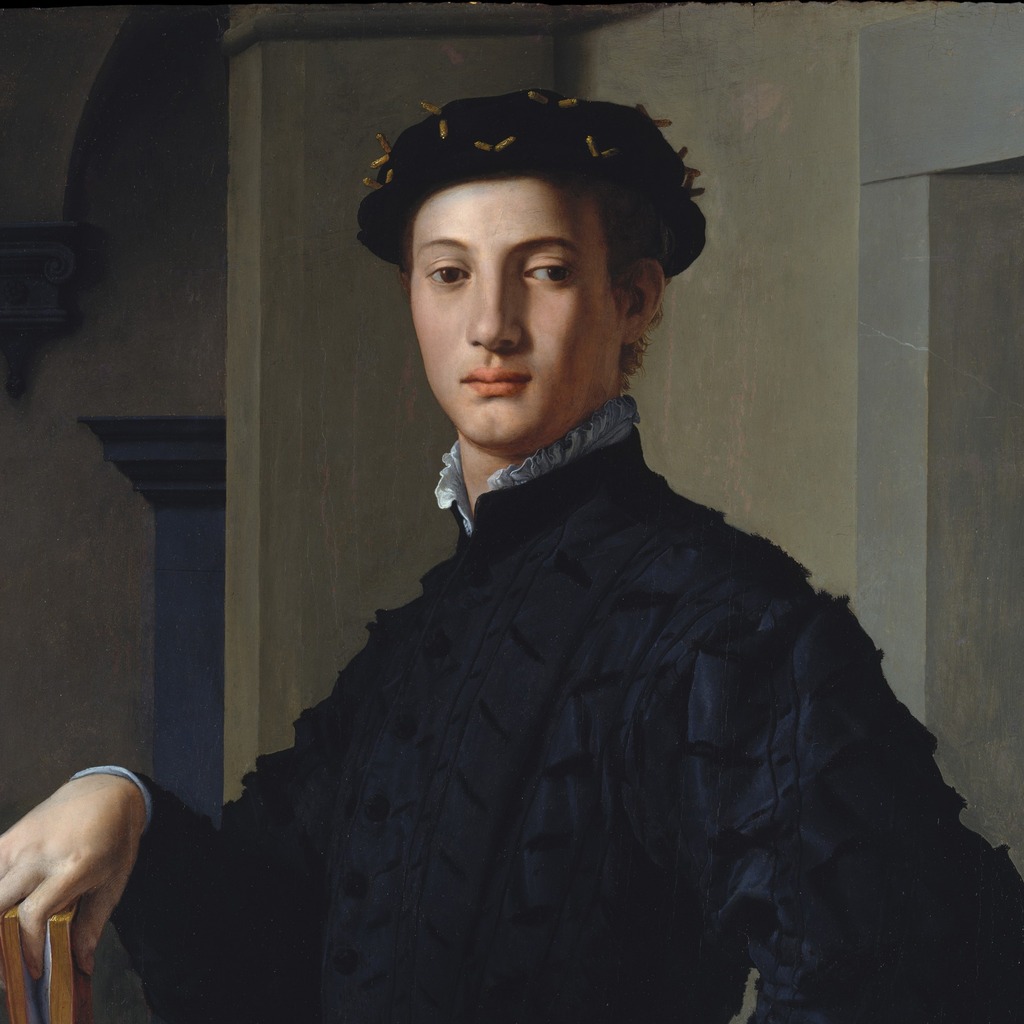 Bronzino: A Young Man
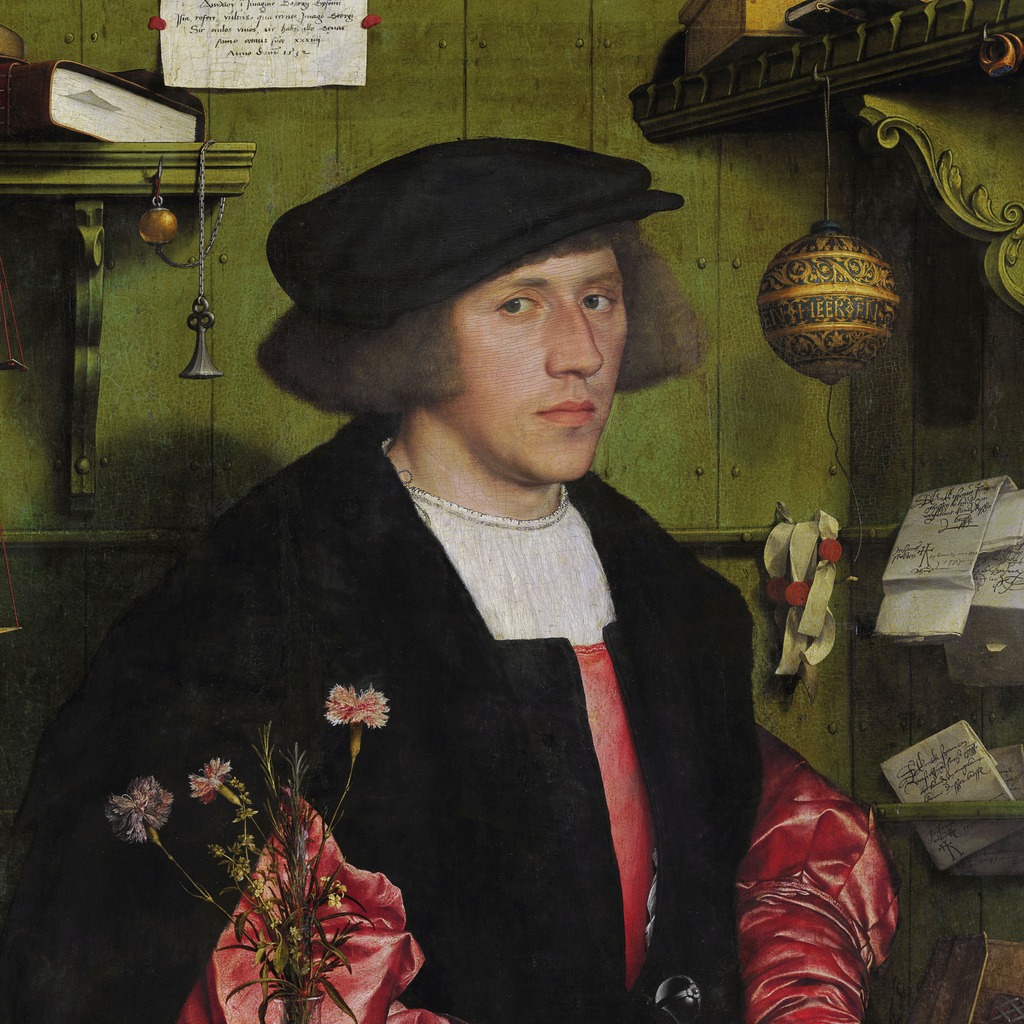 Georg Gisze
How it works
-
Take a photo
Front camera, decent light, look straight ahead. Or pick one you already have.
-
We paint you in
Your face goes into the painting, keeping its light and its brushwork. About fifteen seconds.
-
Share the link
You get a page anyone can open. No account, nothing to install.