

Making your meme…
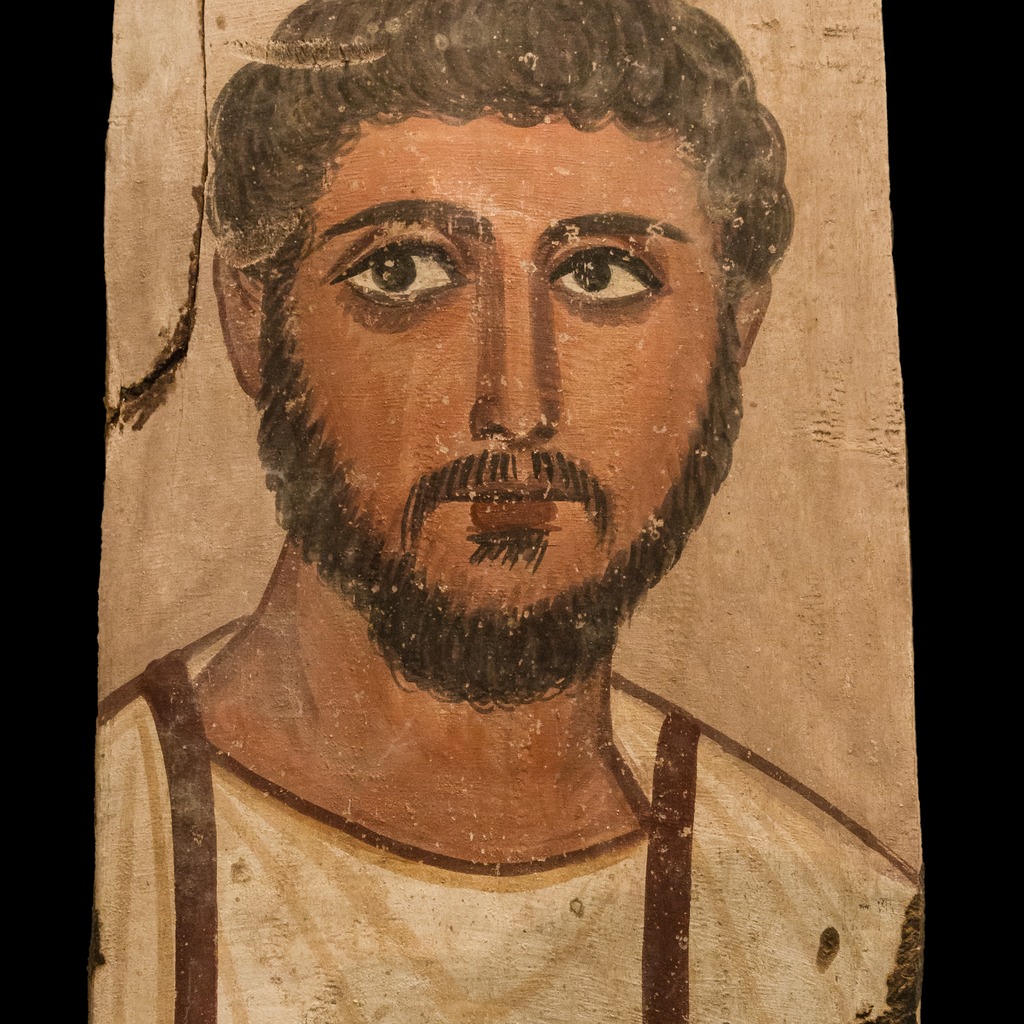
Unknown painter, Roman Egypt · 2nd century AD
Fayum Portrait of a Man face swap
A Greek-speaking Egyptian in a Roman haircut, dug out of the sand in the 1880s.
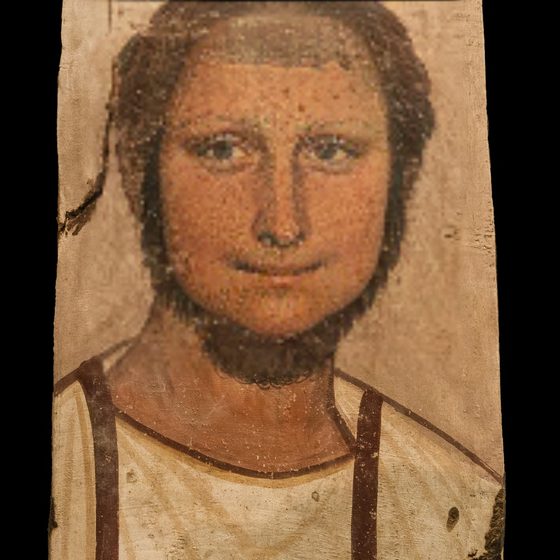
or
Under 15 seconds · no sign-up · your selfie is never stored
Or become a patron and stop counting. Already a patron? Sign in.
How it works
-
Take a photo
Front camera, decent light, look straight ahead. Or pick one you already have.
-
We paint you in
Your face goes into the painting, keeping its light and its brushwork. About fifteen seconds.
-
Share the link
You get a page anyone can open. No account, nothing to install.
Where this one comes from
Flinders Petrie excavated cemeteries in the Faiyum in 1888 and found painted boards still attached to wrapped bodies, in quantities nobody had expected. They went into museums across Europe within a few years, and this one is in the National Archaeological Museum in Athens. The people in them were buried by Egyptian rites, wrote in Greek, and cut their hair the way the emperor did.
What is in the picture
A short military-looking crop, a trimmed beard, a white tunic with a clavus stripe at the shoulder, and a steady unsmiling look directed slightly past you. The style of the hair and beard is the thing archaeologists date these by: fashion at the imperial court reached the provinces within a few years, so a haircut here pins the board to a reign. Under all of it, the body was mummified according to rites that had been performed in that valley for three thousand years.
When people use it
For a passport photo that outlived the country that issued it. It suits identity documents, profile pictures and jokes about how little the format has changed.
How your face lands in it
Frontal, symmetrical and filling most of the board, with soft even light and no obstruction. It is one of the simplest targets here. The short hair and beard mean your own head shape carries almost the whole result, so a straight-on photograph in flat light is worth taking care over.
Mummy portrait of a man — Unknown painter, Roman Egypt, 2nd century AD. The panel is roughly eighteen centuries old and therefore in the public domain, and the museum released its photograph of it under the CC0 public domain dedication. Source

Also in: Paintings · Fayum portraits
More paintings
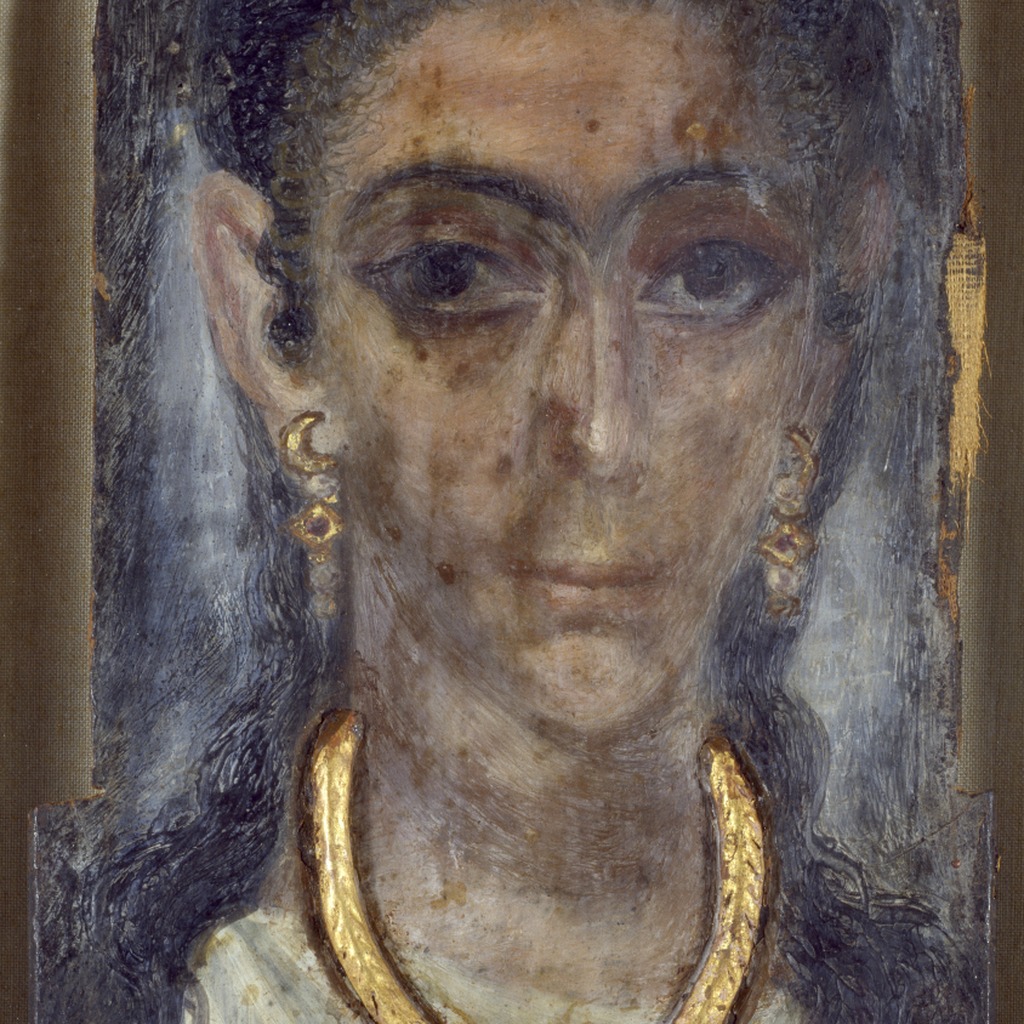 Fayum Portrait of a Woman
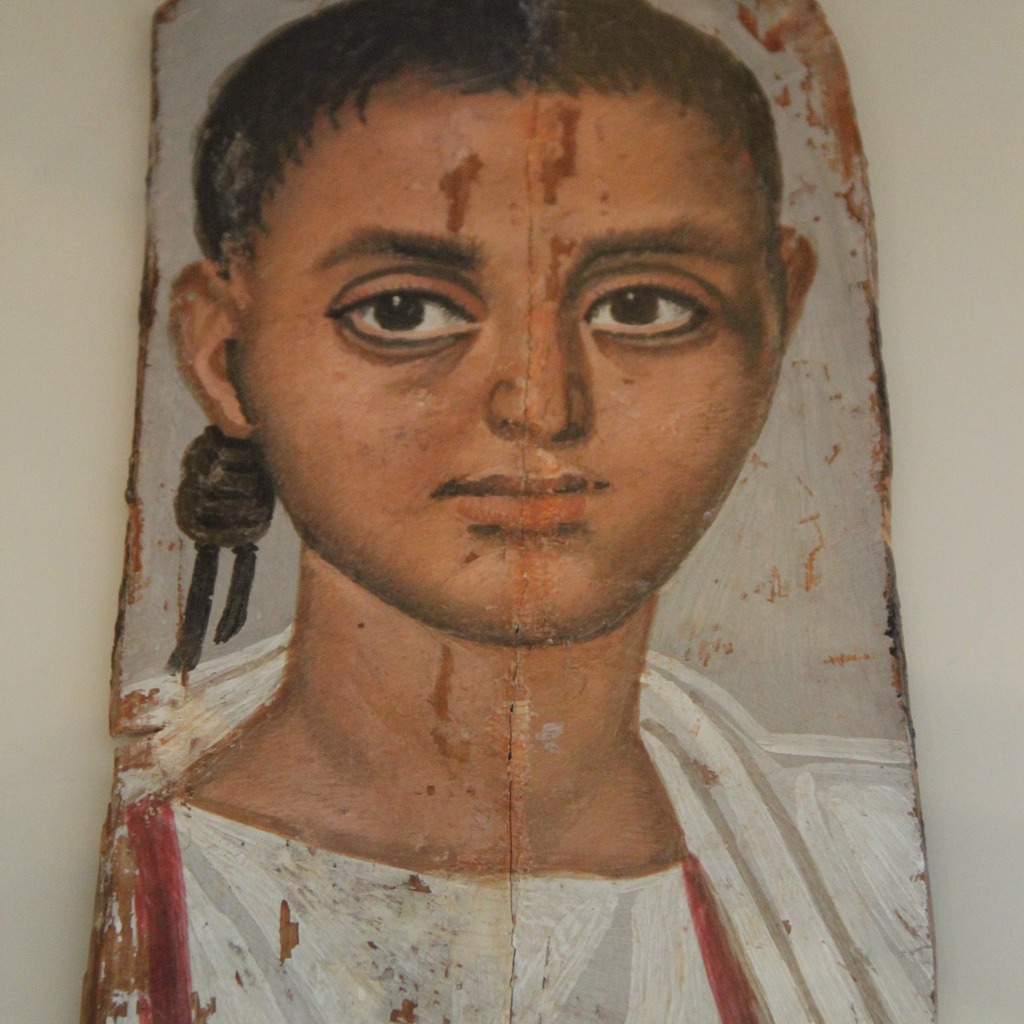 Fayum Portrait of a Boy
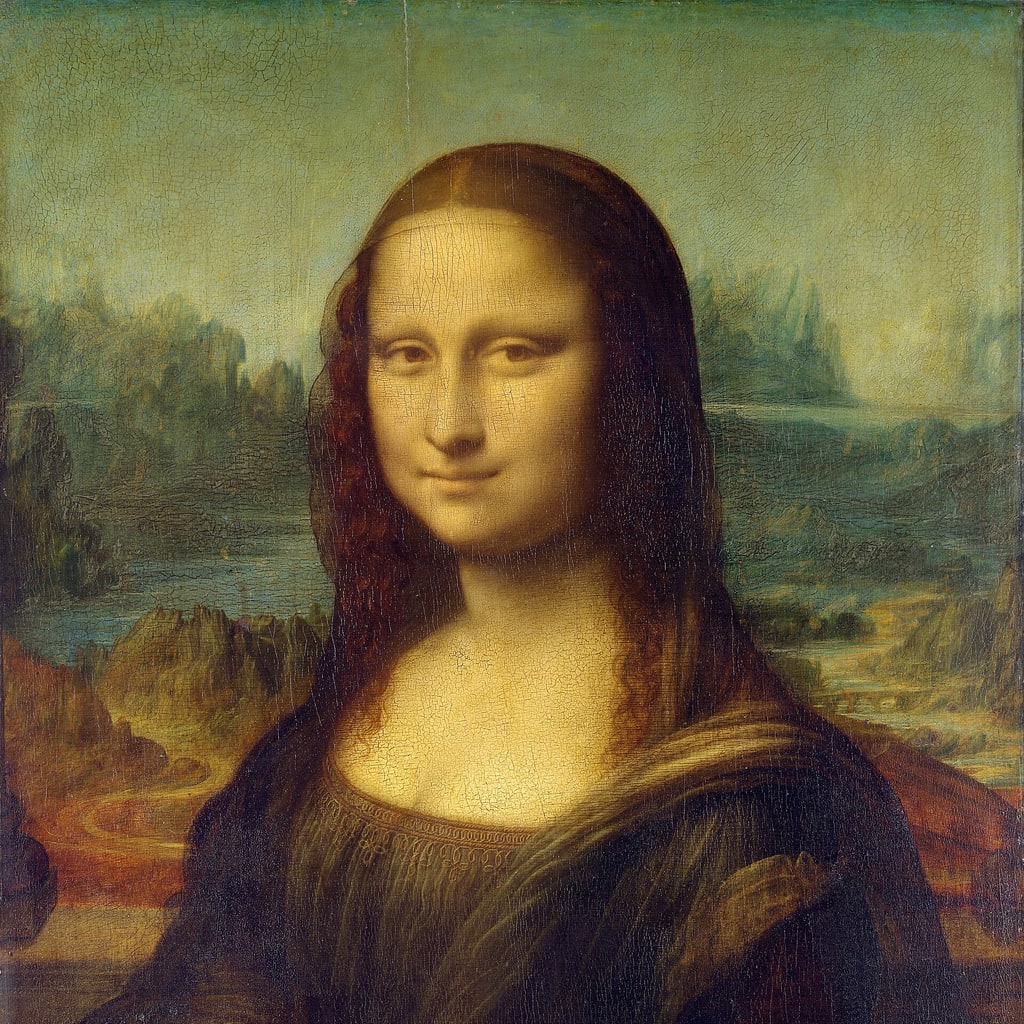 Mona Lisa
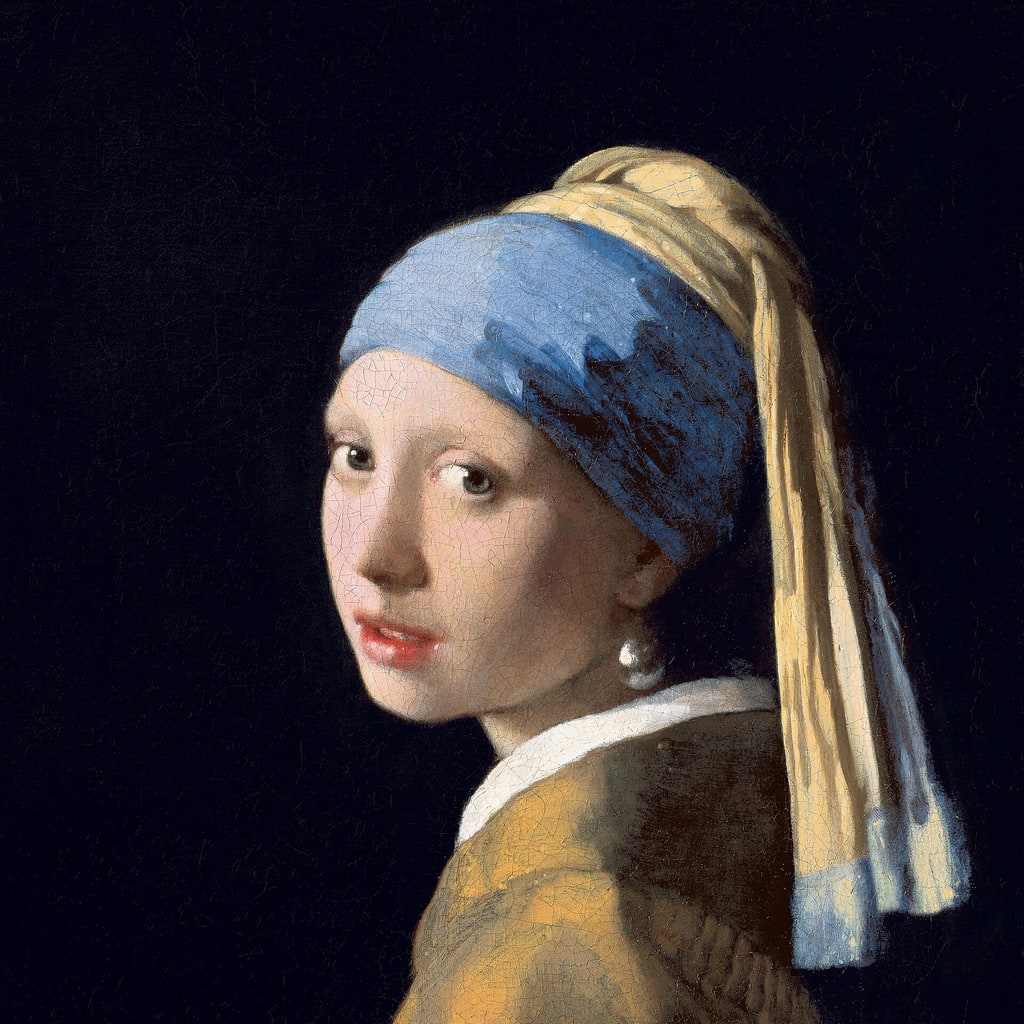 Girl with a Pearl Earring
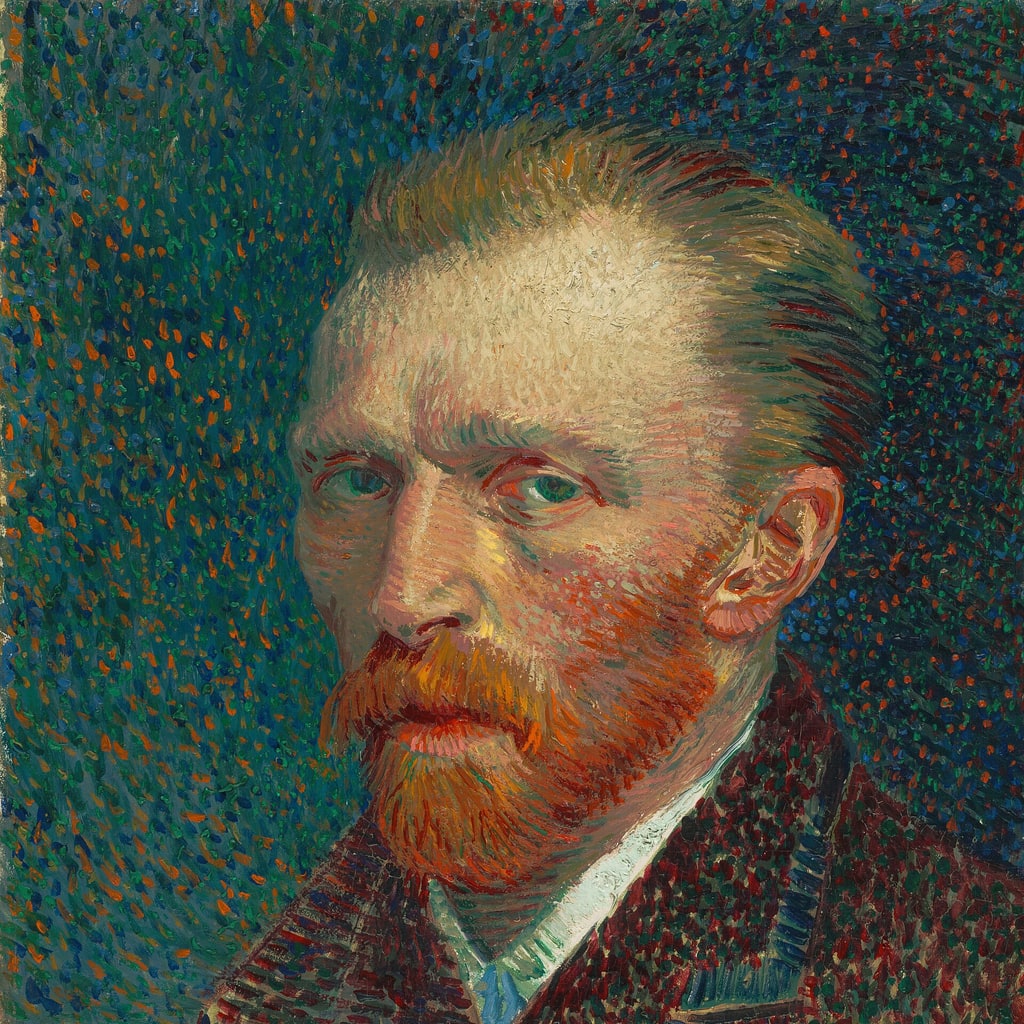 Van Gogh Self-Portrait
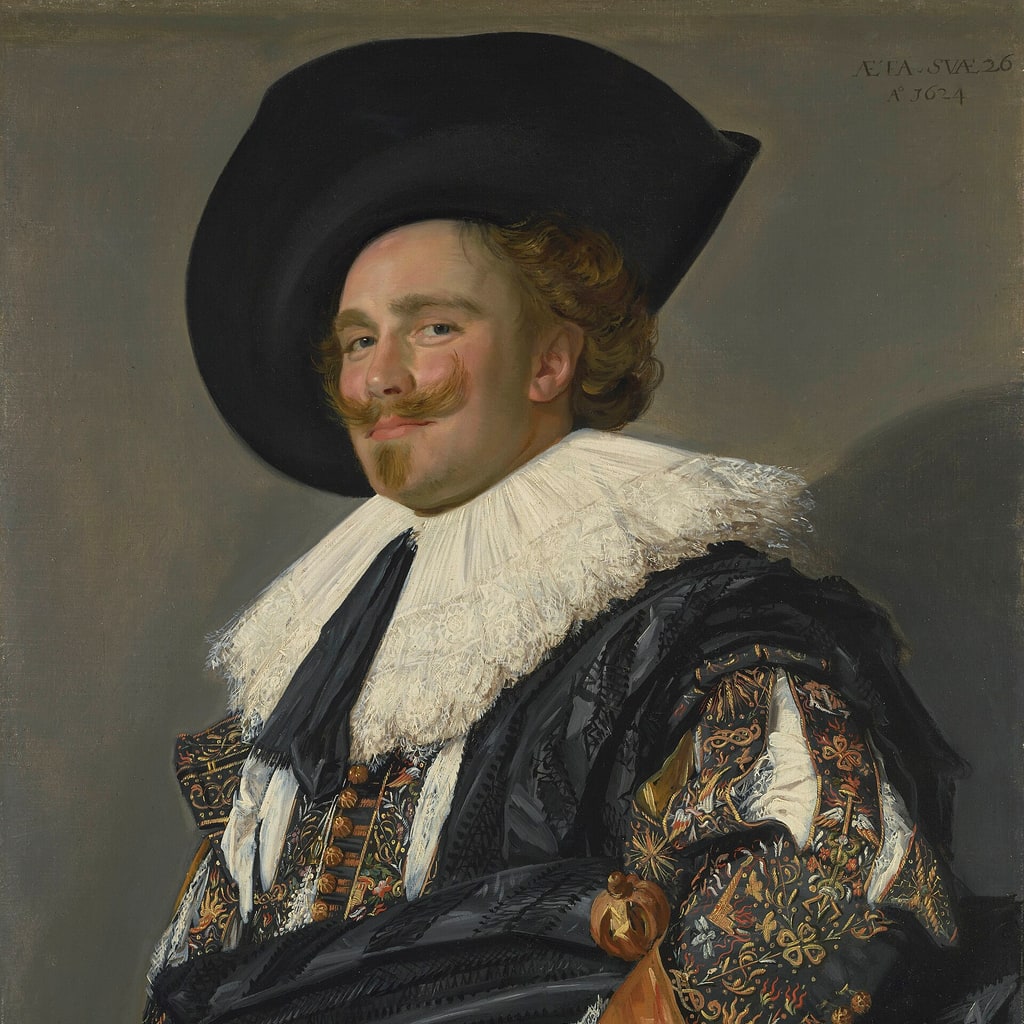 The Laughing Cavalier
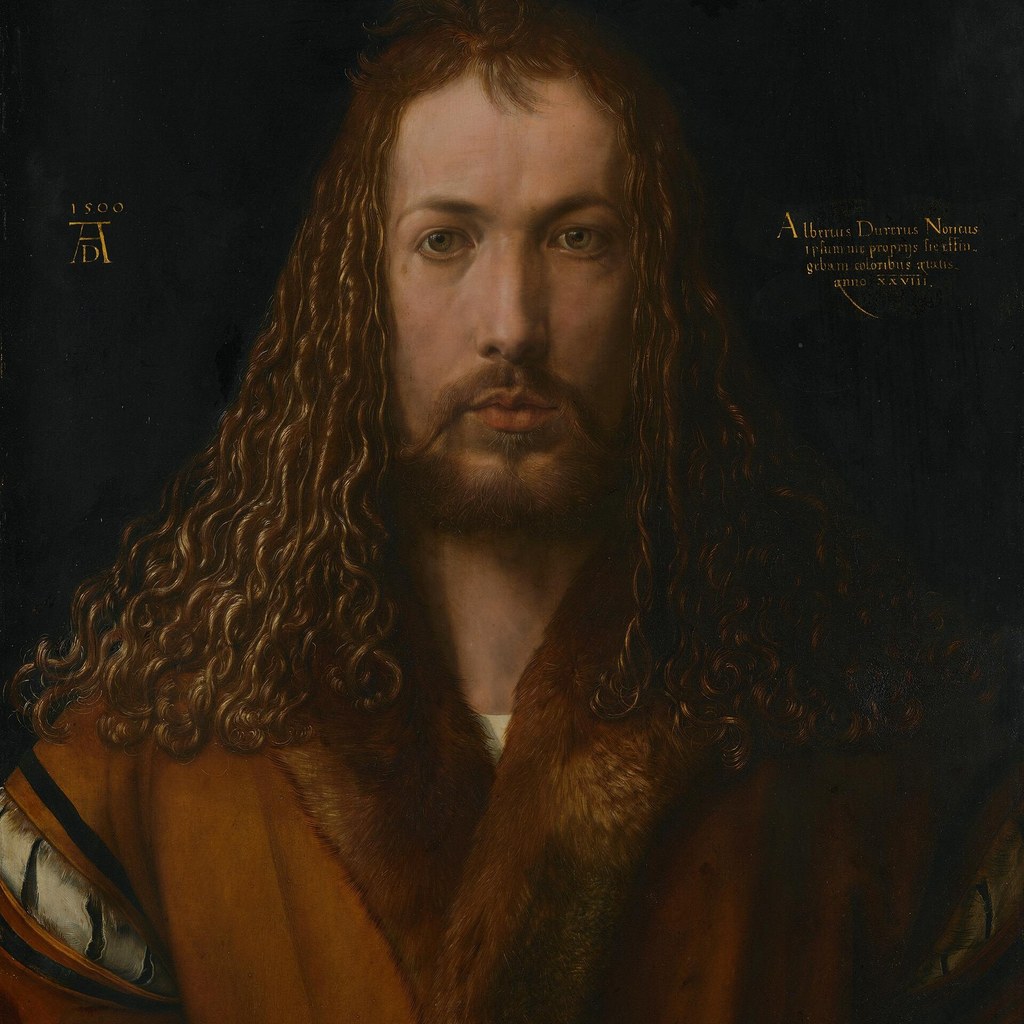 Dürer's Self-Portrait
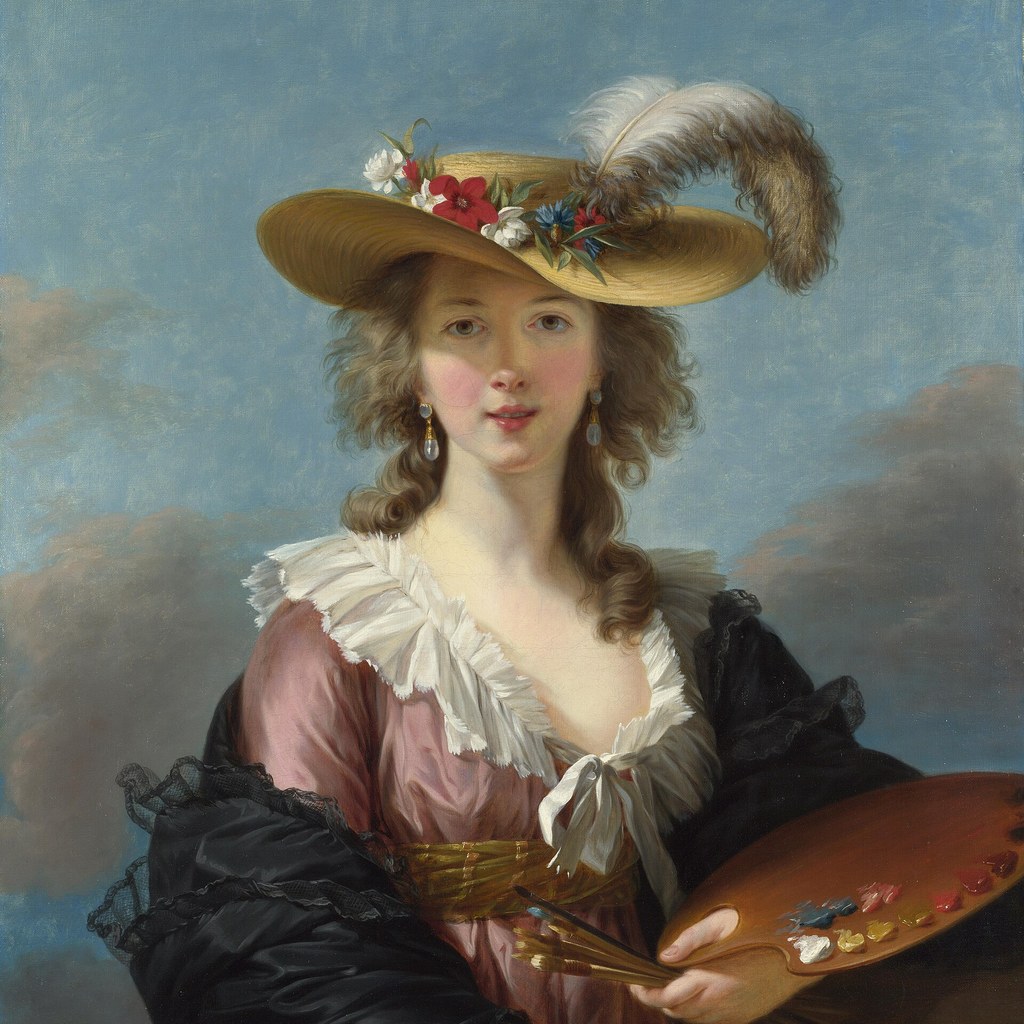 Self-Portrait in a Straw Hat
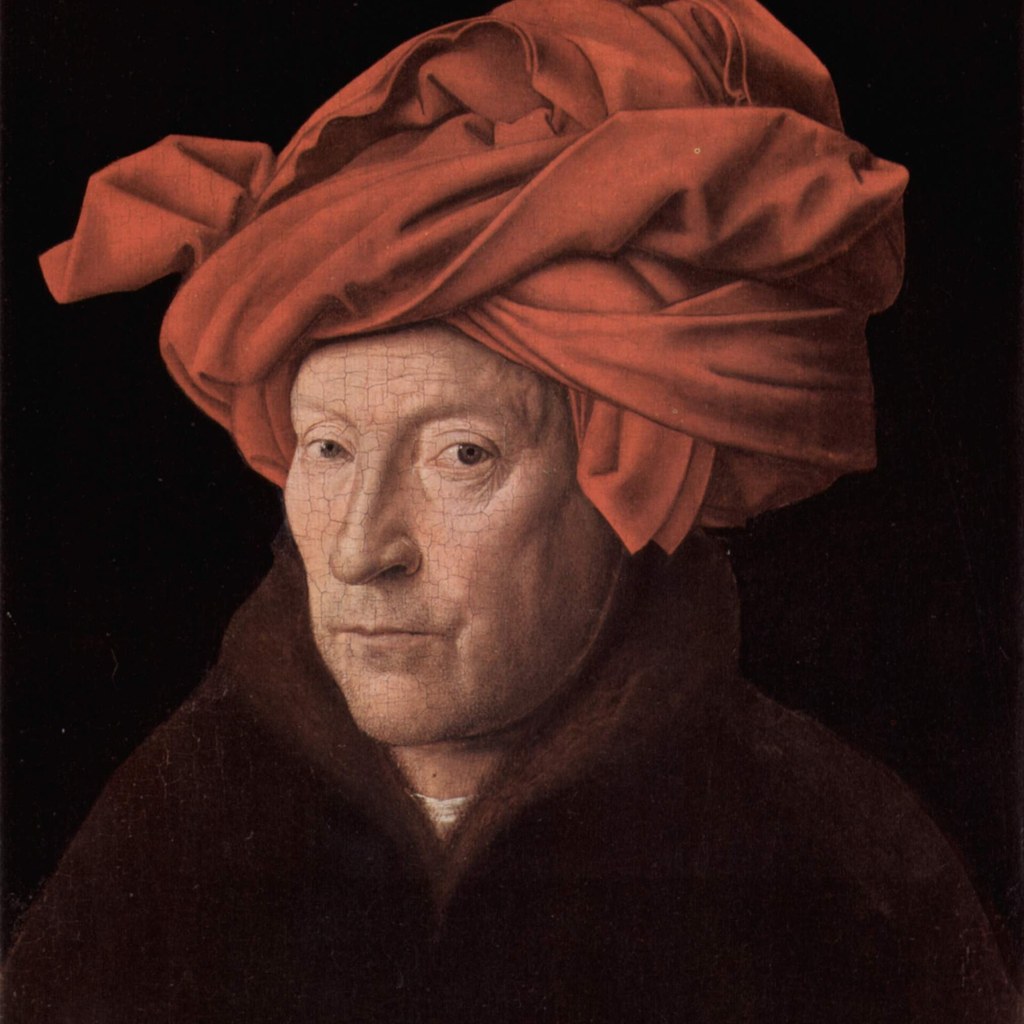 Man in a Red Turban
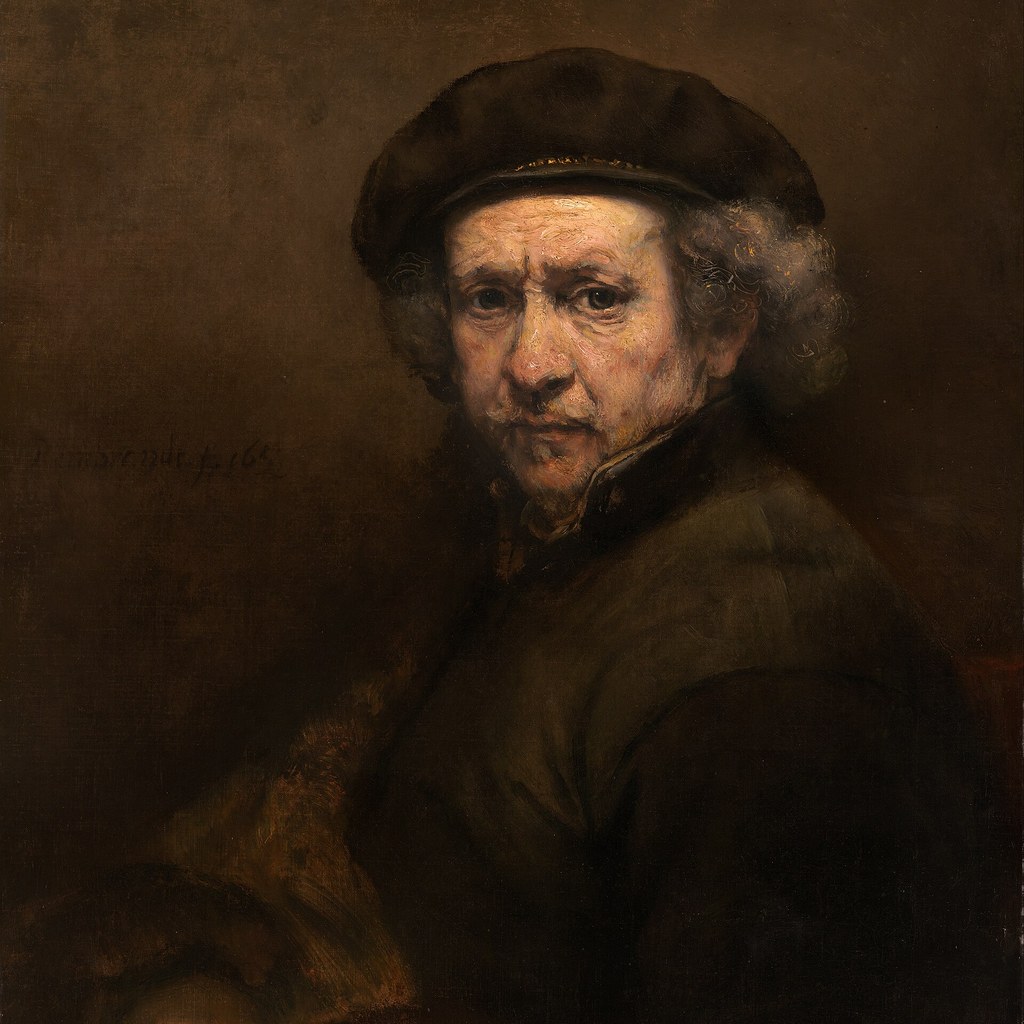 Rembrandt's Self-Portrait
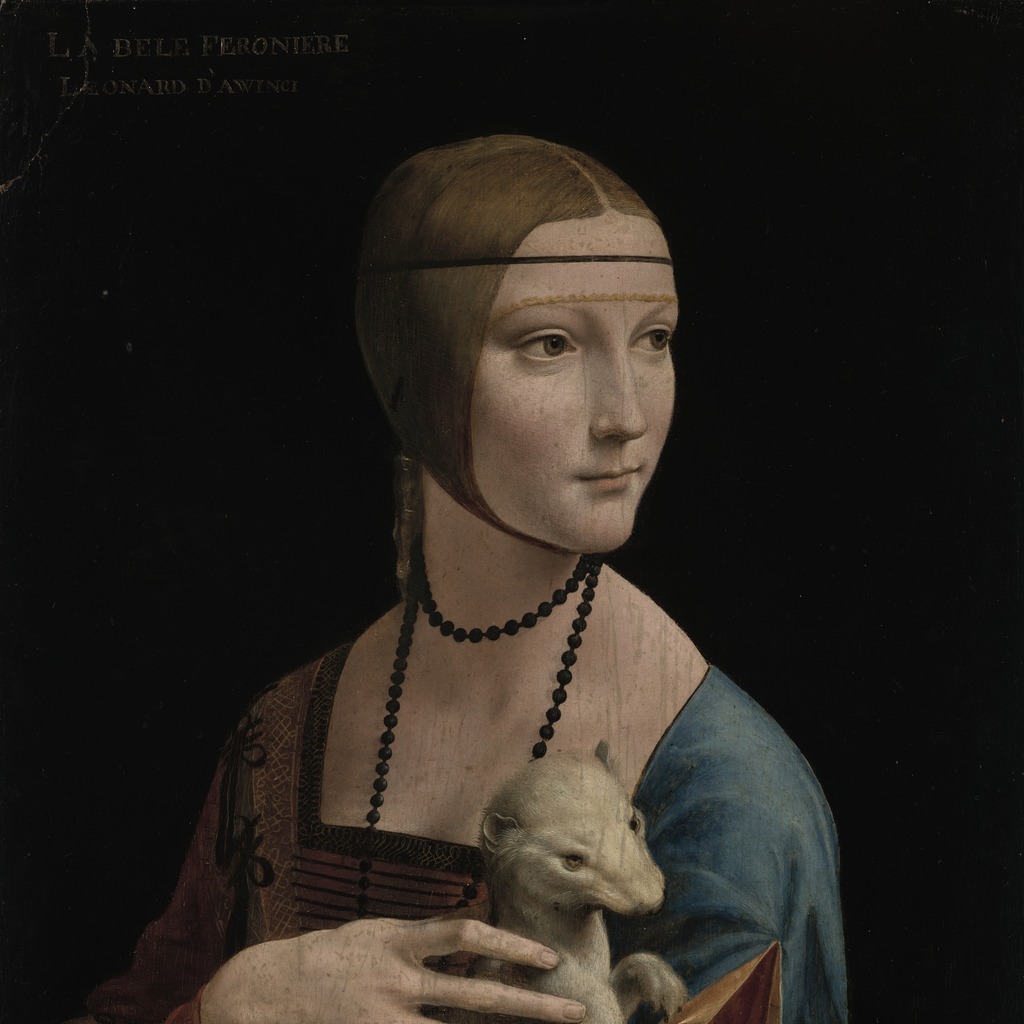 Lady with an Ermine
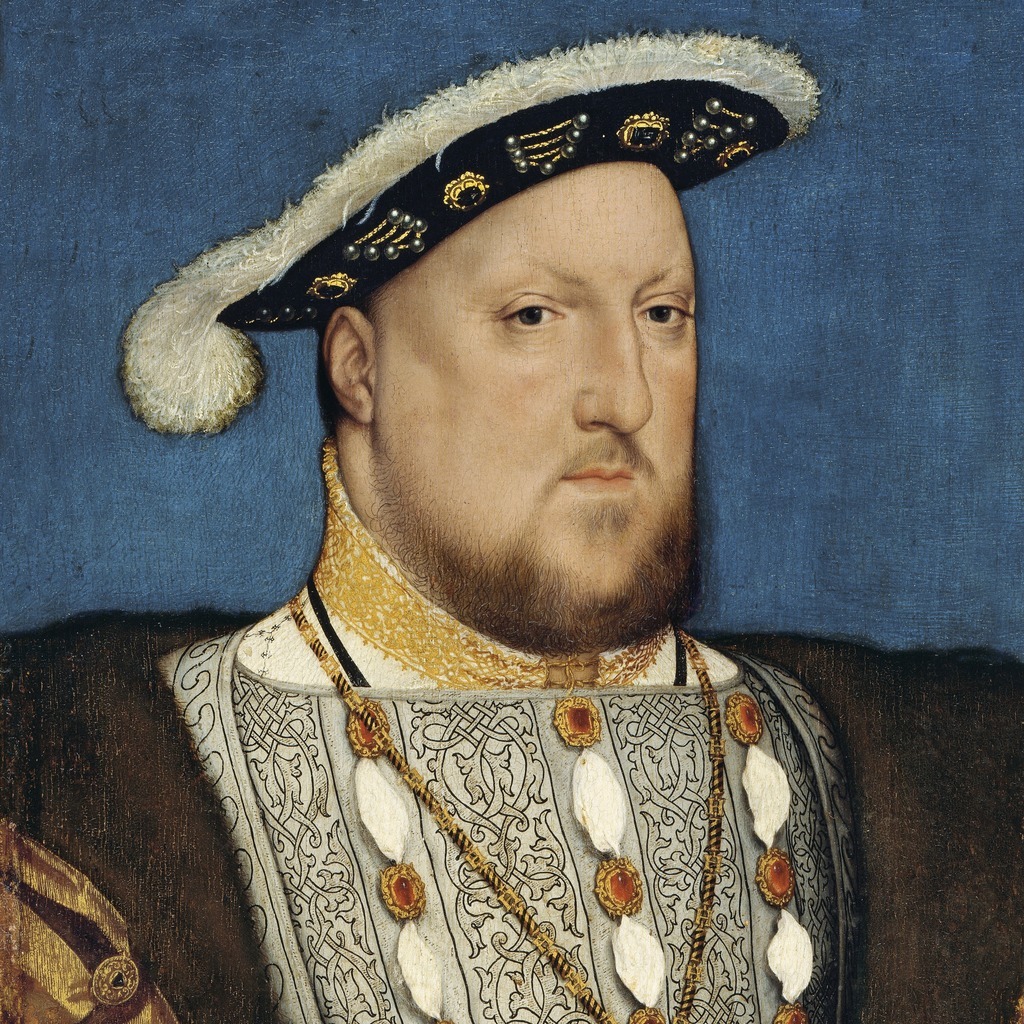 Henry VIII
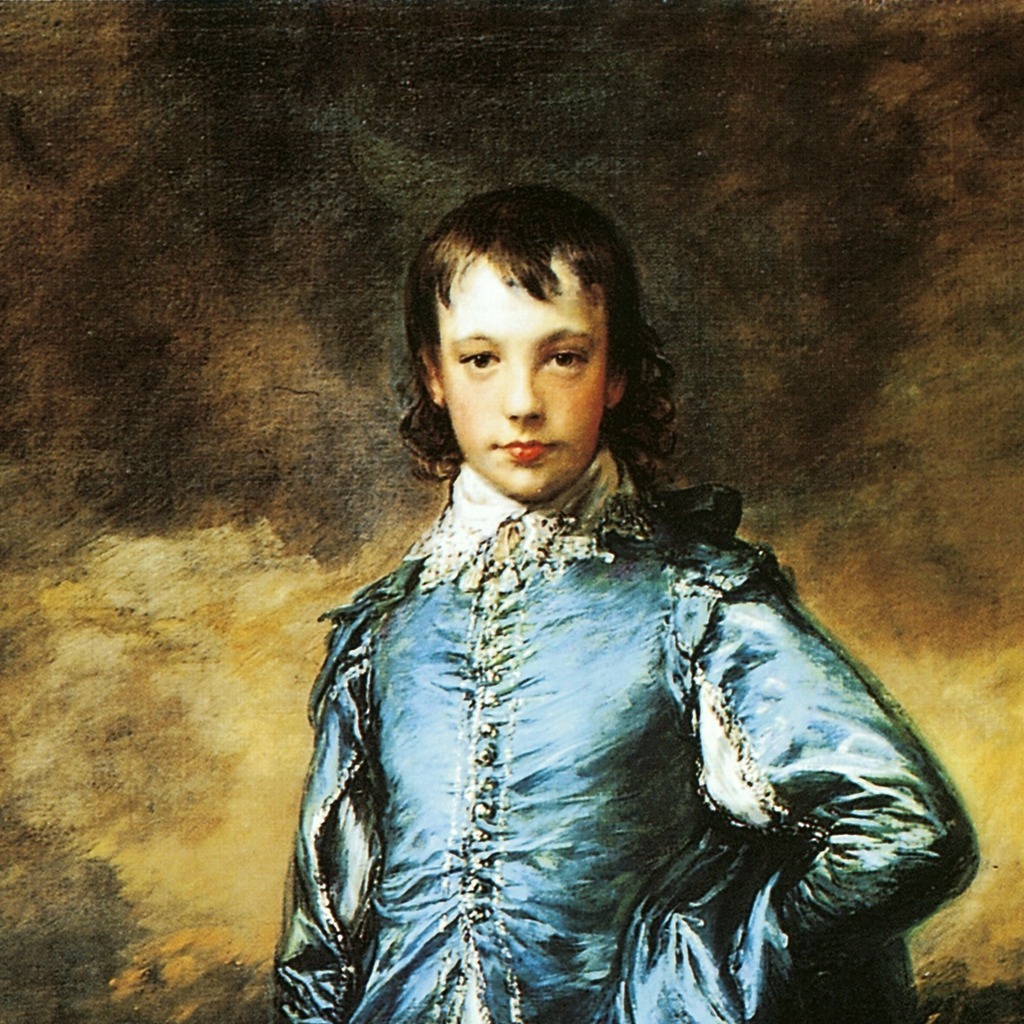 The Blue Boy
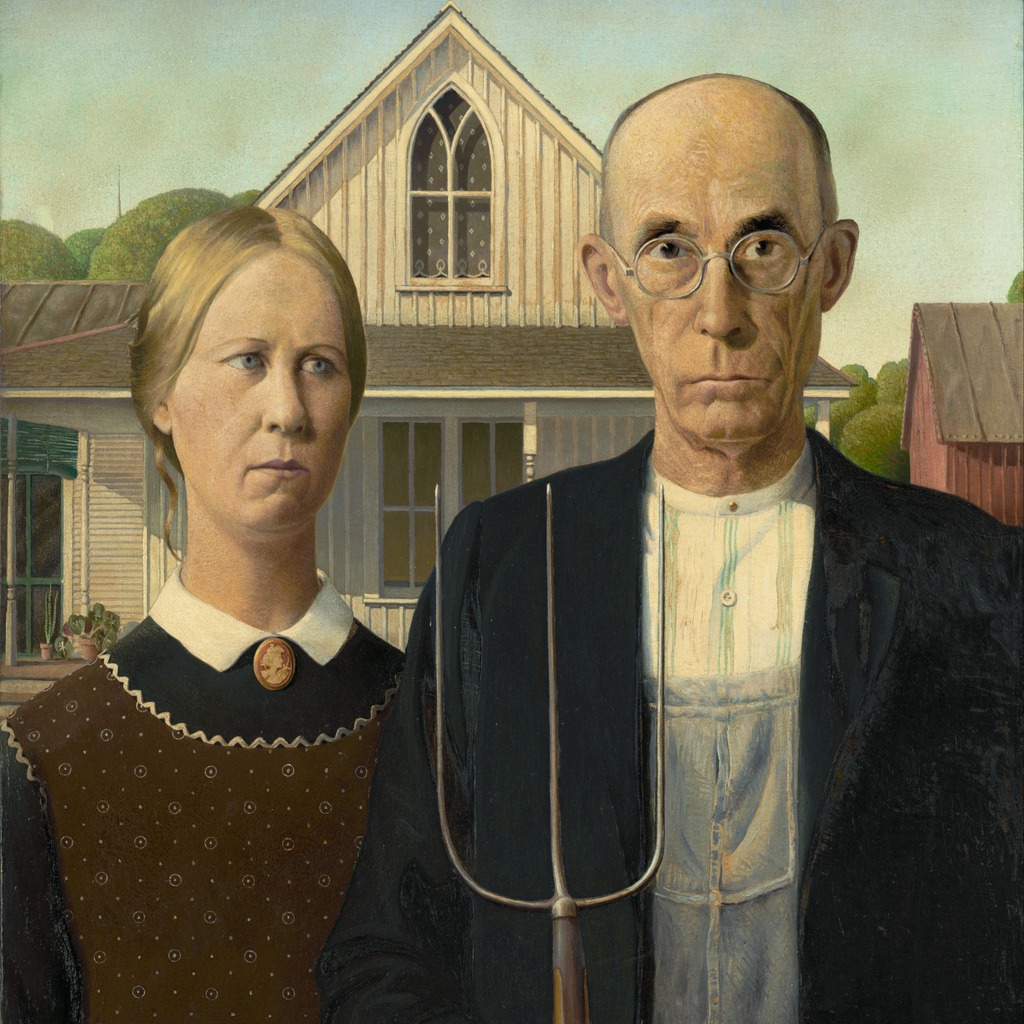 American Gothic
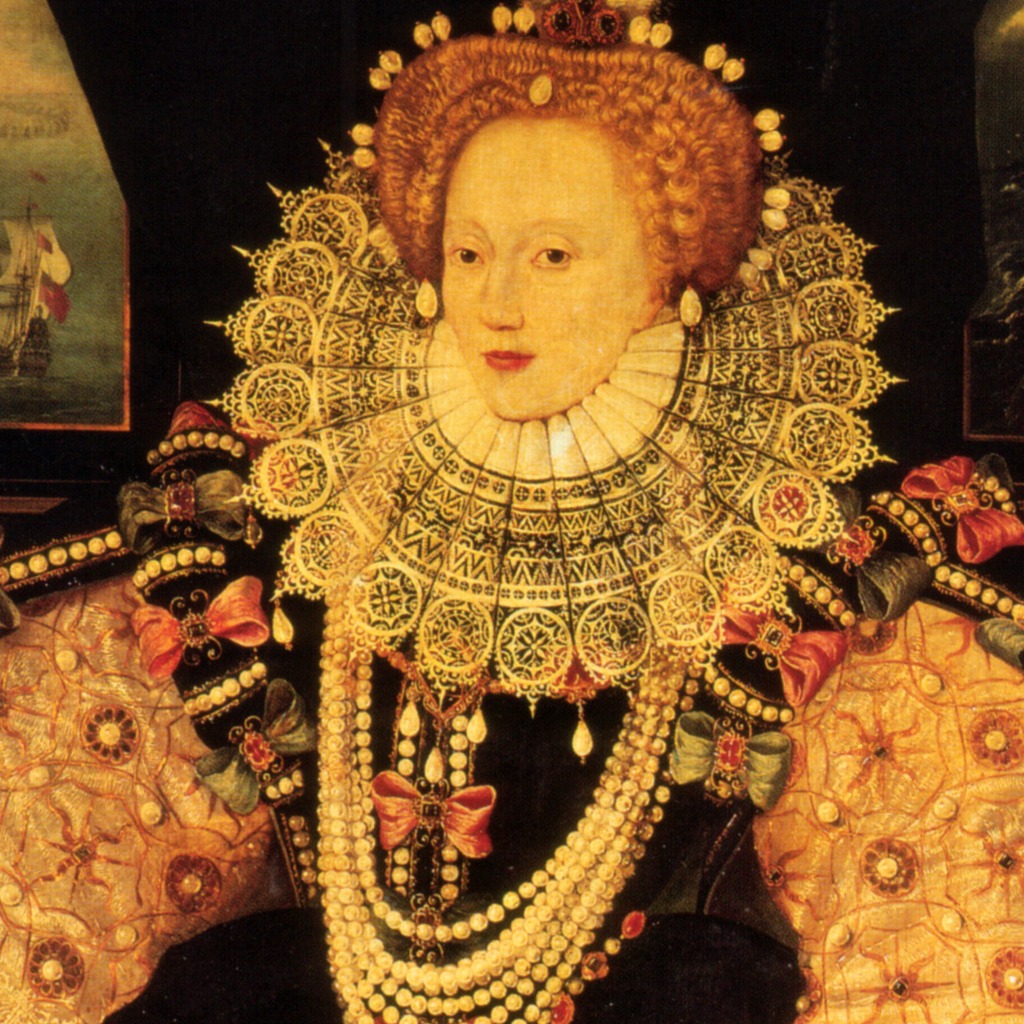 Elizabeth I
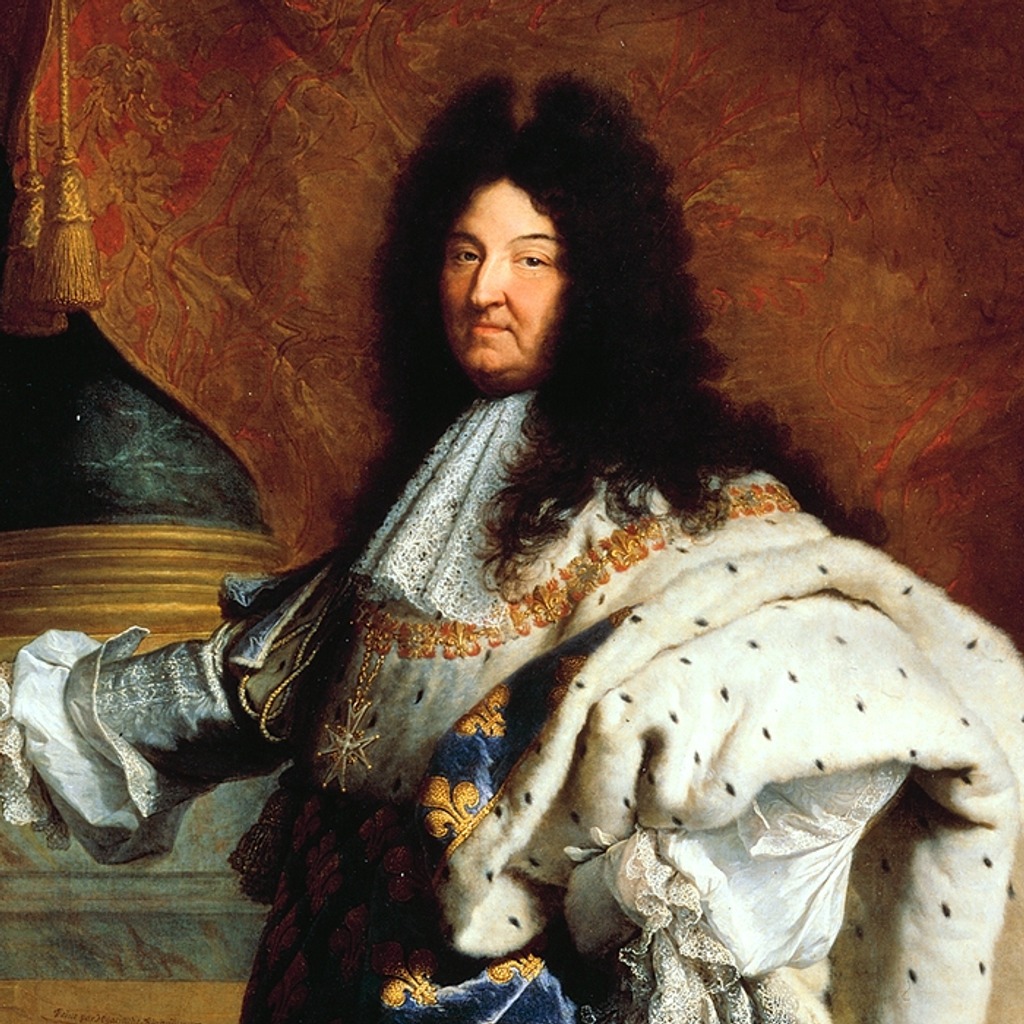 Louis XIV
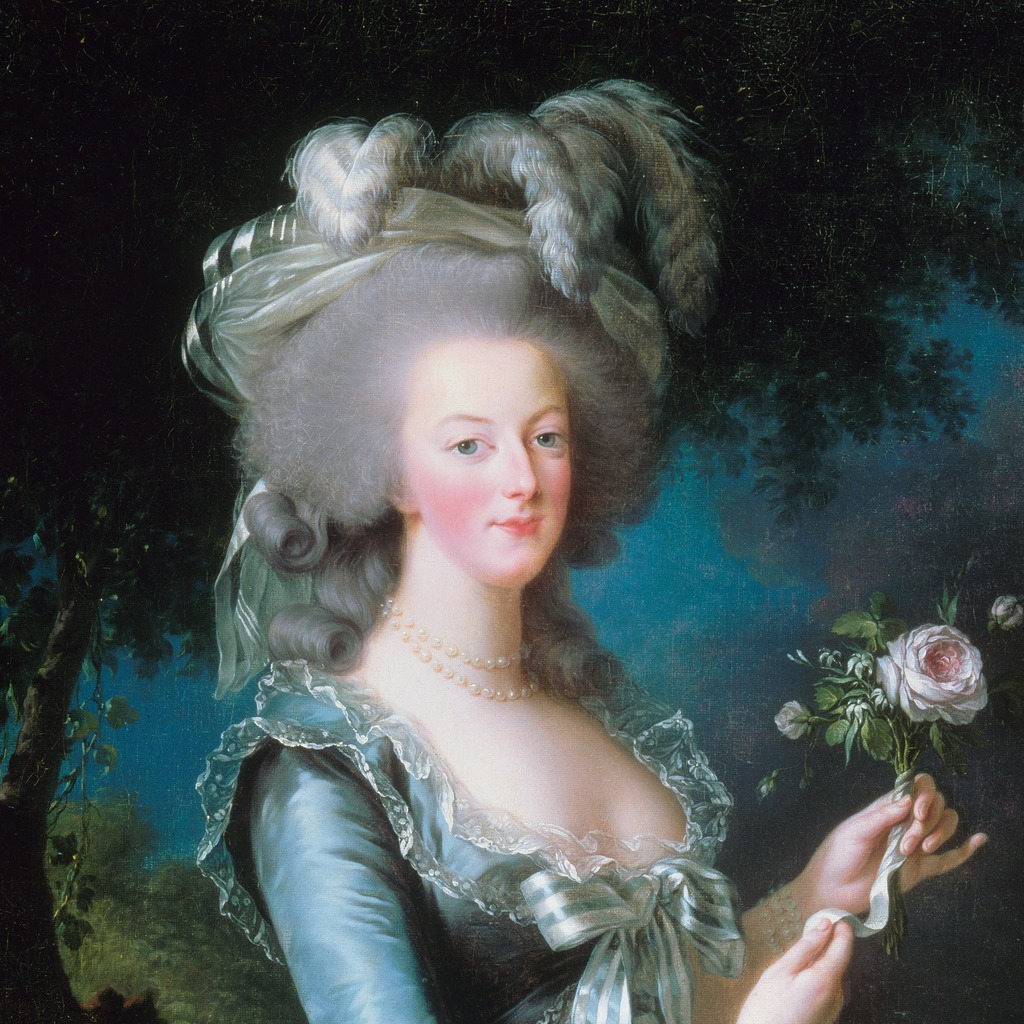 Marie Antoinette
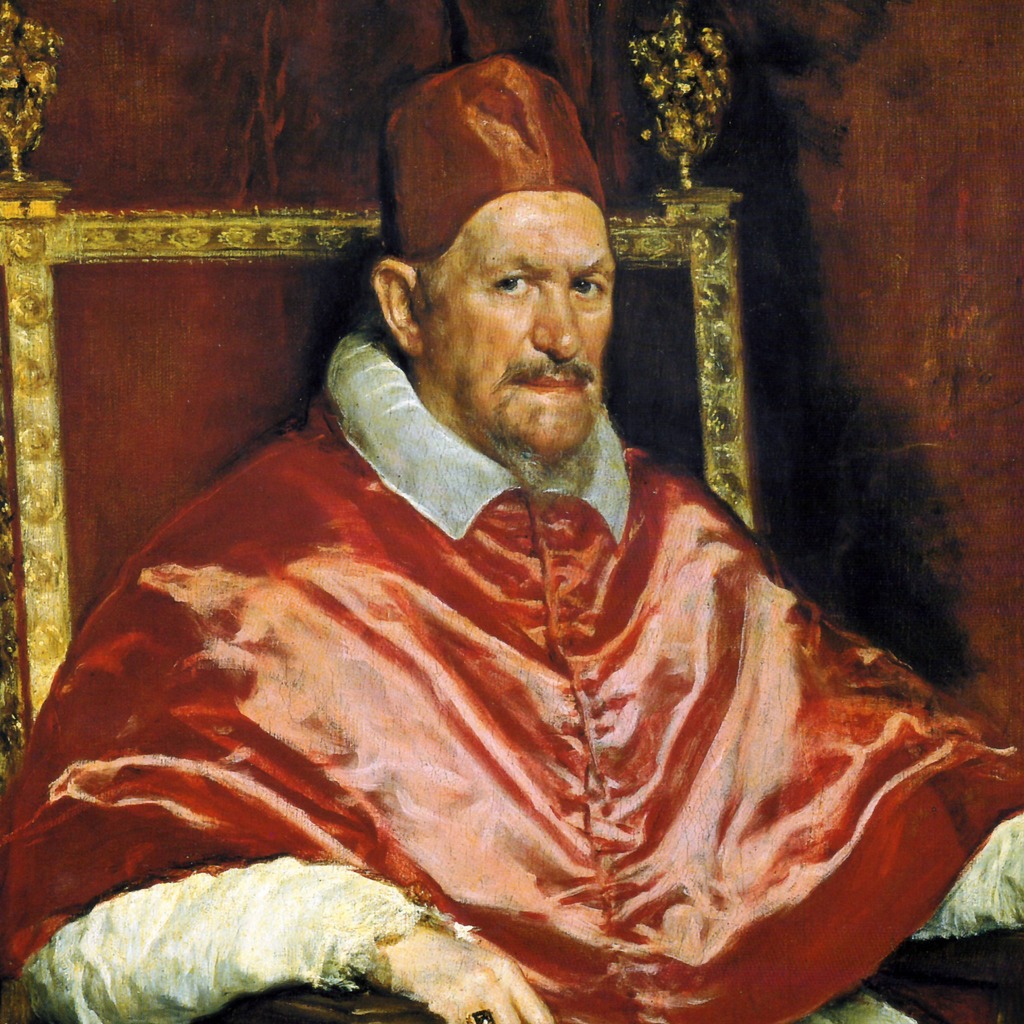 Pope Innocent X
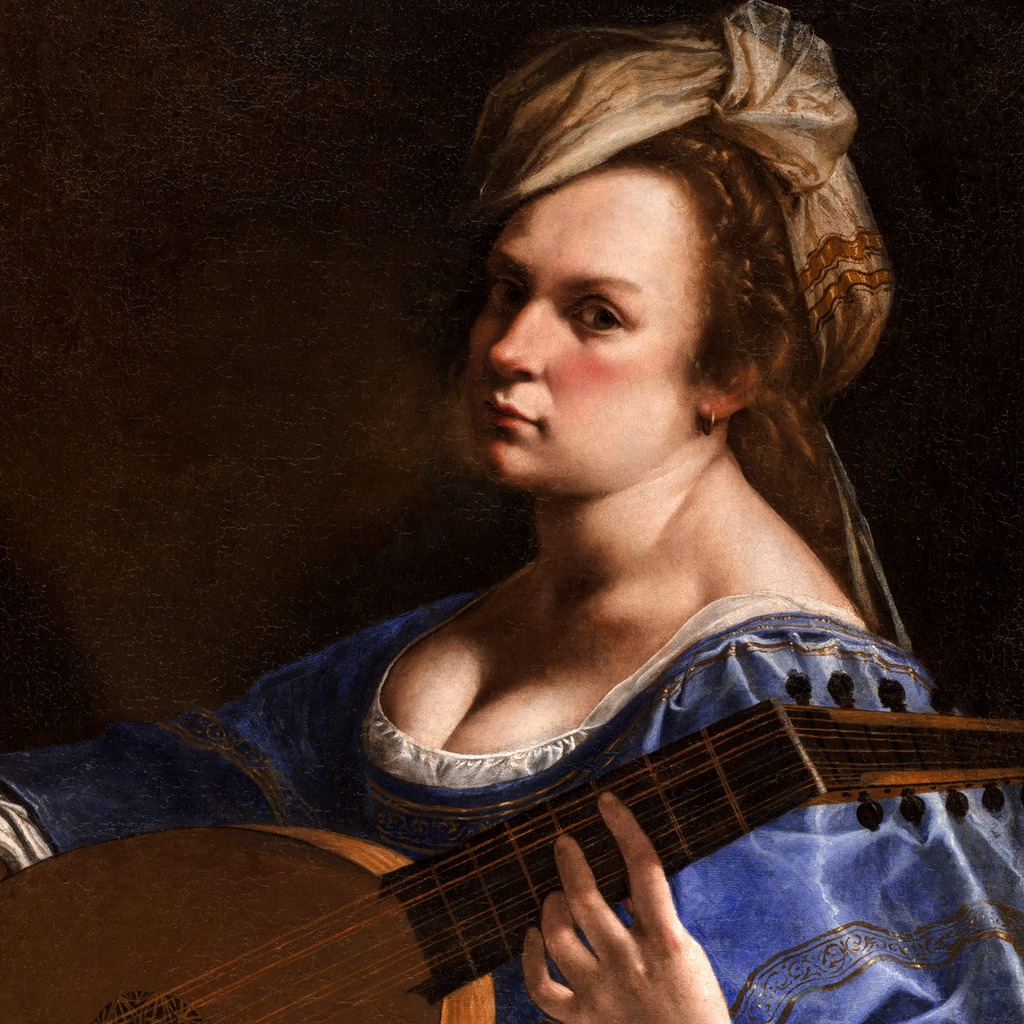 Artemisia's Self-Portrait
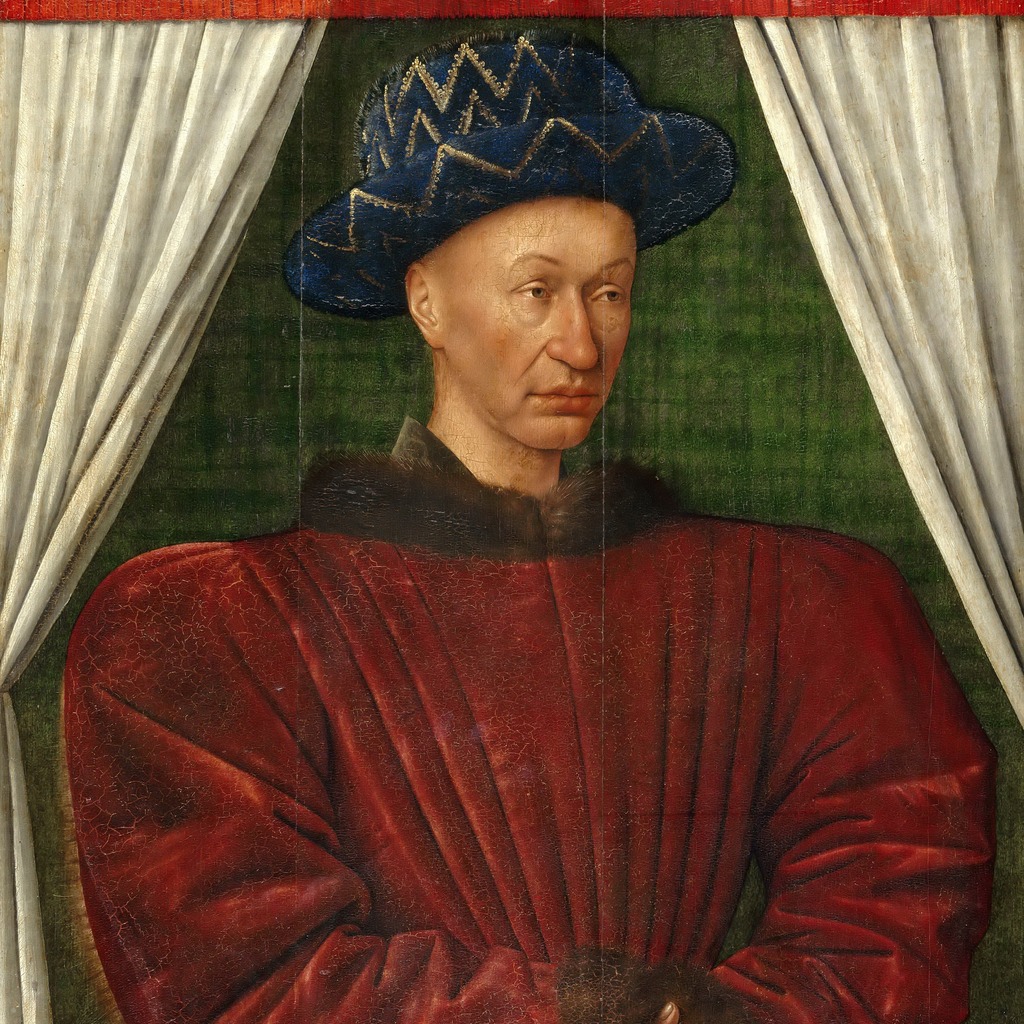 Charles VII
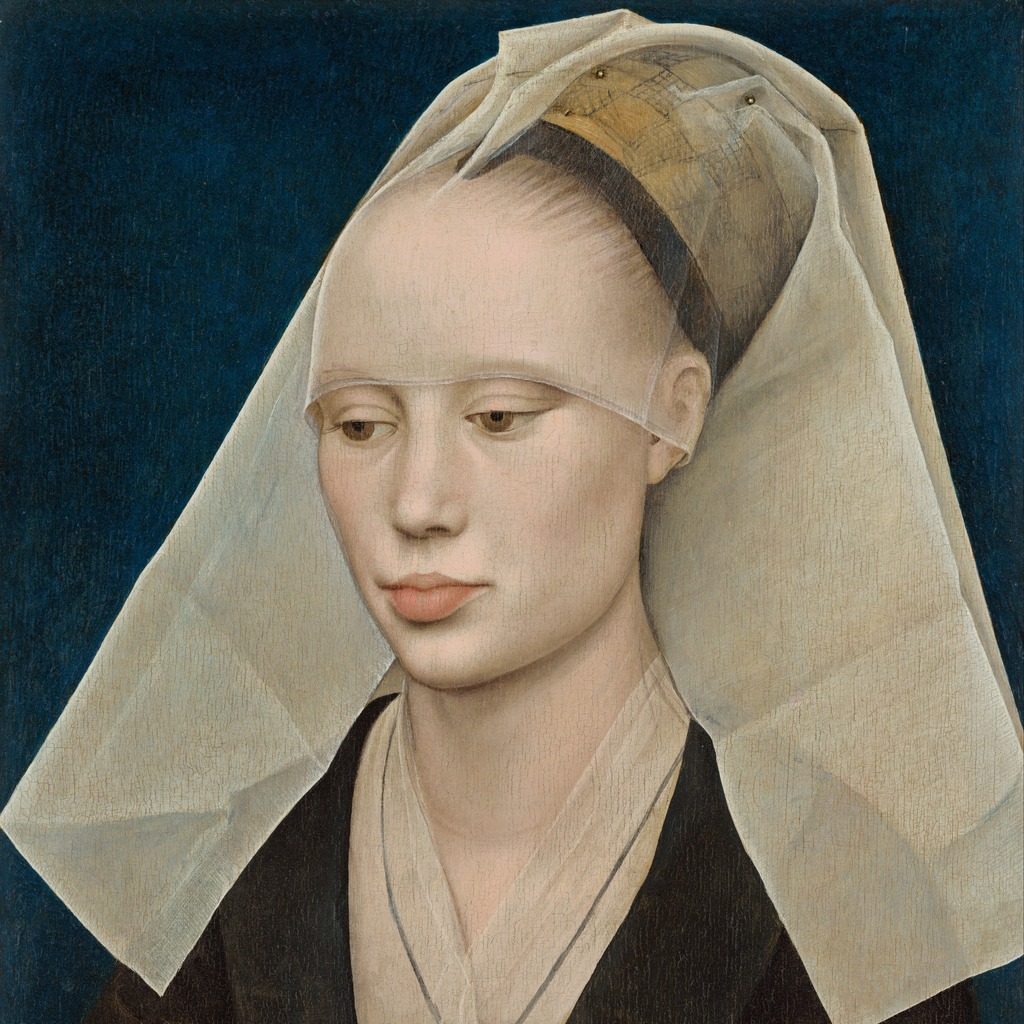 Portrait of a Lady
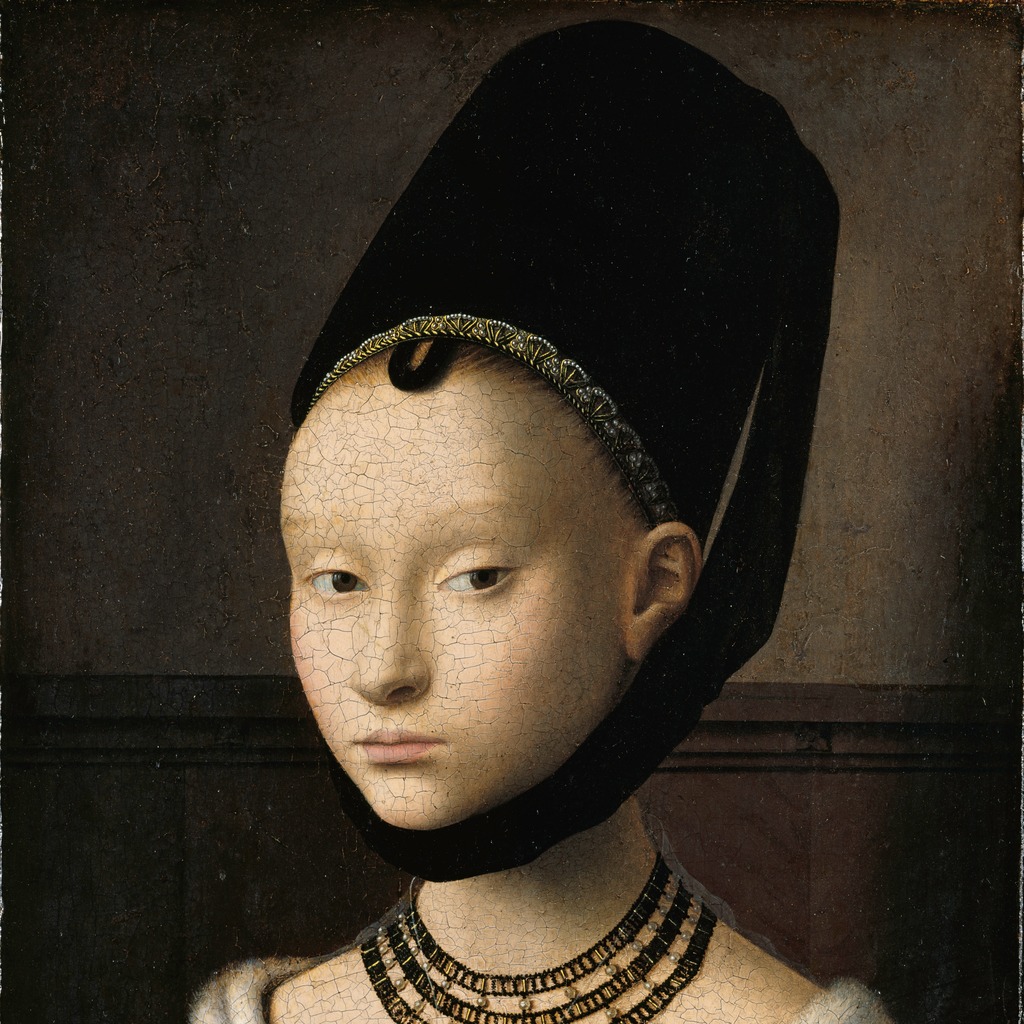 Portrait of a Young Girl
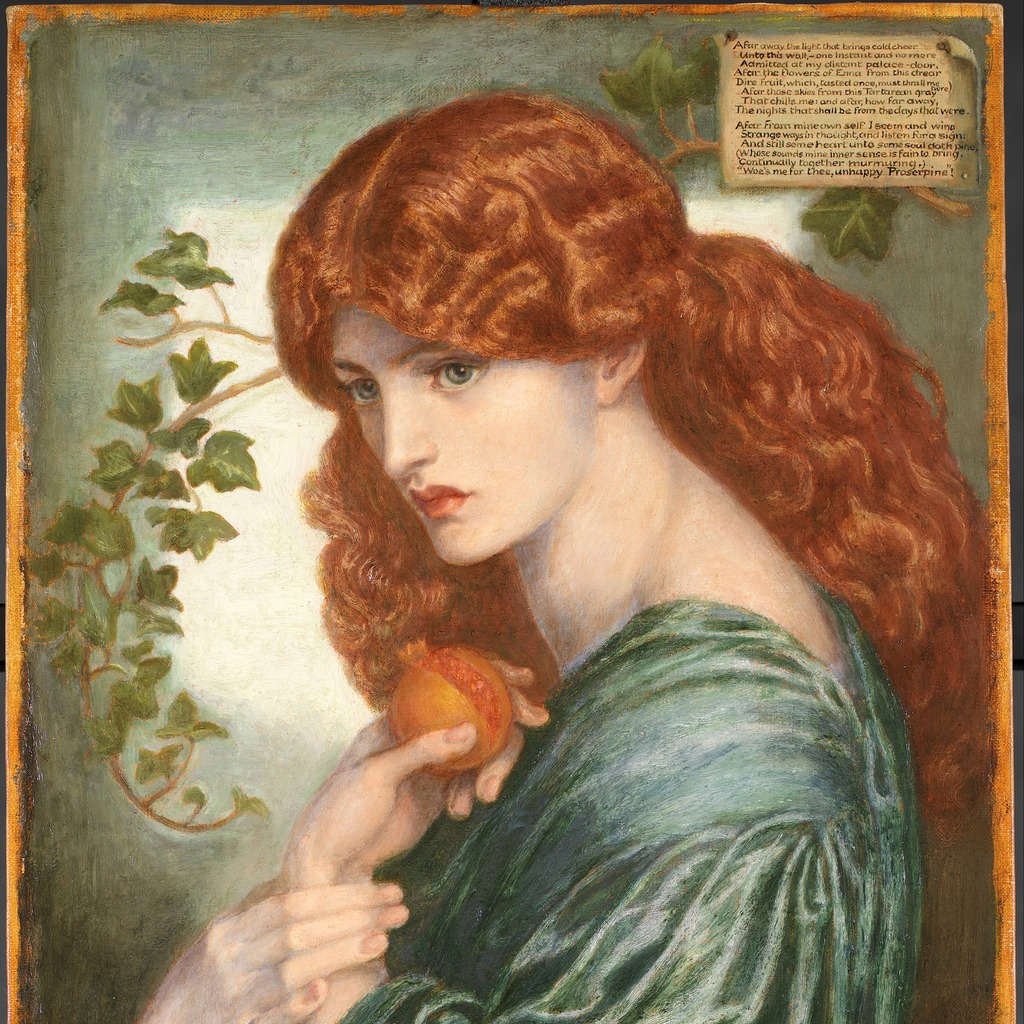 Proserpine
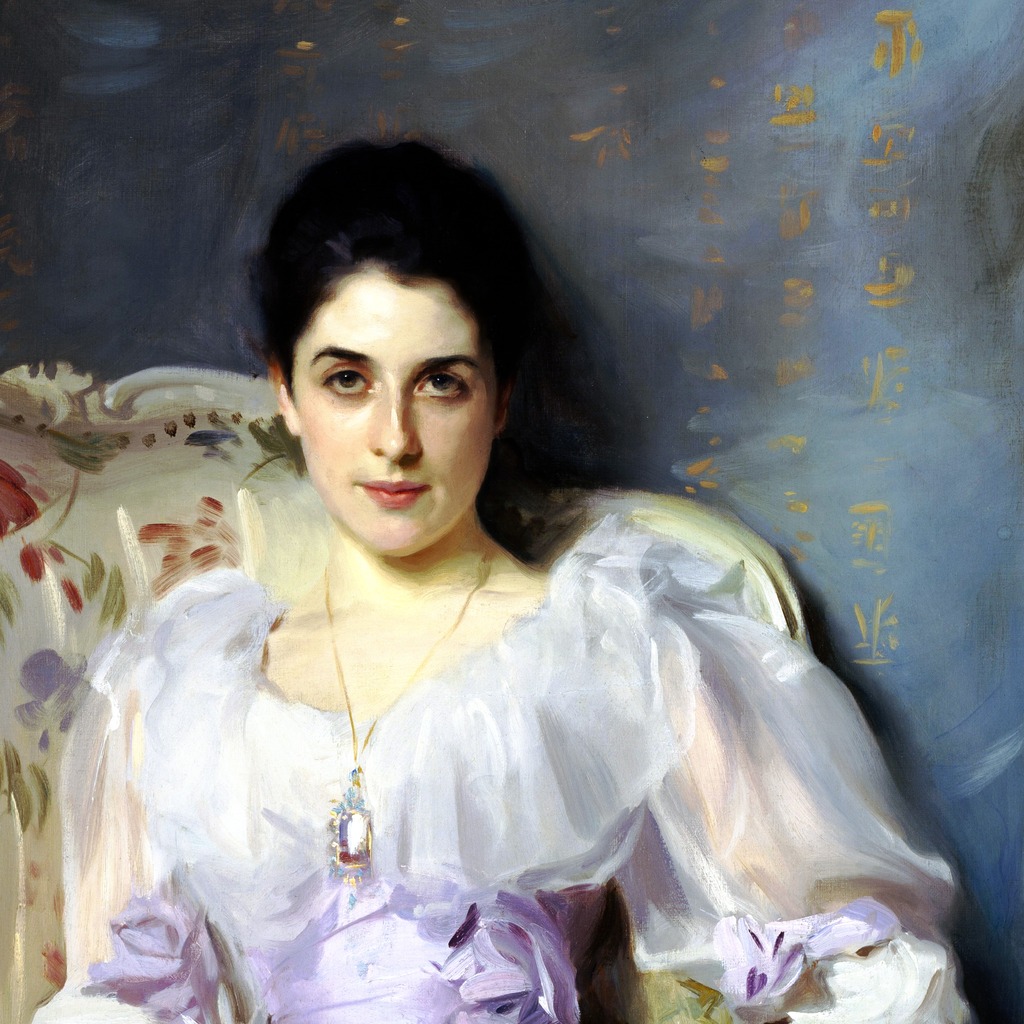 Lady Agnew of Lochnaw
Questions
Who found these?
The British archaeologist Flinders Petrie, excavating at Hawara in the Faiyum from 1888, recovered painted panels still in place on wrapped bodies. Local diggers and dealers had been turning them up before that, but Petrie’s work brought them to museums in bulk.
Were these people Egyptian?
They lived in Egypt, descended largely from Greek settlers who arrived after Alexander, held Roman citizenship in some cases, spoke and wrote Greek, and were buried by Egyptian embalmers. All of that is true at once, which is the interesting part.
How do you date one?
Mainly by hairstyle and beard. Court fashion in Rome changed with each emperor and was copied in the provinces quickly, so a crop, a curl pattern or a beard shape narrows a panel to a few decades.
Is it free?
Yes. There is a limit on how many you can make in a day, and sharing one earns the allowance back.
Do you keep my photo?
No. Your selfie is used to make the image and then dropped — it is never written to disk. The finished meme is stored, because it has a link people can open, and it is deleted after 90 days.
Can I use someone else’s face?
Please do not. Use your own. Putting a real person into a picture they did not agree to is exactly the thing this is not for.
Can I post the result?
Yes, anywhere you like. The paintings are public domain; what you make with your own face is yours.