

Making your meme…
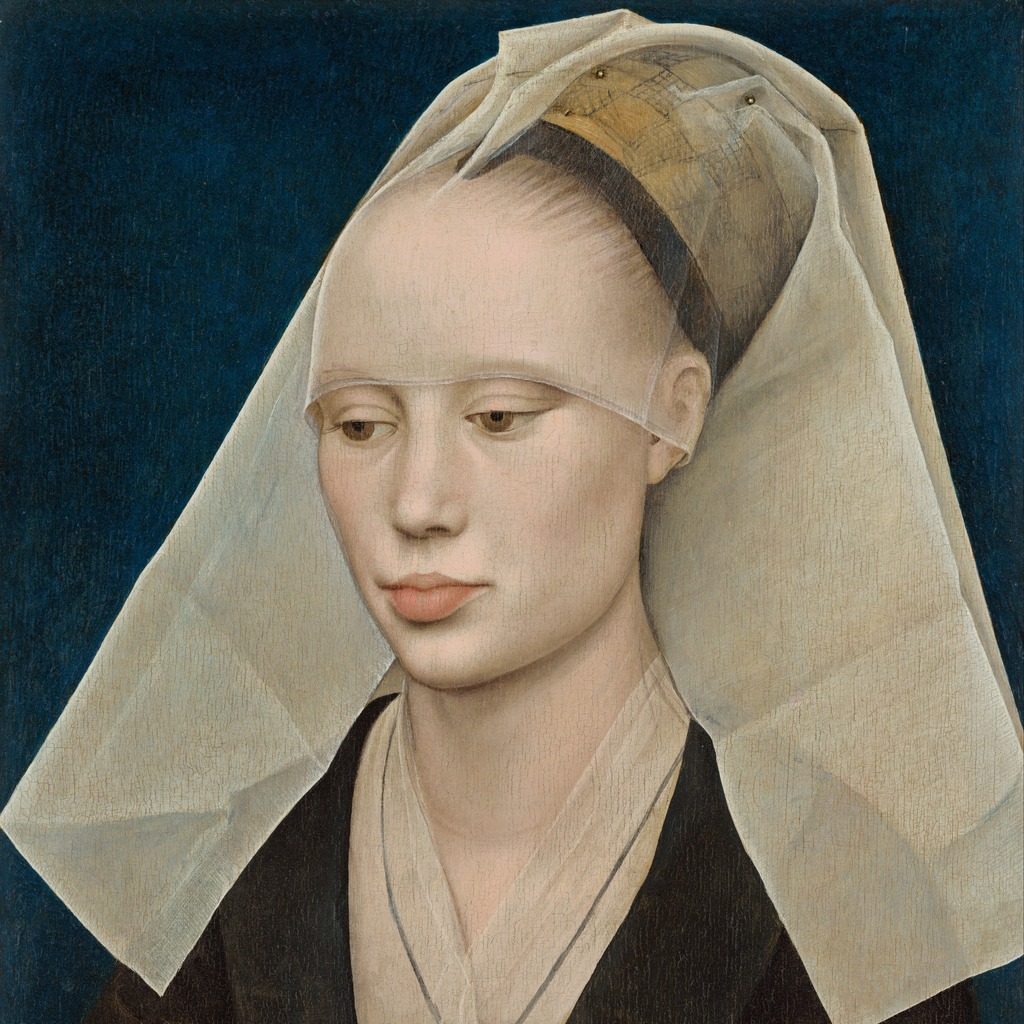
Rogier van der Weyden · c. 1460
Portrait of a Lady face swap
A Flemish face pared down to four shapes and a gold buckle. Nobody knows her name.
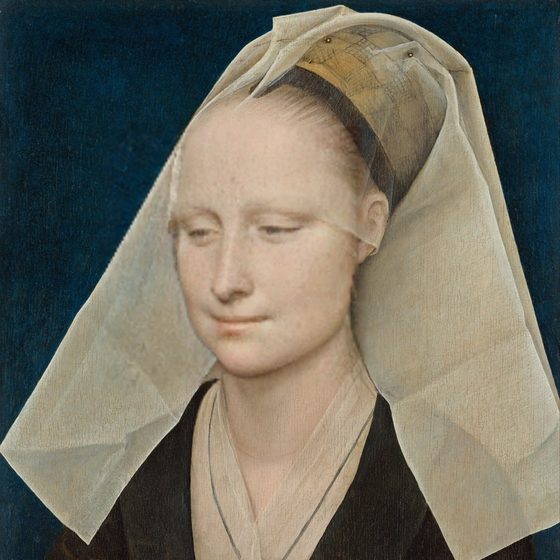
or
Under 15 seconds · no sign-up · your selfie is never stored
Or become a patron and stop counting. Already a patron? Sign in.
How it works
-
Take a photo
Front camera, decent light, look straight ahead. Or pick one you already have.
-
We paint you in
Your face goes into the painting, keeping its light and its brushwork. About fifteen seconds.
-
Share the link
You get a page anyone can open. No account, nothing to install.
Where this one comes from
Rogier van der Weyden ran the busiest workshop in Brussels and made this around 1460, near the end of his life. The sitter has never been identified: no coat of arms, no motto, no surviving paperwork, so for five hundred years she has been catalogued as a lady and nothing further. The panel belongs to the National Gallery of Art in Washington.
What is in the picture
Everything has been simplified until it is nearly a diagram: a triangle of white linen, an oval face, two dark strokes for the eyes, a red belt with a gold buckle, and fingers laced at the lower edge. The hairline is plucked back towards the crown, which was the fashion of the decade and is why the forehead looks so enormous. The whole thing is about the size of a sheet of paper, and her eyes are lowered, so she is not looking at you and never will be.
When people use it
The face for being the calmest person in a room where everyone else has lost it. It reads as patience, or as judgement held barely in check, and it suits a caption worth about one raised eyebrow.
How your face lands in it
Her face is angled barely off the front and lit from the left, and the veil draws a clean border around three sides of it, which is the situation this handles best. Your jaw takes over the oval while the plucked hairline and the linen stay put. Since the eyes are cast down in the original, a photograph where you look straight into the lens alters the mood more than anything else you could change.
Portrait of a Lady — Rogier van der Weyden, c. 1460. Rogier van der Weyden died in 1464. The painting has been in the public domain for centuries, and a straight photographic reproduction of a flat work adds no fresh rights to it. Source

Also in: Paintings · Medieval portraits
More paintings
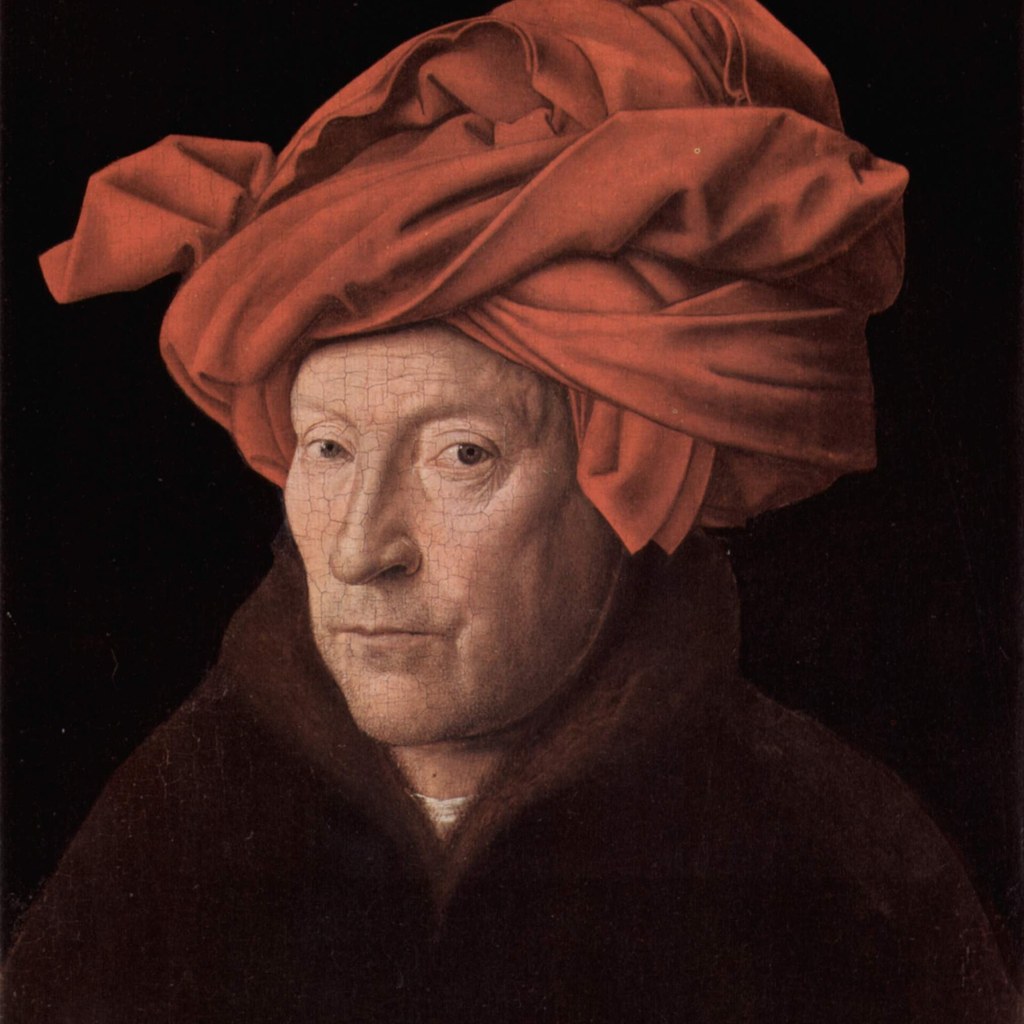 Man in a Red Turban
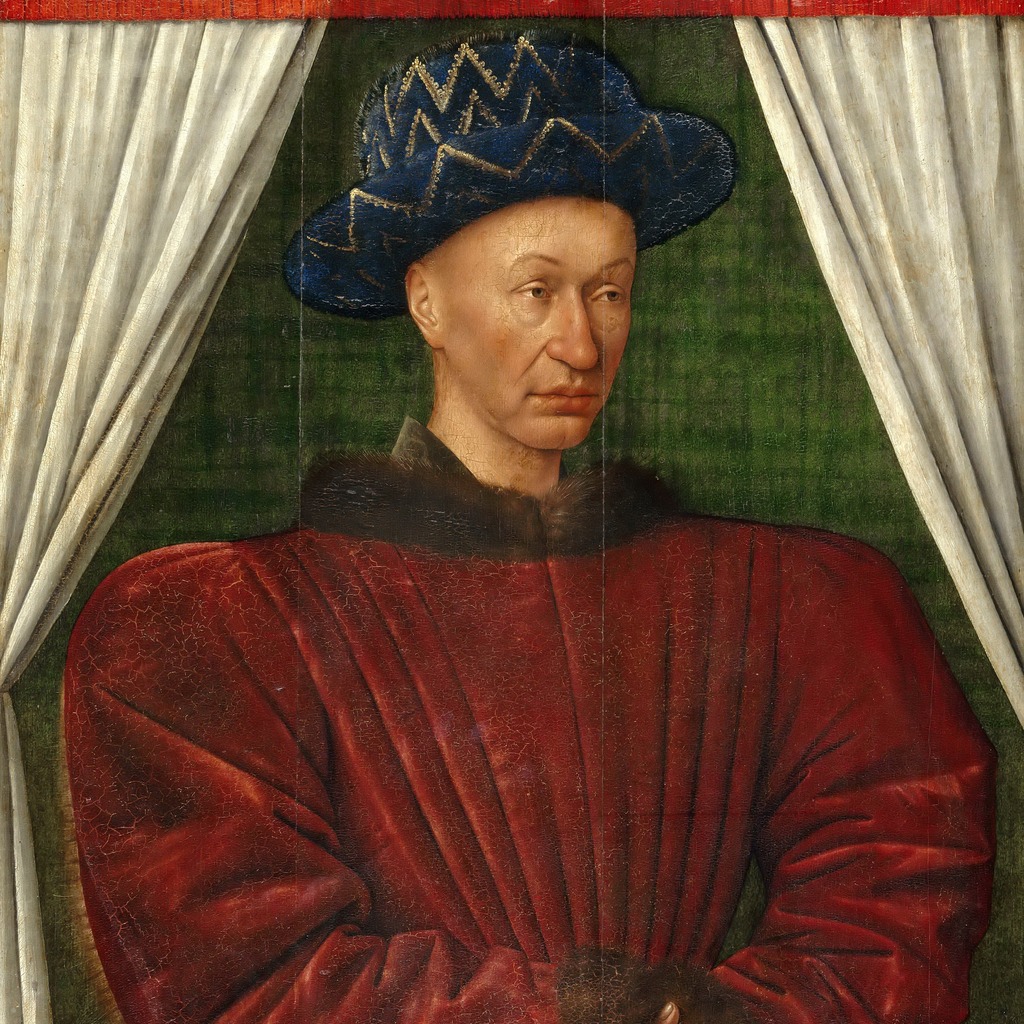 Charles VII
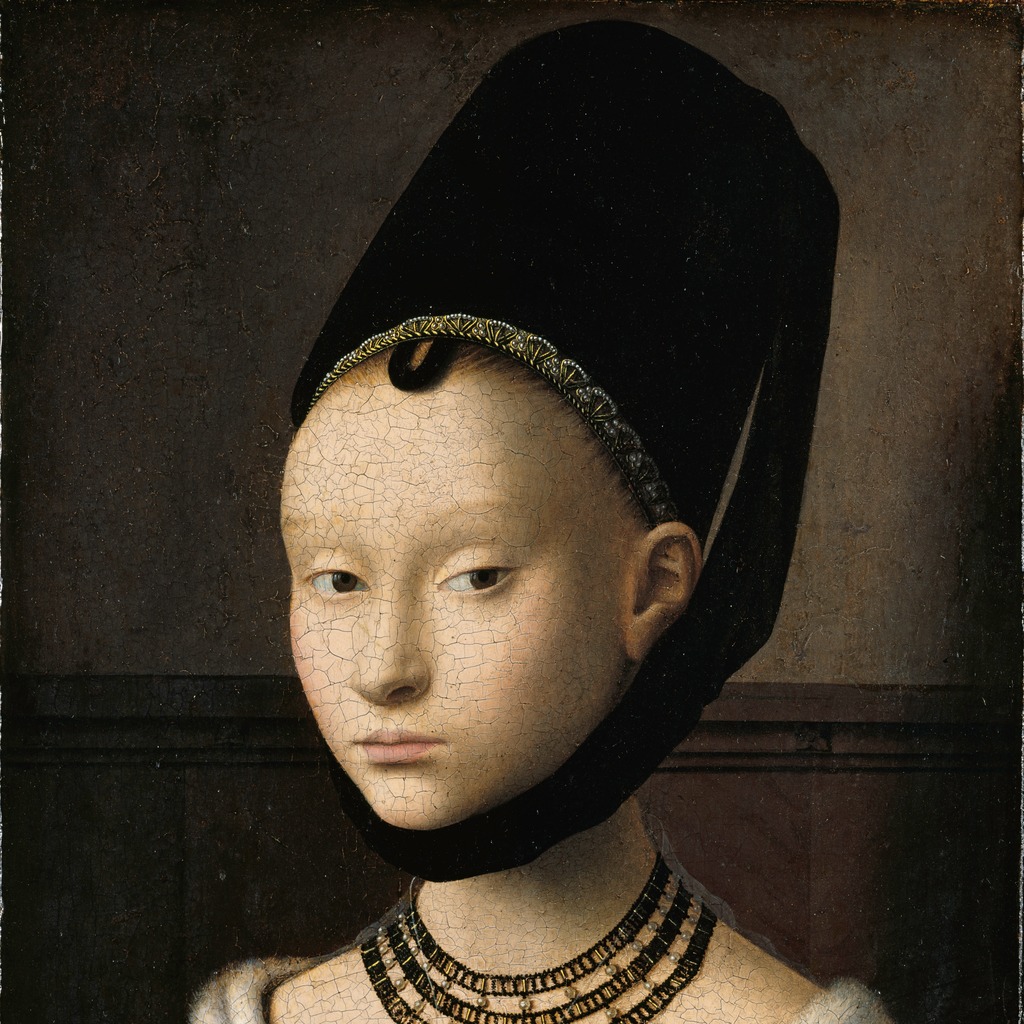 Portrait of a Young Girl
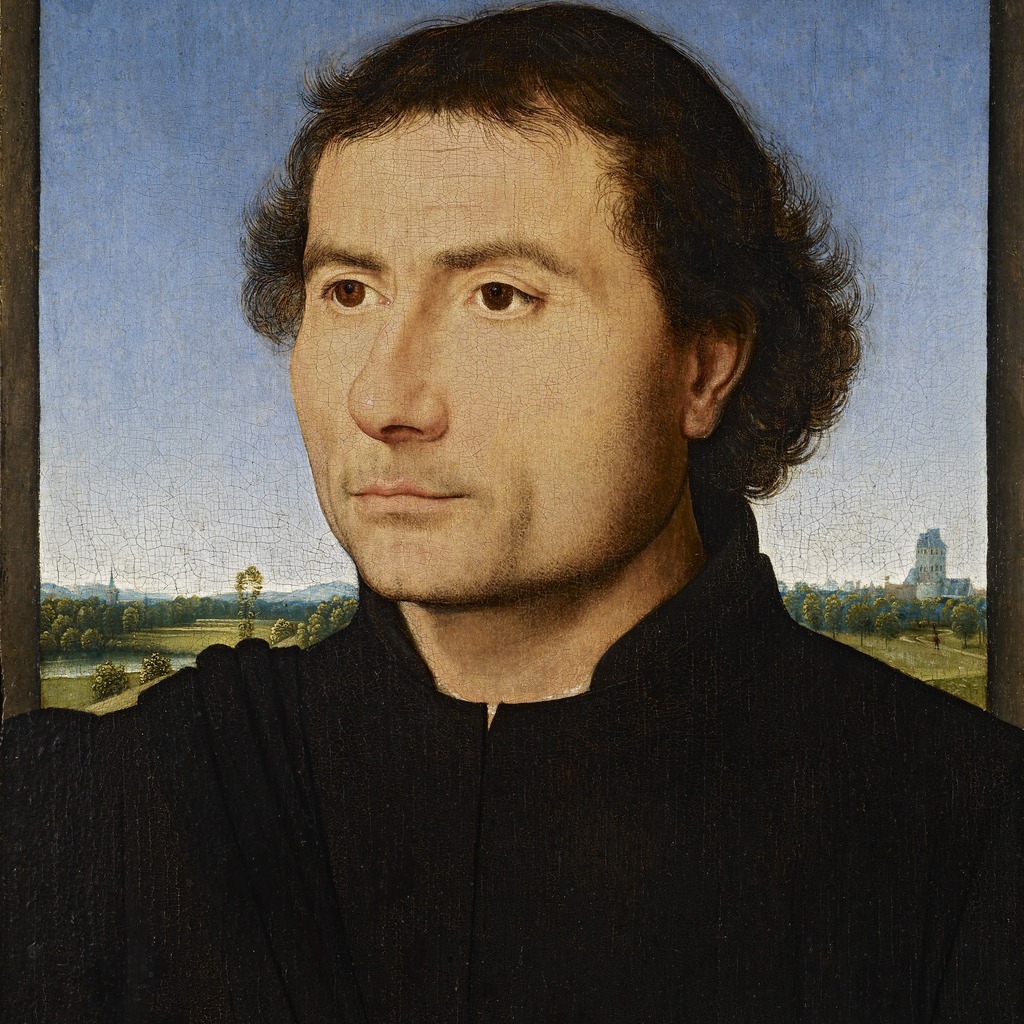 Memling: Portrait of a Man
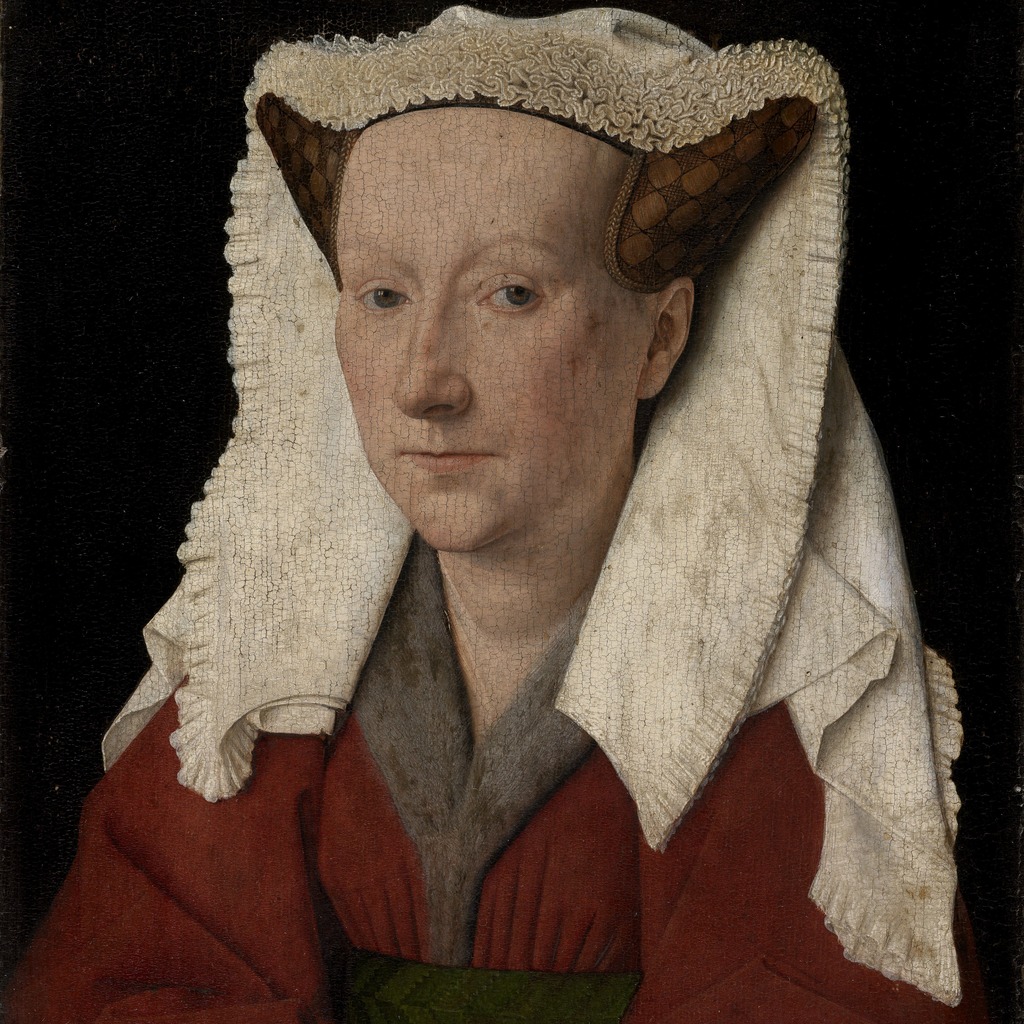 Margaret van Eyck
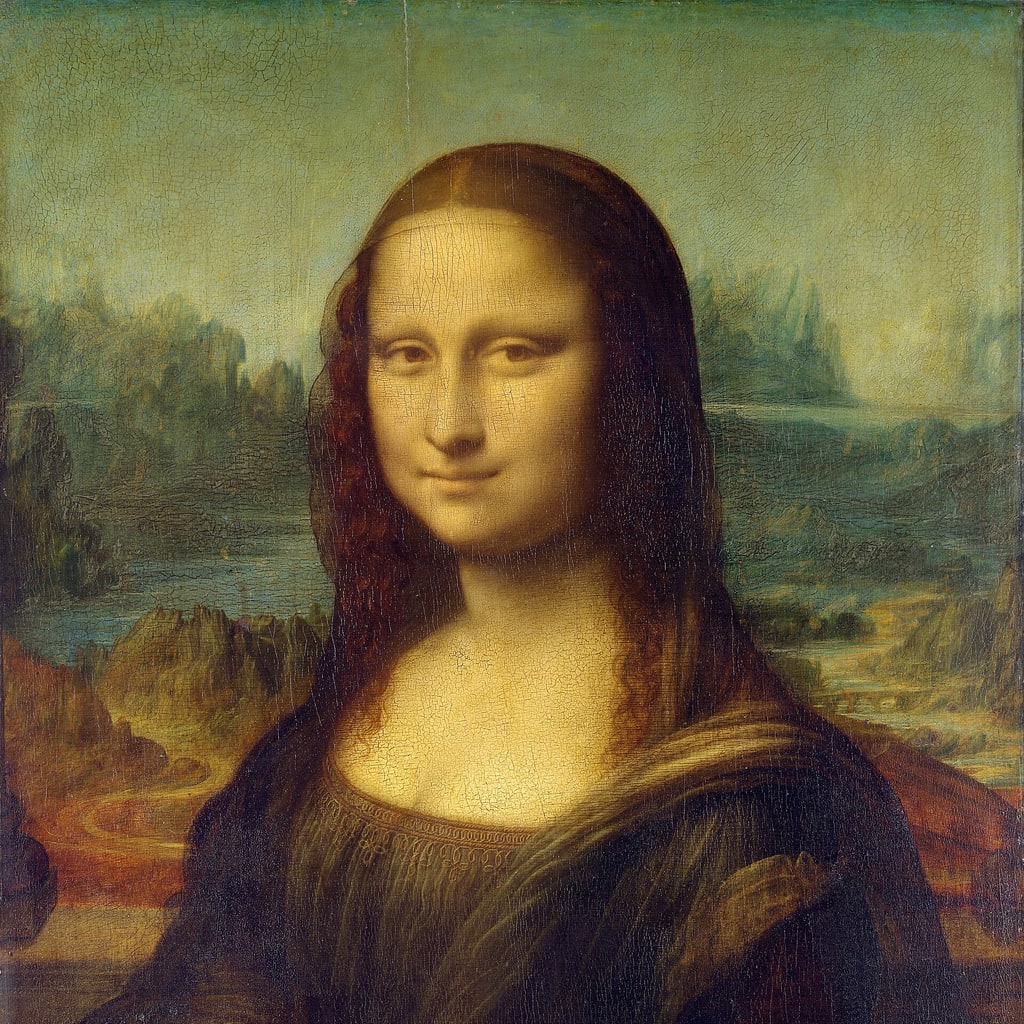 Mona Lisa
 Girl with a Pearl Earring
 Van Gogh Self-Portrait
 The Laughing Cavalier
 Dürer's Self-Portrait
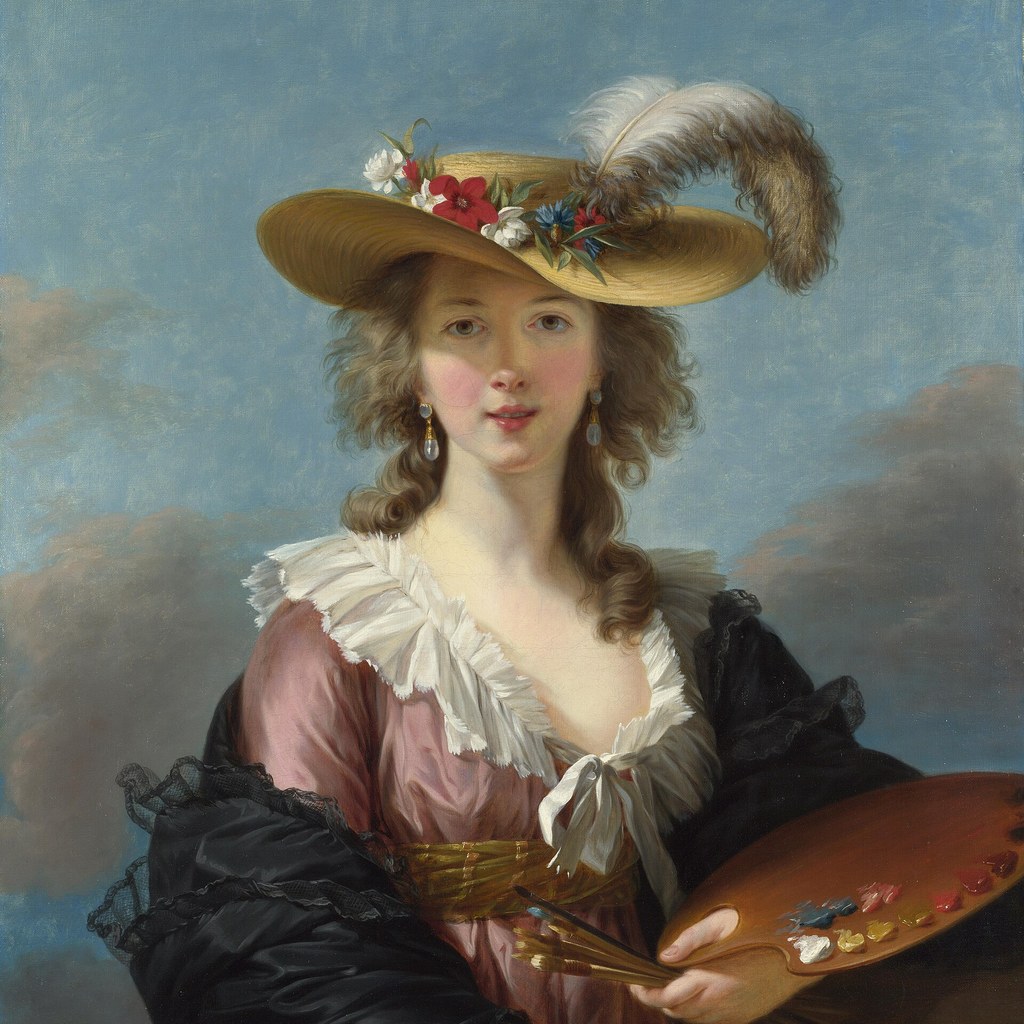 Self-Portrait in a Straw Hat
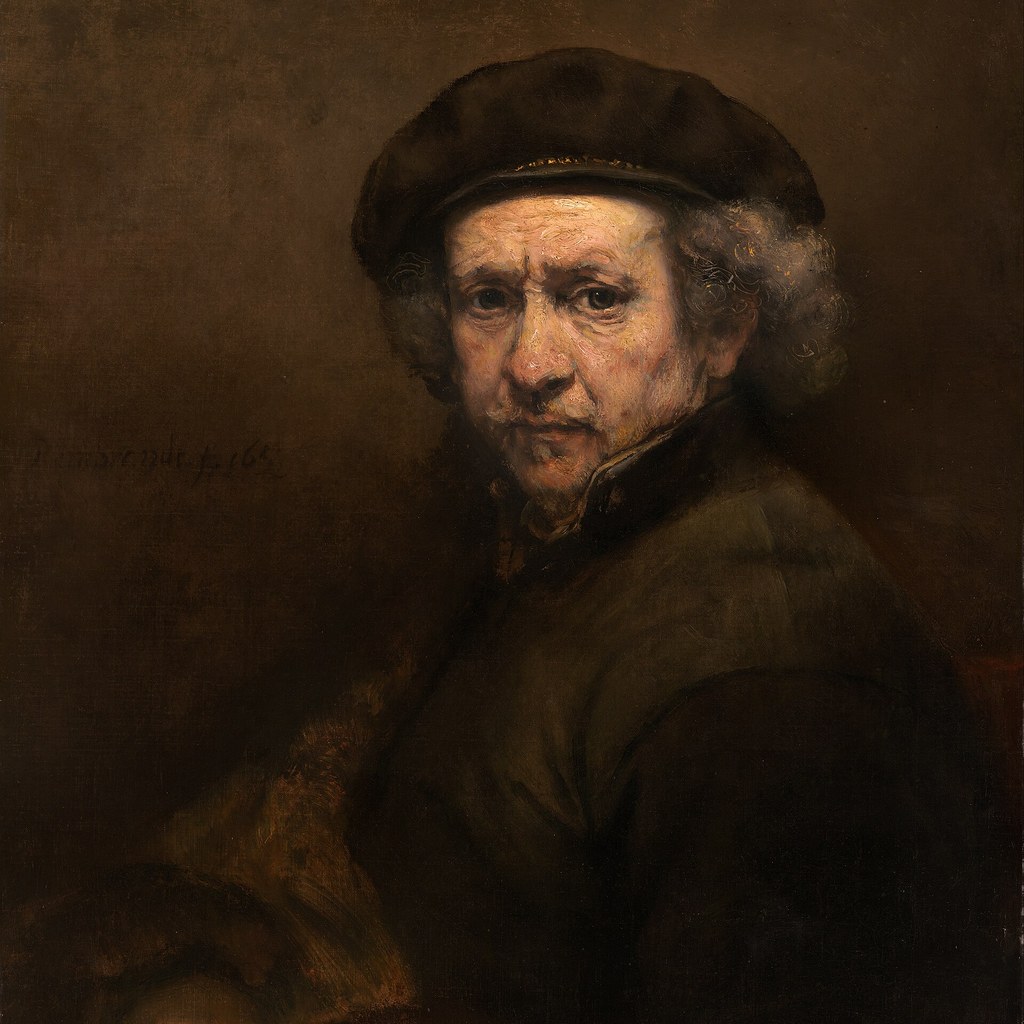 Rembrandt's Self-Portrait
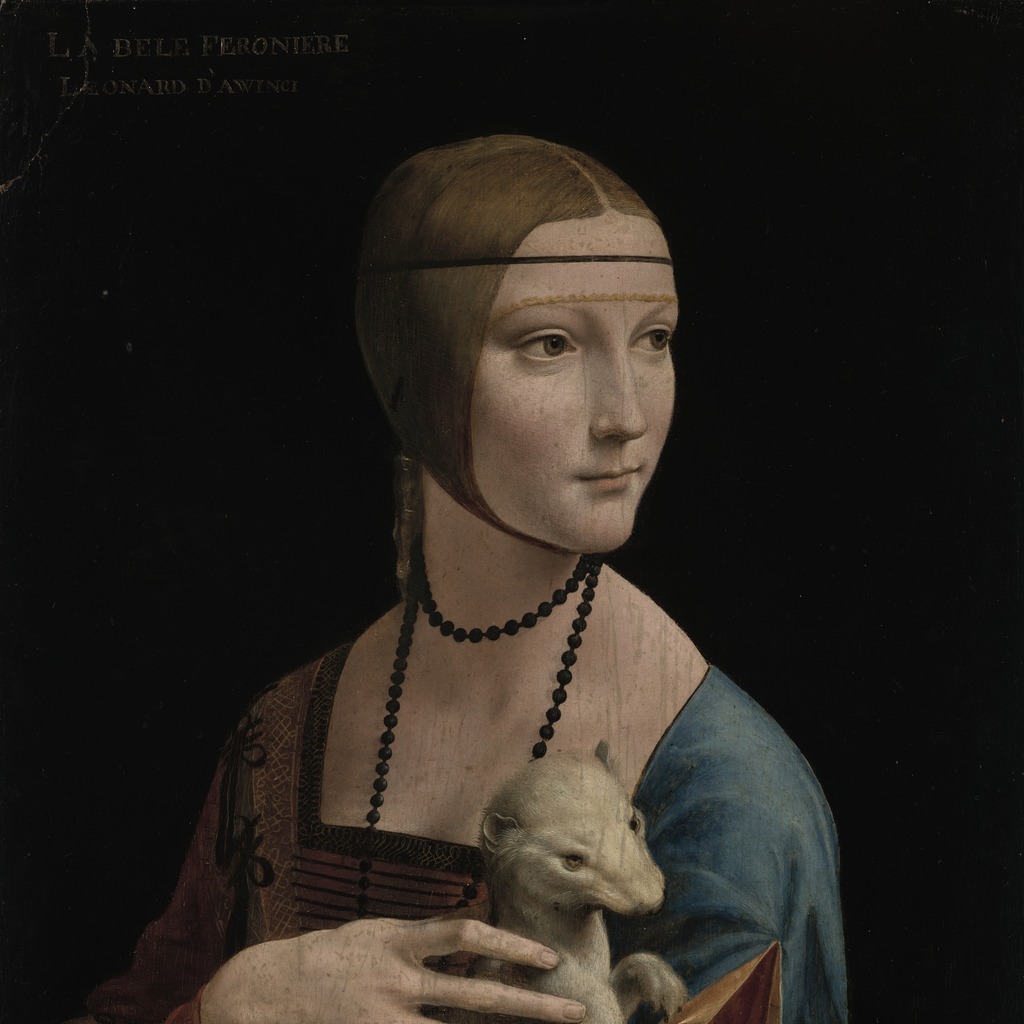 Lady with an Ermine
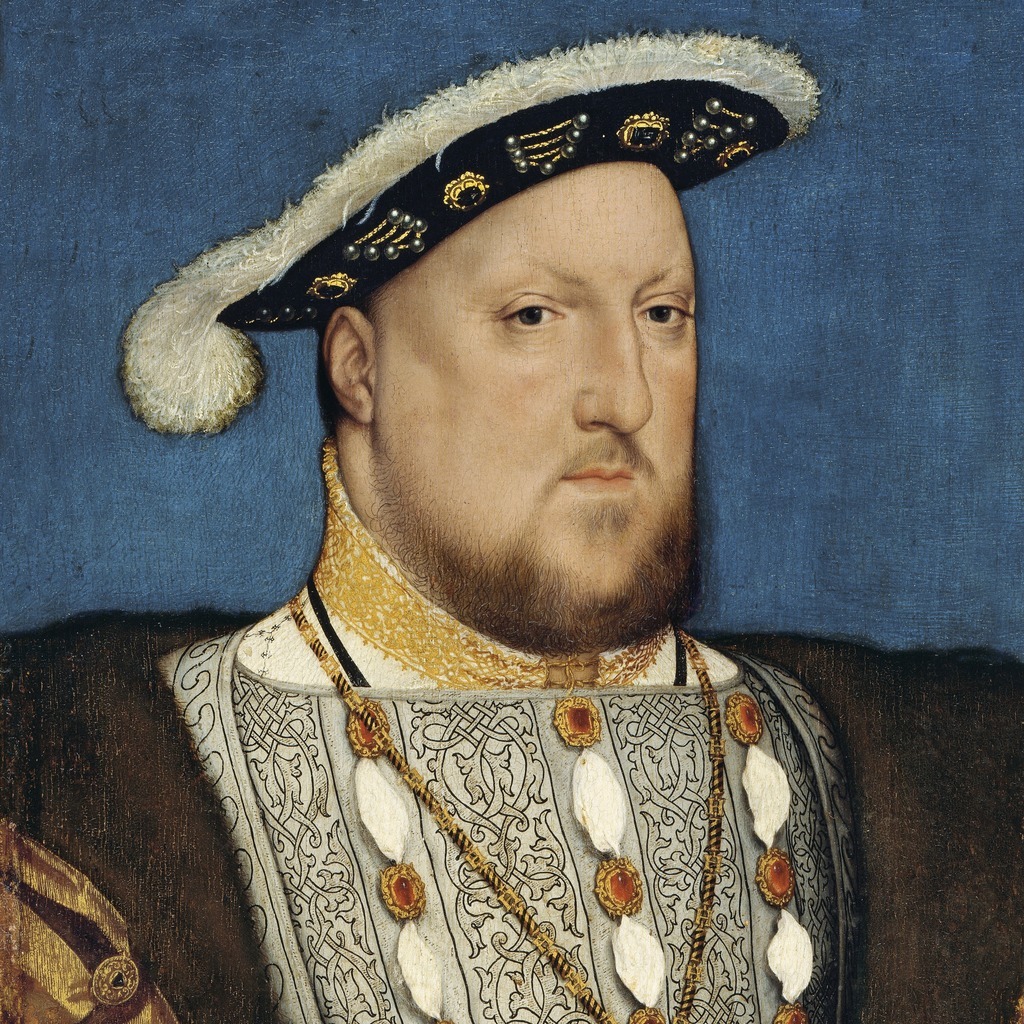 Henry VIII
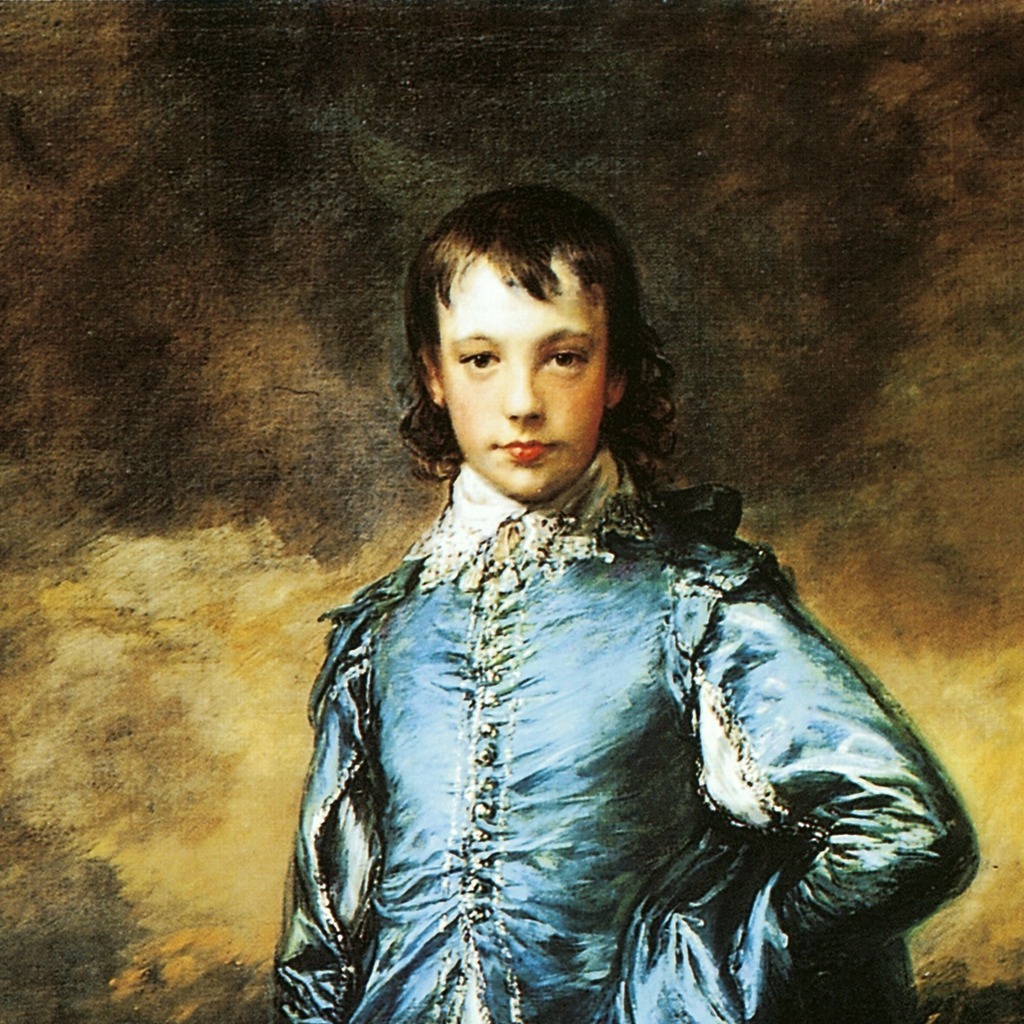 The Blue Boy
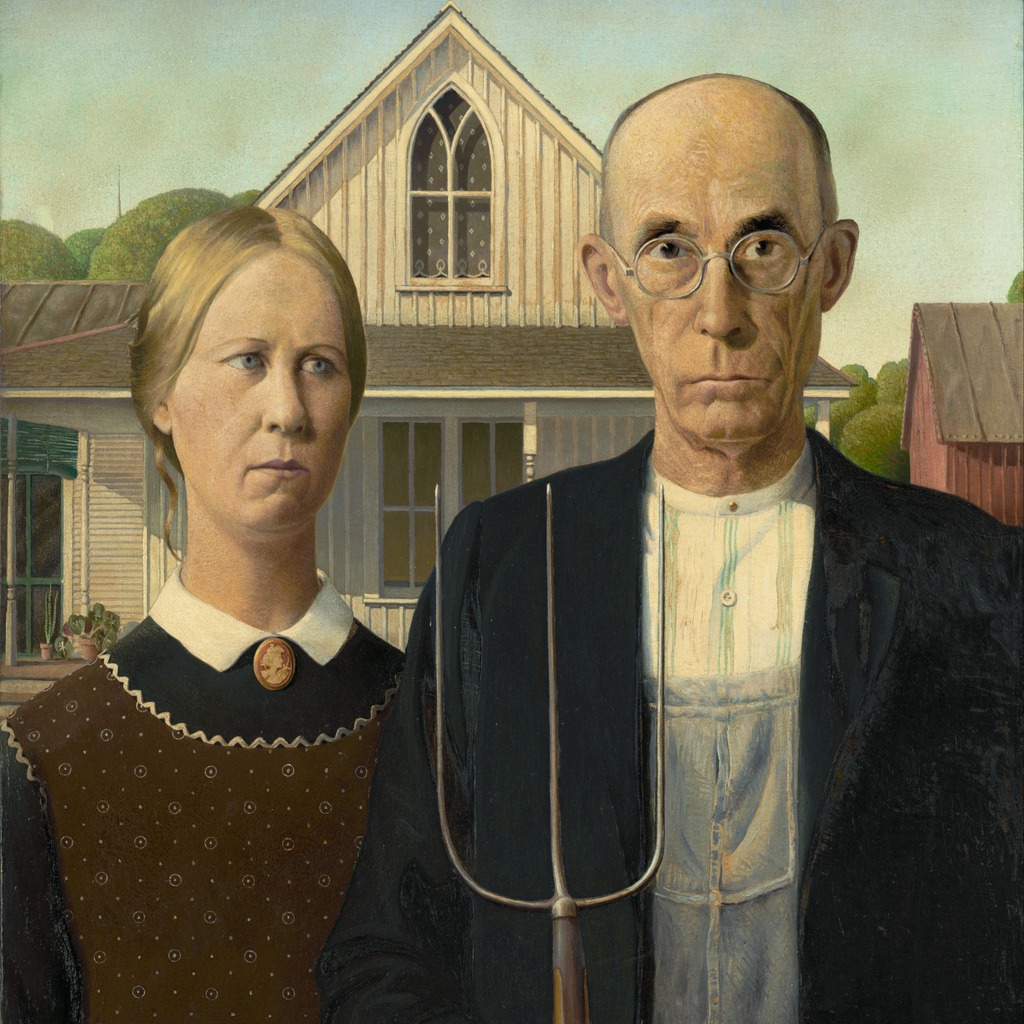 American Gothic
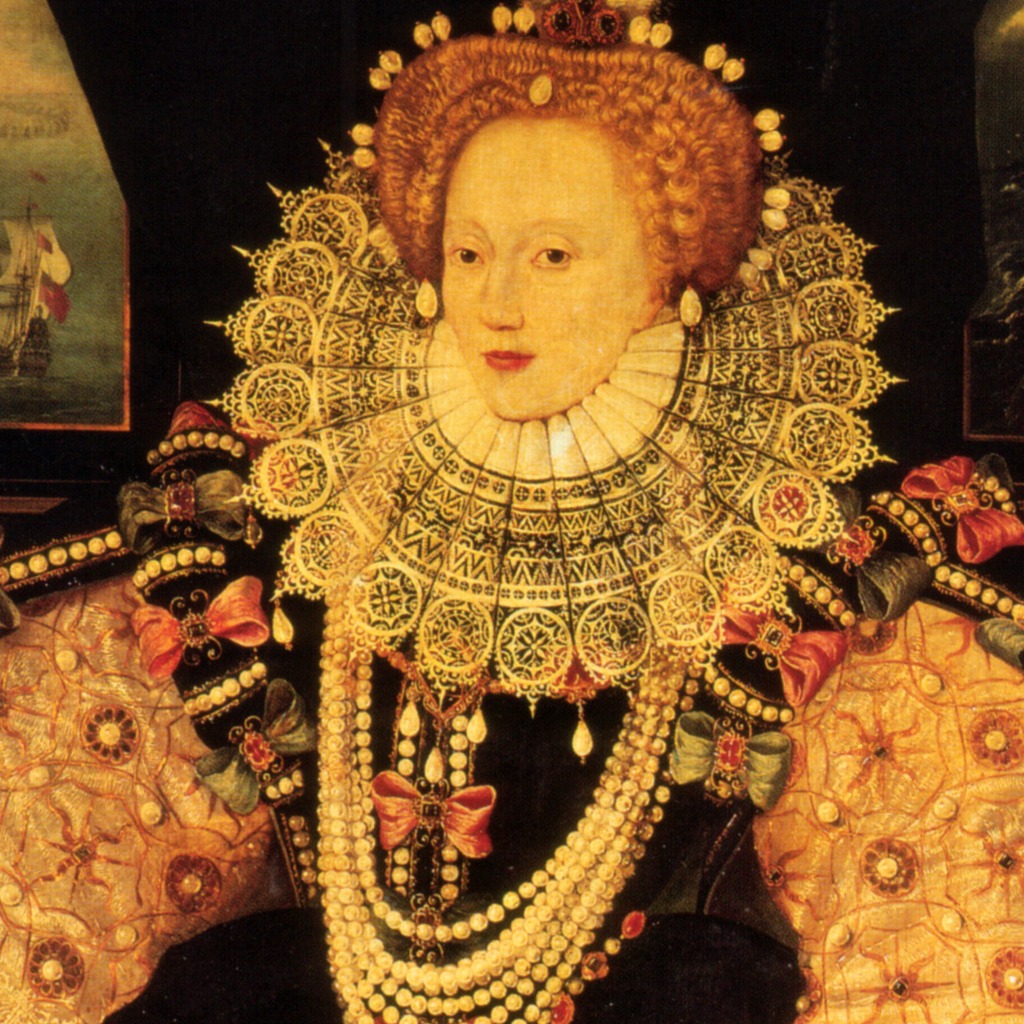 Elizabeth I
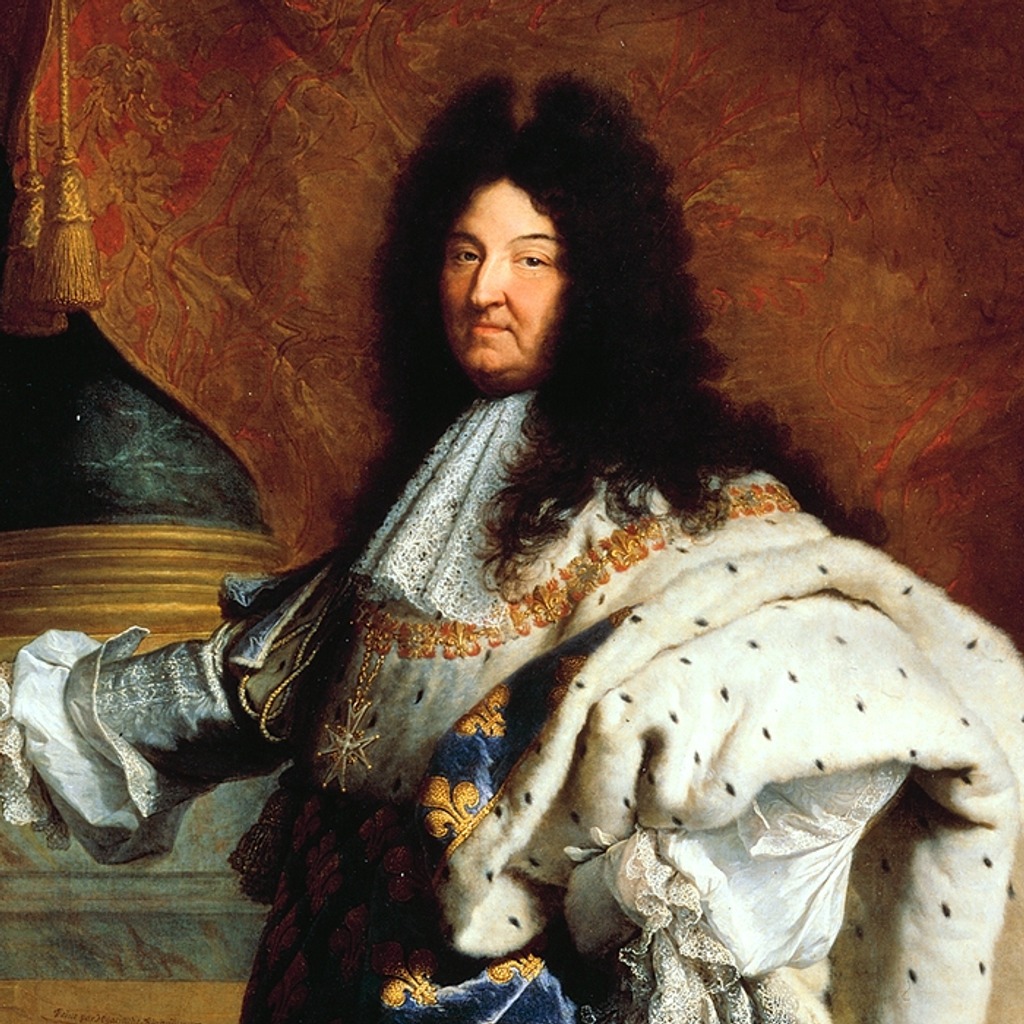 Louis XIV
 Marie Antoinette
 Pope Innocent X
 Artemisia's Self-Portrait
 Proserpine
 Lady Agnew of Lochnaw
 Queen Victoria
Questions
Who is she?
Unidentified, and likely to stay so. There is no badge, no name and no inscription on the panel, and the workshop records that might have told us are gone. Candidates have been proposed for a century without agreement.
Why is her forehead so high?
She plucked it. Shaving the hairline back was ordinary grooming for a well-off woman in the Low Countries in the 1460s, usually along with thinning the eyebrows down to almost nothing.
Is this the one in London?
No. The National Gallery in London holds a similar lady from the same workshop; this is the Washington panel, with the tall gauze veil and the red belt, and it is the one normally given to Rogier himself rather than to his assistants.
Is it free?
Yes. There is a limit on how many you can make in a day, and sharing one earns the allowance back.
Do you keep my photo?
No. Your selfie is used to make the image and then dropped — it is never written to disk. The finished meme is stored, because it has a link people can open, and it is deleted after 90 days.
Can I use someone else’s face?
Please do not. Use your own. Putting a real person into a picture they did not agree to is exactly the thing this is not for.
Can I post the result?
Yes, anywhere you like. The paintings are public domain; what you make with your own face is yours.