

Fayum portrait face swap
Three panels from Roman Egypt, painted in coloured wax on wood, and older than everything else in this catalogue by more than a thousand years.
What they are
Painted boards, roughly the size of a tablet screen, bound into the wrappings of an embalmed body directly over the face of the person inside. Around a thousand of them survive, nearly all from the first three centuries of Roman rule in Egypt, and enough came out of the Faiyum basin south-west of Cairo that the whole class of object took its name from the place.
The culture that produced them was three things at once. The burial rite is Egyptian and by then already thousands of years old; the technique and the way of looking at a face are Greek and Roman; and the people themselves wrote in Greek, cut their hair the way the emperor did, and were handed to Egyptian embalmers when they died. Very little else in art history sits on that many fault lines simultaneously.
Why they look so modern
Partly the material. Pigment mixed into hot beeswax goes on thickly and stays exactly where it is put, and it neither yellows nor sinks with age, so a face finished in the second century still carries the colour it had while wet. The strokes stand proud of the board and catch the light at an angle.
Partly that nobody was idealising. These were made by jobbing craftsmen for families who knew what the dead person had looked like and would have said something. Crooked noses, uneven eyes, adolescent skin and retreating hairlines all survive into the finished panels, which is emphatically not true of the sculpture or the coinage of the same empire.
What the swap does here
The face takes up more of the picture than anywhere else on this site, so there is very little painting around your features to ease them in. It is the most literal transfer in the catalogue and also the most exposed: a badly lit photograph has nowhere to hide.
The damage stays. Cracked wax, lost corners and the grain of a board that spent most of two millennia underground all remain on top of the result, which is why these come back looking excavated rather than painted. Use a straight-on photograph — all three panels are close to perfectly frontal, and a turned head fights them.
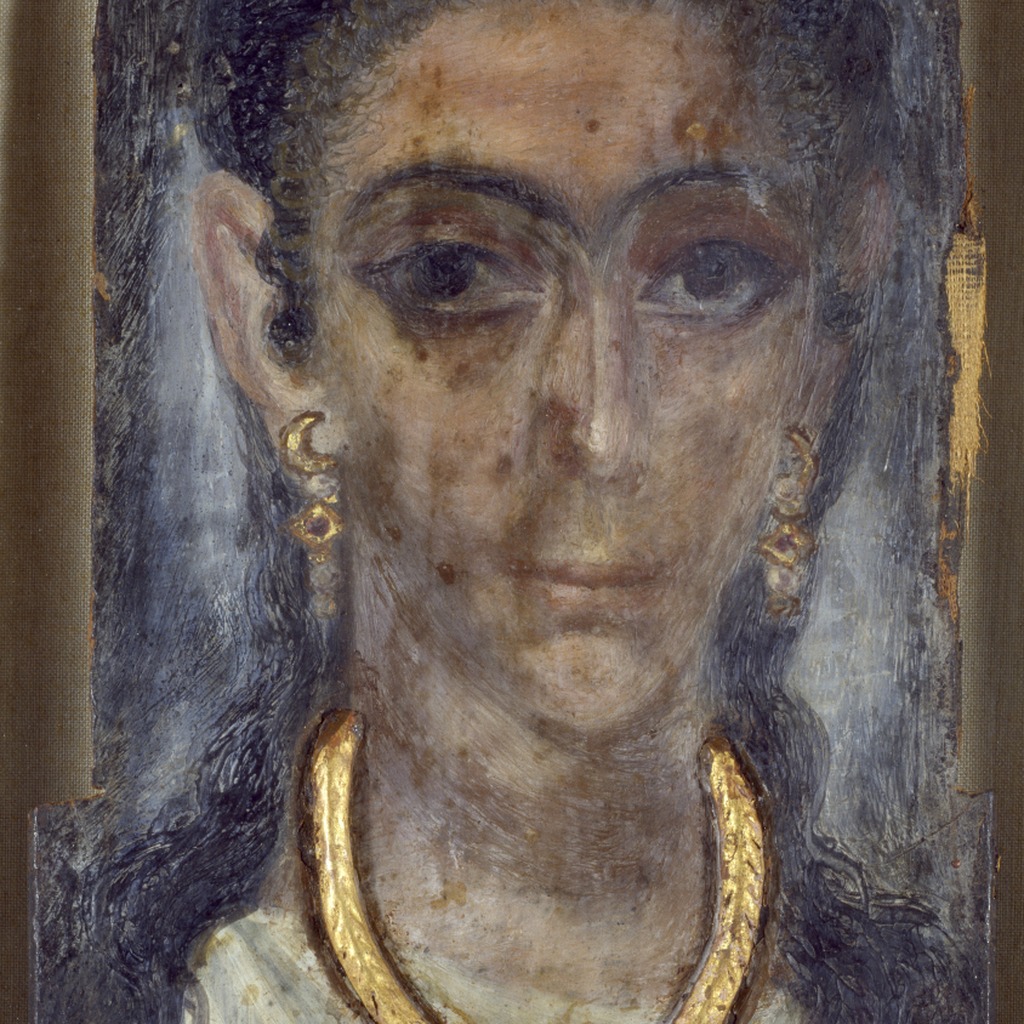 Fayum Portrait of a Woman
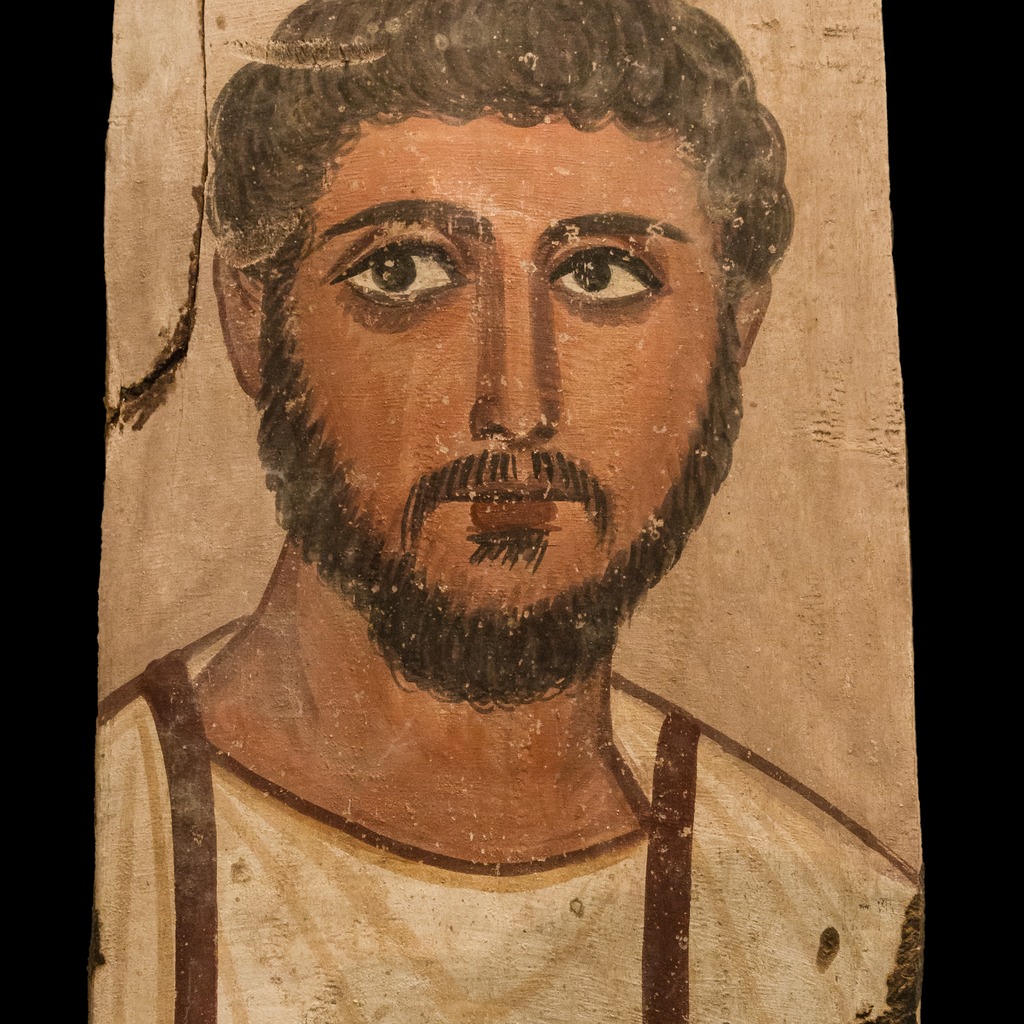 Fayum Portrait of a Man
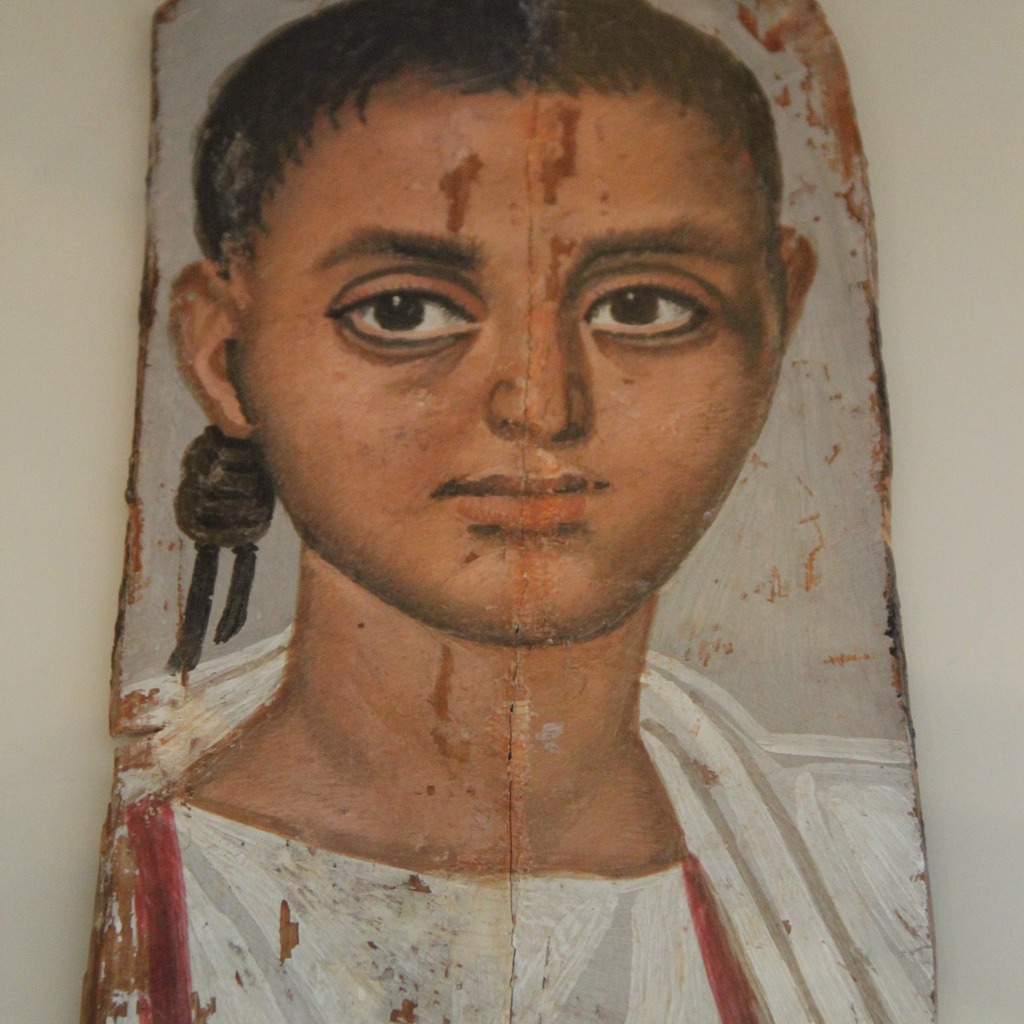 Fayum Portrait of a Boy
How it works
-
Take a photo
Front camera, decent light, look straight ahead. Or pick one you already have.
-
We paint you in
Your face goes into the painting, keeping its light and its brushwork. About fifteen seconds.
-
Share the link
You get a page anyone can open. No account, nothing to install.