

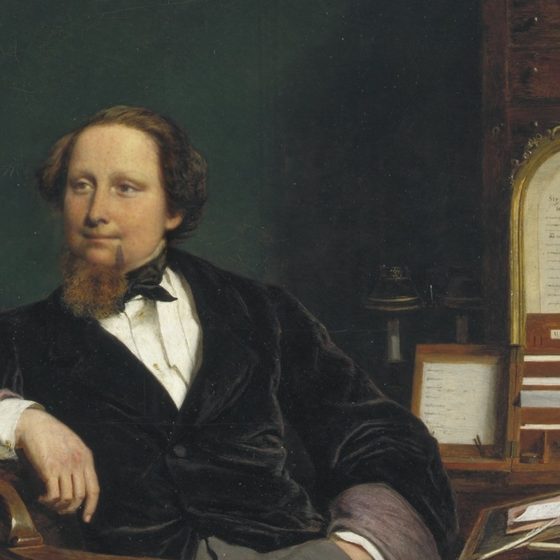
Making your meme…
William Powell Frith · 1859
Charles Dickens face swap
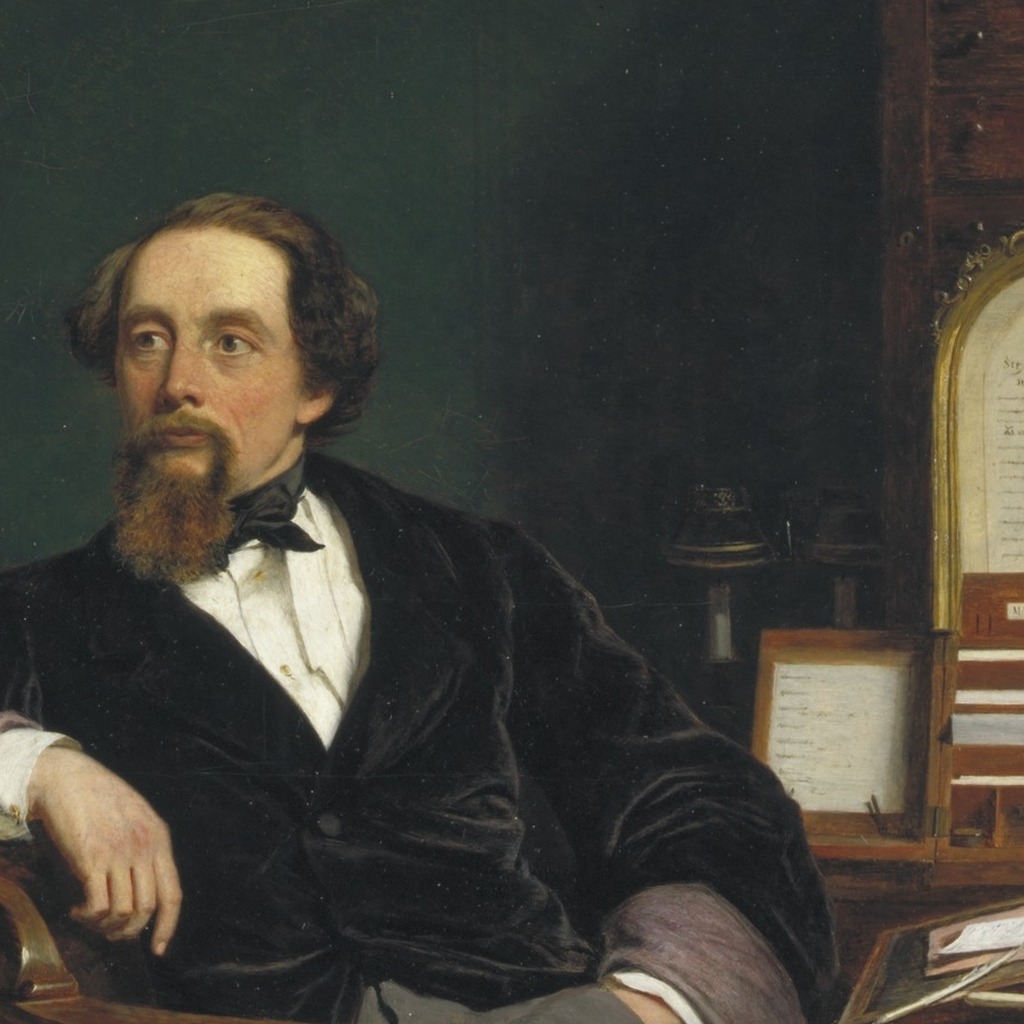
Dickens at forty-seven, in the study, at the height of absolutely everything.
or
Under 15 seconds · no sign-up · your selfie is never stored
Or become a patron and stop counting. Already a patron? Sign in.
How it works
-
Take a photo
Front camera, decent light, look straight ahead. Or pick one you already have.
-
We paint you in
Your face goes into the painting, keeping its light and its brushwork. About fifteen seconds.
-
Share the link
You get a page anyone can open. No account, nothing to install.
Where this one comes from
William Powell Frith painted this in 1859 for John Forster, who was Dickens’s closest friend and later his first biographer. Dickens was forty-seven and publishing A Tale of Two Cities that year. The canvas went to the Victoria and Albert Museum with the rest of Forster’s collection, and it is still there.
What is in the picture
He sits in a chair pushed back from a desk, one arm hooked over the chair back and the other hand hanging loose — the pose of a man interrupted rather than arranged. Behind him is the clutter of somebody who works: papers, a writing table, books stacked at the right edge, the room dim and green. The beard is at the length he kept in the late 1850s, a few years before he grew it out for the reading tours. His face is angled slightly away and his eyes are not.
When people use it
The picture for looking up from work you have not finished. It fits a message sent at eleven at night, or any moment whose point is that you were in the middle of something when this happened.
How your face lands in it
His head is smaller in the frame than most of this catalogue, because you are looking at a whole seated man in a whole room, so it rewards a photograph taken close up in decent light. The beard is the thing to plan for: it stays, and it is generous, so an entirely smooth-shaven picture comes back wearing one. A photograph shot at a slight angle lands nearest to his.
Charles Dickens in his Study — William Powell Frith, 1859. William Powell Frith died in 1909, so the painting is in the public domain in the United Kingdom, in the European Union and in the United States. Source

Also in: Paintings · Victorian portraits
More paintings
 Proserpine
 Lady Agnew of Lochnaw
 Queen Victoria
 Dr Pozzi at Home
 Whistler
 Mona Lisa
 Girl with a Pearl Earring
 Van Gogh Self-Portrait
 The Laughing Cavalier
 Dürer's Self-Portrait
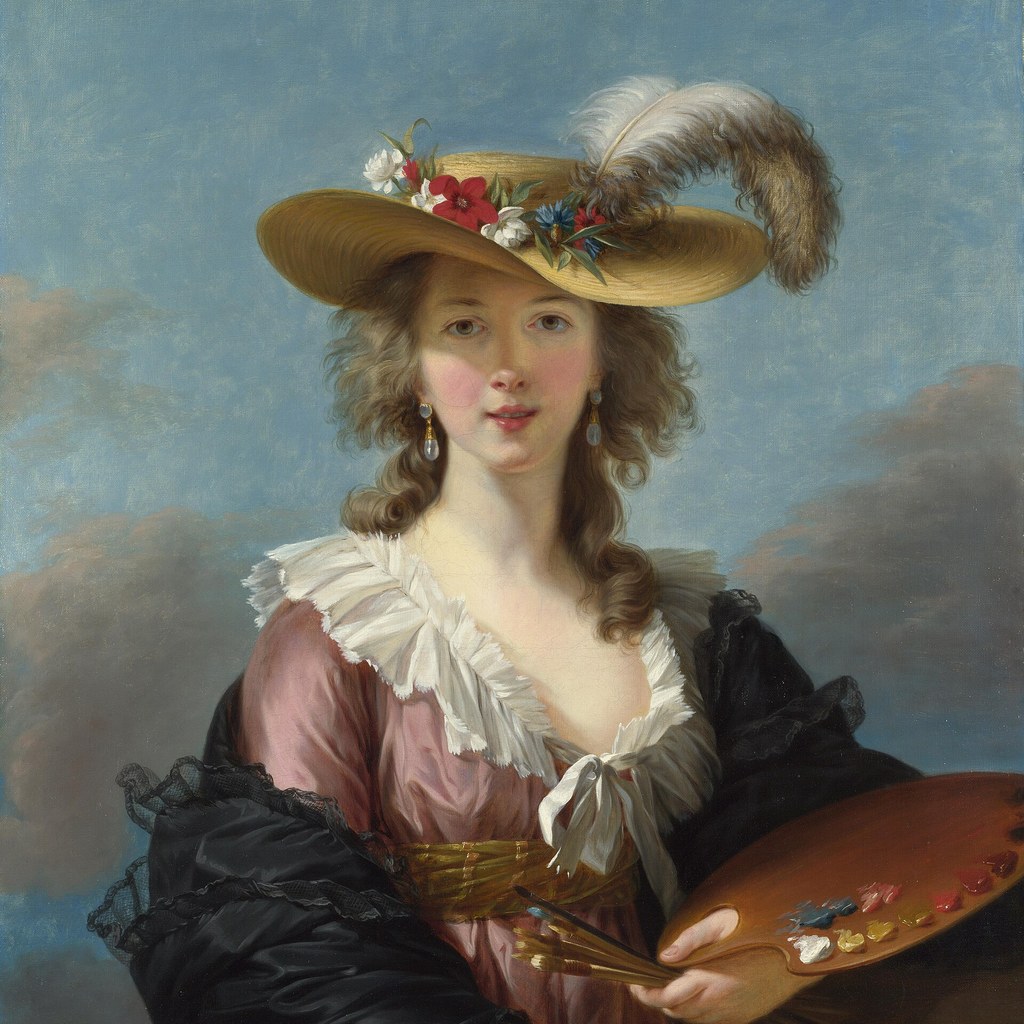 Self-Portrait in a Straw Hat
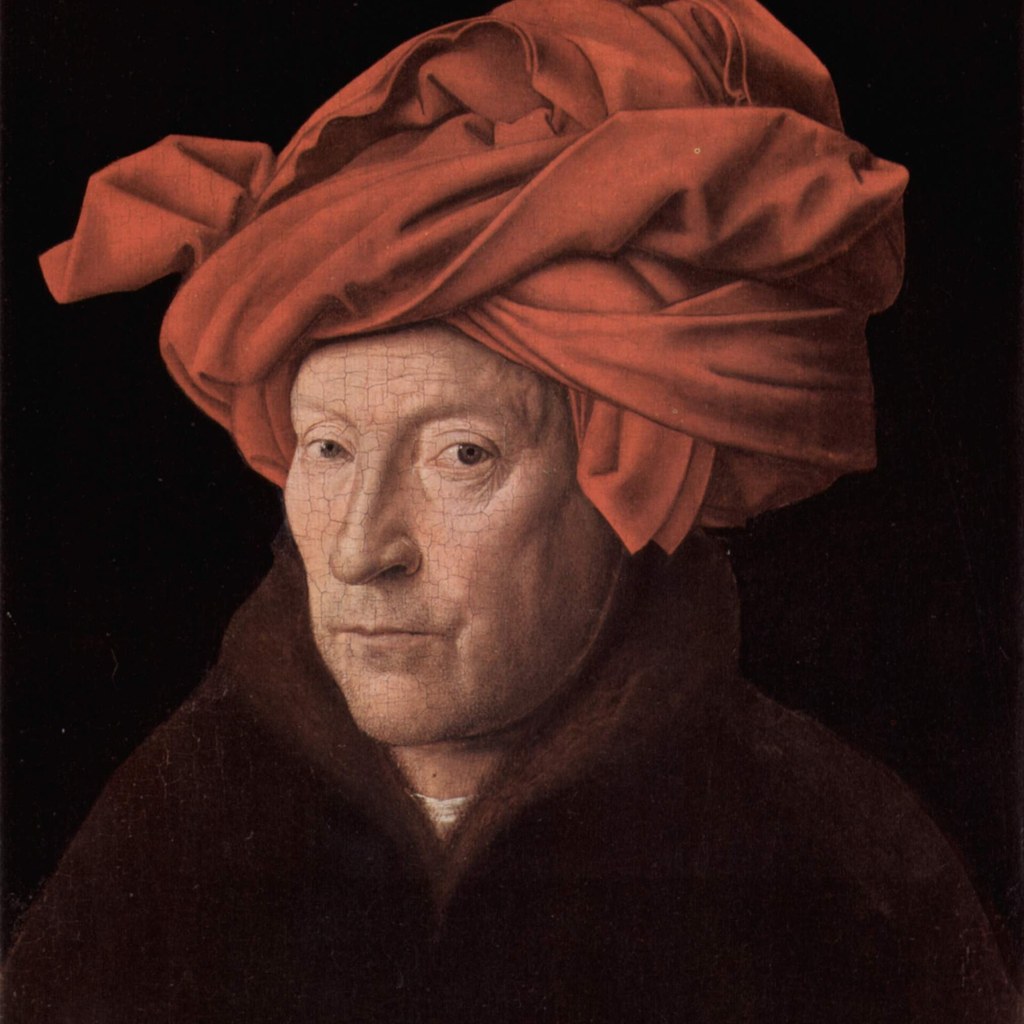 Man in a Red Turban
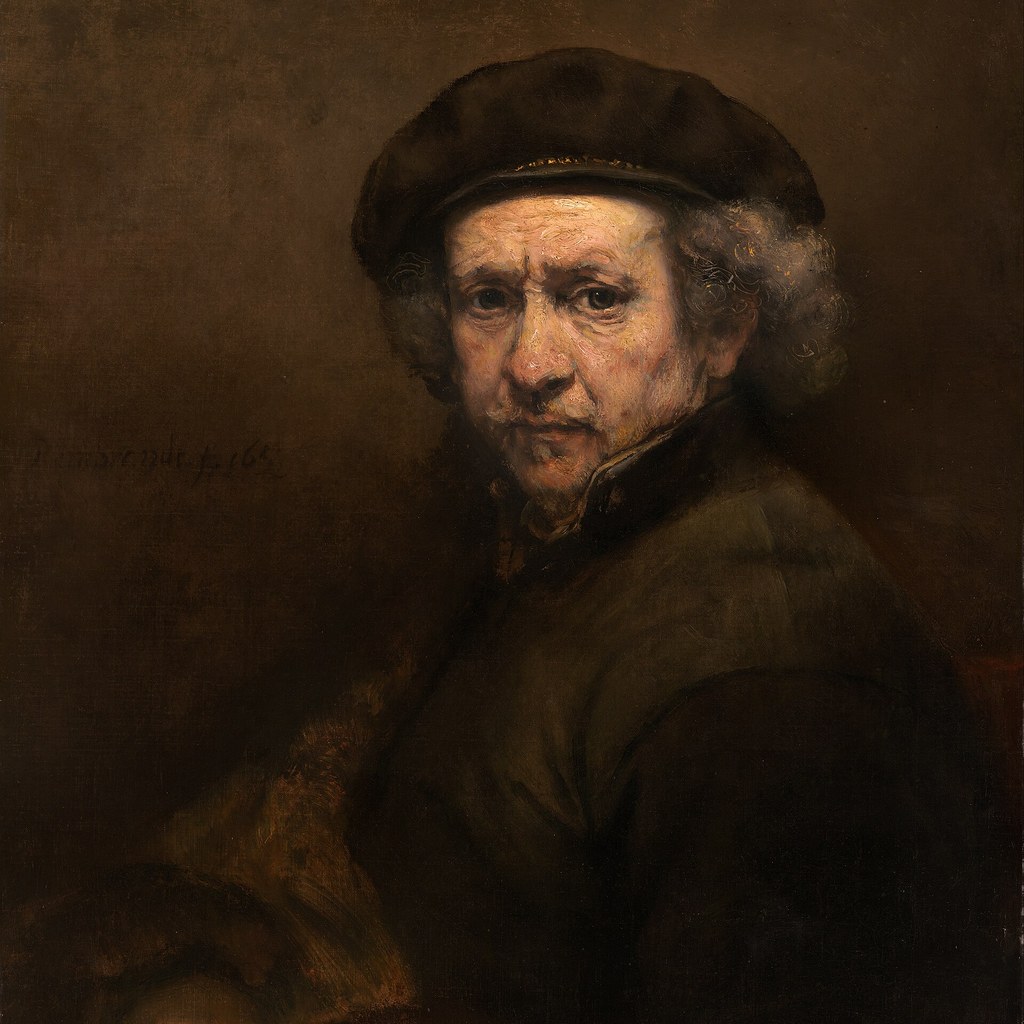 Rembrandt's Self-Portrait
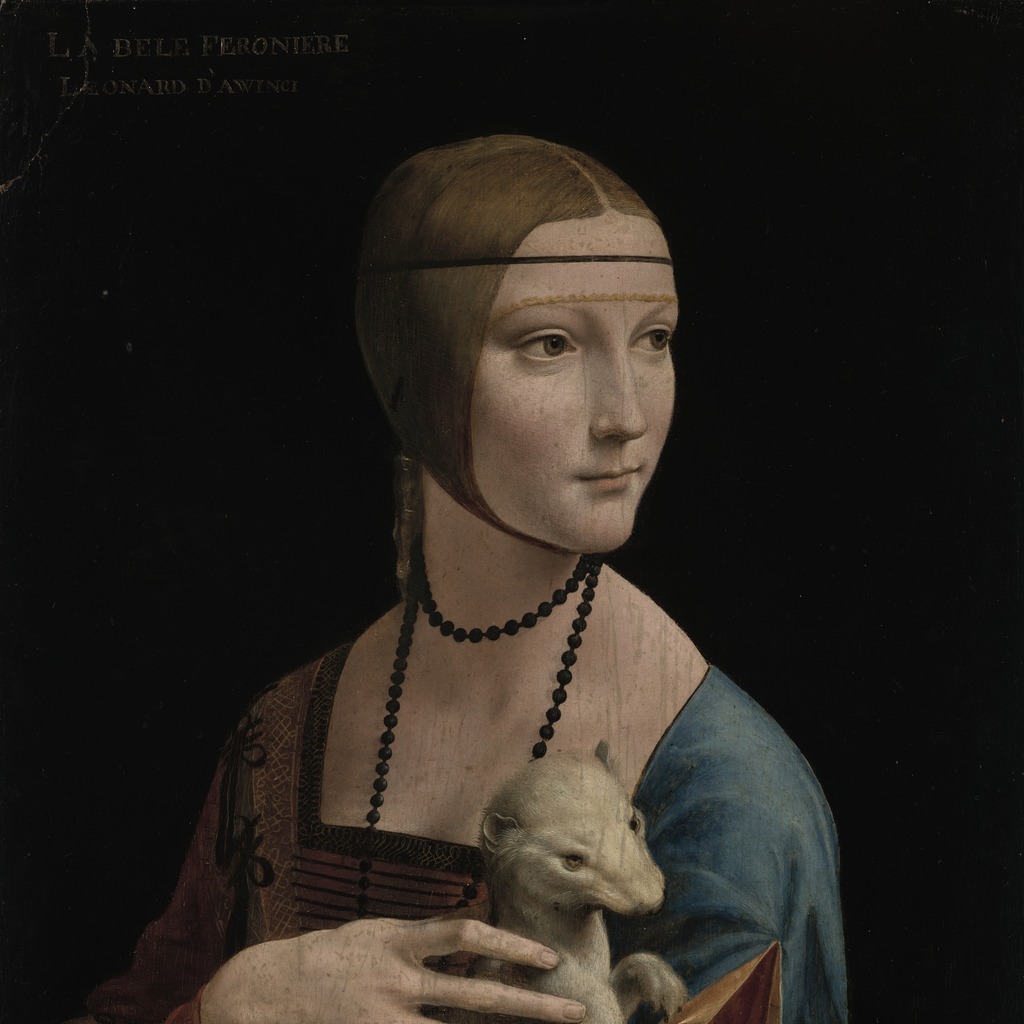 Lady with an Ermine
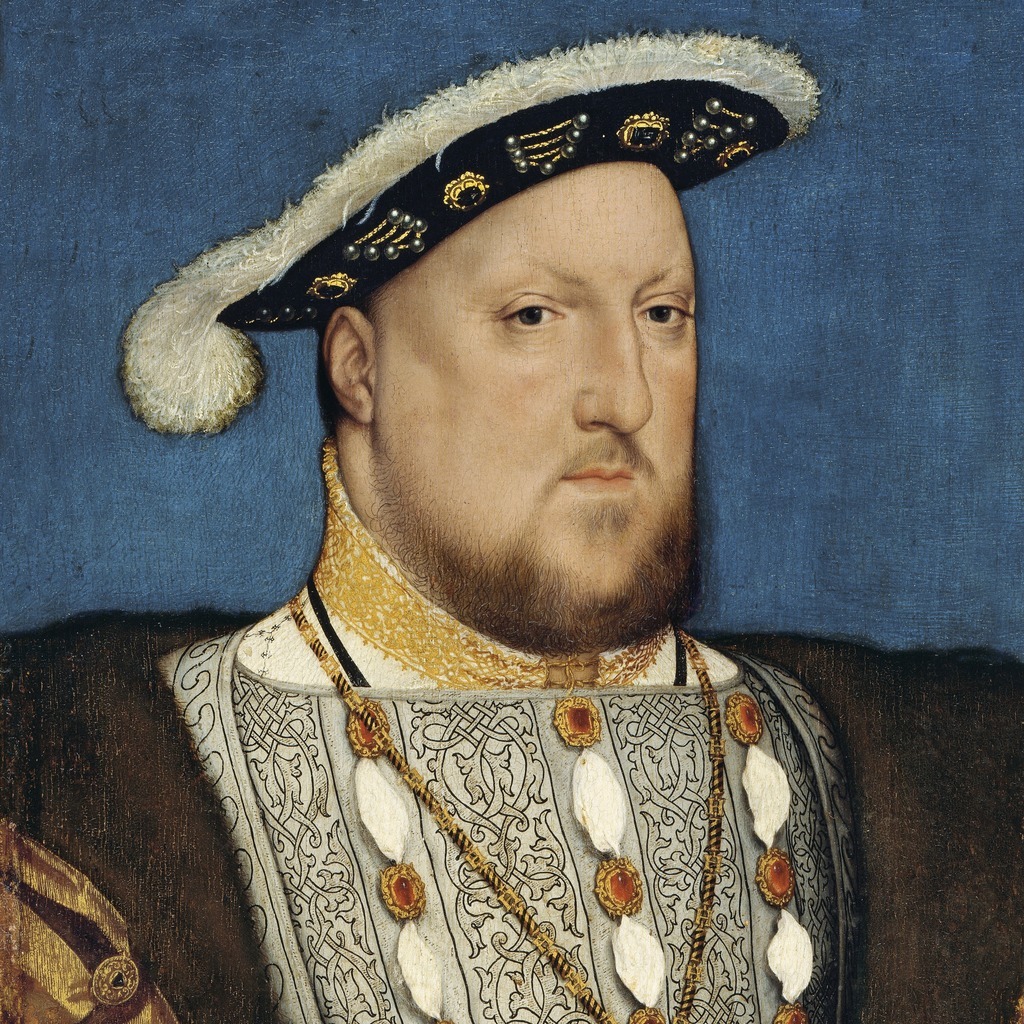 Henry VIII
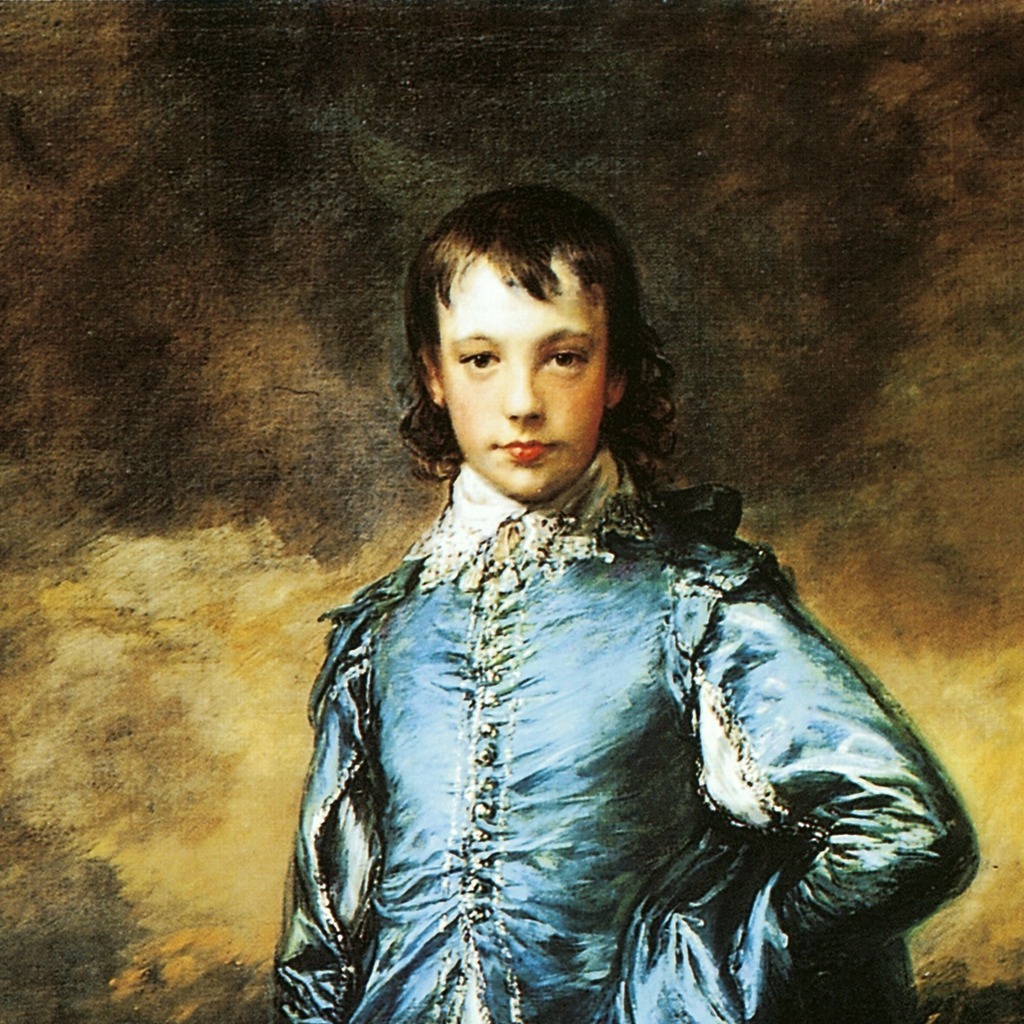 The Blue Boy
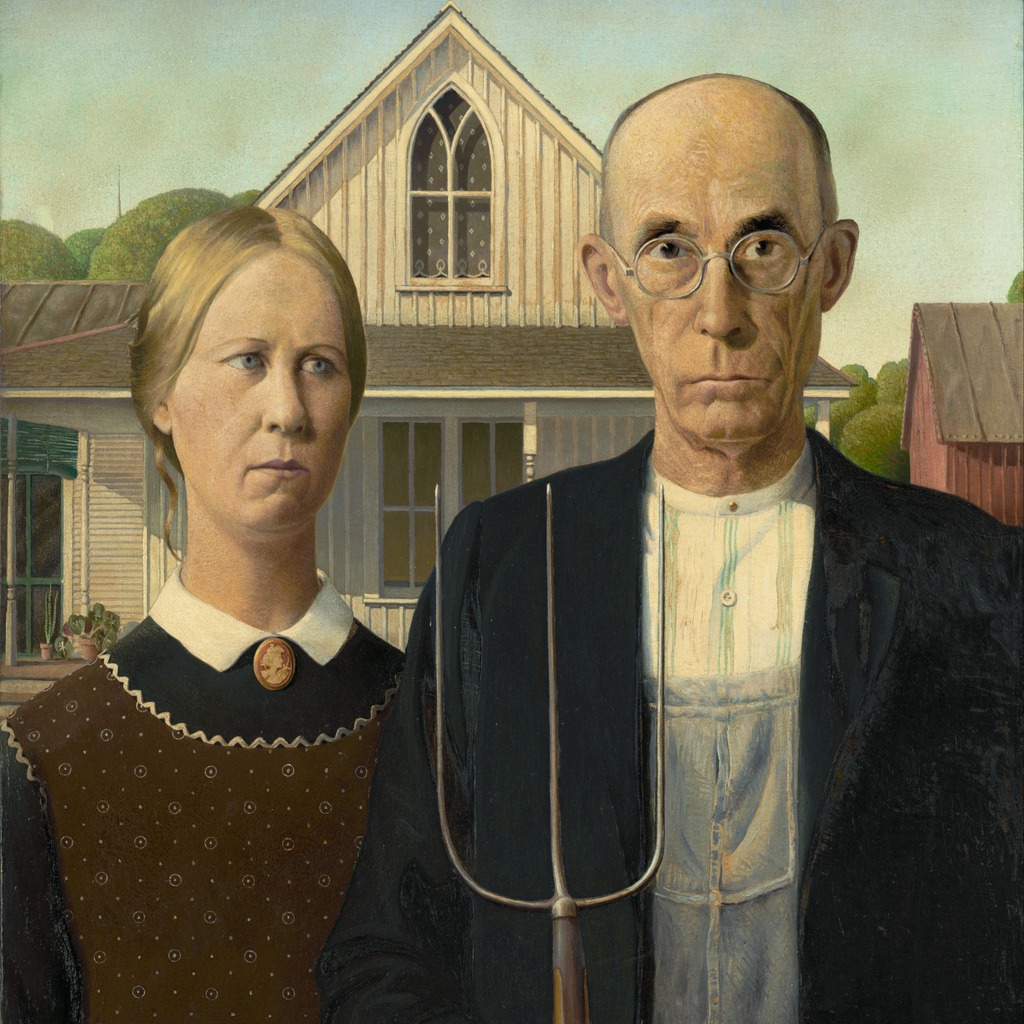 American Gothic
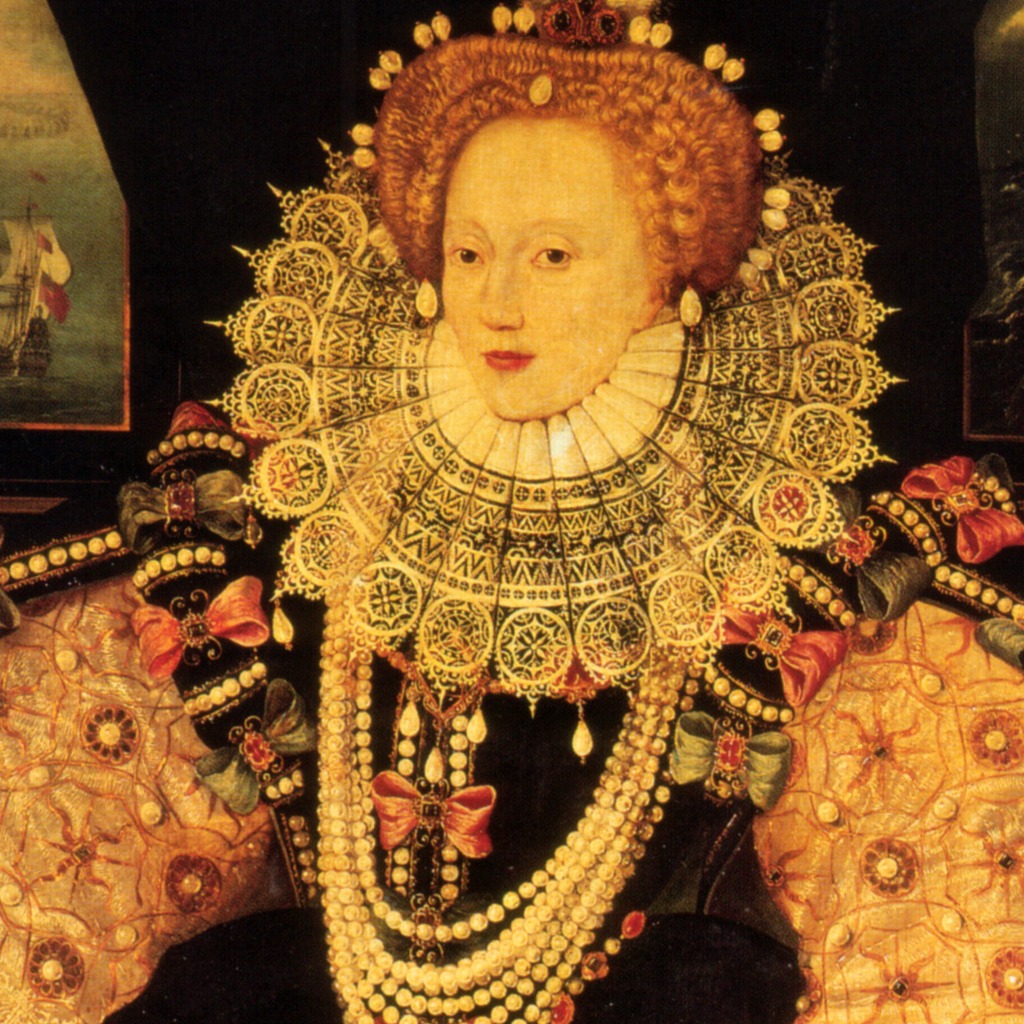 Elizabeth I
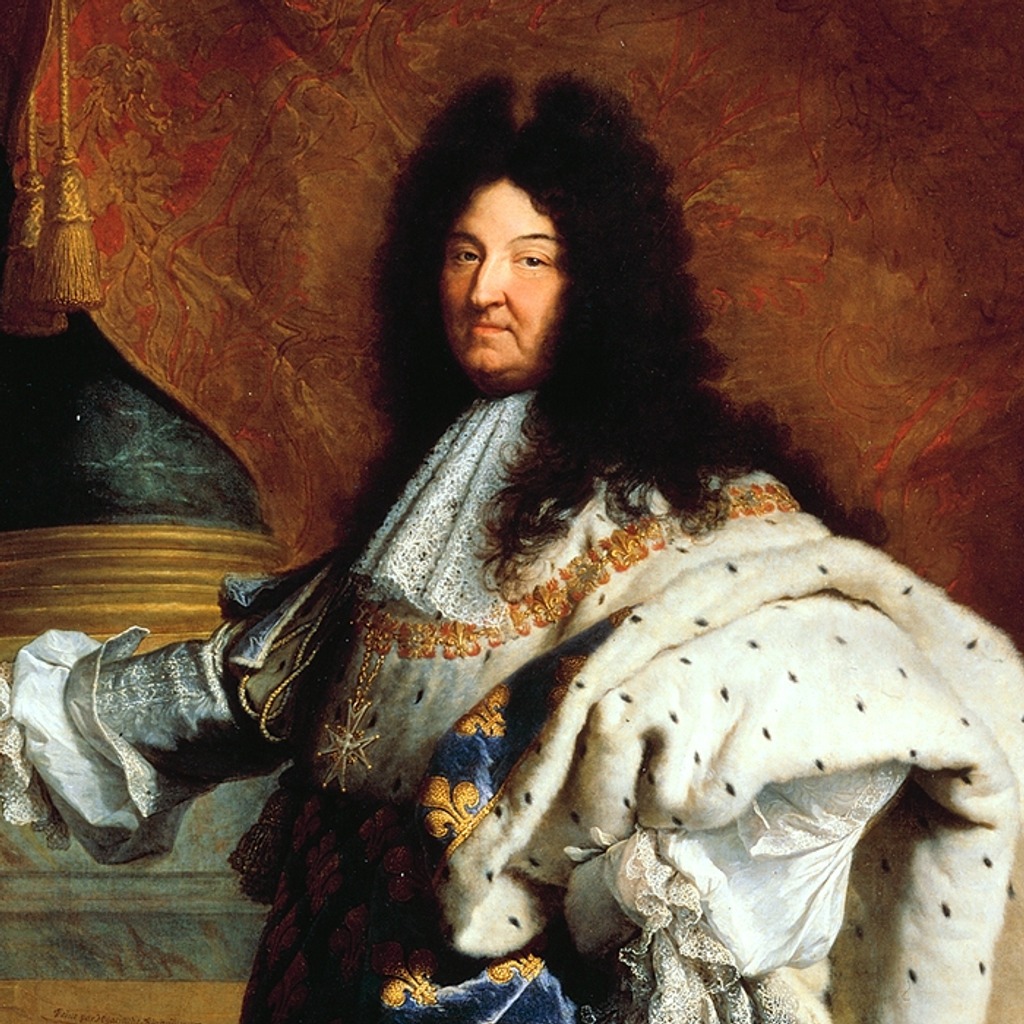 Louis XIV
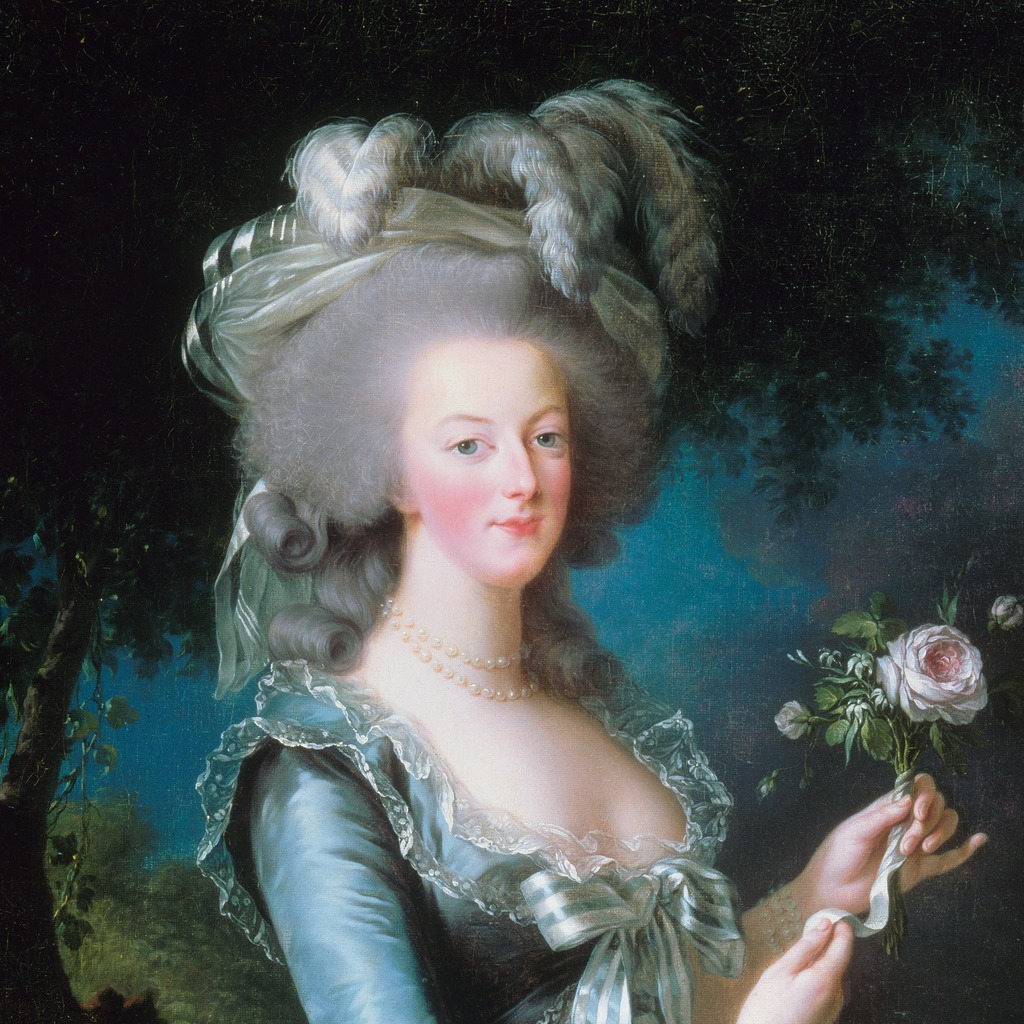 Marie Antoinette
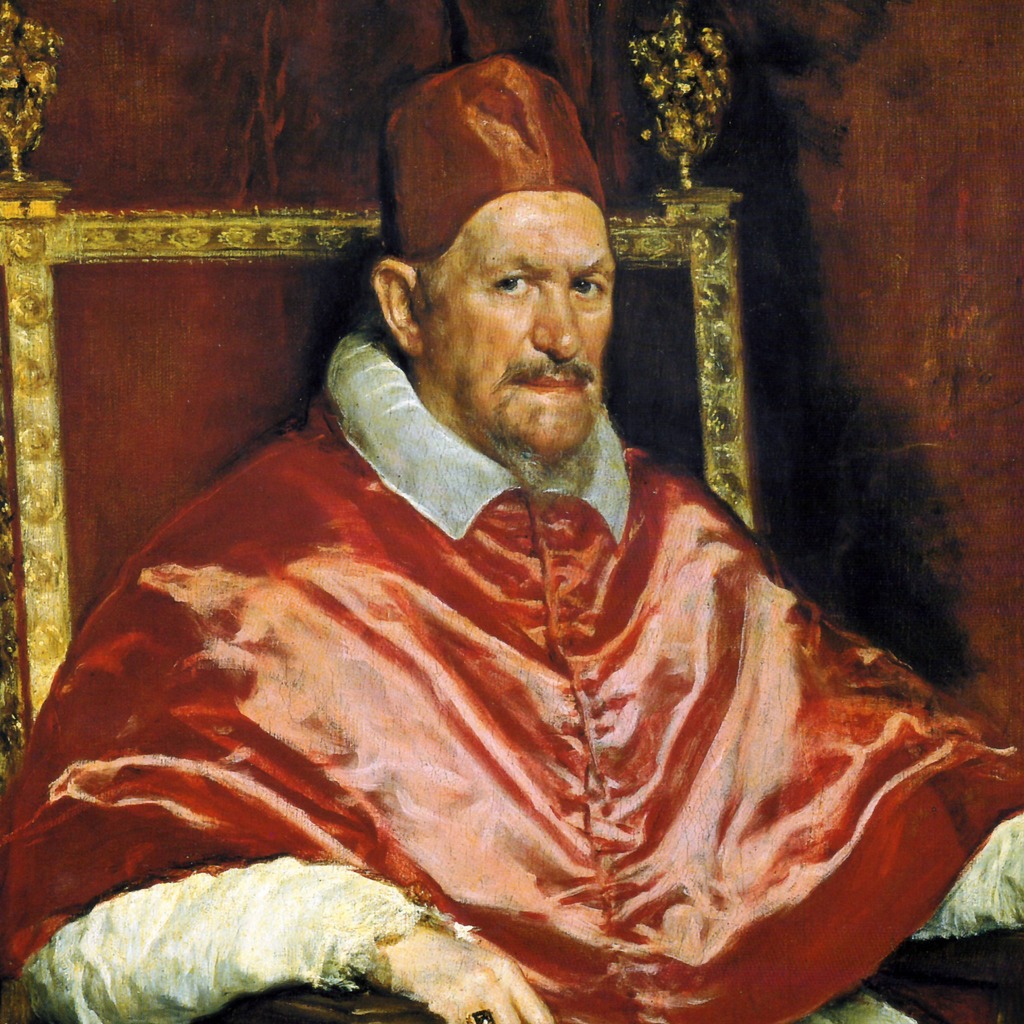 Pope Innocent X
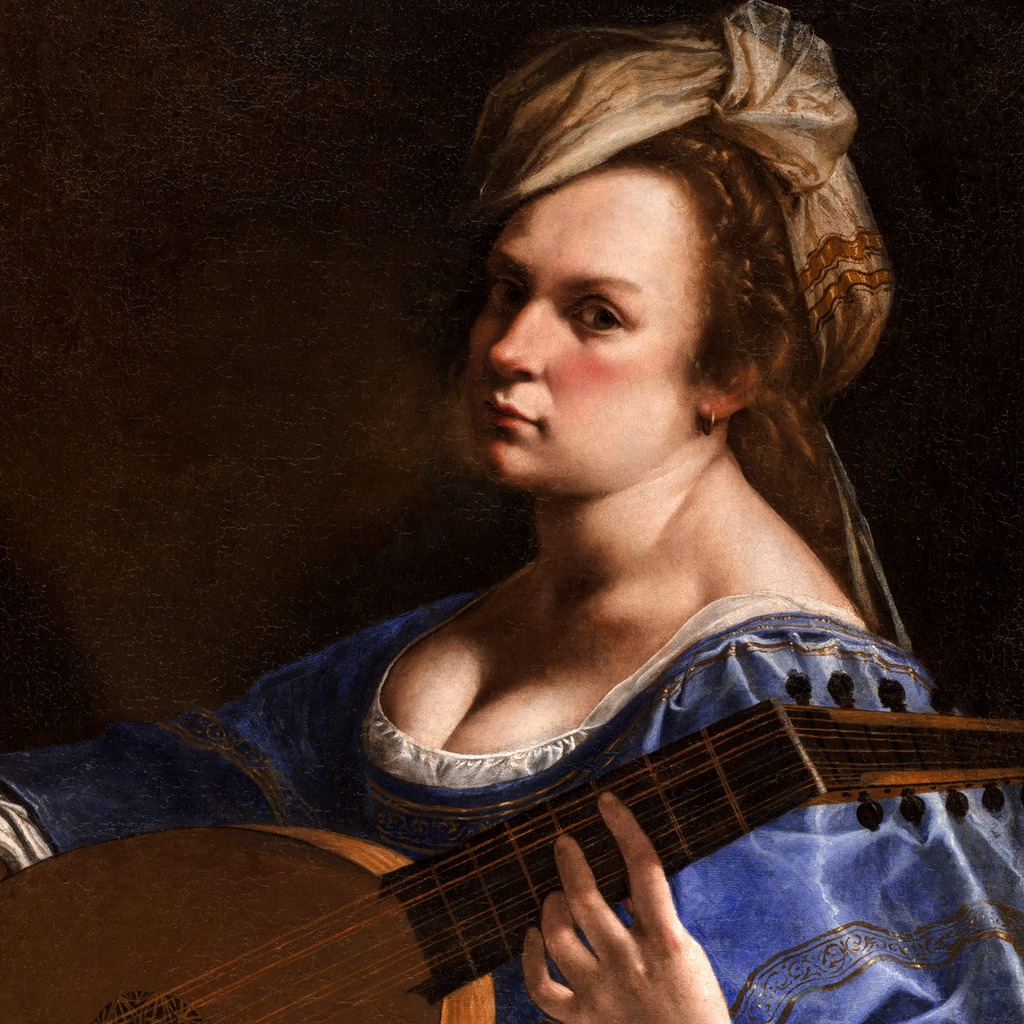 Artemisia's Self-Portrait
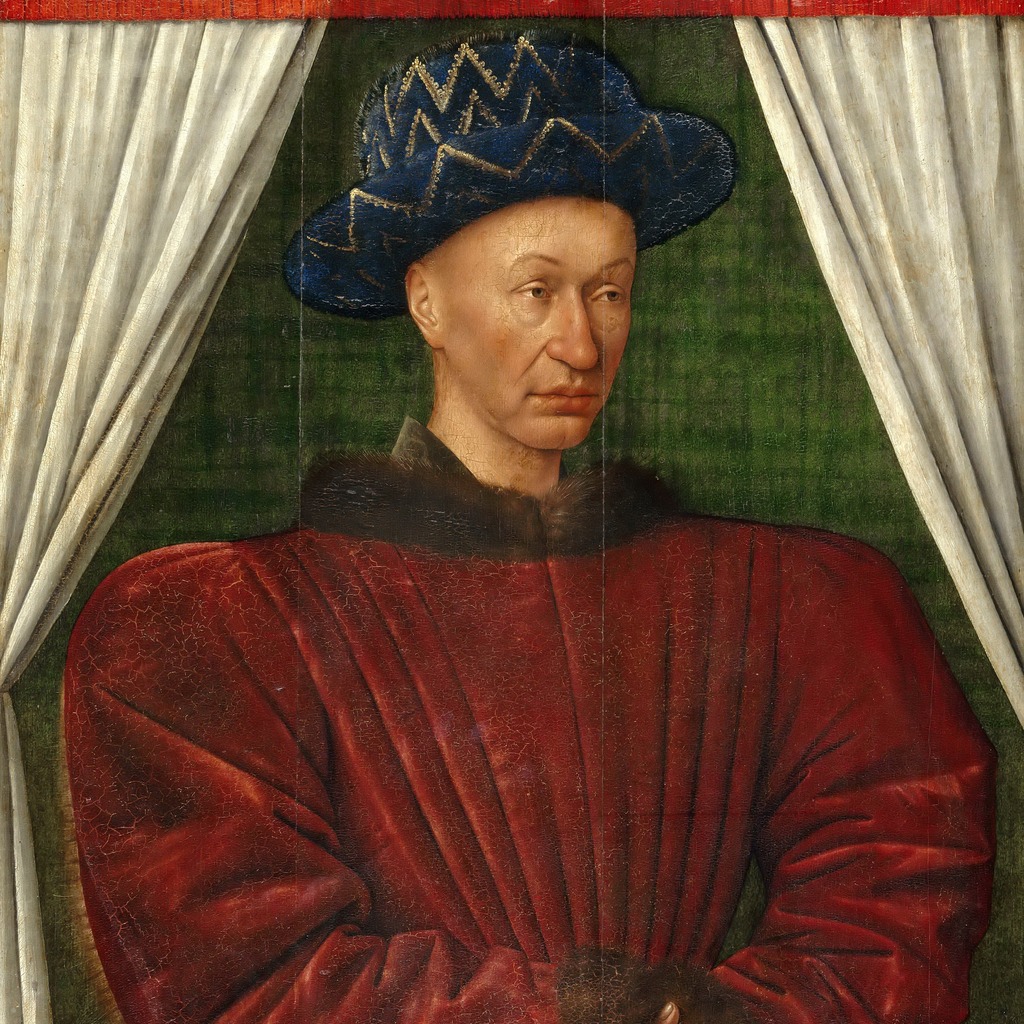 Charles VII
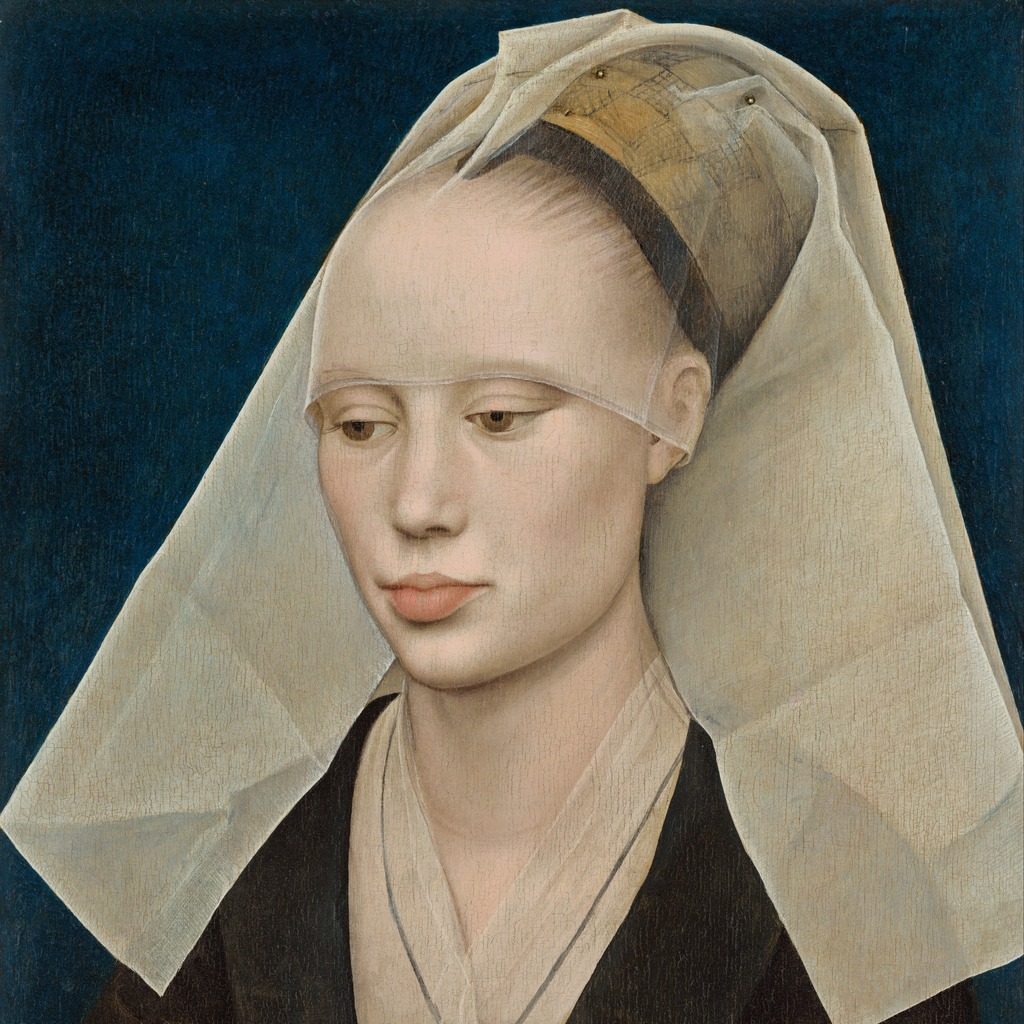 Portrait of a Lady
Questions
When was this painted?
In 1859, the year of A Tale of Two Cities. Dickens was forty-seven, roughly midway between David Copperfield and Great Expectations, and editing a weekly magazine on top of the novels.
Who commissioned it?
John Forster, the friend who went on to write the first life of him. The portrait travelled with the rest of Forster’s collection to the Victoria and Albert Museum, which still holds it.
What is he sitting in front of?
His desk. Frith called the picture Charles Dickens in his Study, and filled the background with the working apparatus of a man who wrote to a deadline every week of his adult life.
Is it free?
Yes. There is a limit on how many you can make in a day, and sharing one earns the allowance back.
Do you keep my photo?
No. Your selfie is used to make the image and then dropped — it is never written to disk. The finished meme is stored, because it has a link people can open, and it is deleted after 90 days.
Can I use someone else’s face?
Please do not. Use your own. Putting a real person into a picture they did not agree to is exactly the thing this is not for.
Can I post the result?
Yes, anywhere you like. The paintings are public domain; what you make with your own face is yours.