

Victorian portrait face swap
Six portraits from the reign that gave the word its meaning, painted between 1856 and 1892, and no two of them agree about what a face is for.
The first sitters here who could have used a camera
Photography was ordinary by the 1850s and cheap by the 1880s. Everybody on this page could have had a likeness made in an afternoon for a few shillings, and every one of them sat for weeks instead — which means that for the first time in this catalogue the painting is not a record of a face. It is an argument about that face, made by a person who knew a machine could have done the recording part.
You can watch the argument in the brushwork. Sargent leaves the dress unresolved on purpose and puts every sharp edge into the eyes; Frith finishes a whole room down to the papers on the desk; Rossetti lengthens a neck past anything a lens would have permitted. None of that is carelessness and none of it is incompetence. It is each of them refusing to compete with a shutter.
Different ideas of what a portrait is
Winterhalter is the court painter: the monarch as an institution, soft everywhere except the diamonds. Frith is the storyteller, who cannot paint a man without also painting the desk he works at. Sargent is the modern one, interested almost entirely in the moment a person looks up. Rossetti has stopped painting people altogether and is painting a mood with a woman in it.
Two more sit alongside them. Dr Pozzi is Sargent again, a decade younger and openly showing off — a surgeon in a red dressing gown against a red curtain, which is a dare rather than a commission. Whistler painted himself in almost no colour at all and refused to call it a portrait, titling it an arrangement in grey; it is the same refusal as everyone else's, carried to its end.
Which matters for what comes out, because the picture keeps its own opinion after the swap. The same photograph turns institutional in the Winterhalter, biographical in the Frith, casual and expensive in the Sargent, and slightly doomed in the Rossetti.
Which to pick
By light: Lady Agnew and Queen Victoria are lit flatly from the front and take almost any straight-on photograph. Proserpine is lit from behind and will put half of your face in shadow whether or not your own picture was shot that way.
By how much of you shows: the Victoria and the Sargent are close portraits where the face is the largest object in the frame. Dickens is a whole seated man in a whole study, so his head is smaller and the photograph you bring needs to be a sharp one — and his beard stays, which is worth knowing in advance.
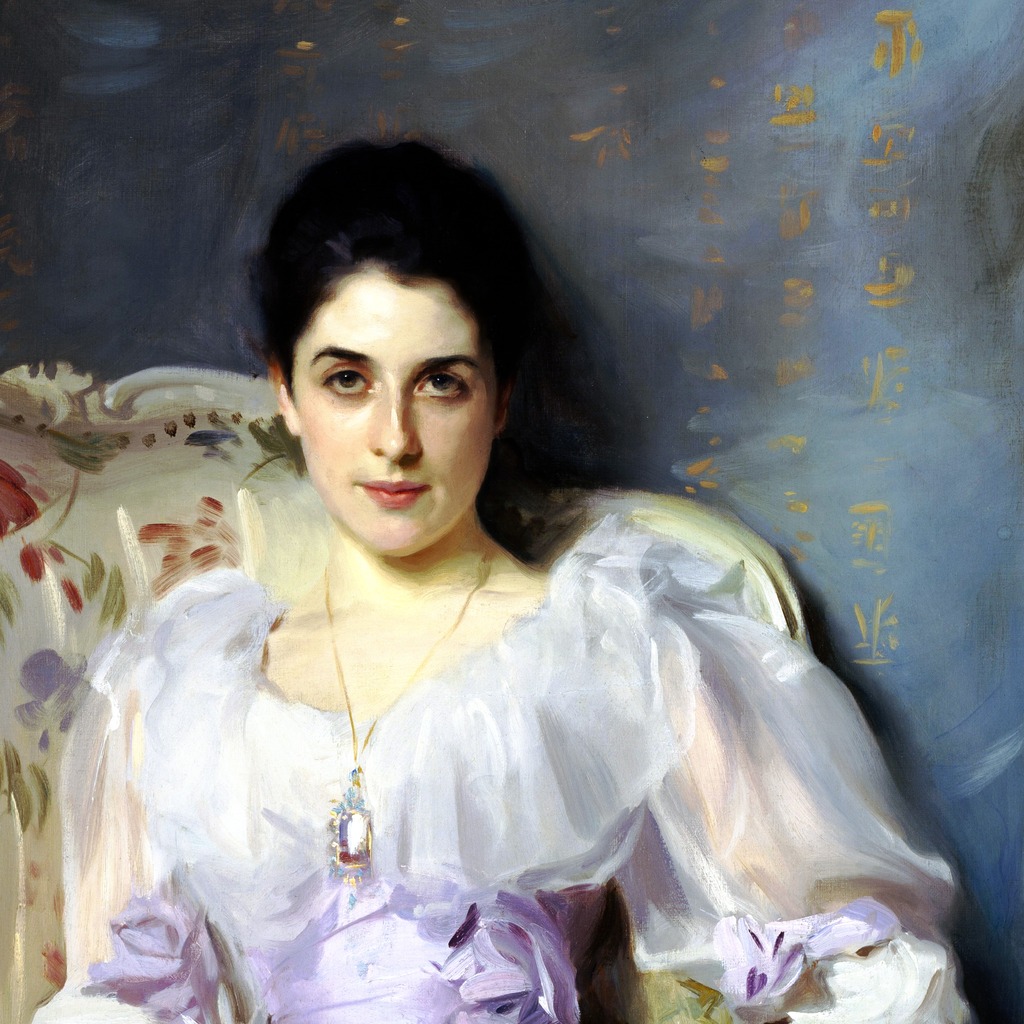 Lady Agnew of Lochnaw
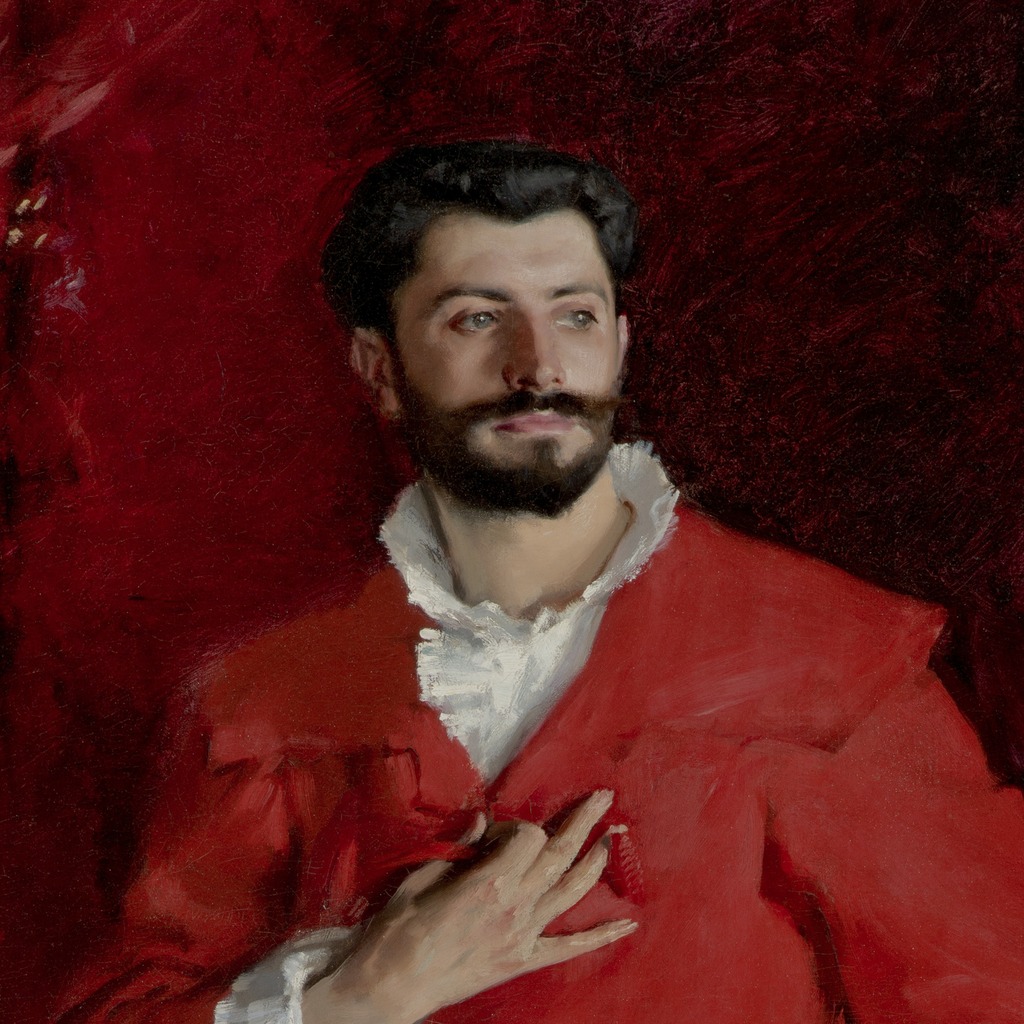 Dr Pozzi at Home
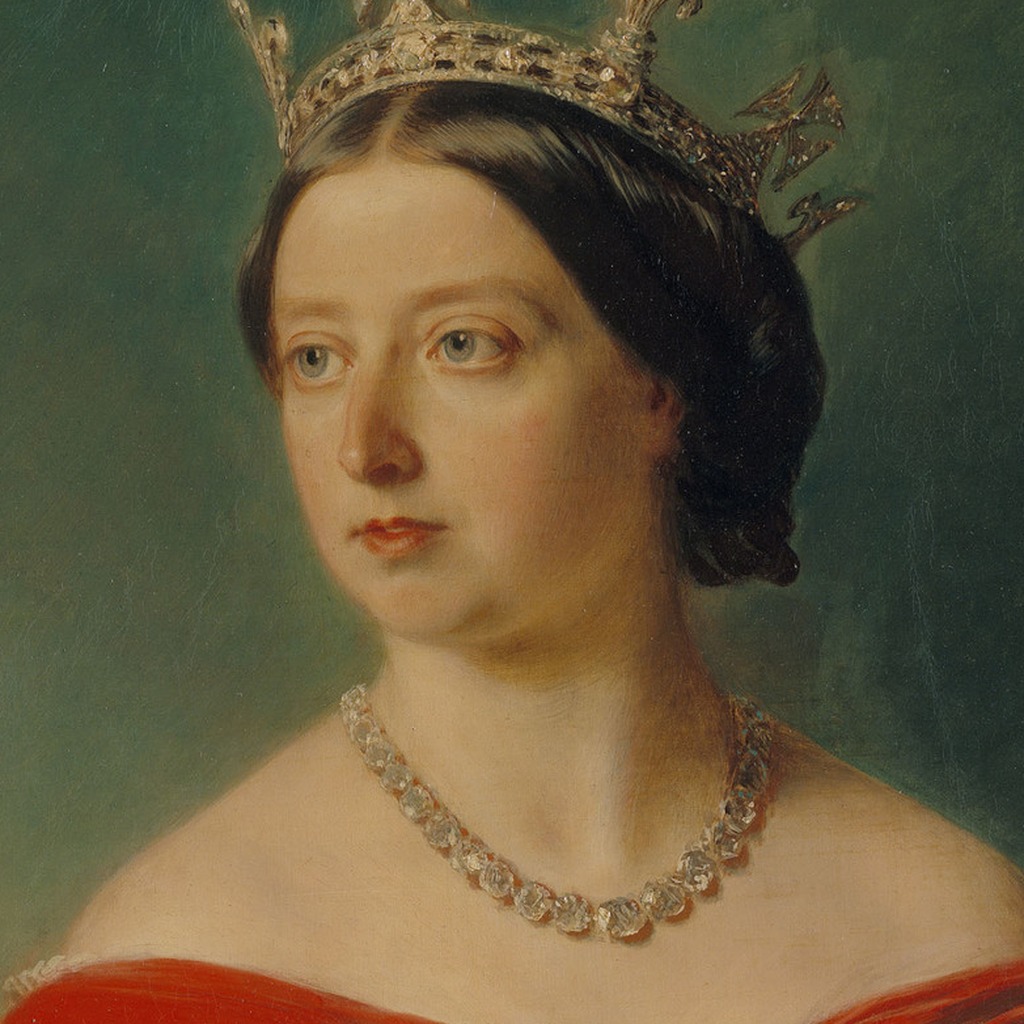 Queen Victoria
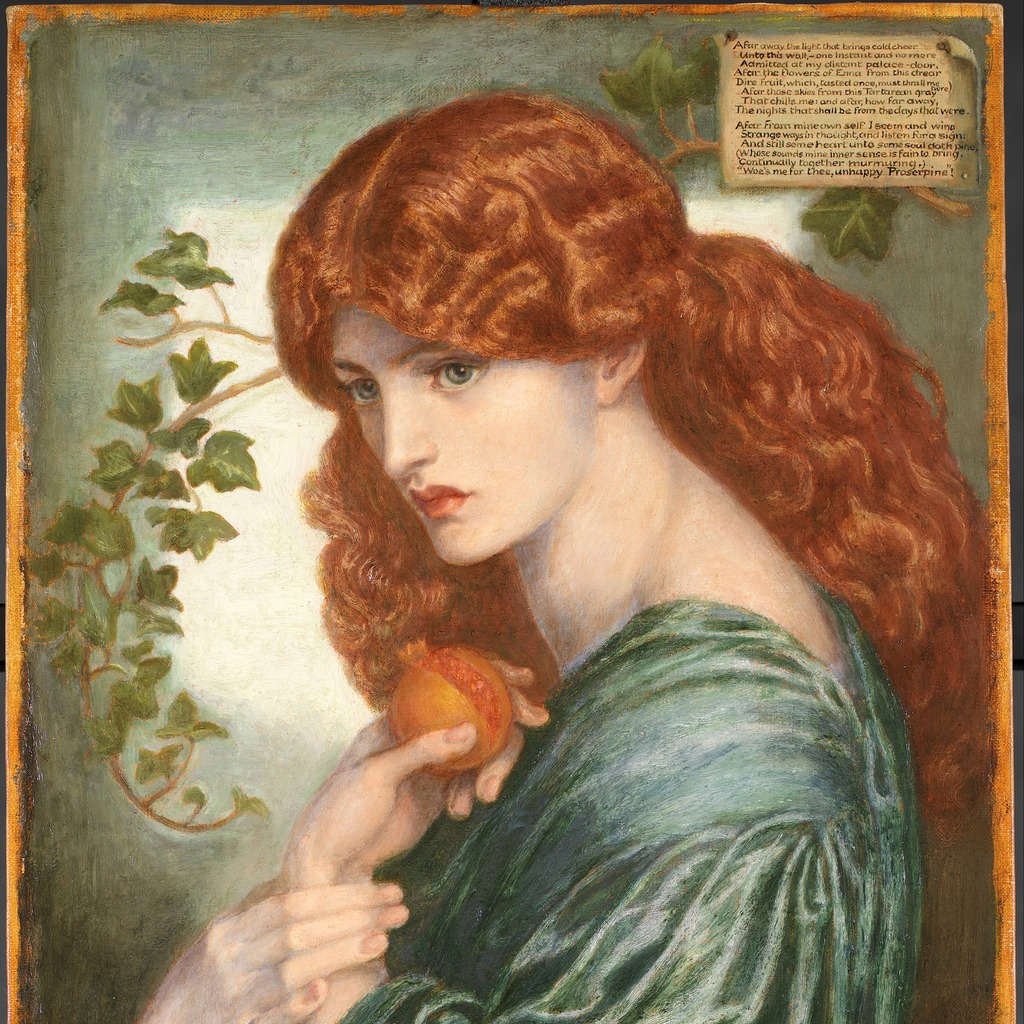 Proserpine
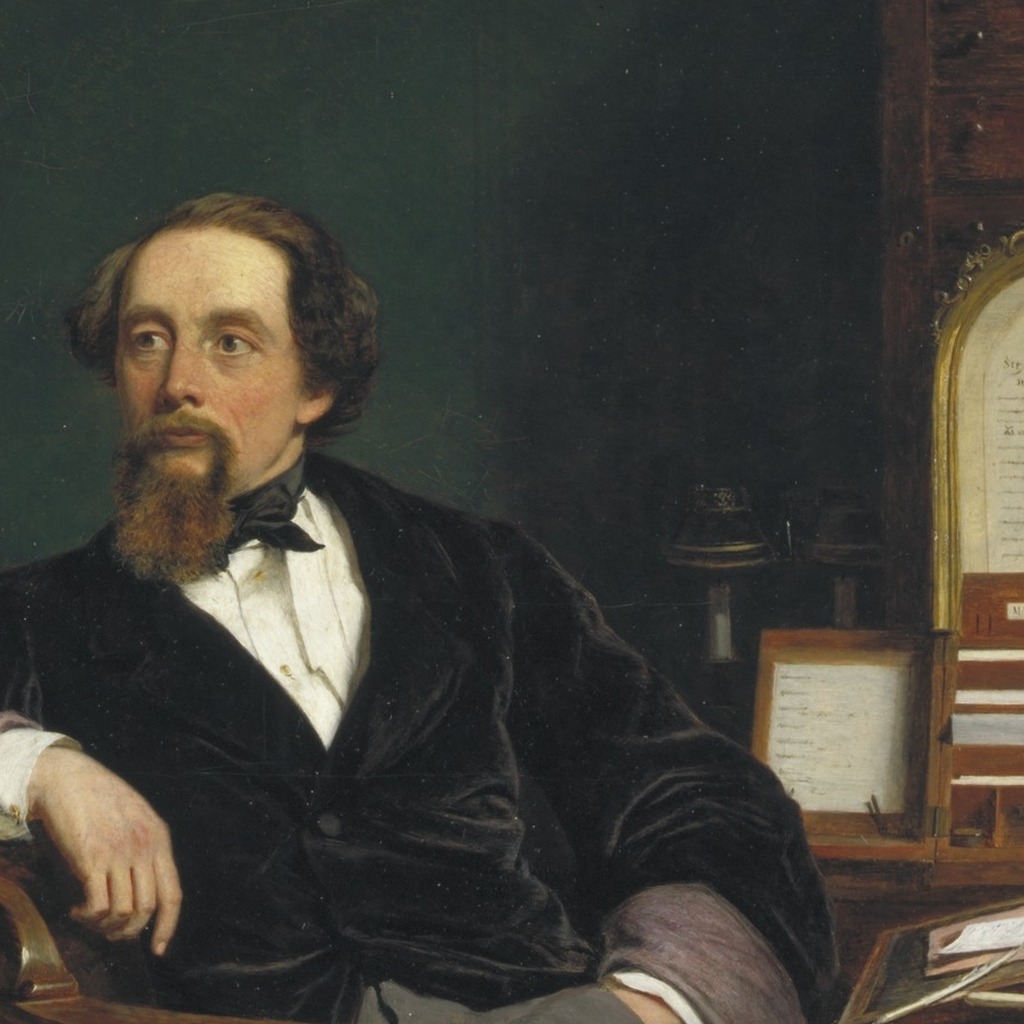 Charles Dickens
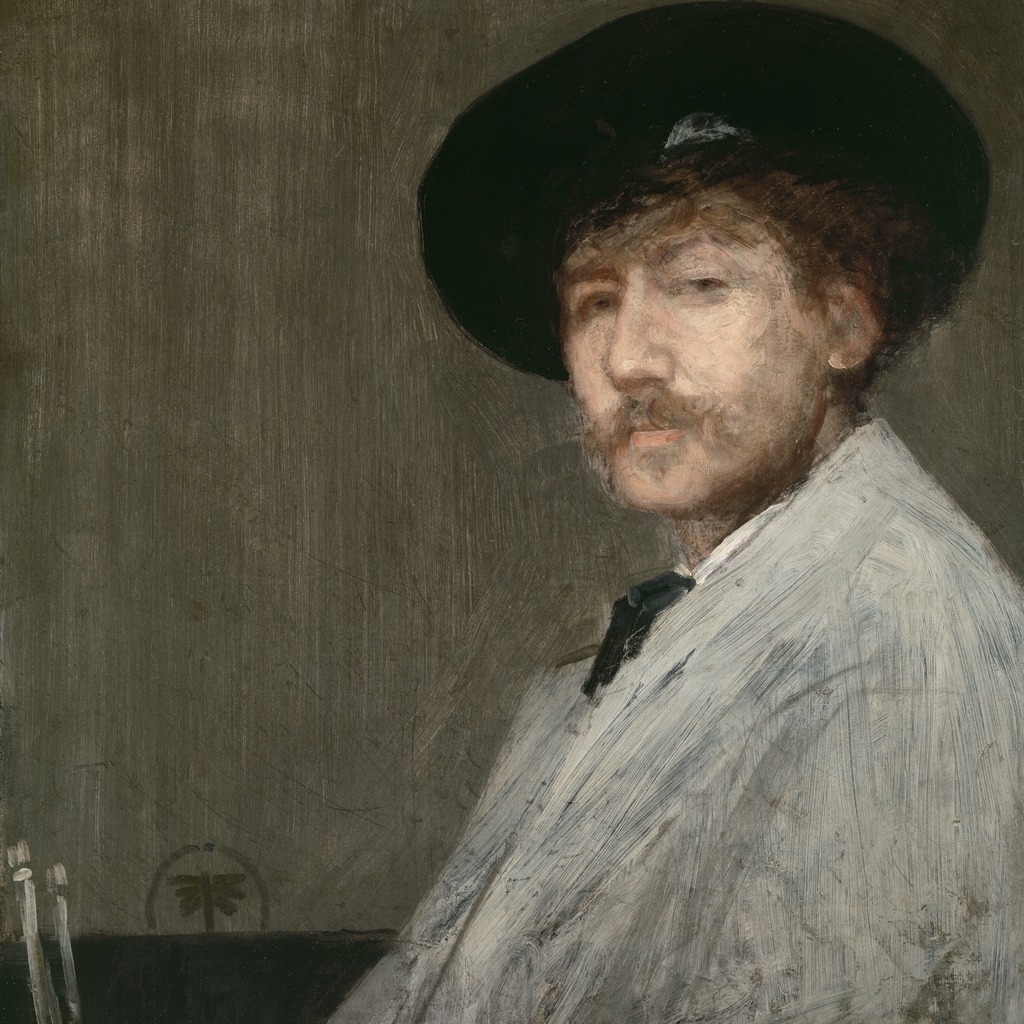 Whistler
How it works
-
Take a photo
Front camera, decent light, look straight ahead. Or pick one you already have.
-
We paint you in
Your face goes into the painting, keeping its light and its brushwork. About fifteen seconds.
-
Share the link
You get a page anyone can open. No account, nothing to install.