

Medieval portrait face swap
Six panels from the end of the Middle Ages, when painters in the north first worked out how to put one specific human being on a piece of wood.
How medieval is medieval
These were painted between about 1433 and 1470, which puts them at the closing edge of the period rather than in the middle of it. A specialist would file most of them under early Netherlandish and reach for the word Gothic before the word medieval. That is the honest label, and it is not the one anybody types.
The look, though, is exactly the thing people mean: a flat dark ground, no perspective doing any work, jewel colours mixed thin over white, and a head that has been drawn rather than lit. If you came here for that, you are in the right place and the vocabulary is the only thing that was off.
Why these convert better than anything newer
A fifteenth-century panel puts the head close to the front, fills most of the picture with it, and lights it evenly from no particular direction — which happens to describe the photograph your phone takes indoors on a grey afternoon. There is no dramatic shadow for your own face to have to match.
The headgear does the rest. A turban, a hennin, a linen veil, a blue chaperon: each of them draws a hard edge around the top and sides of the head, so the part of the picture that is yours is bounded on three sides before anything is asked of it. That is the same reason these faces have survived five centuries of bad reproduction and still read at postage-stamp size.
One panel here breaks both rules and is the more interesting for it. Memling left his sitter bare-headed and put a landscape behind him instead of a dark ground — a Bruges workshop around 1470 inventing something Italian painters would take up within a generation. It still converts easily, because the light is as flat and the face as frontal as everything around it, but it is the only picture on this page with air in it.
What is going to look strange, and should
Some of these sitters have hairlines plucked halfway back over the skull, because that was the grooming of the moment in the Low Countries. Your face arrives underneath it and the forehead stays enormous. Do not fight this; it is the single most medieval thing in the picture.
Expect the colour to be narrow as well. A painter working in 1460 had a short shelf of pigments and used all of them on the clothes, so skin in these panels sits in a tight band of warm grey. A tanned, brightly lit selfie comes back cooled down and quieter than it went in.
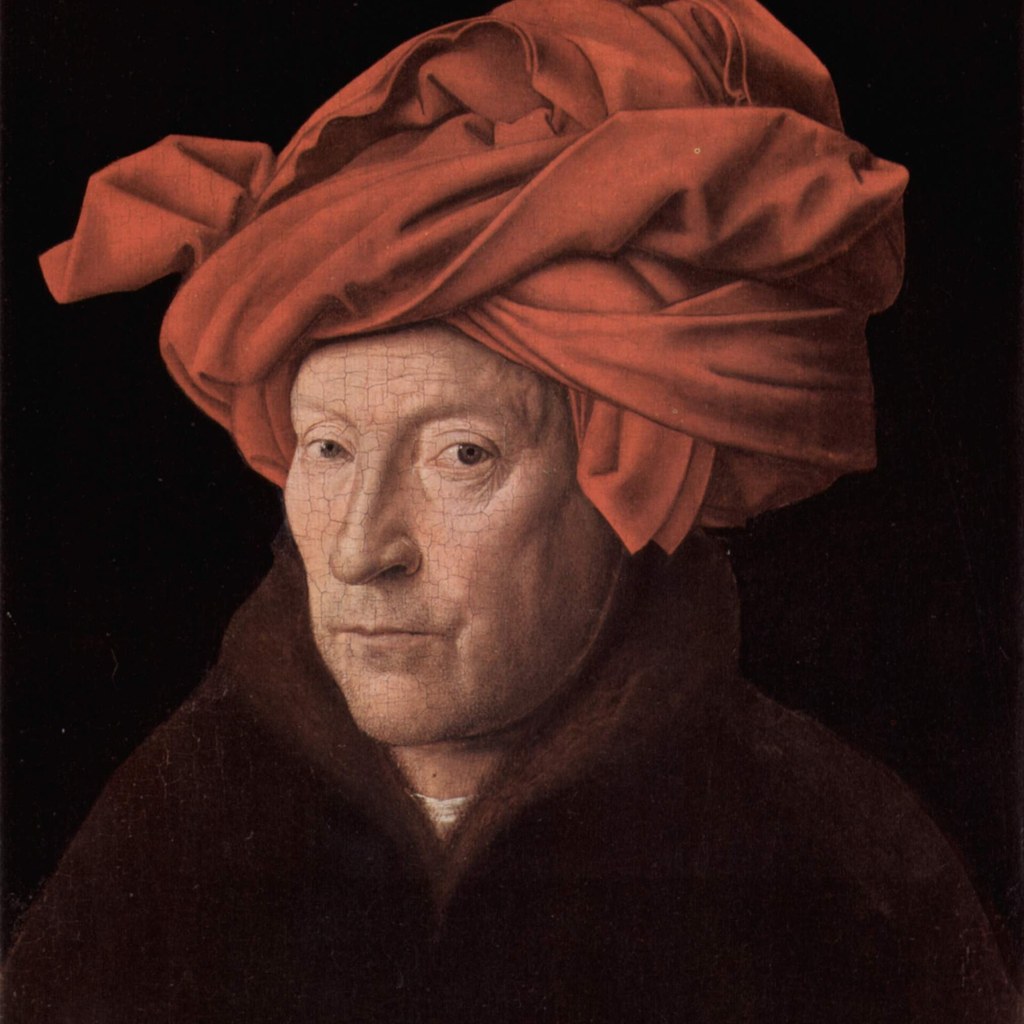 Man in a Red Turban
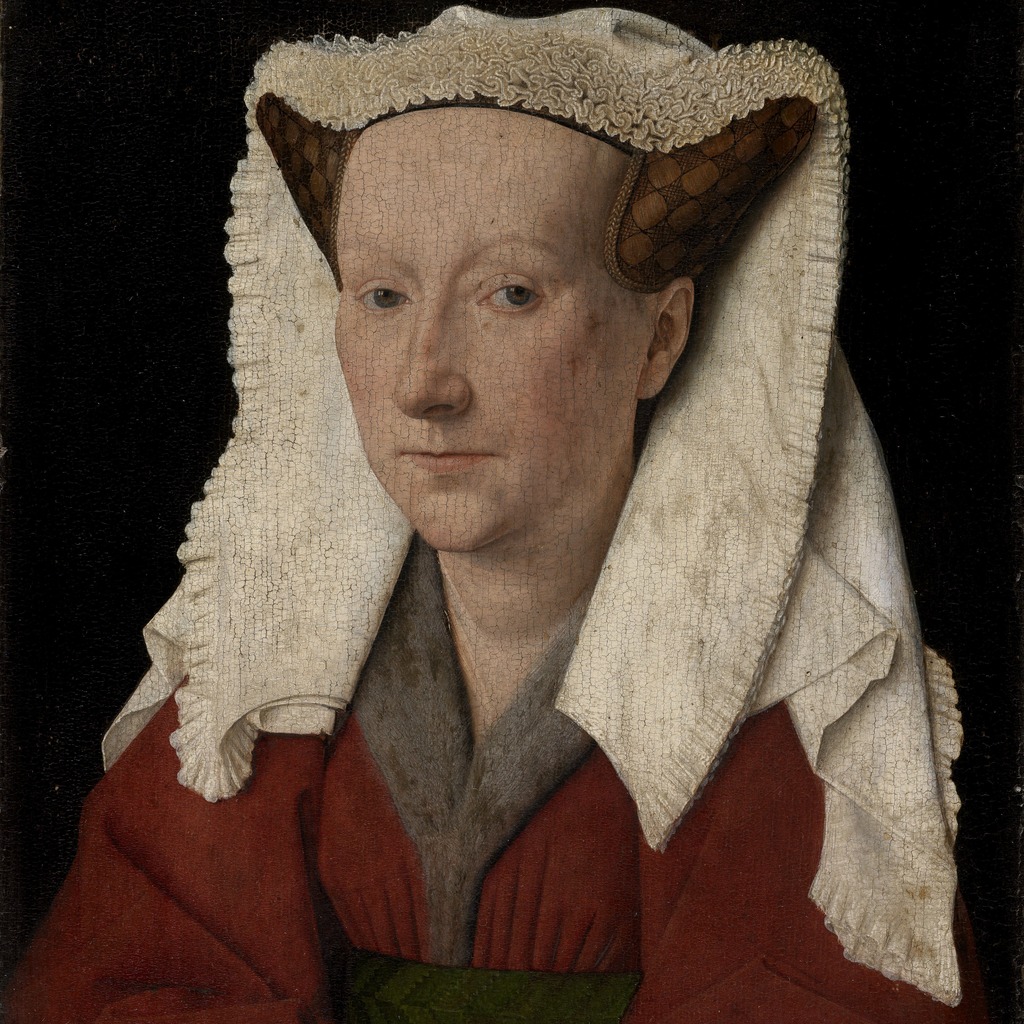 Margaret van Eyck
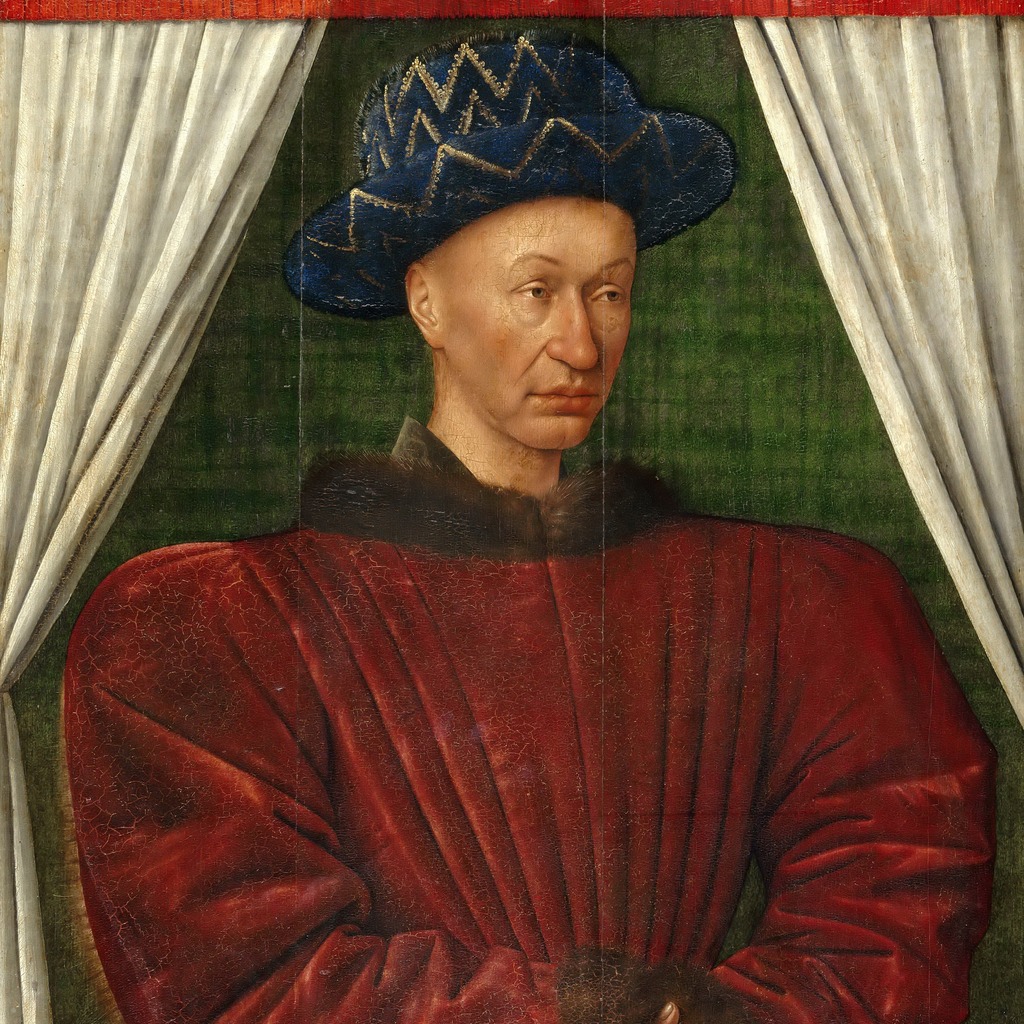 Charles VII
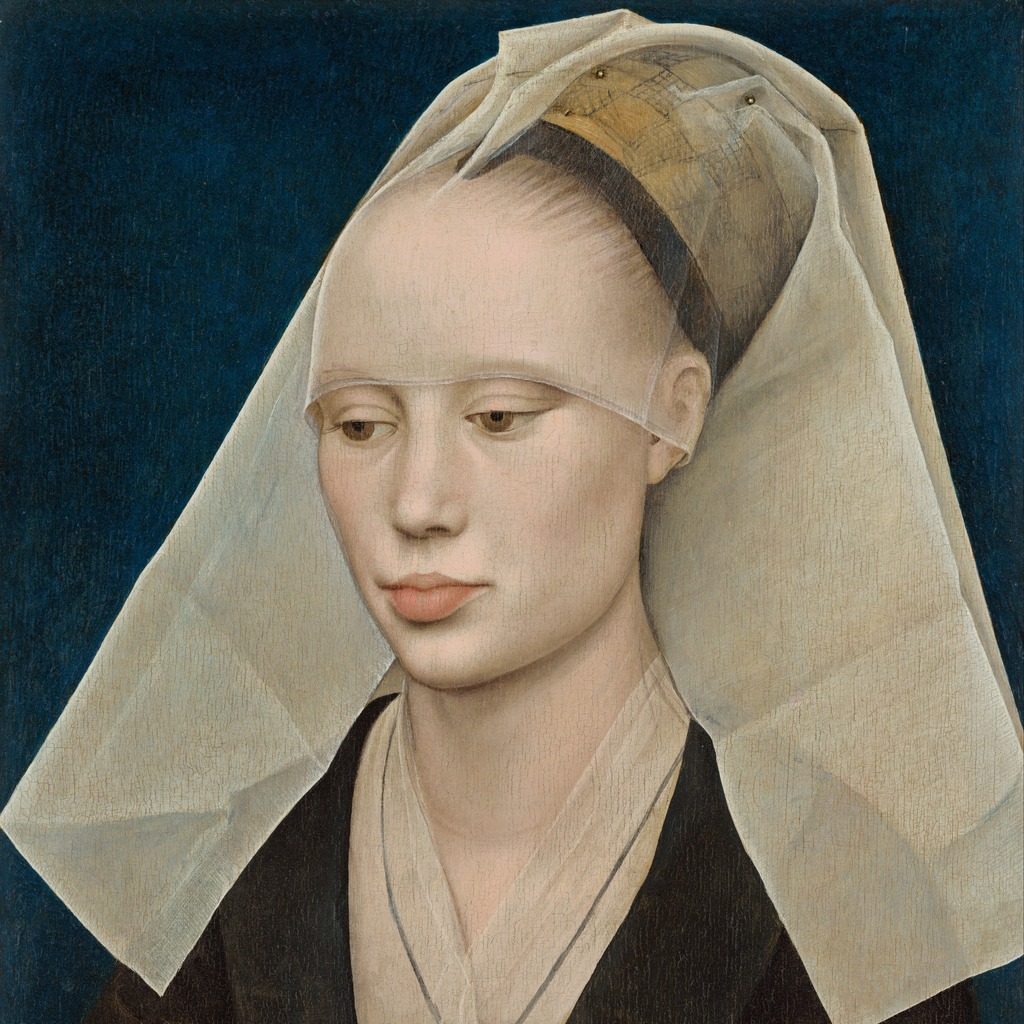 Portrait of a Lady
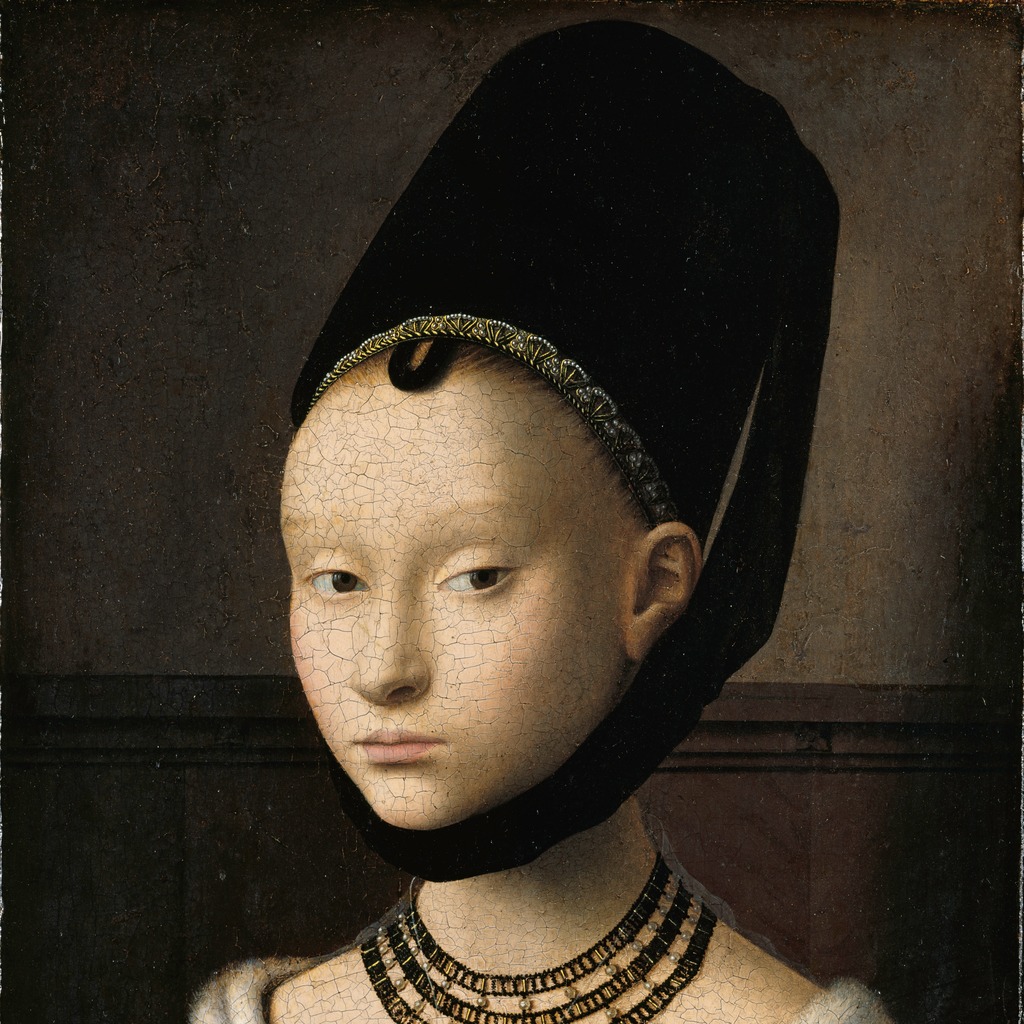 Portrait of a Young Girl
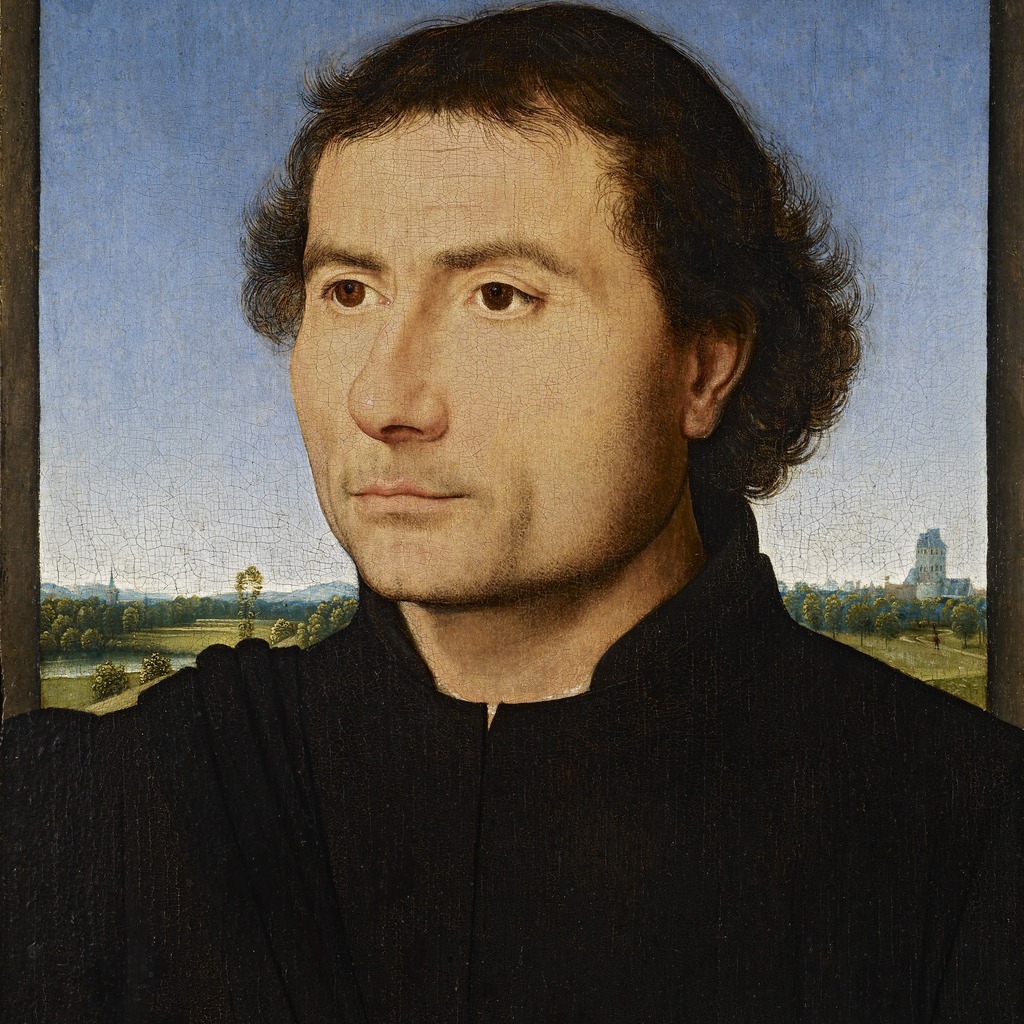 Memling: Portrait of a Man
How it works
-
Take a photo
Front camera, decent light, look straight ahead. Or pick one you already have.
-
We paint you in
Your face goes into the painting, keeping its light and its brushwork. About fifteen seconds.
-
Share the link
You get a page anyone can open. No account, nothing to install.