

Making your meme…
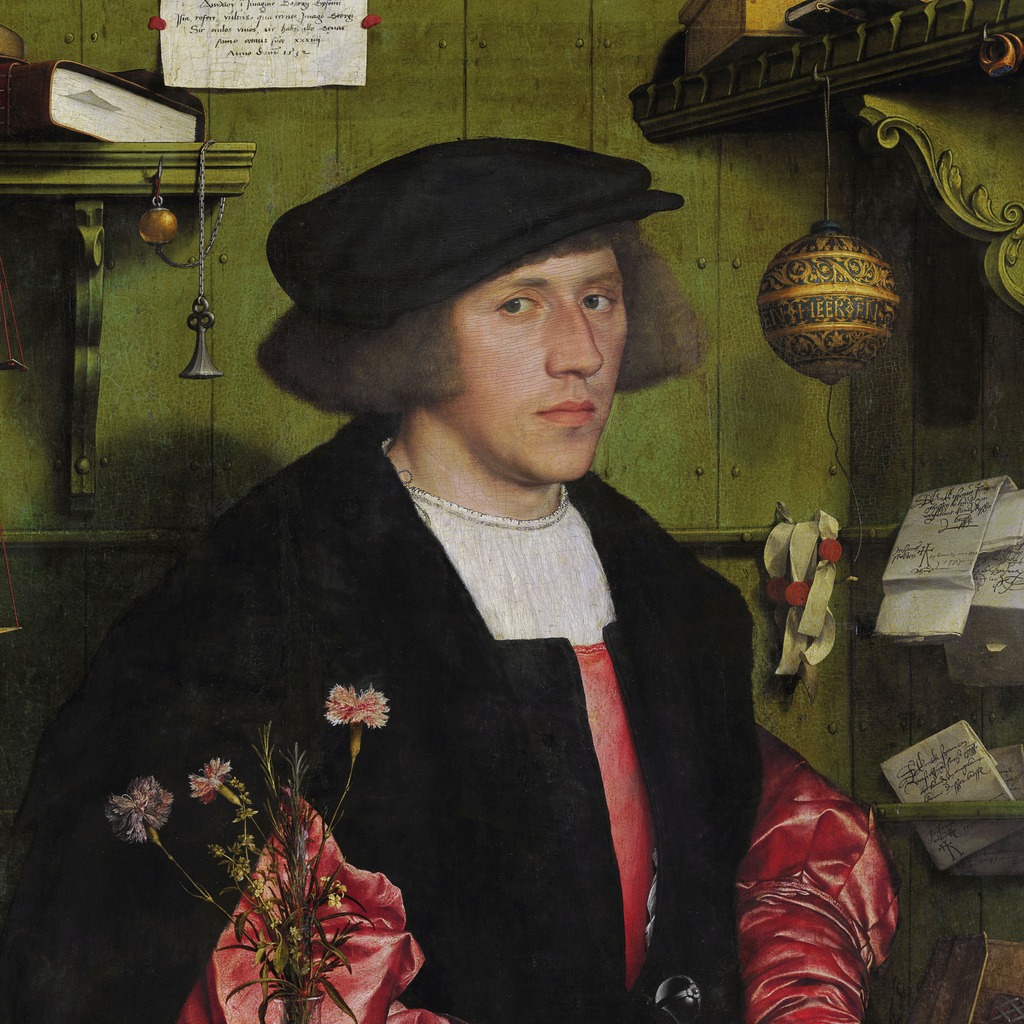
Hans Holbein the Younger · 1532
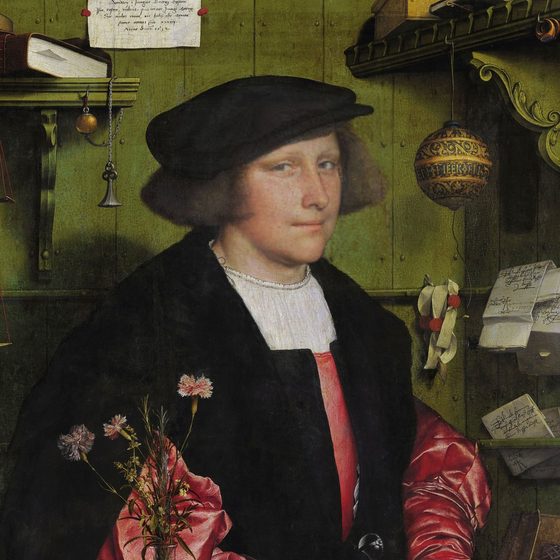
Georg Gisze face swap
A German merchant in London, buried in the evidence of his own competence.
or
Under 15 seconds · no sign-up · your selfie is never stored
Or become a patron and stop counting. Already a patron? Sign in.
How it works
-
Take a photo
Front camera, decent light, look straight ahead. Or pick one you already have.
-
We paint you in
Your face goes into the painting, keeping its light and its brushwork. About fifteen seconds.
-
Share the link
You get a page anyone can open. No account, nothing to install.
Where this one comes from
Holbein painted this in London in 1532 for Georg Gisze, a merchant from Danzig working out of the Steelyard, the walled Hanseatic trading compound on the Thames. He was thirty-four. Holbein painted a number of the Steelyard men in the early 1530s, before the English court work took over, and this is the most elaborate of them. It is in the Gemäldegalerie in Berlin.
What is in the picture
Count the objects: a Venetian glass vase with carnations and rosemary, a gold coin balance, a signet ring, a pewter inkstand, sealing wax, scissors, a ball of red twine, a spherical clock, a rack of letters, a book of accounts, and a Turkish carpet under all of it. Notes pinned to the wall carry his name and his address in London. Above his head is a motto: no joy without sorrow. The man himself is in a pink silk shirt and a black cap, and he is nearly outnumbered.
When people use it
For a desk that is proof of something. It suits the workspace photograph, the tools-of-the-trade post, and any joke about a person whose identity is mostly their job.
How your face lands in it
A three-quarter head lit from the left, small in a crowded frame, with a cap sitting back off the forehead. The background does so much work that the result reads as a whole scene rather than a portrait, which is the point of picking it. Bring a sharp photograph — at this scale a soft one is noticeably softer than everything around it.
The Merchant Georg Gisze — Hans Holbein the Younger, 1532. Hans Holbein the Younger died in 1543, so the painting has been in the public domain for centuries, and a faithful photograph of it gains no rights of its own. Source

Also in: Paintings · Renaissance
More paintings
 Mona Lisa
 Dürer's Self-Portrait
 Man in a Red Turban
 Lady with an Ermine
 Henry VIII
 Baldassare Castiglione
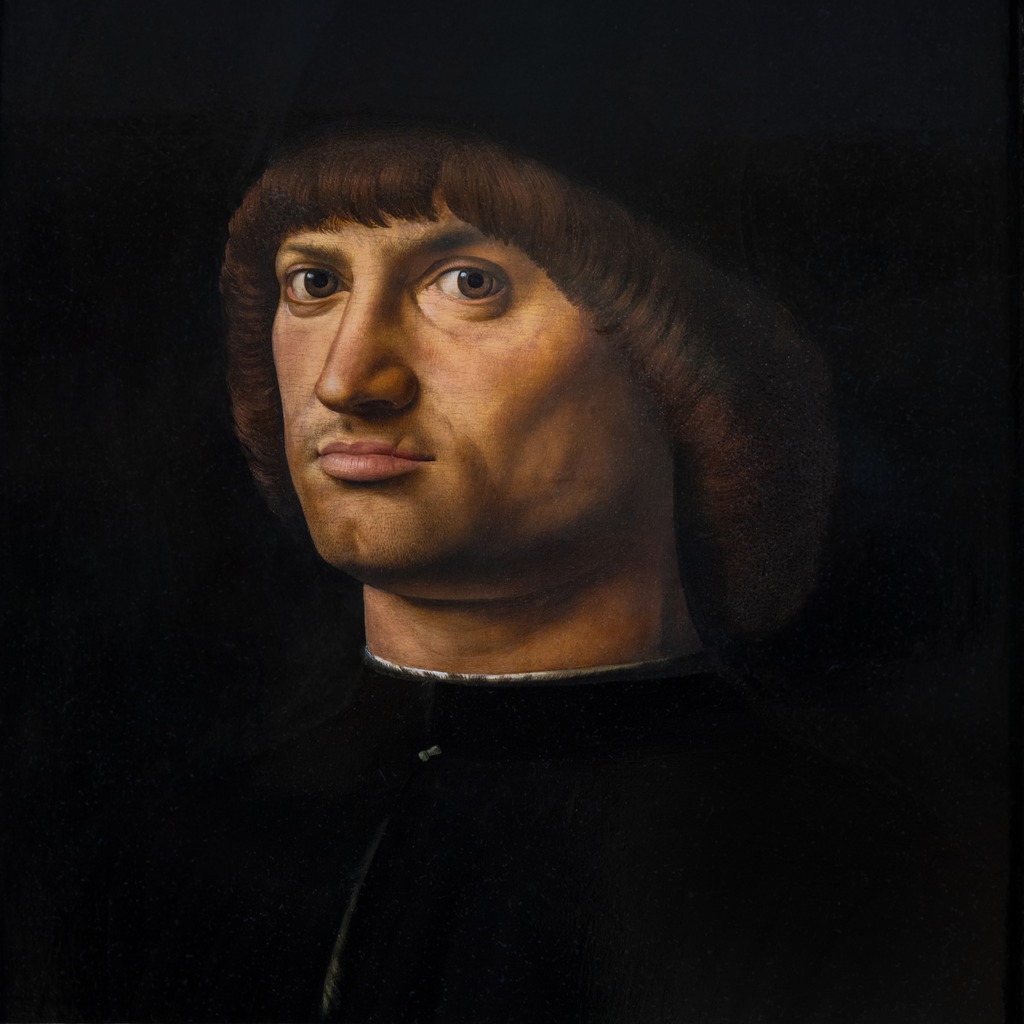 Il Condottiere
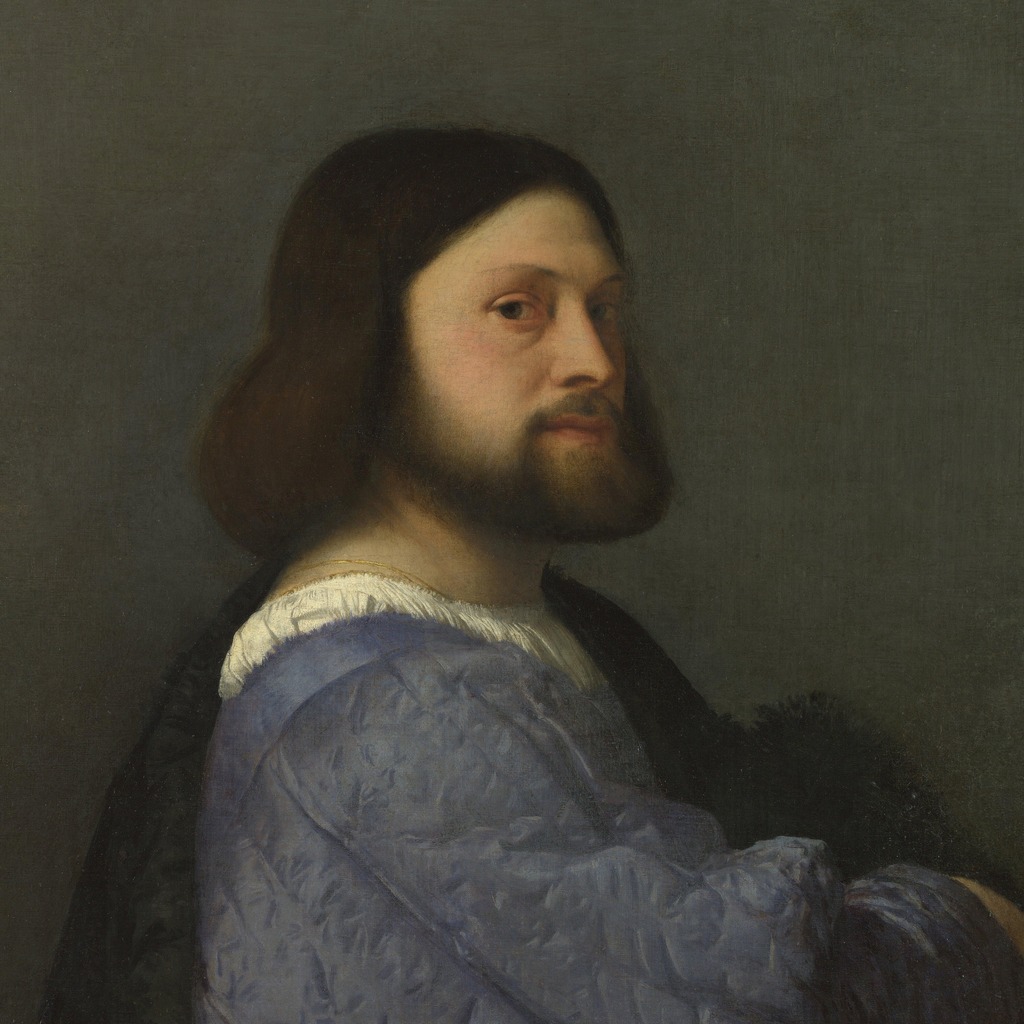 Man with a Quilted Sleeve
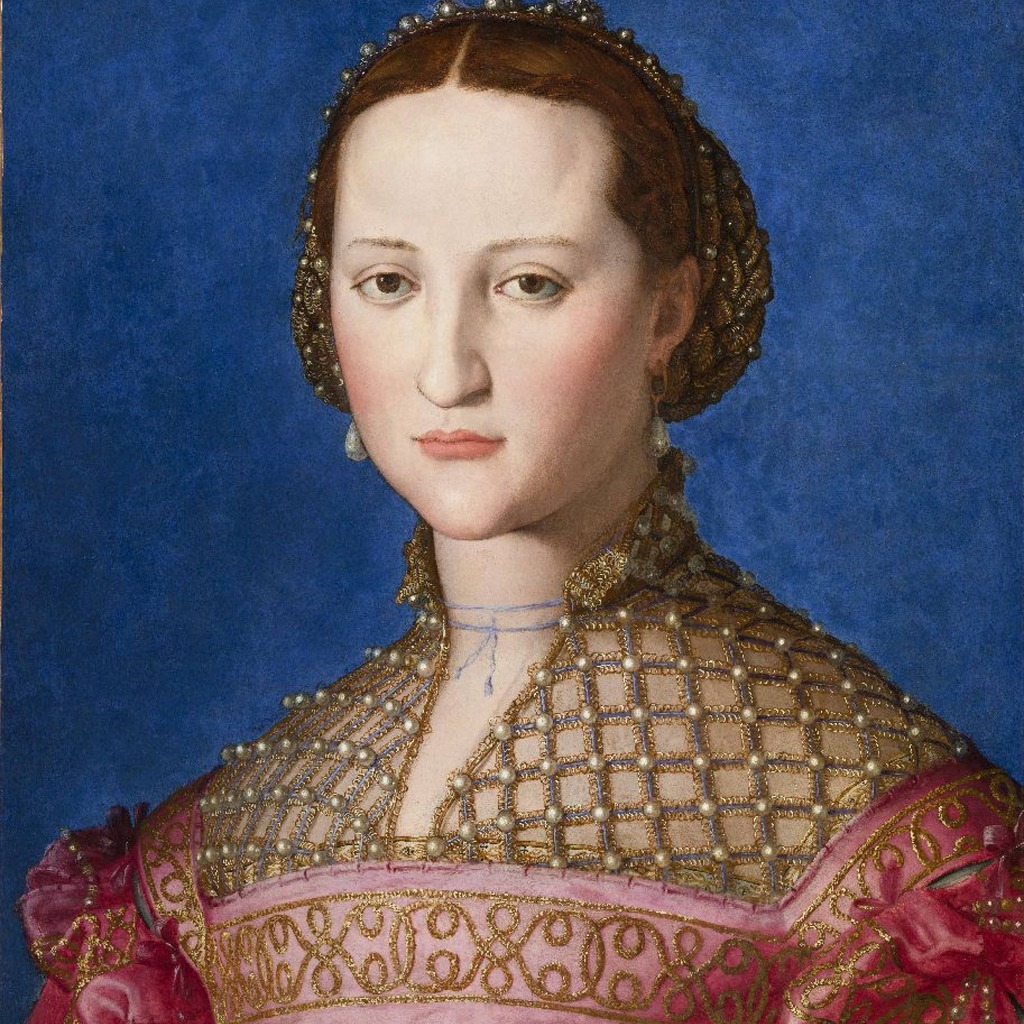 Eleonora di Toledo
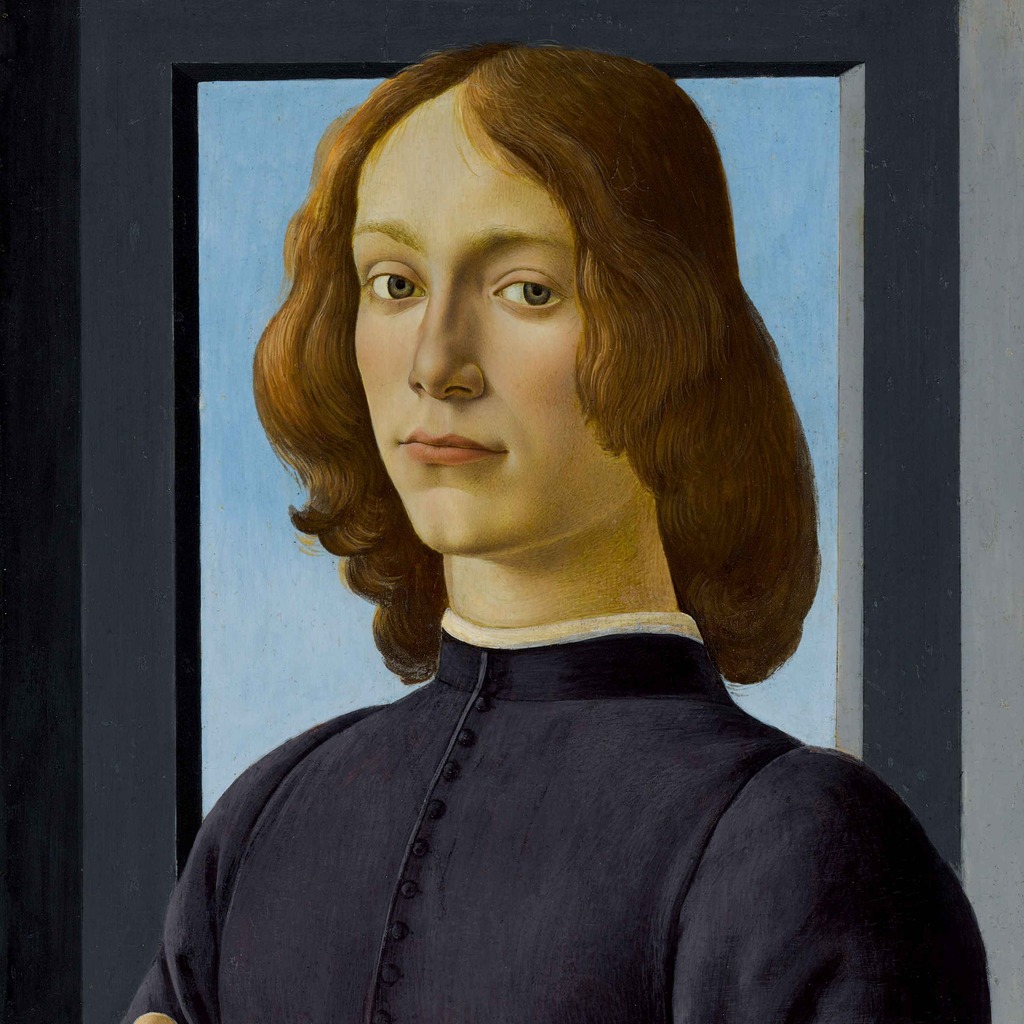 Young Man Holding a Roundel
 Charles V
 Ginevra de’ Benci
 La Belle Ferronnière
 The Tailor
 The Halberdier
 Self-Portrait in a Convex Mirror
 Girl with a Pearl Earring
 Van Gogh Self-Portrait
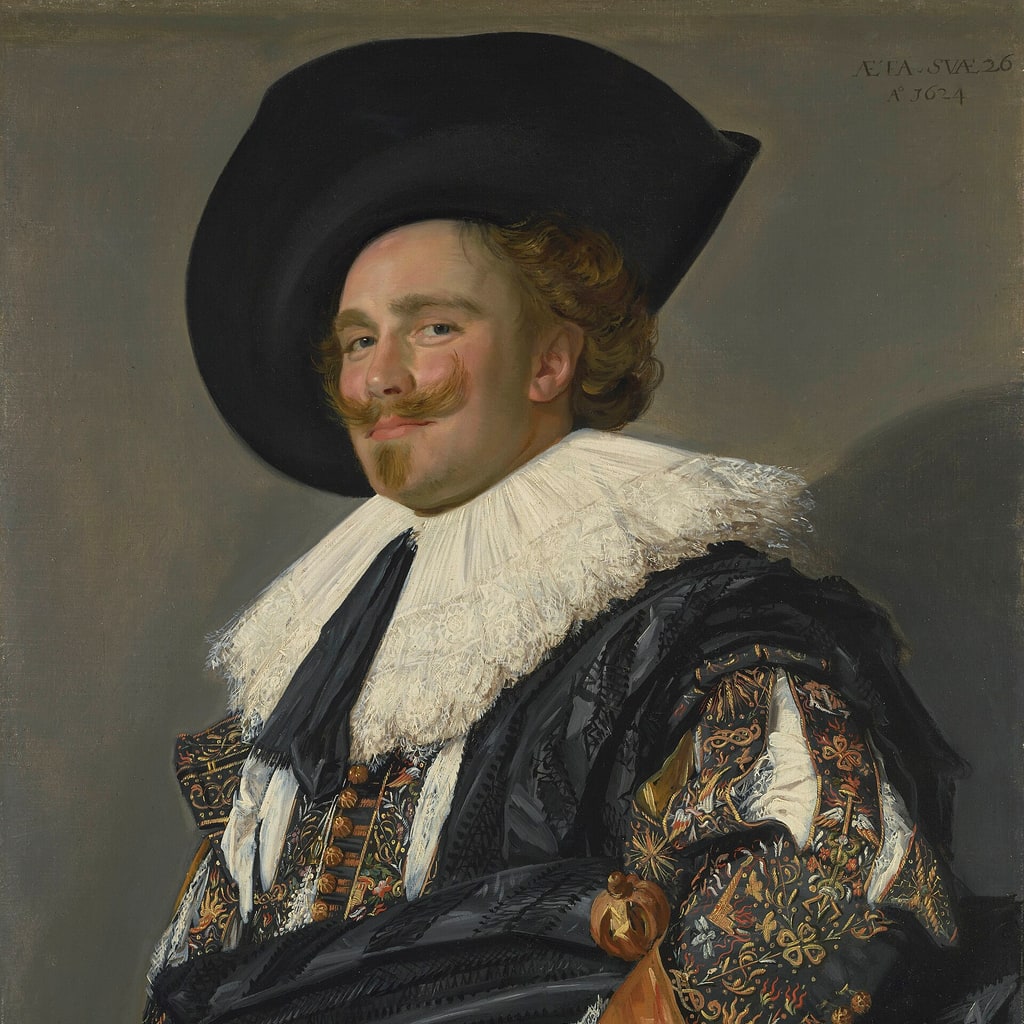 The Laughing Cavalier
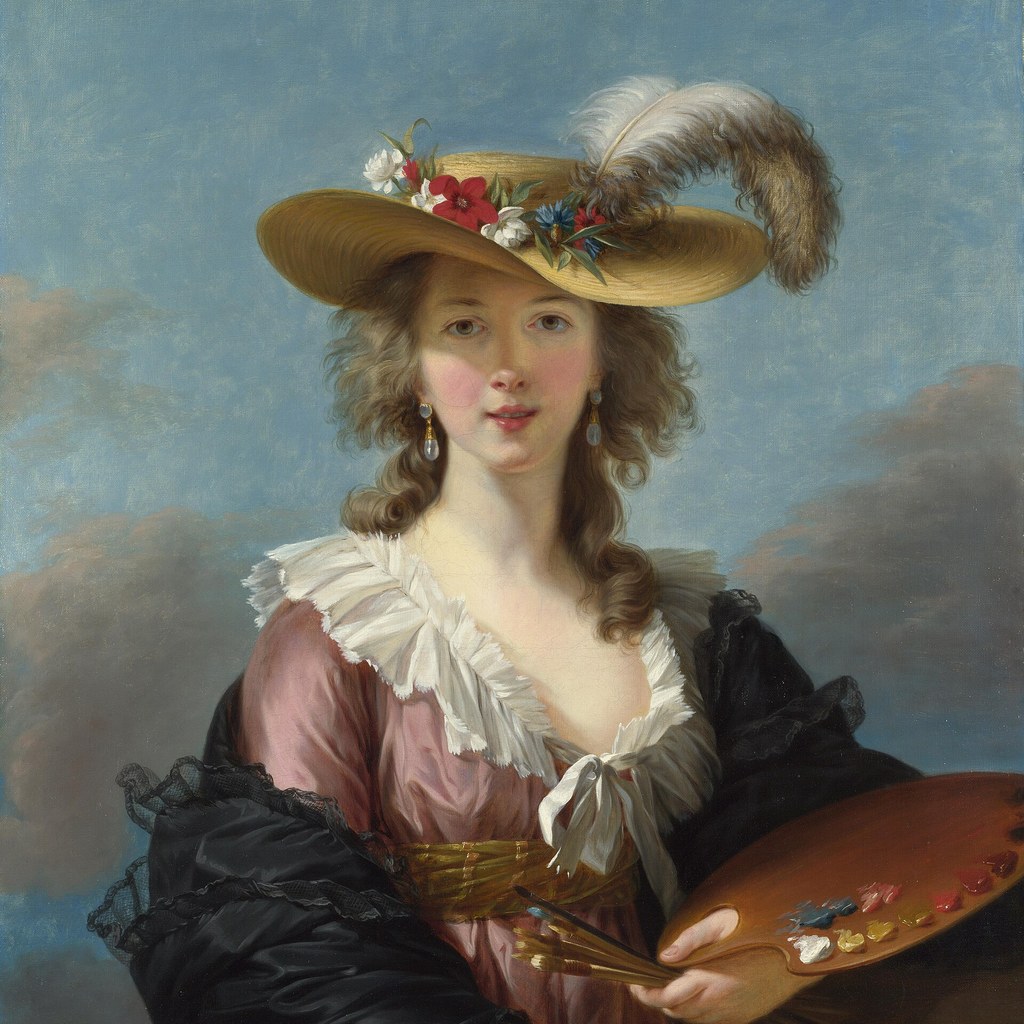 Self-Portrait in a Straw Hat
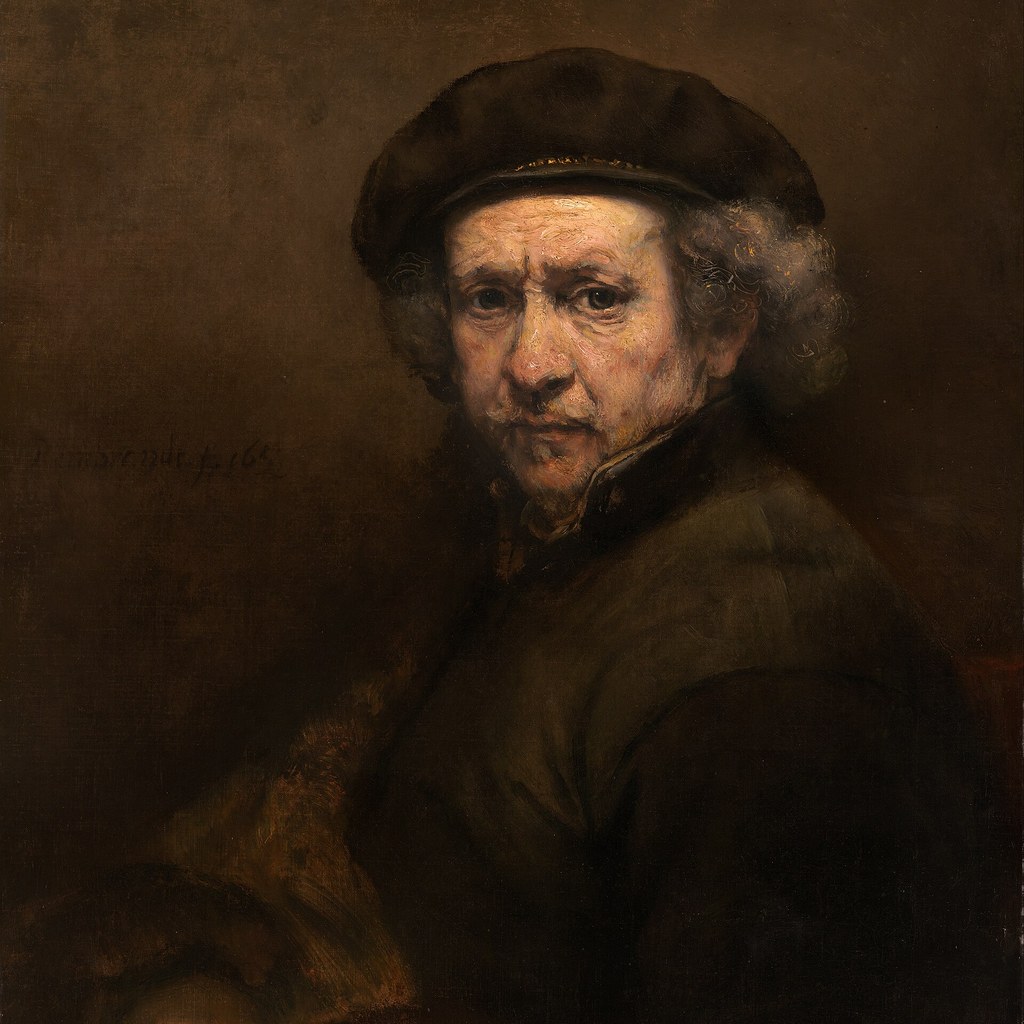 Rembrandt's Self-Portrait
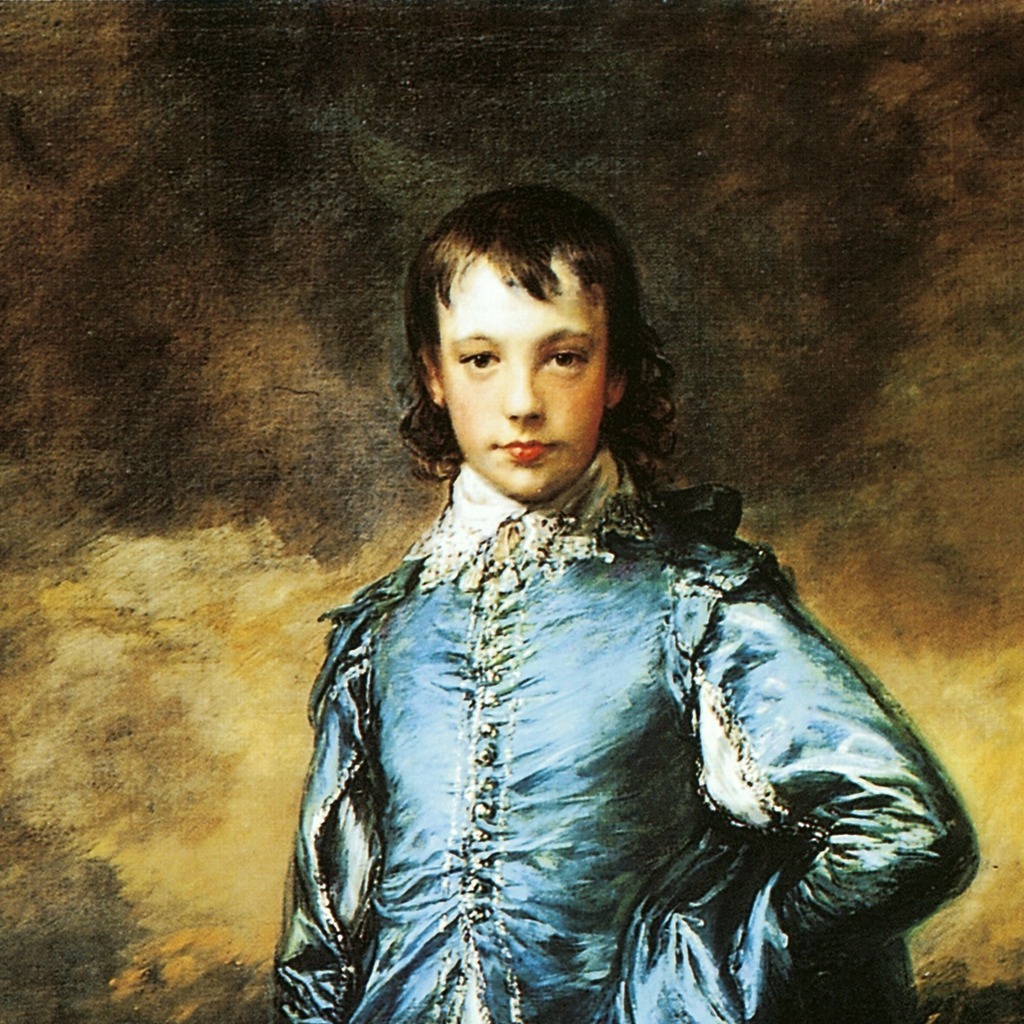 The Blue Boy
 American Gothic
 Elizabeth I
Questions
What was the Steelyard?
The walled London base of the Hanseatic League, on the north bank of the Thames near where Cannon Street station now stands. German merchants lived and traded inside it under their own rules for four hundred years.
What do all the objects mean?
Most of them are the apparatus of long-distance trade — scales, seals, ledgers, letters — and a few are there to be read as ideas: the carnations for betrothal, the rosemary for remembrance, the glass vase for fragility.
What does the motto say?
Nulla sine merore voluptas: no pleasure without sorrow. It is written on the wall above him, in a picture otherwise devoted to the pleasures of being good at your job.
Is it free?
Yes. There is a limit on how many you can make in a day, and sharing one earns the allowance back.
Do you keep my photo?
No. Your selfie is used to make the image and then dropped — it is never written to disk. The finished meme is stored, because it has a link people can open, and it is deleted after 90 days.
Can I use someone else’s face?
Please do not. Use your own. Putting a real person into a picture they did not agree to is exactly the thing this is not for.
Can I post the result?
Yes, anywhere you like. The paintings are public domain; what you make with your own face is yours.