

Making your meme…
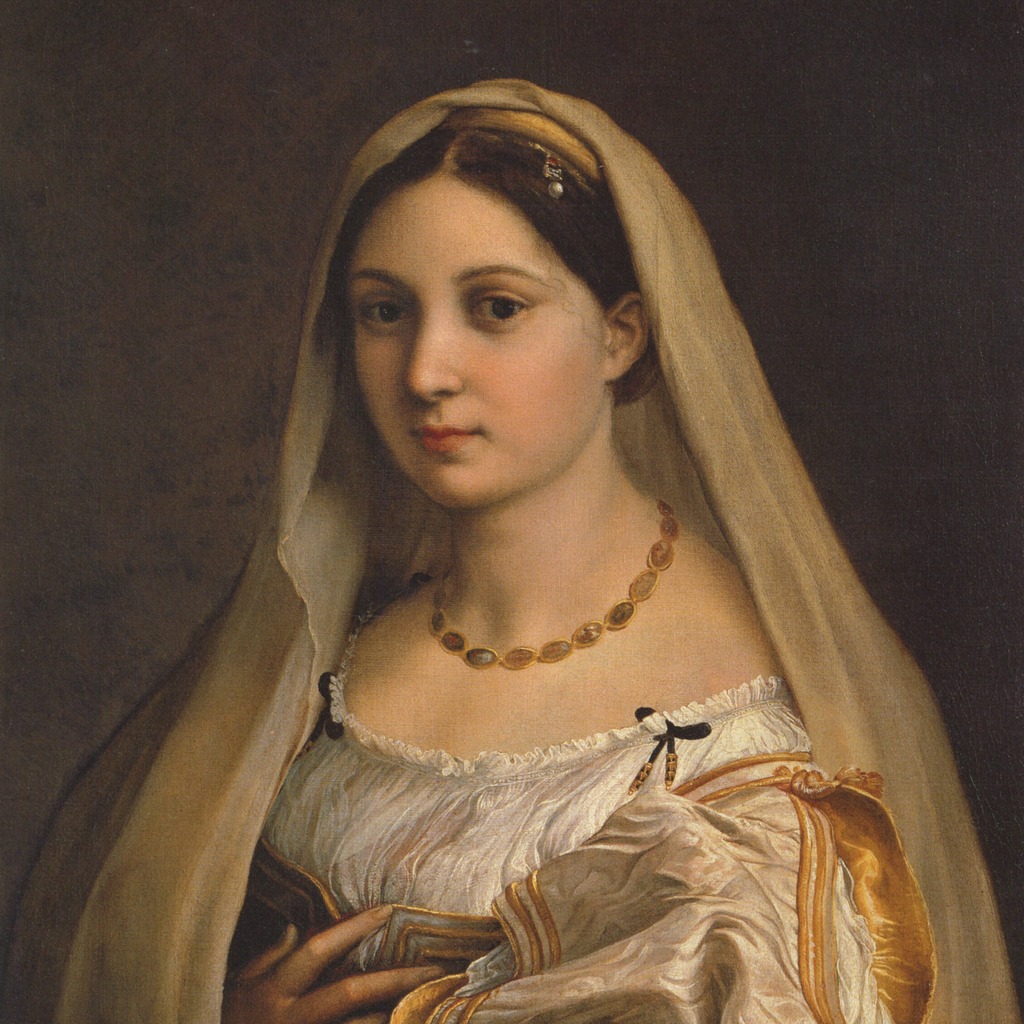
Raphael · c. 1512–1516
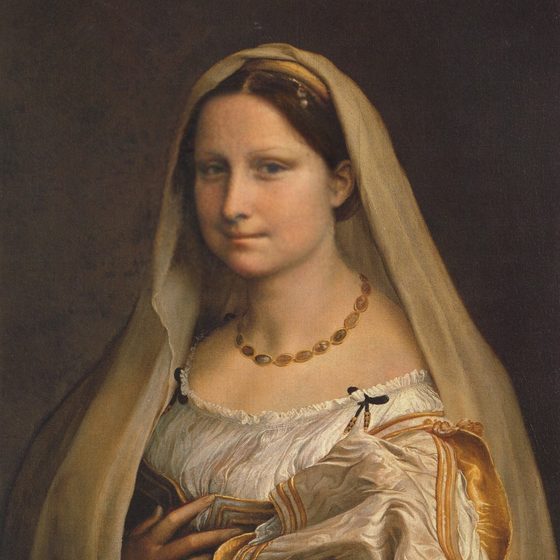
La Donna Velata face swap
Raphael painting somebody he knew well, in a sleeve that took longer than the face.
or
Under 15 seconds · no sign-up · your selfie is never stored
Or become a patron and stop counting. Already a patron? Sign in.
How it works
-
Take a photo
Front camera, decent light, look straight ahead. Or pick one you already have.
-
We paint you in
Your face goes into the painting, keeping its light and its brushwork. About fifteen seconds.
-
Share the link
You get a page anyone can open. No account, nothing to install.
Where this one comes from
Raphael painted this in Rome in the middle of the 1510s, at the height of his practice, when he was running the Vatican commissions and a workshop of assistants. The sitter is traditionally identified as Margherita Luti, a baker’s daughter from Trastevere with whom he is said to have had a long attachment. Vasari believed it; there is no document that proves it. The picture hangs in the Palatine Gallery of the Pitti Palace in Florence.
What is in the picture
A white silk sleeve, gathered and slashed and folded, fills the lower half of the picture and is painted with more sustained attention than anything else in it. Above it a veil of fine linen falls over the hair and down behind the shoulder, the skin is warm, and the eyes are steady. There is no jewellery to speak of and no symbolic object anywhere. The whole effect is a portrait made by somebody who did not have to negotiate with the sitter.
When people use it
For warmth that is not performing. It works for the picture taken by somebody you are comfortable with, and for any caption that would be spoiled by trying too hard.
How your face lands in it
Frontal, softly lit, with the veil closing the head on both sides and across the top so the transition is bounded before it starts. As tolerant a target as this site offers. The original skin is warm and golden, so a cool or blue-tinted photograph will be pulled some way towards it.
La Donna Velata — Raphael, c. 1512–1516. Raphael died in 1520, so the painting has been in the public domain for centuries and a faithful photographic reproduction adds no new rights. Source

Also in: Paintings · Renaissance
More paintings
 Mona Lisa
 Dürer's Self-Portrait
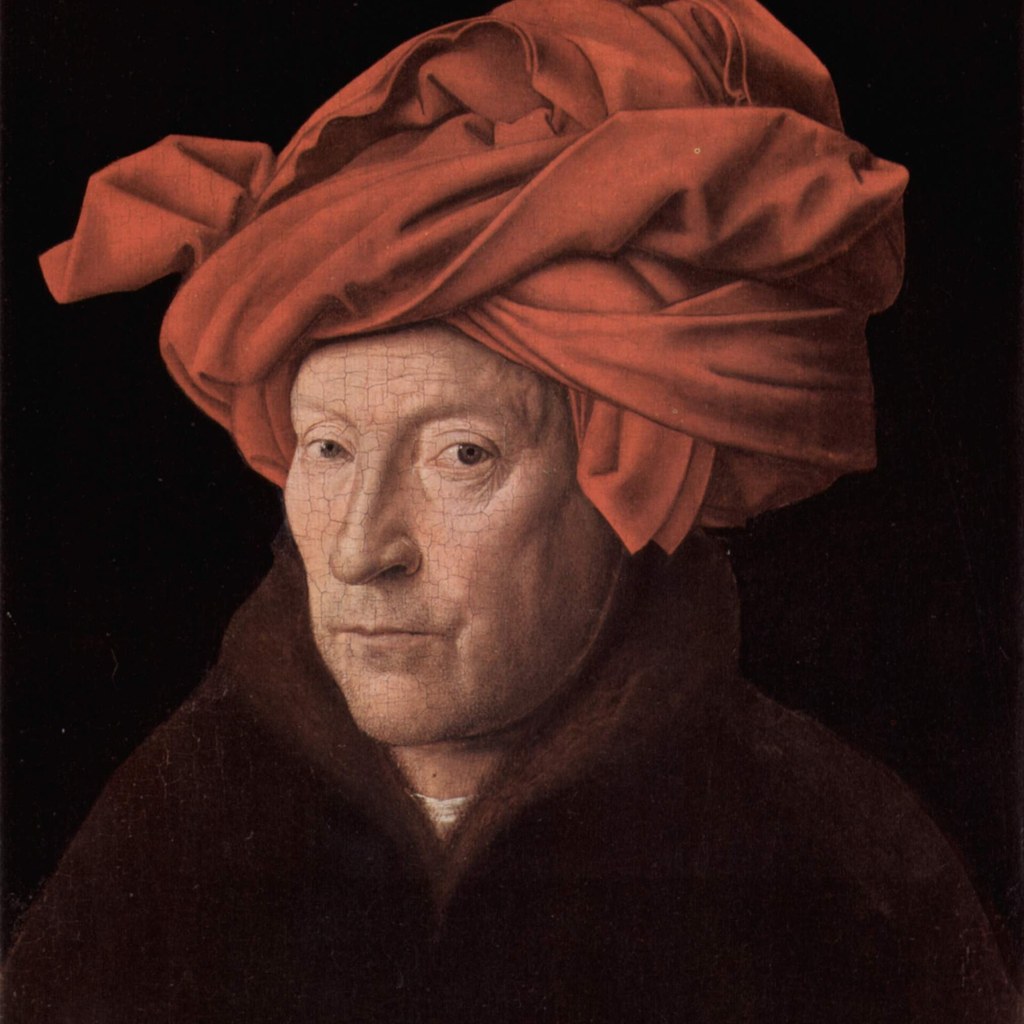 Man in a Red Turban
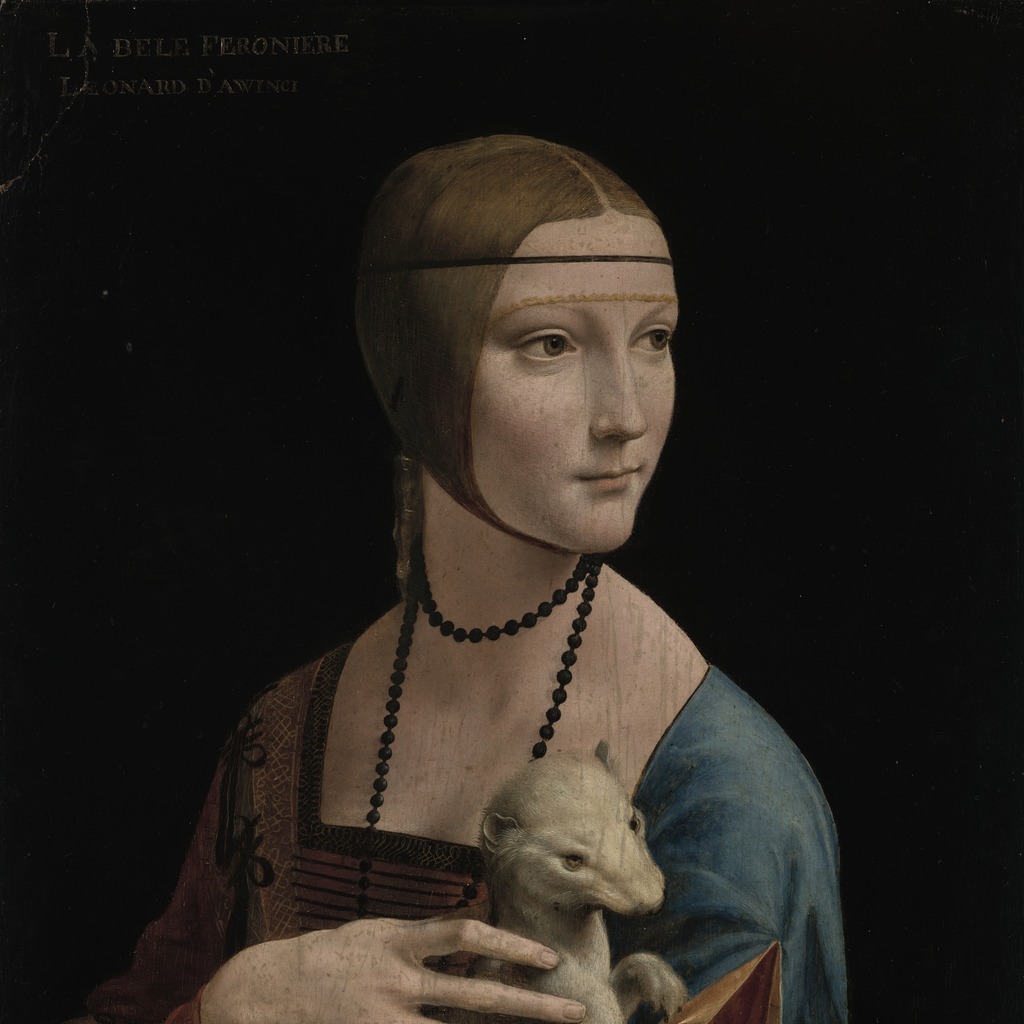 Lady with an Ermine
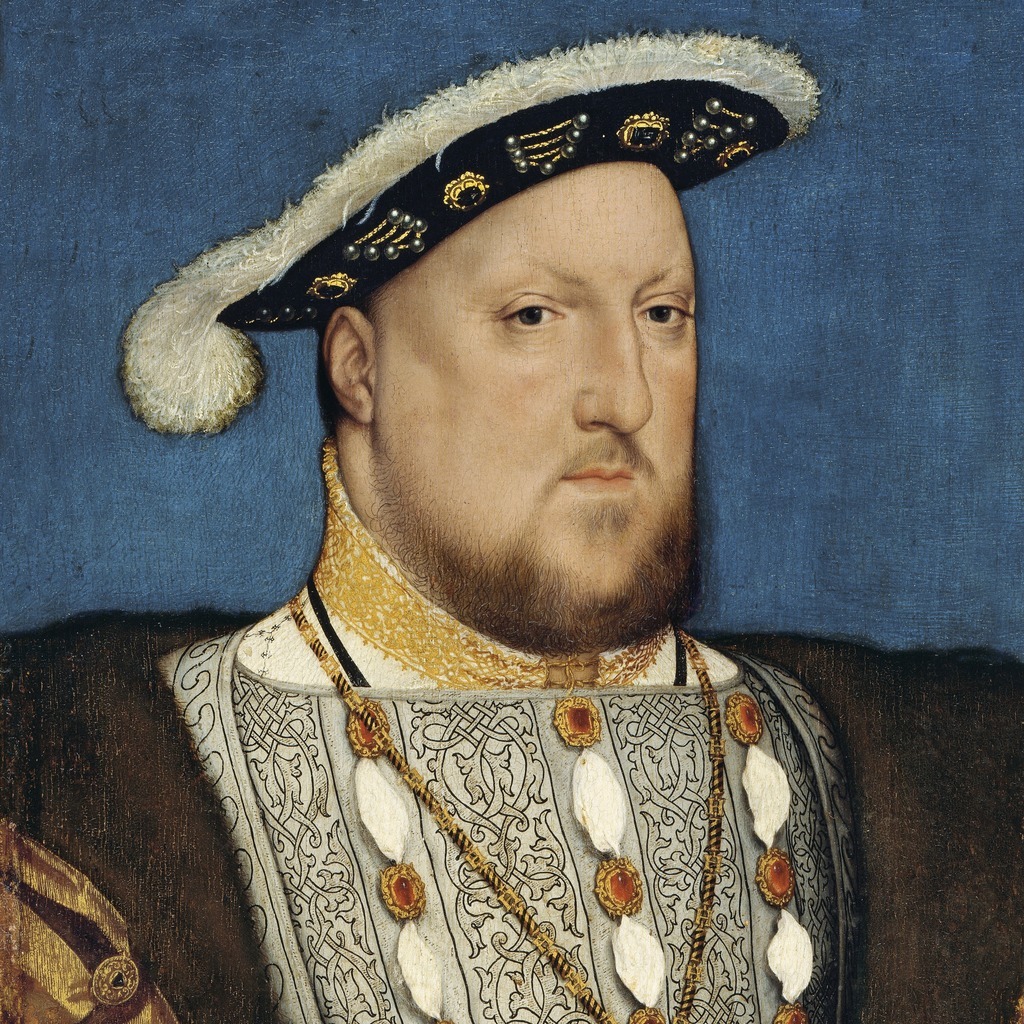 Henry VIII
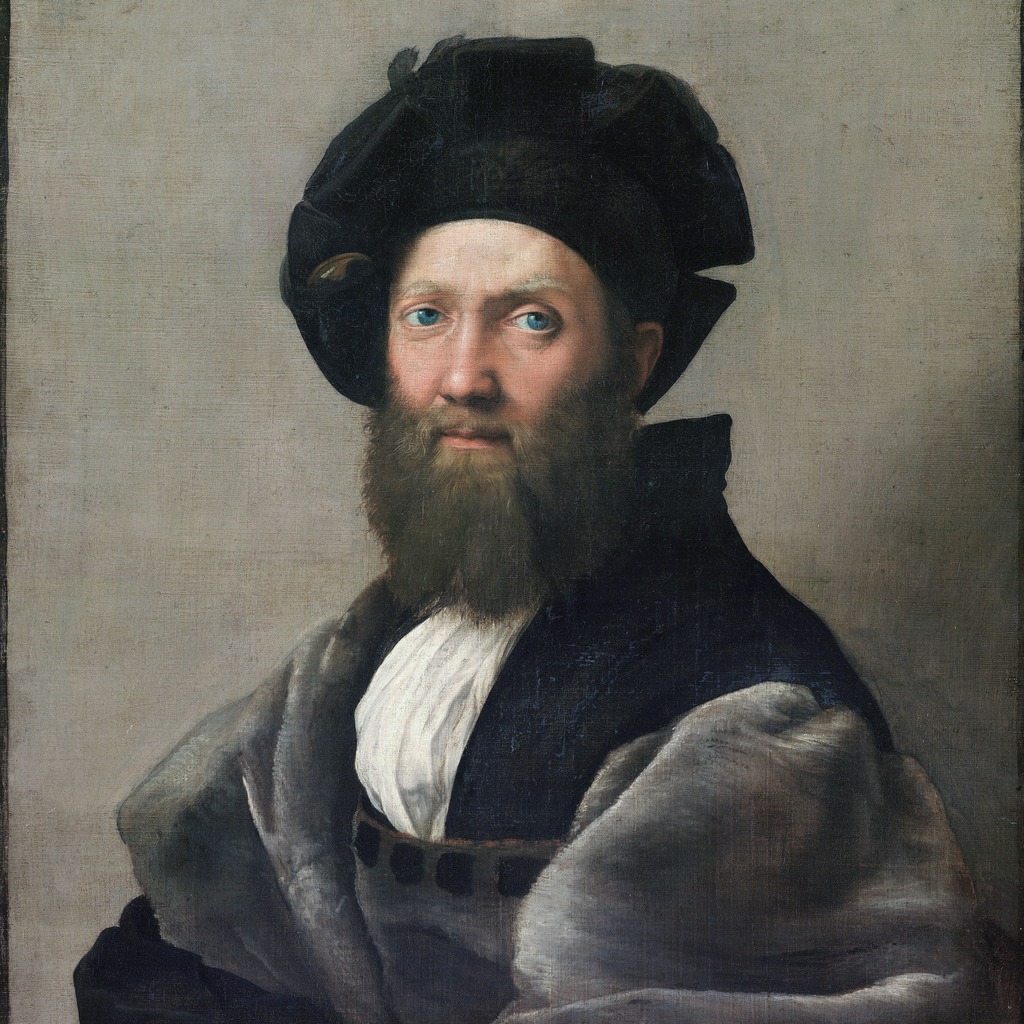 Baldassare Castiglione
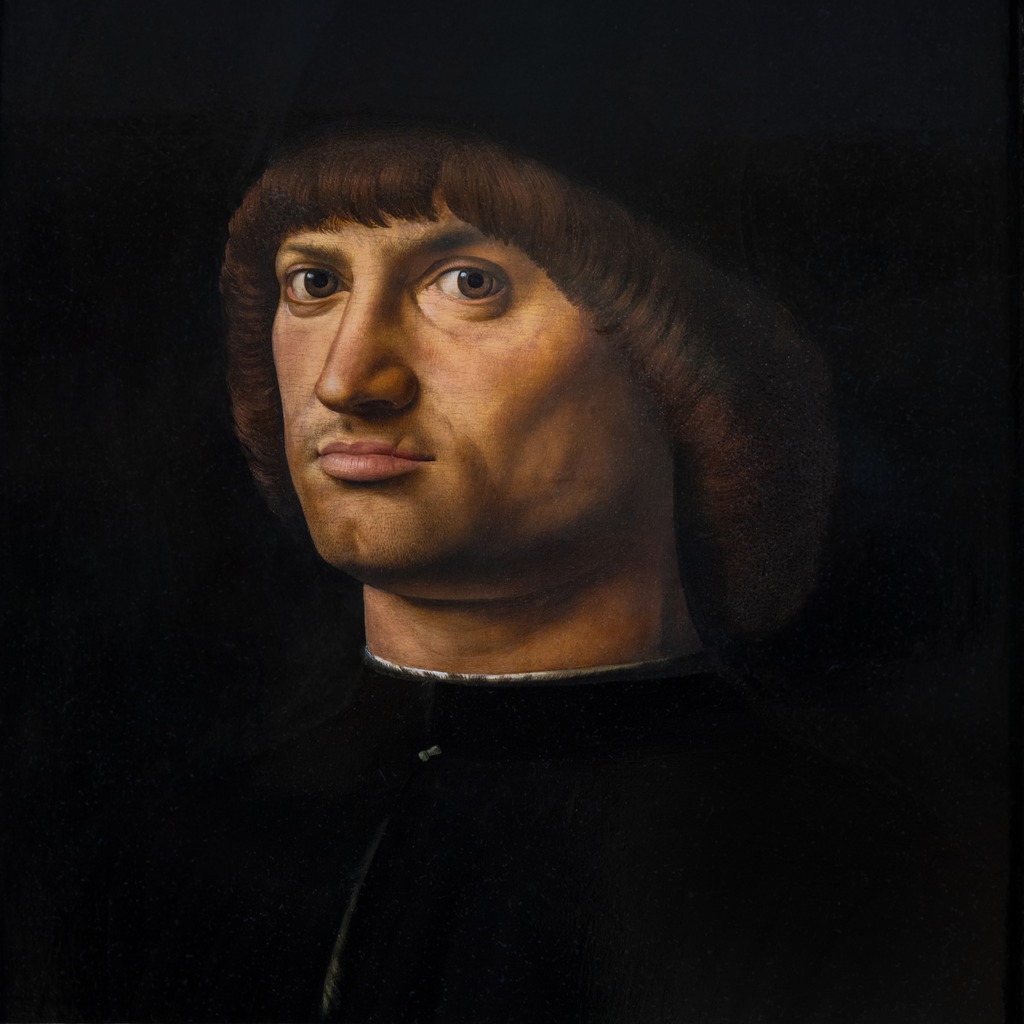 Il Condottiere
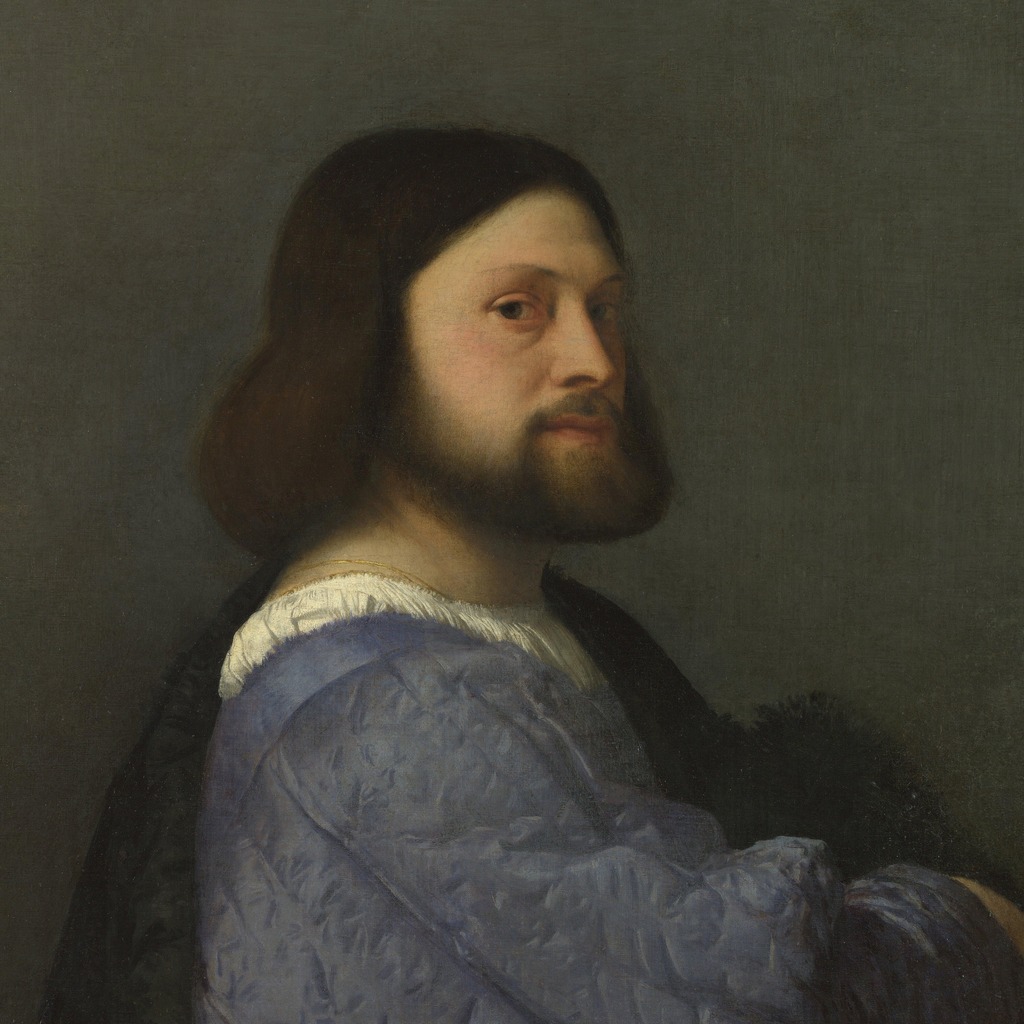 Man with a Quilted Sleeve
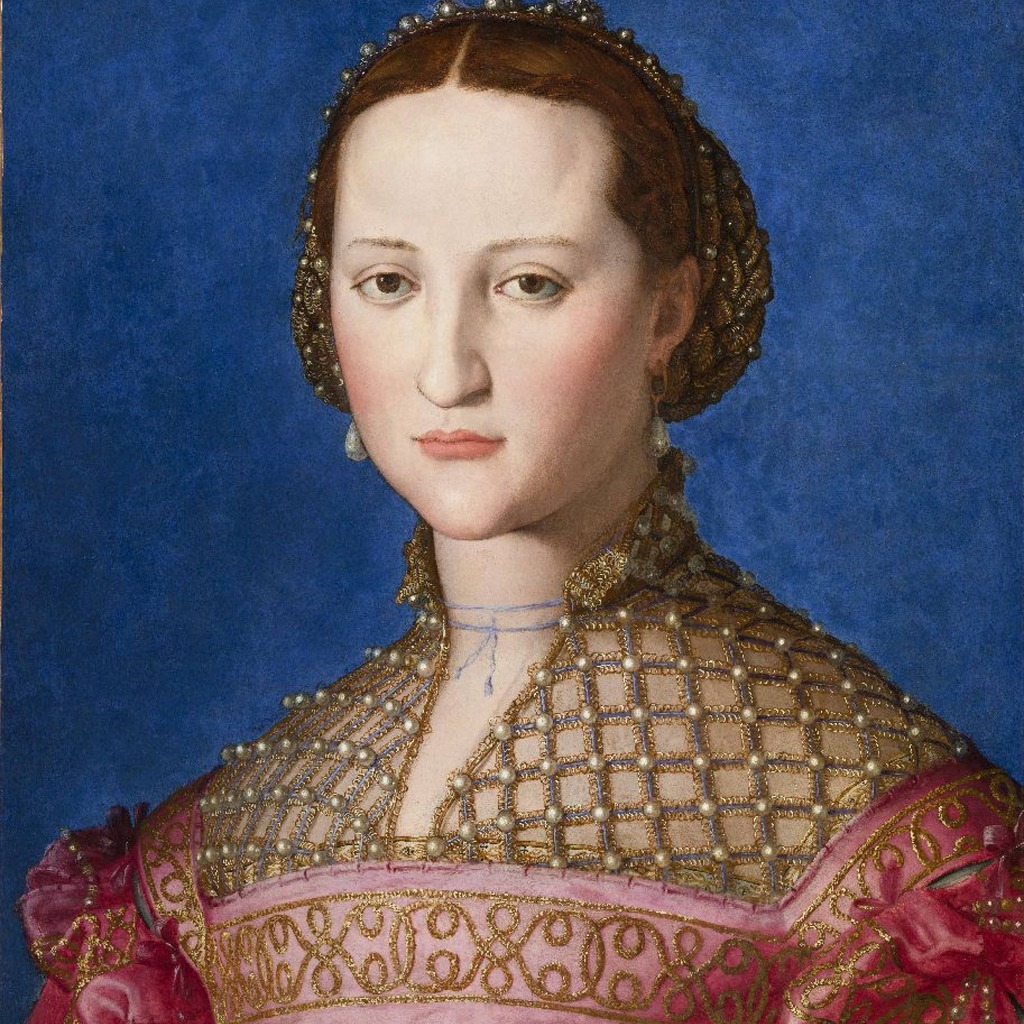 Eleonora di Toledo
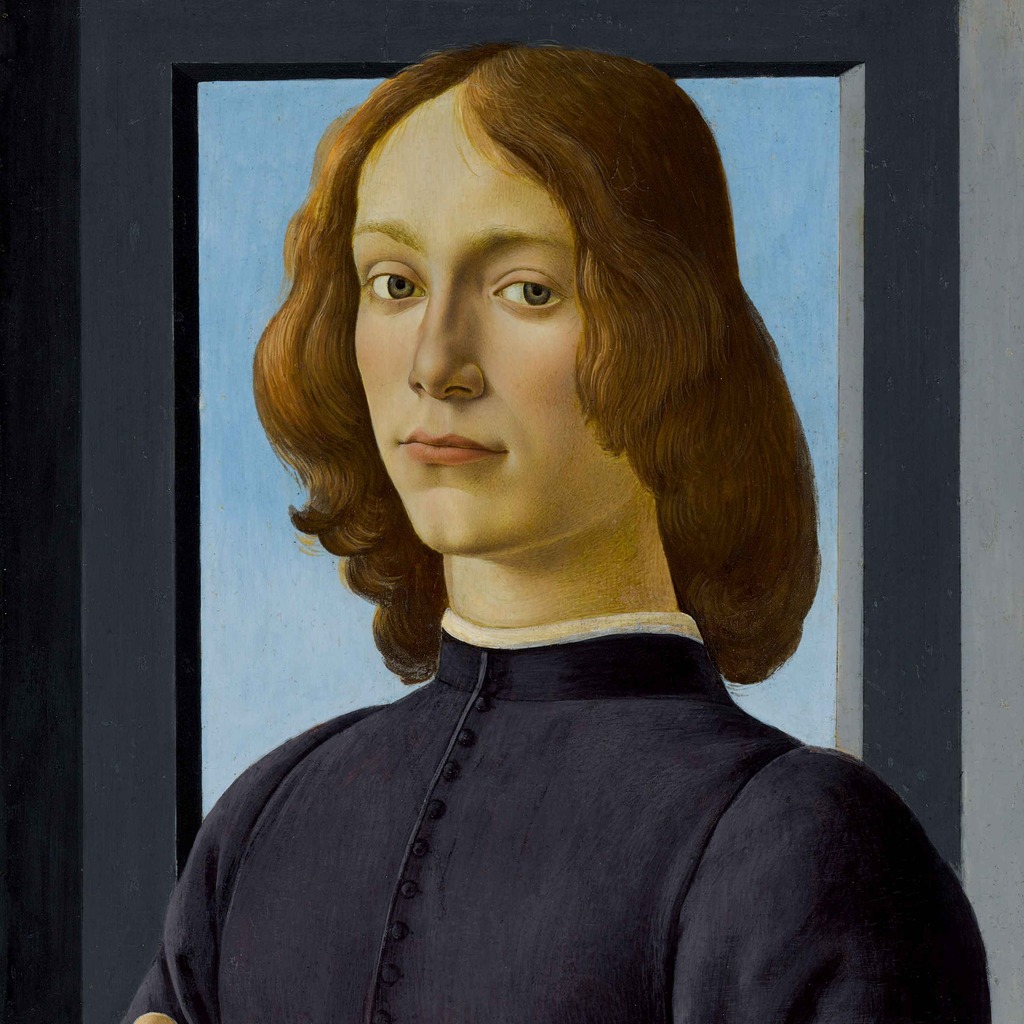 Young Man Holding a Roundel
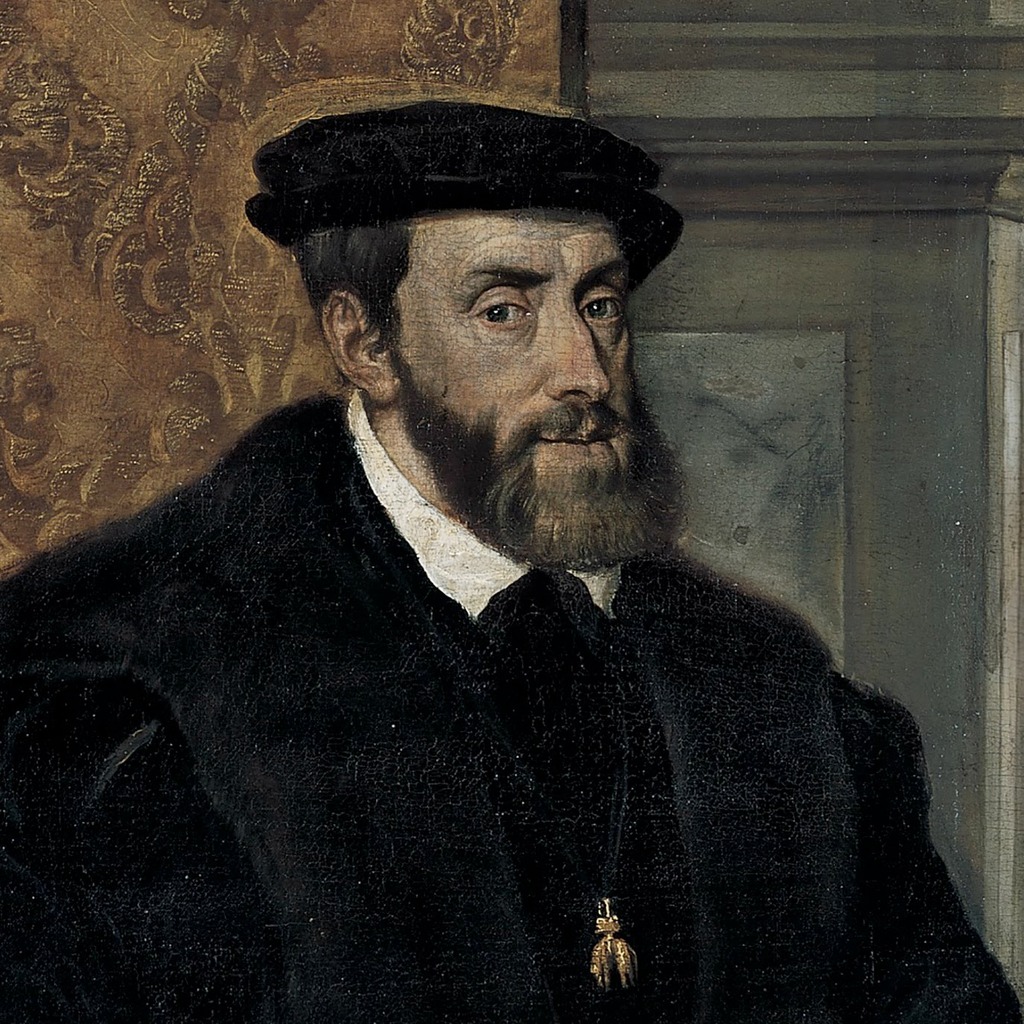 Charles V
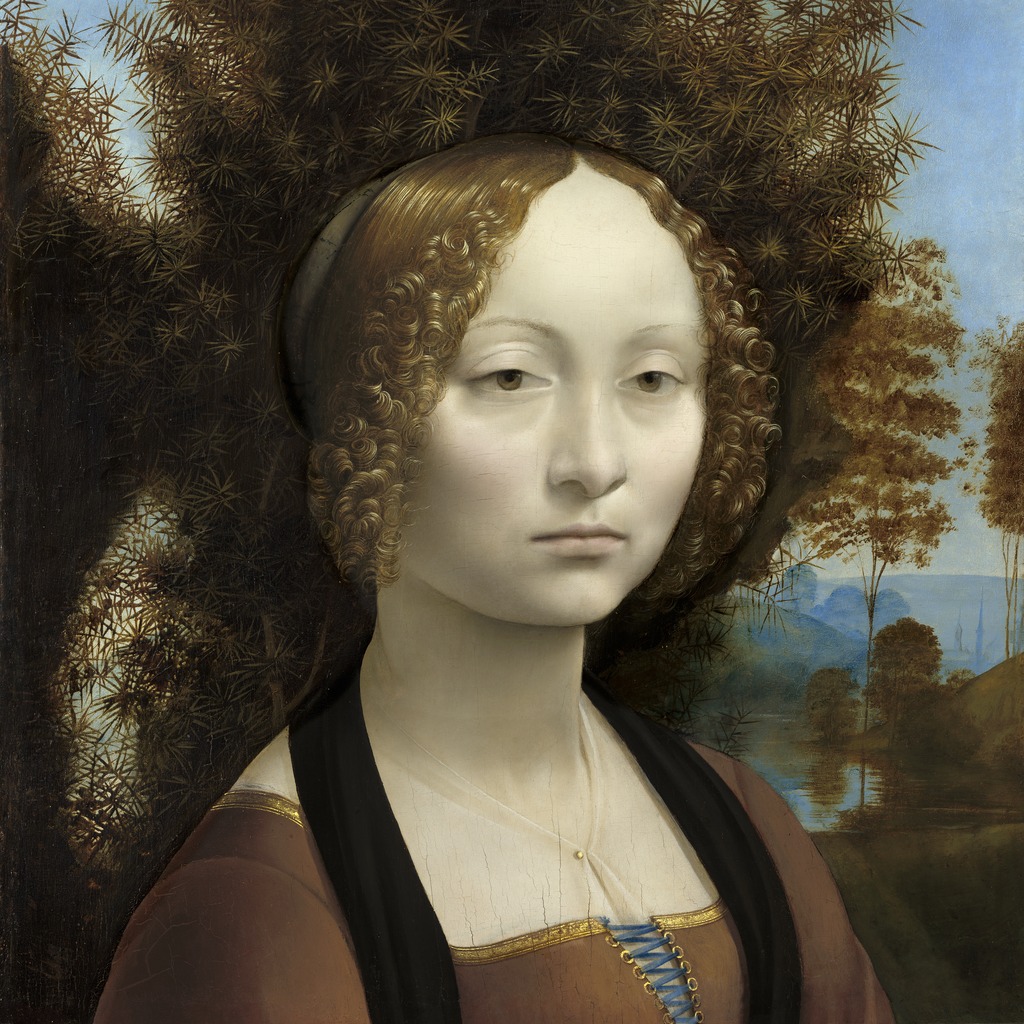 Ginevra de’ Benci
 La Belle Ferronnière
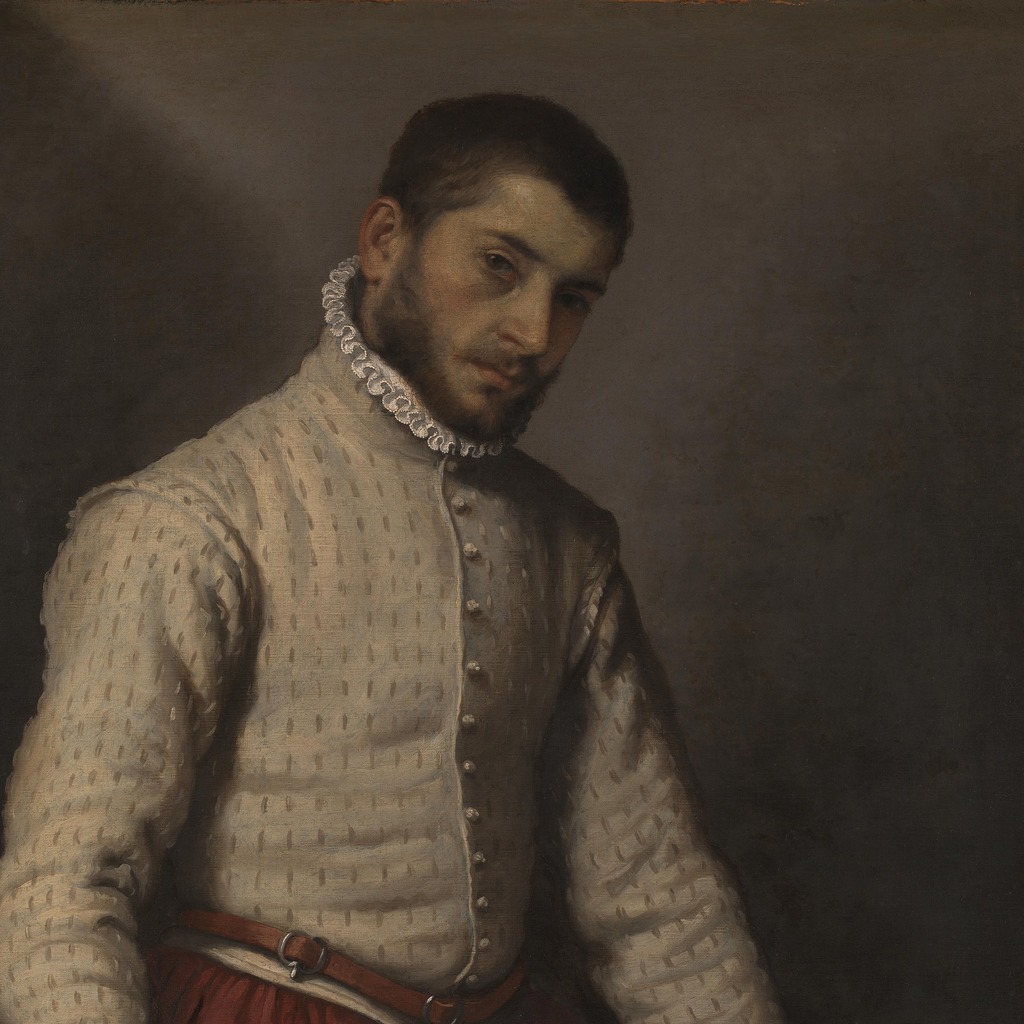 The Tailor
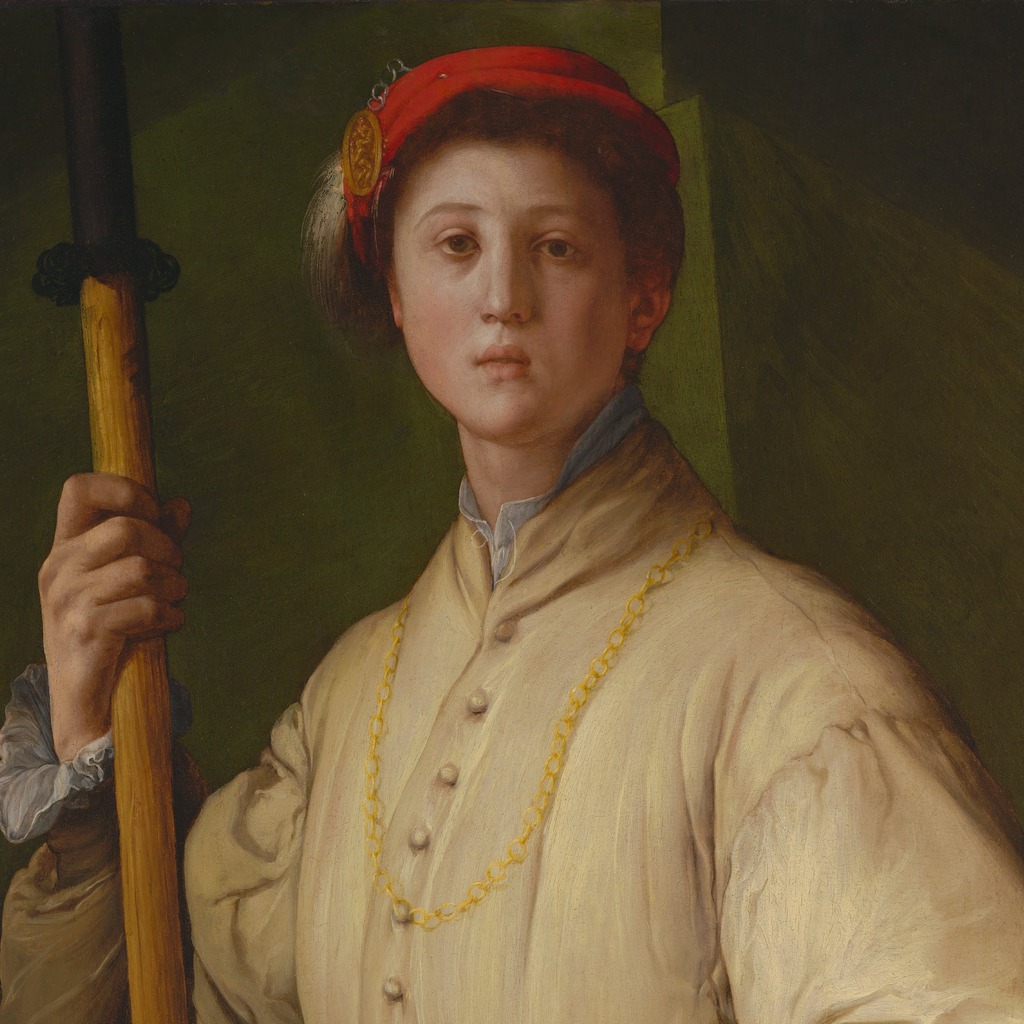 The Halberdier
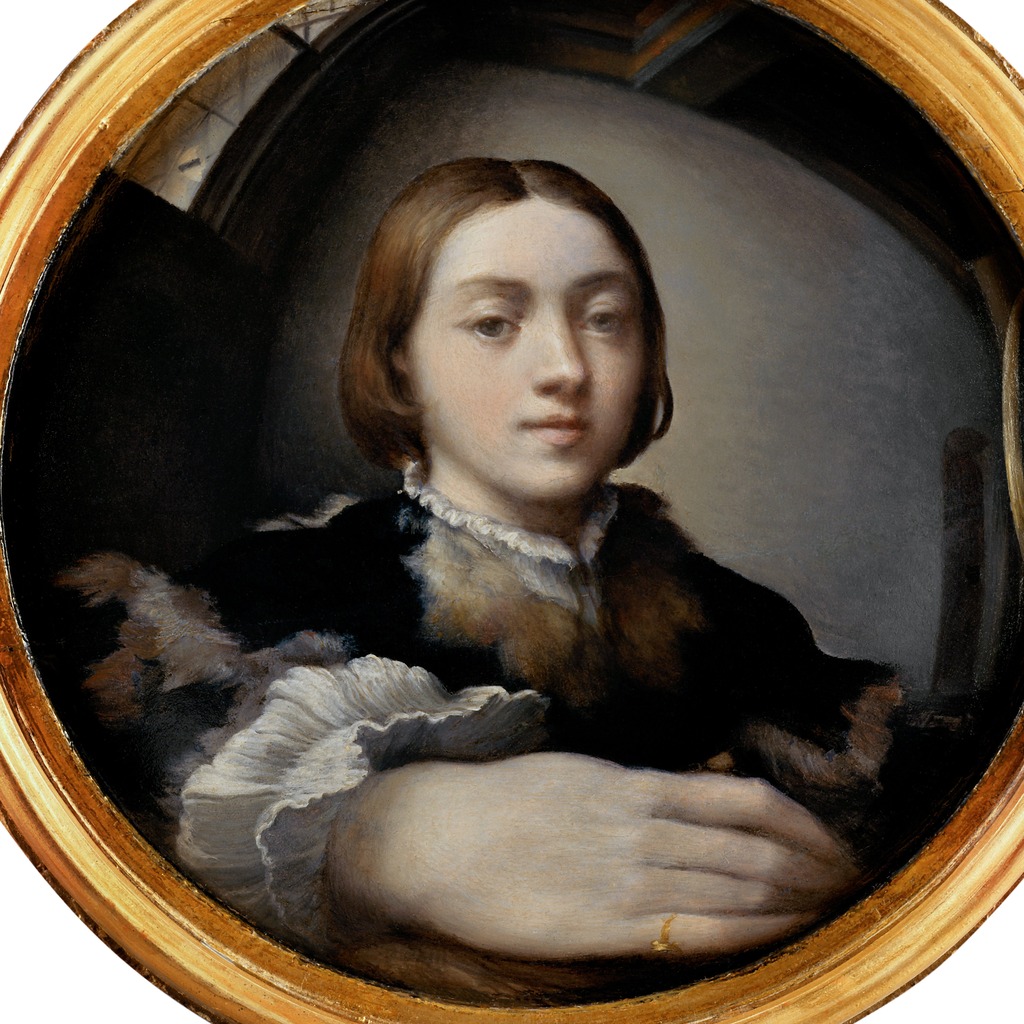 Self-Portrait in a Convex Mirror
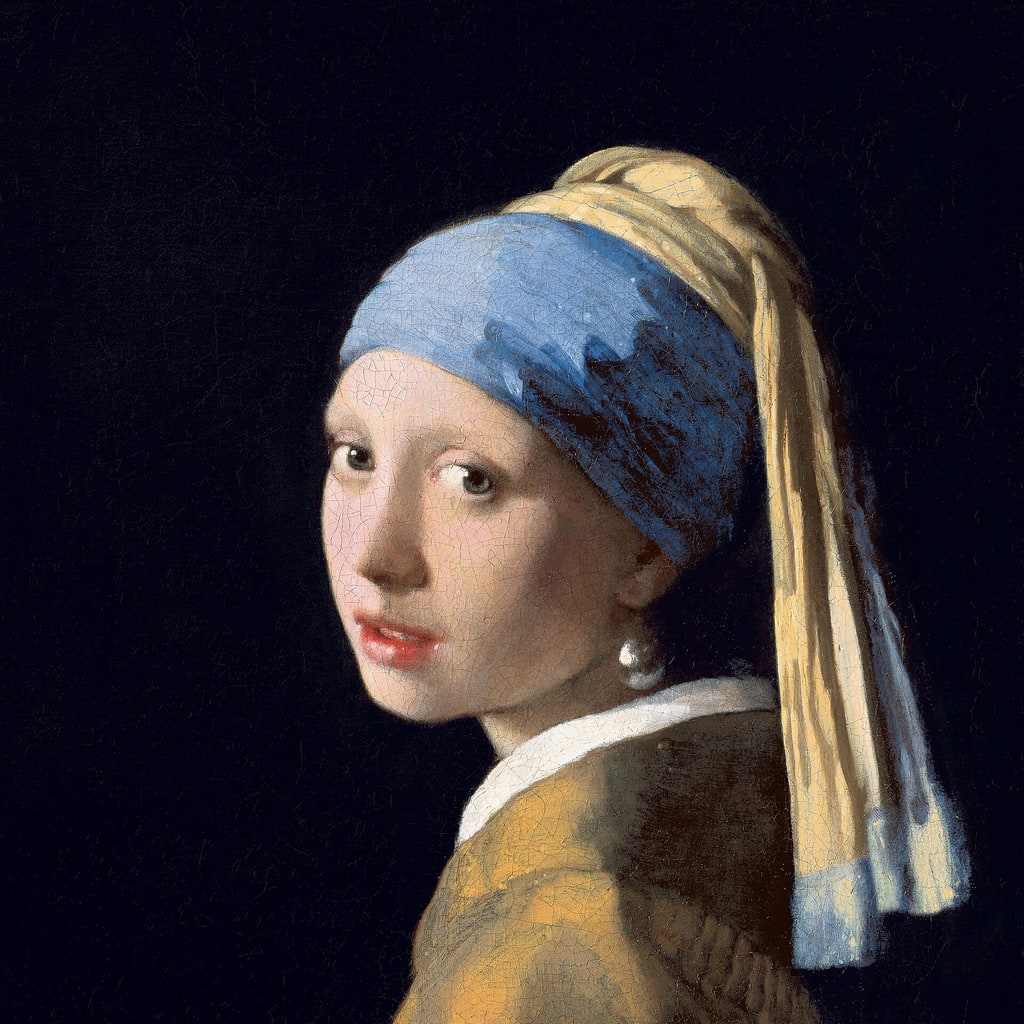 Girl with a Pearl Earring
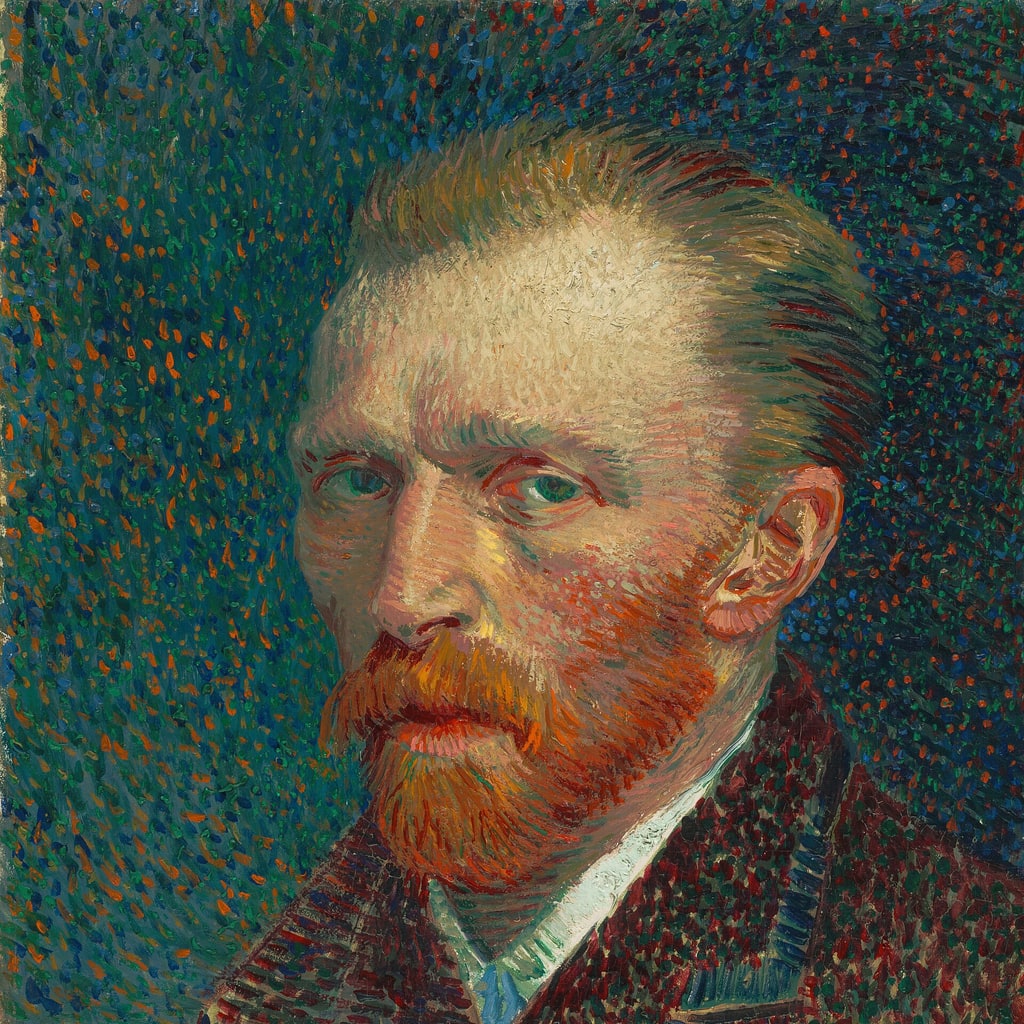 Van Gogh Self-Portrait
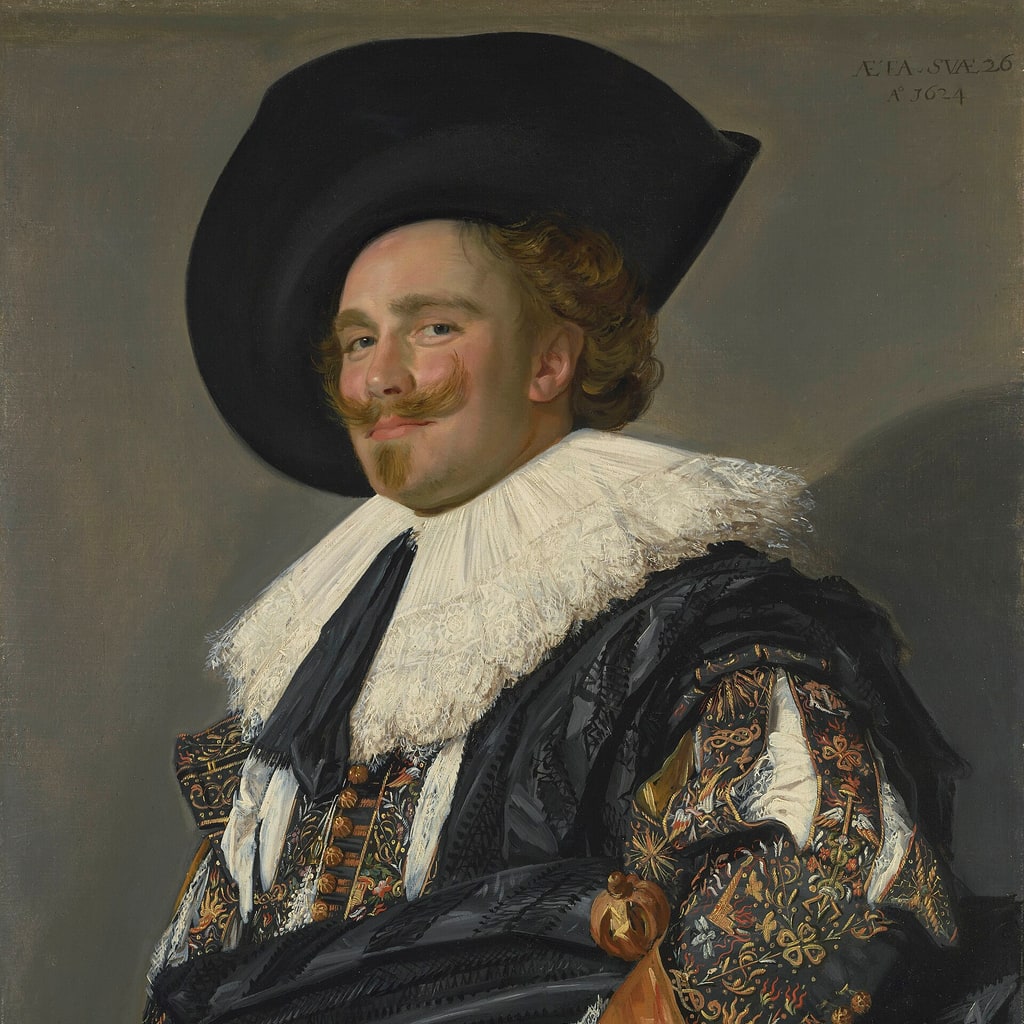 The Laughing Cavalier
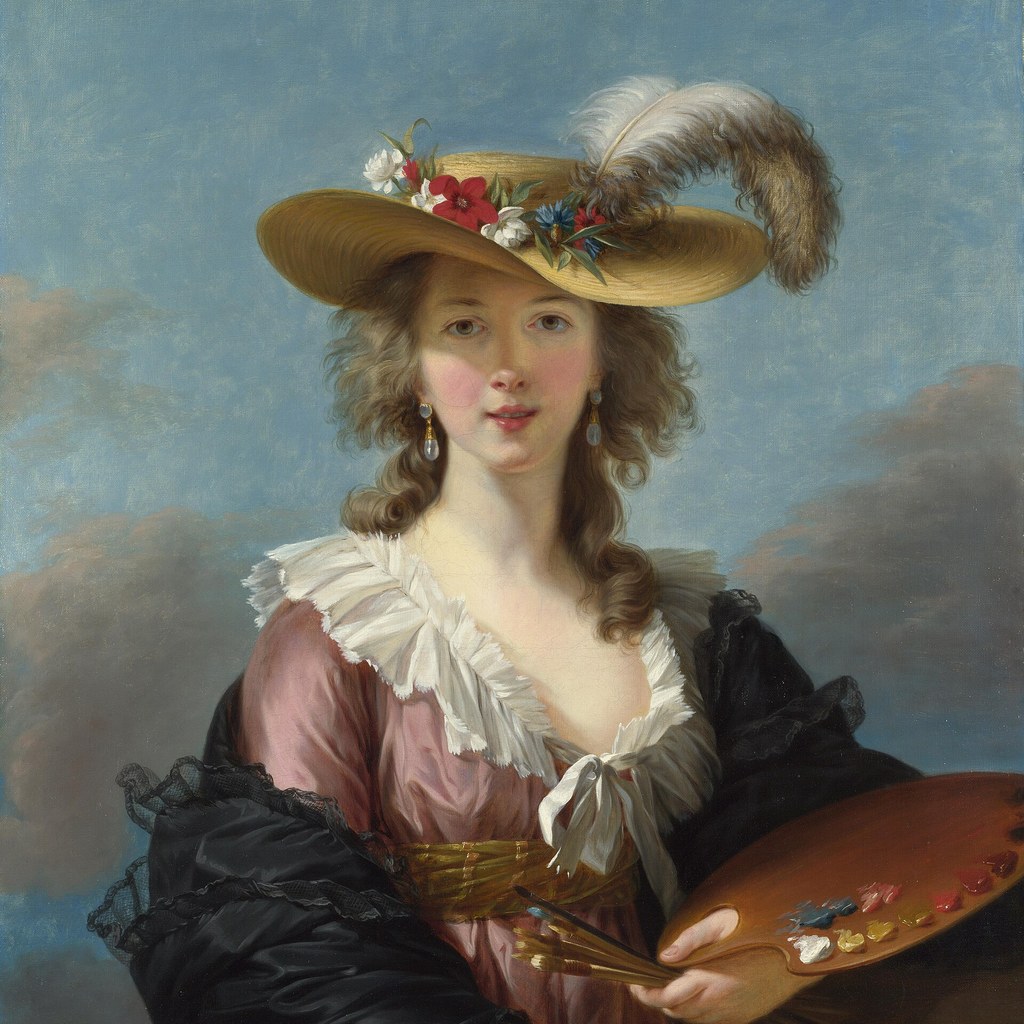 Self-Portrait in a Straw Hat
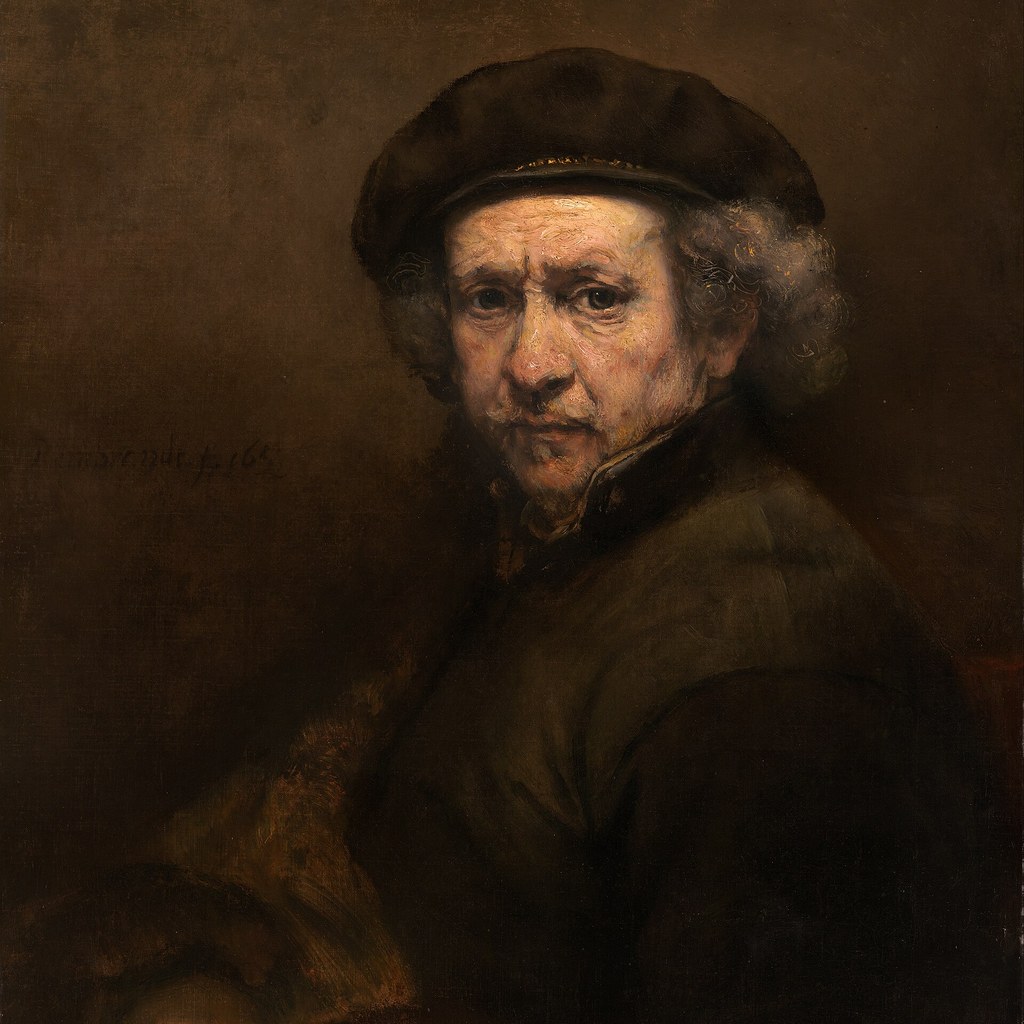 Rembrandt's Self-Portrait
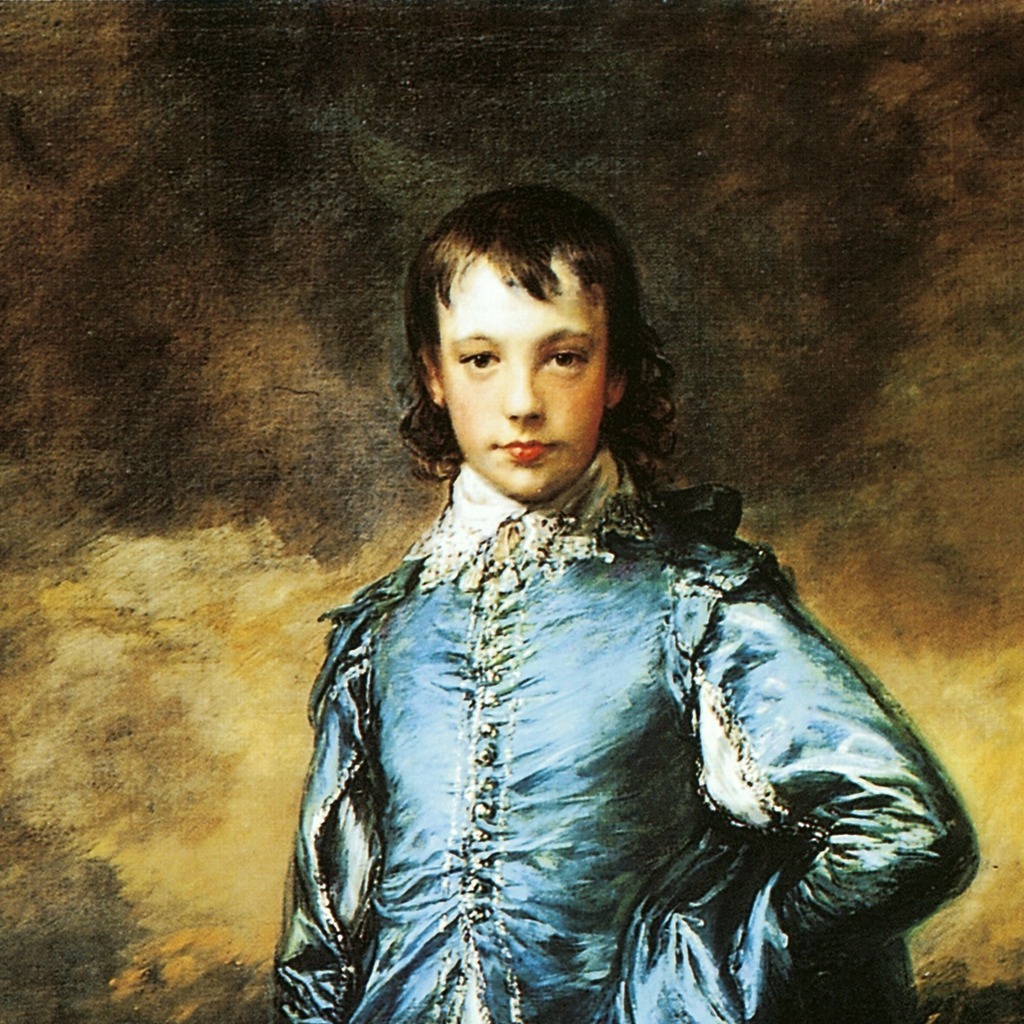 The Blue Boy
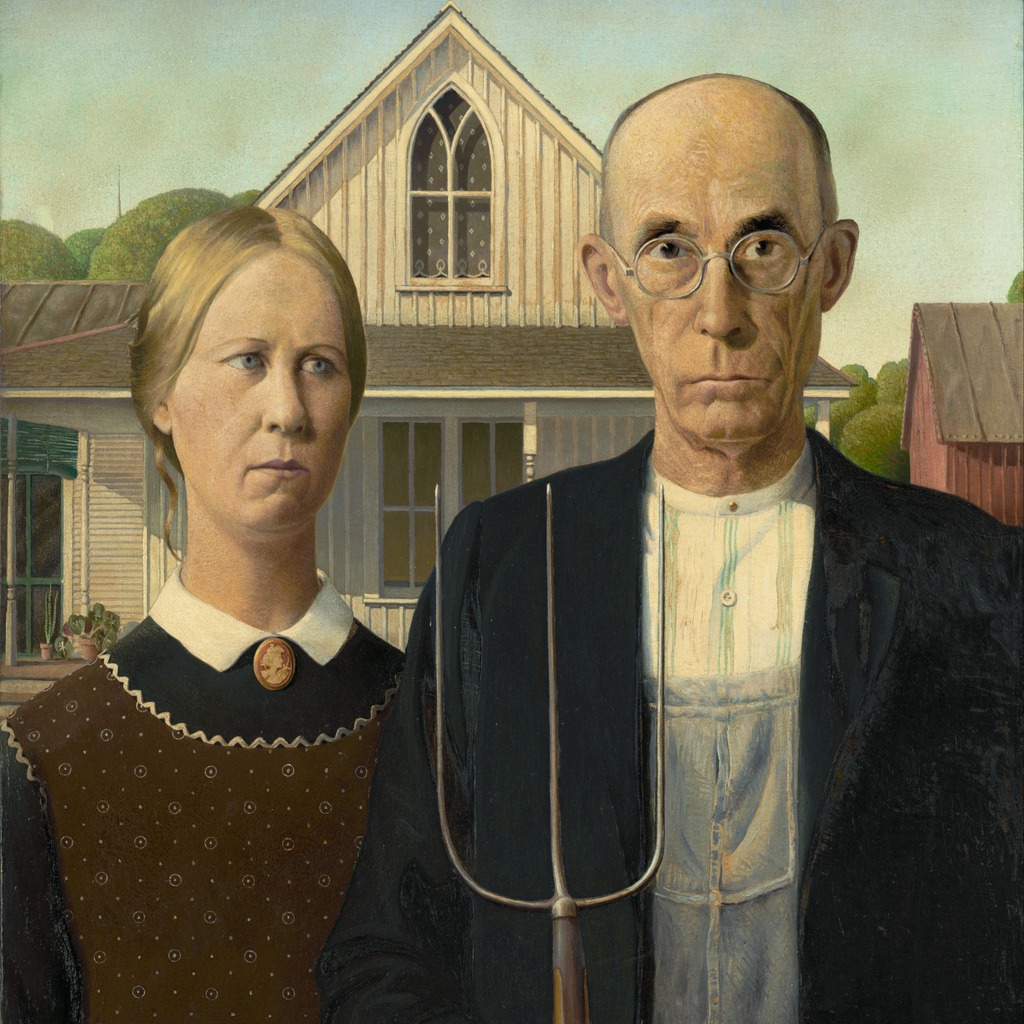 American Gothic
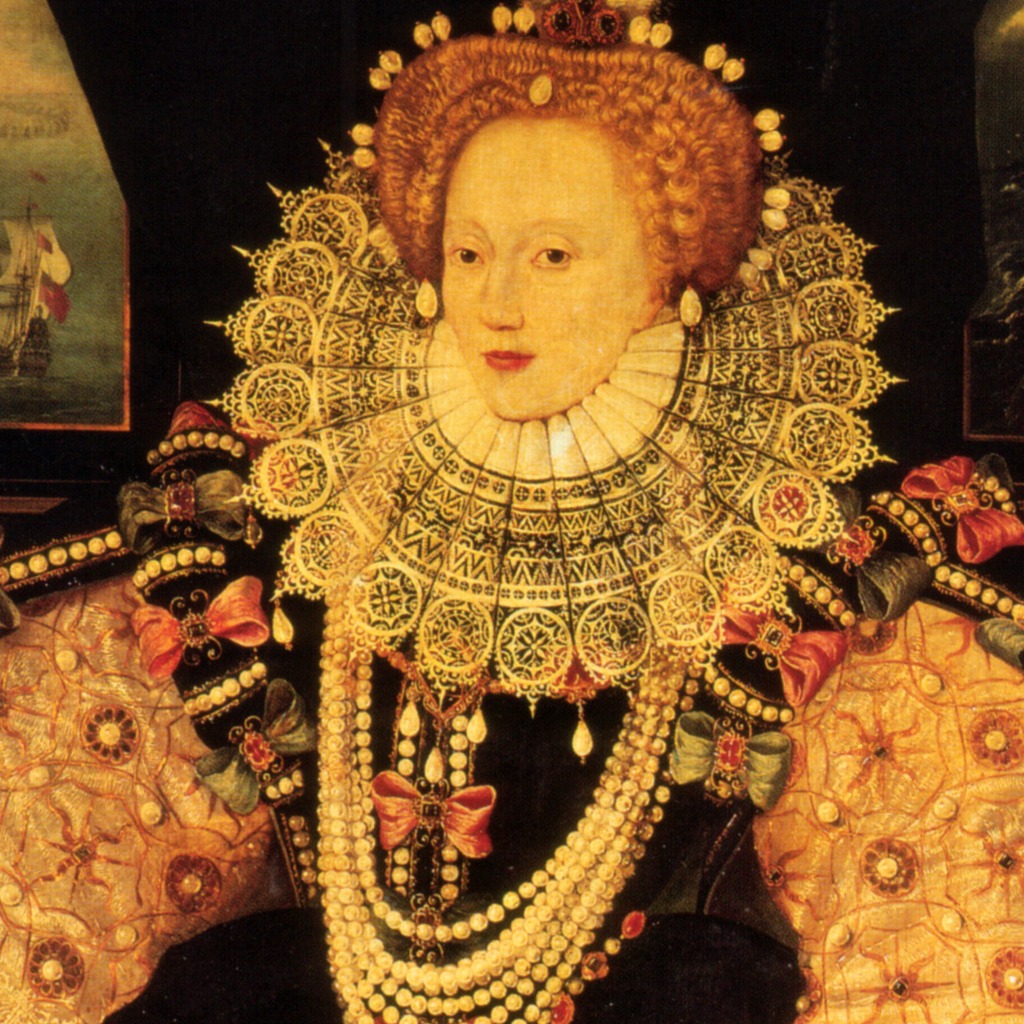 Elizabeth I
Questions
Who was Margherita Luti?
A baker’s daughter from the Trastevere district of Rome, named by early biographers as Raphael’s companion for years. She appears, on the same tradition, in more than one of his paintings, though nothing in the archives confirms it.
What is the veil for?
In sixteenth-century Rome a veil over the hair marked a married woman, which is one reason the identification of the sitter has been argued about for four hundred years.
Why so much work on the sleeve?
Because fabric of that quality was the clearest way to show what a painter could do. Raphael and his contemporaries treated a white silk sleeve as a set piece, roughly the way a modern photographer treats difficult light.
Is it free?
Yes. There is a limit on how many you can make in a day, and sharing one earns the allowance back.
Do you keep my photo?
No. Your selfie is used to make the image and then dropped — it is never written to disk. The finished meme is stored, because it has a link people can open, and it is deleted after 90 days.
Can I use someone else’s face?
Please do not. Use your own. Putting a real person into a picture they did not agree to is exactly the thing this is not for.
Can I post the result?
Yes, anywhere you like. The paintings are public domain; what you make with your own face is yours.