

Making your meme…
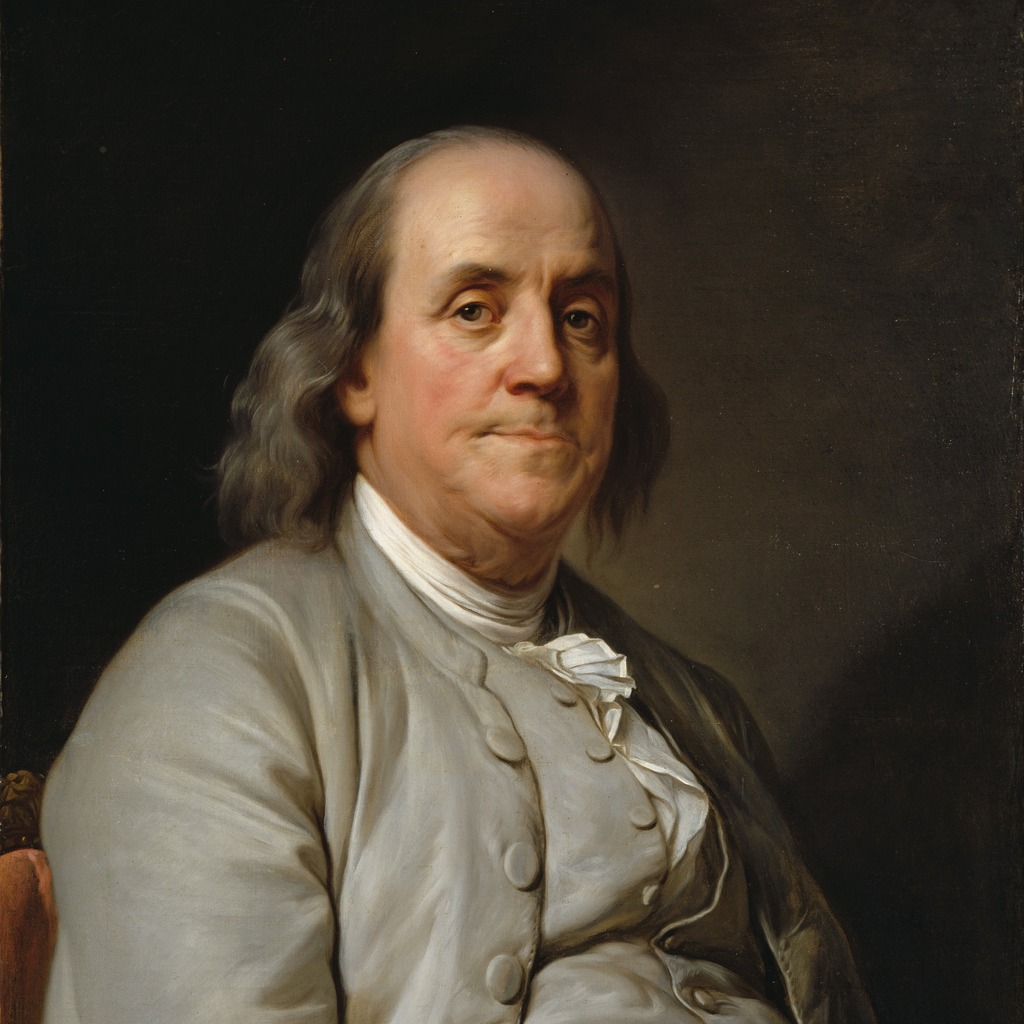
Joseph-Siffred Duplessis · c. 1785
Benjamin Franklin face swap
The face on the hundred-dollar bill, painted in Paris by a Frenchman.
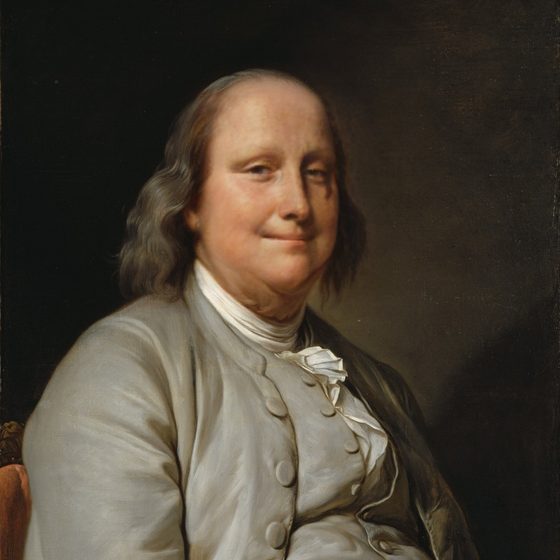
or
Under 15 seconds · no sign-up · your selfie is never stored
Or become a patron and stop counting. Already a patron? Sign in.
How it works
-
Take a photo
Front camera, decent light, look straight ahead. Or pick one you already have.
-
We paint you in
Your face goes into the painting, keeping its light and its brushwork. About fifteen seconds.
-
Share the link
You get a page anyone can open. No account, nothing to install.
Where this one comes from
Joseph-Siffred Duplessis painted Franklin in Paris in the 1770s and 80s, during the nine years Franklin spent there as the American envoy persuading France to bankroll a revolution. He was a celebrity in the city — wearing a fur cap and no wig, playing the rustic philosopher to an audience that loved it — and his face went onto snuffboxes and prints all over Europe. The version used here is in the Metropolitan Museum, and this is the likeness the United States eventually put on its largest common banknote.
What is in the picture
Grey hair to the shoulders and no wig, which was itself a statement in the Paris of the 1780s; a plain brown coat; a fur-trimmed collar; and a completely level gaze. The face is heavy, the eyes are small and amused, and the mouth has the beginnings of something. Duplessis was a specialist in exactly this — a plain ground, no props, no allegory, and a great deal of attention paid to what the features are doing.
When people use it
For being the reasonable adult in a stupid situation. It suits advice nobody asked for, and it is the face for a plan that will obviously work.
How your face lands in it
A large frontal head, evenly lit, against a plain dark ground, with long grey hair down either side and the features entirely clear. One of the most reliable targets in the catalogue. The hair stays, so whatever you upload comes back grey and shoulder-length.
Benjamin Franklin — Joseph-Siffred Duplessis, c. 1785. Joseph-Siffred Duplessis died in 1802, so the painting has been in the public domain for over two centuries and the Google Art Project reproduction is published on that basis. Source

Also in: Paintings · Famous people
More paintings
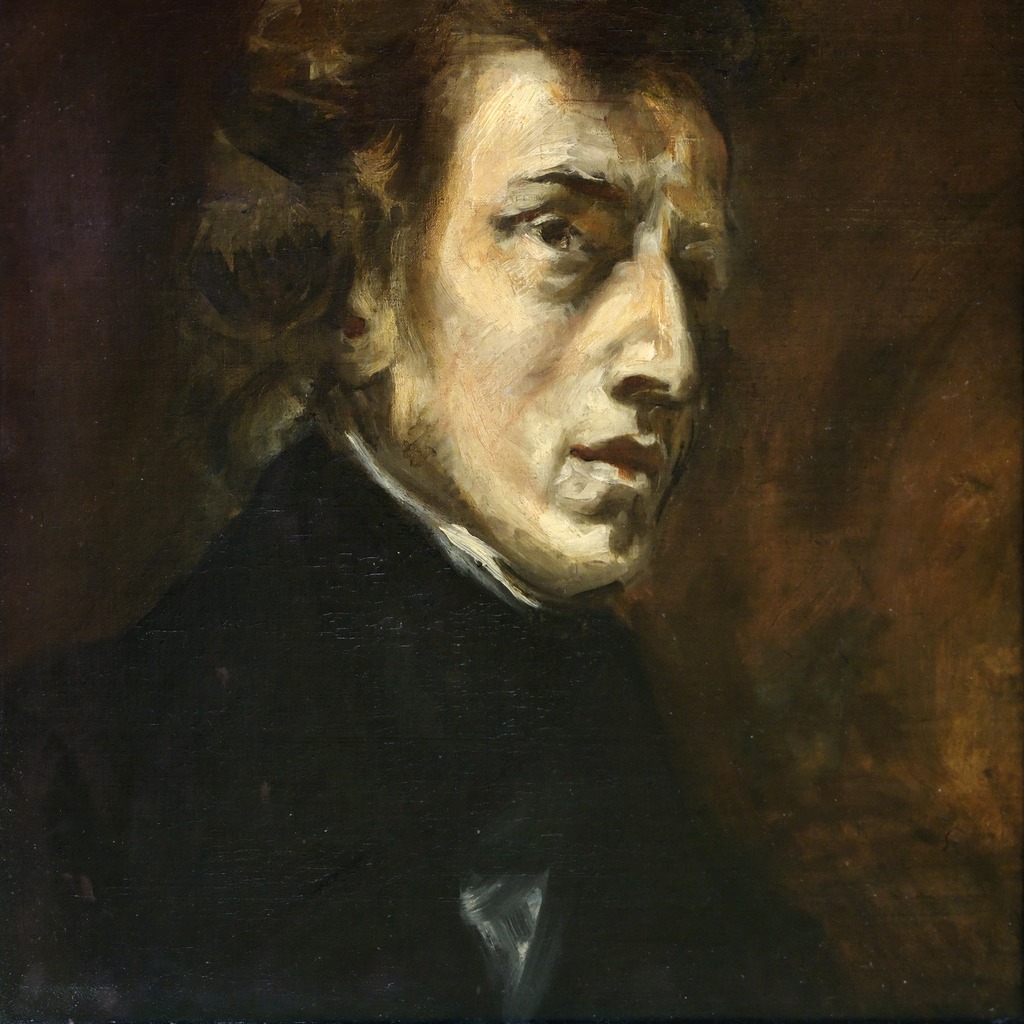 Chopin
 Beethoven
 Mozart
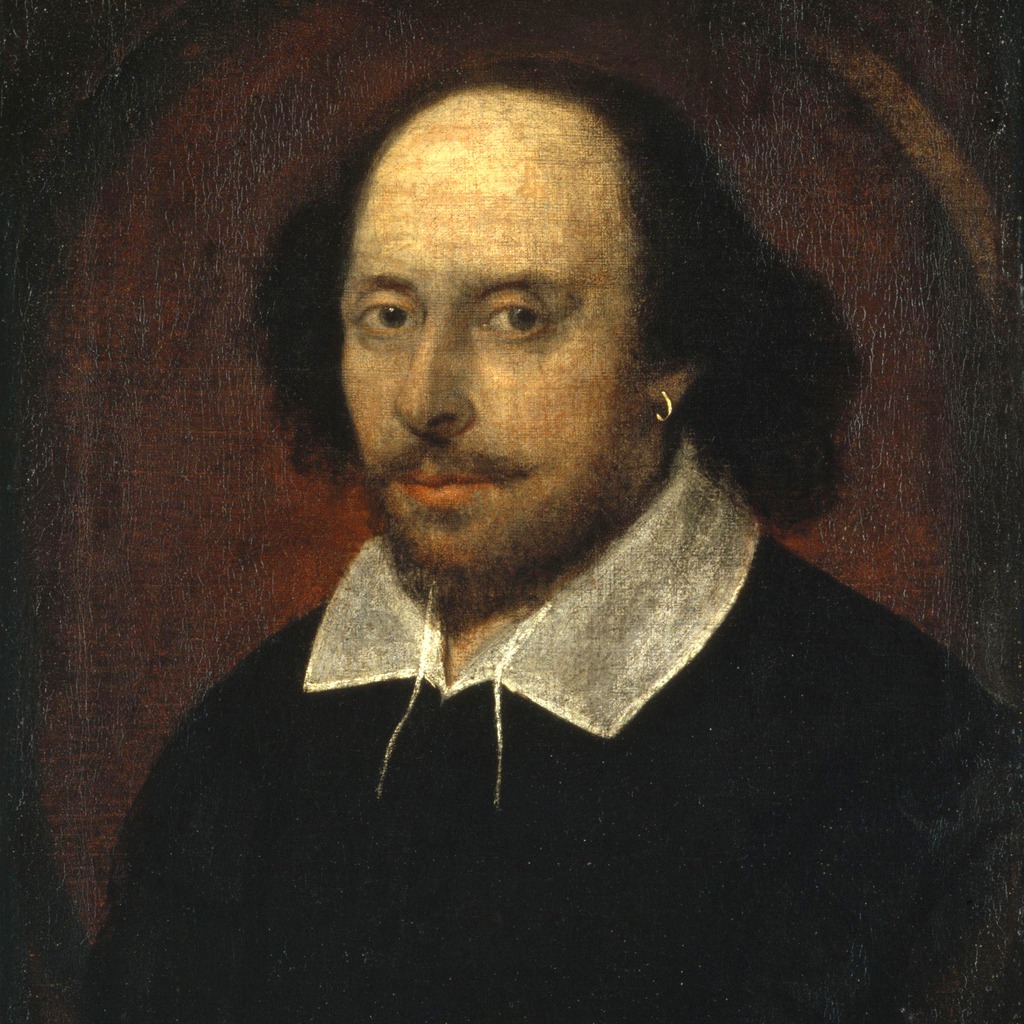 Shakespeare
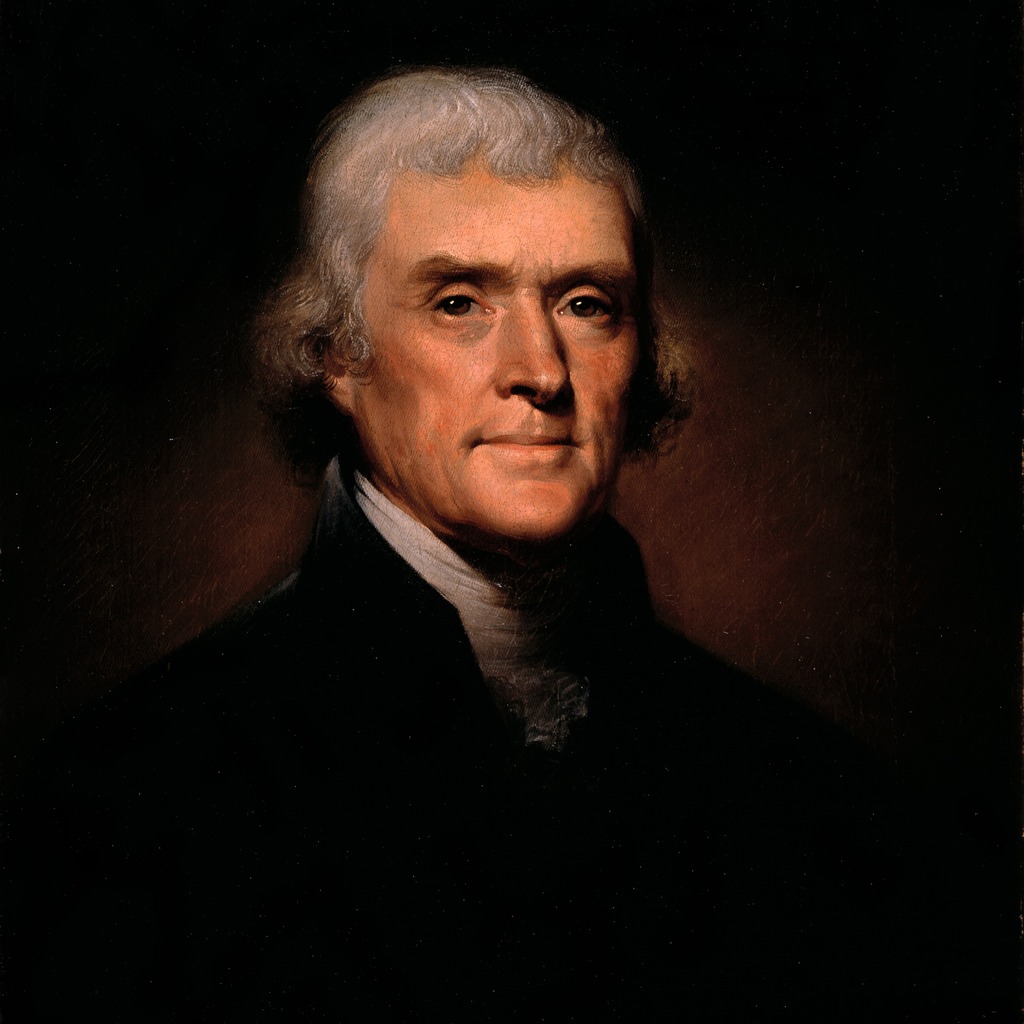 Thomas Jefferson
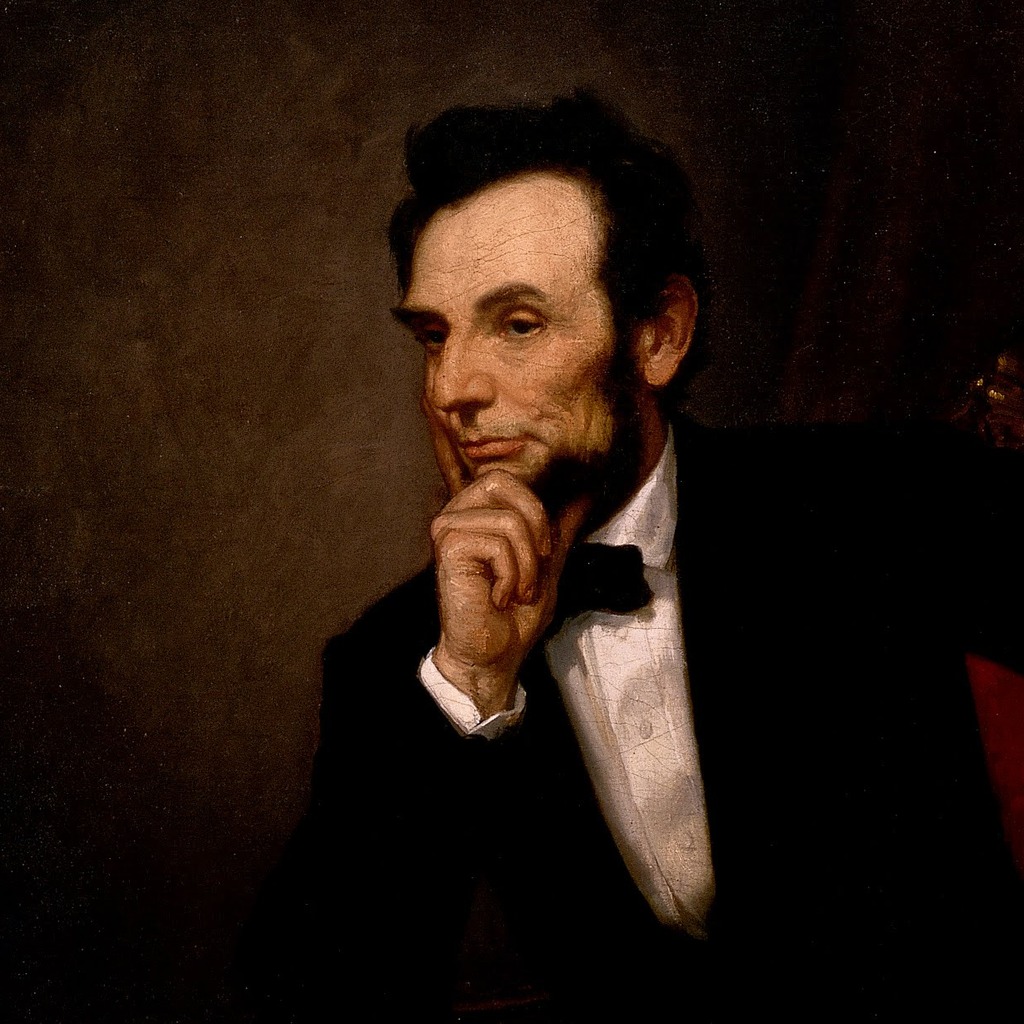 Abraham Lincoln
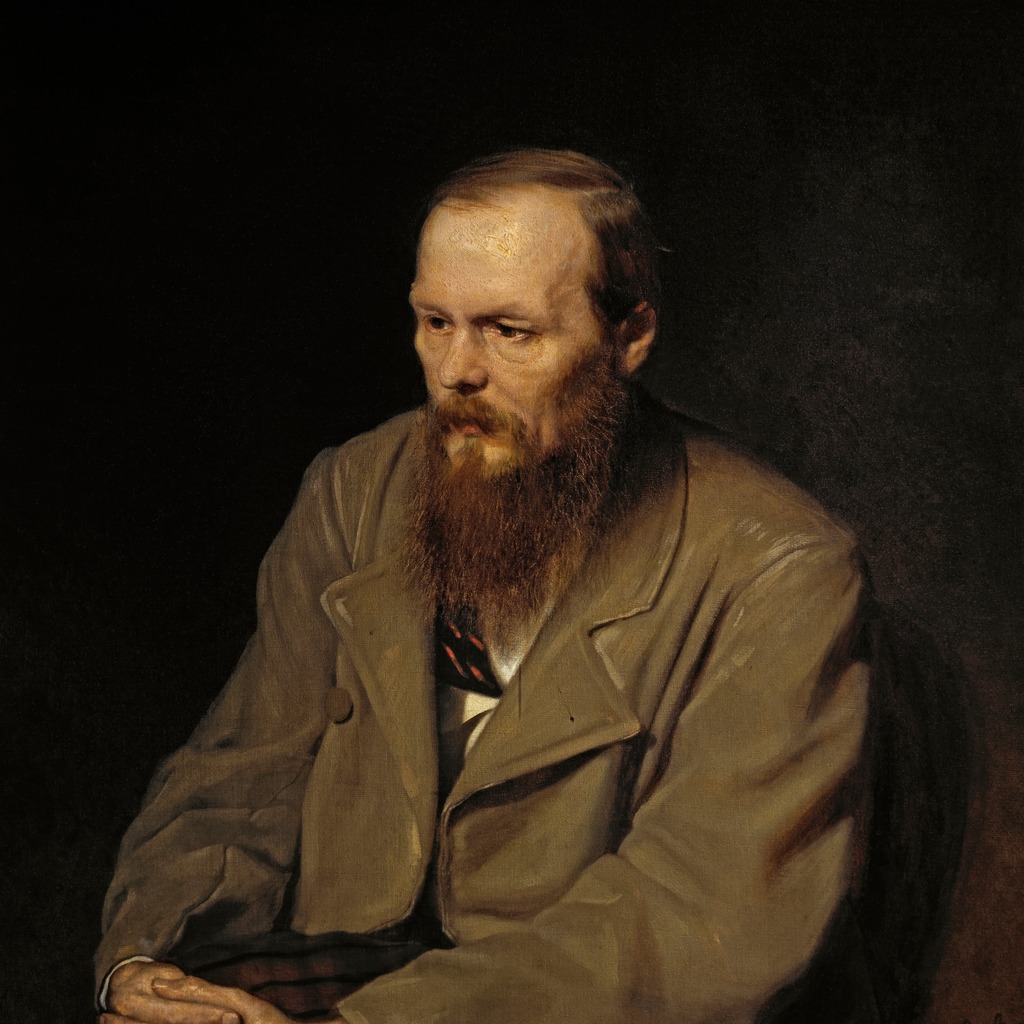 Dostoevsky
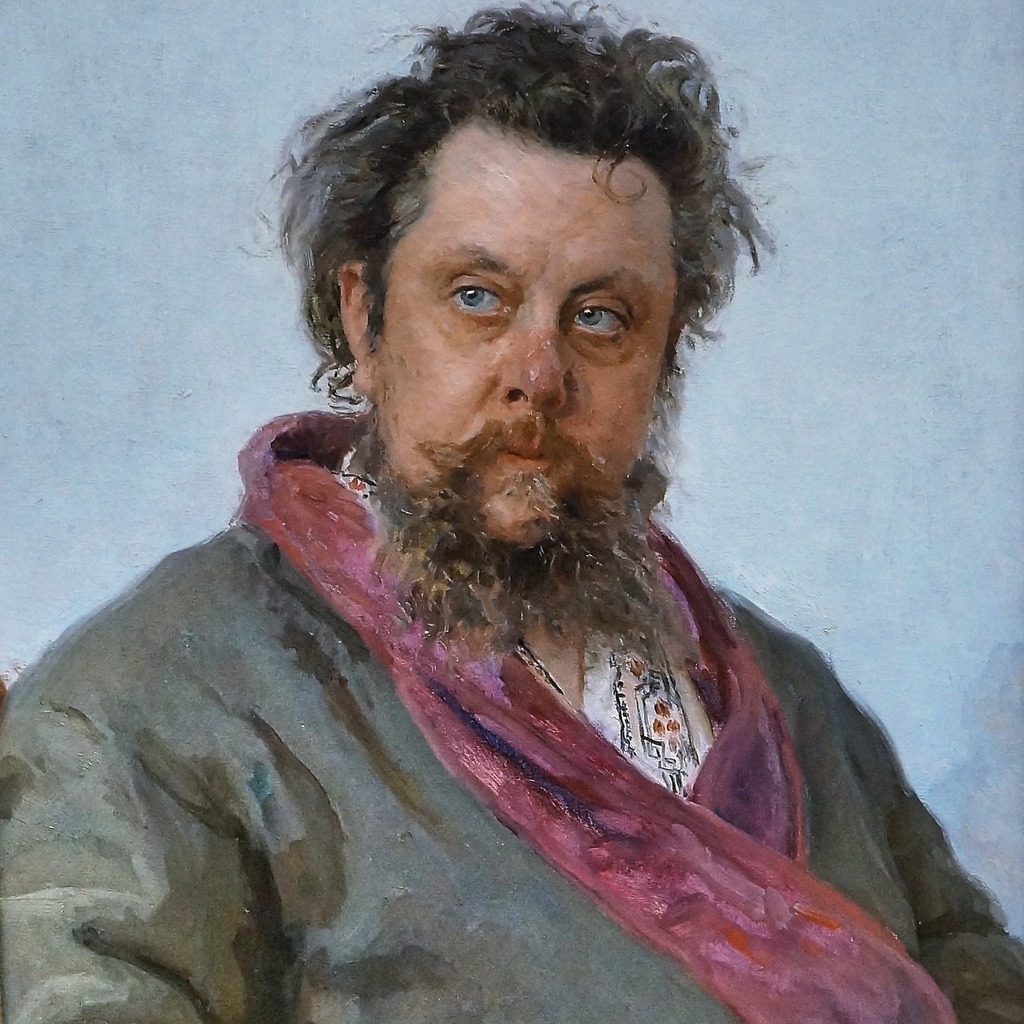 Mussorgsky
 Mona Lisa
 Girl with a Pearl Earring
 Van Gogh Self-Portrait
 The Laughing Cavalier
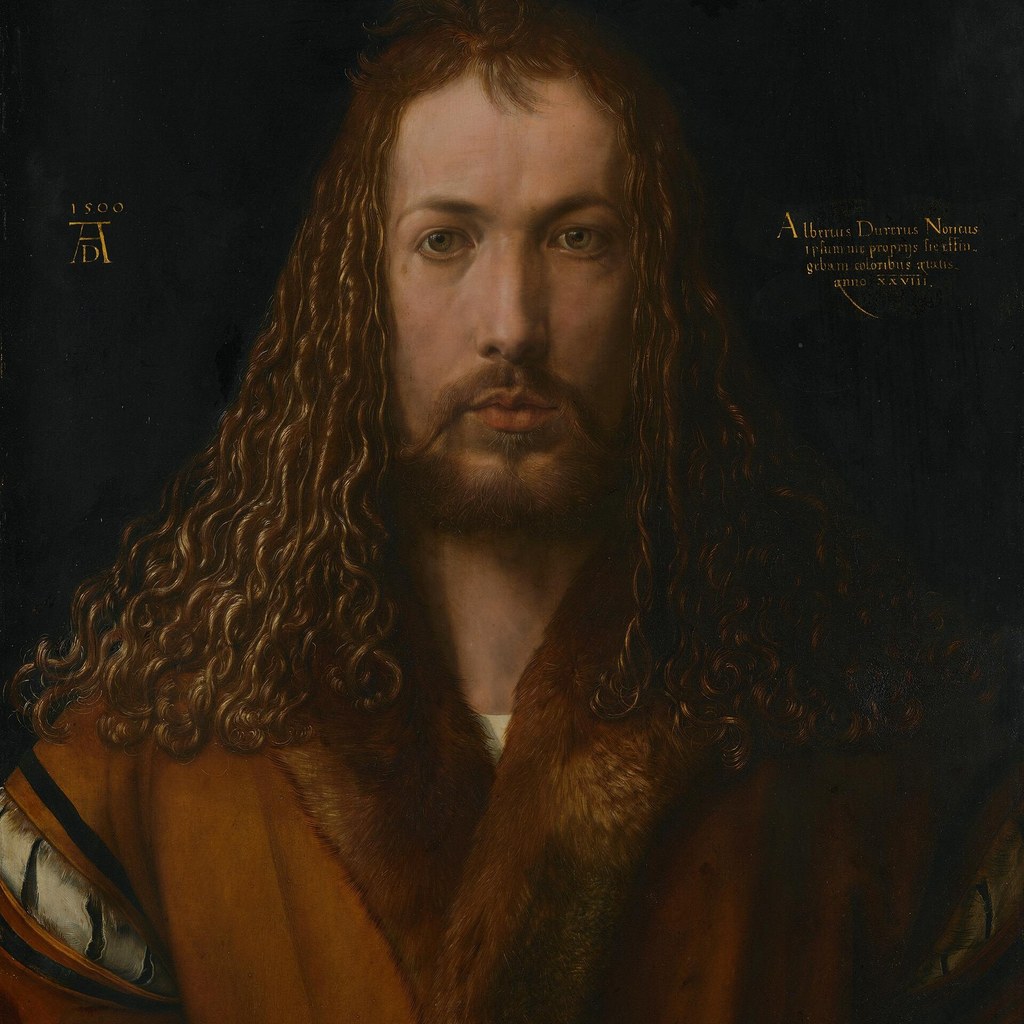 Dürer's Self-Portrait
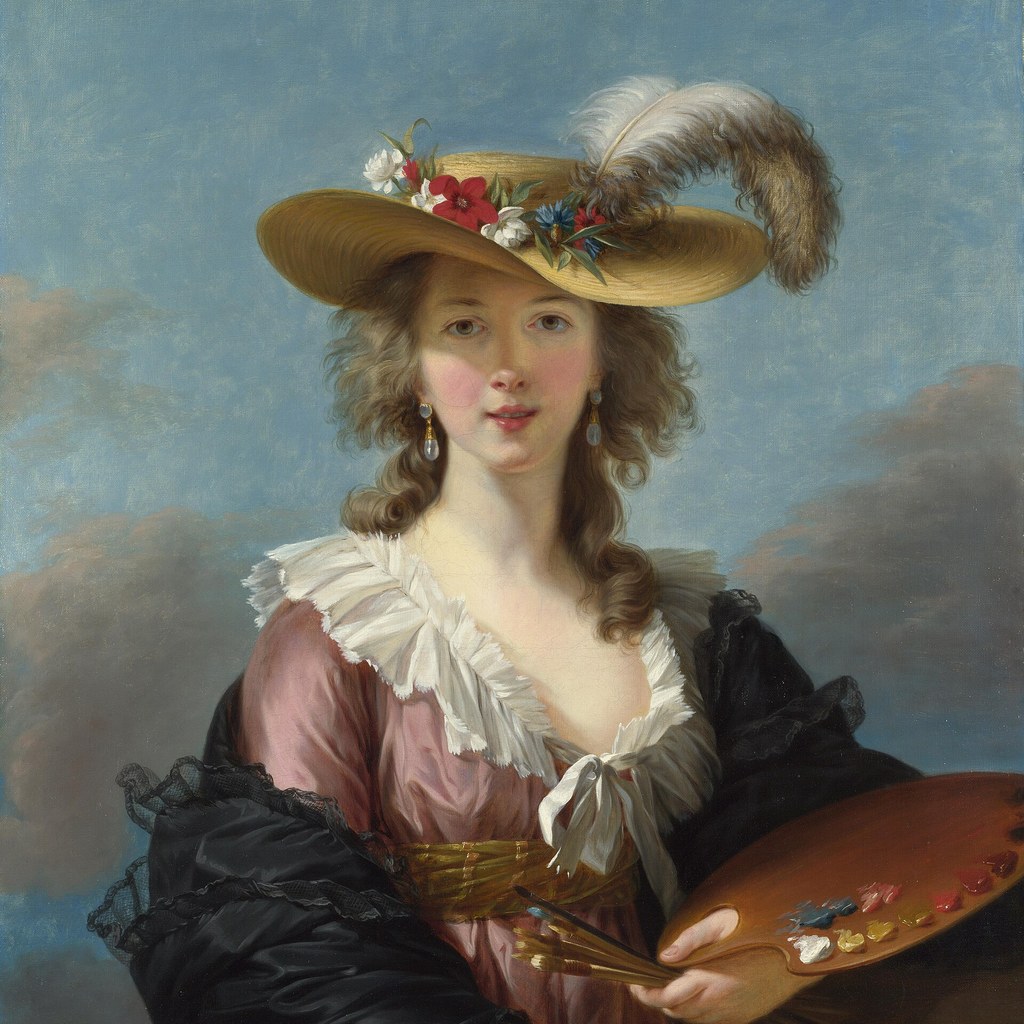 Self-Portrait in a Straw Hat
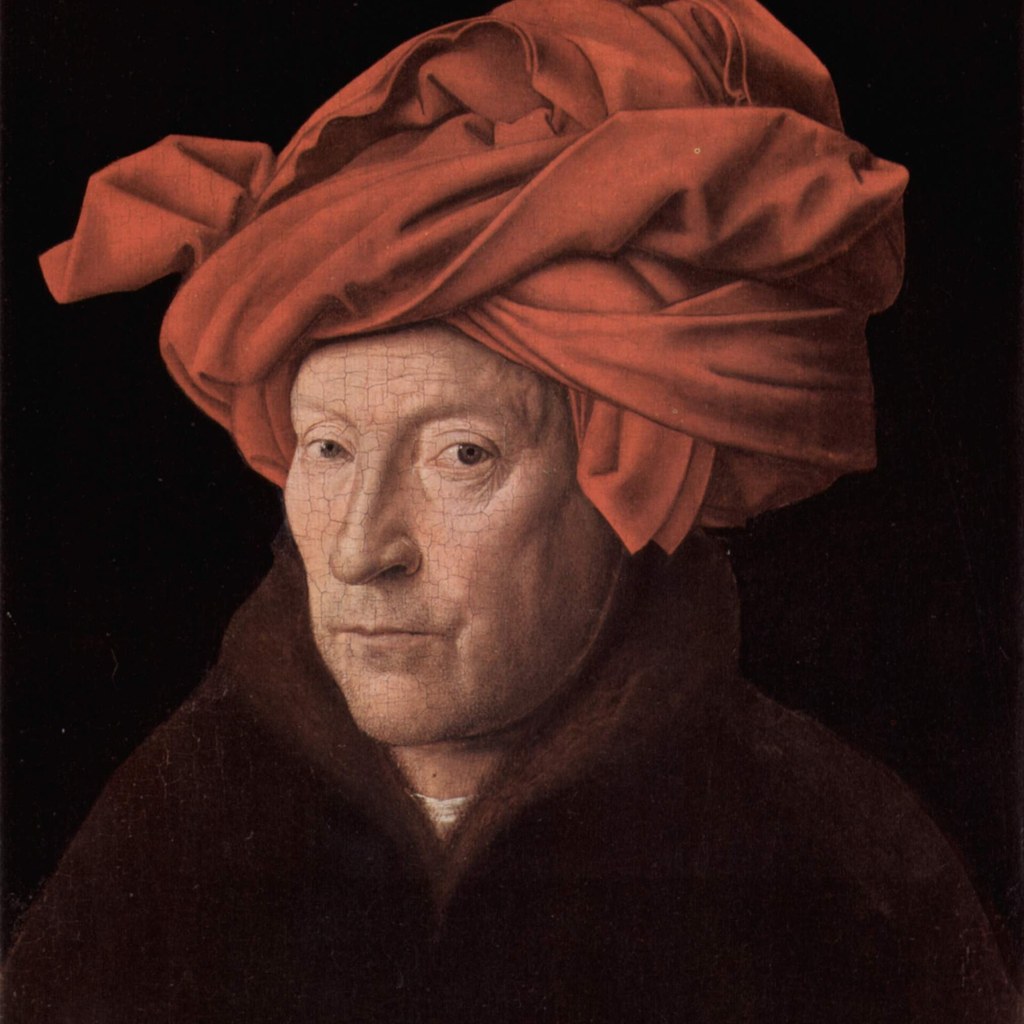 Man in a Red Turban
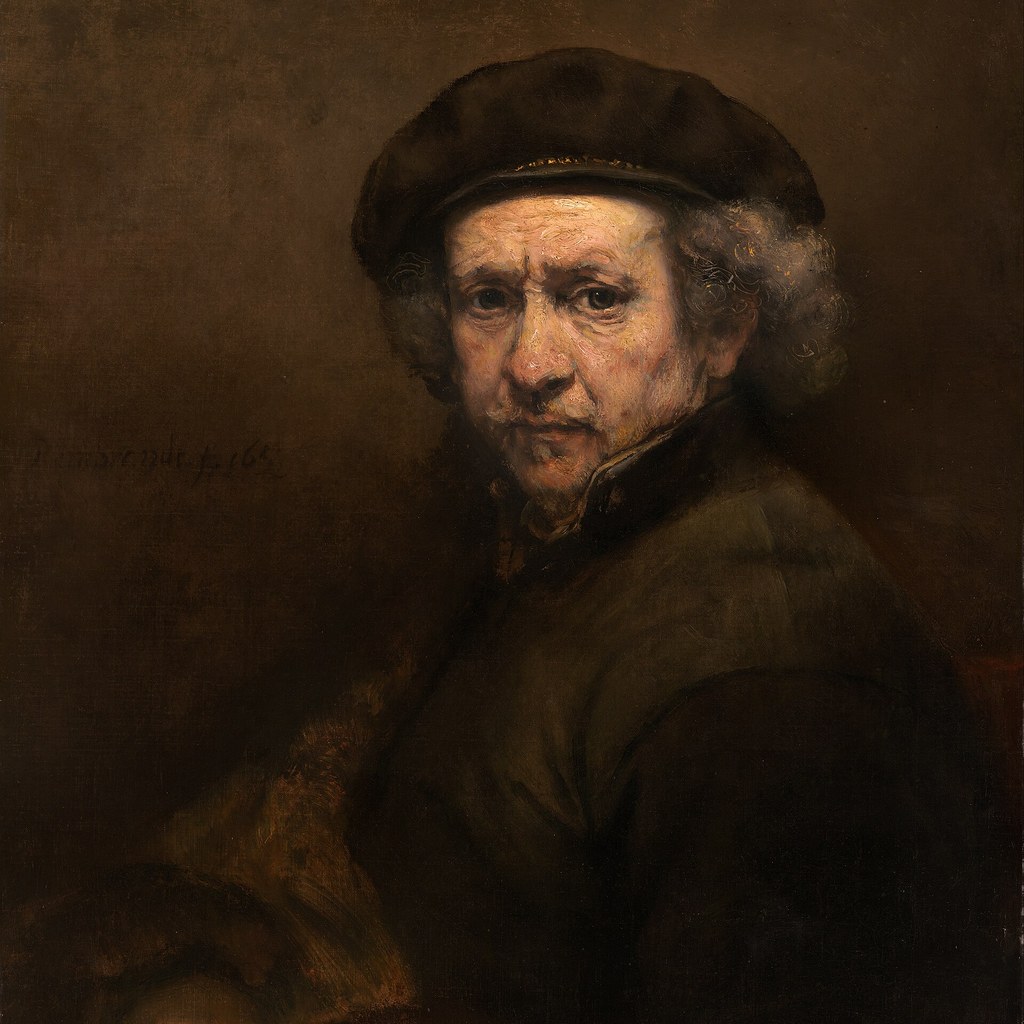 Rembrandt's Self-Portrait
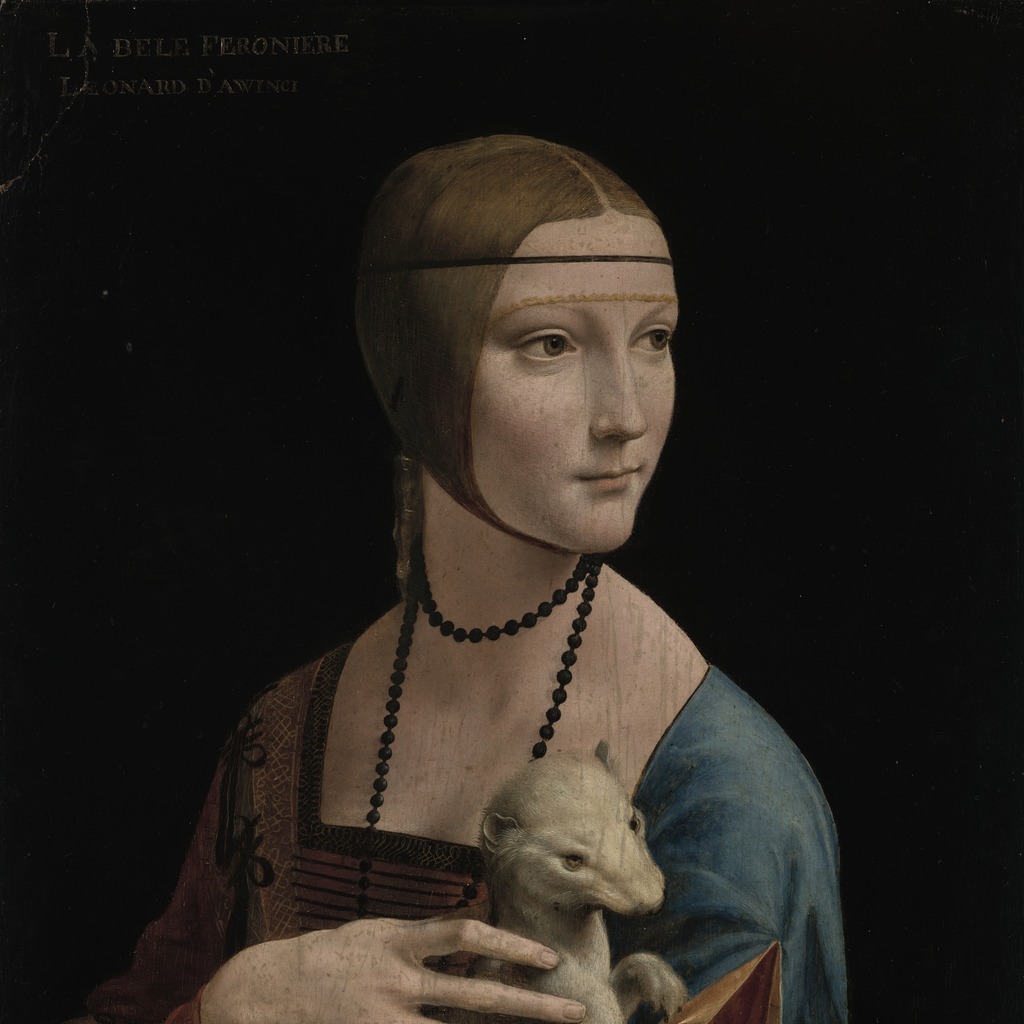 Lady with an Ermine
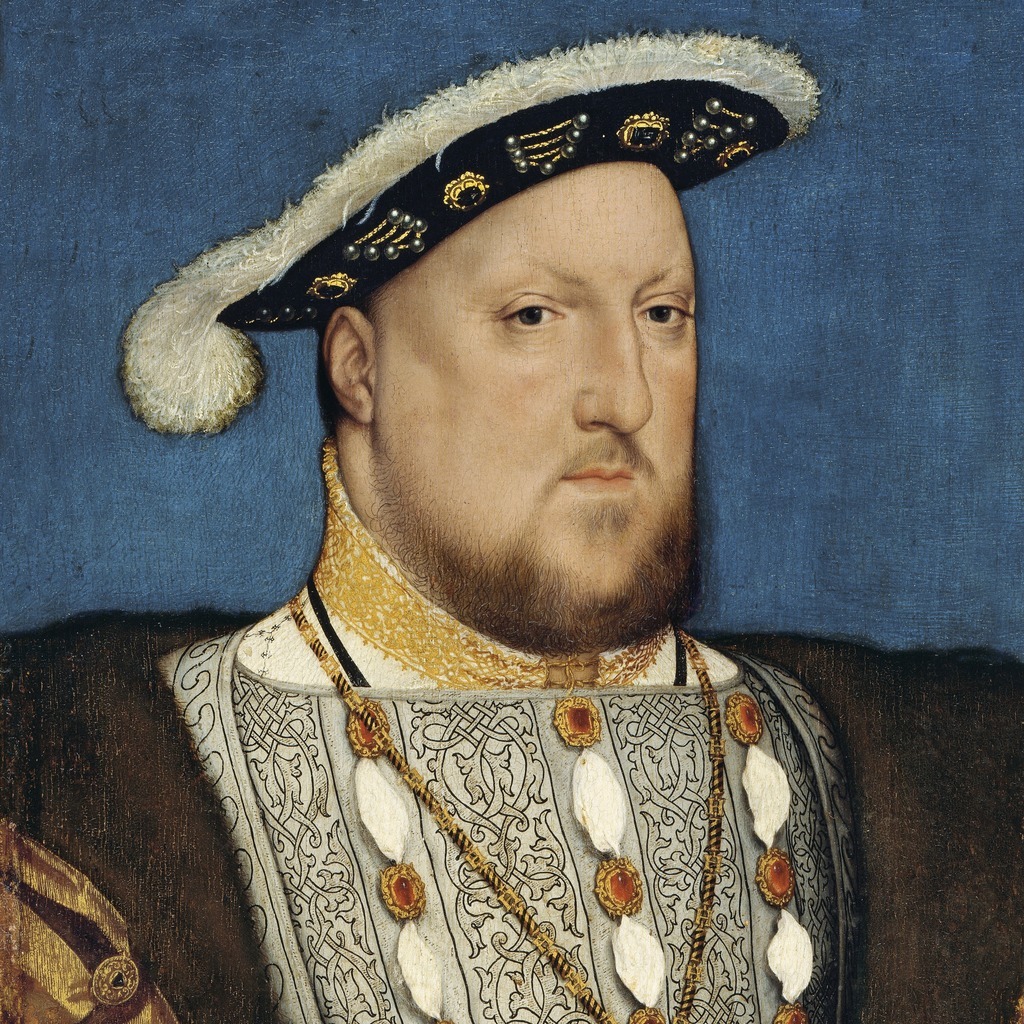 Henry VIII
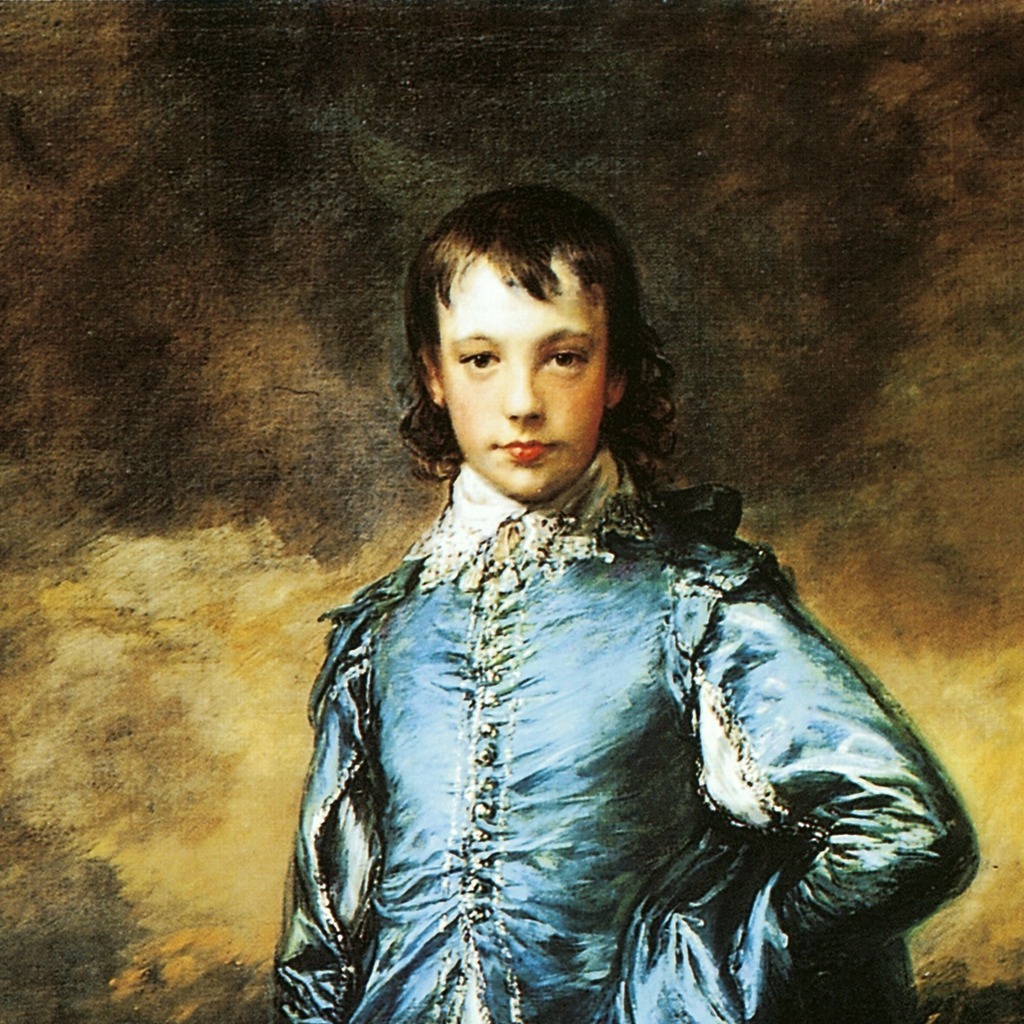 The Blue Boy
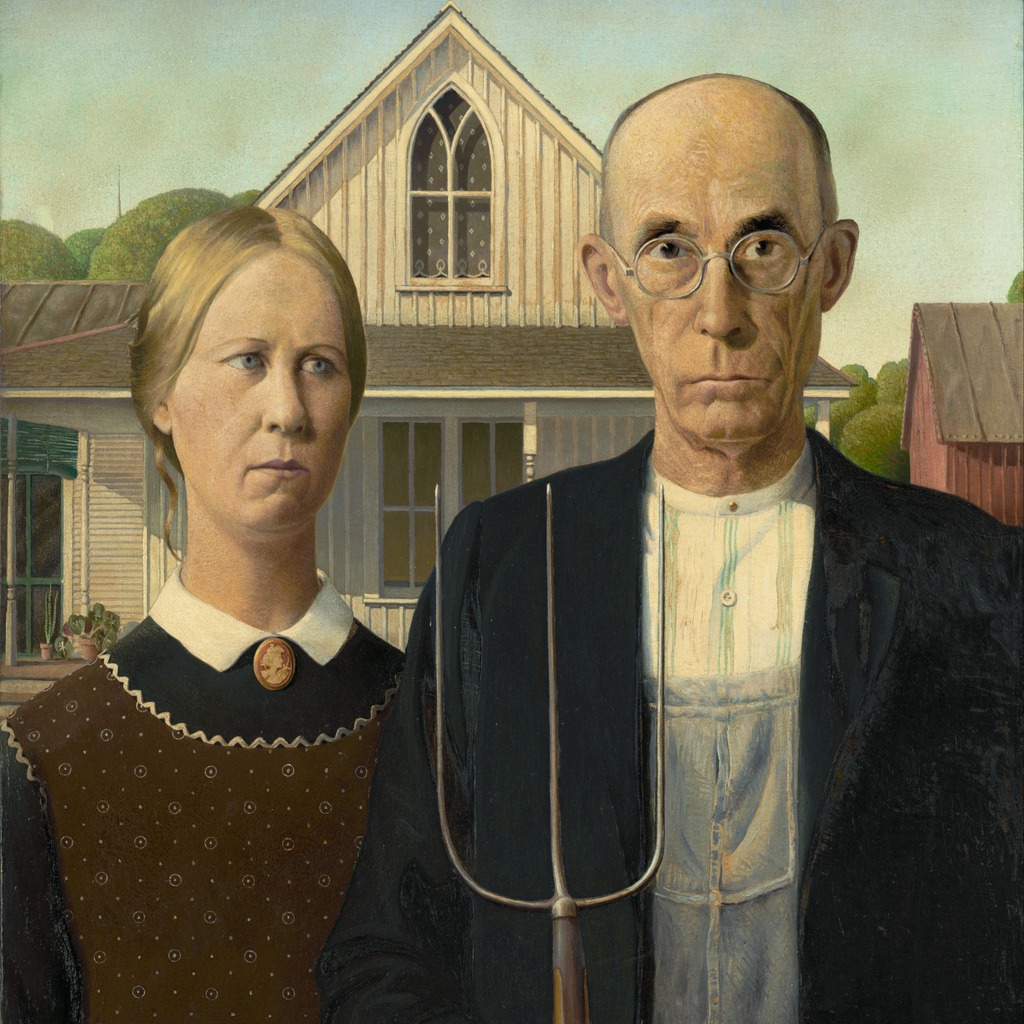 American Gothic
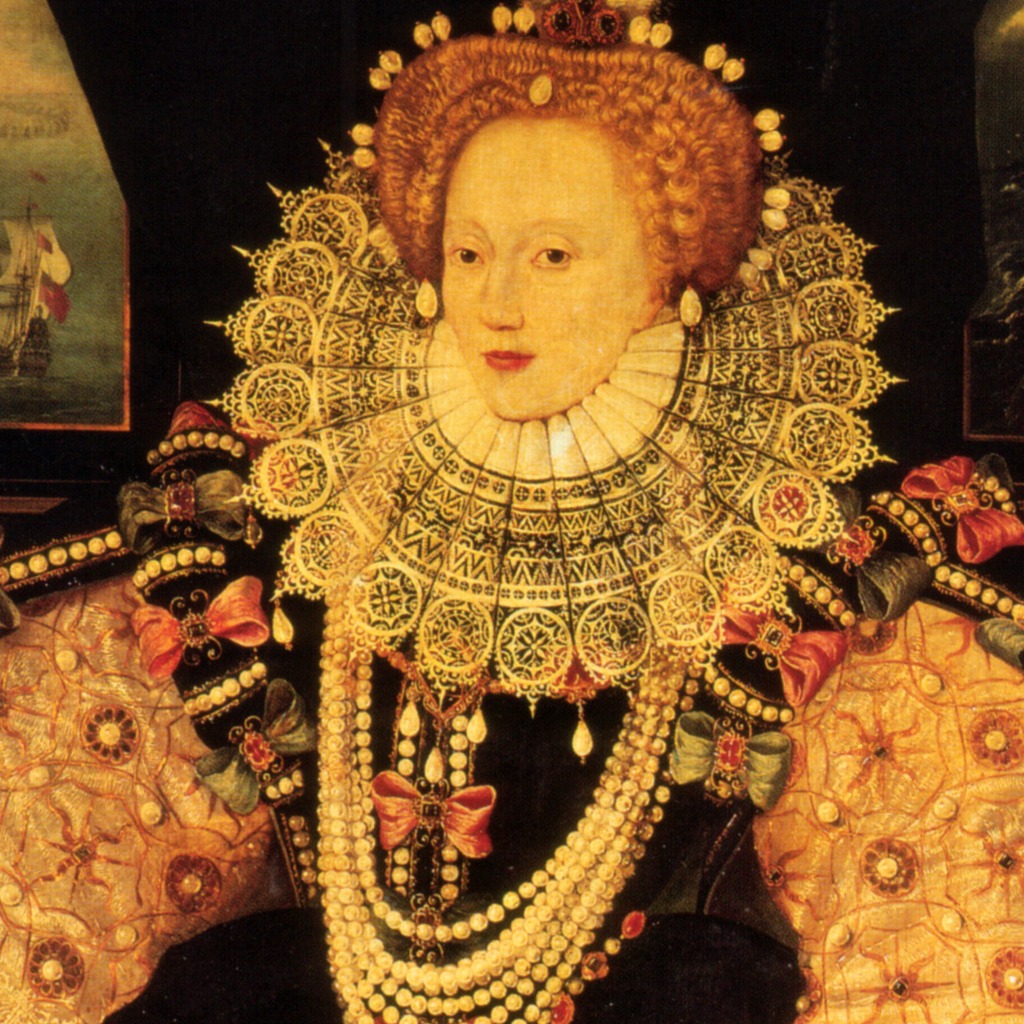 Elizabeth I
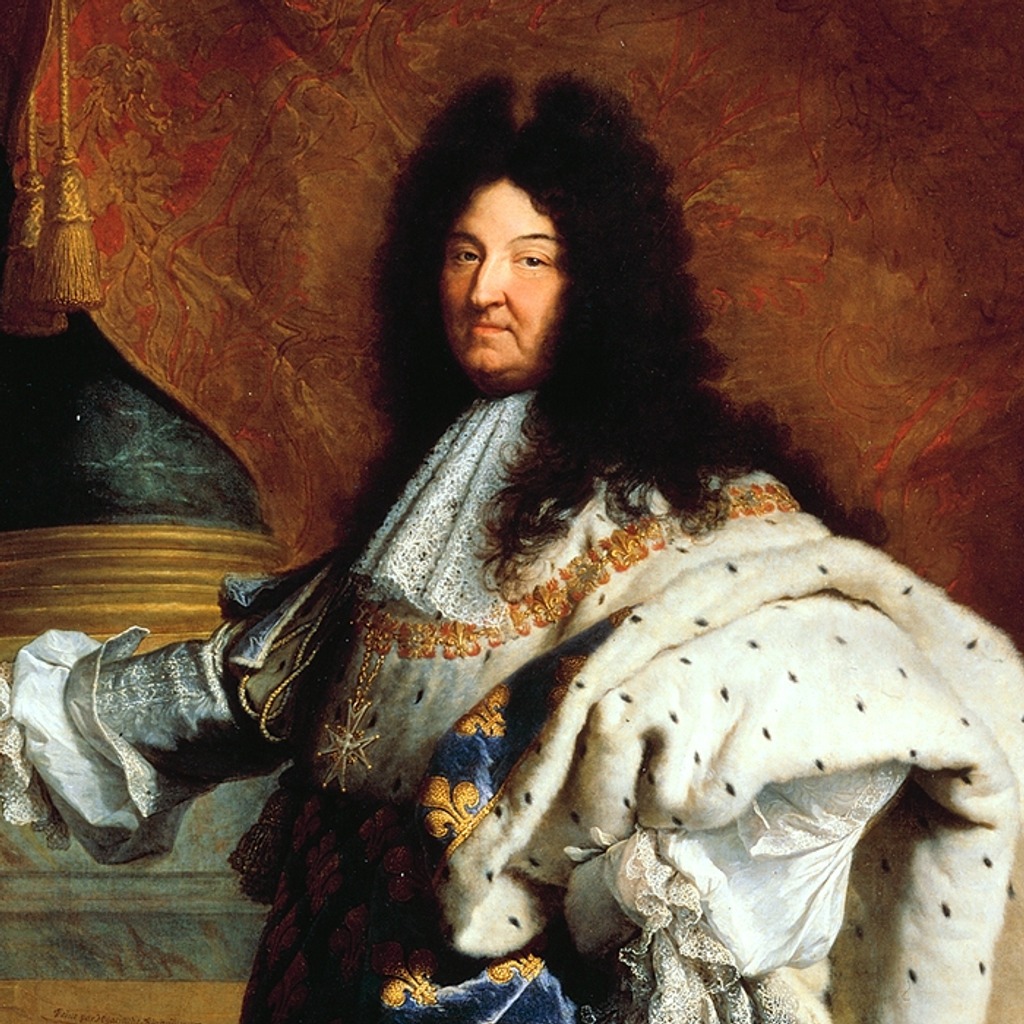 Louis XIV
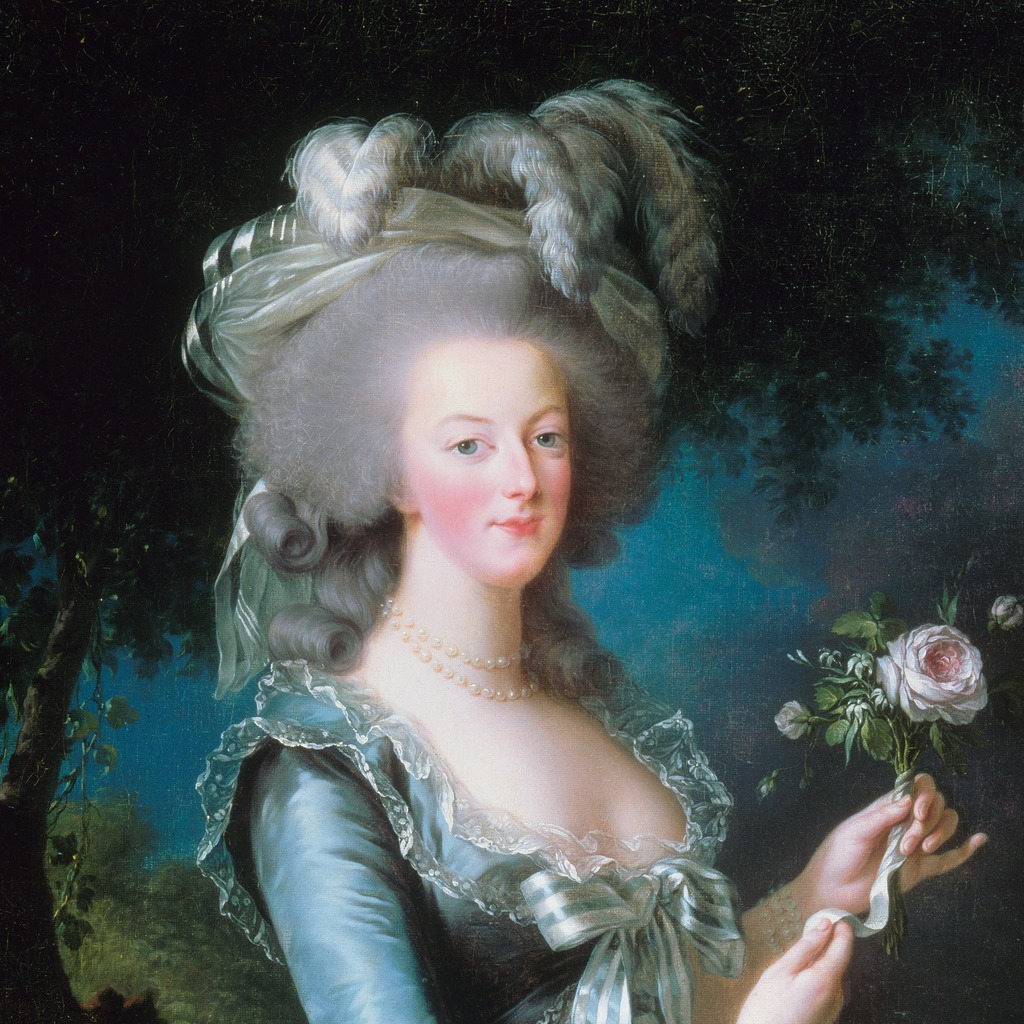 Marie Antoinette
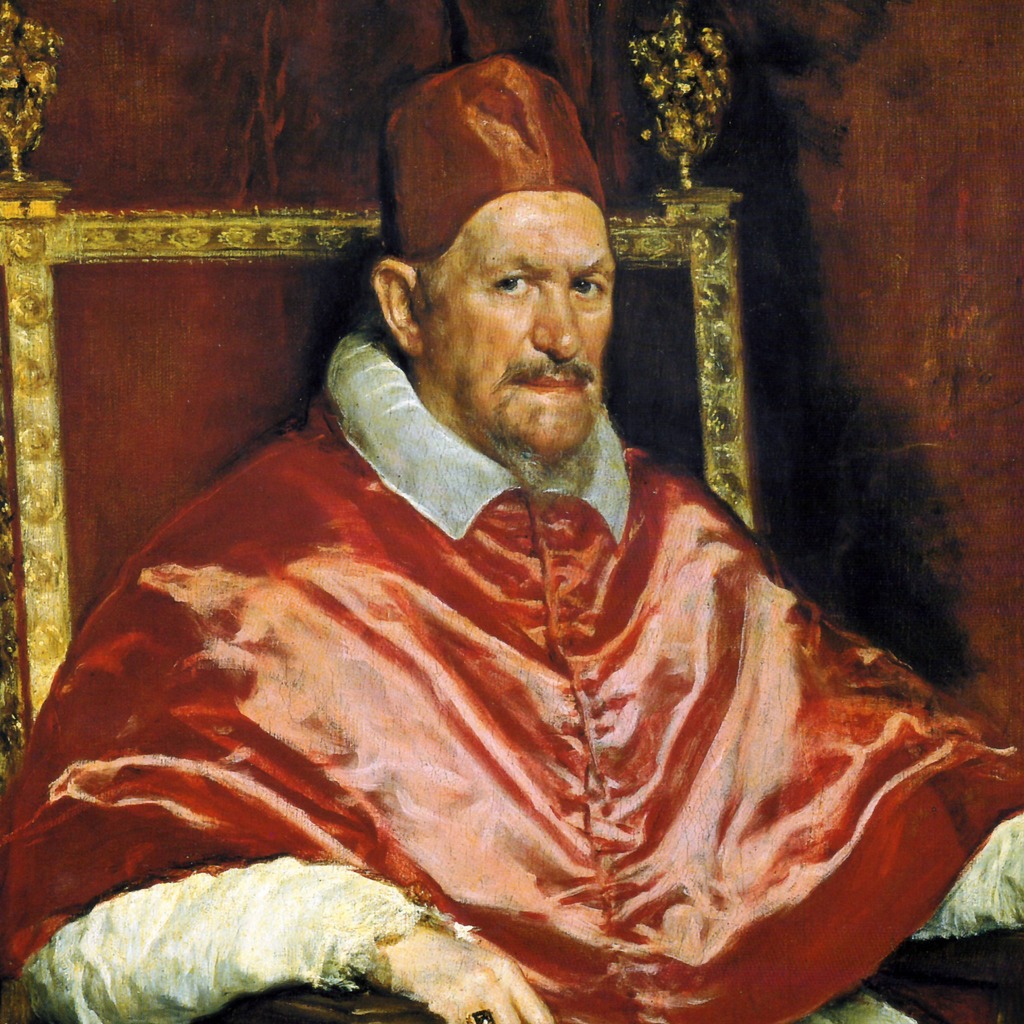 Pope Innocent X
Questions
Is this the hundred-dollar-bill portrait?
Yes. The engraving on the note derives from Duplessis’s likeness of Franklin, which means the most reproduced face in American currency was painted in Paris by a Frenchman.
What was he doing in France?
Raising money and an alliance. He arrived in 1776 and stayed nine years, securing French loans, arms and eventually a fleet, which is the reason the American war ended the way it did.
Why no wig?
Calculated. Going bare-headed and plainly dressed at the most formal court in Europe made him look like a philosopher from the state of nature, and Paris found it irresistible. He knew perfectly well what he was doing.
Is it free?
Yes. There is a limit on how many you can make in a day, and sharing one earns the allowance back.
Do you keep my photo?
No. Your selfie is used to make the image and then dropped — it is never written to disk. The finished meme is stored, because it has a link people can open, and it is deleted after 90 days.
Can I use someone else’s face?
Please do not. Use your own. Putting a real person into a picture they did not agree to is exactly the thing this is not for.
Can I post the result?
Yes, anywhere you like. The paintings are public domain; what you make with your own face is yours.