

Tudor portrait face swap
Seven portraits from one English century and, for the most part, one family — a dynasty that lasted three generations and spent every one of them worrying about the next.
The family, in order
Henry VIII is here in Holbein's small jewelled panel, and so are the consequences. Anne Boleyn, the second wife, was executed in 1536. Jane Seymour, the third, died within a fortnight of giving him a son. Edward VI is that son, king at nine and dead at fifteen. Mary I is the daughter he had declared illegitimate, queen for five years. Elizabeth I is the last of them, who never married and ended the line deliberately.
Thomas More is the outsider in the group and part of the reason the rest of it happened. He was the Lord Chancellor who would not accept the king as head of the English church, and he was beheaded for the refusal in 1535. Holbein painted him first, before he painted any of the others.
Why they all look like that
Because most of them descend from one man. Hans Holbein the Younger worked for the English court through the 1530s and set the visual grammar of the entire century: a flat coloured ground, a head turned a few degrees, no landscape behind it, and every thread of the clothing painted at a magnification the face itself never gets.
Several of these panels are not by him and not even from his lifetime. The Anne Boleyn is a copy made a generation or more after her death, from an original nobody has ever found; the Armada Elizabeth is by an unidentified hand. Tudor portraiture was largely a copying industry, and that is a fact about the pictures rather than a flaw in them.
What this does to the swap
The clothing carries the recognition, which makes these unusually forgiving. A French hood, a cartwheel ruff, a flat feathered cap, a chain of office: each boxes the face in on three sides, and not one of them needs your own hair to cooperate.
The light is flat and frontal throughout with no modelling to match, so an ordinary indoor photograph converts here about as well as a carefully lit one. Keep the expression closed. Nobody in Tudor England was painted smiling, and a grin is the single thing that will make the result look like fancy dress.
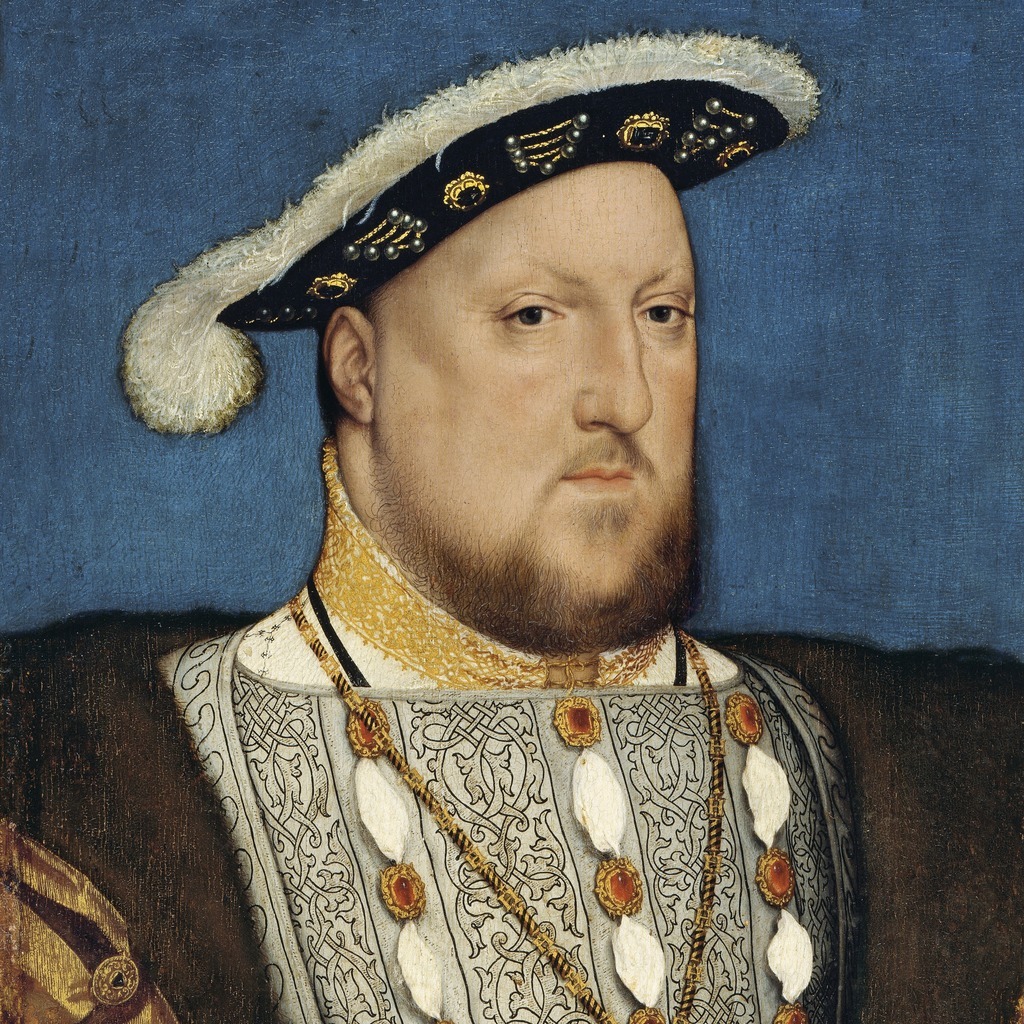 Henry VIII
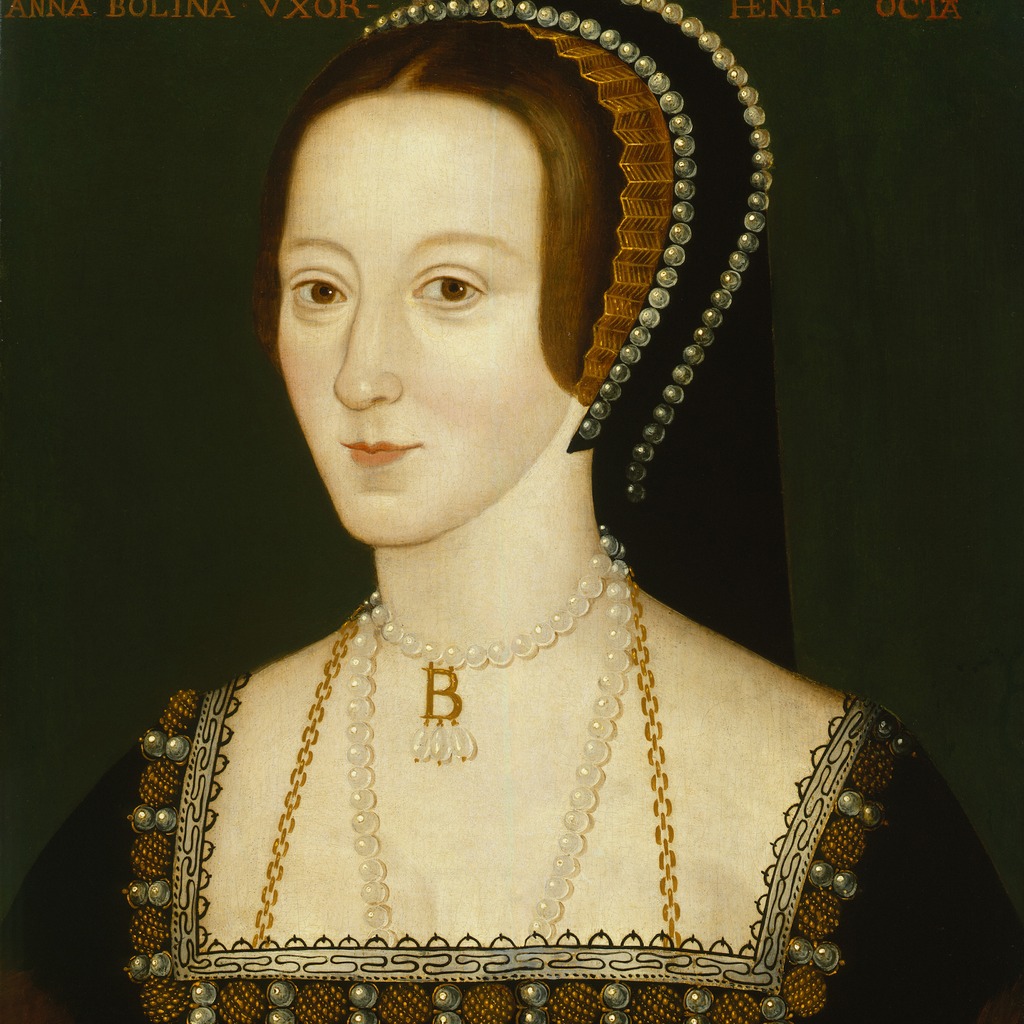 Anne Boleyn
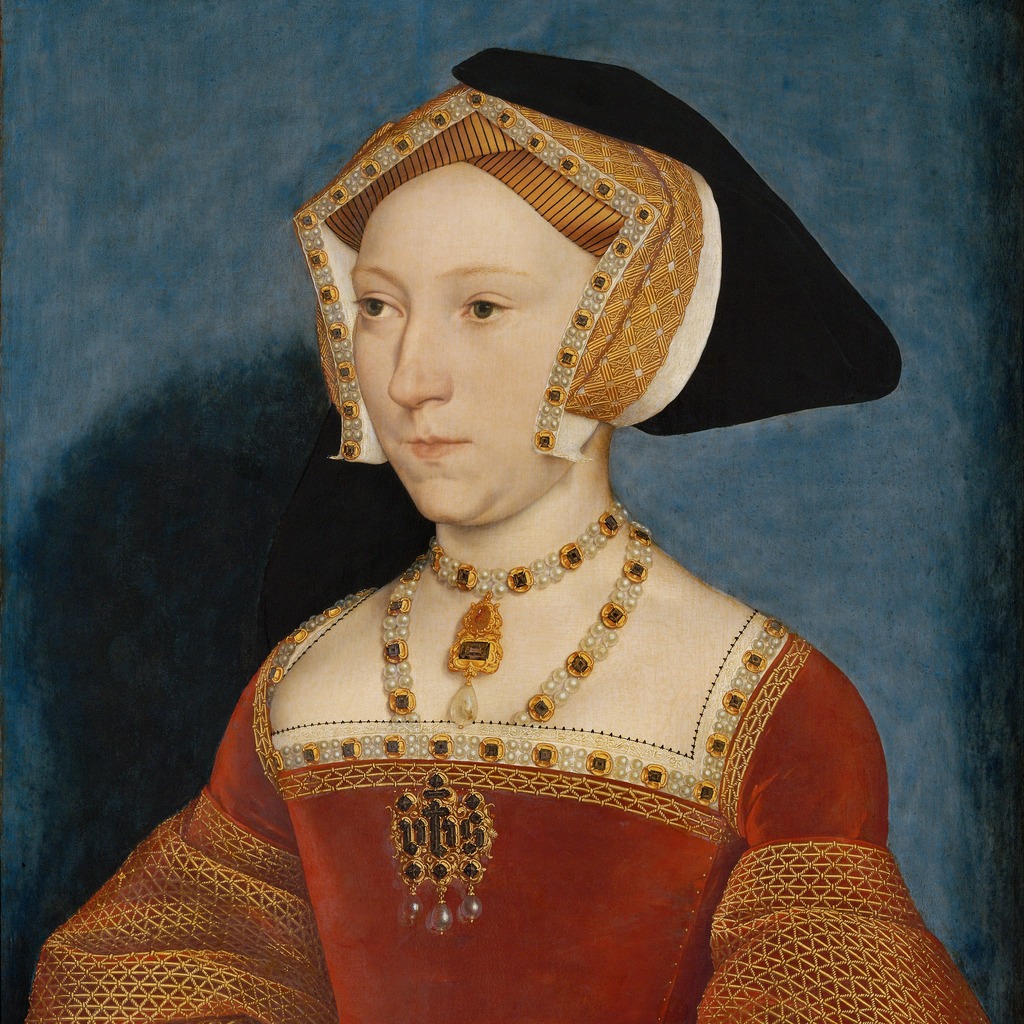 Jane Seymour
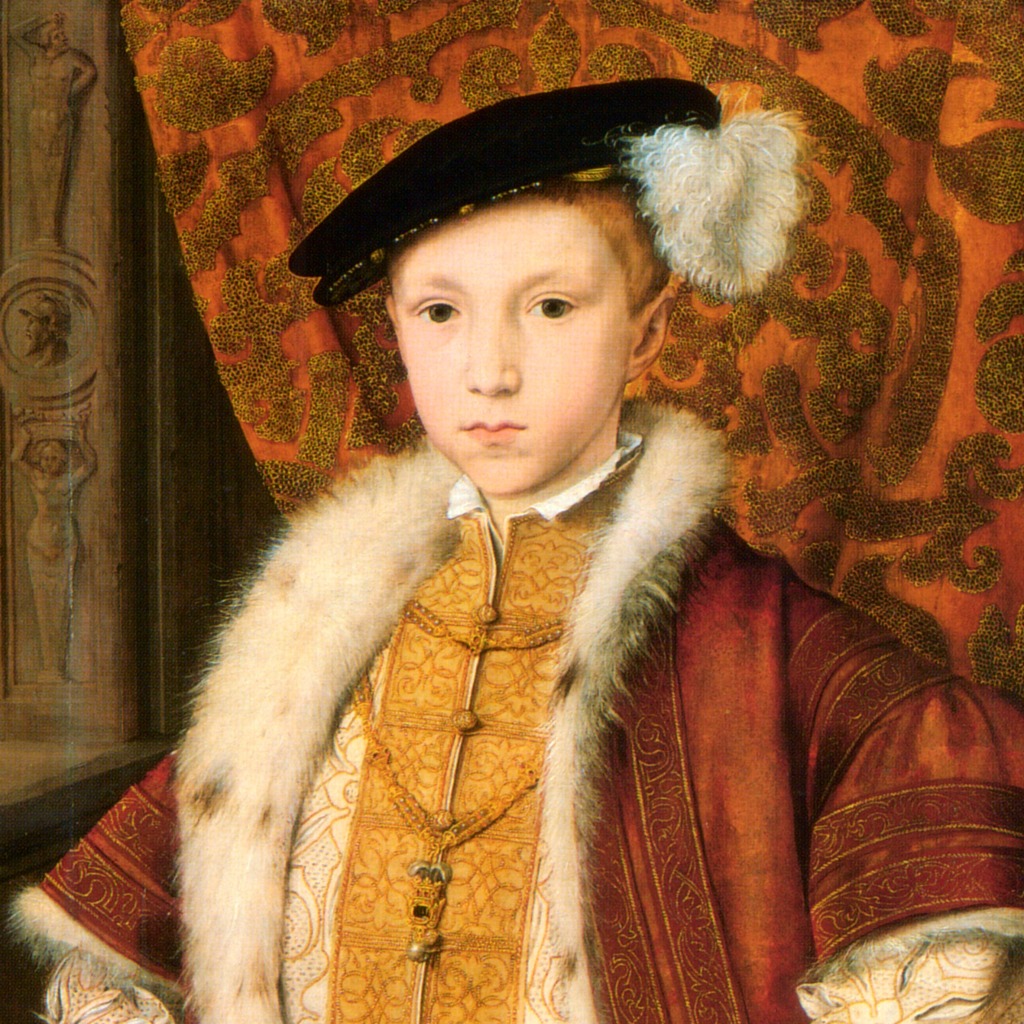 Edward VI
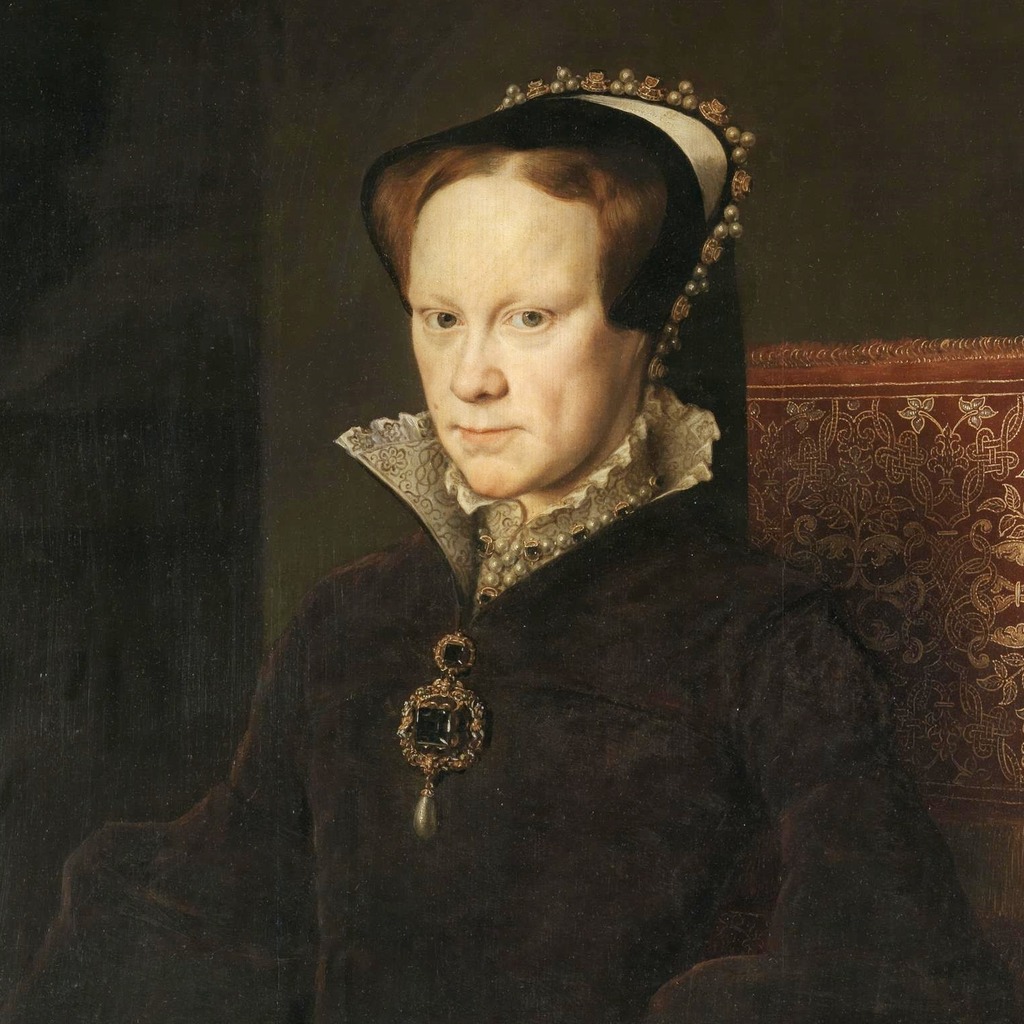 Mary I
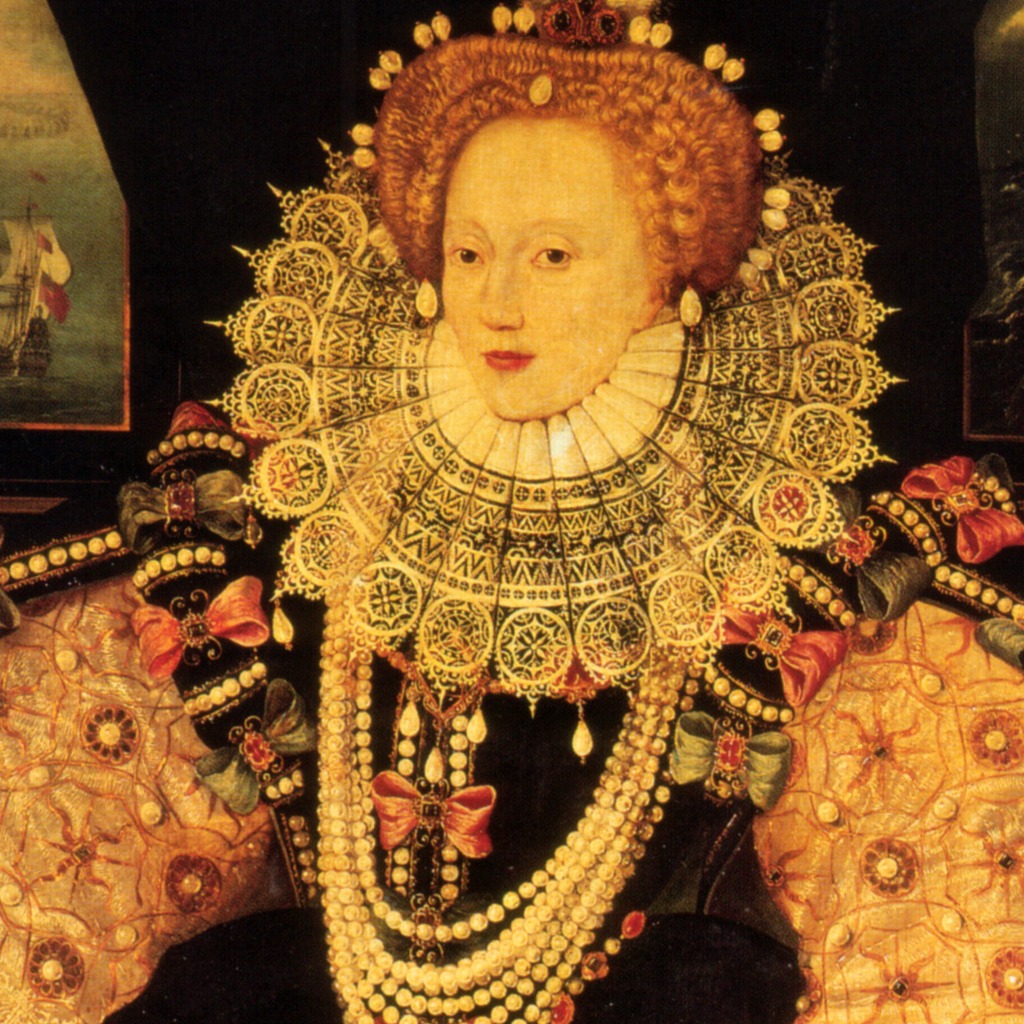 Elizabeth I
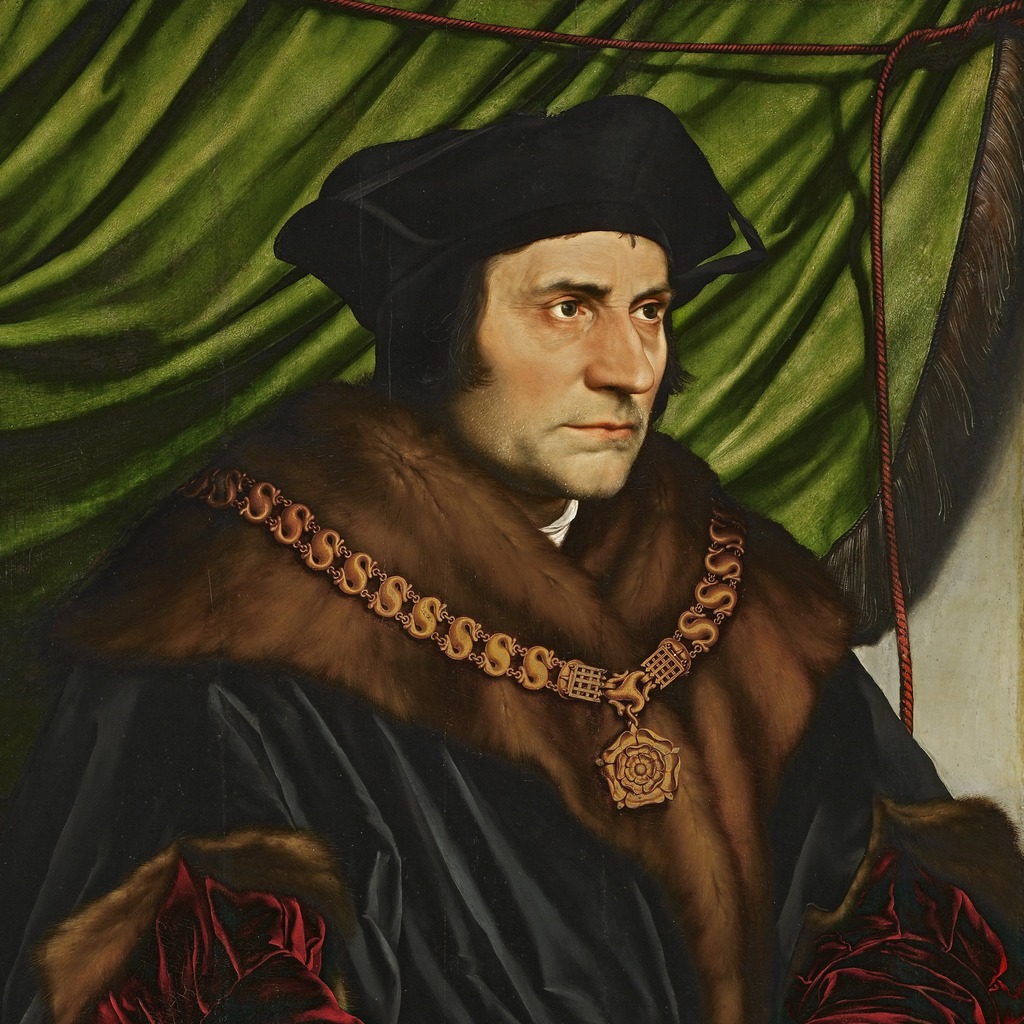 Thomas More
How it works
-
Take a photo
Front camera, decent light, look straight ahead. Or pick one you already have.
-
We paint you in
Your face goes into the painting, keeping its light and its brushwork. About fifteen seconds.
-
Share the link
You get a page anyone can open. No account, nothing to install.